Review · FLORENCE
Florence: The secret of wine, cheese and olive oil at a farm
This is a five-hour escape from Florence into the Chianti countryside, where the main event is not a quick sample and a bus ride home. You taste 10 organic Tuscan wines, 10 Italian cheeses, and a farmhouse meal while learning how local food and wine fit together. I especially like the small group size, capped at eight, and the chance to see both a wine cellar and a cheese room.
I also like that transport from Florence is included, which makes an afternoon of serious tasting far easier. The main caution is timing: one visit ran about two hours late after waiting for missing group members, so I would avoid booking a tight evening plan afterward.
Key points at a glance
- Ten wines from across Tuscany: The sommelier guides you through differences in flavor and style rather than simply handing you a glass.
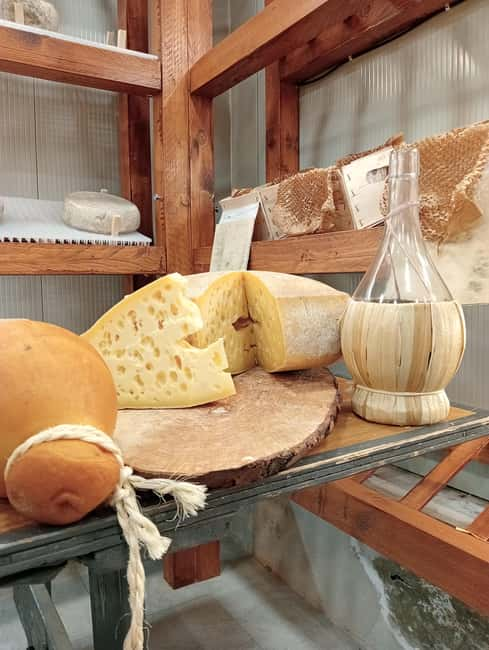
- Ten Italian cheeses: Expect varieties such as pecorino and provola, paired with the wider food tasting.
- Farmhouse setting: The property sits among vineyards, olive groves, cypresses, and hill views outside Florence.
- A full food component: Lunch includes pasta, extra virgin olive oil, balsamic vinegar, and fresh ingredients.
- Small group format: With no more than eight people, questions and conversation are easier than on a large coach tour.
- English-speaking guidance: Leonardo has led some departures, offering practical help for first-time wine tasters.
Leaving Florence for Fattoria Palaia
Your meeting point is Florence’s main train station, where the guide picks you up by car. That arrangement matters. Wine tasting in the Tuscan countryside is much more pleasant when nobody in the group has to drive, read rural road signs, or find a late train back.
The journey takes you past cypresses, vineyards, and olive groves. The information does not give a fixed driving time or a precise route, so you should think of this as a half-day outing rather than a tightly timed transfer. There may be a chance to stop and admire the vines and views before reaching the farm.
The included car transport is one of the strongest parts of the $94 price. A separate taxi or private transfer into the countryside could quickly make a self-planned visit expensive, before you pay for food and tastings. Here, the ride, the tasting program, the guide, and lunch are bundled together.
The small group limit also helps at this stage. A group of up to eight can usually fit into a smaller vehicle and keep the outing personal. It is still wise to allow extra time after the scheduled five hours, since rural pickups and group delays can affect the return.
More Olive Oil and Wine Tastings in Florence
- Tuscany Bike Tour with Wine, Oil and Food in the Florentine Hills
★ 5.0 · 209 reviews - Florence: Tuscany Bike Tour with Wine & Olive Oil
★ 4.9 · 174 reviews - Florence: Great Chianti Wine and Olive Oil Trail with Lunch
★ 4.8 · 160 reviews
A farmhouse among vines and olive trees
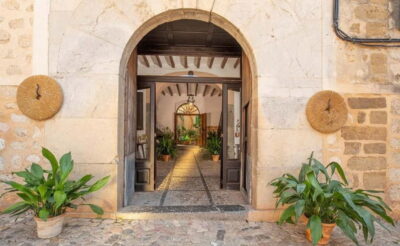
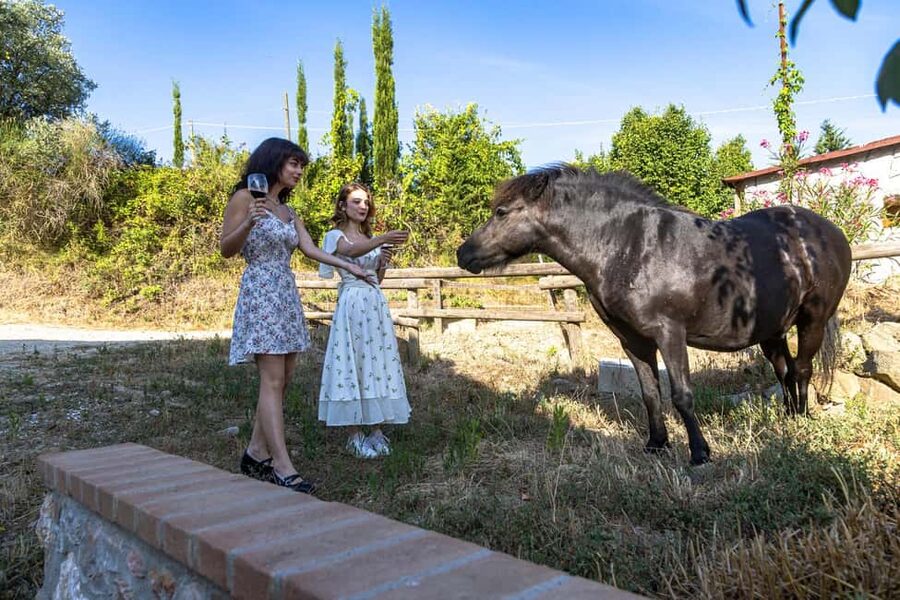
Fattoria Palaia is presented as a typical Tuscan farmhouse, not a formal city tasting room. The setting is part of the experience. You see the crops that shape the region’s food culture, including vineyards and olive groves, with cypresses and hill views adding the familiar Tuscan character.
One particularly appealing feature is the possibility of eating outdoors. If your timing and weather cooperate, the meal may come with a view across the valley and perhaps a sunset. That is not a guaranteed part of every departure, but it shows why this outing feels different from a wine bar in Florence.
The atmosphere is meant to be relaxed. You are not being rushed through a long list of technical facts, and the group size gives you room to ask basic questions. That is useful if you know little about wine. One former first-time tasting group came away with a better sense of how to identify differences in flavor, which is exactly the sort of practical lesson that makes a tasting worthwhile.
Still, the countryside setting comes with a tradeoff. A farm visit depends on the pace of the group and the road journey. If you need to be back in Florence at a precise hour, this is not the safest choice for the same day as an evening train, concert, or dinner reservation.
Ten Tuscan wines with a sommelier
The wine tasting is the heart of the outing. You sample 10 organic wines from Tuscany, with a sommelier explaining what you are drinking and how the flavors differ. The supplied details do not name every bottle or list a fixed order, so the exact selection may change.
That flexibility is normal for a farm-based tasting. Instead of treating the menu as a museum exhibit, the farm can present wines that suit its stock and the season. You should expect a broad introduction to Tuscan wine rather than a specialist class focused on one appellation.
For a newcomer, 10 wines can sound like a lot. The guide’s role is important here. Leonardo has led some of these tastings and is described as friendly and clear when explaining the differences between wines. You do not need prior wine knowledge to take part.
Pay attention to the method, not just your favorite glass. Notice how the sommelier describes aroma, body, acidity, and flavor. Try a sip before eating cheese, then taste it again with food. The point is to see how wine changes at the table, which is more useful than memorizing grape names.
The organic focus may also appeal to you, though the provided information does not explain the farm’s certification or production methods. If that point matters, ask the guide directly during the cellar visit.
Inside the cellar and cheese room
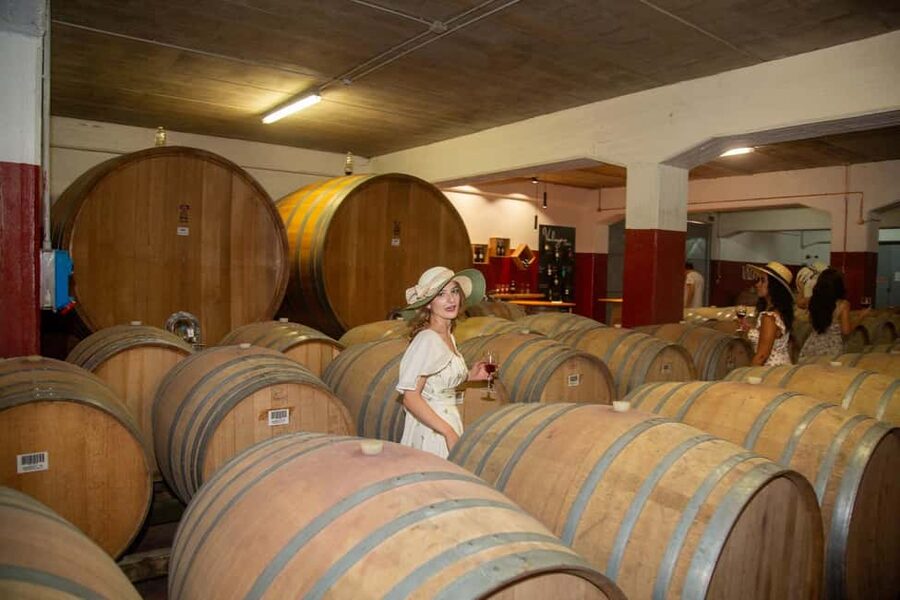
The program includes a tour of the wine cellar and cheese room. These stops give the tasting a sense of place. You are not only sampling finished products, you are seeing the rooms connected with their storage and preparation.
The cellar visit should help connect the wine in your glass with the farm around you. The details do not specify the cellar’s size, equipment, or age, so I would not book this expecting a technical winery tour with an extensive production lecture. Think of it as a compact introduction that supports the tasting.
The cheese room adds a useful second subject. You taste 10 cheeses from different parts of Italy, including pecorino and provola. That gives you a chance to compare firm, sheep’s milk styles with other textures and flavors, rather than treating cheese as a single category.
This variety is a real advantage. Tuscany is strongly associated with pecorino, but the tasting reaches beyond Tuscany and places local food in a wider Italian context. You can compare how cheese behaves with different wines and with the olive oil, balsamic vinegar, and pasta served at lunch.
More Olive Oil and Wine Tastings in Italy
- Florence: Private Vintage FIAT 500 with Wine & Olive Oil
★ 4.5 · 21 reviews - 4 Wines & 2 Olive Oils Tasting in Chianti Winery with Tour
★ 5.0 · 20 reviews - Florence: Vintage Fiat 500 Tour with Wine Tasting at Winery
★ 4.9 · 17 reviews - Florence: Great Chianti Wine and Olive Oil Trail with Lunch
★ 5.0 · 8 reviews
A Tuscan lunch, not just snacks
The meal is a proper part of the schedule. Lunch includes pasta, balsamic vinegar, extra virgin olive oil, and fresh ingredients, along with the wine and cheese tasting. The exact pasta dish and menu are not specified, so do not expect a fixed restaurant-style menu.
That uncertainty is not necessarily a problem. Farm meals often work best when they stay simple. Good olive oil, balsamic vinegar, cheese, pasta, and wine do not need a long ingredient list. The meal is designed to show how Tuscan food depends on a few well-chosen products.
The food received especially strong praise in the supplied experiences. One tasting included a small snack on arrival before the larger meal, and the food was described as excellent. Vegetarian options were also specifically appreciated. If you do not eat meat, tell the provider about your needs before the visit, as requested in the booking information.
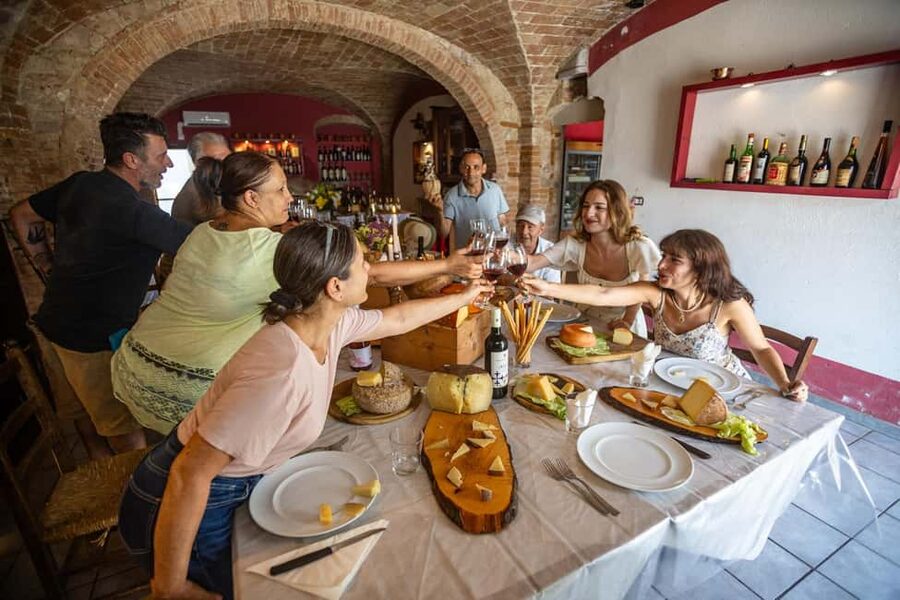
The meal also changes the pace. After several pours and explanations, sitting down to eat gives you time to talk with the guide and the rest of the group. It turns a series of samples into a social country meal.
You should still tell the provider about allergies, dietary restrictions, or vegetarian requirements in advance. The tour specifically asks you to do this, but the available details do not promise a particular menu for every diet.
Why the small group matters
A maximum of eight participants is a useful middle ground. You get more company than on a private visit, but you are not lost in a busload of people. The sommelier can answer questions, and you can hear the explanation while standing in the cellar or cheese room.
Small groups also make the meal more comfortable. Conversation is easier, and the group can usually move between the cellar, tasting area, and table without the stop-start feel of a large organized excursion.
There is one practical warning. A small group only works well when everyone arrives and follows the schedule. A past departure was delayed because some participants did not show up, and the return to Florence ended up about two hours late. That was partly outside the farm’s control, but it affected later plans.
For that reason, I would not schedule a museum reservation, dinner, or train immediately after the stated end time. Treat the five-hour duration as an estimate with some countryside padding.
Is $94 a fair price?
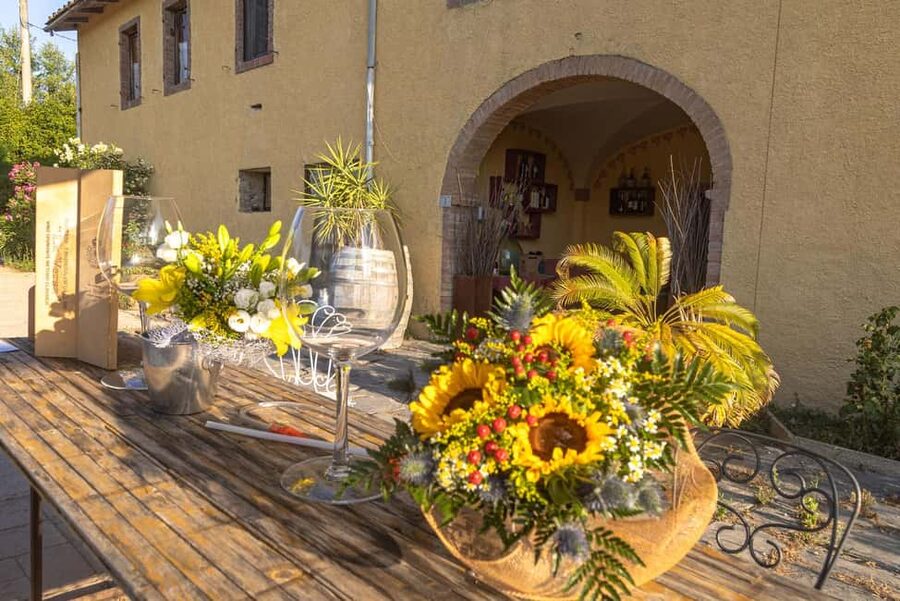
At $94 per person, this is not the cheapest way to drink wine in Florence. It is a strong value if you want the full package: return transport, 10 organic wines, 10 Italian cheeses, a cellar and cheese-room visit, a sommelier, and lunch.
The number of samples is generous. Even if the exact wines and cheeses vary, 20 tasting items provide a broad look at Italian food and drink. Add the rural setting and the convenience of not driving, and the price compares well with arranging separate transport, a tasting, and a meal on your own.
The value is less clear if you only want a quick wine tasting or if you already have a full day planned outside Florence. You are paying for the time commitment as much as for the food and wine. The five-hour block includes travel, so it is best suited to someone who wants the countryside to be the main event for part of the day.
The price also includes a live English-speaking guide. That matters most if you are new to wine and want the tasting explained in plain language. Experienced wine collectors may find the selection and technical detail too limited, since the program is built for a general audience.
Who will enjoy this farmhouse outing?
I would recommend it most strongly to:
- First-time visitors who want to see rural Tuscany without arranging a rental car
- Couples and friends who enjoy food, wine, and a relaxed meal
- Beginners who want help identifying differences between wines
- Vegetarians, provided dietary needs are shared in advance
- Anyone looking for a small-group alternative to a large coach excursion
It is also a good choice for people who want culture through daily food rather than through monuments. The lesson here is about how wine, cheese, olive oil, pasta, and the countryside fit together.
I would be more cautious if you dislike group meals, need a guaranteed return time, or want a highly technical winery tour. The program gives you a broad tasting and a friendly introduction, not a specialist certification course.
Practical advice before you book
Meet at Florence’s main train station, where the guide will collect you by car. Check the exact starting time when you book, since the activity offers different departure times depending on availability.
Tell the provider about vegetarian needs and other dietary requirements before the day of the visit. This is particularly important because the meal is central to the experience.
Plan your day with spare time afterward. A five-hour duration is the stated schedule, but one delayed departure ran two hours late. The safest plan is to leave your evening open or choose a later dinner reservation in Florence.
The cancellation policy is useful for uncertain plans: you can cancel up to 24 hours in advance for a full refund. You can also reserve now and pay later, which keeps the booking flexible.
Should you book it?
Book this if you want a food-and-wine day in the Tuscan countryside, not just another tasting inside Florence. The combination of 10 wines, 10 cheeses, a farm lunch, cellar and cheese-room visits, and included transport gives the $94 price real weight.
The strongest reasons to go are the scenic farmhouse setting, the small group, and the patient guidance available from a sommelier such as Leonardo. Leave extra time after the tour, tell the farm about dietary needs, and keep your expectations focused on a friendly introduction rather than a deep technical study. With those points in mind, this is a well-rounded choice for first-time wine tasters and anyone who wants a taste of local life beyond Florence’s center.
FAQ
Where does the experience begin?
You meet the guide at Florence’s main train station.
How long does the activity last?
The stated duration is five hours.
How do I reach the farmhouse?
Transportation to and from Florence is included. The guide picks you up by car at the main train station.
How many wines are included?
You taste 10 organic wines from Tuscany.
How many cheeses are included?
You taste 10 cheeses from different parts of Italy, including varieties such as pecorino and provola.
Is lunch included?
Yes. Lunch includes pasta, balsamic vinegar, extra virgin olive oil, and fresh ingredients.
Is there a wine expert on the tour?
Yes. A sommelier guides the tasting. Leonardo is named as a guide for some experiences.
Is the tour conducted in English?
Yes. The live tour guide language is English.
How many people can join the group?
The group is limited to eight participants.
Can I cancel for a refund?
Yes. You can cancel up to 24 hours in advance for a full refund. You can also reserve now and pay later.
More Cheese Tastings around Florence
- From Chania: Olive Oil, Wine, Cheese & Honey Tasting Tour
★ 4.6 · 490 reviews - Athens: Acropolis Wine Tasting with Cheese and Olives
★ 4.9 · 337 reviews - DISCOVER SORRENTO, food &Walking tour . Lemons-cheese&olive oil
★ 4.5 · 34 reviews - Full-Day Chocolate, Cheese, Olive and Wine Tour from Stellenbosch
★ 5.0 · 13 reviews
More Olive Farm Visits in Florence
- Horse ride, Olive Oil and local foods tasting in a Tuscan farm
★ 5.0 · 19 reviews - Seggiano: Typical Tuscan Farm Tour with Olive Oil Tasting
★ 5.0 · 4 reviews - Amazing Lunch in organic Farm with Balsamic Vinegar Olive Oil truffle and Wine tasting Experience in Tuscany
★ 3.0 · 3 reviews - Sorrento Farm and Food Experience including Olive Oil, Limoncello, Wine tasting
★ 5.0 · 2,524 reviews
Freshly pressed around Florence
- Leonardo Da Vinci’s wind mill visit and Organic olive oil tasting★ 4.5 · 12 reviews
- Chianti from Florence:PRIVATE Wine, Olive Oil Tasting in the Tuscan countryside★ 5.0 · 2 reviews
- Florence: Great Chianti Wine and Olive Oil Trail with Lunch★ 5.0 · 8 reviews
- Amazing Lunch in organic Farm with Balsamic Vinegar Olive Oil truffle and Wine tasting Experience in Tuscany★ 3.0 · 3 reviews
- Seggiano: Typical Tuscan Farm Tour with Olive Oil Tasting★ 5.0 · 4 reviews
- From Florence: Horseback Ride and Olive Oil and food tasting★ 4.3 · 8 reviews
- From Florence: Olive Oil Mill Tour and Tasting in Fiesole★ 3.3 · 10 reviews
- Florence: Olive Oil Tasting Experience★ 5.0 · 2 reviews
Olive Farm Visits, compared.
Sorrento Farm and Food Experience including Olive Oil, Limoncello, Wine tasting
Read our review →
Crete: Road-trip to Lasithi, Zeus Cave & Olive Mill Farm
Read our review →
Heraklion: Olive Farm Tour with Tasting of Local Delicacies
Read our review →
Lassithi, Zeus Cave, Olive Mill Farm & Knossos Combo Tour
Read our review →
Alghero: Wine and Olive Oil Tasting at a Local Farm
Read our review →
Traditional Olive Grove and Dragon Fruit Farm Tour
Read our review →
Moires: Cooking Class and Olive Oil Tasting at a Family Farm
Read our review →