
Review · ATHENS
Athens: Cretan Olive Oil Tasting Experience
The best part of this short Athens experience is that you do not simply taste olive oil on bread. You compare two extra virgin oils from different harvest periods, then learn how aroma, texture, and flavor reveal the difference between a good oil and a premium one.
I like the focused lesson in traditional Cretan production, and I like the generous supporting bites: Koroneiki olives from Sitia, Kalamata olives, handmade olive paste, cherry-tomato chutney, raki, and a Cretan rusk. The one drawback is the 30-minute length. You get a tidy introduction, not a full meal or a long cooking class.
Key points
- Two harvest periods: Compare regular extra virgin olive oil with an early harvest oil and learn how timing affects character.
- Cretan focus: Taste Koroneiki olives from Sitia, Crete, alongside the better-known Kalamata olive.
- More than oil: The tasting includes olive paste, rusk, cherry-tomato chutney, and the traditional spirit raki.
- Practical tasting skills: Learn to notice aroma, texture, and flavor instead of judging oil only by color.
- Easy central location: Find Chrisopigi Deli inside the covered Bolani walkway at Voulis 7.
- Good souvenir stop: Everything tasted is available for purchase, along with other Cretan products from family-run businesses.
What the 30-minute tasting actually offers
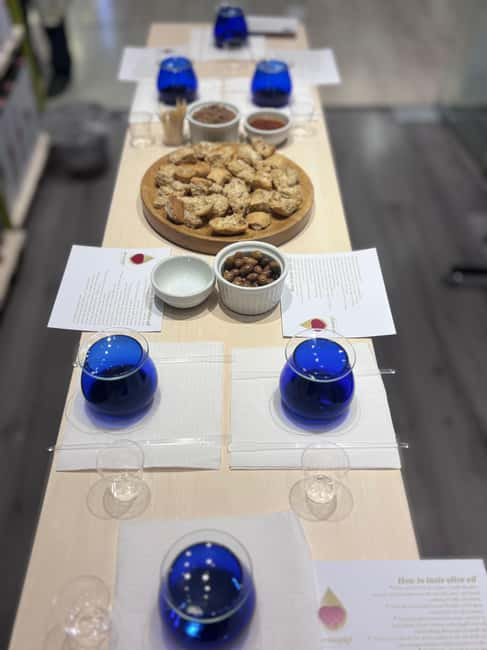
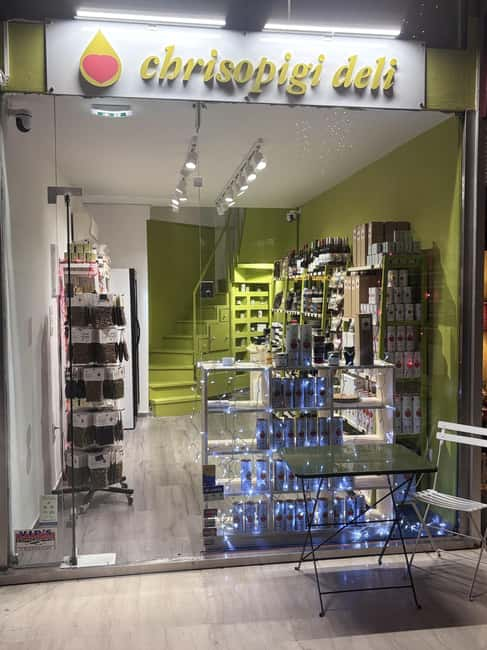
This is a compact food lesson held at Chrisopigi Deli, a shop in central Athens. You enter the covered walkway called Bolani on Voulis 7 Street and look for the Chrisopigi store. Transportation is not included, so you make your own way there, but the central setting makes it a practical addition to a day spent around central Athens.
The session begins with an explanation of Cretan olive oil production. You learn how traditional methods shape the finished oil and why harvest timing matters. The point is not just to tell you that one bottle is better than another. You are shown how to pay attention while tasting.
The main comparison involves two extra virgin olive oils from different harvest periods. One is an early harvest oil. That gives you a useful side-by-side lesson, since the oils may differ in aroma, texture, and flavor even though both meet the extra virgin standard.
The tasting is guided in English, with Greek also available. One guide named in the experience feedback is Ioanna, who is described as leading visitors through the production story and tasting technique. The session is designed for food experts and culinary enthusiasts, but you do not need a professional palate to take part. Anyone curious about Greek food can follow the process.
More Olive Oil Tours around Athens:
- Athens: Acropolis Wine Tasting with Cheese and Olives
★ 4.9 · 337 reviews - Athens Old Town: Greek Olive Oil & Herbs Tasting
★ 4.2 · 41 reviews - ”Athens Olive Oil Tasting”
★ 4.9 · 16 reviews
Learning to taste oil instead of just eating it
Most people use olive oil as a background ingredient. You pour it over salad, dip bread into it, or cook with it, then move on. This session asks you to slow down and notice what is in the glass or on the tasting spoon.
You learn to consider three main qualities: aroma, texture, and flavor. Aroma can suggest freshness and character before you even taste. Texture helps you notice how the oil feels in your mouth. Flavor gives you the clearest sense of balance and personality.
The lesson is valuable because color can mislead you. A greener oil is not automatically a better oil, and a golden oil is not automatically inferior. The experience focuses instead on the organoleptic features that help identify a premium extra virgin olive oil.
That word may sound technical, but the idea is simple. Organoleptic qualities are the things your senses detect. You use your nose, mouth, and overall impression to judge the oil, rather than relying only on a label or a high price.
The early harvest oil makes this comparison more interesting. Harvest timing affects the character of olives and the oil made from them. You can ask the guide to explain how the two oils differ and what kind of food might suit each one.
This is also where the short format works well. You are not asked to memorize a long lecture. You taste, listen, compare, and move to the next sample. The experience keeps the lesson tied to actual food.
Koroneiki, Kalamata, and the Cretan table
The olive tasting gives you two different points of reference. One is the Koroneiki olive from Sitia in Crete, a variety closely linked with Cretan olive oil. The other is the famous Kalamata olive, which many people already know as a table olive.
Tasting them side by side helps you notice that Greek olives are not all alike. Shape, texture, flavor, and use can vary. Kalamata olives are familiar to many diners, while the Koroneiki sample connects the tasting more directly to the oil-producing traditions of Crete.
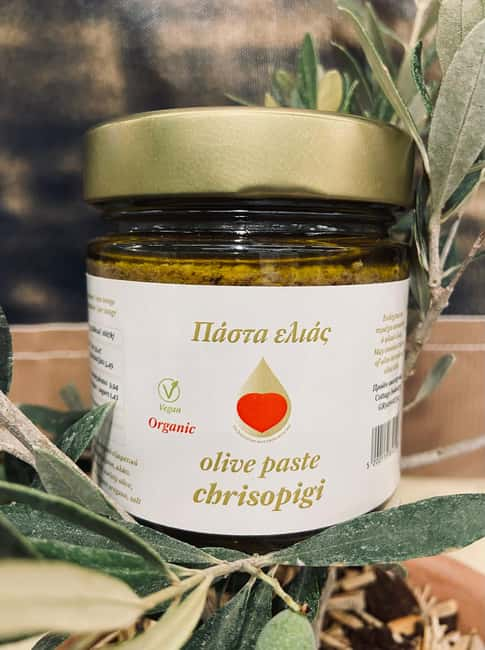
You also taste handmade olive paste made from Koronian olives. This changes the texture and presentation completely. Instead of tasting olive oil on its own, you get a spread that shows how olives can become part of a prepared food.
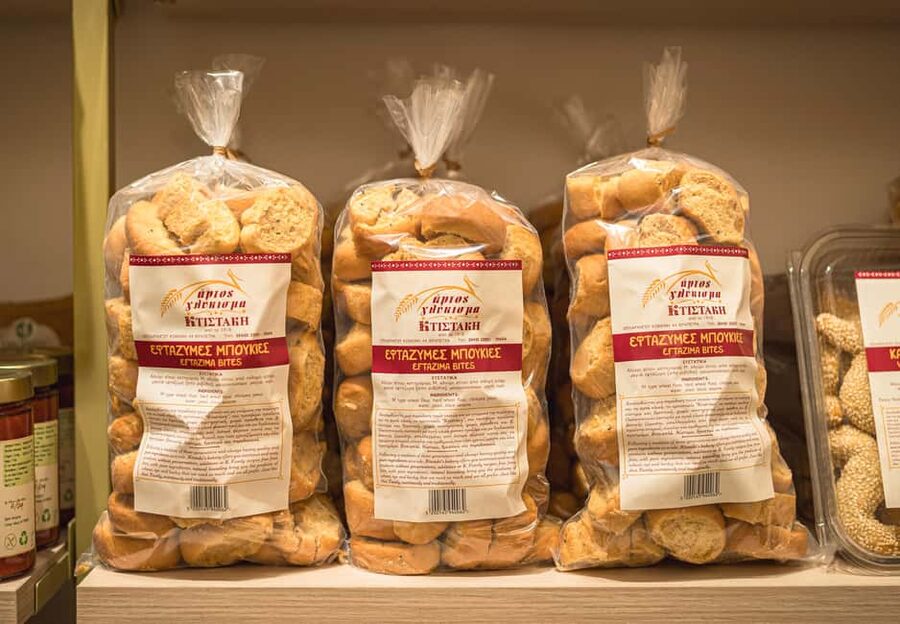
A traditional Cretan rusk from a small bakery in Crete rounds out the tasting. Rusks are firm, dry, and made to work with moist toppings, so it is a sensible partner for olive paste and chutney. You may find the rusk harder and more substantial than ordinary bread, which is part of its appeal.
The cherry-tomato chutney adds another flavor to the plate. The stated tasting also includes raki, the well-known Cretan spirit. These additions make the session feel more like a small introduction to Cretan pantry food than a narrow oil demonstration.
Do not arrive expecting a full lunch. The food is a series of tasting portions, not a meal. If you are hungry, plan another stop before or after the session. The strength here is variety and explanation, not quantity.
Why the harvest comparison matters
The most useful part of the experience is the comparison between oils from different harvest periods. A single sample can taste pleasant, but two samples let you identify contrasts. The guide can point out what to notice and explain why the oils do not taste identical.
An early harvest oil is made from olives picked earlier in the season. The session uses this as a way to discuss flavor and quality, rather than presenting early harvest as a magic label. You get a chance to consider how the timing of the harvest affects the oil in front of you.
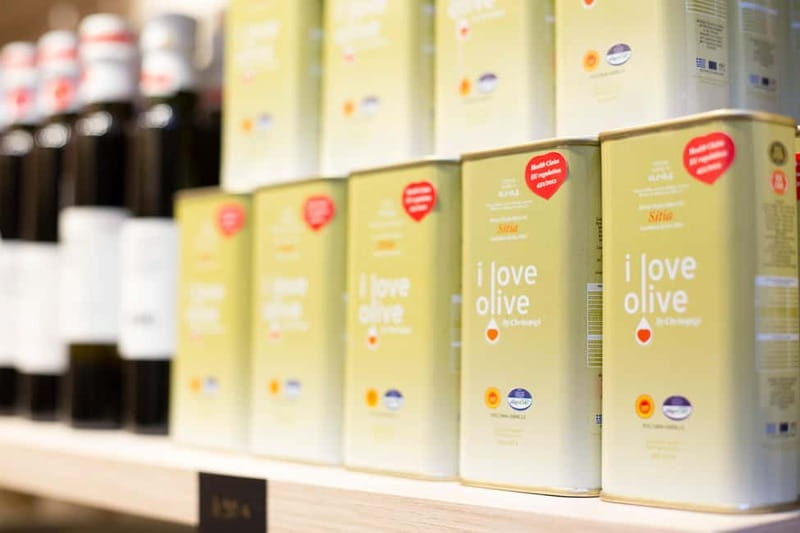
This matters when you shop in Greece. You will see many bottles labeled extra virgin, early harvest, Cretan, or cold pressed. The tasting gives those words some practical meaning. You can begin to connect the label with what you smell and taste.
The lesson may also change how you use oil at home. A fragrant oil that you enjoy on rusk or salad may deserve a different role from an oil used for general cooking. The experience does not promise a single correct choice. It helps you decide what you prefer.
The guide explains the qualities of each product as you taste. That makes the session useful even if you know little about olive oil. At the same time, the comparison gives food-focused visitors enough detail to keep the experience from feeling like a simple shop sample.
Same olive country, a different way to taste it:
- Street food tasting in the locals favorite hidden places
★ 5.0 · 15 reviews - From Athens: Olive Oil Tasting, Olive Grove & Wine Experience
★ 5.0 · 13 reviews - Full-Day Private Tour Corinth and Olive Oil Tasting from Athens
★ 5.0 · 13 reviews - Private tour in Nafplio with Olive oil Tasting Tour in Corinth
★ 5.0 · 9 reviews
Chrisopigi Deli and the central Athens setting
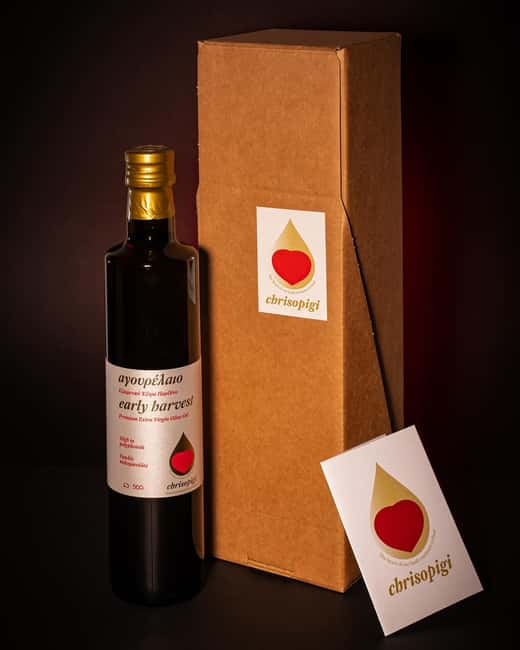
Chrisopigi Deli is located at Voulis 7 Street, inside the covered Bolani walkway. Pay attention as you approach, since you need to enter the stoa and find the shop rather than simply wait on the street.
This location works well for a short activity. You do not spend half a day reaching an olive grove or a rural mill. You can fit the tasting around sightseeing, shopping, or a meal in central Athens.
The setting also shapes the experience. This is a deli and shop, not an olive farm. You will learn about production through explanation and tasting, but you will not be walking through groves or watching machinery at work. If you want a countryside visit, this is not a substitute.
For many people, the city setting is an advantage. You get a direct introduction to Cretan food without giving up valuable Athens sightseeing time. The shop also lets you continue browsing after the guided tasting.
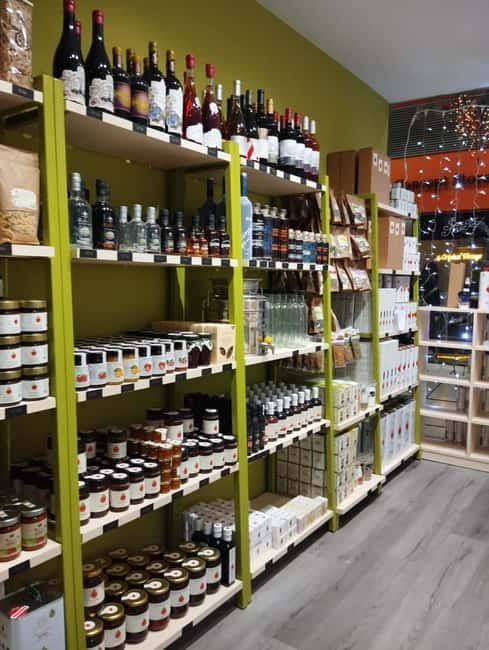
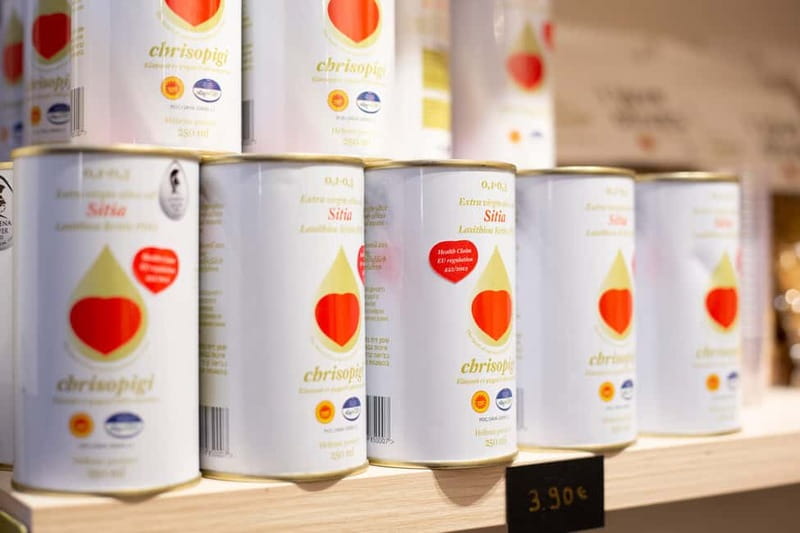
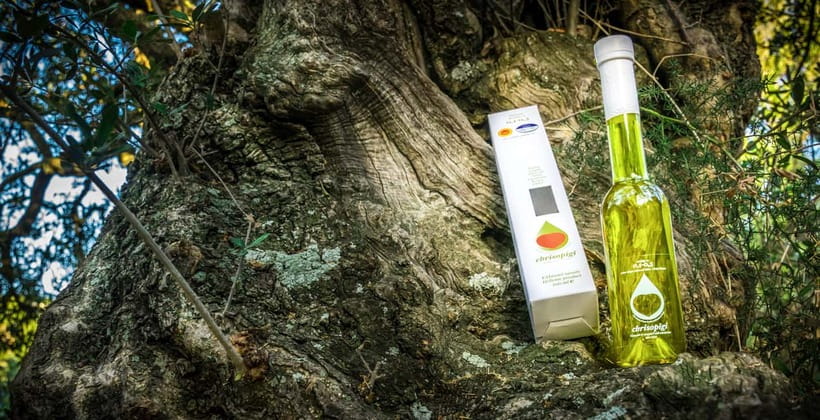
Every product tasted is available for purchase. The store carries other Cretan goods from family-owned businesses, so you can look for items beyond the oils, including products connected with the tasting. The experience may leave you with a better idea of what is worth taking home than a random stop in a souvenir shop.
Take care with luggage and liquids if you plan to buy bottles. The activity information confirms that products are available, but it does not specify packaging, shipping, or baggage arrangements. Ask the shop directly about those details before buying large quantities.
What the price means at $23
At $23 per person, this is priced like a short specialist tasting rather than a meal or a half-day food tour. The value depends on how much you want from the lesson. If you only want a quick spoonful of oil, the price may feel high. If you want a guided comparison and a better understanding of Greek pantry products, it is more reasonable.
You are paying for more than the samples. The session includes instruction on traditional production, tasting guidance, two olive oils from different harvests, two types of olives, olive paste, rusk, chutney, and raki. The opportunity to buy the same products afterward adds practical value for anyone building a Greek food collection at home.
The strongest value is educational. You learn a method you can use later, both in Greece and at home. A bottle bought after a guided tasting is less of a guess because you have already sampled it.
Still, keep the duration in mind. Thirty minutes goes quickly. The tasting is best treated as a compact appointment between larger Athens activities. You should not book it expecting a relaxed afternoon, a substantial meal, or a full tour of Crete’s food culture.
The very short schedule can also be a benefit if you have limited time. It is an easy way to add something distinctly Greek without taking your whole day off the Acropolis, museums, or neighborhoods.
Who will get the most from this experience
I would choose this for a food-focused visitor who wants context behind familiar Greek ingredients. It suits someone who enjoys comparing flavors, asks questions about production, or plans to take olive oil home.
It is also a good fit for a first visit to Athens when you want an activity that connects the capital with Crete. You taste products from family businesses and learn about a food tradition that reaches well beyond the city.
The session should work for beginners. You do not need to know the difference between varieties or harvest periods before arriving. The guide explains the qualities as you taste, and the small set of samples keeps the lesson manageable.
It may be less satisfying if you want a full meal, a farm visit, or a long cooking class. It is also not the best choice if you dislike strong flavors, olives, or spirits. The tasting centers on olive oil and olive products, so the theme is clear from the start.
The activity is wheelchair accessible. It is delivered in English, with Greek available, although the important information says the session is delivered in English. If you need another language, this experience is not presented as a multilingual option.
Booking and timing tips for Athens
Check the available starting times before you plan the rest of your day. The activity lasts only 30 minutes, but arriving at the correct entrance matters. Look for the Bolani covered walkway at Voulis 7, then find Chrisopigi Deli inside.
You can cancel up to 24 hours in advance for a full refund. The reserve-now, pay-later option lets you hold a place without paying immediately, which can help when your Athens schedule is still changing.
I would leave a little room around the appointment rather than book it between two attractions with no margin. The tasting itself is short, but finding a shop inside a covered passage can take a few minutes if you do not know the area.
The session has received a top rating across 10 ratings, with praise focused on the friendly presentation, clear teaching, excellent oils, and personal feel. The most useful takeaway is that the experience depends heavily on the guide’s explanation. Ioanna is specifically praised for teaching production history and tasting technique with care.
Should you book the Cretan olive oil tasting?
Book it if you want a short, practical food experience in central Athens and you like the idea of tasting before you buy. The harvest comparison, Koroneiki and Kalamata olives, handmade paste, rusk, chutney, and raki give you more variety than a basic oil sample.
Skip it if you are looking for a full lunch, an olive farm, or a long countryside excursion. The 30-minute format is deliberately compact, and the shop setting cannot offer the sights and smells of an actual grove or mill.
For most food-minded visitors, $23 is fair when you treat the activity as both a tasting and a lesson. You leave with sharper tasting skills, a clearer sense of Cretan products, and the option to buy something you already sampled rather than gambling on an unfamiliar bottle.
FAQ
Where does the olive oil tasting take place?
It takes place at Chrisopigi Deli, inside the covered Bolani walkway at Voulis 7 Street in central Athens. Enter the walkway and look for the Chrisopigi store.
How long does the activity last?
The tasting lasts 30 minutes. Starting times vary, so check availability when booking.
Which olive oils and olives will I taste?
You will taste two extra virgin olive oils from different harvest periods, including an early harvest oil. The olives include the Koroneiki variety from Sitia, Crete, and the famous Kalamata olive.
What food is included with the tasting?
The tasting includes handmade olive paste from Koronian olives, a traditional Cretan rusk, cherry-tomato chutney, and raki, along with the olives and olive oils.
Is the tasting available in English?
Yes. The session is delivered in English, and Greek is also listed as an available language.
Can I buy the products after the tasting?
Yes. The products you taste are available for purchase at Chrisopigi Deli. The shop also sells other Cretan products from family-owned businesses.
Freshly pressed around Athens
- Relax Day: Thermal Lake, Olive Oil Tasting & Poseidon Temple Tour★ 5.0 · 5 reviews
- Keramikos Olive Oil Experience & Walking Tour★ 5.0 · 6 reviews
- Private tour in Nafplio with Olive oil Tasting Tour in Corinth★ 5.0 · 9 reviews
- Flavors of Greece: Olive Oil and Wine Tasting Tour in Athens★ 5.0 · 2 reviews
- Private Wine & Olives Tasting Experience: Beach View Villa Paros★ 5.0 · 2 reviews
- Olive Oil Tasting Farm Experience, Corinth Canal, Nafplio★ 5.0 · 2 reviews
- ATHENS OLIVE ESTATE – Olive Oil Workshop with Farm-to-Fork Lunch★ 5.0 · 6 reviews
- Sounion Highlights: Vouliagmeni, Olive Farm, Poseidon Temple, Thorikos Theatre★ 4.5 · 3 reviews
Athens Olive Oil Tours, compared.
Athens: Acropolis Wine Tasting with Cheese and Olives
Read our review →
Athens Old Town: Greek Olive Oil & Herbs Tasting
Read our review →
Street food tasting in the locals favorite hidden places
Read our review →
Full-Day Private Tour Corinth and Olive Oil Tasting from Athens
Read our review →
From Athens: Olive Oil Tasting, Olive Grove & Wine Experience
Read our review →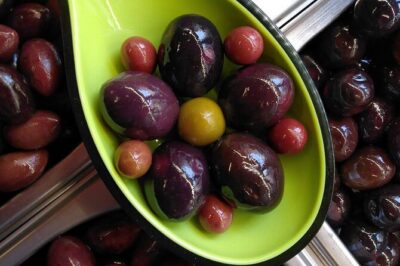

Private tour in Nafplio with Olive oil Tasting Tour in Corinth
Read our review →Other lists with this tasting on them