
Review · CROATIA
Olive farm & village
Just outside Dubrovnik, Vardia Farm offers a rare chance to trade stone streets and cruise-ship crowds for olive trees, vines, old terraces, and homemade food. Ivica Vlašić guides you through land his family has worked for centuries, sharing stories as naturally as he picks fruit or herbs along the path.
I like the easy escape from town and the warm, personal hosting. I also like that the tasting is tied to the farm itself: olive oil with bread, white wine, fruit, herbs, and liqueurs made from ingredients grown nearby. The main consideration is the walk. It is described as moderately easy, but uneven hill paths and roughly 30 minutes of walking call for sensible shoes.
Key points to know
- A 15-minute drive from Dubrovnik: Pickup is arranged from hotels or meeting points in the Dubrovnik area.
- A family farm with centuries of roots: Ivica shares the story of land tended by his family for about three centuries.
- A real farm walk, not just a tasting: You pass olive groves, vines, fruit trees, vegetables, herbs, and an old oak forest.
- A small-group setting: The maximum is eight people, which suits anyone who prefers a relaxed visit over a large coach outing.
- Farm-made food and drink: Expect olive oil, homemade bread, white wine, and fruit-based liqueurs, with seasonal produce along the way.
- Good shoes matter: The route includes a walk down and back up the hill on rural paths.
Why Vardia Farm makes a fine break from Dubrovnik
Dubrovnik is a beautiful city, but its compact Old Town can feel crowded, especially in the warmer months. Vardia Farm gives you a different view of the area within about 15 minutes of the city. The farm sits on Malaštica Hill, around 200 metres above the Adriatic Sea and close to the border with Bosnia and Herzegovina.
That short drive matters. You do not need to give up a full day or spend hours on a bus to reach the countryside. In less than half a morning, you can move from historic walls to olive trees, vines, oak forest, and open views.
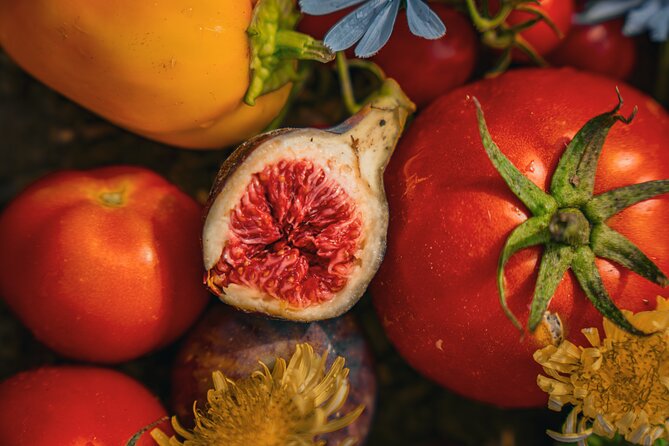
I especially like the contrast. This is not a polished attraction built around a photo stop. It is working family land, with olives, grapes, figs, plums, cherries, potatoes, pomegranates, almonds, walnuts, herbs, vegetables, and other seasonal produce. You see the farm as a source of food and family life, not simply as scenery.
The setting also gives the experience a strong sense of place. Dubrovnik is often presented through its architecture and coastline. Here, you get a look at the rural side of southern Croatia, where stone terraces, fruit trees, olive oil, wine, and home gardens remain part of everyday life.
More Olive Farm Visits in Croatia:
- Buje: Authentic Istrian family farm, guided walk, foods & wine
★ 5.0 · 37 reviews - Sorrento Farm and Food Experience including Olive Oil, Limoncello, Wine tasting
★ 5.0 · 2,524 reviews - Crete: Road-trip to Lasithi, Zeus Cave & Olive Mill Farm
★ 4.4 · 451 reviews
Pickup at 8:30 and a quick ride into the countryside
The tour begins at 8:30 a.m. Pickup is offered in front of your hotel or at an agreed meeting point in the Dubrovnik area. That is useful if you do not have a car, and it removes the need to work out transport to a rural property.
The drive takes about 15 minutes from the Old Town area. The route is short, but the change in atmosphere is immediate. You leave the city behind and head toward Malaštica Hill, where Vardia Farm sits above the sea.
The total experience lasts about two hours and 45 minutes. That timing works well for a morning plan. You can enjoy the farm, return to Dubrovnik, and still have much of the day available for the Old Town, a beach, or another outing.
The small maximum of eight people is another practical advantage. A group of this size allows Ivica to answer questions and adjust the conversation to the people in front of him. It also keeps the visit closer to a family welcome than a standard bus tour.
Walking through olive terraces and old family land
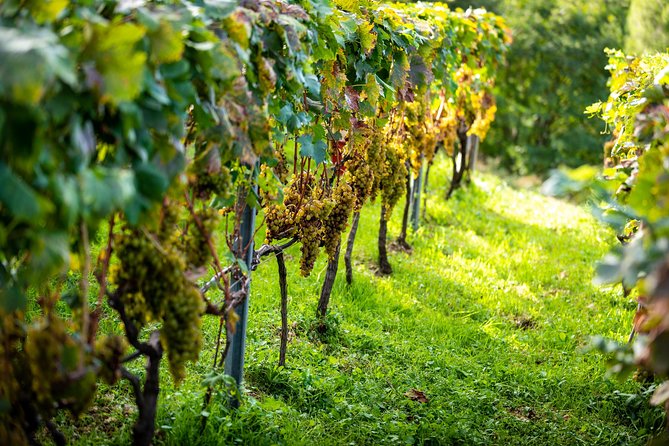
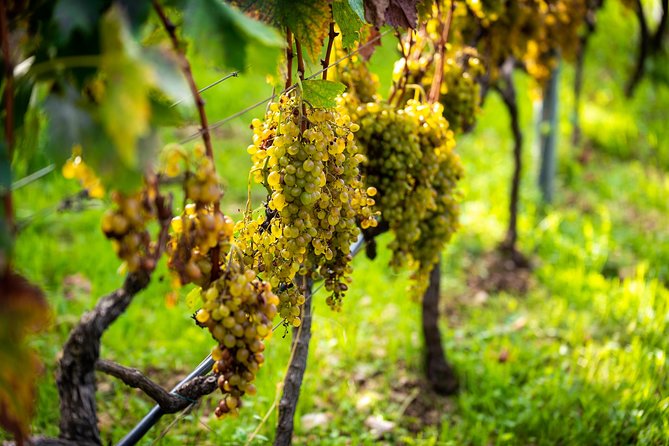
Once you arrive, the main activity is a walk down and back up the hill through the property. The route passes olive groves, an organic farm, and an old oak forest. You may also see or taste produce growing along the way, including figs, grapes, blackberries, tomatoes, bell peppers, almonds, and herbs, depending on the season.
The farm covers about 100 acres, and its story reaches back roughly three centuries through the Vlašić family. Ivica connects the plants and terraces to that family story. You are not simply shown an olive tree and told what it is. You get a clearer idea of how the land has been cared for and how farming knowledge passes from one generation to the next.
That personal connection is one of the strongest parts of the visit. Ivica learned through formal education as well as through working with his father and grandfather. His talk takes place outdoors, among the crops themselves, which makes the information easier to understand than a lecture in a tasting room.
The walk is described as moderate and easy, but do not treat it like a completely flat stroll. You will go down and back up the hillside on rural ground. Sensible shoes are important, especially if the path is dry, loose, or uneven. Anyone with limited mobility should think carefully before booking, since the activity requires about 30 minutes of walking and a moderate level of fitness.
What you can learn about olives, vines, and seasonal food
Vardia Farm is useful for anyone who wants to understand how Croatian food reaches the table. Ivica explains cultivation and production while you are standing beside the trees and plants. The focus is practical: what grows on the property, how it is cared for, and how the family turns some of it into food and drink.
Olive oil is the central theme, but it is not the only one. The farm also grows grapes and many types of fruit and vegetables. The variety helps you see that a small family farm may be productive in several ways at once rather than relying on just one crop.
The seasonal element is worth keeping in mind. You may taste fresh figs, almonds, tomatoes, blackberries, or grapes straight from the farm, but the exact selection will depend on the time of year. That is part of the appeal. The experience is connected to what is growing at the time, rather than offering the same fixed menu in every season.
You may also meet the farm’s three goats. They are a small detail, but they add to the feeling that this is a living property rather than a staged agricultural display.
More Olive Oil and Village Tours in Croatia:
- Crete: Quad Safari, Olive Mill with Tasting & Ghost Village
★ 4.9 · 1,004 reviews - Knossos-Zeus Cave -Old Traditional Villages-Olive Oil Factory
★ 5.0 · 694 reviews - Knossos & Lasithi Plateau: Zeus Cave,Villages, Olive Oil Tour
★ 5.0 · 328 reviews - Heraklion: Knossos Zeus Cave Villages Olive Oil Factory Tour
★ 5.0 · 126 reviews
Olive oil, bread, wine, and homemade liqueurs
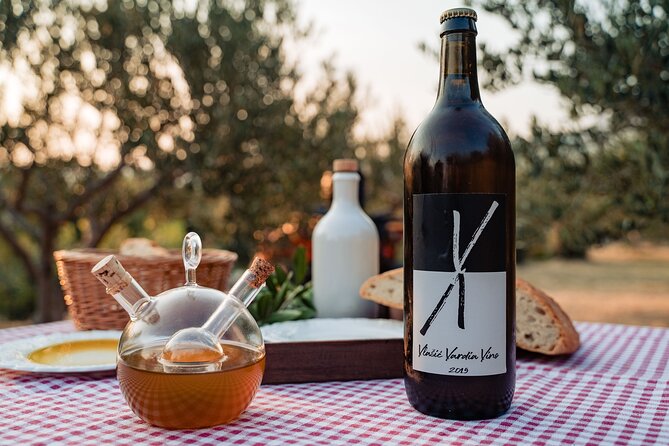
The tasting comes after the farm walk, in a scenic spot overlooking the Adriatic. You taste the farm’s organic olive oil with homemade bread, salt, and vinegar. The olive oil is presented in three different ways, which gives you a chance to notice how the other ingredients change its taste.
This is a simple tasting, but simple is the point. Good bread, local oil, salt, and vinegar can tell you plenty about the quality and character of the oil without a long list of fancy pairings. You can also expect white wine made by the family.
The drink selection may include a homemade herb brandy or fruit liqueur. Walnut liqueur and grappa are among the drinks associated with the tasting, and a lemon wine has been especially memorable for some people. You may also be served small sweets such as sugared almonds, along with baked goods, jam, or shortbread.
The tasting is not designed like a large winery flight with many wines and formal tasting notes. That could be a drawback if your main goal is to compare a broad range of Croatian wines. Instead, the focus is on a few well-made farm products and the story behind them.
I see that as a strength for most people booking this experience. You are not being rushed through glass after glass. You have time to sit, talk, eat bread, and take in the view. It feels more like being welcomed to a family property than attending a technical wine seminar.
The personal touch from Ivica Vlašić
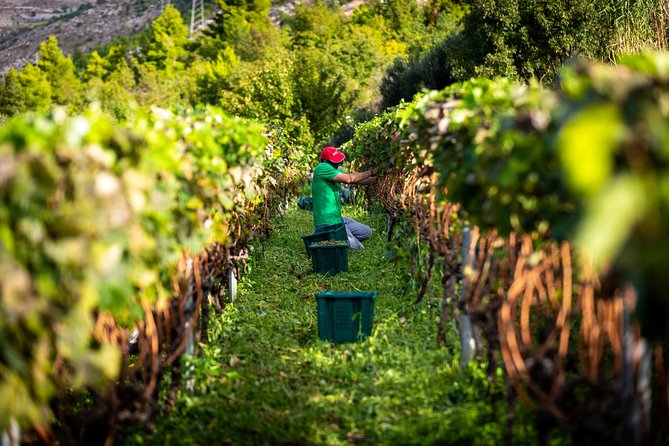
Ivica is central to the experience. He leads the walk, explains the farm, serves the tasting, and shares the connection between the present-day property and his family’s past. The tone is friendly and personal, with plenty of room for questions.
That matters because the farm itself is not a conventional sightseeing attraction. Its appeal comes from the person showing it to you and the way he explains the work. Without that human element, an olive grove and tasting table would be pleasant but fairly ordinary. With Ivica, the trees, terraces, crops, and family products have a clearer meaning.
The visit can also work well for couples, solo visitors, and small groups who want a quieter activity. The maximum of eight people makes conversation easier, and the farm setting gives you space away from the city.
Families may find it appealing too, especially because there are animals, fruit to taste, and plenty to look at. The food and drink can be adapted for children, according to the information provided. Still, parents should remember that this is a hill walk, not a playground visit.
Is the $84.10 price good value?
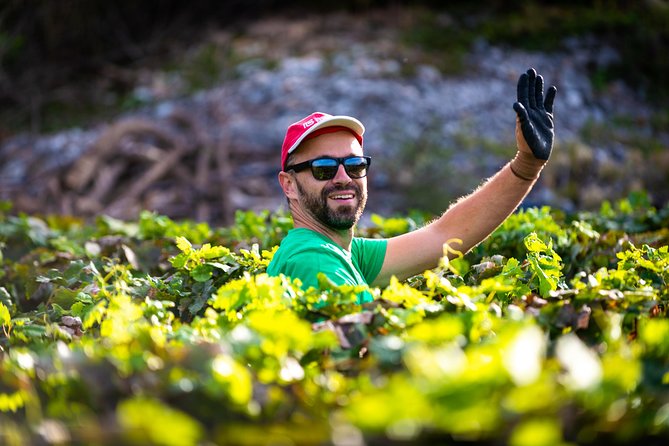
At $84.10 per person, this is not the cheapest way to spend a morning near Dubrovnik. You are paying for more than a tasting. The price includes pickup, transport to the farm, a guided walk, personal instruction from the owner, and food and drink made or grown on the property.
The value is strongest if you want a complete small-group outing. You do not have to arrange a taxi, find the farm, or plan separate food stops. You also get a setting that would be difficult to reproduce through a basic olive oil tasting in town.
The price may feel less attractive if you only want to sample Croatian wine or olive oil. Dubrovnik has plenty of places where you can order a drink without paying for transport and a guided visit. This experience earns its price through the access to family land, the countryside setting, and the time spent with Ivica.
I would compare it with the cost of a short private excursion rather than with the cost of a single tasting. On that basis, the combination of transport, food, drinks, and a nearly three-hour visit is reasonable, especially for anyone who values personal contact and a change of pace.
Who should book this experience?
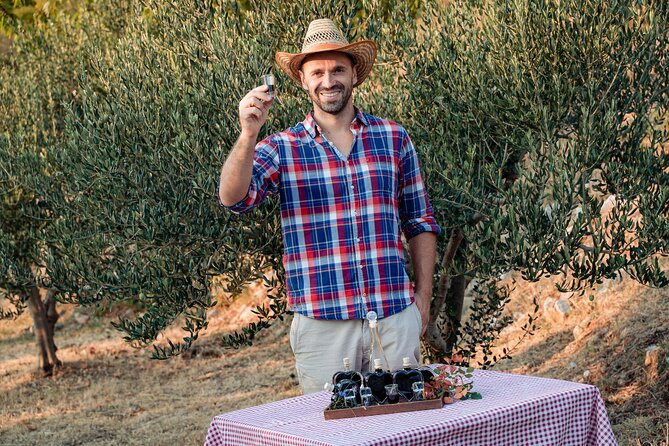
You should consider Vardia Farm if you want a calm morning outside Dubrovnik and enjoy food with a story behind it. It suits people who like walking, small groups, family businesses, and local products more than grand attractions or formal entertainment.
It is a particularly good fit for:
- Couples looking for a relaxed outing with good views and a shared tasting
- Food lovers interested in olive oil, homemade bread, fruit, herbs, and liqueurs
- Visitors who want to see rural Croatia without giving up a full day
- Families comfortable with a moderate walk and an outdoor setting
- Anyone tired of crowded city streets and large organized groups
You may want to skip it if you dislike uneven paths, cannot manage a hill walk, or want a large professional winery with several wine varieties and formal instruction. The farm experience is intimate and informal. That is its charm, but it also means the exact produce and tasting selection can vary.
Practical details before you go
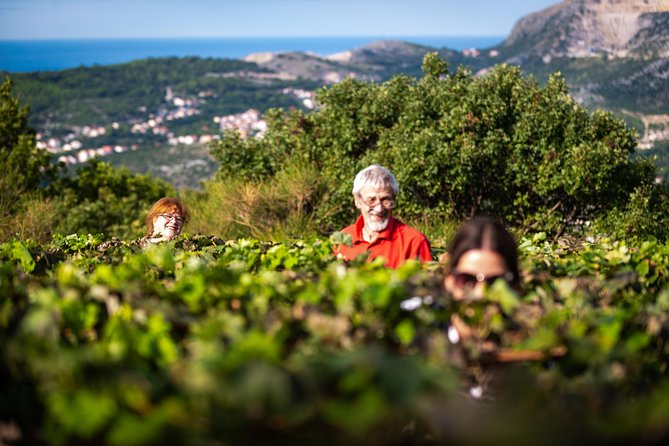
The tour is offered in English, and confirmation is provided at booking. A mobile ticket is available, and service animals are allowed.
Wear firm, comfortable shoes. This is the most useful advice for the day. You will walk through olive groves and farm areas, then return up the hill, so sandals with poor grip may be uncomfortable.
Plan for changing farm conditions. The activity requires good weather, and it may be moved or canceled if conditions are poor. If the provider cancels for weather, you can receive a different date or a full refund.
You can cancel for a full refund up to 24 hours before the start time. Changes or cancellations made less than 24 hours before the experience are not accepted for a refund.
Should you book Vardia Farm?
I would book this if you want to see a quieter, more personal side of the Dubrovnik area. The strongest reasons are the short transfer from the city, the small group, Ivica’s family connection to the land, and the chance to taste products where they are grown and made.
The farm walk and tasting work together. You first see the olives, vines, fruit, herbs, and terraces, then sit down with olive oil, bread, wine, and liqueurs. That makes the meal feel connected to the place rather than added on at the end.
Book with sensible expectations. This is not a major vineyard with a grand cellar, and it is not a flat stroll. It is a family farm visit with a moderate walk, seasonal produce, and a generous host. If that sounds like your kind of morning, Vardia Farm offers one of the more distinctive short escapes from Dubrovnik.
FAQ
Where is Vardia Farm located?
Vardia Farm is on Malaštica Hill, about 200 metres above the Adriatic Sea, near the border with Bosnia and Herzegovina. It is about a 15-minute scenic drive from Dubrovnik Old Town.
How long does the experience last?
The experience lasts approximately two hours and 45 minutes.
What time does the tour start?
The stated start time is 8:30 a.m.
Is pickup available?
Yes. Pickup is arranged in front of hotels or at meeting points in the Dubrovnik area.
What language is the experience offered in?
The experience is offered in English.
How much walking is involved?
The activity includes an easy-to-moderate walk down and back up the hill through olive groves, the organic farm, and an old oak forest. About 30 minutes of walking is specified.
What should I wear?
Wear sensible, comfortable shoes suitable for rural and uneven paths. A moderate level of physical fitness is recommended.
What food and drink are included?
The tasting includes organic olive oil, homemade bread, salt, and vinegar, plus white wine. You may also taste homemade herb brandy or fruit liqueurs and seasonal farm produce.
How many people can join the tour?
The maximum group size is eight people.
What is the cancellation policy?
You can cancel up to 24 hours before the start time for a full refund. The activity requires good weather. If it is canceled because of poor weather, you will be offered another date or a full refund.
Freshly pressed around Croatia
- Makarska Tuk Tuk Tour Olive Grove, Scenic Views and Tastings★ 5.0 · 3 reviews
- Small-Group Olive Oil Tour in Cres with Tasting★ 5.0 · 2 reviews
- Private Hvar Island Tour and Olive Oil Tasting★ 4.5 · 10 reviews
- Poreč: Olive Grove Walk and Tasting with Local Products★ 5.0 · 5 reviews
- Kastela: Wine & Olive Tasting Tour w/Delicacies & Live Music★ 5.0 · 5 reviews
- From Biograd: Wine and Olive Oil Tasting in Ražnjevića Dvori★ 4.7 · 3 reviews
- Private Split & Klis Fortress Tour, Olive Museum & Port Pickup★ 4.5 · 13 reviews
- Šibenik or Zadar: Krka falls, olive mill, oil & wine tasting★ 4.8 · 17 reviews
Olive Farm Visits, compared.
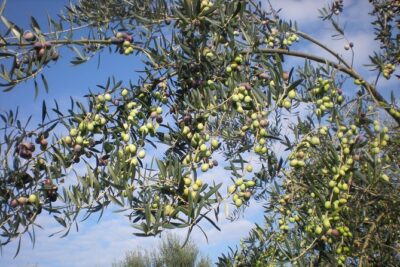
Sorrento Farm and Food Experience including Olive Oil, Limoncello, Wine tasting
Read our review →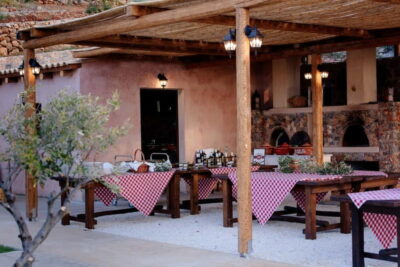
Crete: Road-trip to Lasithi, Zeus Cave & Olive Mill Farm
Read our review →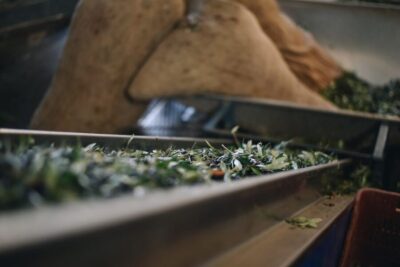
Heraklion: Olive Farm Tour with Tasting of Local Delicacies
Read our review →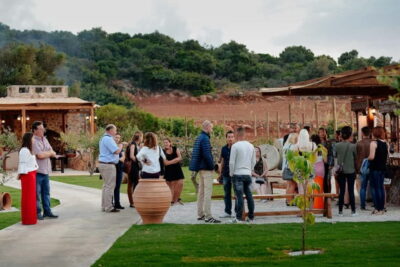
Lassithi, Zeus Cave, Olive Mill Farm & Knossos Combo Tour
Read our review →
Alghero: Wine and Olive Oil Tasting at a Local Farm
Read our review →
Traditional Olive Grove and Dragon Fruit Farm Tour
Read our review →
Moires: Cooking Class and Olive Oil Tasting at a Family Farm
Read our review →
Sóller: Olive Oil Guided Tour and Tasting at Can Det Estate
Read our review →Other lists with this tasting on them