

Review · GREECE
Olive Oil Tasting at the Mykonian Farm
The most useful part of this Mykonian Farm experience is the side-by-side tasting. You sample two award-winning Greek extra virgin olive oils and two oils with negative attributes, so you can tell the difference between fresh, well-made oil and oil that has gone wrong. That is far more useful than simply being told that Greek olive oil is good.
I like the clear sensory lesson and the small maximum of 15 people. You learn how to smell and taste oil, then use practical words such as fruity, bitter, and spicy. I also like that the session places olive oil inside the Mediterranean Diet, rather than treating it as a souvenir with a nice label.
The main caution is price. At $104.28 per person for about two hours, this is a specialized food lesson, not a full farm day. If you expect a large meal, extensive animal activities, or a long tour of the property, check the details carefully before paying.
Key points at a glance
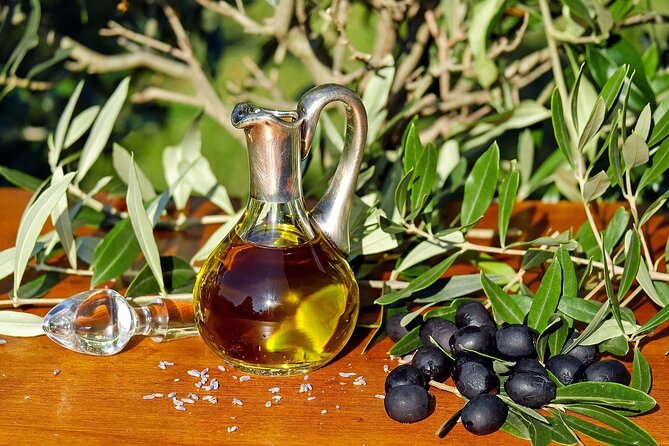
- Four oils, not four similar samples: Two are award-winning Greek extra virgin oils, while two show negative qualities.
- A practical tasting lesson: You learn to identify fruity, bitter, and spicy traits and spot defective oil.
- Hosted by an expert taster: The session focuses on sensory analysis, not just general farm talk.
- Small group size: The activity accepts a maximum of 15 people, which should make it easier to hear the presentation and ask questions.
- A two-hour evening activity: The stated start time is 5:00 pm, leaving much of the day free for other Mykonos plans.
- Good for food-focused visitors: It suits anyone curious about Greek cooking, olive cultivation, and the health ideas behind EVOO.
Four oils that teach you what extra virgin means
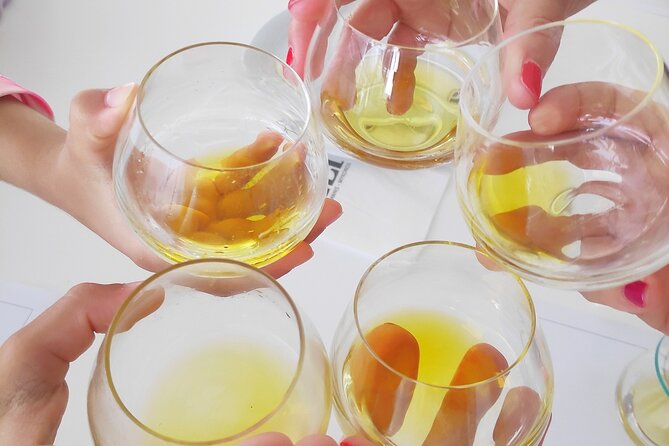
This is not simply a tasting of four pleasant oils. The key lesson comes from contrast.
You begin with the basic principles of olive oil tasting and sensory analysis. The expert taster explains how to smell the oil, how to assess its flavor, and how to describe what you notice. Instead of reaching for vague words such as good or strong, you learn the language used to discuss oil properly.
The tasting includes two exceptional Greek extra virgin olive oils and two oils with negative attributes. That pairing matters. A polished tasting of only premium oils can leave you impressed but uncertain about what you are actually noticing. The flawed samples give your senses a reference point.
You may learn to recognize fruity notes, along with bitterness and spiciness. Those last two traits can surprise people who assume bitter or peppery oil must be bad. In a sound extra virgin olive oil, bitterness and a spicy finish can be signs of character. The lesson helps you separate desirable traits from true defects.
The point is not to turn you into a professional taster in one sitting. It is to give you enough confidence to make better choices at a market, restaurant, or shop. After the session, the label extra virgin should mean more than a familiar phrase on a bottle.
More Olive Farm Visits in Greece
- Crete: Road-trip to Lasithi, Zeus Cave & Olive Mill Farm
★ 4.4 · 451 reviews - Heraklion: Olive Farm Tour with Tasting of Local Delicacies
★ 4.9 · 411 reviews - Lassithi, Zeus Cave, Olive Mill Farm & Knossos Combo Tour
★ 4.6 · 404 reviews
Why the tasting method is worth your time
Olive oil is easy to judge badly. You may choose a bottle because of its country, packaging, price, or attractive farm picture. None of those details tells you exactly how the oil smells or tastes.
Sensory analysis gives you a more direct way to judge it. You pay attention to the aroma first, then the flavor, then the finish. The specialist explains the elements that define extra virgin oil and shows you how a sound oil differs from one with faults.
That hands-on comparison is the strongest reason to book. I would especially recommend it if you cook at home and use olive oil often. A short lesson can change how you think about salad dressing, bread dipping, grilled vegetables, and other simple foods where the oil is easy to notice.
The experience also gives useful context about Greek food traditions. Olive oil has been a central Greek ingredient since ancient times, and the session connects it to everyday eating rather than presenting it as a luxury product. You learn why EVOO is valued for its antioxidants, fatty acids, and vitamins, as well as its role in the Mediterranean Diet.
Health claims should still be treated with common sense. The activity presents olive oil as a healthy fat and explains its benefits, but this is a tasting and food education session, not medical advice. I would enjoy that part for the cultural and culinary context.
What happens during the two-hour session
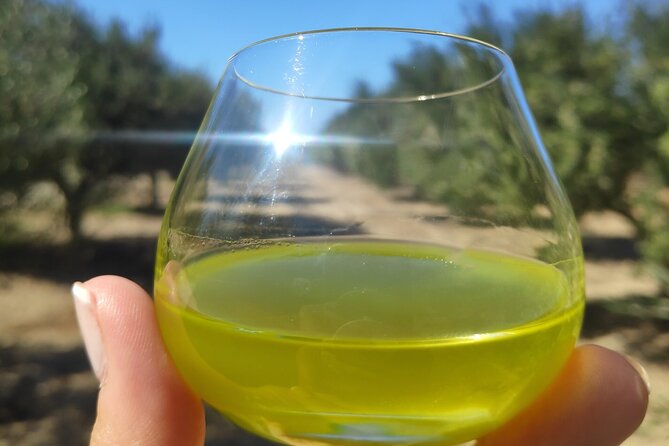
The activity takes place in a specially designed area of Mykonian Farm and lasts about two hours. The stated start time is 5:00 pm, making it an easy fit after a morning at the beach or an afternoon exploring Mykonos.
The session begins with a short history of the Greek olive tree and olive oil. This gives you a useful foundation without making the experience a long lecture. You learn why the ingredient matters in Greek life and how it became central to the country’s cooking.
Next comes the tasting method. The expert taster introduces the basic steps of sensory analysis and explains the terms you will use. You are not expected to arrive with any special knowledge. The activity is designed to teach the basics from the beginning.
The central portion is the tasting of four oils. Two are award-winning Greek extra virgin oils. Two have negative attributes. The contrast lets you notice differences in aroma, flavor, balance, and finish.
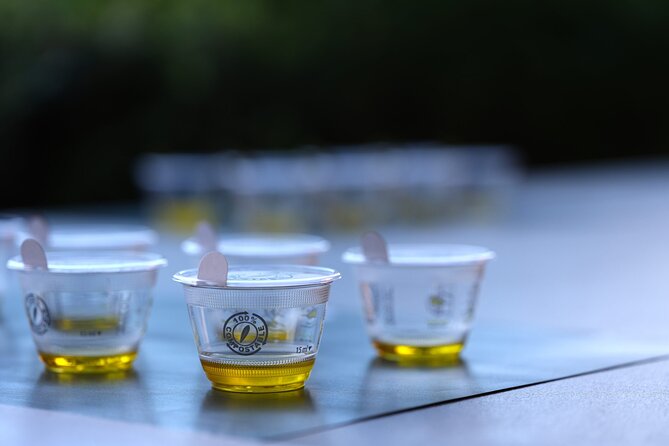
The final part covers the basic health benefits of olive oil and its place in the Mediterranean Diet. You also learn about the wider health and beauty claims associated with extra virgin olive oil. The listed program includes biodegradable tasting glasses, which keeps the presentation practical and reduces disposable plastic use.
Food and wine may be associated with the wider farm experience, but they are not clearly listed among the included parts of this particular program. One account found the food and wine enjoyable, while another felt the dinner was much less generous than expected and considered the price high. I would not book this tasting assuming a substantial dinner is included.
The Mykonian Farm setting and group size
The farm setting gives the activity a stronger sense of place than a tasting held in a city shop. You are learning about Greek oil at a working farm environment in Mykonos, surrounded by the subject of the lesson rather than separated from it.
The available information does not give a detailed farm walking route or promise an orchard tour. Keep your expectations focused on the tasting area and presentation. The setting supports the lesson, but the main event is sensory education.
The group maximum is 15 people. That is large enough to create a social atmosphere but small enough for the specialist to explain the samples without addressing a crowd. For this kind of activity, group size matters because you may want to ask why an oil smells different or whether a bitter note is a flaw.
Pickup is offered, though the exact pickup area and timing are not specified. Confirm those details before booking if you need transportation. A mobile ticket is available, and confirmation is received at the time of booking.
Same olive country, a different way to taste it:
- Crete: Quad Safari, Olive Mill with Tasting & Ghost Village
★ 4.9 · 1,004 reviews - Knossos-Zeus Cave -Old Traditional Villages-Olive Oil Factory
★ 5.0 · 694 reviews - The Governor’s Olive Mill Tour with Olive Oil Tasting
★ 5.0 · 502 reviews - From Chania: Olive Oil, Wine, Cheese & Honey Tasting Tour
★ 4.6 · 490 reviews
What the $104.28 price really buys
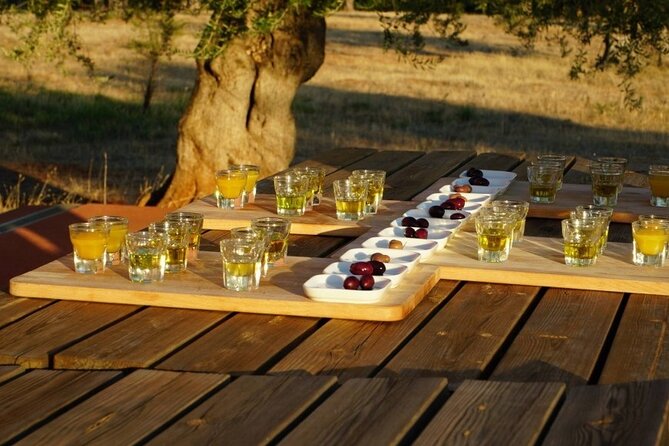
At $104.28 per person, this is not a bargain tasting. You are paying for a specialist-led lesson, four samples, the farm setting, biodegradable tasting glasses, and roughly two hours of instruction. The value depends on how much you want to learn.
The price makes more sense for a food-focused visitor who wants an organized introduction to Greek olive oil. If you already know how to assess EVOO and have tasted a wide range of oils, the lesson may feel basic. If you usually buy oil by label or price alone, the comparison could be genuinely useful.
I would compare this with the cost of a full farm meal before booking. The listed program centers on olive oil tasting, not a broad meal or a full day of activities. A portion of the available feedback praised the host, food, and wine, but another account felt the meal was underwhelming for the price. That tells me you should judge the value mainly by the tasting lesson.
The strongest praise goes to the host’s friendly manner and command of the subject. You can expect a personal presentation rather than a self-guided sampling table. Still, no individual host name is provided, so I cannot tell you who will lead your particular session.
Who will enjoy this experience most
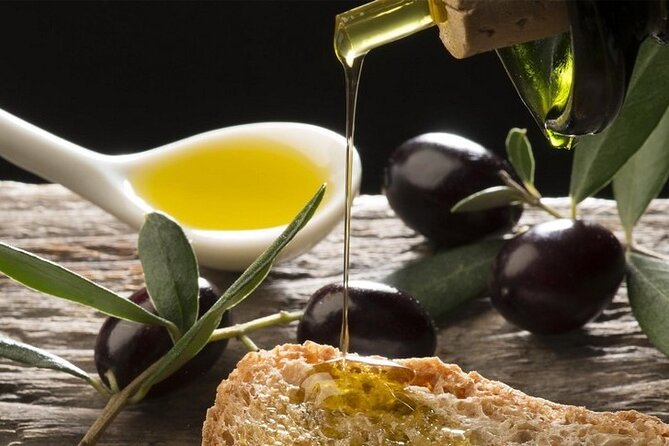
I would choose this activity if you fit one or more of these groups:
- You enjoy Greek food and want to understand a basic ingredient at a deeper level.
- You like guided tastings and want clear vocabulary for discussing what you smell and taste.
- You are curious about the Mediterranean Diet and the role of EVOO in Greek cooking.
- You have a free evening in Mykonos and prefer a calm, educational activity to another sightseeing stop.
- You are traveling with a small group that enjoys food lessons.
Families may also find the format accessible because most people can participate, but the supplied information does not give a minimum age or a child-specific program. If you are booking with young children, ask the provider whether the tasting format suits them.
This is less suitable if you want a long farm tour, a large traditional feast, or a full schedule of hands-on rural activities. It is also not the best choice for someone who dislikes tasting unfamiliar foods or who wants a flexible, drop-in experience.
Practical details before you book
The activity starts at 5:00 pm and lasts approximately two hours. That timing is useful because it leaves your morning and early afternoon open, but it may overlap with dinner plans.
Pickup is offered, but the supplied details do not state which areas are covered or whether an extra fee applies. Ask before booking rather than assuming transport is included in the $104.28 price.
The group is capped at 15 people, and most people can participate. You receive confirmation when booking, and the ticket can be shown on a mobile device.
The cancellation rule is strict: the booking is non-refundable and cannot be changed for any reason. I would only reserve it once your evening plans are firm. This matters more on an island trip, where ferry delays, weather changes, and shifting dinner plans can affect your schedule.
Mykonian Farm olive oil tasting: final verdict
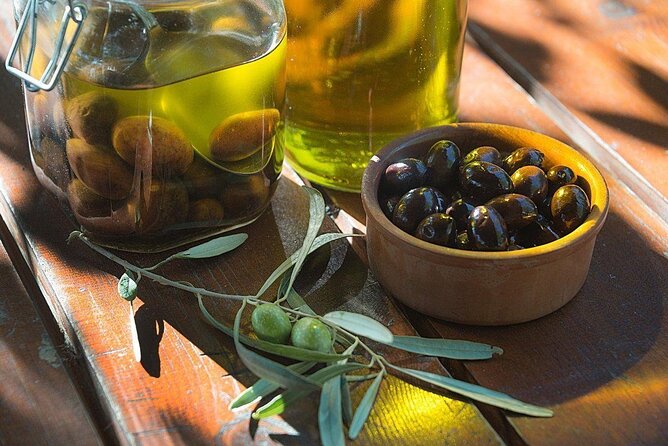
I would book this if you want a focused, well-presented introduction to Greek extra virgin olive oil. The four-oil comparison is the real strength, especially because two samples show negative attributes instead of giving you four polished oils with little contrast.
The experience also earns credit for its small group size, specialist host, biodegradable tasting glasses, and clear connection to Greek food culture. The 4.3 rating from three available ratings reflects that split: strong enthusiasm for the host and lesson, balanced by concern about price and meal expectations.
I would skip it if you are mainly looking for dinner, animal activities, or a broad farm outing. At this price, you should value the education itself. Book it for the tasting, the Greek food context, and the chance to learn how to judge oil with your own senses.
FAQ
Where does the olive oil tasting take place?
The activity takes place at Mykonian Farm in Mykonos, Greece, in a specially designed tasting area.
How long does the experience last?
The tasting lasts approximately two hours.
What time does the activity begin?
The stated start time is 5:00 pm.
How much does the experience cost?
The listed price is $104.28 per person.
How many olive oils are included?
You taste four olive oils: two award-winning Greek extra virgin olive oils and two oils with negative attributes.
Is pickup available?
Yes. Pickup is offered, though the available details do not specify the covered areas or exact pickup arrangements.
How large is the group?
The activity accepts a maximum of 15 people.
Can I cancel or change my booking?
No. The experience is non-refundable and cannot be changed for any reason.
Freshly pressed around Greece
- Private Tour in Historic Estate in Monemvasia with wine-olive oil tasting & meal★ 5.0 · 4 reviews
- Olive Facility Visit with Olive Oil Tasting Session★ 5.0 · 2 reviews
- SYSTASIS Olive Oil Tasting Experience in Ermioni Greece★ 5.0 · 4 reviews
- Olive Oil Tour close to Nafplio★ 4.5 · 3 reviews
- Olympia Shore Ex: Premium Private Package -Tickets & Olive Market★ 4.5 · 5 reviews
- WIne & Olive Oil Tasting in an Organic Farm in Laconia, Greece!★ 5.0 · 2 reviews
- E-Bike Kalamata Olive Routes★ 5.0 · 10 reviews
- Olympia shore Excursion – 4 hour tour (Olympia, Olive press, Beach)★ 4.5 · 12 reviews
Olive Farm Visits, compared.
Sorrento Farm and Food Experience including Olive Oil, Limoncello, Wine tasting
Read our review →
Crete: Road-trip to Lasithi, Zeus Cave & Olive Mill Farm
Read our review →
Heraklion: Olive Farm Tour with Tasting of Local Delicacies
Read our review →
Lassithi, Zeus Cave, Olive Mill Farm & Knossos Combo Tour
Read our review →
Alghero: Wine and Olive Oil Tasting at a Local Farm
Read our review →
Traditional Olive Grove and Dragon Fruit Farm Tour
Read our review →
Moires: Cooking Class and Olive Oil Tasting at a Family Farm
Read our review →
Sóller: Olive Oil Guided Tour and Tasting at Can Det Estate
Read our review →Other lists with this tasting on them