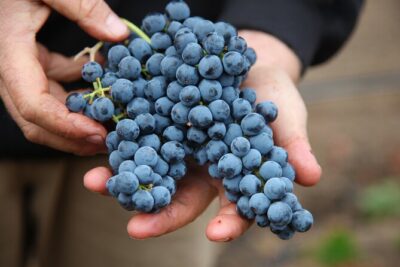
Review · HERAKLION
Soap, Wine, Raki, Olive Oil, Meet the local Producers Tour
Crete’s best souvenirs are not always found in a shop. This tour takes you to the people who make its soap, olive oil, wine, and raki, then gives you time to taste and understand each product. The route through valleys and villages is the real treat: you see a working side of Crete that a beach stop cannot provide.
I like the family-run producers, who explain their work with pride rather than rushing you through a sales pitch. I also like the cruise-friendly timing promise, especially the 150% back-on-time guarantee. The main consideration is the lack of a proper lunch, and tastings can add up if you buy extra drinks or products.
Key points to know
- Three very different stops: Make soap, taste olive oil, then finish with wine and raki.
- A working view of Crete: You visit a soap workshop, olive mill, vineyard, cellar, and distillation room.
- Generous tasting program: Sample three to four olive oils, two to three wines, and raki with local snacks.
- Good for cruise schedules: Pickup and drop-off are included, with a strong return-on-time promise.
- Small-group atmosphere: A group of nine was described as comfortable and lively, with an entertaining driver.
- Bring sun protection: Several parts of the day take place outdoors, and the tour includes walking and standing.
Why this tour feels more personal than a standard tasting trip
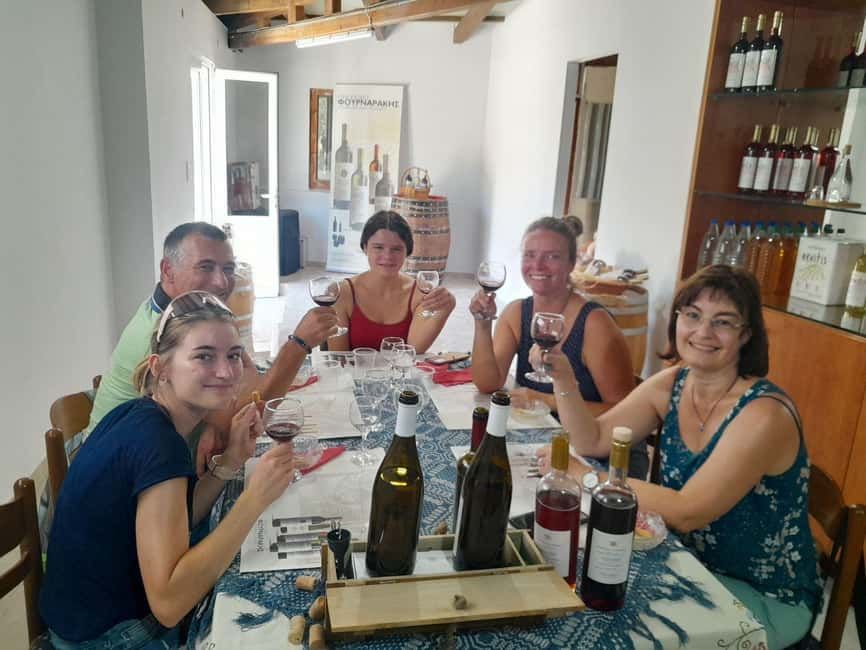
Many food tours keep you in a tasting room. This one takes you behind the products. You see where the raw materials come from, hear how family businesses operate, and learn why certain foods and drinks matter in Cretan life.
The order of the day works well. Soap gives you a gentle start, olive oil adds the agricultural and culinary side, and wine and raki finish the outing with a social flourish. Each stop has its own rhythm, so the experience does not feel like three versions of the same tasting.
The tour lasts about 330 to 390 minutes, or roughly five and a half to six and a half hours. That is long enough to reach the countryside without making the day feel like a full expedition. Pickup is included from designated locations, and you receive the exact pickup time, driver’s name, vehicle color, type, and license plate the day before.
For cruise passengers, timing matters more than almost anything else. The advertised 150% back-on-time guarantee gives this tour a useful safety net. You should still give the operator your ship schedule clearly, but the promise makes this a more sensible choice than an open-ended rural excursion.
More Olive Oil and Wine Tastings in Greece
- Private Tour-Knossos Palace Zeus Cave Olive Oil Mill & Wine
★ 5.0 · 135 reviews - Crete: Olive Oil, Soap, Wine, Raki – Flavorful Culinary Journey
★ 5.0 · 119 reviews - Crete: Olive, Wine, & Raki on a Flavorful Culinary Journey
★ 4.7 · 56 reviews
The soap workshop and the quiet art of making something useful

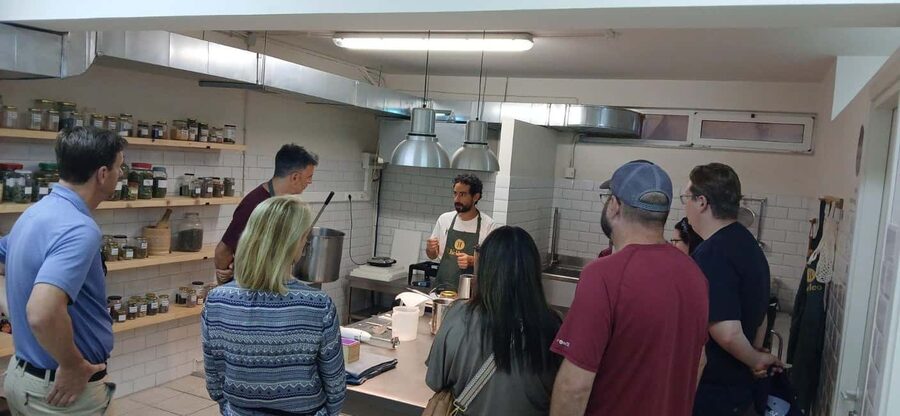
The first stop runs from about 10:00 to 11:15. You visit a countryside workshop where olive oil, herbs, and fruit-based ingredients are turned into traditional soap.
The focus is on the cold-process method. You learn how the ingredients are combined and why natural additions such as laurel, rosemary, orange peel, and sage are used. The workshop also gives you plenty of chances to smell the ingredients, watch a demonstration, and understand how a simple household product becomes a carefully made bar of soap.
If time allows, you may mix and mold a small creation yourself. That hands-on touch matters. It turns the first stop from a talk into a small activity you can remember, especially if you are traveling with family or prefer practical demonstrations to long explanations.
The family behind the workshop also shares its story. That personal connection helps explain why buying a bar of soap here feels different from picking up a generic souvenir at a hotel shop. You can browse and buy products, but you are not required to purchase anything.
This is probably the least food-focused part of the day, so keep your expectations clear. You are not coming here for a major attraction or a long museum visit. You are coming to see a traditional craft, understand the ingredients, and enjoy the scents.
I would pay attention to the details about laurel and rosemary. These ingredients connect the soap to the local vegetation and to older household traditions. The stop also gives the day a calm opening before the more active tastings begin.
Olive groves and the journey from branch to bottle
From about 11:30 to 12:30, the tour shifts to one of Crete’s defining products: extra virgin olive oil.
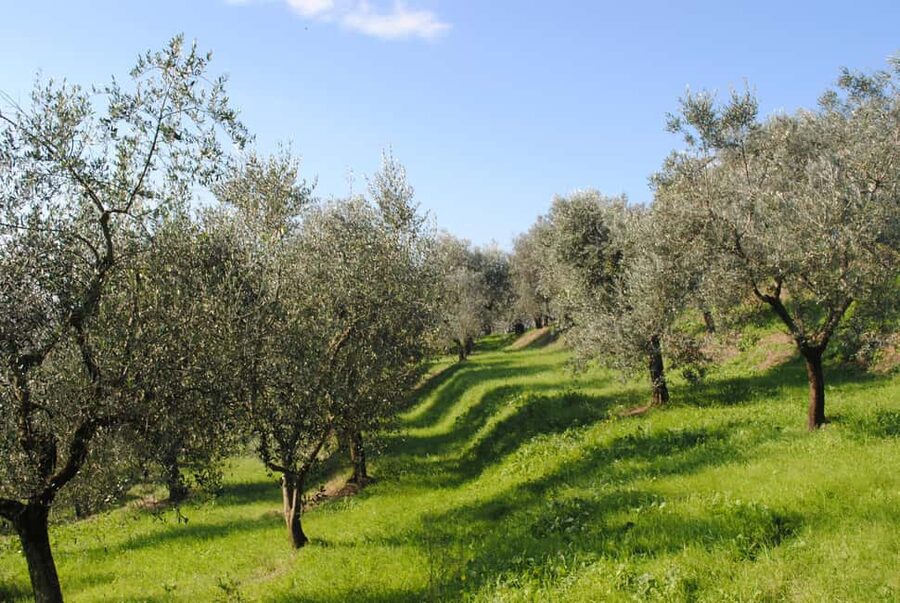
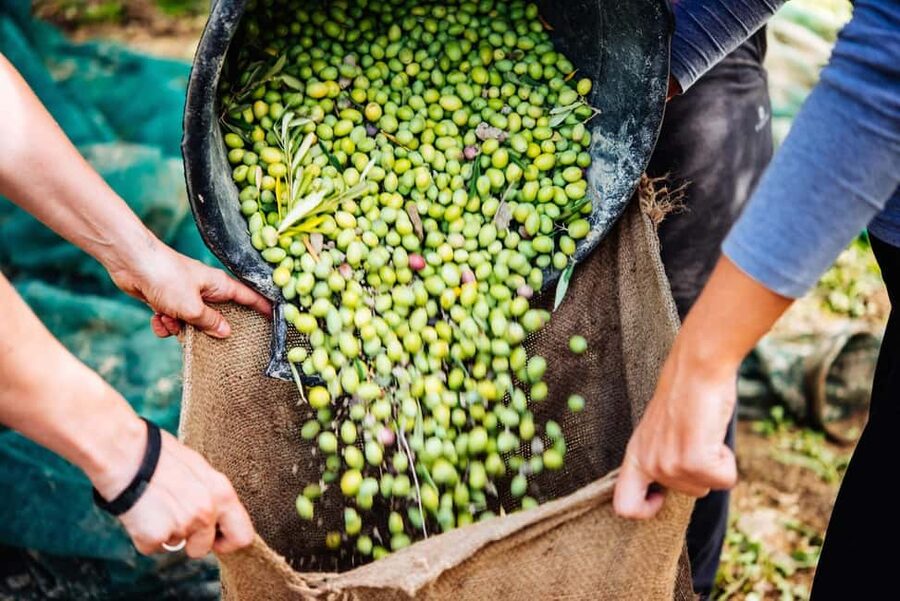
You begin with a relaxed walk among old olive trees, then enter a traditional olive mill. The contrast between the trees outside and the machinery inside helps you understand the complete process. Instead of treating olive oil as something that simply appears in a bottle, the visit shows you how harvest and extraction are connected.
The tasting includes three or four olive oils with fresh bread, oregano, and tomato. That is a smart setup because bread gives you a neutral base, while oregano and tomato place the oil in a familiar Cretan food setting. You can compare flavor, strength, freshness, and texture rather than tasting each sample in isolation.
You also learn how to spot genuine extra virgin olive oil and hear about its health benefits. Take this part seriously if you plan to shop later in your trip. A tasting can help you notice the difference between a bright, peppery oil and a flatter product that may have been sitting too long or lacks the same quality.
The family story is part of the appeal here too. The mill is described as a business passed from one generation to the next, which gives the visit a sense of continuity without turning it into a lecture about the distant past.
The outdoor walk is easygoing, but it is still walking. Wear comfortable shoes, use sunscreen, and bring a hat. In warm weather, the olive grove can feel exposed, and the shade available at a rural mill is not guaranteed.
If you have limited space in your luggage, olive oil can be awkward to carry. Still, this is one of the better places on the tour to make a purchase because you have tasted several oils first. You are choosing based on flavor, not just on a decorative bottle.
Wine, tsikoudia, and the final stop at the family cellar
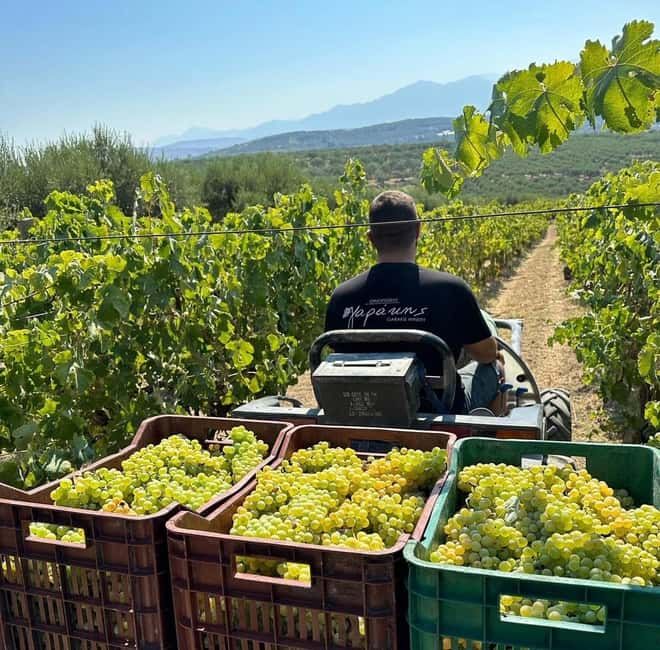
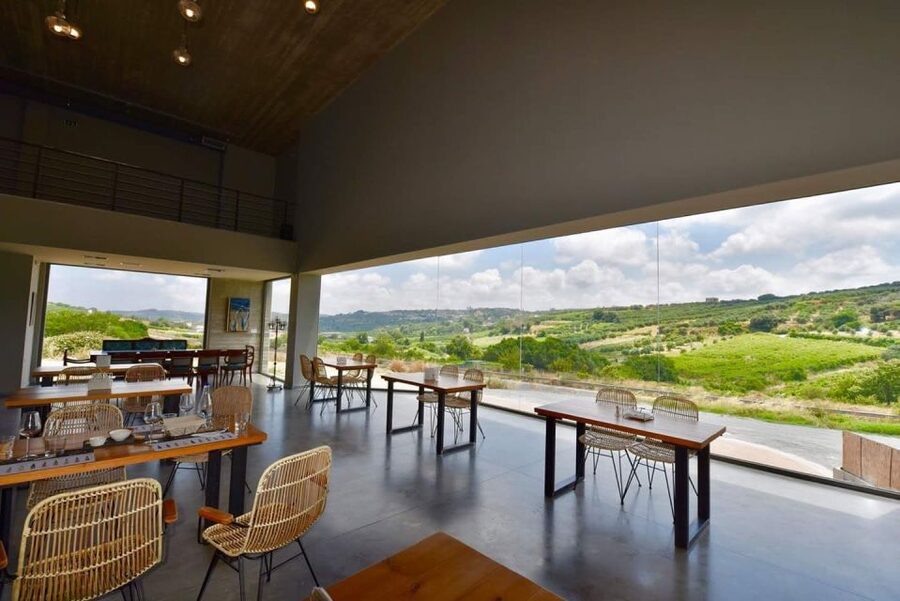
The final visit runs from approximately 13:00 to 14:15. You finish at a small winery and raki distillery, where the family produces both wine and tsikoudia, commonly called raki.
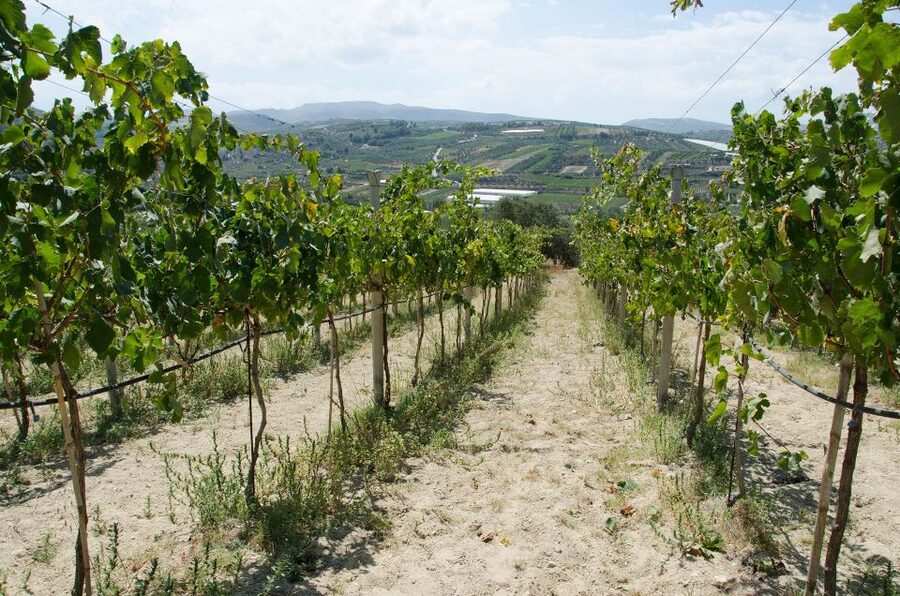
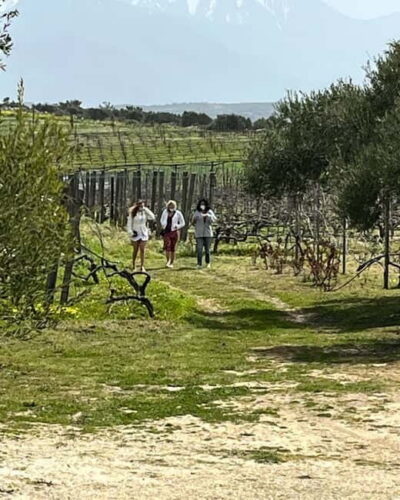
The visit includes a walk through the vineyard, a look inside the cellar, and an explanation of the traditional raki still. You also hear about the family’s approach to winemaking. That combination gives you more context than a simple table tasting. You see the setting, the equipment, and the products together.
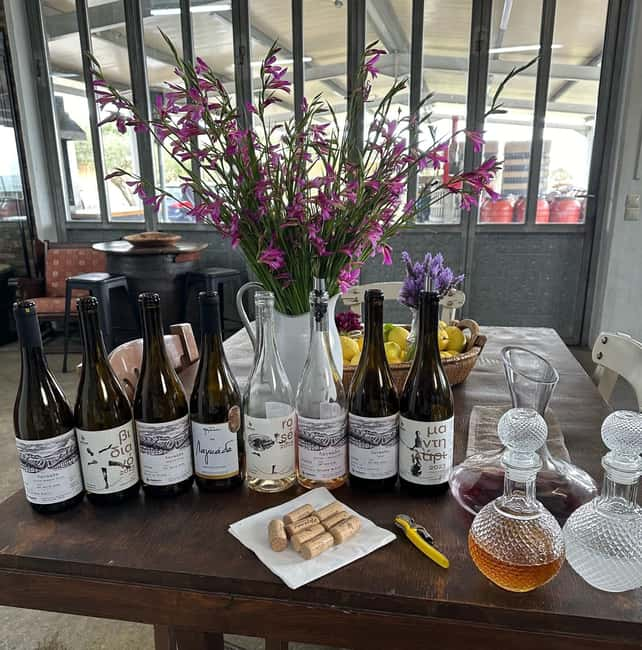
Expect two or three wines, followed by raki. The total comes to about five or six samples, depending on the selection. The wines may include grapes associated with Crete, giving you a chance to try local varieties instead of only familiar international labels.
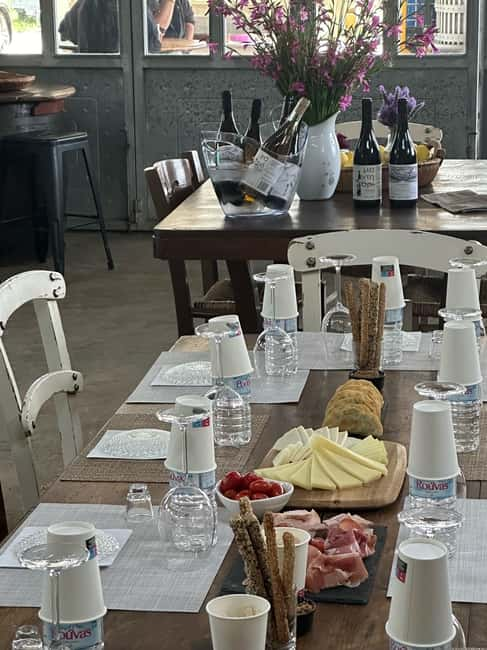
The raki is the more memorable finale. It is a strong spirit and is often served as part of Cretan hospitality. You do not need to drink every sample, and you should take your own pace. The tasting includes light food such as olives, cheese, paximadi, which are dry rusks, and figs. These snacks help absorb the alcohol, but they do not replace lunch.
This is an important planning point. The tour does not include a meal. If you tend to need a full midday break, eat a good breakfast and consider carrying a small snack, unless the operator gives you different instructions. The provided food is enough to accompany the tasting, not enough to serve as a complete lunch.
The final stop is also where the social side of the day comes through most clearly. Wine, raki, cheese, and rusks naturally encourage conversation. The visit connects old production methods with present-day family business, which is exactly the kind of local contact this tour aims to provide.
More Olive Oil and Wine Tastings in Heraklion
- Semi Private Wine, Olive Oil, and Terroir Tour of Heraklion area with Tastings
★ 5.0 · 39 reviews - Semi Private Wine and Olive Oil tour (Transfer & Lunch Incl.)
★ 4.5 · 39 reviews - The valley of Zeus (Olive oil, wine tasting)-Knossos palace tour
★ 4.5 · 27 reviews - PRIVATE-Winery+Olive Oil Factory-Old Villages-Old Wind Mills
★ 5.0 · 26 reviews
The route through villages is part of the experience
Do not judge this outing only by the time spent at each producer. The drive between stops matters. The route passes through valleys and villages, taking you away from the most familiar resort settings and into a more everyday version of Crete.
You travel in an air-conditioned vehicle with an experienced driver and an English-speaking guide. The exact vehicle details arrive the day before pickup, which is useful when you are standing near a hotel or port and need to identify the right car quickly.
One group of nine was described as a comfortable size, with people from several countries. That gives you an idea of the likely atmosphere, though the actual group size can vary. A group this size is large enough to make conversation easy but small enough that the visits can still feel personal.
The driver also appears to be part of the fun. The tone described in the feedback was humorous and helpful, with practical advice along the way. That can make a real difference on a long day in a vehicle. A driver who offers useful tips and keeps the mood relaxed adds value beyond simply getting you from one stop to another.
You should not expect a formal lecture during every stretch of the drive. The main learning happens at the producer visits. The road time gives you views, a rest between tastings, and a chance to see more of the area.
What the $104 price includes
At $104 per person, this is not the cheapest way to spend a day in Crete. The value depends on how much you would otherwise pay for transport, tastings, and separate visits.
The price includes pickup and drop-off, an air-conditioned ride, an English-speaking guide, entrance fees, the three guided experiences, olive oil tasting, wine and raki tasting, and accompanying snacks. That is a fair bundle for a six-hour outing, especially if you are staying somewhere without easy access to rural producers.
You are also paying for coordination. Reaching three family businesses independently would take planning, a vehicle, driving on unfamiliar roads, and careful timing. If you are on a cruise, the return-to-ship concern makes organized transport even more valuable.
The weak point is that lunch is not included. Extra wine or drinks beyond the planned samples are also not included, and anything you buy at the workshops or farms costs more. The tour can therefore become more expensive if you are tempted by soap, olive oil, wine, or raki at every stop.
I would set a purchase budget before leaving. Choose one or two products you genuinely like rather than treating every tasting as a shopping obligation. The tastings are there to help you make informed choices, not to pressure you into filling your suitcase.
Who will enjoy this day most
I would recommend this tour to you if you want local food and drink with a human face. It suits people who enjoy seeing how things are made, tasting several versions of the same product, and meeting families who take pride in their work.
It is also a strong fit for cruise passengers. The included transportation and back-on-time promise remove much of the stress that comes with rural sightseeing on a port day.
Couples, small groups of friends, and adults interested in Cretan cooking traditions should find the pace comfortable. The tasting age requirement is 18 or older for alcoholic samples, and the activity is best suited to adults who can manage moderate walking and standing.
Vegetarian needs can be accommodated when requested. Infant seats are available for transportation upon request, but the tour is not wheelchair accessible because of the layouts at the businesses.
You may want to skip it if your priority is a beach, archaeological site, or long sit-down meal. You should also think twice if you dislike shopping opportunities, though purchases are optional. This is a producer visit with tastings, not a major historic attraction.
Practical advice before you go
Wear comfortable clothes and walking shoes. You will move through outdoor areas, workshops, an olive mill, and production spaces, so this is not a day for formal clothing or uncomfortable footwear.
Bring sunglasses, a hat, sunscreen, a camera, cash, and a credit card. Sun protection is especially useful during the olive grove and vineyard portions. Cash and a card give you flexibility if you decide to buy products.
Eat breakfast before pickup. Since the snacks are light, a proper morning meal will help you enjoy the tastings without feeling hungry. Drink water throughout the day, especially before sampling raki.
Keep your purchases manageable. Soap is easy to pack, while bottles of oil, wine, and raki require more care and luggage space. Ask about packing options at the producer stops if you are flying or returning to a ship.
The tour offers free cancellation up to 24 hours before departure and allows you to reserve now and pay later. Those terms help if your port schedule or holiday plans are still shifting.
Should you book this Cretan producer tour?
Book it if you want a practical, friendly introduction to Cretan food traditions and prefer meeting producers to checking off monuments. The soap workshop, olive mill, and winery give you three distinct experiences, while the valley roads and village stops add a useful sense of place.
The strongest reasons to choose it are the family contact, the range of tastings, and the cruise-friendly transport arrangements. The main drawbacks are the missing lunch, moderate walking, limited accessibility, and the chance of extra spending on products.
For an adult cruise passenger with one free day in Crete, I think the $104 price is reasonable because it covers transport, entry, guiding, and a full set of tastings. For someone seeking a full meal, a beach, or a major cultural site, another excursion will fit better. For a taste of everyday Cretan craft and hospitality, this is a well-balanced choice.
FAQ
How long does the tour last?
The tour lasts approximately 330 to 390 minutes, or five and a half to six and a half hours. Starting times vary, so check availability when booking.
Is pickup included?
Yes. Pickup and drop-off are included from designated locations. A team member contacts you the day before with the pickup time and vehicle details.
What tastings are included?
You taste three to four olive oils with bread, oregano, and tomato. The winery visit includes two to three wines and tsikoudia, or raki, with olives, cheese, paximadi, and figs.
Is lunch included?
No. Light snacks are included with the tastings, but lunch is not provided.
Is the tour suitable for cruise passengers?
Yes. The tour is designed with cruise passengers in mind and includes a 150% back-on-time guarantee. You should provide your ship schedule clearly when arranging pickup.
Is the tour wheelchair accessible?
No. The businesses visited have layouts that are not wheelchair accessible. The tour involves moderate walking and standing. Infant seats can be requested for transportation.
More Olive Soap Workshops around Heraklion
- Afternoon Tour: Soap, Olive Oil & Wine Stories of Peza Village
★ 5.0 · 4 reviews - Afternoon: Tour Soap, Olive Oil, Wine Stories of Peza Valley
★ 5.0 · 2 reviews - Private Tour: Soap, Olive Oil & Lyrarakis Winery with Lunch
★ 4.5 · 15 reviews - Soap and Olive Oil Experience
★ 5.0 · 8 reviews
More Raki and Olive Oil Tastings around Heraklion
- Premium Cretan Olive Oil Tasting, Wine, Raki and Local Food Tour
★ 5.0 · 17 reviews - Wine Raki Olive Oil Tasting and Pottery – Private Tour
★ 5.0 · 13 reviews - Crete: Full-Day Cretan Wines, Olive Oil, Raki and Food Tour
★ 5.0 · 264 reviews - Premium Crete Olive oil tasting, Wine, Raki and Cretan food!
★ 5.0 · 17 reviews
Freshly pressed around Heraklion
- Knossos Palace Lasithi Plateau Villages & Olive Oil Mill★ 5.0 · 9 reviews
- Spinalonga,Elounda,Ag.Nikolaos, Olive Factory Tour From Heraklion★ 4.0 · 2 reviews
- Cretan Flavors – Cooking Lessons and Wine Olive Oil Tasting★ 5.0 · 9 reviews
- Myths, Villages, & Olive Oil: Exploring Lassithi Plateau Secrets★ 5.0 · 2 reviews
- Heraklion:Olive & Dragon Fruit Farm Tour & Cretan Farmers Brunch★ 4.0 · 2 reviews
- Small Group Tour to Knossos Palace Lasithi Plateau & Olive Mill★ 5.0 · 3 reviews
- Afternoon Tour: Soap, Olive Oil & Wine Stories of Peza Village★ 5.0 · 4 reviews
- Olive Oil Festival in Cretan Farm with Traditional Dinner★ 4.5 · 11 reviews
Olive Soap Workshops, compared.
Crete: Olive Oil, Soap, Wine, Raki – Flavorful Culinary Journey
Read our review →
Private Tour: Soap, Olive Oil & Lyrarakis Winery with Lunch
Read our review →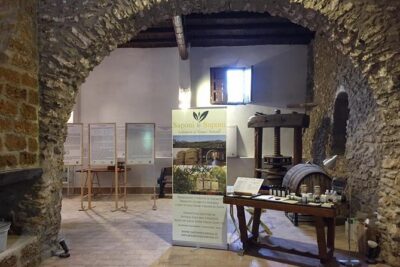
Soap Workshop, Olive Oil, Lyrarakis Winery and Lunch at Peza
Read our review →
Crete in a Day: Knossos, Soap Workshops, Olive Oil & Wine Tasting
Read our review →