
Review · ITALY
Tuscan ExtraVirgin Olive Oil Tour
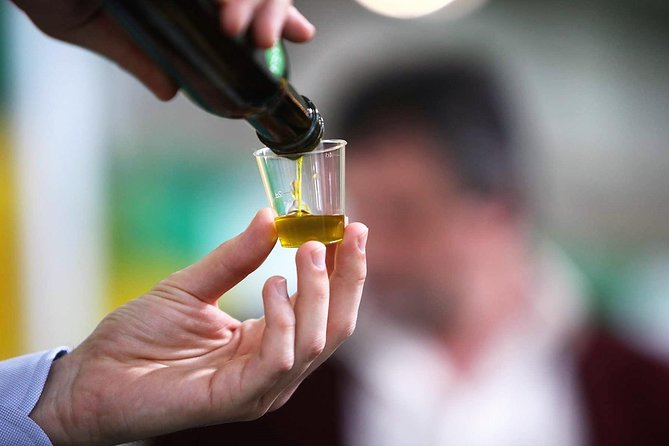
The heart of this three-hour experience is not simply tasting olive oil. It is learning how to tell good oil from ordinary oil, then seeing how that oil is produced before sitting down to a generous Tuscan meal. You begin at Valdichiana Living in Piazza Grande and finish back at the same meeting point.
I like the clear, hands-on format and the chance to taste three different oils rather than being handed one glass and a sales pitch. I also like the generous lunch, where Tuscan dishes are made to show what olive oil can do. The main drawback is that the tour visits the mill and its machinery, but it does not promise a walk through the olive groves or a farm visit.
Key points to know before booking
- Three oils, several tasting skills: Learn to judge color, fragrance, and flavor, then compare different varieties.
- A real production stop: Visit an oil mill and see machinery, with a video showing the pressing process when included.
- A full Tuscan lunch: Expect a special menu of local dishes made to highlight the oil, along with wine.
- Possible two-location format: Some departures include tastings at two separate places, with Frantoio Buraschi singled out as a memorable stop.
- Small group setting: The maximum group size is 16 people, which suits a class better than a large bus tour.
- Best timing for production: Late October may let you see olive processing in action, depending on the operating schedule.
Starting in Montepulciano at 11:30 am
Your meeting point is Valdichiana Living, Piazza Grande 7, in Montepulciano. The start time is 11:30 am, a useful slot if you want a relaxed morning before turning lunch into the main event of the day.
The tour lasts about three hours and ends at the same meeting point. That makes the plan fairly simple, especially if you are staying in Montepulciano and want an experience that does not take an entire day away from the town.
The group can include up to 16 people. That is not a private lesson, but it is small enough for a tasting class to feel manageable. You should have a chance to follow the explanations, compare oils, and ask questions without being part of a huge crowd.
A mobile ticket is provided, and booking confirmation arrives at the time of booking. The practical point is to arrive at the stated meeting place before 11:30 am, since the activity is built around a set sequence of tasting, production, and lunch.
More Olive Oil Tours around Italy:
- Sorrento Farm and Food Experience including Olive Oil, Limoncello, Wine tasting
★ 5.0 · 2,524 reviews - Olive oil tasting in Sorrento
★ 5.0 · 434 reviews - Sorrento: Lemon, Olive Oil and Wine Tasting Tour with Lunch
★ 5.0 · 300 reviews
Learning to read an extra virgin olive oil
The first part is a lesson in tasting. Instead of treating olive oil as a background ingredient, you are taught to pay attention to its organoleptic qualities, especially color, fragrance, and flavor.
That matters because the oil in a small dish can seem simple until you compare several examples side by side. The class gives you a way to notice differences and decide what you actually like. You also learn the basic signs of a high-quality extra virgin oil, a useful skill when shopping in Italy or choosing a bottle at home.
The lesson focuses on Tuscan oils connected with Terre di Siena DOP and Toscano IGP. These protected regional labels give the tasting a clear local focus rather than turning it into a general lecture about olive oil from all over the Mediterranean.
You may be asked to test yourself as you go. That is one of the better features of the format. You are not only listening to an explanation, you are trying to identify what you have just learned through your own senses.
Color is part of the introduction, but it should not become the only thing you judge. Fragrance and flavor tell you more about how the oil behaves on the palate. A good tasting lesson helps you connect those elements, then consider how the oil might work with food.
Visiting the mill and seeing the machinery
After the tasting class, you visit an oil mill producing extra virgin olive oil. This is the farm-to-plate part of the experience, though you should keep your expectations precise. The supplied description promises the mill and its equipment, not a walk through the groves where the olives are grown.
The machinery tour is useful because it puts the tasting into context. You have already considered the final product, and now you see the place where olives are processed. A video of the machinery working may be part of the explanation, giving you a clear look at the pressing process even if the equipment is not running during your visit.
If you want to see active production, late October is the most promising time to consider. That is when olive processing may be underway, though the tour does not guarantee that the machinery will be operating on your exact date.
The production stop also gives you a chance to shop at the factory store. That can be handy if you discover an oil you want to take home, but remember that buying products is optional. The value of the tour should come from the lesson, tasting, mill visit, and meal, not from pressure to purchase.
Some departures include tastings at two different locations. When that happens, the second stop may be at Frantoio Buraschi, which is associated with a particularly strong tasting and meal experience. Since the exact sequence can vary, ask about the day’s locations if seeing two places matters to you.
Three oils and the art of pairing
The tasting includes three different varieties of olive oil. That comparison is central to the experience. One oil by itself can be pleasant, but three samples give you a better sense of how fragrance and flavor change from one variety to another.
The point is not to declare one oil the winner for every dish. You are learning how to make useful pairings at your own table. A lighter oil may suit one preparation, while a stronger flavor may be better with a simple dish that can stand up to it.
You also get a chance to test whether your own preferences match the qualities being explained. That makes the class more practical than a standard food sampling. You leave with a method for tasting, not just a memory of one expensive bottle.
The experience is especially useful if you enjoy food but have never learned how olive oil is assessed. You do not need specialist knowledge before arriving. The class begins with the basics and builds toward choosing a high-quality oil and matching it with food.
Same olive country, a different way to taste it:
- Alghero: Wine and Olive Oil Tasting at a Local Farm
★ 4.8 · 294 reviews - Ostuni: Masseria tour among thousand-year-old olive trees with oil tasting
★ 4.8 · 261 reviews - Balestrate: Olive Grove Tour with Wines & Olive Oil Tasting
★ 5.0 · 241 reviews - Bardolino: Vineyard Tour with Wine, Olive Oil & Food Tasting
★ 4.6 · 221 reviews
The Tuscan lunch is a major part of the value
The meal is not an afterthought. A special menu is prepared around local products and dishes designed to bring out the oil’s flavors. Wine is also served, making this a substantial midday experience rather than a quick tasting with a cracker or two.
You should arrive hungry. The meal is described as generous, with plenty of food and wine to enjoy. That is good news if you want a full Tuscan food experience, but it also means the tour may feel too heavy if you prefer a light lunch or plan another major meal soon afterward.
The meal helps prove why tasting oil matters. You move from judging fragrance and flavor in isolation to seeing how the oil works with typical Tuscan dishes. This is where the class becomes useful at home: you can better understand how a finishing oil changes the character of simple food.
The lunch also adds value to the $149.23 price. You are paying for a roughly three-hour program that combines instruction, multiple tastings, a mill visit, wine, and a substantial meal. It is not a cheap olive oil sample, but it is more than a basic tour of machinery.
I would compare it with the cost of a separate winery visit and lunch. If you already plan to spend heavily on a meal and want a local food activity, the package may make sense. If your main goal is only to see an olive press, the price may feel high.
What makes the experience useful beyond Montepulciano
The best souvenir here may not be a bottle. It may be the ability to taste an oil before buying it and understand why one bottle costs more than another.
Tuscan extra virgin olive oil is tied to the food culture of the area, so the lesson gives you context for dishes you are likely to encounter in southern Tuscany. You gain a better sense of how a regional product moves from processing to the table.
The protected names Terre di Siena DOP and Toscano IGP also give you specific labels to recognize. The tour does not promise a full shopping guide, but learning those terms can help you read bottles more carefully later.
I also like that the activity combines a class with a working production site. A tasting alone can feel abstract. A machinery visit alone can feel technical. Together, they connect the sensory part of oil with the physical work behind it.
Still, do not book this expecting a broad farm tour. The clear focus is extra virgin olive oil, tasting, processing, and lunch. The visit to the mill is more central than the olive-growing setting itself.
Who will enjoy this three-hour food experience
I would recommend this tour to anyone who likes food, wine, and practical lessons. It works particularly well for couples, friends, and small groups who want to spend part of a day on a local product rather than rushing between major sights.
It is also a good choice for cooks and food shoppers. The tasting skills have a clear use after your trip, and the meal shows how olive oil can shape familiar regional dishes.
The group limit of 16 makes it more suitable for participation than a large coach excursion. You can expect a shared class rather than a private appointment, so those wanting one-on-one attention should check whether a smaller format is available before booking.
The tour may be less suitable if you want active countryside walking, a vineyard-focused day, or a visit to olive orchards. It is also not the best match if you are looking for a short tasting without lunch. The generous meal is one of the main reasons to choose it, but it lengthens the food portion of the day.
Late October is worth considering if the pressing process is important to you. Production may be in progress then, but timing alone cannot guarantee that you will see every stage operating.
Price, timing, and cancellation details
The listed price is $149.23 per person. In value terms, the cost covers more than a single tasting: you get instruction, three oils, an oil mill visit, wine, and a special Tuscan lunch.
The activity is often booked about 72 days ahead, so you should not wait until the last minute if your Montepulciano dates are fixed. The tour requires a minimum number of participants, and a cancellation for that reason brings an offer of another date or experience, or a full refund.
You can cancel for a full refund up to 24 hours before the start time. Cancellations or changes made less than 24 hours before the 11:30 am start are not accepted for a refund. All cut-off times use local Italian time.
Most people can participate, according to the supplied information. No special accessibility details are provided, so you should ask Valdichiana Living directly if you have mobility or dietary needs that could affect the mill visit or meal.
Should you book the Tuscan Extra Virgin Olive Oil Tour?
Book it if you want a food-centered Montepulciano activity with real instruction, a production visit, wine, and a full lunch. The strongest reasons are the three-oil comparison, the practical tasting lesson, and the chance to connect the mill process with Tuscan dishes.
Choose another activity if your priority is walking through olive groves, visiting a farm, or seeing a full day of countryside production. This is a focused olive oil class with a generous meal, not a broad rural tour.
For the best chance of seeing the press in action, consider late October and reserve ahead. If you value local food, want skills you can use after Italy, and have room in your budget for a substantial three-hour experience, this is a sensible pick.
FAQ
Where does the tour start?
It starts at Valdichiana Living, Piazza Grande 7, 53045 Montepulciano, Siena, Italy.
What time does the experience begin?
The start time is 11:30 am.
Where does the tour end?
The activity ends back at the meeting point in Montepulciano.
How long does the tour last?
It lasts approximately three hours.
How many people can join?
The maximum group size is 16 people.
What will I taste?
You will taste three different varieties of extra virgin olive oil, along with wine and a selection of Tuscan dishes.
Will I visit an oil mill?
Yes. The experience includes a visit to an oil mill producing extra virgin olive oil.
Will I see the olive trees or farm where the olives are grown?
The supplied details promise a visit to the oil mill, but they do not promise a visit to the olive farm or groves.
Is the tour offered in late October?
You can book the experience for late October, and that period may offer a chance to see olive production in action. The information does not guarantee that the press will be operating on every date.
Can I cancel for a full refund?
Yes. You can cancel at least 24 hours before the local start time for a full refund. Cancellations and changes made less than 24 hours before the start are not refunded.
Freshly pressed around Italy
- E-bike tour in Ostuni, the olive trees and the rock village★ 5.0 · 4 reviews
- Wine and Extra virgin olive oil tasting in Lucca, Tuscany★ 5.0 · 3 reviews
- Bellagio/Lezzeno/Oliveto Lario to/from Milan Malpensa Apt (Private Transfer)★ 5.0 · 4 reviews
- Lecce : Half day E-Bike tour to Old Olive Mill & Olive Oil Taste★ 5.0 · 3 reviews
- Sunset Magic E-bike Tour at Sunset in Capoliveri★ 5.0 · 4 reviews
- Chianti from Florence:PRIVATE Wine, Olive Oil Tasting in the Tuscan countryside★ 5.0 · 2 reviews
- Leonardo Da Vinci’s wind mill visit and Organic olive oil tasting★ 4.5 · 12 reviews
- Florence: Great Chianti Wine and Olive Oil Trail with Lunch★ 5.0 · 8 reviews
Italy Olive Oil Tours, compared.
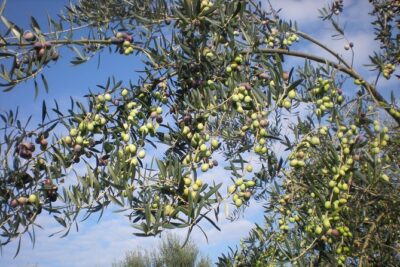
Sorrento Farm and Food Experience including Olive Oil, Limoncello, Wine tasting
Read our review →
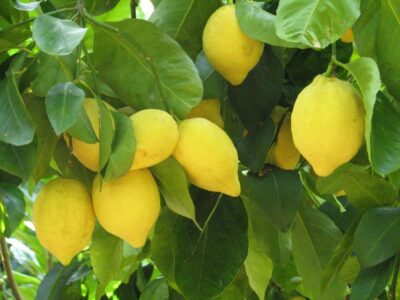
Sorrento: Lemon, Olive Oil and Wine Tasting Tour with Lunch
Read our review →
Alghero: Wine and Olive Oil Tasting at a Local Farm
Read our review →
Ostuni: Masseria tour among thousand-year-old olive trees with oil tasting
Read our review →
Balestrate: Olive Grove Tour with Wines & Olive Oil Tasting
Read our review →
Bardolino: Vineyard Tour with Wine, Olive Oil & Food Tasting
Read our review →
Tuscany Bike Tour with Wine, Oil and Food in the Florentine Hills
Read our review →Other lists with this tasting on them