
Review · KNOSSOS PALACE AND
Lassithi, Zeus Cave, Olive Mill Farm & Knossos Combo Tour
The best thing about this Crete day trip is its range. You move from a quiet Orthodox monastery and mountain villages to the legendary Cave of Zeus, then finish among the Bronze Age ruins of Knossos. I like the way it combines mythology, local food, village life, and archaeology instead of giving you only one type of sight. I also like the guides, with names such as Soula, Nektarios, Katerina, and Zoula receiving especially warm praise for lively storytelling and strong knowledge of Cretan history.
The catch is the clock. This is a long coach day, often made longer by hotel pickups, and the visit to Knossos comes late, when you may already be tired. The walk to Zeus Cave is steep and rocky, too. If you want a slow morning, long café stops, or plenty of time at each archaeological site, this tour may feel hurried.
Key points to know before booking
- The Zeus Cave walk takes effort: Allow roughly 25 minutes uphill, followed by steps and uneven ground near the entrance. Wear proper walking shoes.
- Knossos is the final major sight: You receive a guided visit, but the one-hour stop gives you limited time to explore alone.
- You pay about €35 extra for the two main sites: Zeus Cave costs €15 and Knossos costs €20, neither included in the tour price.
- The olive farm is more than a quick tasting: Expect a two-hour stop with an explanation of olive oil, honey, and handmade products, plus an optional local lunch.
- The tour offers good coverage for $58: Hotel transport, an air-conditioned coach, a driver, a guide, and insurance are included.
- Group size can affect the feel: Some departures use a very large coach, while the Knossos group may be split for the guided walk.
What this full-day Crete tour is really like
This excursion is designed for you to see several of eastern Crete’s headline sights in one demanding day. It runs for about 10.5 to 11 hours, with pickup from places including Malia, Stalis, Hersonissos, Gouves, Heraklion, Agia Pelagia, Sisi, and nearby resort areas.
The morning begins with hotel or meeting-point pickups. That is convenient, but it can take time. Depending on where you stay, you may spend more than an hour collecting other passengers before reaching the first stop. The coach is air-conditioned, and the roads offer broad views of the mountains, the plateau, and, in places, the Aegean Sea.
Your guide provides commentary in English, German, or French. The strongest part of the day is often the explanation between stops. Guides such as Nektarios and Soula have been praised for connecting ancient stories with modern Cretan life, local farming, food, and the island’s economy. That matters on a coach tour. Without good narration, the driving stretches would simply be time spent looking through a window.
More Olive Farm Visits in Greece
- Traditional Olive Grove and Dragon Fruit Farm Tour
★ 4.8 · 118 reviews - Road-trip to Lasithi, Zeus Cave, Vidiani, Krasi & Olive Mill Farm
★ 4.0 · 79 reviews - Crete: Olive Oil Festival, Farm Dinner, Live Show & Pickup
★ 4.1 · 55 reviews
Vidiani Monastery starts the day quietly
After the drive, you stop for about 25 minutes at Vidiani Monastery, also called the Monastery of the Mother Mary Vidiani. It sits near Mount Louloudaki at the base of the Lassithi Plateau and is dedicated to the Virgin Mary.
This is a small Eastern Orthodox nunnery rather than a grand cathedral. The appeal is its calm courtyard, mountain setting, and religious artwork, including frescoes. You have enough time for a look around and some photographs, but not for a long visit.
I like this opening because it slows the pace before the larger sights arrive. The monastery gives you a glimpse of living Cretan faith and rural life, not just ancient stones packaged for sightseeing. If you are hoping for a detailed religious tour, however, 25 minutes is brief.
The Cave of Zeus requires a real uphill walk
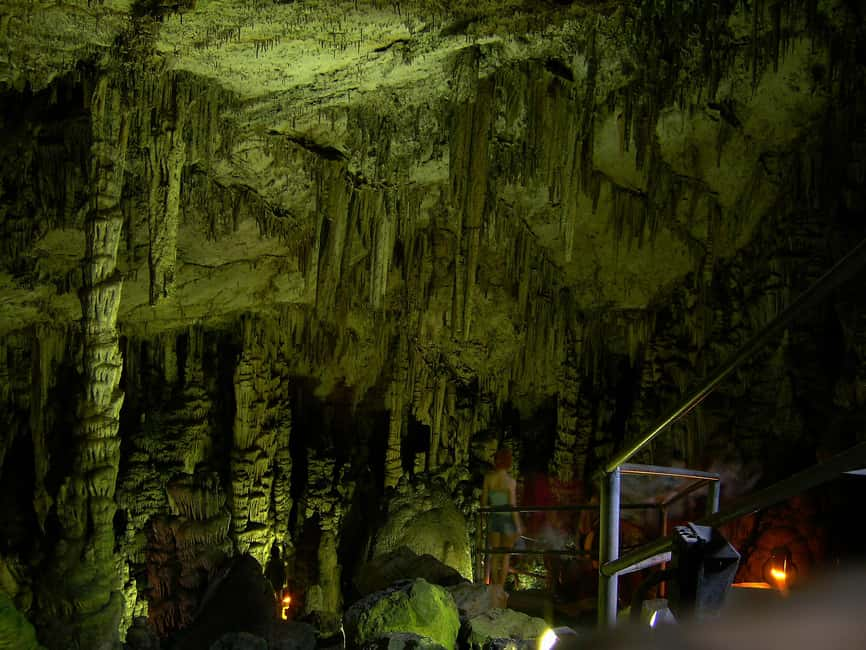
The next stop is Psychro Cave, widely known as the Cave of Zeus. Ancient tradition identifies it as the birthplace of Zeus, king of the Greek gods. The cave’s myth made it important long before modern tourism, and its chambers add a strong physical sense of place to the story.
The visit lasts about one hour and 40 minutes, including the approach. The path rises toward the cave, then continues over steps and rougher ground. At the end, you descend into an illuminated cavern filled with stalactites and stalagmites. The cool air is welcome in hot weather, and the rock formations give the place a dramatic, almost theatrical quality.
Do not treat this as a simple bus-side stop. Several people found the uphill walk challenging, especially the final section, and the route is not suitable for casual sandals. Bring water, wear trainers or sturdy walking shoes, and take your time. Donkeys may be available for the climb, but you can choose not to use them.
One important warning concerns opening status. A 2025 update indicated that the cave was closed for restoration until November 2025, although the advertised route continues to describe a visit inside. Check the current operating situation before booking, since the itinerary may change if the cave remains closed. Even with a closure, the surrounding plateau and views can still make the stop worthwhile, but the main cave experience would be missing.
Krasi offers a short taste of village Crete
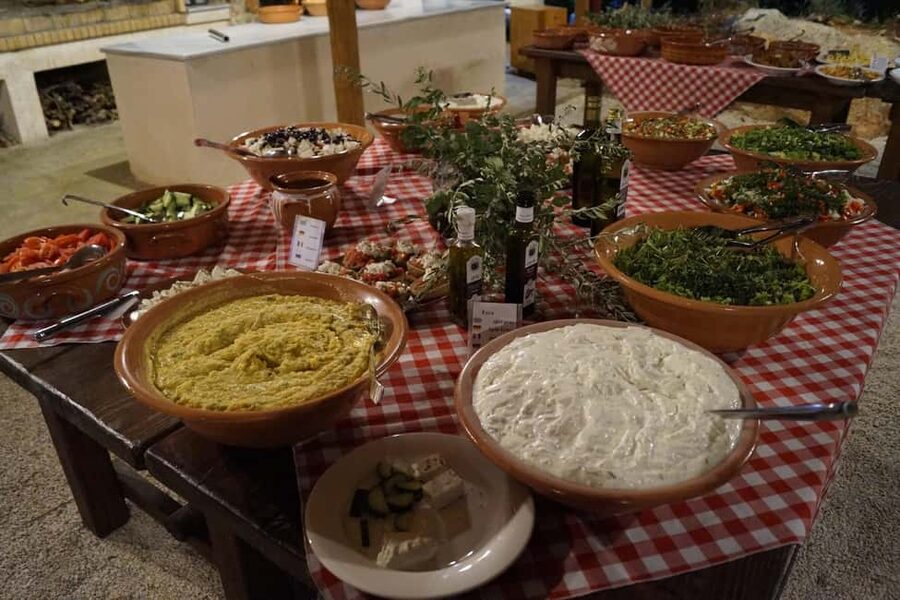
After the cave, the coach drives to Krasi, a traditional village known for its springs and its enormous plane tree. The stop lasts only about 20 minutes, so think of it as a photographic pause rather than a full village visit.
The tree is the main attraction. Its thick trunk and spreading branches create a naturally shaded meeting place, while the springs add a sense of freshness to the village. You may have time for a coffee, a short walk, photographs, or a quick look at local shops.
This is one of the more pleasant transitions in the day. After the effort of the cave, Krasi lets you sit down and see a little of ordinary village life. The drawback is obvious: if you want to wander the lanes or linger over a coffee, the schedule moves on quickly.
More Olive Farm Visits in Heraklion
- Knossos, Lasithi, Zeus Cave & Olive Mill Farm Combo Tour
★ 4.5 · 46 reviews - Private Traditional Olive Grove and Dragon Fruit Farm Tour
★ 5.0 · 29 reviews - Olive Oil Festival in Cretan Farm with Traditional Dinner
★ 4.5 · 11 reviews - Heraklion:Olive & Dragon Fruit Farm Tour & Cretan Farmers Brunch
★ 4.0 · 2 reviews
The olive farm explains Crete through food
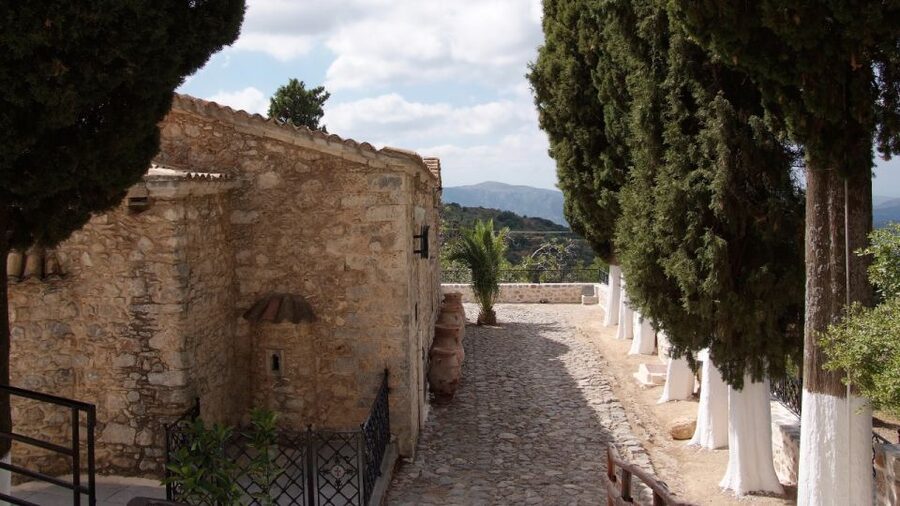
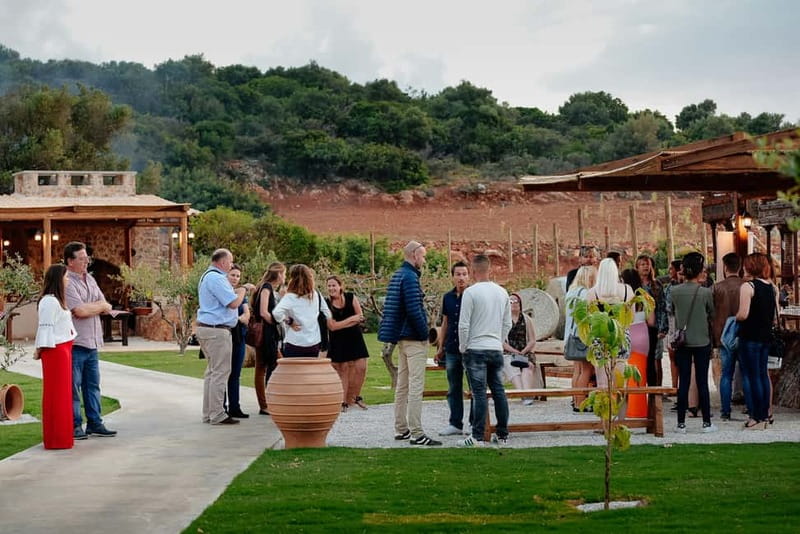
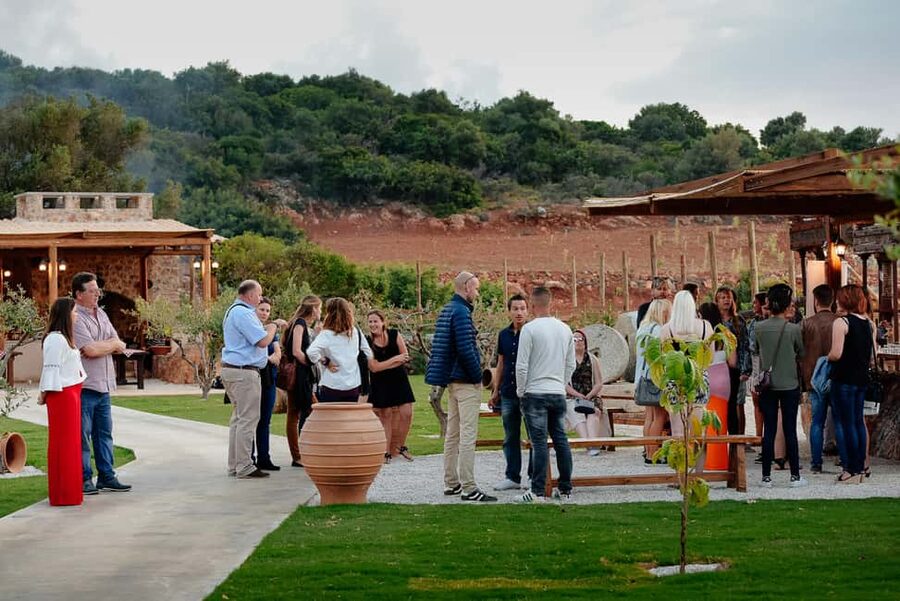
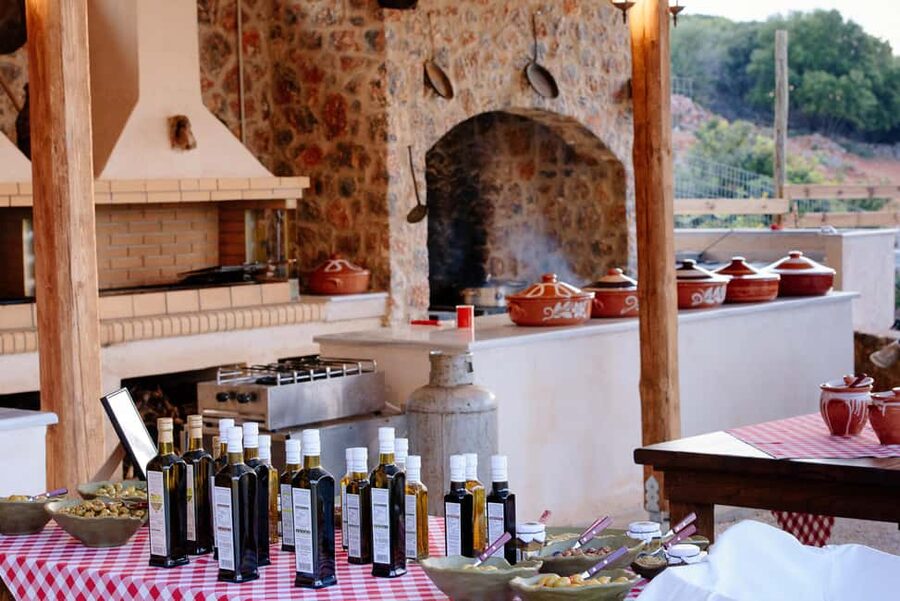
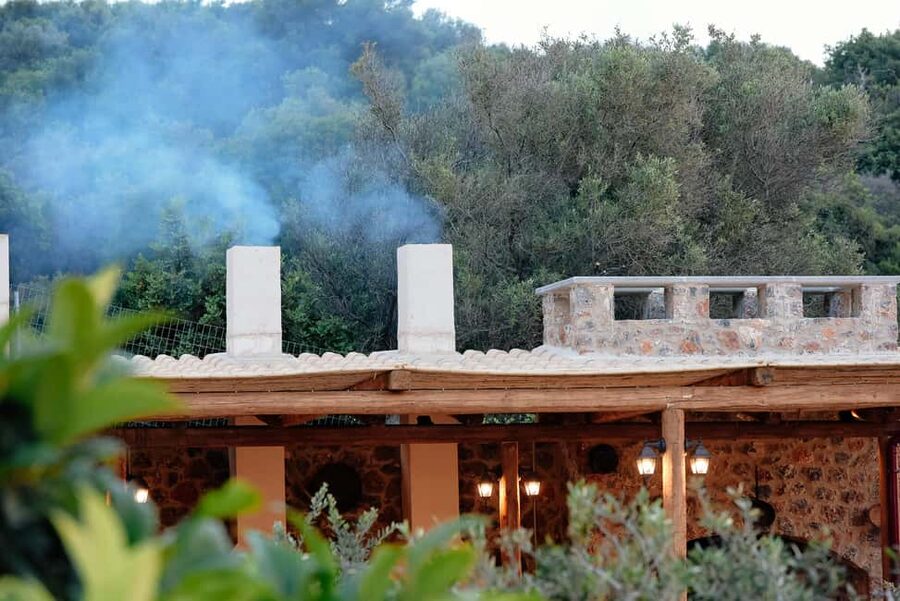
The two-hour stop at the Lyrakis Family olive mill is the tour’s most commercial-feeling section, but it can also be one of its most useful. The farm overlooks the mountains and the Aegean Sea, and the visit focuses on the production of olive oil, honey, and olive-based handmade products.
You receive an explanation of how local olive oil is made and have the chance to taste products. The presentation gives context to something you will see everywhere in Crete: olive trees, small farms, oil bottles, honey, herbs, and regional food.
Lunch is optional and costs extra. A buffet has been priced at about €15, though the exact charge should be confirmed when you book or arrive. It uses local ingredients and may include traditional flavors such as cheese, honey, olive products, and other Cretan dishes. Some people find the meal a very good value, while others feel two hours is too long for the farm and would prefer extra time at Knossos.
That difference comes down to your interests. I would choose the lunch if you want a relaxed meal and a chance to sample several local products without arranging a separate taverna stop. If you have already eaten well at your hotel or care more about archaeology, you may prefer to keep the meal short and save your energy for the final site.
The timing can also make lunch late, sometimes around 2 p.m. Bring a snack for the morning, especially if you do not normally eat late.
Knossos brings the ancient world into focus
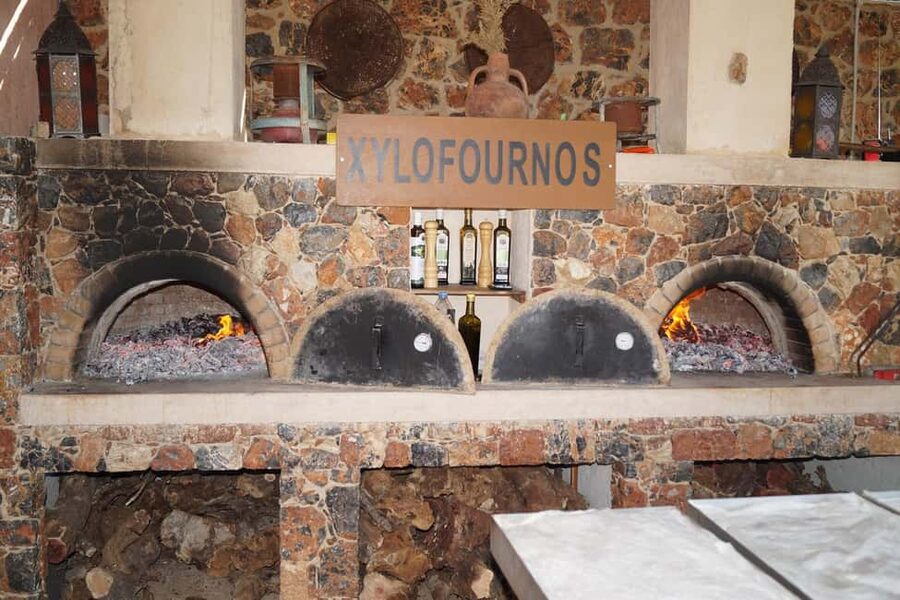
The final major stop is the Palace of Knossos, the place most likely to determine whether this tour feels worthwhile. The guided visit lasts about one hour and covers the central remains of the Minoan palace complex.
Knossos is linked with the Minoan civilization, which flourished in Crete around 4,000 years ago. Here you see the remains of an early urban center, along with restored chambers, colorful frescoes, and the architectural traces of a highly organized Bronze Age society. The site also connects to the familiar myths of King Minos, the labyrinth, and the Minotaur.
A good guide changes the experience. Without explanation, the ruins can look like a confusing spread of walls and reconstructed sections. Guides such as Nektarios and Soula have been praised for showing how people may have used the rooms and for explaining the difference between the ancient remains and later restoration work.
The one-hour limit is the main weakness. You will get a strong introduction, but not a leisurely exploration of every corner. The tour can also arrive when you are tired from the day and when other groups are present. Some departures split the group for the guided section, which helps, but you should not expect a private or quiet visit.
If Knossos is your top priority, keep your expectations realistic. You will see the key areas and receive a guided explanation, but you may want a separate half-day visit if you prefer museums, slow study of the ruins, or time to walk at your own pace.
Transport, group size, and the cost in practice
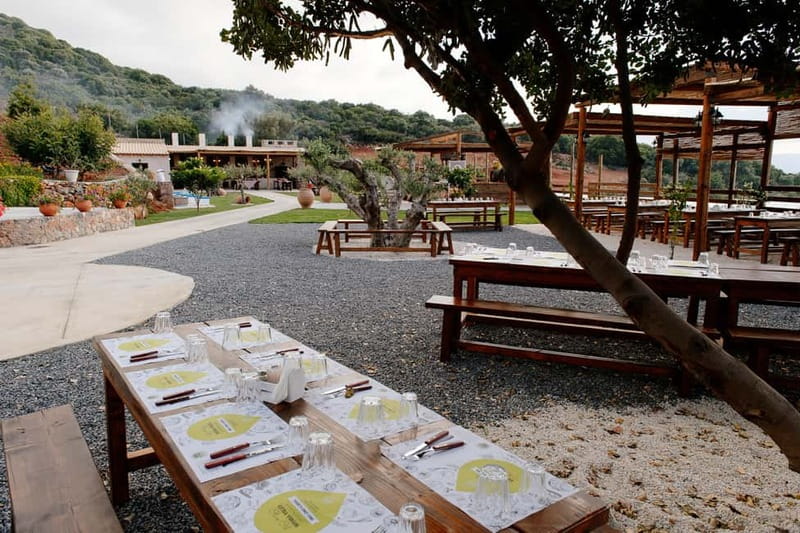
At $58 per person, the base price is attractive for a full day that includes pickup, return transport, a driver, a guide, an air-conditioned bus, and liability insurance through Allianz. You also avoid arranging separate transport to the plateau, the cave, the olive farm, and Knossos.
The real cost is higher once you add the two entry tickets. Zeus Cave costs €15 and Knossos costs €20, bringing the required site fees to about €35 per person. Add optional lunch, and the day may cost close to $100 or more in total, depending on exchange rates and the meal price.
That is still reasonable if you want to see several widely separated places in one day. A private taxi or private guide would cost much more, while visiting everything independently would require careful planning and a rental car. The tradeoff is independence. You follow the group timetable and may spend time at stops that are not your personal priority.
Group size also matters. Some departures have used double-decker coaches with more than 50 people. That can make boarding, hearing the guide, and keeping the group together harder. On the positive side, the coach is clean and cool, and the drivers have to handle narrow and winding mountain roads. If you prefer small groups, check the vehicle and departure details before paying.
Who should take this tour?
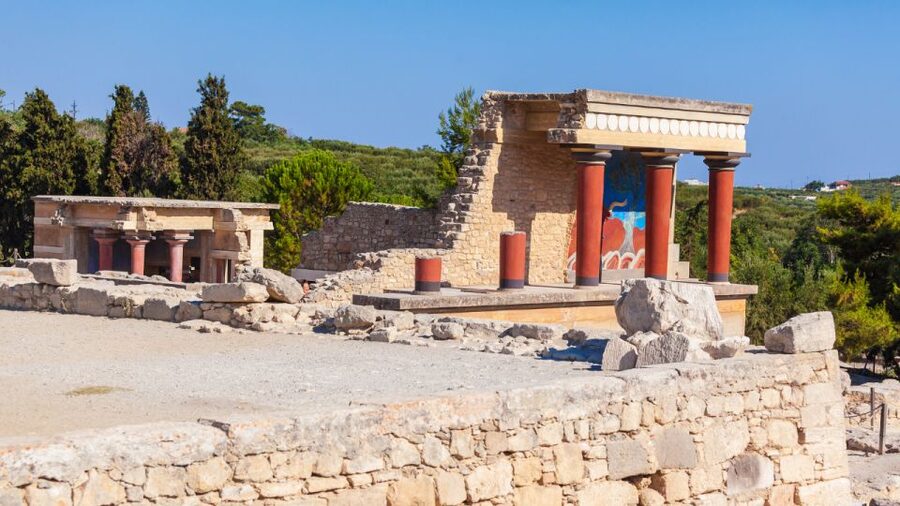
I would recommend it to a first-time visitor with limited time in Crete. You get mythology at Zeus Cave, Orthodox culture at Vidiani, a village stop in Krasi, food and farming at the olive mill, and Minoan archaeology at Knossos. That is a lot of context in one day.
Families can also enjoy it, especially if children like myths, caves, and ruins. A guide who tells stories well can keep younger visitors interested, and one family found the route worked well for children aged 11 and 16. Still, the cave walk and the long coach day may test younger children.
You should think twice if you have limited mobility, dislike steep paths, or want long visits at each place. The cave is the clearest physical challenge, while Knossos demands enough energy and attention at the end of an already full schedule.
Bring comfortable shoes, water, sunglasses, and light clothing. The cave is cooler than the outside air, but much of the day involves walking in open conditions. Free cancellation is available up to 24 hours before departure, and you can reserve with payment later, which helps if your plans are still shifting.
Should you book the Lassithi and Knossos combination?
Book it if your goal is maximum coverage in one day. The tour gives you access to places that are awkward to combine without a car, and the best guides add real value through history, local stories, and clear explanations.
Skip it if you want a slow, intimate day or if Knossos deserves your full attention. In that case, visit Knossos separately and choose a shorter Lassithi excursion. Also confirm the current Zeus Cave status before booking, since restoration work may affect the advertised route.
For most first-time visitors staying around Heraklion, Hersonissos, Malia, or nearby resorts, this is a worthwhile introduction to eastern Crete. Just budget for the entry fees, prepare for the cave climb, and accept that the day will feel full from the first pickup to the final hotel drop-off.
FAQ
How long does the Lassithi, Zeus Cave, Olive Mill Farm, and Knossos tour last?
The tour lasts approximately 10.5 to 11 hours, including hotel pickups, transport between stops, visits, and the return journey.
What languages are available?
The live guide service is available in English, German, and French.
Are Zeus Cave and Knossos entry tickets included?
No. The Zeus Cave entrance fee is €15, and the Knossos Palace entry fee is €20. These costs are paid separately.
Is lunch included at the olive farm?
No. Lunch is optional and costs extra. The olive farm provides local food in a relaxed setting, with a reported buffet price of about €15, but you should confirm the current price.
How difficult is the walk to Zeus Cave?
The route includes an uphill walk of roughly 25 minutes, followed by steps and rocky ground near the cave. Comfortable walking shoes, water, and a reasonable level of fitness are important.
Where does hotel pickup operate?
Pickup is available from selected points in areas including Sisi, Malia, Stalis, Hersonissos, Anissaras, Gouves, Gournes, Kokkini Hani, Karteros, Amoudara, Agia Pelagia, and central Heraklion. The exact pickup place and time are sent after booking.
More Olive Mill and Factory Tours in Heraklion
- Knossos Palace and/or Zeus Cave + Olive Mill | Local & Private
★ 5.0 · 21 reviews - Spinalonga, Plaka, Elounda, Agios Nikolaos & Olive Mill | Private
★ 5.0 · 21 reviews - Private Tour-Knossos Palace Zeus Cave&Olive Oil Mill from Elounda
★ 5.0 · 14 reviews - Lasithi – Zeus Cave -Olive Oil Factory – Traditional Villages
★ 5.0 · 10 reviews
More Olive Mill and Factory Tours in Greece
- Knossos-Zeus Cave -Old Traditional Villages-Olive Oil Factory
★ 5.0 · 694 reviews - Private Tour-Knossos Palace Zeus Cave Olive Oil Mill & Wine
★ 5.0 · 135 reviews - Heraklion: Knossos Zeus Cave Villages Olive Oil Factory Tour
★ 5.0 · 126 reviews - PRIVATE-Winery+Olive Oil Factory-Old Villages-Old Wind Mills
★ 5.0 · 26 reviews
Freshly pressed around Heraklion
- Knossos Palace Lasithi Plateau Villages & Olive Oil Mill★ 5.0 · 9 reviews
- Spinalonga,Elounda,Ag.Nikolaos, Olive Factory Tour From Heraklion★ 4.0 · 2 reviews
- Cretan Flavors – Cooking Lessons and Wine Olive Oil Tasting★ 5.0 · 9 reviews
- Myths, Villages, & Olive Oil: Exploring Lassithi Plateau Secrets★ 5.0 · 2 reviews
- Small Group Tour to Knossos Palace Lasithi Plateau & Olive Mill★ 5.0 · 3 reviews
- Afternoon Tour: Soap, Olive Oil & Wine Stories of Peza Village★ 5.0 · 4 reviews
- Heraklion:Olive & Dragon Fruit Farm Tour & Cretan Farmers Brunch★ 4.0 · 2 reviews
- Olive Oil Festival in Cretan Farm with Traditional Dinner★ 4.5 · 11 reviews
Olive Mill and Factory Tours, compared.
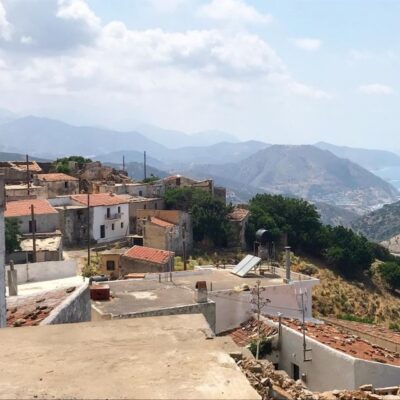
Crete: Quad Safari, Olive Mill with Tasting & Ghost Village
Read our review →
From Mendoza: 3 Wineries, Olive Oil Factory Tour & Tasting
Read our review →
Knossos-Zeus Cave -Old Traditional Villages-Olive Oil Factory
Read our review →
The Governor’s Olive Mill Tour with Olive Oil Tasting
Read our review →
Crete: Road-trip to Lasithi, Zeus Cave & Olive Mill Farm
Read our review →
Zeus Cave, Lassithi Plateau, Olive Oil Factory, Kritza, Pottery
Read our review →
Crete: Zeus Cave, Lassithi Plateau, and Olive Factory Tour
Read our review →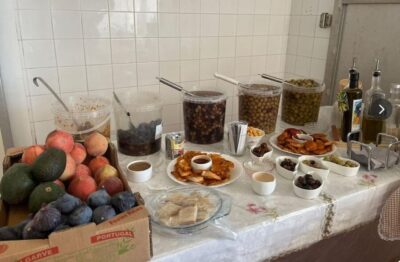
Other lists with this tasting on them