
Review · MENDOZA
From Mendoza: 3 Wineries, Olive Oil Factory Tour & Tasting
Mendoza’s Maipú district gives you a lot of wine in a short afternoon: three very different wineries, followed by an olive oil tasting that adds a welcome change of pace. At $34, this is built for sampling rather than luxury, with several wines at each stop and a practical introduction to the region’s production methods.
I like the contrast between the artisanal, industrial, and sweet-wine cellars, and I like that the olive oil factory is part of the same outing rather than an extra charge. The main consideration is timing: hotel pickups can take up to 45 minutes, and bilingual explanations or a crowded olive oil stop may feel less polished on some days.
Key points at a glance
- Three wine styles in one afternoon: Visit an artisanal winery, an industrial winery, and a cellar focused on sweet wines.
- About 11 wines may be poured: Tastings usually include young, aged, white, red, rosé, and sweet wines.
- A useful Maipú introduction: The wineries are close enough to Mendoza for a six-hour outing without a long full-day drive.
- Olive oil comes at the end: Taste oil with bread, olive paste, and other local delicacies after the wine stops.
- Bilingual guiding: Guides such as Dolores, Maru, Rocío, and Alejandro have led tours in English and Spanish.
- Strong value at $34: Transportation, four visits, entry fees, and tastings are included.
Why Maipú works well for a first Mendoza wine tour
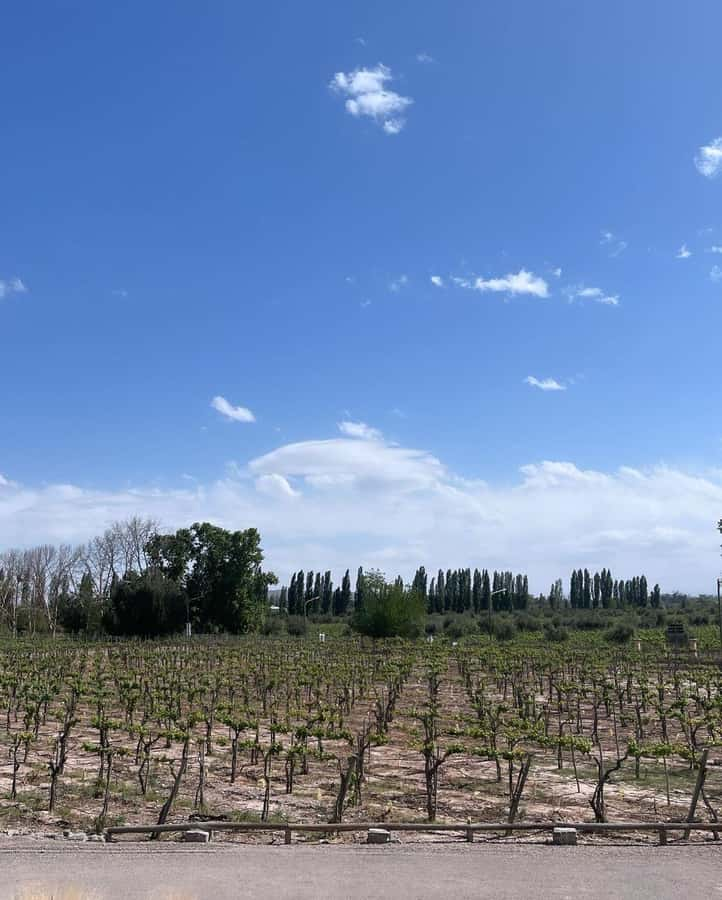
Mendoza wine country spreads across several districts, and choosing between Maipú and the Uco Valley can be confusing when you have limited time. This excursion keeps you in Maipú, a practical choice if you want several winery visits without committing a full day to longer drives.
The appeal is variety. Instead of visiting three polished estates that offer much the same experience, you move between different kinds of producers. One stop is artisanal, another is industrial, and another specializes in sweeter wines. That gives you a better sense of how broad Mendoza’s wine industry is.
You also get context along the road. Guides have explained Mendoza’s climate, geography, water supply, and wine traditions before the group reaches each stop. That matters because Mendoza’s vineyards depend heavily on irrigation, and the dry setting makes the relationship between water, farming, and wine easy to notice.
This is not a grand-estate tour designed around elegant architecture or a long restaurant lunch. It is a busy tasting circuit. You visit four places, learn the basics, taste generously, and return to Mendoza by about 8 p.m.
More Olive Mill and Factory Tours in the world:
- Crete: Quad Safari, Olive Mill with Tasting & Ghost Village
★ 4.9 · 1,004 reviews - Knossos-Zeus Cave -Old Traditional Villages-Olive Oil Factory
★ 5.0 · 694 reviews - The Governor’s Olive Mill Tour with Olive Oil Tasting
★ 5.0 · 502 reviews
Hotel pickup from Mendoza and the 45-minute wait
Pickup begins at 2 p.m. from selected hotels and meeting points in Mendoza city. The listed locations include the Sheraton Mendoza, Hilton Mendoza, Amérian Executive Mendoza Hotel, Hotel Crillón Mendoza, Hostel Lagares, Hostel Central, Soltigua Apart Hotel, QuickPoint, Viajes & Diseño, and Rivadavia 452.
You should wait in the hotel lobby from 10 minutes before the scheduled pickup. The vehicle may take up to 45 minutes to collect everyone, so do not plan a tight appointment immediately before departure.
That pickup period is the least exciting part of the afternoon, but it keeps the tour simple. You do not need to arrange a taxi to Maipú or work out a route between wineries. Door-to-door pickup and drop-off are particularly useful if you are staying at one of the listed hotels or traveling alone.
Transport is in an air-conditioned and heated vehicle. Most transport feedback is positive, with clean vans, smooth driving, and comfortable rides. Vehicle size can vary, though. One experience used a sedan for a very small group, which was workable but tight. Another group had an air-conditioning problem that the guide addressed by arranging replacement transport.
First winery: compare production styles, not just labels
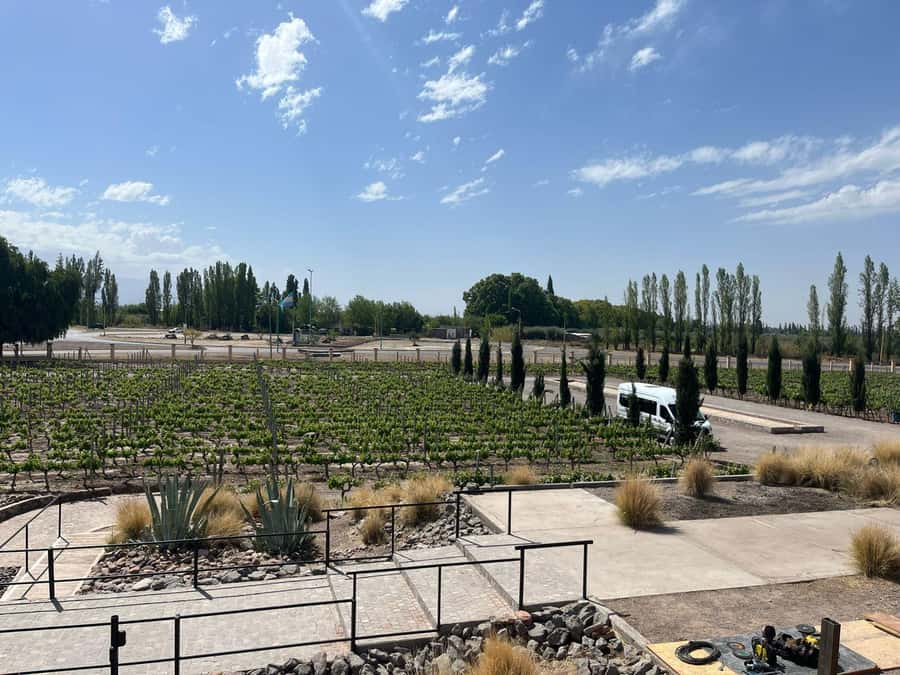
The first winery gives you a foundation for the rest of the afternoon. Visits may include producers such as Vistandes or a similar cellar, and the tour is designed to show you how wine moves from grapes through production and aging.
Expect a guided explanation followed by three tastings. You may compare young and aged wines, or move between white, rosé, and red varieties. Malbec is naturally part of the Mendoza conversation, but the tasting is broader than a single grape.
This first stop is where the technical information tends to be most useful. You learn how the winery works, what separates one style from another, and how the local climate shapes the final bottle. If you are new to wine, do not worry about having the right vocabulary. The format is made for curious beginners as well as people who already know what they like.
The quality of the explanation can depend on the person leading the visit. The strongest guides have explained the process carefully without rushing. The bilingual format can take longer, but English-speaking visitors have generally been able to follow along.
Second winery: family production and organic methods
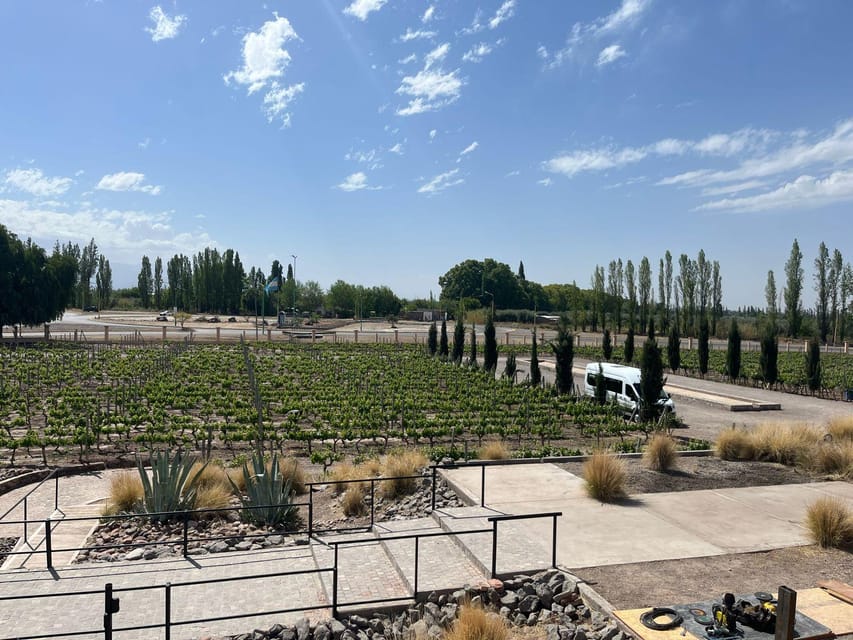
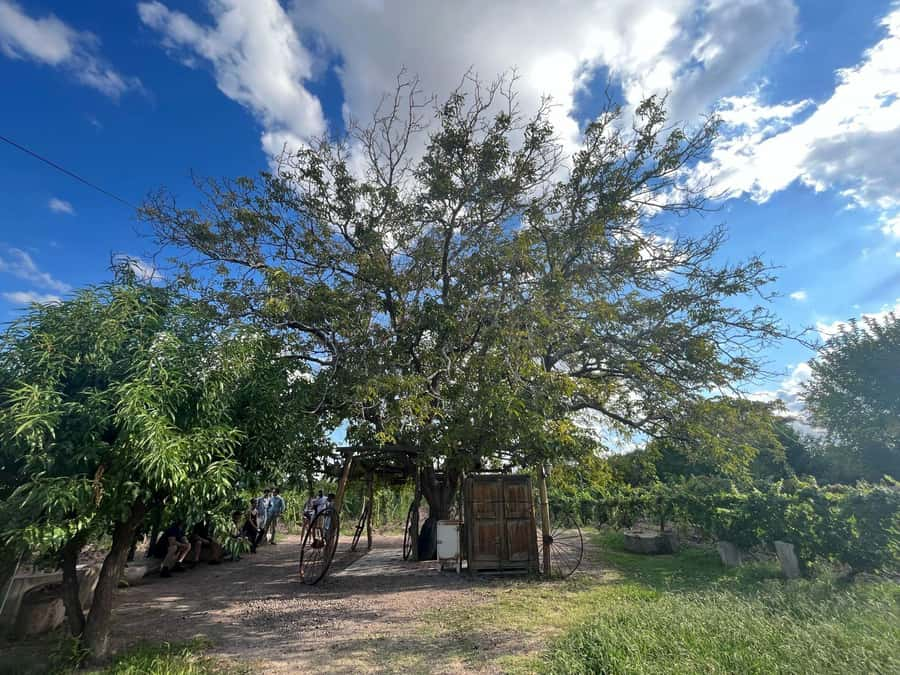
A stop such as Bodega Familia Cecchin adds a more personal side to the afternoon. Family wineries and smaller producers offer a useful contrast with larger commercial operations. You may see a more hands-on approach, traditional methods, or a stronger link between the producer and the bottles being poured.
One common version of the tour visits an organic winery early in the day. That can be especially interesting if you want to understand how farming choices affect production rather than simply tasting finished wine.
Again, expect about three wines. The guides explain the wines, the cellar, and the company’s background before you taste. Some stops provide generous samples, so pace yourself. With three wineries ahead or behind you and several pours at each, this is not a tour where you should treat every glass as a full serving.
The personal scale is part of the charm, but it also means the experience is not uniform. One guide may give a polished technical presentation, while another may be more informal. That variety is normal on a multi-stop tour and is part of what makes the day feel less scripted.
More Olive Oil and Wine Tastings in the world:
- Sorrento Farm and Food Experience including Olive Oil, Limoncello, Wine tasting
★ 5.0 · 2,524 reviews - Split: Krka Waterfalls With Boat Cruise, Wine and Olive Oil
★ 4.3 · 1,507 reviews - From Chania: Olive Oil, Wine, Cheese & Honey Tasting Tour
★ 4.6 · 490 reviews - From Chania: Wine and Olive Oil Tasting Tour with Snacks
★ 4.8 · 354 reviews
Third winery: sweet wines and a change of direction
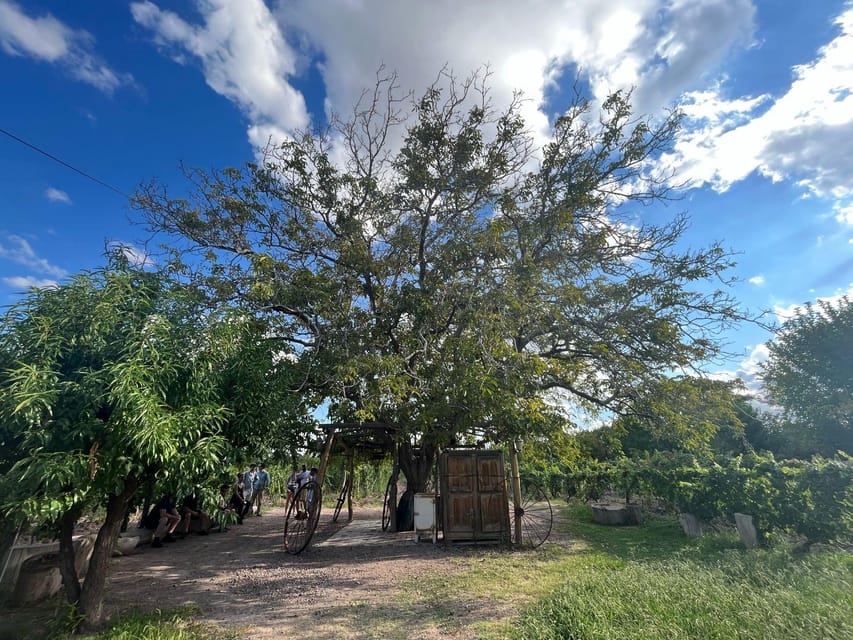
The sweet-wine cellar is the most distinctive stop for many people because it breaks up the steady run of dry reds and whites. The tour introduces you to sweeter styles that you may not usually encounter on a standard Mendoza tasting.
This will not suit every palate. One afternoon’s tasting included sweet wines that were not a favorite for some visitors, but the stop was still worthwhile because it showed a different side of local production. I like that the tour does not assume every participant wants the same style of wine.
The third winery can also feel more relaxed. After the first two visits, you have a better sense of how to compare aromas, sweetness, acidity, and finish. By this point, the group may be ready for a lighter presentation and another taste rather than a detailed production lecture.
The practical warning is simple: you may get tipsy. Around three wines at each winery can add up, especially when the samples are generous. Eat beforehand, drink water when you can, and remember that you still have transport and another tasting stop ahead.
Olive oil factory: a savory finish to the afternoon
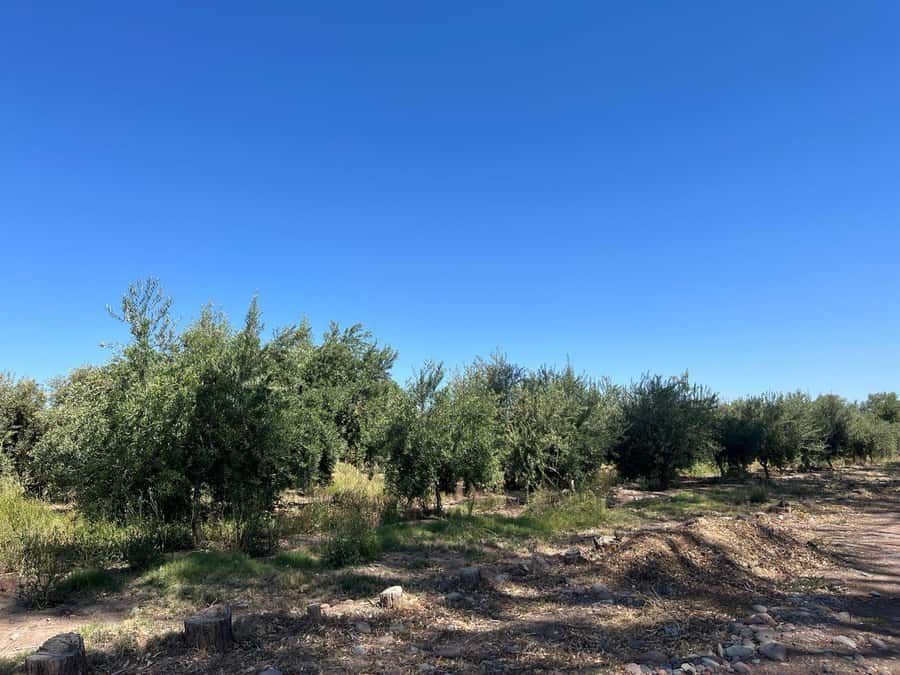
The olive oil factory is the fourth visit and gives your palate a break from wine. Producers such as Olivícola Boutique Pasrai or a similar facility explain how olives are processed and how oils differ in flavor.
The tasting usually includes bread with olive oil, olive paste, and other local delicacies. Some groups have tasted four or five different oils. That is enough to notice real differences in bitterness, fruitiness, peppery heat, and finish, even if you have never taken an interest in olive oil before.
I like this final stop because it turns the excursion into a broader food experience. It also gives you something savory after several wine tastings. Products and bottles may be available to buy, and the sales approach is generally low-pressure. Prices at the stops have been described as reasonable, but purchasing is entirely optional.
The olive oil visit is the least consistent part of the itinerary. Some days it is informative and well presented. On other days, the facility can feel crowded, and the English explanation may be less clear than at the wineries. Treat it as a tasting and short production visit, not as a full farm tour.
Wine tastings: how much you actually receive
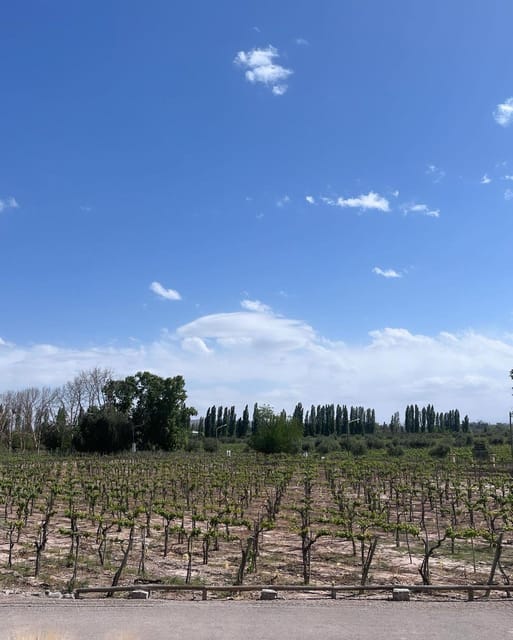
The advertised format is three wines at each winery, giving you roughly nine wines across the three stops. In practice, some groups have received closer to 11 wines, with extra pours or slightly different tasting arrangements.
The selection can include:
- Young and aged wines
- White, red, and rosé wines
- Malbec and other regional varieties
- Sweet wines
- Different styles from small and larger producers
That range is the tour’s biggest strength. You are not simply drinking the same type of Malbec three times. You are comparing methods, producers, and wine styles in a single afternoon.
The quantity also explains why this tour is such good value, but it demands some judgment. You do not need to finish every pour. Take notes if you want to remember favorites, use the spittoon if one is available, and ask for water when offered.
The exact number of wines and oils may vary by producer, so think of the stated three wines per winery as the basic plan rather than a strict guarantee of a particular bottle list.
Guides, languages, and the feel of the group
The tour runs in English and Spanish. Guides named in recent outings include Dolores, Maru, Rocío, and Alejandro, while Dario has handled driving duties. The guide you receive depends on the departure, but the role is more than simply getting people from one cellar to the next.
Dolores has been especially effective at keeping the group moving while adding background about the wineries. Rocío has explained Mendoza’s climate, water, and local history clearly. Alejandro has been praised for his energy and for sharing regional context during the drive. Maru has combined a friendly manner with clear organization.
Because the tour is bilingual, explanations may alternate between English and Spanish. That can slow the rhythm, and one English-speaking visitor found the switching difficult at times. On other departures, English speakers had no trouble at all. If you need every explanation in English, tell the guide early so you know when your language segment is coming.
Group size is described as small, though the actual number can vary. One outing had about 15 people, with English and Spanish speakers divided into smaller groups at the wineries. That arrangement can make the cellar visits feel more personal than the total vehicle size suggests.
The bus audio system has also been a weak point on at least one departure. If you are seated far from the guide, you may miss some of the road commentary. The winery presentations themselves are generally easier to hear because they take place in smaller groups.
Timing, pacing, and the six-hour schedule
The full activity lasts about six hours, normally from the 2 p.m. pickup to the 8 p.m. return. The winery portion in Maipú takes roughly five hours, including travel between stops, visits, and tastings.
This timing works well if you want a half-day experience rather than a full-day wine excursion. You still have your morning free for Mendoza’s parks, markets, or museums, and you return in time for a later dinner.
The pace is active. Four visits in five hours leave room for explanations and tastings, but not for lingering over a long meal. You will spend part of the afternoon in the vehicle, part walking through production areas, and part standing or sitting for tastings.
The tour does not include lunch. A small snack is served at the olive oil factory, but you should eat before pickup. The olive oil and bread are welcome at the end, yet they are not a substitute for a proper meal.
What the $34 price really buys you
At $34 per person, this is one of the more economical ways to sample Maipú. The price includes transport, entrance fees, wine tastings at all three wineries, and the olive oil products tasting.
The value comes from the number of included elements. If you arranged separate transport, four admissions, and multiple tastings yourself, the total would be harder to control. Here, you pay one modest price and let the operator handle the route.
You are not paying for an upscale wine-and-food experience. There is no promise of a long vineyard lunch, private cellar access, or a luxury vehicle. What you get is breadth: several producers, many pours, bilingual guidance, and a simple return to Mendoza.
That makes the tour a strong choice for solo visitors, first-time wine tasters, and anyone who wants to compare Maipú producers without spending heavily. It is also useful for a small group that would rather not designate a driver.
Who should book this Maipú outing?
I would choose this tour if you want:
- A low-cost introduction to Mendoza wine
- Several different producers in one afternoon
- English and Spanish guiding
- Hotel pickup and return
- A mix of wine and olive oil
- A social activity that works well for solo visitors
- Tastings without arranging each winery separately
I would look elsewhere if you want a quiet private tour, a long meal at one estate, a highly polished luxury setting, or complete control over which wineries you visit. The route is designed for variety and value, not exclusivity.
Wheelchair users should note that the activity is not suitable for wheelchair access. Pickup and drop-off are limited to the listed Mendoza locations, so check your hotel before booking.
Free cancellation is available up to 24 hours before departure, and you can reserve now and pay later. That is useful when your Mendoza schedule is still taking shape.
Should you book it?
Book this tour if you want to taste a lot, learn the basics, and see how different Maipú producers work without paying for a full-day luxury excursion. The combination of three wineries, a sweet-wine stop, and olive oil tasting gives you more variety than the price suggests.
Go in with the right expectations. Pickup can be slow, bilingual commentary may require patience, and the olive oil factory may feel crowded. But if you eat first, pace yourself, and value range over refinement, this is a practical and enjoyable way to spend an afternoon in Mendoza.
FAQ
How long does the tour last?
The activity lasts about six hours. Pickup begins at 2 p.m., and the return to Mendoza is scheduled for about 8 p.m.
How many wineries will I visit?
You will visit three wineries in Maipú. The program includes an artisanal winery, an industrial winery, and a cellar focused on sweet wines.
How many wines are included?
The standard plan includes three wine tastings at each winery. Depending on the stop, the total may be around nine to 11 wines.
Is the tour available in English?
Yes. The tour is offered in English and Spanish, with bilingual guides. Explanations may alternate between both languages.
Is the olive oil tasting included?
Yes. The olive oil factory visit and product tasting are included. Samples may include bread with olive oil, olive paste, and other delicacies.
Where does pickup take place?
Pickup is available from selected Mendoza hotels and meeting points, including the Sheraton Mendoza, Hilton Mendoza, Amérian Executive Mendoza Hotel, Hostel Lagares, Hostel Central, Soltigua Apart Hotel, QuickPoint, Viajes & Diseño, Hotel Crillón Mendoza, and Rivadavia 452.
Can I cancel or pay later?
You can cancel up to 24 hours in advance for a full refund. You can also reserve your place and pay later, subject to availability.
Freshly pressed around the world
- Private Tour in Historic Estate in Monemvasia with wine-olive oil tasting & meal★ 5.0 · 4 reviews
- Taste of Cyprus: Pasteli, Olive Oil, Wine & Mythology from Pafos★ 4.0 · 2 reviews
- Olive Facility Visit with Olive Oil Tasting Session★ 5.0 · 2 reviews
- SYSTASIS Olive Oil Tasting Experience in Ermioni Greece★ 5.0 · 4 reviews
- Olive Oil Tasting at the Mykonian Farm★ 4.5 · 3 reviews
- Olive Oil Tour close to Nafplio★ 4.5 · 3 reviews
- E-bike tour in Ostuni, the olive trees and the rock village★ 5.0 · 4 reviews
- The wines of the Luberon, the Château de Lourmarin & Bastide du Laval olive oil★ 5.0 · 2 reviews
Olive Mill and Factory Tours, compared.
Crete: Quad Safari, Olive Mill with Tasting & Ghost Village
Read our review →
Knossos-Zeus Cave -Old Traditional Villages-Olive Oil Factory
Read our review →
The Governor’s Olive Mill Tour with Olive Oil Tasting
Read our review →
Crete: Road-trip to Lasithi, Zeus Cave & Olive Mill Farm
Read our review →
Lassithi, Zeus Cave, Olive Mill Farm & Knossos Combo Tour
Read our review →
Zeus Cave, Lassithi Plateau, Olive Oil Factory, Kritza, Pottery
Read our review →
Crete: Zeus Cave, Lassithi Plateau, and Olive Factory Tour
Read our review →
Other lists with this tasting on them