
Review · FLORENCE
From Florence: Olive Oil Mill Tour and Tasting in Fiesole
The most interesting part of this Fiesole outing is not simply tasting olive oil. You get to see how a modern mill turns olives from Fiesole’s 1,200-hectare organic district into extra virgin oil, using high-tech extraction equipment and biomass instead of fossil fuels. I like the close look at production and the chance to compare several oils side by side.
I also like the setting. The mill offers a beautiful terrace view, free parking, and a private-group format with an English or Italian guide. The main thing to watch is the transport: pickup is offered from Piazza Beccaria or Porta Romana in a white private vehicle, but one booking had a serious pickup problem and required a taxi. Confirm the meeting point and pickup details before you leave Florence.
Key points at a glance
- Modern mill opened in May 2023: See new extraction technology rather than only old farm equipment.
- Organic Fiesole olives: The mill processes fruit from a 1,200-hectare organic olive-growing district.
- Useful oil tasting: Compare high-quality monocultivar oils, including an intentionally lower-quality oil to sharpen your palate.
- Zero-emission production: The mill uses self-produced biomass for heat and does not rely on fossil fuels.
- Private tour with food and local wine: The visit includes olive oil tasting, food tasting, and some wine from a local farm.
- Short trip from Florence: The scheduled visit is described as 1.5 hours, though the practical visit may last about two hours.
From Florence to the Fiesole hills
This experience begins with a transfer from one of two Florence meeting points: Piazza Beccaria, in front of Pasticceria Serafini, or Porta Romana, in front of Banca Monte dei Paschi di Siena. A white private vehicle brings you to the mill in Fiesole.
That transfer matters because the mill is outside central Florence. You do not have to arrange your own taxi or work out a rural bus connection, and the private format can be easier than joining a large coach group. It also keeps the outing compact, with the visit and tasting taking place at one location.
Still, transport is the part I would handle with care. The pickup arrangement is included in the experience, but one person arrived an hour late after no vehicle appeared and then had to pay for a taxi back to the meeting point. Get the exact pickup place and time in writing, arrive early, and keep the provider’s contact details handy. That small bit of preparation can prevent the day’s only major headache.
The drive gives you a change of pace from Florence’s streets. Instead of spending the morning moving between city sights, you head to an operating olive oil facility near Fiesole, where the focus is on Tuscan agriculture and food production.
More Olive Mill and Factory Tours in Italy
- Leonardo Da Vinci’s wind mill visit and Organic olive oil tasting
★ 4.5 · 12 reviews - Bardolino: Lake Garda Oil Mill Tour with Olive Oil Tasting
★ 4.9 · 205 reviews - Lecce to Galatina E-Bike: Olive Mill & Wine Tasting + Taxi back
★ 5.0 · 54 reviews
Entering the Cesare Buonamici mill
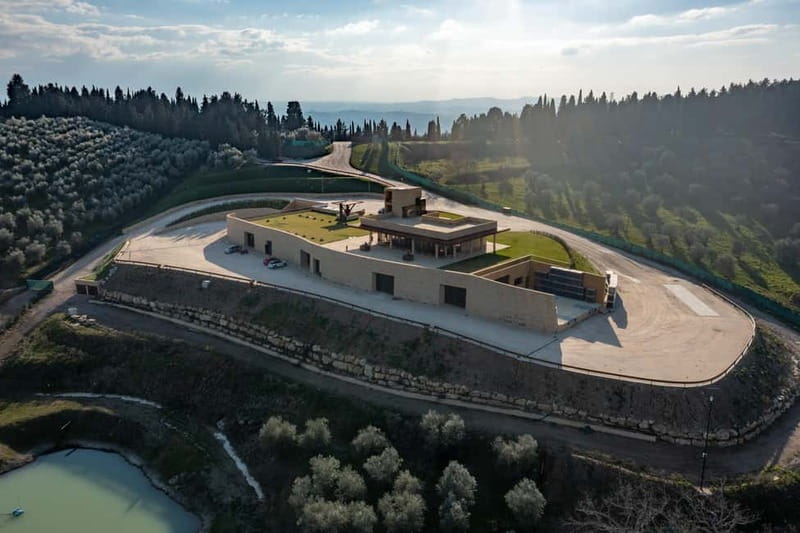
The visit centers on the Cesare Buonamici olive oil mill, a family operation with a long history and a new facility inaugurated in May 2023. That combination is what makes the stop worthwhile. You are not seeing only a traditional farm story, and you are not touring a faceless industrial plant.
The guide explains how the family’s oil developed and how the newer mill handles production. The facility is equipped with modern extraction technology, so you can connect the traditional importance of olive growing with the technical steps that affect the final flavor and quality of the oil.
A previous visitor described a full tour of the facility and singled out the guide’s ability to explain each part clearly. That is useful context for setting expectations. This is not just a short walk to a tasting table, where you sample oil without knowing how it was made. The plant visit gives the tasting a purpose.
The exact order can vary, but you should expect the guide to discuss the olives, extraction, and the mill’s approach to quality. Since the tour is private, you can ask questions rather than simply listening to a fixed speech. English and Italian are available.
What the new extraction technology means
Olive oil production can sound simple: olives go in, oil comes out. The quality of the process depends on what happens between those two points. Heat, handling, storage, and extraction methods all affect the taste and character of the finished oil.
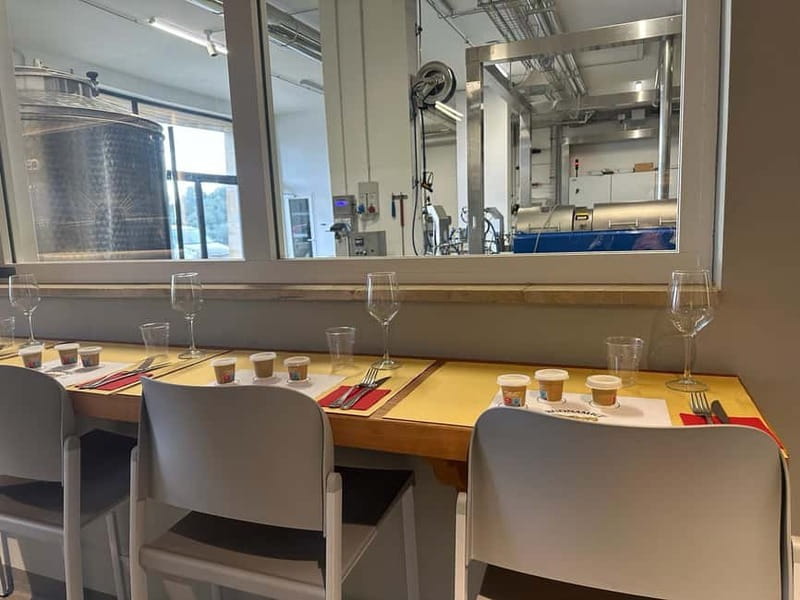
At this mill, the modern equipment gives the guide something concrete to explain. You can see the machinery used in the extraction process and learn why a newer facility may help control production more carefully. The point is not to turn you into an olive oil engineer. It is to help you understand why one bottle tastes fresh and lively while another tastes flat, stale, or poorly balanced.
The new mill also gives the visit a current feel. If you have already toured old Tuscan estates, this stop provides a different view of the region’s food culture. It shows how a family producer can use new technology while staying tied to local olive groves and organic production.
The mill works with olives from the organic district of Fiesole, which covers about 1,200 hectares. That is a useful detail because it puts the bottle in context. You are tasting oil connected to a specific growing area, not an anonymous blend with no clear local link.
A zero-emission mill powered by biomass
The environmental side of the mill is one of its most unusual features. The facility does not use fossil fuels. Instead, it uses heat sources from self-produced biomass, allowing it to operate as a zero-emission mill.
That claim is more meaningful here than a general green label because the guide can show you how the mill’s energy choices relate to production. Olive growing creates agricultural byproducts, and biomass gives the operation a way to use its own resources for heat. You can ask how that system works during the visit.
The mill has received an eco-efficiency recognition from the Tuscan region. I would not treat that as the sole reason to book, but it adds substance to the environmental story. You get to see a working example of a producer trying to limit fossil fuel use while making a familiar Tuscan product.
This part will appeal most if you care about food systems, sustainable farming, or the practical side of rural business. If you only want a quick tasting, the energy discussion may feel like extra information. The private format helps because you can spend more time on the subjects that interest you.
More Olive Mill and Factory Tours in Florence:
- Crete: Quad Safari, Olive Mill with Tasting & Ghost Village
★ 4.9 · 1,004 reviews - From Mendoza: 3 Wineries, Olive Oil Factory Tour & Tasting
★ 4.6 · 901 reviews - Knossos-Zeus Cave -Old Traditional Villages-Olive Oil Factory
★ 5.0 · 694 reviews - The Governor’s Olive Mill Tour with Olive Oil Tasting
★ 5.0 · 502 reviews
The tasting, where the machinery makes sense
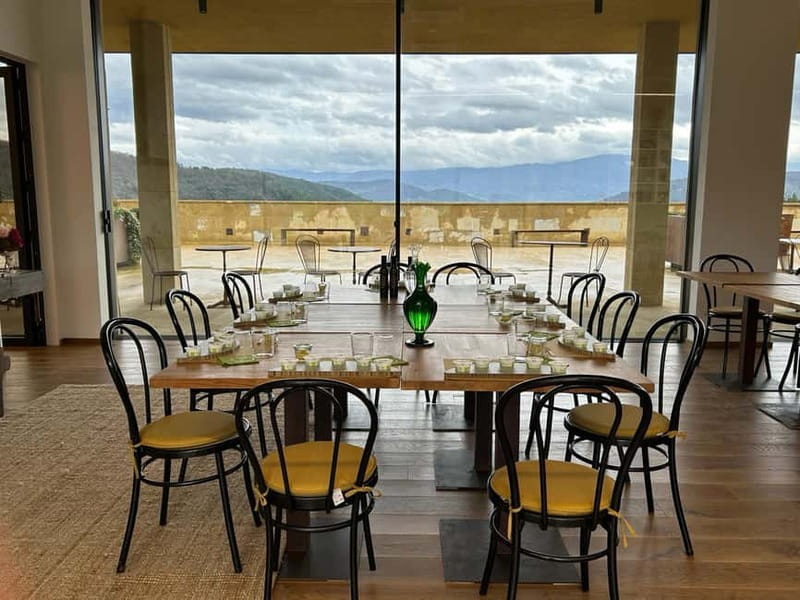
The tasting is the payoff. You sample a selection of extra virgin olive oils produced at the mill, including high-quality monocultivar oils. A monocultivar oil comes from one olive variety, so it can show a clearer flavor profile than a blend.
The tasting is designed to teach, not just to pour. One guide used a deliberately lower-quality oil so people could compare it with better examples. That is a smart teaching trick. It helps you notice the difference between fresh, balanced oil and oil with weaker or less pleasant qualities.
You will likely be asked to identify flavors before the guide explains what to look for. Pay attention to your first impression. You might notice fruitiness, bitterness, or a peppery finish, then learn how those sensations fit into a good extra virgin oil.
The tasting also gives you a practical skill for later meals. When you return to Florence or go home, you will be better prepared to read a label, compare a monocultivar with a blend, and recognize that a stronger peppery sensation is not automatically a flaw.
The included food tasting helps put the oils to use. The experience also includes some wine from a local farm, according to the practical information provided for the visit. This is not described as a full meal or a winery tour, so plan to treat it as a tasting stop rather than a replacement for lunch.
Credit cards and cash are both sensible to carry. The information lists both among the suggested items, which may be useful if you want to buy products or pay for something on site, though purchases are not specifically promised.
Terrace views and the pace of the visit
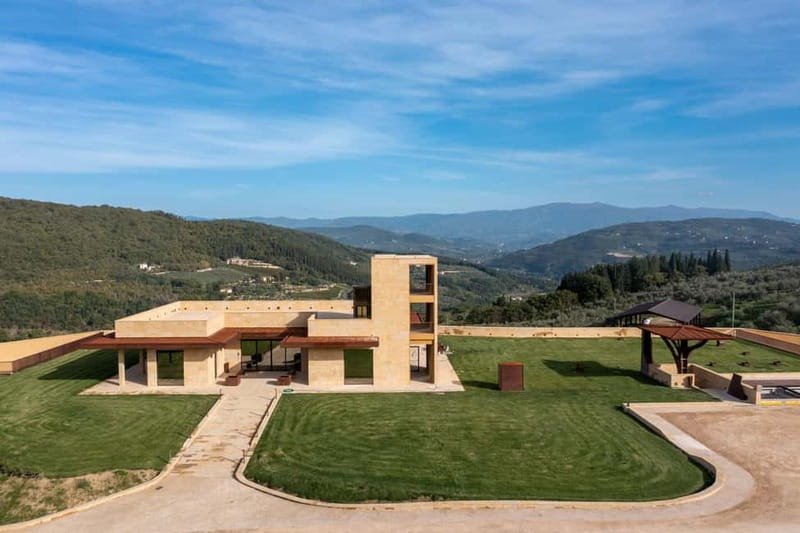
The mill includes a terrace with a beautiful view. This gives the experience a welcome pause between the machinery and the tasting table. You can step outside, take photographs, and enjoy the setting instead of spending the entire visit indoors.
Bring a camera, sun hat, and outdoor clothing if the weather calls for them. Comfortable shoes are sensible because you will be touring a working facility, and the suggested clothing list includes both long pants and shorts. The terrace and outdoor portions may be sunny, so do not assume the whole visit takes place in a cool indoor room.
The advertised duration is 1.5 hours, but the practical information also describes a two-hour visit including the mill tour, olive oil tasting, food tasting, and local wine. I would plan on roughly two hours rather than trying to squeeze in another tightly scheduled attraction immediately afterward.
That longer estimate is especially important because of the transfer. Add time for pickup, driving, and returning to Florence. The outing is short enough for a half-day plan, but it is not a quick 45-minute stop that you can fit between museum reservations.
Price, private groups, and overall value
At $59 per person, this is more expensive than buying a bottle of oil at a Florence market and tasting it on your own. The price makes sense if you value the transport, a private group, access to the mill, guided instruction, several oil samples, food tasting, and the setting outside the city.
The private-group format is a real advantage. You can ask about extraction, organic farming, monocultivar oils, or biomass without competing with a large bus group. The guide can also adjust the explanation to your interest level. The experience has received especially strong praise for the guide’s explanations and the chance to tour the whole facility.
The value is less clear if you are mainly looking for a scenic Tuscan meal. This is first an olive oil production visit, with food and wine supporting the tasting. You should book it for the mill and the oil education, not because you expect a long lunch or a full countryside excursion.
Free parking and wheelchair accessibility make the mill easier to use for people who are driving or need step-free access. The transfer from Florence is more useful for visitors without a car, but it also introduces the need to confirm the pickup carefully.
The booking terms are flexible: you can reserve and pay later, and cancellation is allowed up to 24 hours before the activity for a full refund. That helps if your Florence schedule is still changing.
Who will enjoy this Fiesole outing
I would recommend this for food-minded visitors who want to understand a product they may otherwise take for granted. It works especially well for couples, families, and small private groups who prefer a focused local visit over a large countryside coach tour.
It is also a good fit if you have already seen Florence’s major museums and want an experience connected to the area’s agriculture. The combination of local history, new machinery, environmental practices, and tasting gives you more to remember than a simple bottle sampling.
You should think twice if your main goal is olive picking. Picking is not included. You will learn about the mill and the oil, but you will not be working in the groves.
I would also avoid booking it back-to-back with a must-not-miss city appointment unless the transport is firmly confirmed. The scheduled activity is short, but a missed pickup or delayed return could disrupt the rest of your day.
Should you book the Cesare Buonamici mill?
Book this tour if you want a clear, practical introduction to Tuscan olive oil and like the idea of seeing a modern facility in action. The excellent tasting lesson, especially the comparison with a lower-quality oil, gives you something useful to take home beyond a souvenir bottle. The terrace, private guide, organic production, and biomass system add variety.
The main caution is transportation. Confirm the meeting point, pickup time, and return arrangement before departure. If those details are handled properly, the $59 price is fair for a private visit, several tastings, food, local wine, and a look at a new zero-emission mill near Florence.
FAQ
Where does the tour meet in Florence?
Pickup is available at Piazza Beccaria, in front of Pasticceria Serafini, or at Porta Romana, in front of Banca Monte dei Paschi di Siena. A white private vehicle provides the transfer.
How long does the experience last?
The advertised duration is 1.5 hours. The practical information also describes a two-hour visit including the mill tour, olive oil tasting, food tasting, and some local-farm wine, so allow about two hours for the visit itself.
Is transportation from Florence included?
Yes. The experience includes a private transfer from one of the two listed Florence meeting points. Confirm the pickup details before leaving, since one booking had a serious issue with the vehicle not arriving.
What will I taste?
You will taste a selection of organic extra virgin olive oils made at the mill, including high-quality monocultivar oils. The visit also includes food tasting and some wine from a local farm.
Is olive picking part of the tour?
No. Olive picking is not included. The experience focuses on visiting the mill, learning about extraction, and tasting the finished oils.
Is the mill wheelchair accessible?
Yes. The activity is listed as wheelchair accessible.
Can I cancel the booking?
You can cancel up to 24 hours in advance for a full refund. The reserve-now, pay-later option lets you hold a place without paying immediately.
Freshly pressed around Florence
- Leonardo Da Vinci’s wind mill visit and Organic olive oil tasting★ 4.5 · 12 reviews
- Chianti from Florence:PRIVATE Wine, Olive Oil Tasting in the Tuscan countryside★ 5.0 · 2 reviews
- Florence: Great Chianti Wine and Olive Oil Trail with Lunch★ 5.0 · 8 reviews
- Amazing Lunch in organic Farm with Balsamic Vinegar Olive Oil truffle and Wine tasting Experience in Tuscany★ 3.0 · 3 reviews
- Seggiano: Typical Tuscan Farm Tour with Olive Oil Tasting★ 5.0 · 4 reviews
- From Florence: Horseback Ride and Olive Oil and food tasting★ 4.3 · 8 reviews
- Florence: Olive Oil Tasting Experience★ 5.0 · 2 reviews
- Florence: The secret of wine, cheese and olive oil at a farm★ 5.0 · 3 reviews
Olive Mill and Factory Tours, compared.
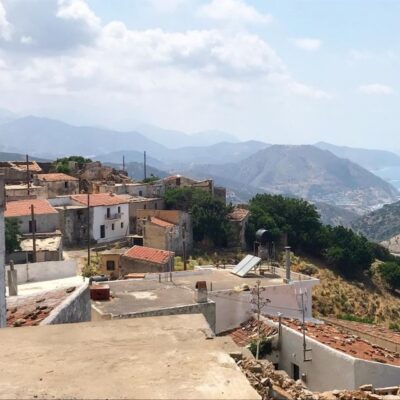
Crete: Quad Safari, Olive Mill with Tasting & Ghost Village
Read our review →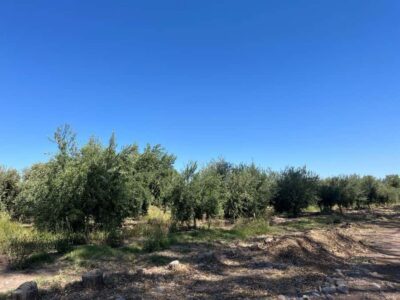
From Mendoza: 3 Wineries, Olive Oil Factory Tour & Tasting
Read our review →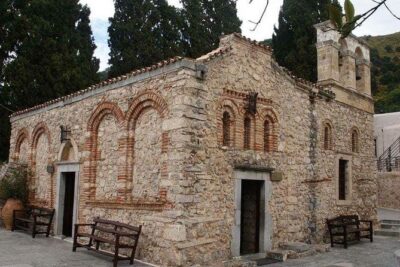
Knossos-Zeus Cave -Old Traditional Villages-Olive Oil Factory
Read our review →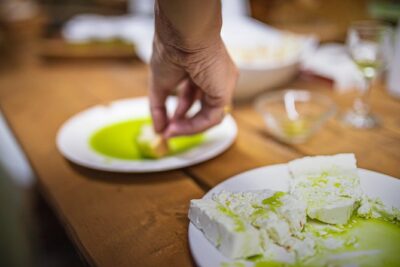
The Governor’s Olive Mill Tour with Olive Oil Tasting
Read our review →
Crete: Road-trip to Lasithi, Zeus Cave & Olive Mill Farm
Read our review →
Lassithi, Zeus Cave, Olive Mill Farm & Knossos Combo Tour
Read our review →
Zeus Cave, Lassithi Plateau, Olive Oil Factory, Kritza, Pottery
Read our review →
Crete: Zeus Cave, Lassithi Plateau, and Olive Factory Tour
Read our review →Other lists with this tasting on them