
Review · ALGHERO
Alghero: Wine and Olive Oil Tasting at a Local Farm
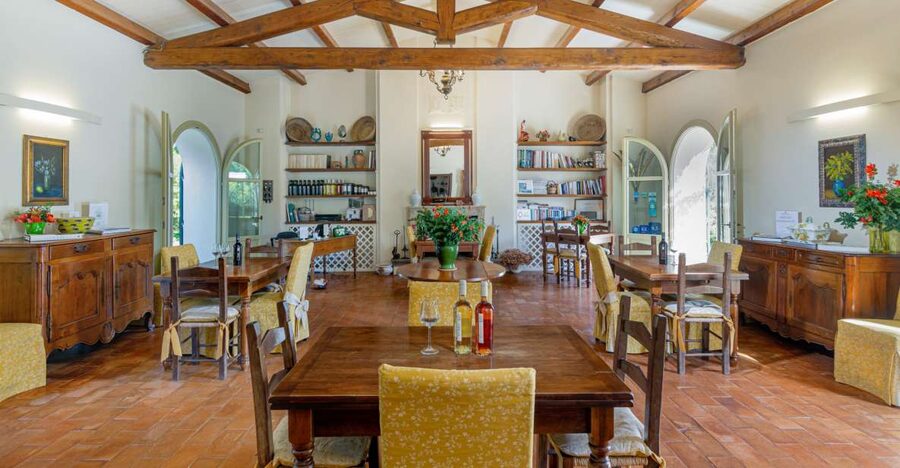
The best part of this Alghero experience is its small scale. At Ledà d’Ittiri Wine Resort, you taste five wines in a proper tasting room, then learn how the farm’s grapes and olives become the products on your table. The setting is a working agricultural estate, not a large commercial cellar.
I especially like the clear food pairings, with pecorino, bread, olives, and small local appetizers, and the final tasting of cold-pressed extra-virgin olive oil. Guides such as Valeria explain the wines in plain English, including unfamiliar Sardinian grapes, without making the session feel like a lesson in wine school.
The main thing to consider is the short format. The guided tasting lasts about one hour, and the wine pours are tasting portions rather than full glasses. A walk through the vineyard and olive groves may be available for an additional €5, so confirm that option if the outdoor part matters to you.
Key points to know before you go
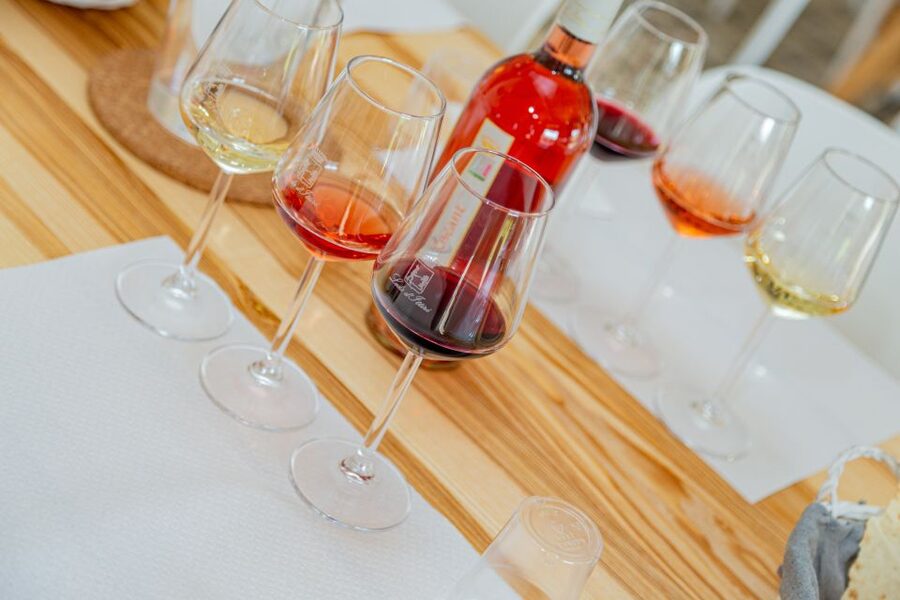
- Five wines, one olive oil tasting: You sample five wines, then finish with extra-virgin olive oil and traditional bread.
- A genuinely local setting: Ledà d’Ittiri is a small producer near Alghero, with products made for on-site sales rather than broad export.
- Food is part of the lesson: Pecorino, olives, bread, and small appetizers help you understand how the wines work with Sardinian food.
- The tasting is indoors: Rain or poor weather will not spoil the main activity.
- The farm is outside town: You need a rental car, taxi, or bicycle because public transport is not available in the area.
- The extra vineyard walk can be worthwhile: Several visitors paid about €5 more for a guided walk among the vines and olive trees.
A small Sardinian farm near Alghero
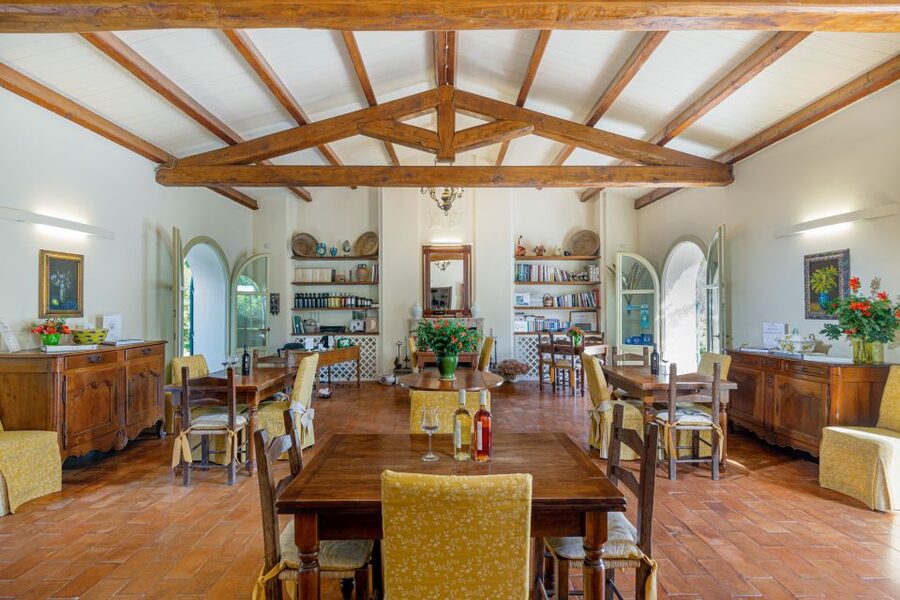
Ledà d’Ittiri sits about 10 kilometres from central Alghero, close enough for an easy outing but far enough to feel rural. Follow the Wine Resort signs and arrive about 10 minutes early. Free parking is available at the farm, which makes a rental car the simplest choice.
The estate produces wine and olive oil on a modest scale. That matters because the tasting feels tied to the place itself. You are not simply sampling labels shipped in from across Sardinia. The wines, oil, bread, olives, and cheese are presented as part of the farm’s own food culture.
The business was founded by two women who had no previous background in viticulture, according to the introduction given during the tasting. The farm continues to be run by an all-female team. That detail gives the visit a useful human angle, especially if you like meeting small producers and hearing how an agricultural business took shape.
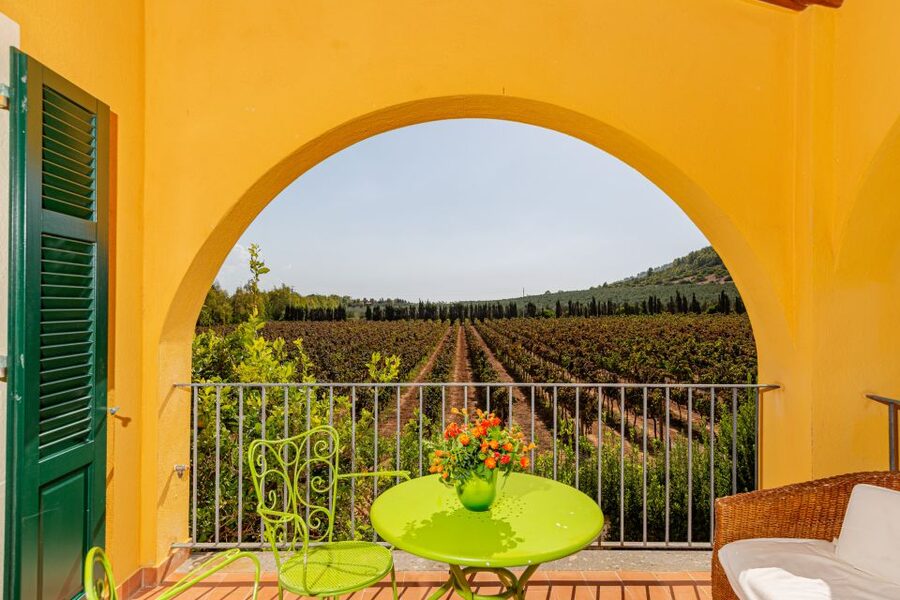
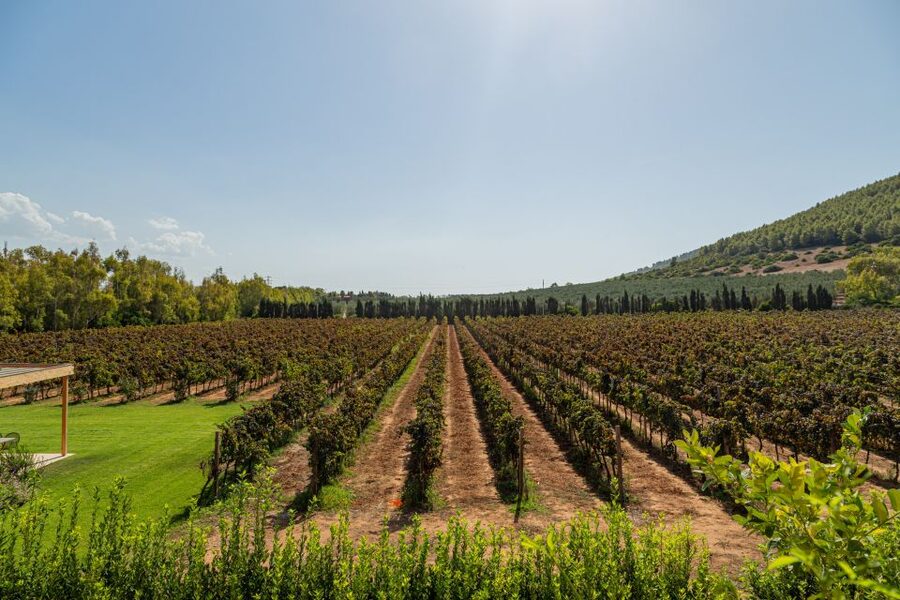
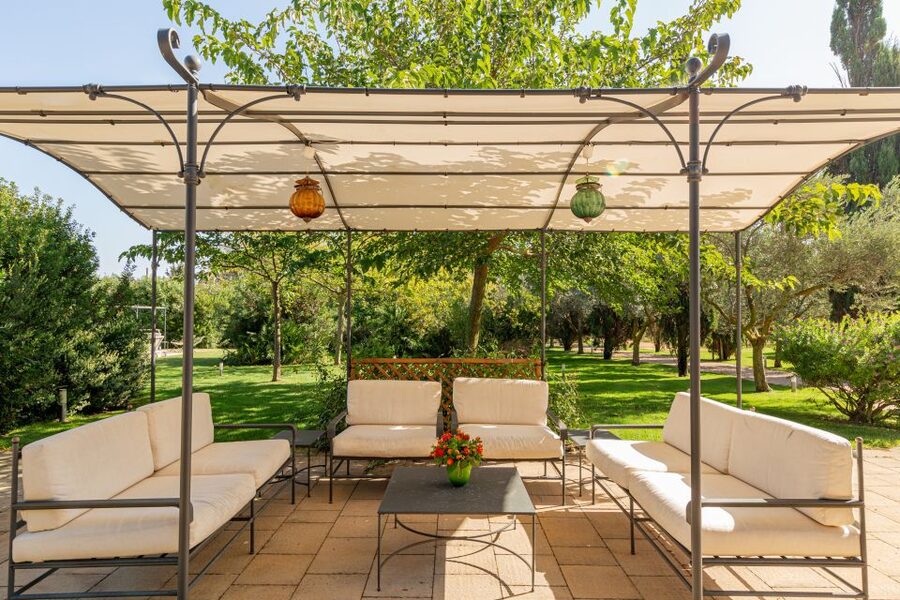
The setting is one of the experience’s strongest features. You can see the vineyard and olive trees after the tasting, take photographs, and get a better sense of where the food and drink began. The official experience allows time for a self-guided walk, while several bookings have also included a longer guided vineyard walk for an extra €5 per person. Ask about the option when you arrive.
More Olive Oil and Wine Tastings in Italy
- Sorrento Farm and Food Experience including Olive Oil, Limoncello, Wine tasting
★ 5.0 · 2,524 reviews - Sorrento: Lemon, Olive Oil and Wine Tasting Tour with Lunch
★ 5.0 · 300 reviews - Balestrate: Olive Grove Tour with Wines & Olive Oil Tasting
★ 5.0 · 241 reviews
What happens when you take your seat
On arrival, your guide brings you to a table in the tasting room. The place is set before you with five wine glasses, water, bread, and a small tray of appetizers. This is a thoughtful touch: you can focus on the explanation instead of waiting for each course or glass to arrive.
The guide begins with the farm, the surrounding area, and local traditions. The talk can include Alghero’s local dialects, the farm’s origins, the microclimate around the vines, and the way the wines are produced. The approach is friendly and understandable, even if you do not know the difference between a grape variety and a wine style.
Guides including Valeria have been praised for making the subject easy to follow and for answering questions without turning the tasting into a technical lecture. That suits this one-hour format. You get enough background to appreciate the wines, but you are not buried under production terms.
The tasting is fully guided, so you should expect a set presentation rather than a casual glass of wine at the bar. Children under 18 are not admitted to the tasting room, and the experience is intended for adults who want to concentrate on wine and food.
Five wines and a useful introduction to Sardinian grapes
The central part of the activity is the tasting of five wines. Each glass comes with an explanation of the grape, aroma, taste, and suggested food pairing. You may encounter familiar international varieties such as Merlot or Cabernet alongside grapes that are less familiar outside Sardinia.
That mix is valuable. If you already know the big international names, you have a reference point. If you want something more local, the Sardinian varieties give you a chance to taste wines that may be hard to find elsewhere.
The order of the wines lets you compare them rather than simply drink five unrelated samples. Pay attention to how the aroma changes from glass to glass, then try each wine with the food placed on the table. The pairing is not decorative. Pecorino, salami, olives, bread, and other small appetizers show how salt, fat, and acidity affect the taste.
The food is simple, but that is the point. Sardinian wine is meant to sit alongside local products, not be judged in isolation. A cheese that tastes sharp on its own may soften a wine, while an olive or slice of cured meat can bring out a different note.
The portions are designed for tasting. One criticism is that the pours can feel small if you expected generous glasses. You should book this as a guided introduction, not as an afternoon of heavy drinking. That also makes it a sensible stop before dinner or another activity.
The olive oil finish is more than an afterthought
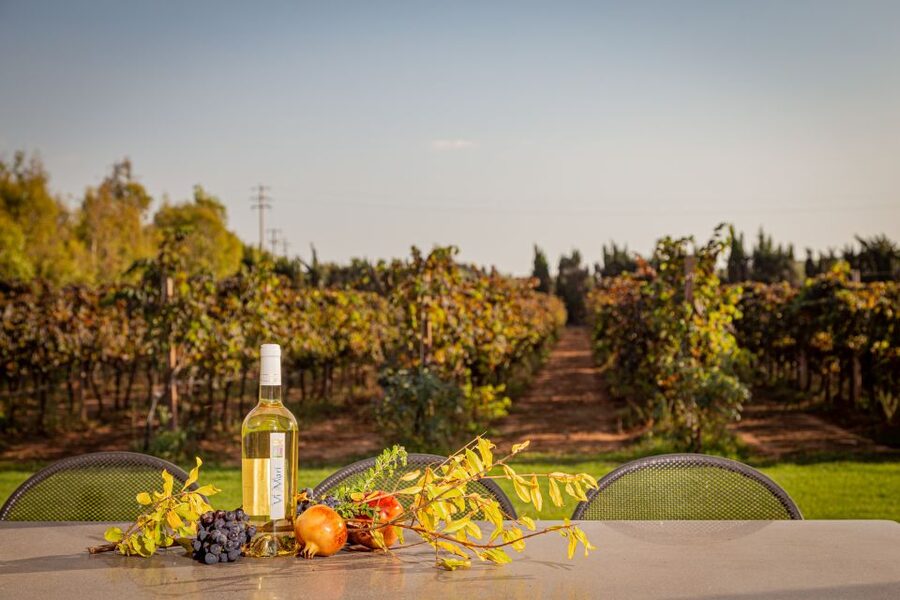
After the wines, the focus shifts to extra-virgin olive oil made using traditional cold-pressing methods. It is served with traditional bread, giving you a direct way to taste its texture and flavor.
This final course adds balance to the visit. Many wine tastings treat olive oil as a side product, but here it is part of the farm’s identity. You learn that the estate is about both vines and olive trees, and you get to compare two important parts of Sardinian agriculture.
You can also taste the table olives served with the appetizers. Try them between wines rather than eating everything at once. Salty foods can change how a wine tastes, and the guide may use those changes to explain suggested pairings.
If you like the oil, wine, or other products, you can buy them before leaving. One practical point is important: the farm does not ship its wine and olive oil outside Sardinia. Pack carefully if you purchase bottles, and do not assume you can arrange delivery home later.
More Olive Farm Visits in Italy:
- Organic cooking class with a sommelier in an Olive and wine farm
★ 5.0 · 69 reviews - Cagliari Olive Oil Farm & Tasting (Since 1600, 20 Min Away)
★ 5.0 · 43 reviews - Farm-to-Table Experience: Olive Oil, Garden Tour & Nonna’s Lunch
★ 5.0 · 35 reviews - Wine and olive oil tasting & farm tour
★ 5.0 · 32 reviews
The vineyard and olive grove walk
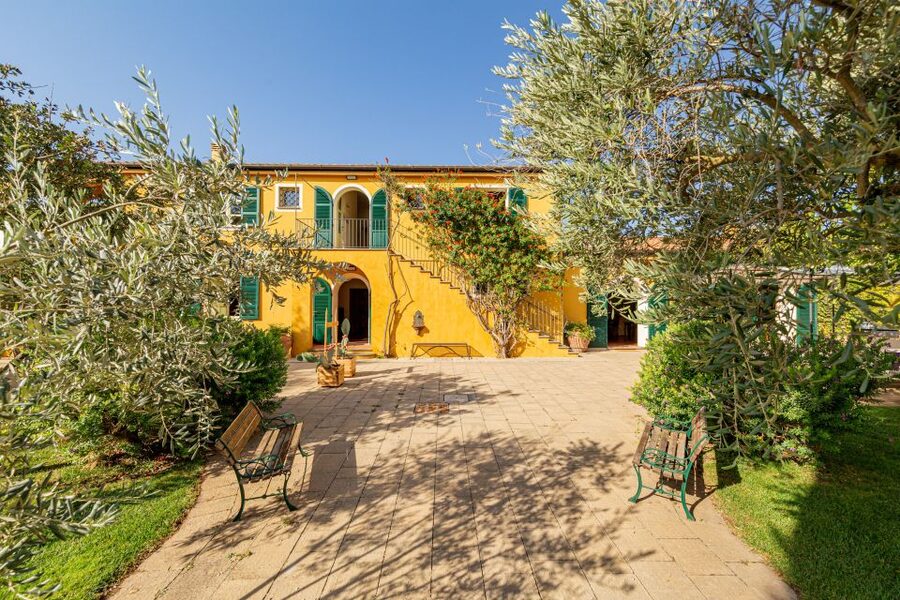
The main tasting takes place indoors, so the weather does not affect the scheduled session. Afterward, you have about 10 minutes of free time for photographs and a look around. That is enough for a quick stroll, but not enough for a detailed farm tour.
Several people have paid an additional €5 per person for a more extended walk through the vineyard and olive groves. If you want the agricultural side of the visit, this is the add-on to ask about. A longer walk gives the guide more time to explain the growing process and lets you see the vines and olive trees rather than only hearing about them at the table.
The walk is also the best chance to appreciate the setting. Bring comfortable shoes, especially if you choose the longer option. This is a farm, not a polished urban tasting room, so sensible footwear is better than dress shoes.
Photography is welcome during the outdoor portion, but video recording is not allowed. You can take pictures of the vines, olive trees, and buildings, then return to the shop area to decide what you want to take home.
Is $43 a fair price?
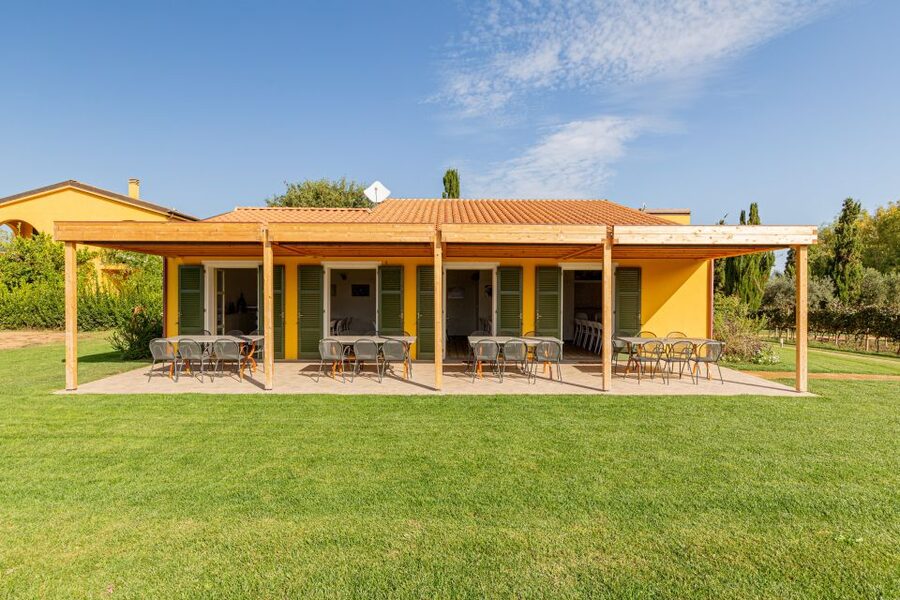
At $43 per person, the value depends on what you want from a wine visit. You receive five wine samples, small appetizers, traditional bread, water, olive oil, and a guided explanation in English. Free parking is included, and you also get time to look around the farm and buy the products.
For a short one-hour tasting, the price is not a bargain in the simple sense. You are paying for the setting, the guide’s time, the food pairings, and access to a small producer. If all you want is a glass of wine, Alghero has cheaper ways to drink.
I think the price works best for you if you care about local food and want context with your tasting. The story of the farm, the unfamiliar grape varieties, the olive oil production, and the chance to walk through the vines make this more useful than a quick pour at a wine bar.
To get better value, plan to add the vineyard walk if it is available and fits your schedule. The extra €5 is modest, and the walk gives the visit more substance. You can also treat the tasting as a way to choose bottles or olive oil for later meals.
Getting there from Alghero
There is no public transport serving the farm area. Your options are a rental car, taxi, or bicycle. The estate is about 10 kilometres from Alghero’s centre, and one reported taxi fare was about €30 each way, though prices can change.
A car is the easiest option if you are visiting several rural sites around Alghero. It also lets you shop without worrying about carrying bottles far. If you plan to cycle, allow enough time for the ride and return, and wear comfortable clothing. One bicycle visit from central Alghero took about 30 minutes, but your timing will depend on your route and pace.
Do not count on using the resort as a general hotel facility during the tasting. The swimming pool, regular bar service, and other amenities are reserved for hotel guests. You are visiting for the farm tasting, not for open access to the resort.
The gate closes at 7:00 PM, so do not leave arrival until the last minute. The safest plan is to follow the signs, arrive 10 minutes before your booked start, and allow extra time if you are coming by taxi or bicycle.
Who will enjoy this tasting most
This is a good choice for adults who like food, wine, and small-scale producers. You do not need formal wine knowledge. The presentation is intended to explain what is in the glass, why it tastes as it does, and what food goes well with it.
It suits couples, friends, and solo visitors who want a calm rural stop near Alghero. It can also work well as a birthday outing or a relaxed part of a larger Sardinia trip. The indoor room makes it dependable during poor weather.
You should choose something else if you want a long winery tour, a large meal, or generous wine servings. The standard visit is brief, and the vineyard walk may cost extra. Families with children under 18 also need another plan because children are not admitted to the tasting room.
The experience is wheelchair accessible, which makes it easier for many visitors to take part in the main tasting. For the outdoor walk, ask the farm about the current route if access beyond the tasting room is important to you.
A few practical ways to make it better
Arrive early enough to find the entrance and settle in. The farm gate closes in the evening, and the tasting begins at a set time.
Wear comfortable shoes. You can walk among the vineyard and olive trees after the tasting, and the extra guided walk makes good footwear even more useful.
Keep your afternoon flexible if you want to shop or take photographs. The scheduled tasting lasts one hour, followed by roughly 10 minutes of free time and another 10 minutes set aside for shopping.
Ask about the extended vineyard walk before the tasting begins. It is not clearly part of the standard one-hour package, and the additional cost has been about €5 per person.
If you intend to buy bottles, bring a way to protect them in your luggage. The farm sells the products on-site but does not ship wine or olive oil outside Sardinia.
Should you book Ledà d’Ittiri?
Book this experience if you want an adult-only Sardinian food experience that combines five local wines with cheese, olives, bread, and olive oil. The small farm setting, clear explanations, and chance to see the vines and olive trees give it more character than a basic tasting counter.
I would especially recommend adding the longer vineyard walk if available. It answers the one real weakness of the standard visit, which is that the tasting itself is compact. For $43, you are paying for a focused introduction rather than a full half-day winery tour, but the quality of the food, the setting, and the guide make the hour worthwhile.
Skip it if you need public transport, want a full meal, or prefer large pours. For everyone else, Ledà d’Ittiri is a practical way to meet Sardinian wine and olive oil close to Alghero, with enough local detail to make the flavors stick.
FAQ
How long does the wine and olive oil tasting last?
The guided tasting lasts one hour. You also have about 10 minutes of free time and about 10 minutes for shopping at the farm.
How many wines are included?
Five wine samples are included in the guided tasting. The guide explains the grape varieties, aromas, flavors, and suggested pairings.
What food is served with the wine?
The tasting includes traditional bread, local pecorino cheese, small appetizers, and table olives. Some supplied details also mention meat or salami pairings.
Is olive oil included?
Yes. The experience ends with a sample of extra-virgin olive oil made using traditional cold-pressing methods, served with traditional bread.
Can children take part?
No. Children under 18 are not admitted to the tasting room because the service is focused on wine and is fully guided.
How do you reach the farm from Alghero?
The farm is about 10 kilometres from Alghero centre. There is no public transport in the area, so you need a rental car, taxi, or bicycle.
Can you cancel or pay later?
You can cancel up to 24 hours before the activity for a full refund. A reserve-now, pay-later option is also available.
Freshly pressed around Italy
- E-bike tour in Ostuni, the olive trees and the rock village★ 5.0 · 4 reviews
- Tuscan ExtraVirgin Olive Oil Tour★ 5.0 · 4 reviews
- Wine and Extra virgin olive oil tasting in Lucca, Tuscany★ 5.0 · 3 reviews
- Lecce : Half day E-Bike tour to Old Olive Mill & Olive Oil Taste★ 5.0 · 3 reviews
- Bellagio/Lezzeno/Oliveto Lario to/from Milan Malpensa Apt (Private Transfer)★ 5.0 · 4 reviews
- Sunset Magic E-bike Tour at Sunset in Capoliveri★ 5.0 · 4 reviews
- Leonardo Da Vinci’s wind mill visit and Organic olive oil tasting★ 4.5 · 12 reviews
- Chianti from Florence:PRIVATE Wine, Olive Oil Tasting in the Tuscan countryside★ 5.0 · 2 reviews
Olive Farm Visits, compared.
Sorrento Farm and Food Experience including Olive Oil, Limoncello, Wine tasting
Read our review →
Crete: Road-trip to Lasithi, Zeus Cave & Olive Mill Farm
Read our review →
Heraklion: Olive Farm Tour with Tasting of Local Delicacies
Read our review →
Lassithi, Zeus Cave, Olive Mill Farm & Knossos Combo Tour
Read our review →
Traditional Olive Grove and Dragon Fruit Farm Tour
Read our review →
Moires: Cooking Class and Olive Oil Tasting at a Family Farm
Read our review →
Sóller: Olive Oil Guided Tour and Tasting at Can Det Estate
Read our review →
Road-trip to Lasithi, Zeus Cave, Vidiani, Krasi & Olive Mill Farm
Read our review →Other lists with this tasting on them