
Review · KALAMATA
Kalamata: The Olive Oil Routes Tour
The best part of this tour is that olive oil is not treated as a supermarket product. It is tied to family land, village life, and Greek tradition, from the old trees near Androusa to a mill that has worked for more than 120 years. You walk, taste, ask questions, and see how the oil reaches the table.
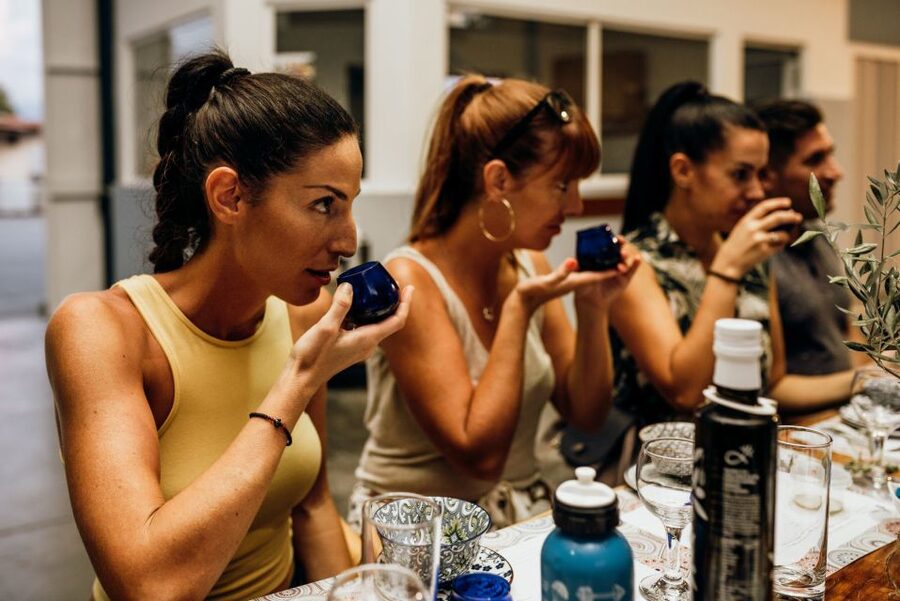
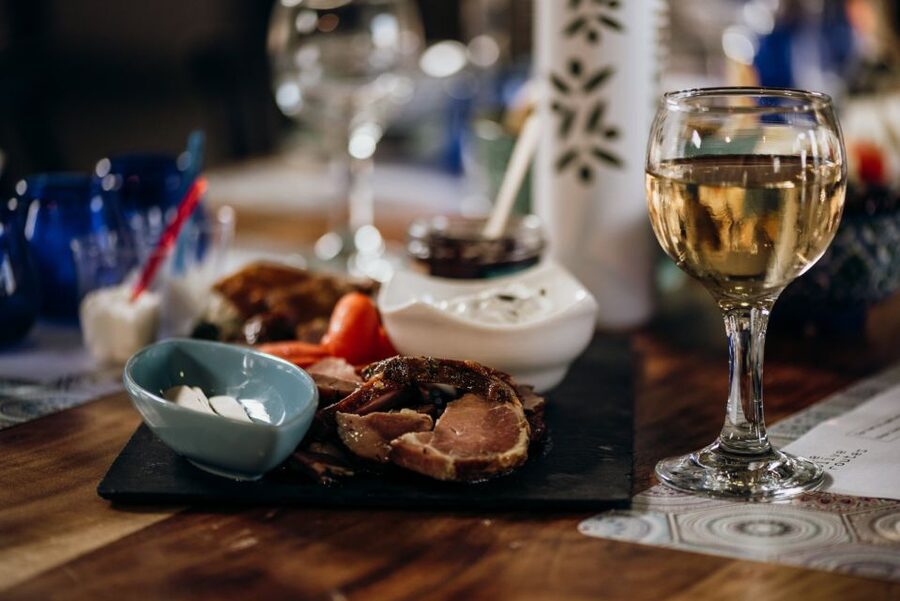
I like the family connection, especially when Dimitra explains her own olive-growing background and takes you through the family farm and mill. I also like the tasting format: you do not just sip oil from a spoon, but pair several varieties with food such as Kalamata olives, olive paste, local cheese, lalagia, and smoked ham.
The main point to consider is transport. Hotel pickup is not included, so you need to reach Androusa Castle yourself, about 20 minutes by car or taxi from Kalamata. The tour also includes walking outdoors, so comfortable shoes, a hat, and sunscreen matter.
Key points at a glance
- Meet at a 13th-century castle: Androusa Castle provides a memorable starting point, only about 10 minutes from Ancient Messene.
- Walk among perennial olive trees: Learn how different varieties fit into Messinia’s farming traditions and stories.
- Visit a fifth-generation mill: See how olives become extra virgin olive oil, including extraction, storage, and standardization.
- Taste oils like a professional: A certified taster introduces Koroneiki, Manaki, Xalkidikis, and Mavroelia.
- Pair oil with real local food: Try at least four food combinations, including olives, olive paste, lalagia, sfela, cheese, and pasto.
- Expect a personal guide: Dimitra and her team use questions, stories, and playful activities to involve the group.
Why olive oil is the real subject, not just the souvenir

Kalamata is famous for its olives, but this outing gives you a wider view of the food behind the name. You learn that the fruit used for table olives and the fruit pressed for oil are part of a much larger agricultural tradition.
The old olive trees also give the experience a sense of place. Your guide explains the different varieties found around Messinia and points out how the area’s history and family traditions are reflected in the groves. This is not a quick photo stop beside a few trees. You walk through the olive-growing area and hear about the work, customs, and stories connected with it.
The setting near Androusa helps. You meet outside the 13th-century castle on the main road, then move through the village and surrounding groves. If you are also visiting Ancient Messene, the timing is convenient, since the castle is only about 10 minutes away.
The walking is gentle in spirit, but this is still an outdoor tour. Surfaces around groves and old buildings may not feel like a paved city sidewalk. Wear shoes that you can walk in comfortably, and bring sun protection, particularly in the warmer months.
More Olive Oil Tours around Greece:
- Crete: Quad Safari, Olive Mill with Tasting & Ghost Village
★ 4.9 · 1,004 reviews - Knossos-Zeus Cave -Old Traditional Villages-Olive Oil Factory
★ 5.0 · 694 reviews - The Governor’s Olive Mill Tour with Olive Oil Tasting
★ 5.0 · 502 reviews
Starting at Androusa Castle
The arranged meeting point is outside Androusa Castle. The information supplied for the tour makes clear that this is the correct place to meet, even if a booking app shows something less clear. Look for the guide on the main road outside the castle.
Beginning here is more interesting than meeting in a car park or city office. The castle gives the tour an immediate connection to Messinia’s past, and your guide uses the site to explain local stories and the place of olive trees in Greek culture.
The guide may be Dimitra, Athanasia, or another member of the local team. Dimitra is a certified olive oil taster and has a family connection to the farm and mill visited later. Her approach is active rather than lecture-based. She asks questions, uses small games, and brings people into the conversation by name.
That style works well for mixed groups. Children can take part without needing to sit through a long talk, while adults get a useful introduction to olive farming and oil production. One family found the tour suitable for grandparents and a four-year-old, and another group with teenagers enjoyed the interactive format.
If you prefer a quiet, self-directed walk, this may feel more social than expected. The aim is to get the group talking and tasting together. For most people, that makes the technical material easier to remember.
Walking through Messinia’s old olive groves
From the castle area, you walk among the olive trees. The guide discusses perennial trees, local varieties, and the role of olive farming in Greek family life.
This part gives needed context before the tasting. Without it, the oils could blur together as a series of pleasant flavors. After hearing how the trees are grown and how different varieties are used, you have a better reason to pay attention to color, aroma, bitterness, and peppery sensations.
The tour also connects the trees to myth and local stories. The castle groves are presented not just as farmland, but as part of the identity of the area. You learn how olive cultivation has shaped food, work, and traditions in Messinia.
In November, the experience may include harvest activity. A December visit included the chance to watch a harvesting crew and join in briefly. That seasonal element cannot be guaranteed, but harvest time gives you the best chance of seeing the work at its busiest.
The tour lasts 3.5 hours, so this walk is not designed as a long country hike. It is an introduction to the groves, with the main focus soon turning to the mill and tasting. Still, the amount of time outdoors means you should not treat this as an entirely indoor food lesson.
Inside a 120-year-old olive oil mill
The next stop is in central Androusa Village, at an olive oil press and mill that has operated there for more than 120 years. It is owned by the fifth generation of the same family, which adds a personal layer to the explanation.
Here you learn the practical stages of production. The mill visit covers extraction, storage, and standardization of extra virgin olive oil. You also hear how olives are handled for table use and how different varieties contribute different flavors.
This is the part that answers the basic questions many visitors have. How does the fruit become oil? What happens after pressing? How is oil stored? What separates extra virgin oil from lower grades? The guide explains these points in plain terms, while the mill gives you a physical setting for the process.
The family connection matters because it links modern production with the older traditions described in the groves. You are not simply looking at machinery. You are seeing a working part of a family business that has continued through five generations.
The visit may be shared with a larger group after the initial grove walk. That can mean a livelier room and less individual attention at certain moments. The upside is a fuller presentation and a chance to see how the mill fits into a broader local food experience.
Same olive country, a different way to taste it:
- From Chania: Olive Oil, Wine, Cheese & Honey Tasting Tour
★ 4.6 · 490 reviews - Crete: Road-trip to Lasithi, Zeus Cave & Olive Mill Farm
★ 4.4 · 451 reviews - Heraklion: Olive Farm Tour with Tasting of Local Delicacies
★ 4.9 · 411 reviews - Lassithi, Zeus Cave, Olive Mill Farm & Knossos Combo Tour
★ 4.6 · 404 reviews
Learning to taste Koroneiki and other Greek oils
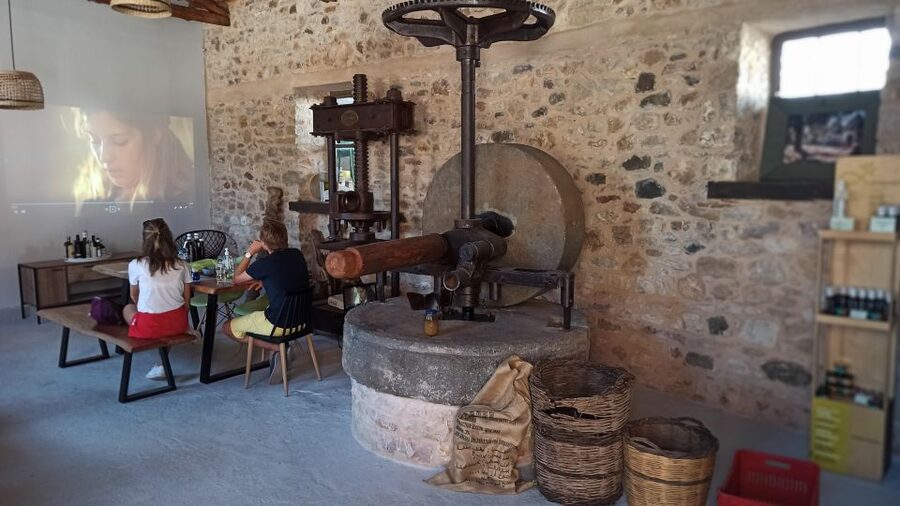
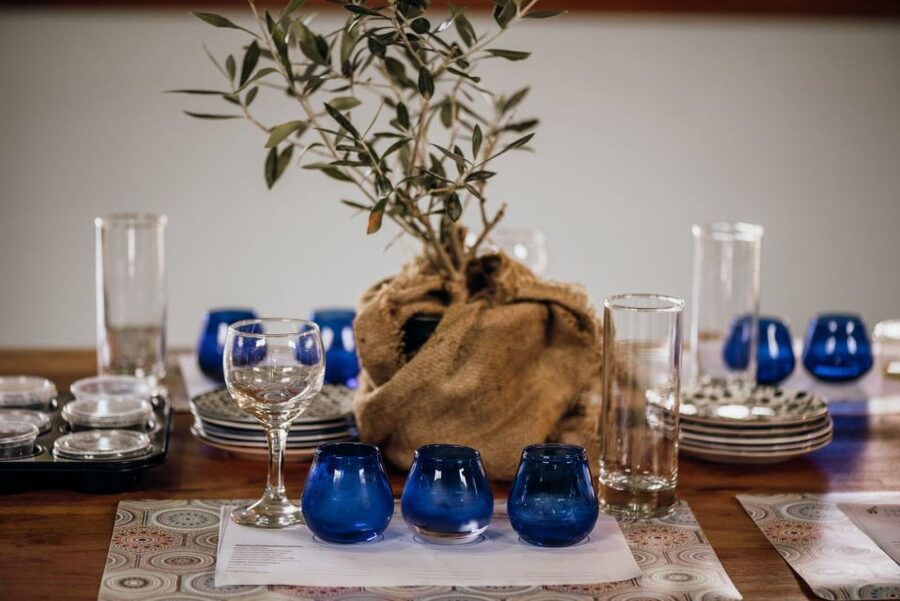
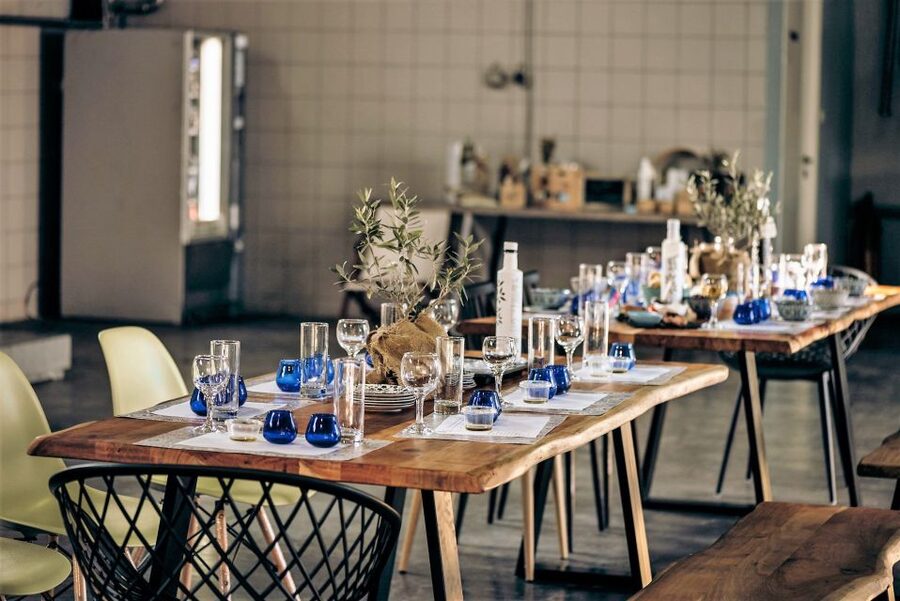
The tasting takes place at a dining table prepared with small blue olive oil tasting glasses. A certified taster leads the session and explains the organoleptic qualities that define extra virgin olive oil.
You begin with Koroneiki, one of the best-known Greek varieties, then compare it with oils such as Manaki, Xalkidikis, and Mavroelia. The point is not to pick a single winner. It is to notice how varieties differ in aroma, flavor, bitterness, and peppery finish.
This makes the tasting useful even if you know very little about olive oil. You are shown how to assess the oil rather than simply being told that one is better. The guide helps you recognize the elements associated with quality and gives you a vocabulary for comparing oils.
I like the fact that the tasting is followed by food pairings. Oil can taste very different on its own than it does with bread, cheese, fruit, yogurt-based dishes, or savory local foods. The pairings make the lesson practical. You can try an oil with one plate, then see how another variety works better with a different flavor.
Expect at least four food combinations. The menu includes local olive products and small plates, with items such as Kalamata olives, olive paste, lalagia, sfela, local cheeses, tzatziki, fruit, gourmet bites, and pasto, a local smoked ham.
Some visitors describe the final meal as much more than a light snack. Depending on the day’s arrangement, the tasting develops into a generous local lunch, sometimes served at a village tavern. Wine may also be part of that meal, as it was for some groups, but the core advertised experience is the oil tasting and food sampling.
Food pairings that explain Messinian cooking
The food is not filler between activities. It shows how olive oil works in everyday Greek cooking.
Kalamata olives let you taste the fruit in its table form. Olive paste brings a stronger, concentrated flavor. Lalagia, a local fried dough, gives the oil a simple, satisfying partner, while sfela provides a salty local cheese with a firmer character.
Tzatziki shows how oil fits into a cool yogurt-based dish. Pasto adds smoke and salt, making it easy to see why a more robust oil may work better with some foods than a delicate oil. Fruit and small gourmet plates provide lighter contrasts.
The exact serving order and meal size can vary, but you should arrive ready to eat. Several hours of walking, tasting, and conversation can leave you wanting more than a token sample. The food is one reason the $106 price feels reasonable, especially when you count the guide, certified taster, entrance fees, oil samples, local dishes, and photographs.
If you have dietary needs, mention them when booking or before the tour begins. A gluten-free visitor received accommodations, though a pumpkin pie was not suitable. That suggests the team can be helpful, but you should not assume every item can be changed.
What $106 buys you
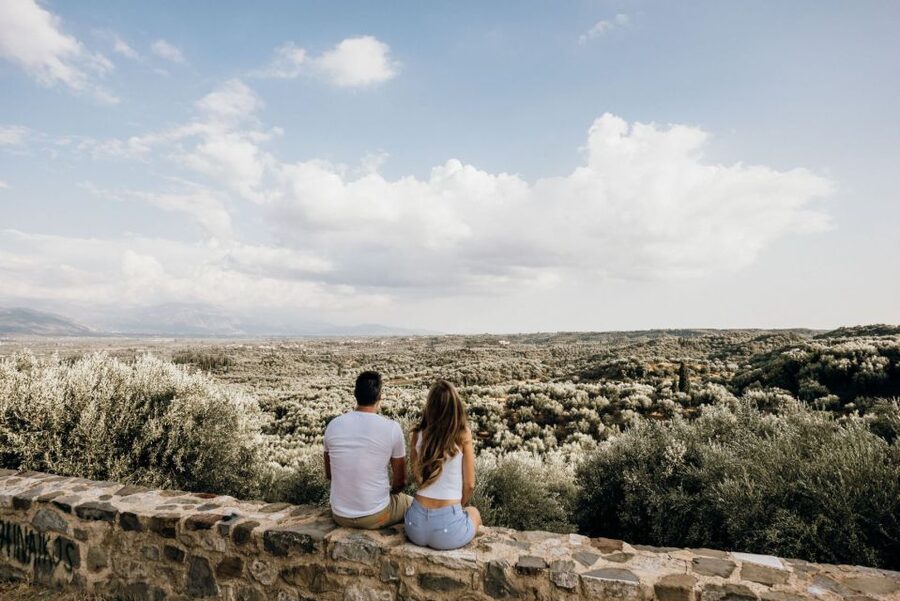
At $106 per person, this is not the cheapest way to spend a morning near Kalamata. It is also more than a basic mill visit. You are paying for a 3.5-hour guided experience with several parts: the castle meeting point, the grove walk, the family mill, expert instruction, multiple oil tastings, food pairings, entrance fees, taxes, and photos.
The value is strongest if you enjoy food, local traditions, or hands-on learning. A quick visit to an olive oil shop might cost much less, but it would not show you the trees, the mill, the family connection, or the tasting method.
The price also compares well with the amount of food served on many departures. Several tour groups finished with what they considered a full local lunch rather than a few bites. That cannot be treated as a guaranteed restaurant meal in every case, but you should expect a substantial food component.
For a family or group, the mix of outdoor walking, stories, tasting, and lunch helps justify the cost. For someone interested only in buying a bottle of oil, this is probably more time and money than needed.
Getting there and planning your morning
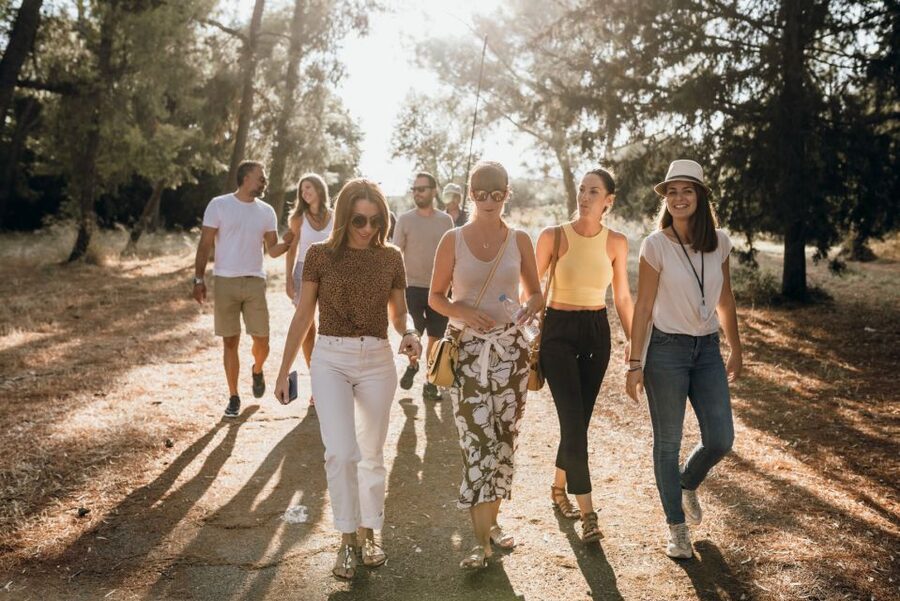
You arrange your own transport to Androusa Castle. Hotel pickup and drop-off are not included. The meeting point is about a 20-minute drive from Kalamata and about 10 minutes from Ancient Messene, making it easier to add to a day exploring the wider Messinia area.
You can reach the castle by car or taxi. Allow enough time to find the castle and meet outside on the main road. Since the meeting point is not in central Kalamata, this tour works best when you have a rental car, are comfortable arranging a taxi, or already plan to visit Ancient Messene.
The tour is offered in Greek and English. Starting times vary, so check availability for the date you want. Comfortable shoes, a sun hat, and sunscreen are the practical essentials.
Free cancellation is available up to 24 hours before the tour for a full refund, and you can reserve now and pay later. Those terms help if your Kalamata plans are still shifting, but they do not remove the need to arrange transport.
Who will enjoy this tour most
I would choose this for you if you want more than a polished food demonstration. The strongest parts are personal and local: the family orchard, the old mill, the guide’s stories, and the chance to taste oils with food.
It suits families particularly well because the guides use questions and activities to keep the group involved. It also works for older visitors who prefer a moderate cultural outing rather than a full-day hike, provided they are comfortable walking through groves and around historic sites.
Food lovers will get the most from the tasting. You do not need prior knowledge, but curiosity helps. The session is designed to teach you what to notice, not simply provide a pleasant snack.
This may be less suitable if you dislike group participation, have very limited mobility, or want a tour that begins and ends at your hotel. The supplied information does not give detailed accessibility specifications, so ask the provider before booking if you have specific mobility needs.
Should you book the Olive Oil Routes Tour?
Book it if you are staying in Kalamata, visiting Ancient Messene, or exploring Costa Navarino and want a genuine connection to Messinia’s food traditions. The family mill, old trees, expert tasting, and generous local food make this far more useful than a simple retail tasting.
I especially recommend it for first-time visitors who want a clear introduction to Greek olive oil, and for repeat visitors who already know the country but want a closer look at village life and regional food. The only real hurdles are arranging your own ride and accepting a fairly social, participatory style.
At $106, it earns its price through time, food, instruction, and access to places you would not easily experience on your own. If that mix appeals to you, make this one of your Kalamata-area morning plans.
FAQ
Where does the Olive Oil Routes Tour meet?
Meet your guide outside the 13th-century castle of Androusa, on the main road. The meeting point is about 20 minutes from Kalamata by car or taxi and about 10 minutes from Ancient Messene.
How long does the tour last?
The tour lasts 3.5 hours.
Is hotel pickup included?
No. Hotel pickup and drop-off are not included. You need to reach Androusa Castle independently by car or taxi.
What languages are available?
The tour is offered in Greek and English.
What food is included?
The food tasting includes local olive-based products and small plates. Items can include Kalamata olives, olive paste, lalagia, sfela, tzatziki, local cheeses, fruit, gourmet dishes, and pasto, a smoked ham. Some departures also include a substantial local lunch.
What types of olive oil will I taste?
You taste Koroneiki extra virgin olive oil and compare varieties such as Manaki, Xalkidikis, and Mavroelia. A certified olive oil taster explains how to assess their characteristics.
What should I bring?
Bring comfortable shoes, a sun hat, and sunscreen. The tour includes walking through olive groves and around historic sites.
Freshly pressed around Greece
- Private Tour in Historic Estate in Monemvasia with wine-olive oil tasting & meal★ 5.0 · 4 reviews
- SYSTASIS Olive Oil Tasting Experience in Ermioni Greece★ 5.0 · 4 reviews
- Olive Facility Visit with Olive Oil Tasting Session★ 5.0 · 2 reviews
- Olive Oil Tasting at the Mykonian Farm★ 4.5 · 3 reviews
- Olive Oil Tour close to Nafplio★ 4.5 · 3 reviews
- Olympia Shore Ex: Premium Private Package -Tickets & Olive Market★ 4.5 · 5 reviews
- WIne & Olive Oil Tasting in an Organic Farm in Laconia, Greece!★ 5.0 · 2 reviews
- Olympia shore Excursion – 4 hour tour (Olympia, Olive press, Beach)★ 4.5 · 12 reviews
Greece Olive Oil Tours, compared.
Crete: Quad Safari, Olive Mill with Tasting & Ghost Village
Read our review →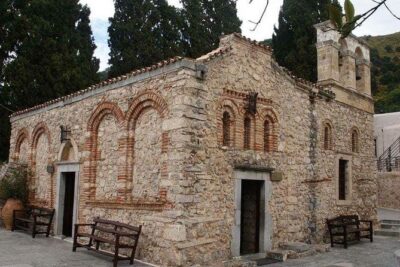
Knossos-Zeus Cave -Old Traditional Villages-Olive Oil Factory
Read our review →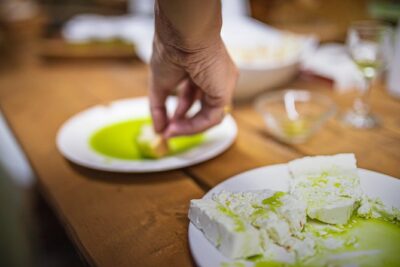
The Governor’s Olive Mill Tour with Olive Oil Tasting
Read our review →
From Chania: Olive Oil, Wine, Cheese & Honey Tasting Tour
Read our review →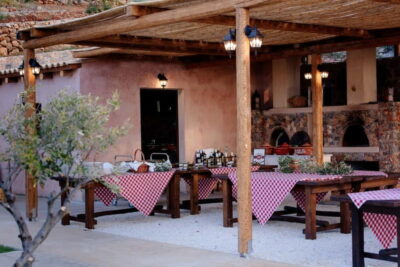
Crete: Road-trip to Lasithi, Zeus Cave & Olive Mill Farm
Read our review →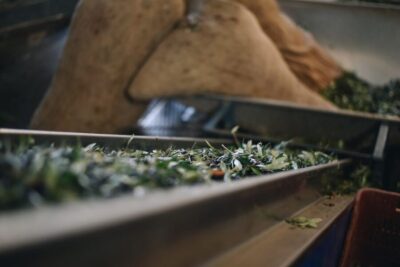
Heraklion: Olive Farm Tour with Tasting of Local Delicacies
Read our review →
Lassithi, Zeus Cave, Olive Mill Farm & Knossos Combo Tour
Read our review →
Zeus Cave, Lassithi Plateau, Olive Oil Factory, Kritza, Pottery
Read our review →Other lists with this tasting on them