
Review · THESSALONIKI
Olicatessen Olive Oil Tasting in Thessaloniki
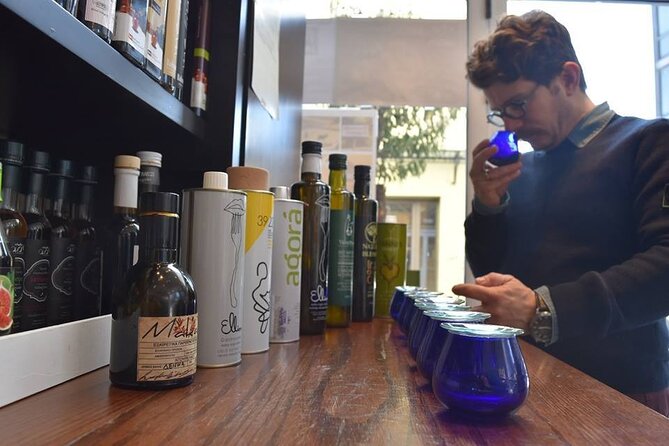
The best part of this one-hour tasting is its sense of place. You are not simply dipping bread into oil. At Olicatessen, you taste six oils from across Greece while learning how variety, growing area, aroma, texture, and flavor change from bottle to bottle. I like the direct link to small producers, and I like that guides such as Alex and Elli explain the subject with patience rather than turning it into a lecture.
The setting also works well. Olicatessen sits in Ladadika, a central Thessaloniki district packed with food and drink stops, so the tasting fits neatly into a day of exploring. The main consideration is time: one hour gives you a focused introduction, not a full course in olive oil. At $47 per person, it offers good value if you care about Greek food and may buy a bottle, but it is a more specialized choice than a general food tour.
Key points at a glance
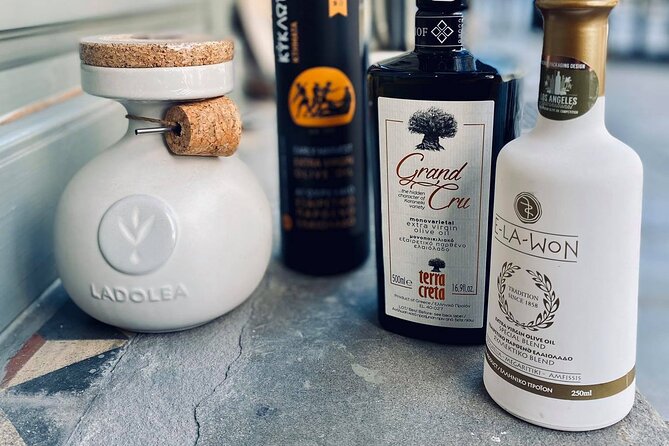
- Six oils from across Greece: Compare different regions and olive varieties in one sitting.
- Guides who make the subject approachable: Alex and Elli explain production and tasting in clear, friendly English or Greek.
- A central Ladadika location: Start and finish at the Olicatessen store in Thessaloniki’s historic center.
- More than flavor alone: Learn to notice aroma, texture, bitterness, fruitiness, and other organoleptic qualities.
- Producer stories behind the bottles: The session connects each oil to the people who grow and make it.
- A small Greek food finish: Honey, balsamic vinegar, or another traditional or modern Greek item may round out the tasting.
Six Greek oils in one Ladadika sitting
Olicatessen’s tasting is built around comparison. You sample six olive oils from different parts of Greece and from different varieties, rather than focusing on one local bottle. That matters because olive oil is not one single flavor. Two Greek oils can both be excellent and still taste very different.
You may notice fresh fruit, pepper, bitterness, a soft texture, or a sharper finish. The point is not to find one correct answer. It is to learn what you like and to understand why one oil suits a salad while another may work better with vegetables, cheese, or a cooked dish.
The session also gives you a useful way to shop later. Labels can be hard to read, especially when you are buying Greek products as gifts. After tasting several oils side by side, you have a better sense of the style you want instead of choosing only by bottle design or price.
The experience includes a green apple and water. These are simple details, but they help keep the tasting organized and give you a neutral break between oils. You should expect a guided tasting rather than a large meal, so plan to eat elsewhere before or after if you want a full lunch or dinner.
More Olive Oil Tours around Greece:
- Crete: Quad Safari, Olive Mill with Tasting & Ghost Village
★ 4.9 · 1,004 reviews - Knossos-Zeus Cave -Old Traditional Villages-Olive Oil Factory
★ 5.0 · 694 reviews - The Governor’s Olive Mill Tour with Olive Oil Tasting
★ 5.0 · 502 reviews
Why the Olicatessen setting matters
The tasting takes place inside Olicatessen’s store in Ladadika, at the heart of Thessaloniki. You do not spend time getting out to an olive farm or factory. That makes the experience practical for a city break, especially if your schedule is full of museums, markets, churches, and waterfront walks.
Ladadika is a natural place for a food-focused stop. The district is in the historical center and is known for places to eat and drink. You can make the tasting part of a larger afternoon or evening in central Thessaloniki without arranging extra transport.
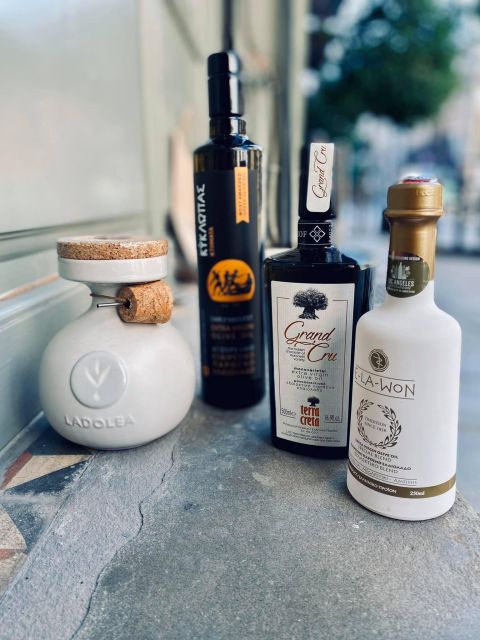
The shop setting has one clear advantage: the bottles you taste are close at hand. If you find a favorite, you can consider buying it as a souvenir or for your kitchen. You are not forced to make a purchase, but the arrangement makes the choice easy.
The trade-off is that this is not a countryside visit. You will not see olive trees, pressing equipment, or a working grove during the hour. If you want a farm visit or a full production tour, this is too urban and too short. If you want a compact introduction while staying in Thessaloniki, the central location is a real strength.
Meeting Alex or Elli
The guide can be Alex or Elli, and the strongest part of the experience is the way the subject is presented. Alex is described as passionate about the oils and the farmers who produce them. He uses pictures to help connect the bottles with real producers, which gives the tasting more human detail than a list of tasting notes.
Elli’s approach is also clear and well organized. You can expect explanations suited to people with little or no background in olive oil. One useful feature is the relaxed pace. The session is designed to answer questions, and the feedback provided about both guides points to a friendly atmosphere rather than a rushed presentation.
That makes this a good choice if you feel unsure about tasting language. You do not need to arrive knowing the difference between fruity and bitter, or how a professional assesses an oil. The guide leads you through what to notice, then gives you room to form your own view.
The language options are Greek and English. The activity is delivered in English when booked for English-speaking participants, so international visitors can take part without needing prior knowledge of Greek food terms.
How the tasting unfolds
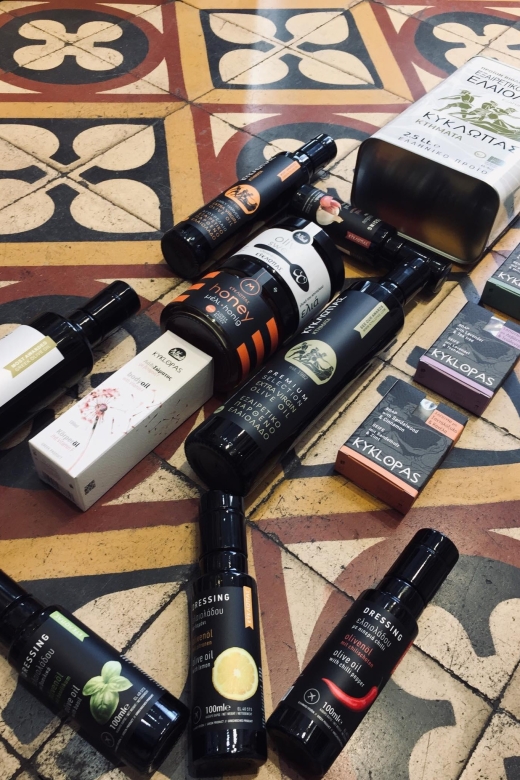
You meet at the Olicatessen store, then remain in the Ladadika area for the full activity. The listed route is simple: begin at the shop, take part in the one-hour tasting, and return to the same location. There is no bus, walking transfer, or extra stop to manage.
The central part of the hour is the six-oil tasting. You compare oils from different Greek regions and varieties while the guide explains how olive oil is made and what shapes its final character. Production is discussed through both tradition and newer methods, giving you a sense of how old practices and current work fit together.
Next comes the sensory side. You learn to pay attention to aroma, texture, and flavor, not just whether an oil tastes good on its own. The guide helps you notice the qualities that can be easy to miss when olive oil is poured over food and mixed with other ingredients.
The stories of the producers add another useful layer. Olicatessen works directly with numerous producers, and the tasting is meant to show both their products and their work. You may find this especially worthwhile if you prefer food experiences that explain where a product comes from rather than treating it as a generic local sample.
The tasting ends with an additional Greek food item. The stated plan allows for something traditional or innovative that complements the oils. Based on the session details, this can include samples such as honey and balsamic vinegar. It is a small bonus, not a second full tasting menu, but it broadens the experience beyond olive oil alone.
Same olive country, a different way to taste it:
- From Chania: Olive Oil, Wine, Cheese & Honey Tasting Tour
★ 4.6 · 490 reviews - Crete: Road-trip to Lasithi, Zeus Cave & Olive Mill Farm
★ 4.4 · 451 reviews - Heraklion: Olive Farm Tour with Tasting of Local Delicacies
★ 4.9 · 411 reviews - Lassithi, Zeus Cave, Olive Mill Farm & Knossos Combo Tour
★ 4.6 · 404 reviews
Learning to taste instead of simply sampling
A casual oil sample takes a few seconds. This session asks you to slow down and compare. That is the real educational value.
You learn that olive oil has its own sensory vocabulary. Aroma may suggest fresh plant or fruit notes. Texture can feel light, smooth, or fuller. Flavor may finish gently or leave a peppery sensation. The guide helps you connect those impressions to the oil’s origin and variety.
You also learn how to pair olive oil with food. This is practical knowledge you can use at home. A delicate oil may disappear under heavy flavors, while a stronger one can hold its own with sturdy vegetables or other savory ingredients. The session does not promise a complete culinary education, but it gives you a useful starting point.
The green apple and water are part of that structured approach. They help refresh your palate as you move among the oils. You are not expected to judge like a professional taster. The goal is to become more observant and more confident.
I particularly like that beginners are welcome. The session suits someone who has never attended an oil tasting, as well as a food-focused visitor who already buys Greek oil. The guide can explain basic points without making experienced tasters feel left out.
The producer stories behind the bottles
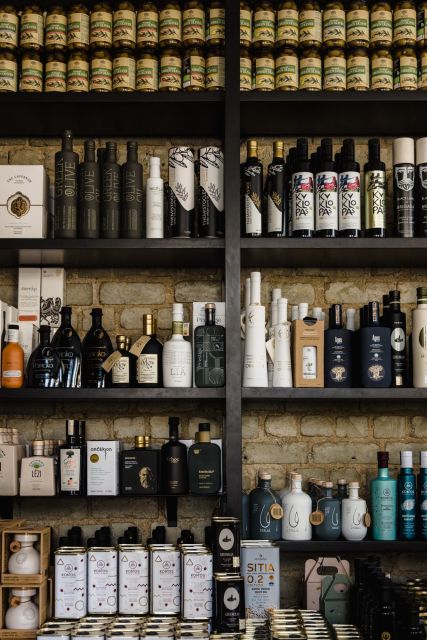
Greek olive oil is tied closely to farming families, local conditions, and long-standing methods. Olicatessen uses the tasting to put those people in the picture. The oils are not presented as anonymous products from a shelf.
Alex’s use of photographs of farmers is a helpful detail. Pictures can make the producer connection more concrete, especially when you are tasting several oils in quick succession. Instead of remembering only a label, you may remember the place, the people, and the character of a particular bottle.
The balance between tradition and innovation is also worth noting. Greek olive oil production has old roots, but the producers are not presented as frozen in the past. The session gives you room to understand how established methods and newer ideas can sit together.
This is one reason the tasting works well as a first food experience in Thessaloniki. It introduces an important Greek product while keeping the focus on specific producers and regional differences. You leave with more context than you would get from a store purchase alone.
Is $47 a fair price?
At $47 per person, the cost is not cheap for a one-hour activity. You should judge it as a guided specialty tasting, not as a meal or a general sightseeing tour.
The price includes six olive oils, green apple, water, the guide’s instruction, and the extra Greek food tasting at the end. It also includes the benefit of tasting products from across Greece in one place, something that would take more time and shopping to arrange independently.
I see the value most clearly if you enjoy food education, want to bring home a bottle, or are curious about Greek ingredients beyond the usual restaurant meal. The session can help you avoid buying an oil that does not match your taste. If you are mainly looking for a filling meal or a broad introduction to Thessaloniki, your money may go further on another type of food experience.
The relaxed pace also matters. The available feedback repeatedly points to guides who answer questions and do not hurry the group. For a one-hour appointment, that personal attention helps justify the price, especially if you use the time to taste carefully rather than treat it as a quick sample.
Who will enjoy this most?
I would recommend the tasting to food lovers, home cooks, and anyone who wants a clear introduction to Greek olive oil. It is also a good fit for couples or small groups with different levels of experience, since complete beginners can follow along easily.
Parents or older relatives who know little about oil may enjoy it too. One session included a father with no previous background who became very interested, which suggests that the presentation is not aimed only at specialists.
It is a particularly sensible choice for a short stay in Thessaloniki. You can fit the hour between other central attractions, and you do not need to sacrifice half a day for transport. The store setting also makes souvenir shopping simple.
You may want to skip it if you dislike tasting strong or bitter foods, have no interest in learning about ingredients, or expect a substantial meal. The activity is focused and specific. That is its strength, but it also means the appeal depends on your curiosity about olive oil.
Buying a bottle after the tasting
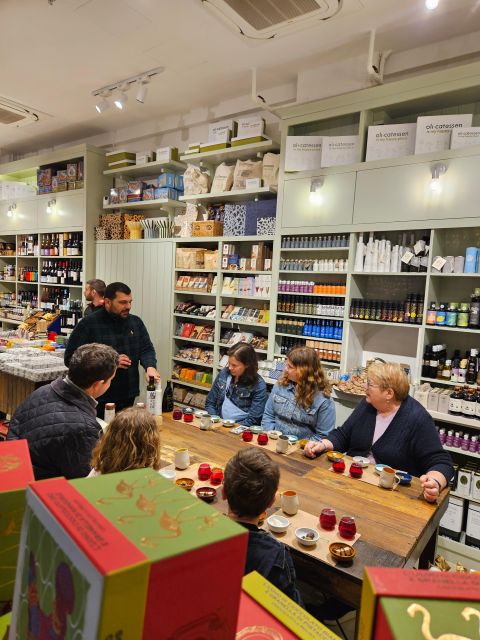
Olicatessen gives you a chance to buy the oils you have sampled. This is useful because you can make a decision based on taste rather than guesswork. You may also find the bottles convenient gifts for people who enjoy cooking.
I suggest taking a quick note of your favorites during the session. Six oils can blend together in your memory, especially if you are tasting late in a busy day. Ask the guide to repeat the name and origin of the one you prefer before you leave.
The reviews also mention buying personal favorites as souvenirs. That makes sense here, since the tasting gives the purchase a clear purpose. You are not simply taking home a decorative product. You know how the oil tastes and what kind of food you might use it with.
Do not feel that buying is required. The educational part remains worthwhile even if you leave with only a better understanding of what you like.
Booking details that affect your plans
The activity lasts one hour and begins and ends at Olicatessen in Ladadika. Starting times vary, so check availability before building the rest of your day around it.
Greek and English are available, and the live guide is one of the central parts of the experience. If you need to cancel, you can do so up to 24 hours ahead for a full refund. A reserve-now, pay-later option is also available, which helps if your Thessaloniki schedule is still changing.
Because the activity is short, arriving at the correct store matters. Give yourself enough time to find Olicatessen in the Ladadika district rather than trying to reach the meeting point at the last second.
Should you book the Olicatessen tasting?
Book it if you want a focused, friendly lesson in Greek olive oil and you value direct stories about producers. The six-oil comparison, central location, English-language guidance, and chance to buy a bottle make it a practical addition to a Thessaloniki itinerary.
I would be more cautious if you want a farm visit, a long production tour, or a full meal. This is a compact city tasting, and $47 reflects the specialist guidance more than the amount of food.
For most food-curious visitors, the strongest reason to book is simple: after an hour with Alex or Elli, you should be able to taste olive oil with more attention and shop for it with more confidence. That is a useful souvenir from Greece, even if you do not take a bottle home.
FAQ
Where does the olive oil tasting take place?
It takes place at the Olicatessen store in the Ladadika district, in the heart of central Thessaloniki.
How long does the experience last?
The tasting lasts one hour.
How many olive oils are included?
You taste six different olive oils from across Greece.
Are the olive oils from different regions?
Yes. The session includes oils from different Greek regions and varieties.
What food is included with the tasting?
The tasting includes green apple and water. It ends with an additional traditional or innovative Greek food item, with honey and balsamic vinegar among the samples offered during the experience.
Which languages are available?
The live tour guide can conduct the experience in Greek or English.
Who leads the tasting?
The guide may be Alex or Elli. Both are described as giving clear explanations about olive oil production and tasting.
Can I cancel the booking?
Yes. You can cancel up to 24 hours in advance for a full refund.
Can I reserve now and pay later?
Yes. A reserve-now, pay-later option is available.
Freshly pressed around Greece
- Private Tour in Historic Estate in Monemvasia with wine-olive oil tasting & meal★ 5.0 · 4 reviews
- Olive Facility Visit with Olive Oil Tasting Session★ 5.0 · 2 reviews
- SYSTASIS Olive Oil Tasting Experience in Ermioni Greece★ 5.0 · 4 reviews
- Olive Oil Tasting at the Mykonian Farm★ 4.5 · 3 reviews
- Olive Oil Tour close to Nafplio★ 4.5 · 3 reviews
- Olympia Shore Ex: Premium Private Package -Tickets & Olive Market★ 4.5 · 5 reviews
- WIne & Olive Oil Tasting in an Organic Farm in Laconia, Greece!★ 5.0 · 2 reviews
- E-Bike Kalamata Olive Routes★ 5.0 · 10 reviews
Greece Olive Oil Tours, compared.
Crete: Quad Safari, Olive Mill with Tasting & Ghost Village
Read our review →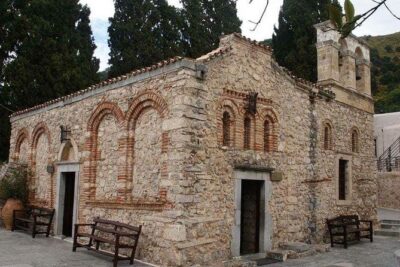
Knossos-Zeus Cave -Old Traditional Villages-Olive Oil Factory
Read our review →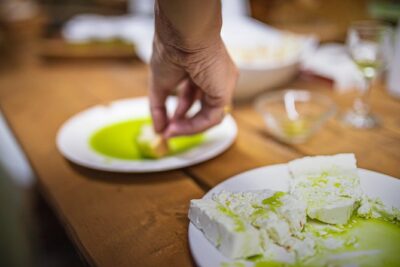
The Governor’s Olive Mill Tour with Olive Oil Tasting
Read our review →
From Chania: Olive Oil, Wine, Cheese & Honey Tasting Tour
Read our review →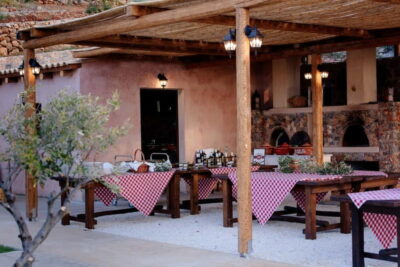
Crete: Road-trip to Lasithi, Zeus Cave & Olive Mill Farm
Read our review →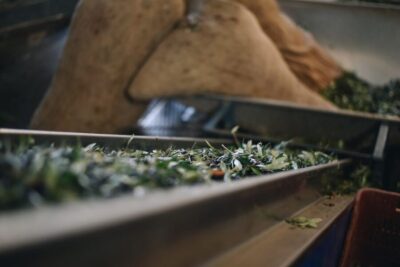
Heraklion: Olive Farm Tour with Tasting of Local Delicacies
Read our review →
Lassithi, Zeus Cave, Olive Mill Farm & Knossos Combo Tour
Read our review →
Zeus Cave, Lassithi Plateau, Olive Oil Factory, Kritza, Pottery
Read our review →Other lists with this tasting on them