Review · ATHENS
Orange & Natural Wines Of Greece with Cheese & Olive Oils
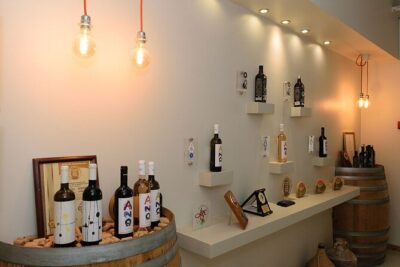
Greek wine has moved well beyond the familiar retsina stereotype. This one-hour tasting puts six organic, biodynamic, natural, and orange wines in front of you, then shows how cheese, herbs, spices, grape must, and olive oil change what you taste. Sommelier Anton leads the session in English, with a warm, easy way of explaining unfamiliar bottles.
I like two things right away: the tasting focuses on small-production Greek wines, some made in batches of only 200 bottles, and the food pairings are part of the lesson rather than decoration. I also like that extra virgin olive oil gets serious attention. You are not simply sipping wine and nodding politely. You are learning how to repeat some of the pairings at home.
The main drawback is the short one-hour format. Six wines, food, olive oil, and Greek wine history make for a brisk session, so this suits curious beginners and casual wine drinkers better than someone hoping for a long technical seminar.
Key points at a glance
- Six unusual Greek wines: Taste organic, biodynamic, natural, and orange styles, with an emphasis on bottles that may be hard to find elsewhere.
- Anton leads in English: His clear explanations cover flavor, production, Greek grape varieties, and recommendations for other wineries.
- Food is part of the education: Cheese, small ancient-inspired nibbles, herbs, spices, condiments, grape must, and olive oil show how pairings work.
- A close look at Greek winemaking: Learn how ancient varieties, hot days, dry winds, clay amphorae, cement, steel, oak, and bottle aging affect the finished wine.
- A useful one-hour stop: The compact length fits neatly into a day in Central Greece, though the pace is fairly quick.
- Adults only: The activity is not suitable for children under 18 or people over 95.
Why this tasting is different from a standard wine stop
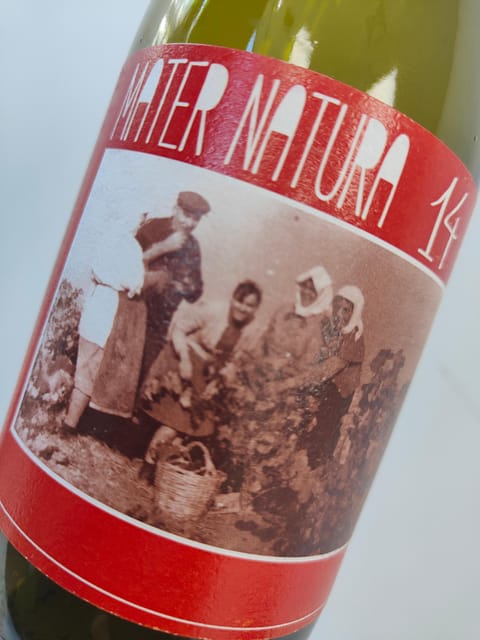
Many wine tastings give you several glasses and a few vague tasting notes. This experience takes a more specific route. Its subject is real wine, a broad term used here for wines made with organic, biodynamic, or natural methods, along with orange wines that spend time in contact with grape skins.
That makes the tasting a good choice if you want to understand why Greek bottles can taste so different from familiar European wines. The country has more than 340 indigenous grape varieties, and the session uses that variety as a doorway into Greece itself.
The point is not that natural wine is automatically better. It can be less predictable, more unusual, and more expressive of the grapes and cellar choices. Some people love that character. Others prefer the clean consistency of more conventional wines. The value here is getting enough guided comparison to decide what you like.
I especially like the focus on small bottlings. A wine produced in a run of only 200 bottles is not just another supermarket purchase. The tasting can introduce you to bottles available through the shop, including wines that may be sold only there or shipped to customers.
More Olive Oil and Wine Tastings in Athens
- Athens: Acropolis Wine Tasting with Cheese and Olives
★ 4.9 · 337 reviews - From Athens: Olive Oil Tasting, Olive Grove & Wine Experience
★ 5.0 · 13 reviews - Full day tour Ancient Corinth with wine or olive oil tasting
★ 5.0 · 6 reviews
Six glasses in one focused hour
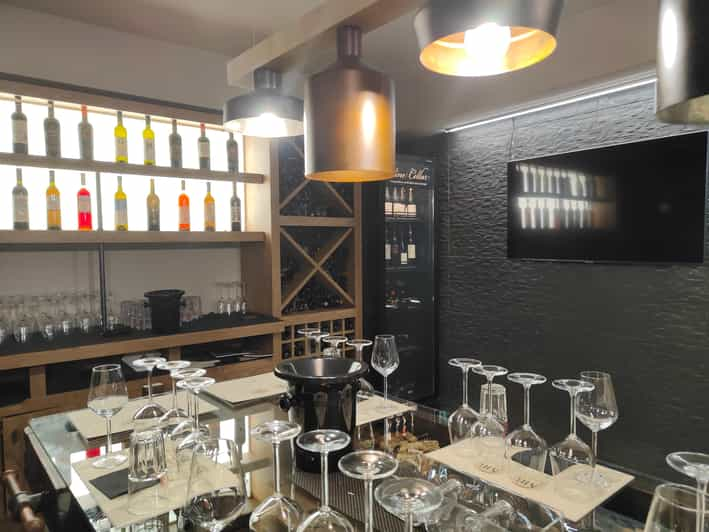
The tasting lasts one hour, so you should expect a compact, organized sequence rather than a leisurely afternoon. You will try six wines, with nibbles and olive oils placed alongside them. The exact order and labels can change, but the main categories are organic, biodynamic, natural, and orange wines.
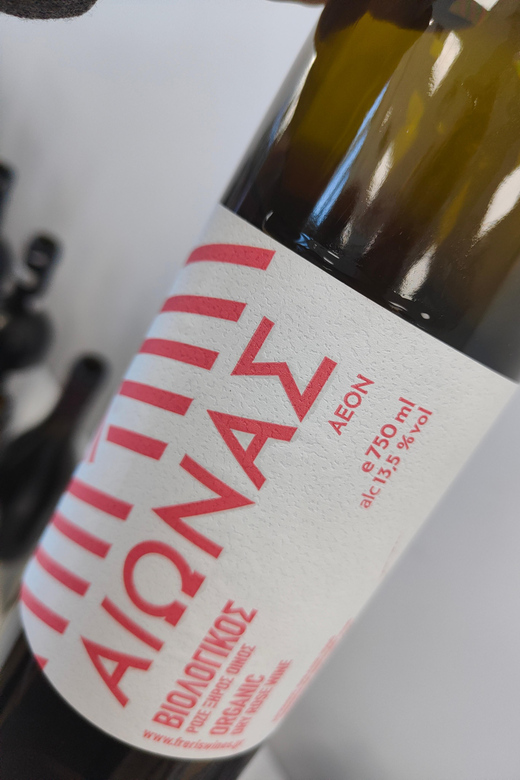
That mix gives you several ways to compare a bottle. Organic farming concerns how the grapes are grown. Biodynamic production follows a more specific farming system. Natural wine usually points to minimal intervention in the cellar, though the term does not have one single legal definition everywhere. Orange wine refers to white grapes made with extended skin contact, which can bring deeper color, tannin, and savory notes.
Anton’s role matters because these terms can sound slippery. He can connect the label to the glass and explain what you are actually tasting. The strongest feedback about this experience points to his ability to make wine talk accessible, with clear English and a good sense of humor.
You should not expect a complete course in viticulture in 60 minutes. You should expect enough context to make the wines more understandable. The tasting works best if you stay open to unfamiliar flavors instead of trying to identify every note like a professional judge.
Greek grapes, dry winds, and old methods
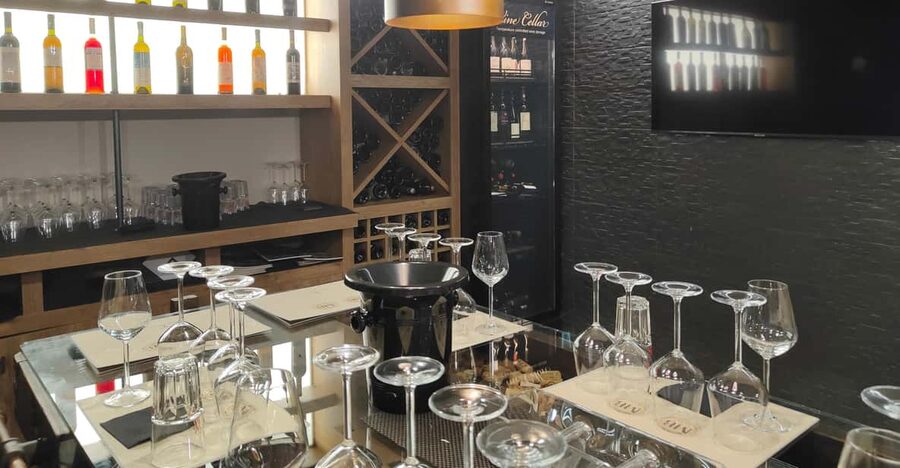
Greek wine has an unusually deep pool of native grapes. The experience connects these varieties with the country’s climate, including hot days and dry winds that can help shape healthy, concentrated fruit.
That does not mean every Greek wine will taste heavy. Grape type, altitude, harvest timing, fermentation, aging, and the winemaker’s choices all matter. The useful lesson is that local varieties can offer flavors you may not meet in standard international blends.
The production methods add another layer. You might hear about wines made in clay amphorae, stainless steel, plain cement, or oak barrels. Some are aged for a long period in the bottle before release. Each vessel can affect texture and aroma, but the experience does not treat old methods as magic tricks. The vessel is one part of the decision, not the whole story.
The reference to amphorae also links current Greek winemaking with ancient practice. That connection is interesting because it avoids treating tradition as a museum piece. A winemaker can use an old idea with modern sanitation, temperature control, and grape knowledge. The result may be traditional in spirit without being an exact copy of an ancient drink.
Orange wine deserves your attention
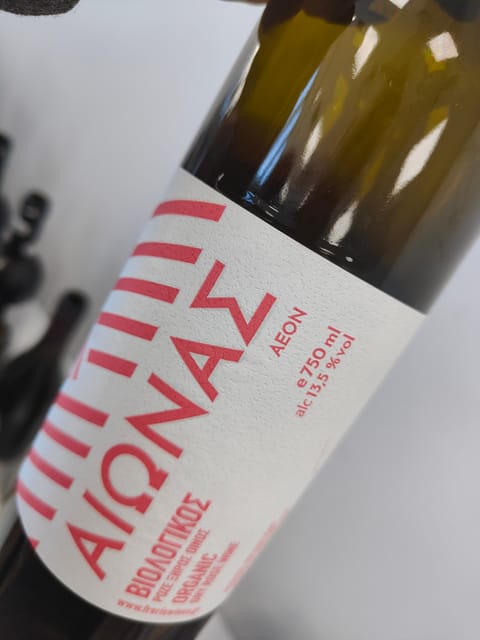
Orange wine is likely to be the most unfamiliar pour for many people. It is made from white grapes, but the juice remains in contact with the skins for a period of time. That can produce a copper or amber color and a firmer feel than you expect from a typical white wine.
The tasting gives you a chance to try orange wine with food rather than judging it on its own. That matters. Skin contact can bring bitterness, spice, or a tea-like quality, and those traits may make more sense beside a strong nibble or flavorful oil.
One person who enjoyed the tasting picked the orange wine as a favorite, while also finding the other samples worthwhile. That is a useful sign for anyone who thinks they already know what they like. The session is built around new discoveries, not only safe crowd-pleasers.
Still, orange wine is not for everyone. If you prefer light, crisp whites with little texture, its fuller feel may be a surprise. I would treat that surprise as part of the point, especially since Anton can explain how it was made and what to pair with it.
More Olive Oil and Wine Tastings in Greece
- Flavors of Greece: Olive Oil and Wine Tasting Tour in Athens
★ 5.0 · 2 reviews - Private Wine & Olives Tasting Experience: Beach View Villa Paros
★ 5.0 · 2 reviews - From Chania: Olive Oil, Wine, Cheese & Honey Tasting Tour
★ 4.6 · 490 reviews - From Chania: Wine and Olive Oil Tasting Tour with Snacks
★ 4.8 · 354 reviews
Cheese, herbs, spices, and olive oil
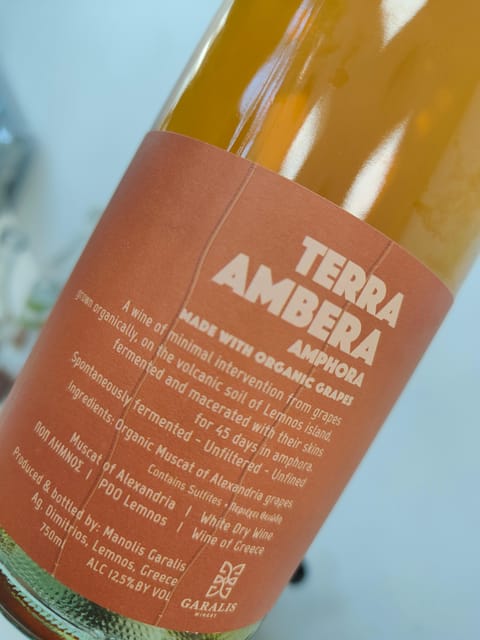
The food is small in scale but important to the experience. Cheese and nibbles help you see how a wine changes when it meets salt, fat, sweetness, spice, or acidity. The pairings may include herbs, spices, condiments, concentrated grape must, and extra virgin olive oil.
The simple rule offered during the tasting is useful: powerful flavors work with powerful wines, while complex flavors need a wine with enough character to keep up. You do not need specialist vocabulary to use that advice at dinner.
I like the attention given to extra virgin olive oil. In Greece, olive oil is not merely a cooking ingredient placed on the table by habit. Its aroma, bitterness, peppery finish, freshness, and intensity can vary. Tasting it beside wine and food helps you notice details that are easy to miss when oil is used only as a background ingredient.
This part also makes the experience practical. You can take the basic pairing ideas home. Try a bold oil with a wine that has enough body, or match a delicate bite with a more restrained glass. The session encourages you to pay attention to balance rather than follow rigid rules.
What Anton adds to the hour
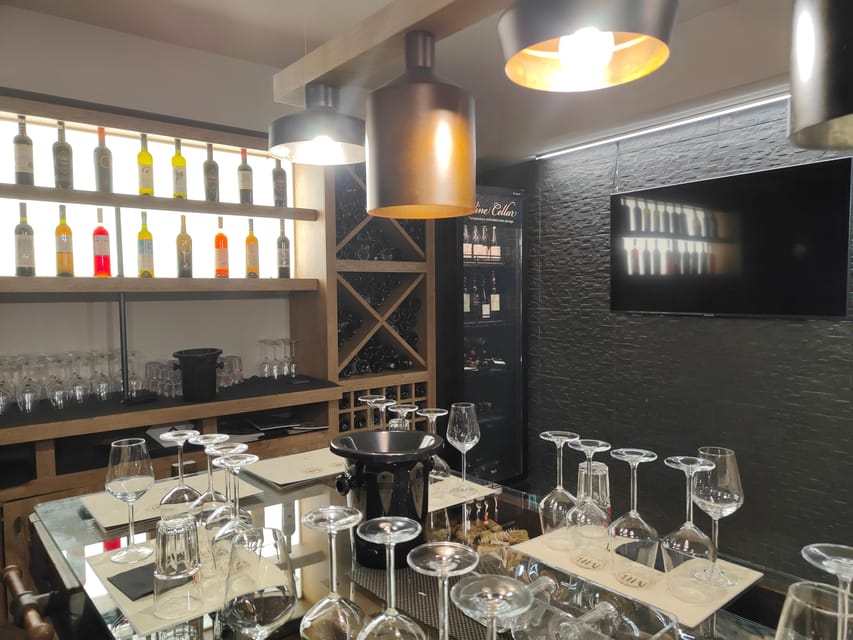
A tasting like this depends heavily on the guide. Anton is presented as both a sommelier and a wine-shop owner, so he can connect the bottles to producers, grape varieties, and production methods. He also gives recommendations for other wineries, which is useful if you are continuing through Greece after the tasting.
His English is described as excellent, and his explanations are accessible rather than overly technical. That is important for a subject that can become crowded with terms. You should be able to ask about flavor, fermentation, aging, or food pairing without feeling that you need a wine diploma first.
The personal approach is another strength. Anton can tailor the experience to the people in front of him, at least within the limits of a one-hour session. If you already know natural wine, you may get more detail about production and limited bottles. If you are new to the subject, he can keep the explanation grounded in taste.
Do not confuse a friendly tone with a casual lack of substance. The session includes the history and importance of organic and natural winemaking, along with the reasons Greece is well suited to these styles. The humor simply keeps the information from becoming a lecture.
Is $41 a fair price?
At $41 per person, this is not the cheapest way to drink six glasses of wine. But price alone does not tell the whole story. You are paying for six pours, food, olive oils, a professional English-language explanation, and access to small-production Greek bottles that may be difficult to find.
The value improves if you are interested in natural wine, orange wine, or Greek grape varieties. You can spend a similar amount on several glasses without learning why they taste the way they do. Here, the explanations and pairings give the tasting a clear purpose.
It is less compelling if you simply want a large meal or a long evening of drinking. The portions are part of a guided tasting, not a substitute for dinner. I would plan another meal around it, especially because the session is only one hour.
For a wine-focused visitor, the chance to receive winery suggestions for the rest of a Greek trip adds useful value. The shop may also offer limited bottles for purchase or shipping, including some produced in very small quantities. You are not required to buy anything, but the option is handy if one of the wines becomes a favorite.
Who should book it
I would recommend this to adults who want a focused introduction to Greek wine beyond the usual labels. It is a particularly good fit for you if you enjoy trying products made with older methods, low-intervention techniques, or local grape varieties.
It also works well for couples and small groups with different levels of wine experience. A beginner can follow the basic explanation, while a more experienced drinker can ask about amphorae, cement, skin contact, or bottle aging.
The session may not suit you if you dislike experimental wines or want a long vineyard visit. No vineyard transport or extended winery tour is described. The experience centers on tasting, explanation, and pairing in the wine-shop setting.
It is not suitable for anyone under 18. The stated upper age limit is 95, so people older than that should not book this activity.
Timing, flexibility, and practical details
The activity lasts one hour, with starting times available according to the day’s schedule. That makes it easy to place before or after another Central Greece plan. Give yourself enough time to arrive ready to pay attention, since six wines and several food pairings come quickly.
The experience is conducted in English. Cancellation is free up to 24 hours before the start time, and you can reserve now and pay later. Those terms help if your plans in Greece are still shifting.
The activity is offered by CRU BEE-HAVING Wine & Olive Oil Tastings. Since the tasting is led by a sommelier and wine-shop owner, you can ask about bottles beyond the six served during the session. Limited wines may be available exclusively through the store or for shipping.
Should you book this Greek wine tasting?
Book it if you want unusual Greek wines explained clearly, especially orange and natural styles. The strongest reasons are the six-bottle comparison, the thoughtful food and olive-oil pairings, and Anton’s ability to connect flavor with Greek grapes, climate, and production.
Skip it if you want a full meal, a vineyard outing, or a relaxed half-day program. The one-hour pace is efficient but not slow. For the right audience, though, the price is fair: you leave with a better sense of Greek wine, practical pairing ideas, and a clearer idea of which bottles you may want to seek out later.
FAQ
How many wines are included?
Six wines are included. The selection focuses on organic, biodynamic, natural, and orange wines from Greece.
How long does the tasting last?
The experience lasts one hour.
Is the tasting conducted in English?
Yes. English is the stated language for the instructor.
Are food pairings included?
Yes. The tasting includes cheese, small nibbles, extra virgin olive oils, and pairings involving herbs, spices, condiments, and concentrated grape must.
Is the activity suitable for children?
No. It is not suitable for children under 18.
Can I cancel and receive a full refund?
Yes. You can cancel up to 24 hours in advance for a full refund. You can also reserve now and pay later.
More Cheese Tastings around Athens
- DISCOVER SORRENTO, food &Walking tour . Lemons-cheese&olive oil
★ 4.5 · 34 reviews - Full-Day Chocolate, Cheese, Olive and Wine Tour from Stellenbosch
★ 5.0 · 13 reviews - Private wine, Extra Virgin Olive Oils & Cheese Tasting
★ 4.0 · 12 reviews - Olive Oil, Cheese, and Wine Tasting with Local Expert
★ 5.0 · 12 reviews
Freshly pressed around Athens
- Relax Day: Thermal Lake, Olive Oil Tasting & Poseidon Temple Tour★ 5.0 · 5 reviews
- Keramikos Olive Oil Experience & Walking Tour★ 5.0 · 6 reviews
- Private tour in Nafplio with Olive oil Tasting Tour in Corinth★ 5.0 · 9 reviews
- Flavors of Greece: Olive Oil and Wine Tasting Tour in Athens★ 5.0 · 2 reviews
- Private Wine & Olives Tasting Experience: Beach View Villa Paros★ 5.0 · 2 reviews
- Olive Oil Tasting Farm Experience, Corinth Canal, Nafplio★ 5.0 · 2 reviews
- ATHENS OLIVE ESTATE – Olive Oil Workshop with Farm-to-Fork Lunch★ 5.0 · 6 reviews
- Sounion Highlights: Vouliagmeni, Olive Farm, Poseidon Temple, Thorikos Theatre★ 4.5 · 3 reviews
Olive Oil and Wine Tastings, compared.
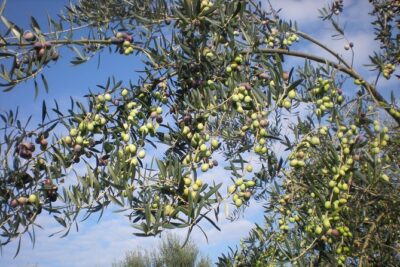
Sorrento Farm and Food Experience including Olive Oil, Limoncello, Wine tasting
Read our review →
From Mendoza: 3 Wineries, Olive Oil Factory Tour & Tasting
Read our review →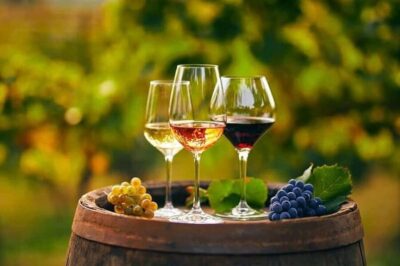
From Chania: Olive Oil, Wine, Cheese & Honey Tasting Tour
Read our review →
From Chania: Wine and Olive Oil Tasting Tour with Snacks
Read our review →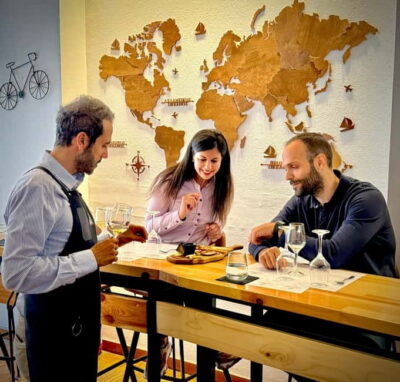
Athens: Acropolis Wine Tasting with Cheese and Olives
Read our review →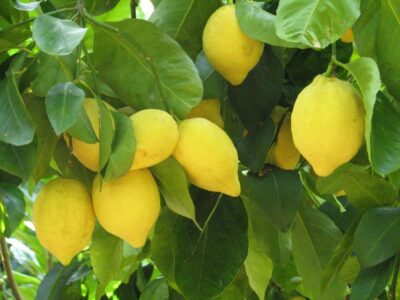
Sorrento: Lemon, Olive Oil and Wine Tasting Tour with Lunch
Read our review →
Alghero: Wine and Olive Oil Tasting at a Local Farm
Read our review →