
Review · CHANIA
Chania Sourdough Bread Class – Olive Oil Tasting
The best part of this Chania cooking class is that the bread is only the beginning. You mix and shape your own sourdough loaf, then wait for it to rise while you walk through an olive grove, harvest vegetables, and learn how herbs change the flavor of extra-virgin olive oil. The final meal brings everything together.
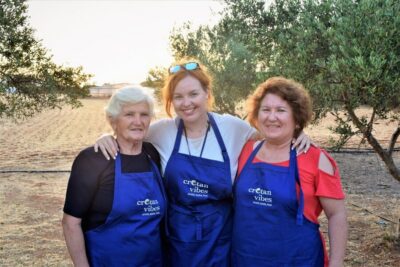
I like the hands-on format, especially the chance to add olives, seeds, or sun-dried tomatoes to your own loaf. I also like the friendly, family-run feel created by Nikos and Alex, with conversation, local stories, puppies, and a meal served under an old olive tree.
The main drawback is the location. Transportation from Chania is not included in the $106 price, and the class lasts 4.5 hours, so you need to plan around it. A taxi or car is simple, but the cost and travel time matter.
Key points to know before booking
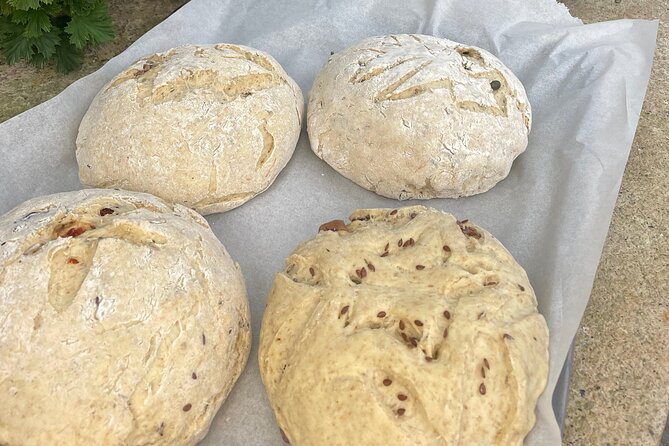
- Your loaf is truly your own: Add olives, sun-dried tomato, seeds, or other available ingredients before baking it in a wood-fire oven.
- The class includes a full meal: Expect Cretan salad, fava beans, seasonal dishes, dessert, and generous amounts of local wine.
- The olive oil lesson is practical: You visit the olive grove, learn about harvesting, and taste oil mixed with herbs.
- Nikos and Alex lead the class: Their approach combines cooking instruction with conversation, humor, and stories about Cretan life.
- Nerokourou is close to Chania: The class takes place about 10 to 15 minutes from the city center, with parking along the fence.
- The price covers more than a lesson: Ingredients, lunch, wine, and the complete farm visit are included, but transportation costs extra.
From Greek coffee to the first sourdough mix
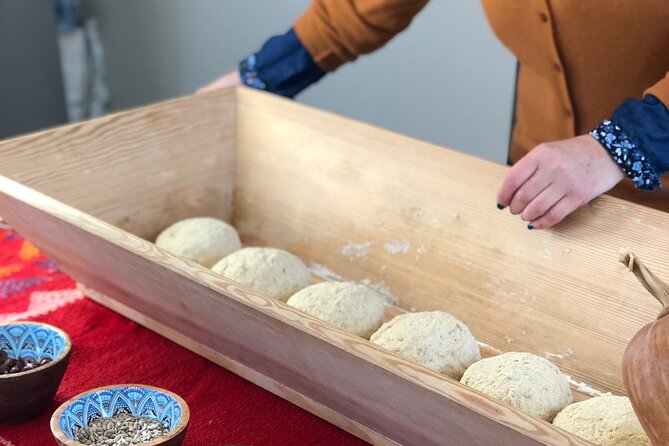
Your visit begins with a homemade refreshment or Greek coffee from the hostess. Cookies come with it, giving you time to settle in before the work starts. The hosts explain how sourdough bread is made, including the basic steps for mixing and preparing the dough.
This opening is useful because sourdough can sound more complicated than it is. You are not simply watching someone shape a loaf while standing at the edge of a kitchen. You take part from the start, mixing the ingredients and preparing the dough that will become your lunch.
The pace is also worth noting. This is not a quick bread demonstration. The dough needs time to rest, which creates the natural break for the rest of the class. You get a better sense of how traditional breadmaking fits into a day rather than a short cooking show.
Nikos is described as a warm, humorous host who connects baking with stories and tradition. Alex helps keep the class moving and offers practical tips. That combination matters. One person can focus on the story and social side while the other keeps track of the cooking steps.
Class size may affect the feel of the day. In the quieter season, the group can be very small, giving you more time for conversation and questions. In the busier months, the setting may feel more social and less personal, but the hands-on bread work remains the focus.
More Cooking Classes around Chania:
- Corfu: Greek Cooking Class & Olive Oil Tasting
★ 5.0 · 178 reviews - Cretan Cooking Class and Olive Oil Tasting
★ 5.0 · 178 reviews - Moires: Cooking Class and Olive Oil Tasting at a Family Farm
★ 5.0 · 93 reviews
Shaping a loaf with olives, seeds, or sun-dried tomato
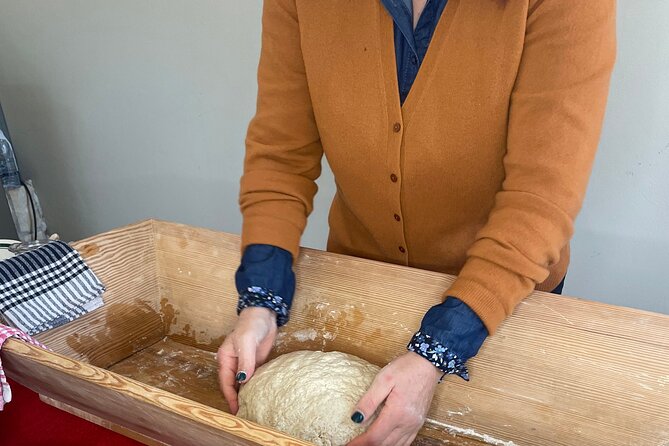
Once the dough is ready, you prepare an individual loaf. This is the most personal part of the class. Instead of taking home a standard piece of bread made from one shared mixture, you choose what to put inside your own loaf from the available additions.
Possible fillings include olives, sun-dried tomato, and seeds. These are not minor decorations. They change the texture and flavor of the bread, and they give you a chance to make something that suits your taste.
I like this format for families, couples, and small groups because everyone can make a slightly different loaf. One person can go for a savory olive bread, another can choose seeds, and someone else can keep the bread simple. The activity does not require you to be an experienced cook.
The wood-fire oven adds a traditional touch, but it also gives the bread a clear sense of place. You watch your loaf go into the oven and later take out the bread you shaped yourself. The smell becomes part of the meal, and the wait makes the final tasting more rewarding.
Do not expect to leave with a detailed professional baking course. The class is built around a relaxed Cretan meal, not technical pastry training. You learn the main process and participate fully, but the hosts also want you to enjoy the setting and the company.
Walking through the olive grove
While the dough rests, you visit the olive grove. This is where the class moves from kitchen work to the agricultural side of Cretan food.
You learn about olive oil harvesting and the way herbs can be mixed with extra-virgin olive oil. That lesson gives context to a product that appears on nearly every Cretan table. Olive oil here is not just a cooking ingredient. It is part of the meal, the farm, and the local routine.
The visit is not described as a long farm tour, so you should not expect a formal agricultural lecture. Instead, it appears to be a short, useful look at how the oil and ingredients connect to the food you are about to eat.
A particularly memorable detail is the chance to sit under a 500-year-old olive tree. You might also meet puppies on the property, which adds a distinctly informal touch to the visit. These details matter because they make the setting feel like a working family place rather than a staged cooking studio.
The class also suits anyone interested in food beyond the plate. You see where some of the meal’s flavors come from, learn how herbs are used with olive oil, and then taste the result later. That connection gives the olive oil tasting more meaning than a row of anonymous samples.
Harvesting vegetables for a Cretan table
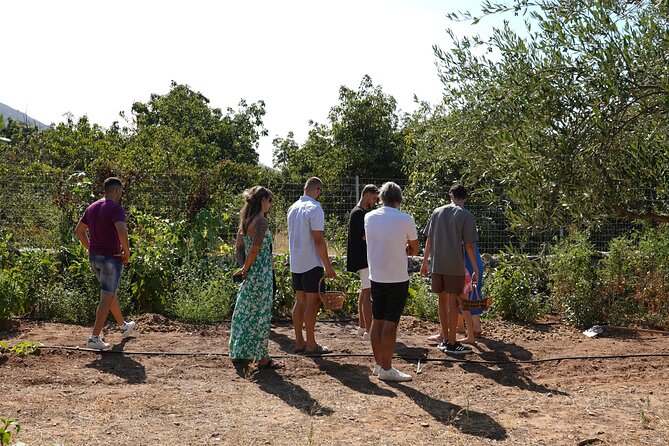
After the olive grove visit, you go to the farm to harvest vegetables for the meal. The exact seasonal produce can vary, but the class uses what is available for a Cretan salad and side dishes.
This is one of the strongest parts of the itinerary because it makes lunch an activity rather than a separate restaurant stop. You help gather ingredients, then see them used soon afterward. The result is a clearer link between the farm and the table.
The meal includes Cretan salad, Greek fava beans, and other seasonal appetizers. One participant tried fava for the first time and enjoyed it, so this is a good chance to taste a familiar Greek dish in a setting where you can ask how it is made.
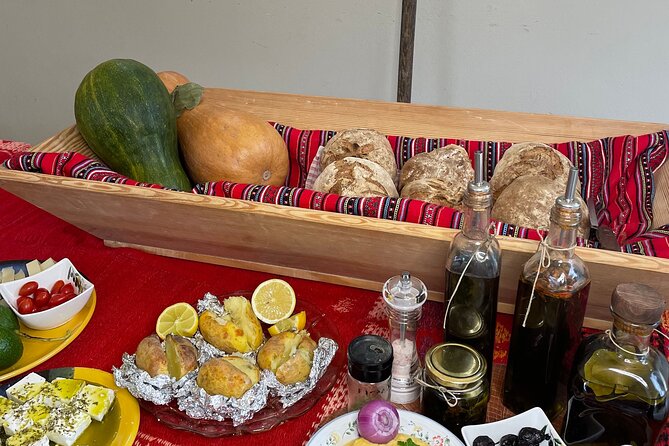
Herbed potatoes are also part of the food served during the experience. The exact side dishes may change, but the general style is clear: simple Cretan food, fresh ingredients, olive oil, herbs, and enough time to sit down and eat properly.
If you are hoping to cook every part of the meal yourself, check your expectations. The main hands-on project is the sourdough loaf. You take part in harvesting and preparation, but this is not presented as a full cooking course where you individually make every dish from start to finish.
More Workshops around Chania:
- Organic cooking class with a sommelier in an Olive and wine farm
★ 5.0 · 69 reviews - Cooking Classes and olive oil tasting.The real taste of Greece!
★ 5.0 · 56 reviews - Chania Sourdough Bread Class – Olive Oil Tasting
★ 5.0 · 31 reviews - Cretan Delights – Wine, Olive Oil & Cooking Workshop from Chania
★ 5.0 · 25 reviews
Taking the bread from the wood-fire oven
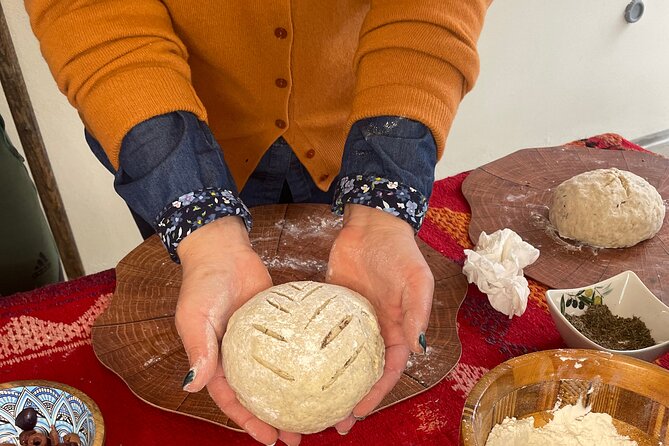
The most satisfying moment comes when the loaves are ready. You take your bread from the wood-fire oven and finally see how your shaping and chosen ingredients turned out.
Fresh bread has a way of gathering people around a table, and here it becomes the center of the meal. You combine your loaf with herb-flavored extra-virgin olive oil, then add the salad, fava, potatoes, and other seasonal dishes.
The tasting is generous rather than formal. You are not given a tiny sample of oil and sent on your way. The bread is part of a substantial lunch, and local wine is served in generous amounts.
Wine makes this a poor choice for anyone who wants to drive immediately afterward. If you bring a car, you should plan carefully or skip the wine. A taxi may be the simpler option, particularly if you want to enjoy the meal as intended.
The hosts also offer something sweet at the end. Dessert is not specified, so you should treat it as a pleasant extra rather than booking for a particular sweet dish.
What the $106 price really covers
At $106 per person, this is not the cheapest food activity near Chania. It is also more than a standard two-hour cooking lesson. The price includes ingredients, your bread, lunch, wine, dessert, the olive grove visit, and the farm component.
That makes the value stronger if you want a complete half-day outing. You are paying for instruction, food, time with local hosts, and access to a private setting outside the city center. If you only want to learn a basic bread recipe, the price may feel high.
The value is best for you if you enjoy long meals and social cooking. The class is not rushed from one task to the next. There is time for coffee, dough preparation, the olive grove, vegetable harvesting, baking, and lunch.
Transportation is the main extra cost. The property is in Nerokourou, about 10 to 15 minutes from central Chania. You can reach it by car or taxi, and parking is available along the fence.
A transfer service is available for an extra fee depending on your location. The transport uses a nine-seat van and an electric vehicle, and it may be shared with other people attending the cooking class. Ask about the transfer when booking if you do not want to arrange your own taxi.
Who will enjoy this class most
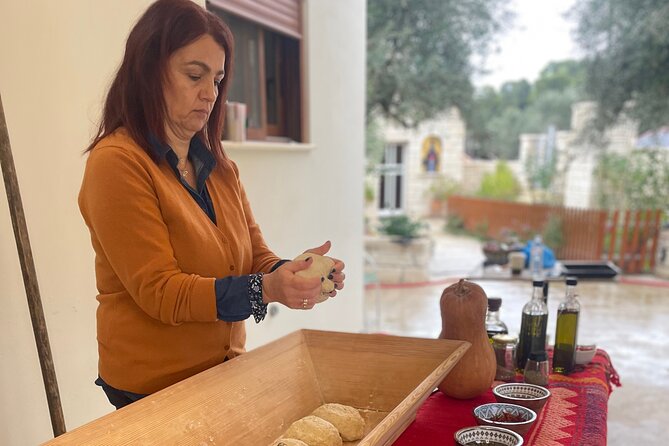
I would choose this class for anyone who wants a personal connection to Cretan food without signing up for a formal culinary school session. It works especially well for couples, families, and small groups who enjoy talking, eating, and making something together.
It is also a good choice for people who want an activity outside Chania’s old town. Nerokourou is close enough for an easy half-day visit, but the olive grove and farm give you a different setting from the harbor streets and city cafes.
The class can suit first-time bakers because you receive guidance through the main steps. You do not need to arrive with sourdough experience. It also suits experienced home cooks who want to see how bread, olive oil, herbs, and seasonal vegetables fit together in a Cretan meal.
I would be more cautious if you dislike group dining, do not drink wine, or want a tightly timed lesson. The experience is social and generous, with time spent chatting and eating. Its relaxed pace is a strength for some people and a weakness for others.
Wheelchair access is listed as available, but you should still confirm any specific needs when booking. English and Greek are offered, and the hosts can provide the class in English.
How the hosting shapes the day
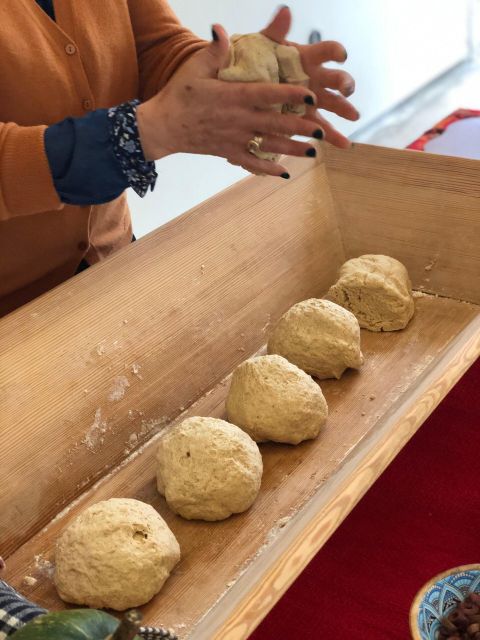
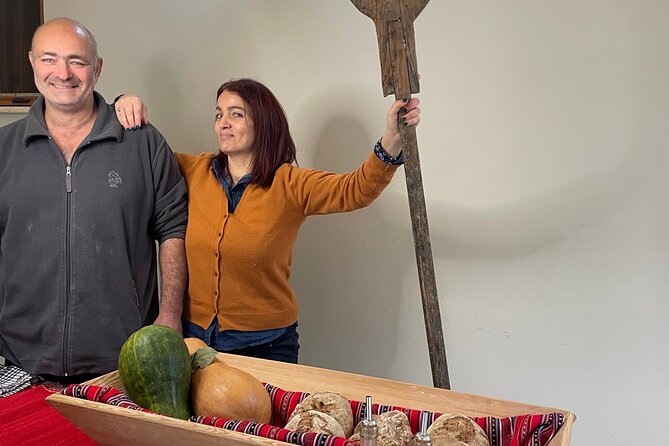
The people leading the class are central to its appeal. Nikos and Alex are not only there to explain measurements and oven timing. They create the social rhythm of the day, with conversation, humor, and stories about Cretan traditions.
Nikos is often referred to as Uncle Nicos, a sign of the informal family feeling built into the class. Alex helps with the practical side, keeping the cooking organized and the atmosphere light. Veerna may join near the end to help finish the meal and bread.
That family presence is worth considering when choosing between cooking classes. You are not booking a polished demonstration with a distant instructor. You are entering a home-style setting where the hosts take time to talk with you.
The class has earned a perfect five-star rating from six submitted ratings, with praise focused on the hosts, the meal, the warmth of the welcome, and the balance of learning and conversation. The strongest pattern is clear: people remember the hospitality as much as the bread.
Timing, cancellation, and practical planning
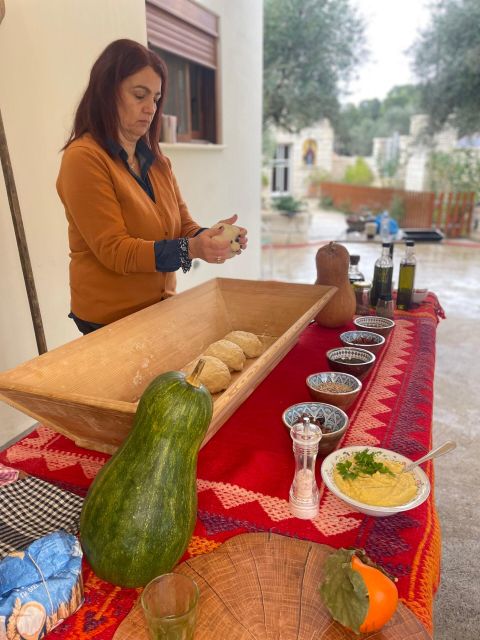
The full activity lasts 4.5 hours. Check the available starting times before booking, then leave room around the class because the meal and conversation are part of the schedule.
You can cancel up to 24 hours in advance for a full refund. A reserve-now, pay-later option is also available, which helps if your Chania plans may change.
Bring an appetite and wear clothes you do not mind using in a kitchen. The supplied information does not list a special clothing requirement, but breadmaking and farm work are more comfortable when you are dressed casually.
If you plan to drive, remember that the class includes generous amounts of local wine. Arrange a taxi, use the paid transfer option, or decide in advance that you will not drink. The location is easy to reach by car or taxi, but transportation is not part of the $106 rate.
Should you book the Chania sourdough class?
Book it if you want more than a recipe. You will make a loaf, but you will also learn how Cretan bread, olive oil, herbs, vegetables, wine, and hospitality come together around one table.
The class is particularly good for a relaxed half-day outside Chania, and the personal loaves, olive grove, old olive tree, seasonal food, and friendly hosts give it a clear sense of place. I would book it for the full meal and setting as much as for the sourdough lesson.
Skip it if you want a short, technical baking course, a city-center activity, or a low-cost meal. For everyone else, $106 is a fair price for a 4.5-hour experience that combines cooking, farm visits, lunch, and local company. Arrange transport ahead of time, leave room for dessert, and do not forget that the bread you shape is the bread you get to eat.
FAQ
Where does the Chania sourdough bread class take place?
The class is held in Nerokourou, a beautiful neighborhood about 10 to 15 minutes from central Chania.
Is transportation included?
No. You can reach the location by car or taxi, with parking along the fence. A transfer service is available for an extra fee, depending on your location.
What food and drinks are included?
The price includes all ingredients, your sourdough loaf, lunch, Cretan salad, fava beans, seasonal side dishes, dessert, and generous amounts of local wine.
Can I choose what goes into my bread?
Yes. You prepare your own loaf and can add available ingredients such as olives, sun-dried tomatoes, or seeds.
Which languages are offered?
The class is offered in English and Greek.
Can I cancel the booking?
Yes. You can cancel up to 24 hours in advance for a full refund. A reserve-now, pay-later option is also available.
Freshly pressed around Chania
- Wine, Beer, Olive Oil Tasting Private Tour (price per group of 6)★ 5.0 · 4 reviews
- Wine & Olive Oil tasting one day private tour in Crete★ 5.0 · 2 reviews
- Chania Old Town – Millennial Olive Tree – Olive Oil Mill★ 5.0 · 2 reviews
- Discover Rethymno, Lake Kournas & the Secrets of Cretan Olive Oil★ 5.0 · 10 reviews
- Crete Off-Road & Flavors Safari: Wine, Olive Oil & Mountain Life★ 5.0 · 9 reviews
- Rethymnon Olive Tree Sponsorship Protect and Plant Tour★ 5.0 · 5 reviews
- Monastery – Ancient Olive tree & Museum-Cretan Brewery Private Tour from Chania★ 5.0 · 5 reviews
- In Crete Discover the miracle of Olive Oil and Organic Fruits★ 5.0 · 4 reviews
Cooking Classes, compared.
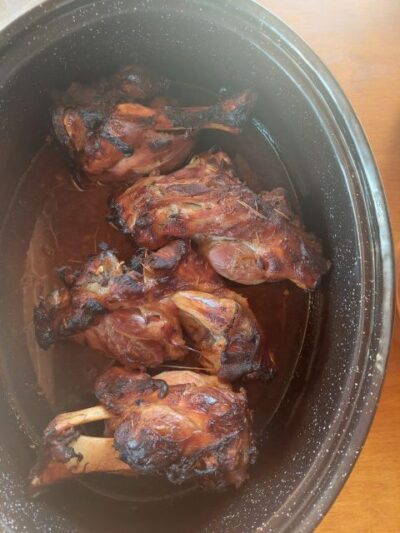
Corfu: Greek Cooking Class & Olive Oil Tasting
Read our review →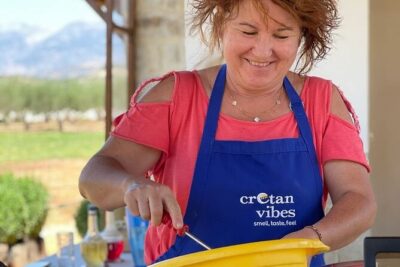
Moires: Cooking Class and Olive Oil Tasting at a Family Farm
Read our review →
Organic cooking class with a sommelier in an Olive and wine farm
Read our review →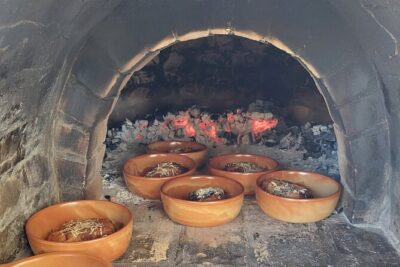
Cooking Classes and olive oil tasting.The real taste of Greece!
Read our review →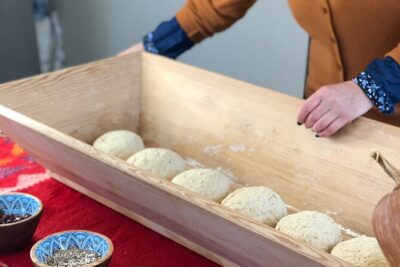
Chania Sourdough Bread Class – Olive Oil Tasting
Read our review →
Cretan Delights – Wine, Olive Oil & Cooking Workshop from Chania
Read our review →
Olive Oil Tasting & Fun Baking Class in the heart of Naxos Town
Read our review →Other lists with this tasting on them