
Review · SARDINIA
Cagliari Olive Oil Farm & Tasting (Since 1600, 20 Min Away)
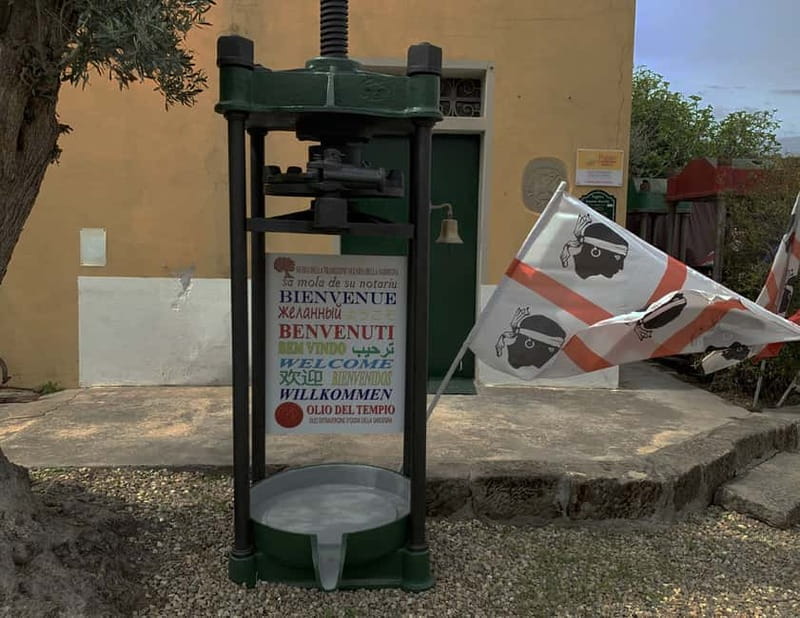
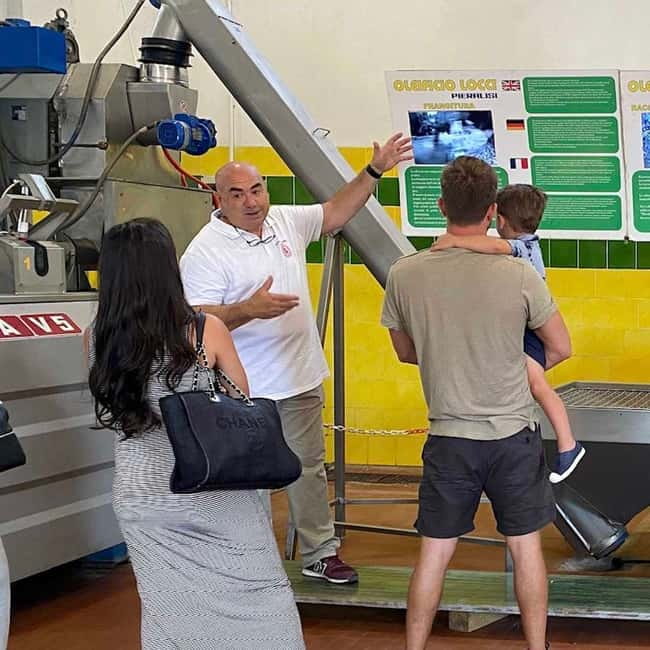
The most unusual part of this Cagliari-area food outing is the setting: a working olive oil mill linked to a family business dating to 1600, with a 17th-century stone mill and an underground cistern filled with old oil lamps and storage vessels. Francesco Locci leads the visit in English, French, or Italian, explaining how oil moves from olive grove to bottle.
I like the practical tasting lesson, which helps you tell good extra virgin olive oil from ordinary cooking oil. I also like the generous local plate, with carasau bread, olives, salsiccia sarda, wine, and other regional bites. The main consideration is timing: the details describe the experience as both one hour and 90 minutes, so confirm the exact schedule before booking.
Key points to know
- A 400-year family mill: See old presses, tools, and a stone mill in the Sa Mola de Su Notariu museum.
- Three distinct products: Taste classic EVO, lemon-infused Limolio, and the spicy Rogo del Tempio herb blend.
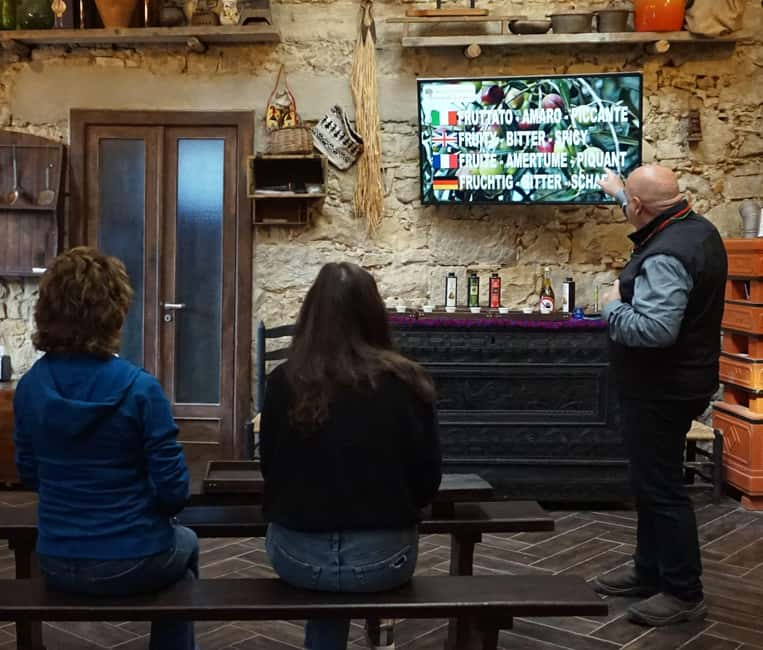
- A useful olive oil lesson: Learn how to assess fruitiness, bitterness, spiciness, and quality.
- A short trip from Cagliari: The mill is about 20 minutes away by car, with free parking in Dolianova.
- Food and wine are part of the visit: Expect carasau bread, olives, cured sausage, sparkling wine, and additional regional samples.
- A good take-home stop: Mill purchases receive a 20 percent discount compared with online prices.
Why this olive oil visit is different from a standard tasting
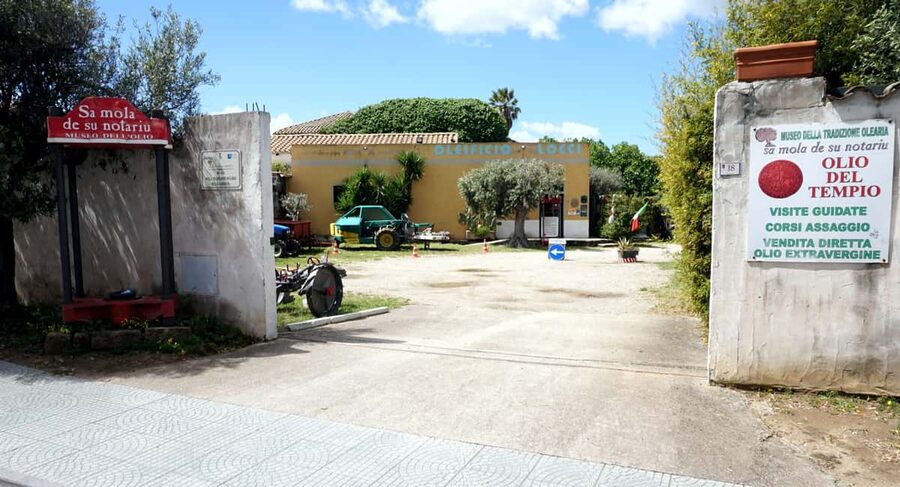
Many olive oil tastings take place around a table with a few bottles and a short explanation. Here, the tasting is tied to a real family mill, a working estate, and a museum devoted to the tools and customs of oil making in Sardinia.
The family business has 6,000 olive trees spread across 20 hectares. That scale gives the visit a useful connection to modern production, while the museum supplies the older story. You are not only tasting a finished product. You are seeing the machinery, storage methods, and objects that explain how olive oil became such an important part of Sardinian food and household life.
Francesco is the named host, and his role matters. The strongest comments about this experience focus on his warm welcome, humor, clear teaching, and obvious passion for the subject. The tone is informal and family-run rather than polished and corporate. That can make the visit feel personal, though it also means the pace may depend on the group and on how much discussion develops during the tasting.
The visit is designed for a minimum of two people. Private tours are available, but the supplied details do not state the private-tour price or exact group size, so ask before booking if privacy is important to you.
More Olive Farm Visits in Italy:
- Sorrento Farm and Food Experience including Olive Oil, Limoncello, Wine tasting
★ 5.0 · 2,524 reviews - Alghero: Wine and Olive Oil Tasting at a Local Farm
★ 4.8 · 294 reviews - Organic cooking class with a sommelier in an Olive and wine farm
★ 5.0 · 69 reviews
The modern mill tour explains what is in your bottle
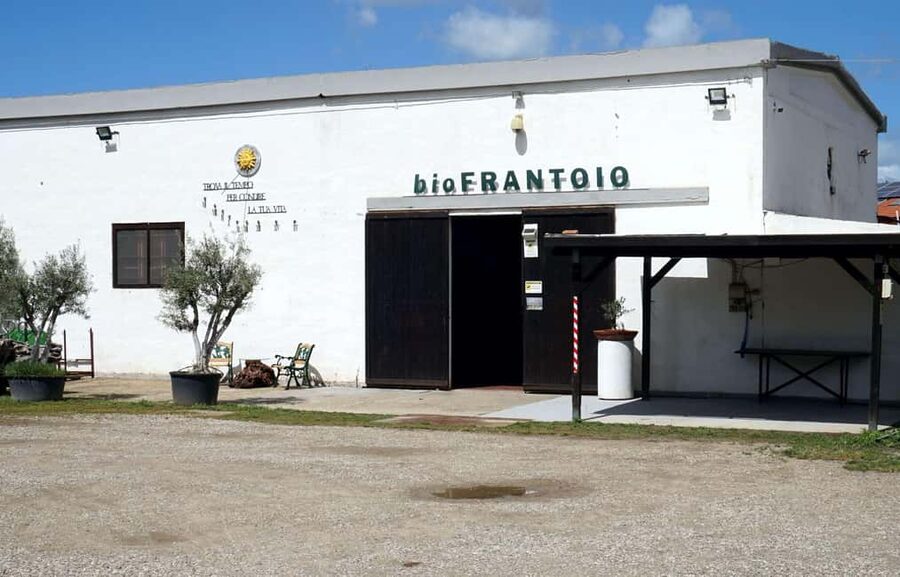
The first guided portion takes you through the production side of the business. Video presentations show the journey from harvest to bottling, while the mill tour connects that process to the oil made from the estate’s olive trees.
This is the part that gives the tasting its value. Instead of hearing vague claims about quality, you get a basic working lesson in how extra virgin olive oil is made and what to look for in the finished bottle. The class uses slides to explain signs of a premium oil, including the balance between fruitiness, bitterness, and spiciness.
You should leave with a more useful vocabulary. A bitter or peppery note is not automatically a flaw. In a good extra virgin oil, those sensations can signal freshness and the presence of natural compounds from the olives. The experience is not advertised as a professional certification course, but it can help you make better choices at a shop or restaurant.
The modern production area also keeps the visit grounded in the present. You see how a family business preserves an old tradition while using current equipment and selling bottled oil directly.
The Sa Mola de Su Notariu museum adds the sense of place
The private museum, called Museo dell’Olio Sa Mola de Su Notariu, is one of the main reasons to choose this visit over a simple farm tasting. It is described as Sardinia’s only olive oil museum and includes an original 17th-century stone mill, old presses, and tools used in earlier stages of production.
The stone equipment helps you understand the physical work once required to extract and store oil. Modern machinery can make the process look quick and technical. The older tools show the time, labor, and skill involved before industrial equipment took over.
The museum collection also gives the tour a strong local focus. This is not a generic Mediterranean food stop with Sardinian products added at the end. The family story, the mill, and the oil lamps all belong to the same place.
One small gap is worth noting. A few visitors wanted more information about the olive tree itself. If you are especially interested in cultivation, pruning, varieties, or the annual harvest, ask Francesco directly. The main emphasis is on production, quality, history, and tasting rather than a full botany lesson.
The underground cistern is the most memorable stop
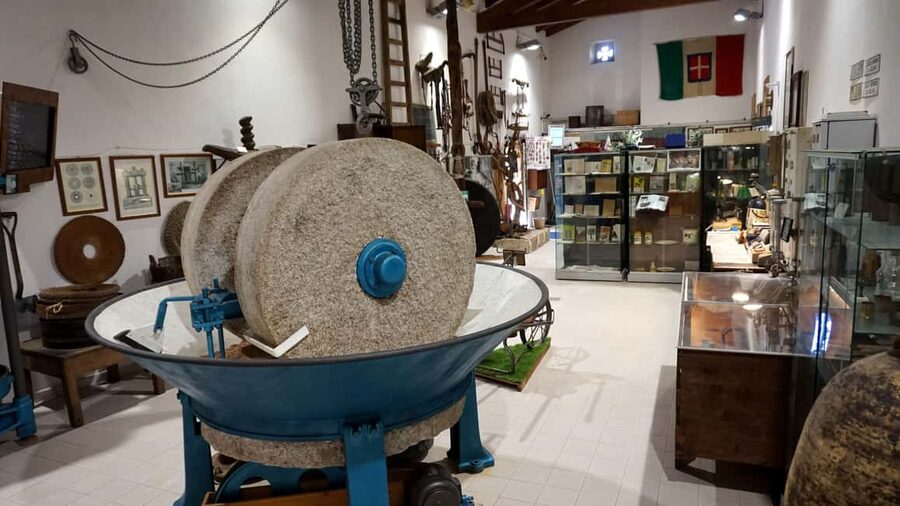
The tour includes access to an old underground storage area, where oil lamps, amphorae, and other artifacts show how Sardinians once protected and stored oil.
This short descent changes the feel of the visit. The modern mill explains efficiency. The cistern shows the older household economy, when oil was a precious food and a practical source of light. The collection of lamps also makes a direct connection between olive cultivation and daily life. Olives were not only pressed for cooking. Their oil helped light homes.
The cistern is also one of the more distinctive elements of the experience. You can find food tastings in many places around Cagliari, but an underground storage vault with old oil lamps is much less common.
The available information does not give details about stairs or the exact route into the cistern. The activity itself is listed as wheelchair accessible, but if the underground section is essential for you, confirm how access is handled when you reserve.
More Olive Oil Tours around Italy:
- Olive oil tasting in Sorrento
★ 5.0 · 434 reviews - Sorrento: Lemon, Olive Oil and Wine Tasting Tour with Lunch
★ 5.0 · 300 reviews - Ostuni: Masseria tour among thousand-year-old olive trees with oil tasting
★ 4.8 · 261 reviews - Balestrate: Olive Grove Tour with Wines & Olive Oil Tasting
★ 5.0 · 241 reviews
Three oils, three very different uses
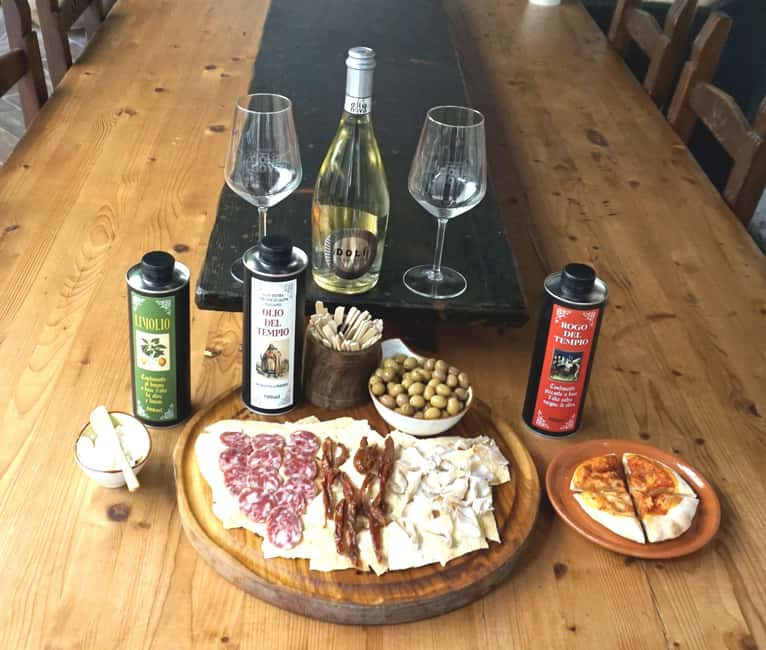
The tasting includes three house products. The point is not simply to sample three bottles. Each one is presented with a different role in the kitchen.
Olio del Tempio EVO
This is the classic extra virgin olive oil, with the balance of fruitiness, bitterness, and spiciness expected from a serious daily oil. You can use it for dipping, drizzling, cooking, or finishing a dish.
It is the best starting point because it gives you a reference for the other products. Taste it on bread first, before stronger flavors appear. You might notice that a quality oil has a clear aroma and a lively finish rather than a flat, greasy taste.
Limolio
Limolio combines olives with lemon zest. Its bright citrus character makes it a natural match for seafood carpaccio, raw fish, salads, caprese, and grilled vegetables.
This is likely the most immediately accessible bottle for home cooks. Lemon-infused oil can save a step when you want a fresh finish, particularly on fish or vegetables. It is also the product most likely to change how you use olive oil at home, since it works as a ready-made seasoning rather than just a cooking fat.
Rogo del Tempio
This spicy blend combines nine Sardinian herbs with controlled heat. It is suggested for grilled meats, pizza, pecorino, and roasted potatoes.
The herb blend gives the tasting a stronger finish. Try it after the EVO and lemon oil so the heat and herbs do not cover the subtler flavors. If you enjoy savory condiments, this is the bottle to consider for a more forceful final touch.
The food plate makes the tasting feel like lunch
The food pairing is served family-style and includes Sardinian cured sausage, local olives, carasau bread, and sparkling wine. Other samples may include cheese and a small pizza, based on the food served during the visit.
Carasau is a very thin, crisp Sardinian bread. It is ideal for tasting oil because it supplies a clean, crunchy base without adding much flavor. The olives and sausage bring salt and fat, while the wine refreshes your palate between samples.
This is more satisfying than a tasting built around tiny sips and a few crackers. You are getting enough food to make the visit feel like a light meal, especially if cheese or pizza is included. Still, the exact food selection can vary, so do not book this as a full lunch replacement if you need a substantial meal afterward.
The pairings also show why the three oils matter. The plain EVO works for everyday dipping and drizzling. Limolio brings lift to seafood and vegetables. Rogo del Tempio supplies heat and herbs for meat, cheese, potatoes, and pizza.
A practical half-day from Cagliari
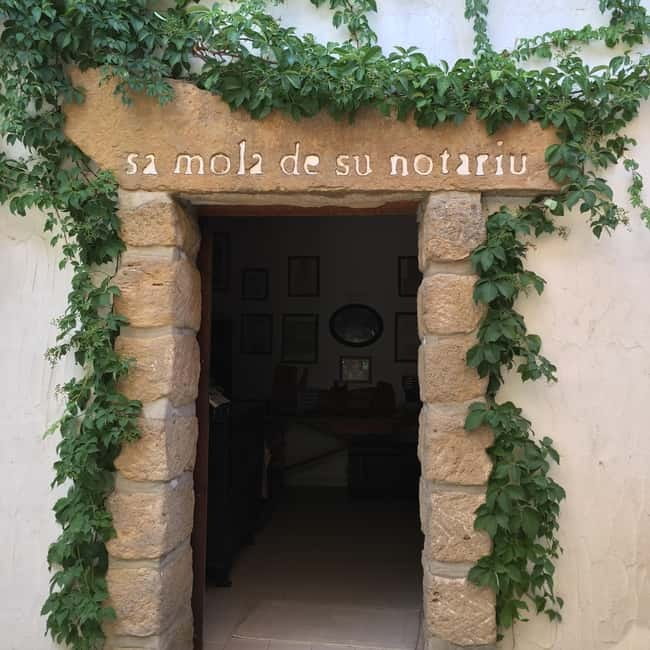
By car, the mill is about 20 minutes from Cagliari, making it easy to fit into a morning or afternoon. Free parking is available at the museum in Dolianova, and the parking area is described as large and central.
The bus option is less quick. Line 108 from central Cagliari takes about 54 minutes. That is still manageable, but you should check the timing carefully because the activity itself is short and you do not want transport to take more time than the visit.
Optional private transfers are available from Cagliari and nearby parts of southern Sardinia. The transfer cost is not included, so ask for the current price before you commit.
Cruise passengers and people with only two or three hours in the area can consider this a sensible short outing, provided their ship or transport schedule allows enough time. Add a cushion for the journey, the visit, and the return. The stated tour timing needs special attention because the description refers to both a one-hour duration and an exactly 90-minute experience.
Is $64 good value?
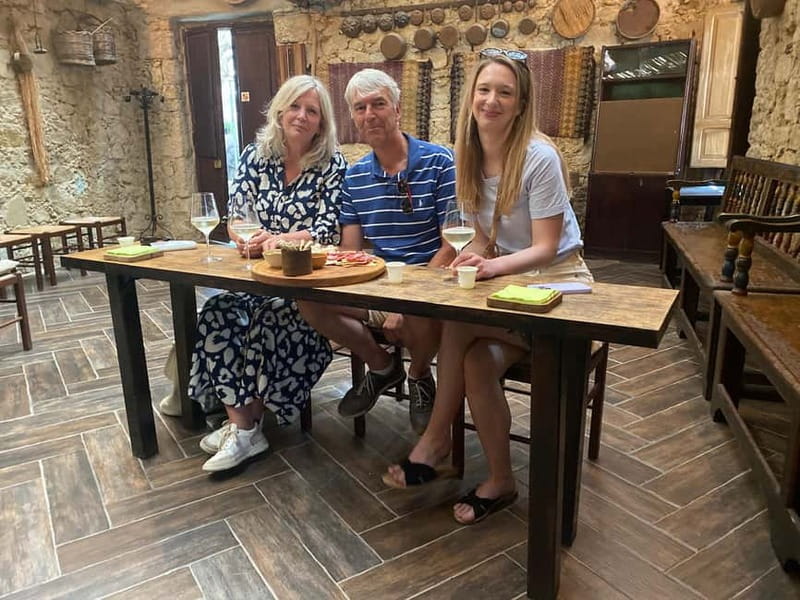
At $64 per person, this is not the cheapest way to taste olive oil. You are paying for more than three samples, though. The price includes the guided mill visit, museum access, underground cistern, olive oil lesson, food plate, sparkling wine, and local hosting.
I consider the price reasonable if you want a focused food experience rather than a quick retail stop. The museum and old storage area give the visit content before the tasting begins, and the food helps turn it into a small cultural outing.
The value is stronger if you plan to buy oil. Products purchased directly at the mill are discounted by 20 percent compared with online prices. That does not make the tour free, but it can soften the cost if you already want to take home several bottles.
The value is weaker if you have little interest in olive oil production or if you only want a large meal. The food is part of the experience, but the main subject remains oil.
Who should book this experience?
I would recommend it to food-focused visitors, couples, families, and anyone staying in Cagliari who wants a short trip into the surrounding area. It is also a good fit if you enjoy learning how a familiar ingredient is made and used.
The visit works especially well for people who want a practical lesson. You will learn how to taste oil, how to think about quality, and which foods suit each product. It also suits shoppers who want to buy directly from the producer.
Dogs are welcome, with fresh water bowls provided. The site offers free Wi-Fi and is listed as wheelchair accessible. Tours are offered in English, French, and Italian.
I would hesitate only if your schedule is tight enough that a 54-minute bus ride each way feels excessive, or if you need a fully specified meal and a precisely stated duration. In those cases, confirm the transport, food selection, and timing first.
Should you book the Cagliari olive oil farm visit?
Book it if you want a personal, small-scale Sardinian food experience with real objects, a working mill, and useful tasting guidance. The warm family welcome, Francesco’s clear presentation, the old stone mill, and the underground oil-lamp collection give it more substance than a basic sampling session.
For the best visit, arrive ready to taste the oils in sequence, ask about the olive trees and harvest, and leave room in your luggage for a bottle of your favorite. Confirm the 60-minute versus 90-minute timing before booking. If you can spare the half-day window and the subject appeals to you, this is a strong pick near Cagliari.
FAQ
How far is the olive oil mill from Cagliari?
The mill is about 20 minutes from Cagliari by car. It is located in Dolianova and has free parking.
Can I reach the mill by bus?
Yes. Bus line 108 from central Cagliari takes about 54 minutes.
How long does the experience last?
The activity information gives both a one-hour duration and an exactly 90-minute duration. Confirm the current schedule and length when booking.
What languages are available?
The live tour is available in English, French, and Italian.
What oils will I taste?
You will taste Olio del Tempio EVO, Limolio with lemon zest, and Rogo del Tempio, a spicy blend made with nine Sardinian herbs.
Is food included?
Yes. The tasting includes Sardinian cured sausage, olives, carasau bread, sparkling wine, and regional food samples. Cheese and a small pizza may also be served.
Is parking available?
Yes. You can park for free in the museum parking lot in Dolianova.
Is the experience wheelchair accessible?
The activity is listed as wheelchair accessible. If you need access details for the underground cistern, confirm them in advance.
Can I bring my dog?
Yes. Dogs are welcome, and water bowls are provided.
Freshly pressed around Italy
- E-bike tour in Ostuni, the olive trees and the rock village★ 5.0 · 4 reviews
- Tuscan ExtraVirgin Olive Oil Tour★ 5.0 · 4 reviews
- Wine and Extra virgin olive oil tasting in Lucca, Tuscany★ 5.0 · 3 reviews
- Lecce : Half day E-Bike tour to Old Olive Mill & Olive Oil Taste★ 5.0 · 3 reviews
- Bellagio/Lezzeno/Oliveto Lario to/from Milan Malpensa Apt (Private Transfer)★ 5.0 · 4 reviews
- Sunset Magic E-bike Tour at Sunset in Capoliveri★ 5.0 · 4 reviews
- Chianti from Florence:PRIVATE Wine, Olive Oil Tasting in the Tuscan countryside★ 5.0 · 2 reviews
- Leonardo Da Vinci’s wind mill visit and Organic olive oil tasting★ 4.5 · 12 reviews
Olive Farm Visits, compared.
Sorrento Farm and Food Experience including Olive Oil, Limoncello, Wine tasting
Read our review →
Crete: Road-trip to Lasithi, Zeus Cave & Olive Mill Farm
Read our review →
Heraklion: Olive Farm Tour with Tasting of Local Delicacies
Read our review →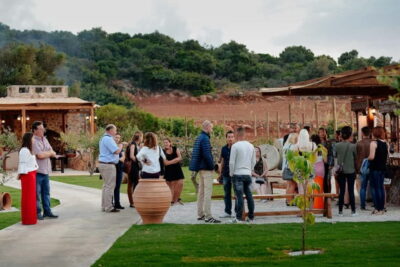
Lassithi, Zeus Cave, Olive Mill Farm & Knossos Combo Tour
Read our review →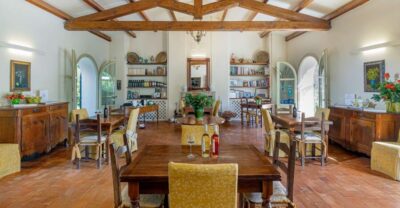
Alghero: Wine and Olive Oil Tasting at a Local Farm
Read our review →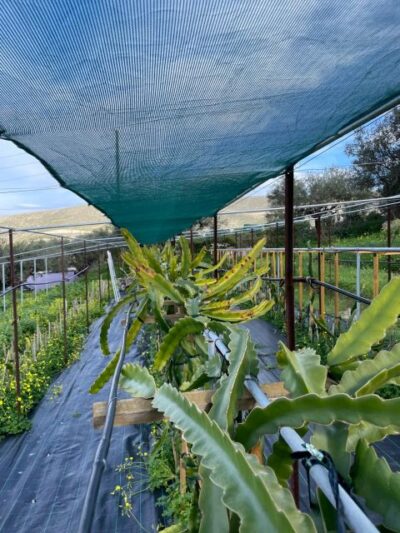
Traditional Olive Grove and Dragon Fruit Farm Tour
Read our review →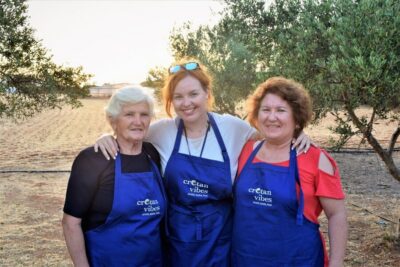
Moires: Cooking Class and Olive Oil Tasting at a Family Farm
Read our review →
Sóller: Olive Oil Guided Tour and Tasting at Can Det Estate
Read our review →Other lists with this tasting on them