
Review · PELOPONNESE
Olive Oil Tour & Tasting with sommelier -Kalentzi, Athens daytrip
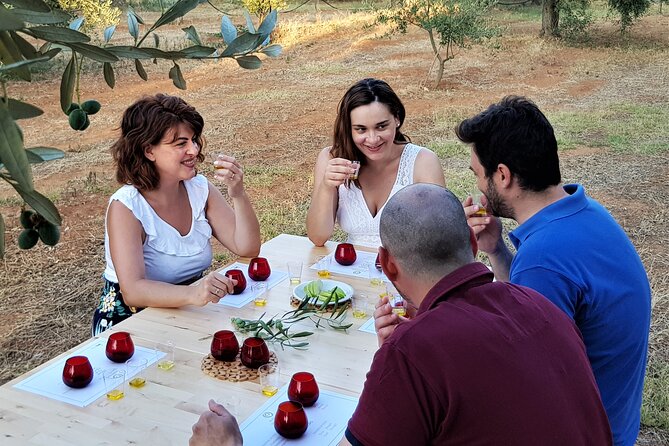
The best part of this small-group outing is that you do not just taste olive oil in a room. You walk through a family olive grove, see the rare Manaki trees, and connect the oil on your plate with the soil, farming methods, and family story behind it. Marianna brings the subject to life with clear explanations, from how olive biology affects flavor to how different grades are made.
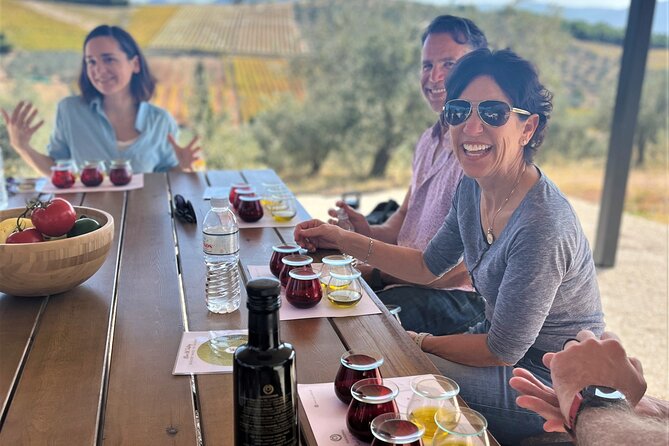
I like two things here. First, the tasting teaches you how to judge oil for yourself, including fruitiness, bitterness, pungency, and faults. Second, the view toward the olive groves, vineyards, and Mount Fokas gives the Greek meze a real sense of place. The main consideration is transport: private transportation is not included, so you must arrange your own way to Kalentzi.
Key points to know before booking
- Rare Manaki olive trees: Walk through a traditional family grove and learn about a variety tied to the local area.
- Marianna’s storytelling: Expect practical explanations of cultivation, flavor, production methods, and olive oil grades.
- A real tasting lesson: You learn how fruitiness, bitterness, and pungency work together, plus which negative traits to avoid.
- Mount Fokas views: The tasting takes place with open views of the groves and vineyards on the mythical slopes connected with the Lion of Nemea.
- Small group setting: The outing is limited to eight people, which suits anyone who wants room for questions.
- Two-hour format: It fits well into a Corinth day trip, but it is a focused tasting rather than a full-day food tour.
Walking into the OLEOSOPHIA olive grove
You meet at the petite chapel of St. Efrem, at OLEOSOPHIA Olive Garden & Olive Oil Tastings in Kalentzi, Corinth. The activity begins at 10:00 am and finishes back at the same meeting point.
That meeting point matters because this is a place-based outing, not a city tasting held in a generic shop. You start beside a family olive grove and move on foot among the trees. The walk gives you a useful introduction before the food arrives: you see the setting where the oil begins, hear about the family’s connection to the land, and learn how the grove is cared for.
The grove includes Manaki olive trees, a relatively rare variety highlighted by the hosts. The tour explains cultivation and sustainable agricultural practices, so you get more than a quick photo stop. You learn how farming choices can affect the finished oil and why olive oil is not a single, uniform product.
Keep your expectations sensible. The walk is part of a two-hour program, not a long agricultural hike. Its purpose is to help you understand the trees and the family’s work before tasting. If you want a long countryside walk, this will feel brief. If you want a clear introduction to Greek olive farming, the timing is well judged.
More Olive Oil Tours around Greece:
- Crete: Quad Safari, Olive Mill with Tasting & Ghost Village
★ 4.9 · 1,004 reviews - Knossos-Zeus Cave -Old Traditional Villages-Olive Oil Factory
★ 5.0 · 694 reviews - The Governor’s Olive Mill Tour with Olive Oil Tasting
★ 5.0 · 502 reviews
Learning what makes Manaki oil different
Many people buy extra virgin olive oil by reading a label, looking at the price, and hoping for the best. This outing gives you a better method. You learn the categories of olive oil and the basic principles used to taste and assess it.
Marianna explains the three main sensations that shape a tasting:
- Fruitiness, the fresh character that comes from the olive itself
- Bitterness, a quality that can be positive and often signals desirable compounds
- Pungency, the peppery feeling that may build in the throat
That lesson is especially useful because beginners often mistake bitterness or a peppery finish for a defect. You learn to separate good intensity from unpleasant flaws. You also learn about negative traits to avoid, giving you practical help when choosing a bottle from a supermarket shelf.
The format is hands-on rather than purely academic. You taste the oil and pay attention to its character, then connect those sensations with the production and storage factors discussed during the walk. The goal is not to turn you into a professional taster in two hours. It is to give you a reliable vocabulary and enough confidence to make smarter choices at home.
This is one of the strongest reasons to book. The lesson continues to be useful long after your Corinth visit. You can apply it to oils from Greece, Italy, Spain, or anywhere else, as long as you pay attention to quality and flavor rather than relying only on packaging.
Tasting Greek oil with a Mount Fokas view
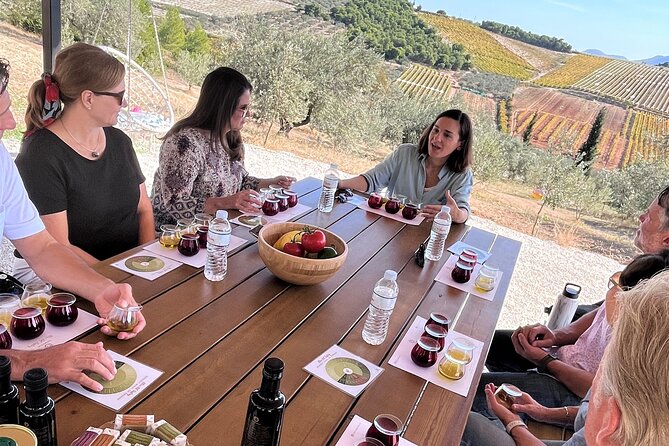
After the grove walk, you sit down for a tasting overlooking olive groves and vineyards on the slopes of Mount Fokas. The setting adds context without taking over the lesson. You are looking at the kind of countryside that makes olive oil part of daily life, not just a luxury ingredient.
The tasting includes Greek flavors and a small Greek meze designed for olive oil pairing. This is not lunch, and the included food is best treated as a generous snack rather than a full meal. You might taste the oil with simple Greek foods that show how it changes the flavor of what you eat.
That distinction matters when planning your day. If you are building a full Corinth outing around this activity, arrange lunch separately. The tasting gives you something to eat, but it does not replace a midday meal.
The Mount Fokas setting also ties the food to local mythology. The slopes are associated with the birth of the Lion of Nemea, one of the famous creatures from Greek myth. You are not visiting a separate archaeological site during this activity, but the reference adds a sense of place to the view and gives the tasting a local story to go with it.
What Marianna explains during the tasting
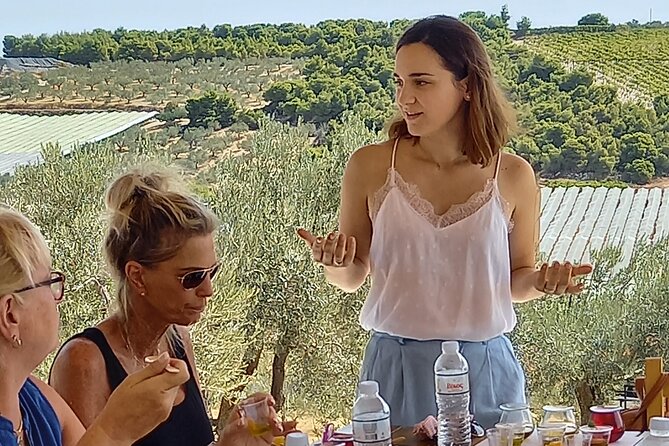
Marianna is a central part of the outing. Her explanations cover the biological processes in an olive tree that affect flavor, along with different manufacturing approaches and product grades. That range helps you understand the chain from tree to bottle.
She also shows you how to taste properly and what notes to look for. The value here is in the detail. Instead of simply saying that one oil tastes better than another, you learn to consider aroma, mouthfeel, bitterness, and the peppery finish.
A particularly useful part of her approach is the attention to culinary uses. Olive oil is not limited to pouring over salad or dipping bread. You learn about food pairing with Greek flavors and hear about less obvious ways to use it in cooking.
The health discussion puts olive oil into the wider Mediterranean diet. It is not presented as a miracle cure. Instead, you learn how olive oil fits into a broader way of eating, with food choices and daily habits considered together. That holistic approach makes the lesson more useful than a simple list of health claims.
The small group size helps here. With a maximum of eight people, you have a better chance to ask about a taste you cannot identify, a label you do not understand, or an oil you regularly buy. The format should feel more personal than a large tasting where you simply follow instructions and move on.
Same olive country, a different way to taste it:
- From Chania: Olive Oil, Wine, Cheese & Honey Tasting Tour
★ 4.6 · 490 reviews - Crete: Road-trip to Lasithi, Zeus Cave & Olive Mill Farm
★ 4.4 · 451 reviews - Heraklion: Olive Farm Tour with Tasting of Local Delicacies
★ 4.9 · 411 reviews - Lassithi, Zeus Cave, Olive Mill Farm & Knossos Combo Tour
★ 4.6 · 404 reviews
Why the two-hour length works
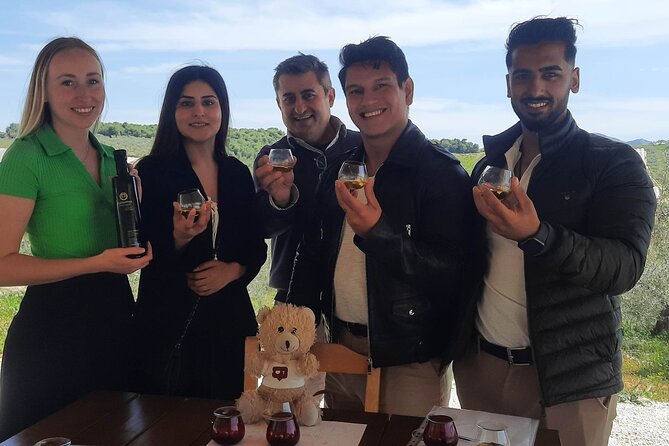
Two hours is enough time for a grove walk, a clear explanation of olive oil, and a small tasting without turning the outing into a full-day commitment. I like this length for a morning in Corinth, especially if you have other plans afterward.
The 10:00 am start gives the activity a defined place in your day, but you need to plan around it. Since the outing returns to the meeting point, you are responsible for getting there and continuing on afterward. Private transport is not included.
The listing notes that the location is near public transportation, but it does not provide a transfer from Athens or another Corinth attraction. If you are visiting from Athens, check your route carefully and allow enough time to reach Kalentzi before 10:00 am. Do not assume the tour will wait for a delayed connection.
The activity is offered in English. It is also available with a mobile ticket, which keeps the booking side simple. Confirmation is provided at the time of booking.
Is $96.12 a fair price?
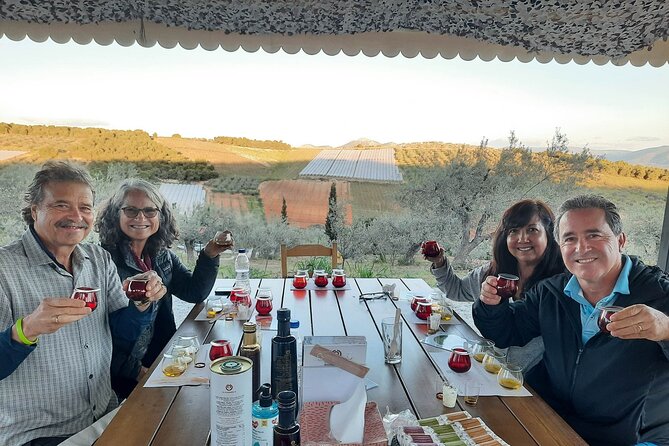
At $96.12 per person, this is not a cheap snack stop. The value depends on what you want from it.
You are paying for a small-group session capped at eight people, a guided walk through a family grove, instruction from a sommelier, a structured tasting, and Greek food pairing. You also get a lesson you can use later when selecting olive oil. For someone curious about food, farming, and Greek culture, that combination makes the price easier to justify.
The value is weaker if you only want to sample a few oils. You could find a less expensive tasting in a shop or market, but it would not give you the grove walk, the family story, the agricultural context, or the views toward Mount Fokas.
I would also factor in your transport costs. Because getting to Kalentzi is not included, the total outing budget is higher than the advertised per-person price. That does not make the activity poor value, but it does mean you should compare the complete cost of your day, not only the ticket.
Who will enjoy this most
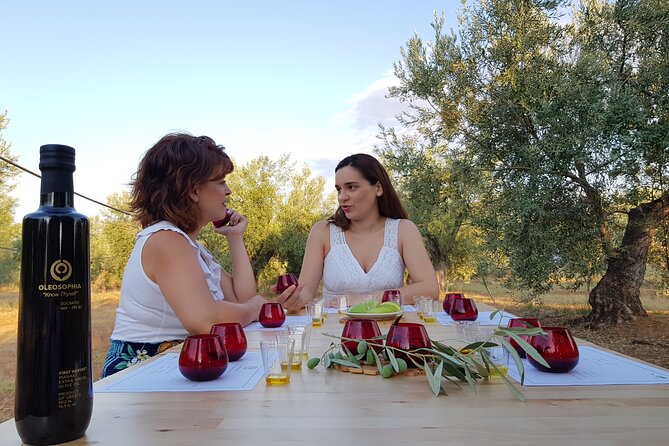
This outing suits you if you like food experiences that explain where ingredients come from. It is a good choice for couples, small families, and curious eaters who want a relaxed activity with a clear educational side.
Children can take part. The activity is not designed only for adults, and the tasting lesson can make a familiar kitchen ingredient more interesting. Still, the program focuses on flavors, farming, and food pairing, so children who enjoy asking questions will get the most from it.
It also suits anyone who wants to buy Greek olive oil with more confidence. You leave with a better sense of what fruitiness, bitterness, and pungency mean, plus a way to spot poor qualities.
You should think twice if you have an olive oil allergy. The activity is not recommended for anyone with one. It may also disappoint you if you expect a full lunch, a long rural walk, or included transportation from Athens.
Service animals are allowed, and the site is near public transportation. The activity requires good weather, so a poor-weather cancellation may lead to another date or a full refund.
How to fit it into a Corinth day
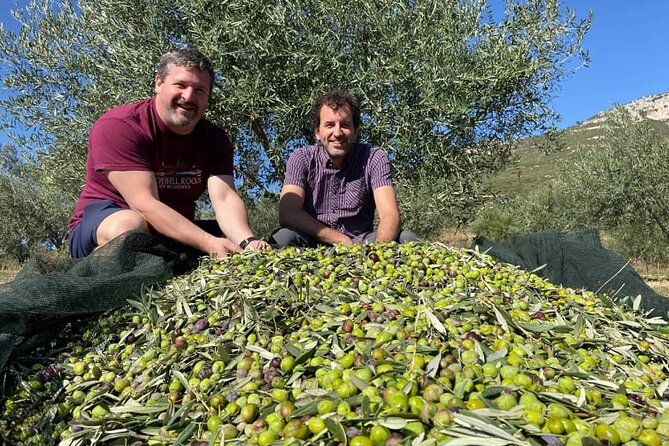
Treat the tasting as a focused morning activity rather than a complete Corinth sightseeing program. You meet at 10:00 am, spend about two hours at the grove, and return to the starting point.
That makes it easy to continue with your own plans, but the tour does not include transportation between sights or a guide for other Corinth attractions. You need to arrange those parts separately.
The setting also rewards a slower pace. The olive trees, vineyards, and Mount Fokas view are not just a backdrop for photographs. They help explain why olive oil belongs so closely to Greek food and daily life. Give yourself enough time before the start to arrive without rushing, and enough time afterward to enjoy the rest of your day.
You can cancel for a full refund if you do so at least 24 hours before the start time. Changes or cancellations inside that window are not accepted for a refund. Weather and minimum group requirements can also affect the schedule.
Should you book this olive oil tour?
Book it if you want more than a tasting spoon and a few facts. The strongest part is the connection between the family grove, Marianna’s clear teaching, and the Greek meze served with the oil. You learn how to taste, how to spot faults, and how to choose a better bottle later.
Skip it if your priority is a full meal, included transport, or a long countryside excursion. The two-hour program is focused, and the $96.12 price becomes less attractive once you add your own transport and lunch.
For food lovers, curious families, and anyone planning a Corinth day trip, I think the activity earns its place. Just arrive with a plan for getting to Kalentzi, remember that the meze is not lunch, and book at least a day ahead if you want the flexibility of free cancellation.
FAQ
Where does the olive oil tour begin?
It begins at OLEOSOPHIA Olive Garden & Olive Oil Tastings, near the petite chapel of St. Efrem in Kalentzi, Corinth.
What time does the activity start?
The start time is 10:00 am.
How long does the tour last?
The activity lasts approximately two hours.
Where does the activity finish?
It finishes back at the same meeting point in Kalentzi.
Is transportation from Athens included?
No. Private transportation is not included. The location is near public transportation, but you must arrange your own transport to the meeting point.
What food is included?
You receive Greek flavors in the form of a small Greek meze for olive oil food pairing. Lunch is not included.
How many people can join the activity?
The maximum group size is eight people.
Is the activity offered in English?
Yes. The activity is offered in English.
Can I cancel for a full refund?
Yes, if you cancel at least 24 hours before the experience start time. Cancellations or changes made less than 24 hours in advance are not refunded or accepted. If poor weather or an insufficient number of bookings cancels the activity, you are offered another date or a full refund.
Freshly pressed around Greece
- Private Tour in Historic Estate in Monemvasia with wine-olive oil tasting & meal★ 5.0 · 4 reviews
- Olive Facility Visit with Olive Oil Tasting Session★ 5.0 · 2 reviews
- SYSTASIS Olive Oil Tasting Experience in Ermioni Greece★ 5.0 · 4 reviews
- Olive Oil Tour close to Nafplio★ 4.5 · 3 reviews
- Olive Oil Tasting at the Mykonian Farm★ 4.5 · 3 reviews
- Olympia Shore Ex: Premium Private Package -Tickets & Olive Market★ 4.5 · 5 reviews
- WIne & Olive Oil Tasting in an Organic Farm in Laconia, Greece!★ 5.0 · 2 reviews
- E-Bike Kalamata Olive Routes★ 5.0 · 10 reviews
Greece Olive Oil Tours, compared.
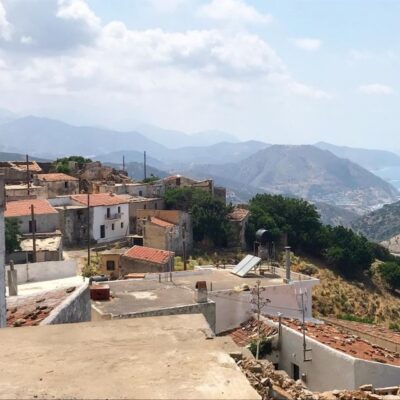
Crete: Quad Safari, Olive Mill with Tasting & Ghost Village
Read our review →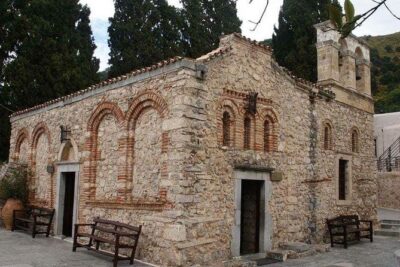
Knossos-Zeus Cave -Old Traditional Villages-Olive Oil Factory
Read our review →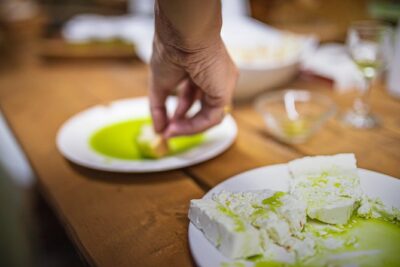
The Governor’s Olive Mill Tour with Olive Oil Tasting
Read our review →
From Chania: Olive Oil, Wine, Cheese & Honey Tasting Tour
Read our review →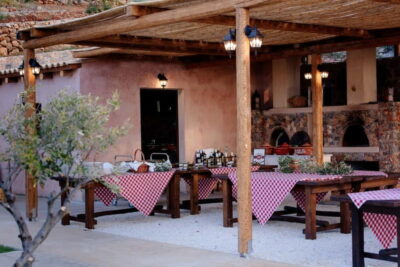
Crete: Road-trip to Lasithi, Zeus Cave & Olive Mill Farm
Read our review →
Heraklion: Olive Farm Tour with Tasting of Local Delicacies
Read our review →
Lassithi, Zeus Cave, Olive Mill Farm & Knossos Combo Tour
Read our review →
Zeus Cave, Lassithi Plateau, Olive Oil Factory, Kritza, Pottery
Read our review →Other lists with this tasting on them