
Review · CORFU
North Corfu Olive Tour With Olive oil Tasting & Meze
Corfu’s olive trees are not a backdrop here. They are the main event. In Loutses, you walk among trees that have lived for hundreds of years, then step into a small, early-19th-century olive mill to see how the island’s signature product is made.
I like the personal scale of this tour, with a maximum of 12 people, and I like the generous food ending: Corfiot meat, vegetables, fruit, fresh bread, olives, olive oil, and a glass of homemade wine. The main drawback is logistics. You must reach Loutses yourself, about 50 minutes from Corfu Port, and the booking is non-refundable unless poor weather forces cancellation.
Key points
- Centuries-old olive trees: Walk through a living Corfiot grove and see the plants and wildlife around it.
- Jonathan’s personal approach: The guide explains olive growing and oil production with humor, family stories, and practical detail.
- Historic olive mill: Visit an olive press dating from the early 19th century and learn how oil is made.
- A full local food pairing: Taste organic olive oil with meats, seasonal vegetables, fruit, bread, and olives.
- Small group size: The tour is limited to 12 people, which suits anyone who prefers conversation over a large coach group.
- Useful planning note: There is no pickup, and Loutses is approximately 50 minutes from Corfu Port.
Why Loutses makes a good olive tour setting
The tour begins at 10:00 a.m. in Loutses, a traditional village in northern Corfu. This is not a quick tasting squeezed into a shop. You begin by meeting the olive oil expert, then walk into the surrounding grove to understand where the product starts.
That matters because olive oil can feel abstract when it is presented only in a bottle. Here, you see the old trees, the ground beneath them, and the surrounding flora and fauna before learning about pressing and tasting. I find that order useful. It gives the food at the end a clear sense of place.
The setting also keeps the tour rooted in village life. Loutses is away from Corfu’s main port area, so you are not simply stepping off a cruise ship and into a polished tasting room. The trade-off is the drive. If you are staying near the port, allow roughly 50 minutes to reach the meeting point, with extra time for finding your way and parking or connecting by local transport.
More Olive Oil Tours around Corfu:
- The Governor’s Olive Mill Tour with Olive Oil Tasting
★ 5.0 · 502 reviews - Corfu: Greek Cooking Class & Olive Oil Tasting
★ 5.0 · 178 reviews - Corfu: Olive Oil Experience – The Governor’s Olive Mill
★ 4.9 · 138 reviews
Walking among Corfu’s centuries-old trees
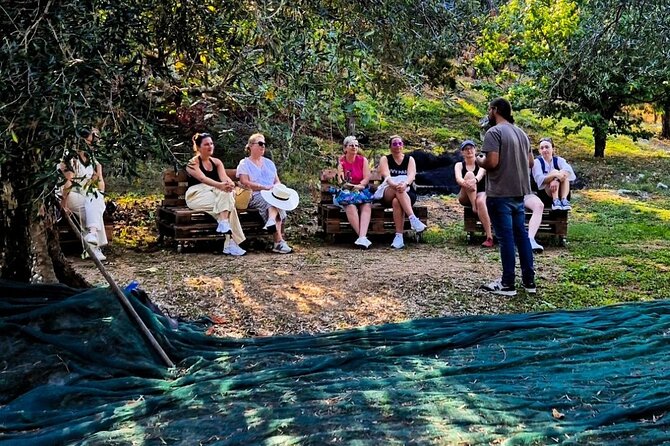
The first substantial part of the tour lasts about an hour. You walk through the olive grove and learn about the perennial Corfiot olive trees, including trees that are hundreds of years old.
I like this part because it turns an ordinary-looking grove into something you can read. The age of the trees, the different olive varieties, and the other plant and animal life all help explain why olive growing has remained so important on the island. You are not only shown an orchard. You are introduced to an ecosystem.
This is also the most outdoors-focused section, so sensible shoes and weather-appropriate clothing make sense. The tour requires good weather, and that is not surprising given the walking time. If the conditions are poor, the operator offers another date or a full refund, but you should still check the forecast before committing to a fixed day.
The walk is about an hour, followed by another short walk to the mill. The description indicates that most people can take part, but it does not provide details about trail surfaces, steep sections, or seating. If you have mobility concerns, ask the operator before booking rather than assuming the route will be fully accessible.
Inside the early-19th-century olive mill
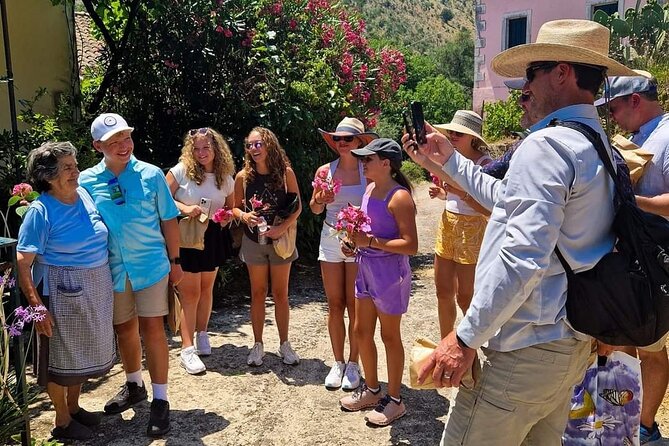
After the grove, you get exclusive access to a private olive mill and press dating from the early 19th century. This is the most distinctive historical element of the tour.
You learn about the oil-making process and the details that affect quality. The guide explains the work involved in growing and pressing olives, as well as the challenges of keeping a family business going across generations. That personal side gives the technical material more weight. You are not just hearing a general talk about Greek food. You are hearing how a local tradition is maintained.
Jonathan receives particular praise for making the subject easy to follow. His explanations are described as funny, engaging, and clear, which is useful when a subject could otherwise become a string of production terms. You can expect the tour to cover both tradition and the practical process of turning olives into oil.
The mill is not presented as a modern factory attraction. Its appeal comes from the age of the press, the family connection, and the chance to see the setting where the work has taken place. If you want polished machinery and a large visitor center, this is not that kind of outing. If you prefer a small, personal look at local production, it fits well.
Tasting organic olive oil the right way
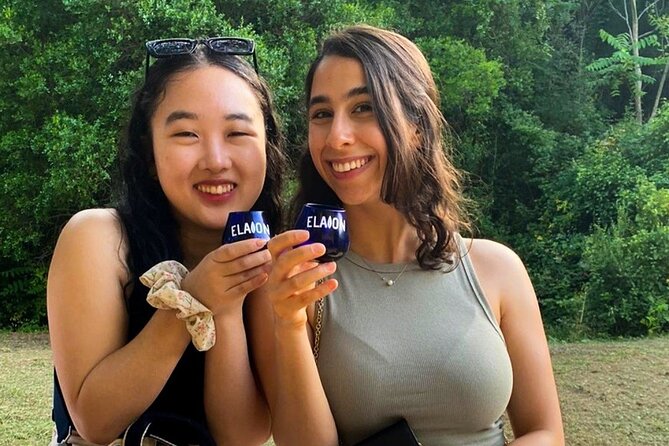
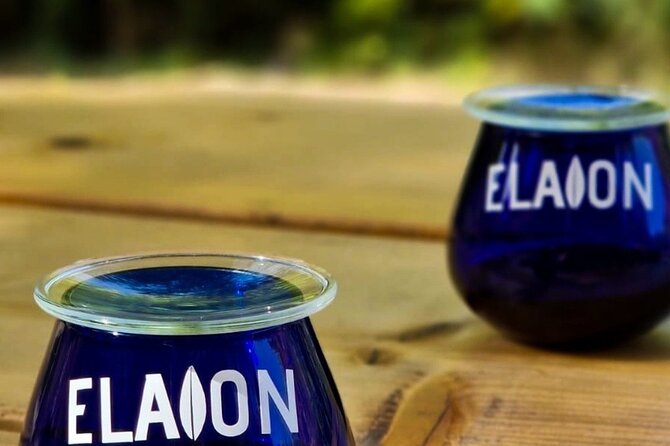
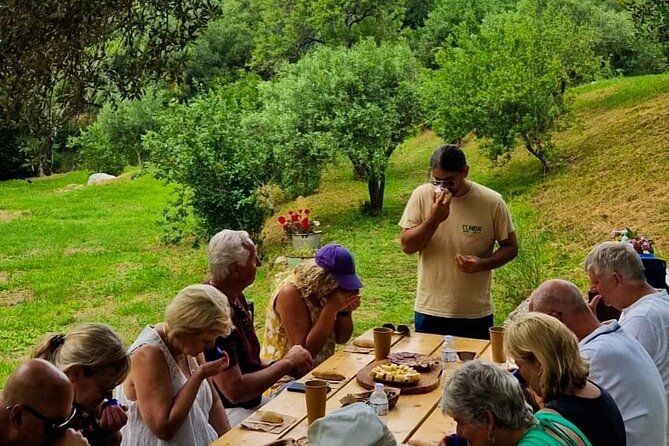
The tasting takes place in a private setting after the mill visit. You sample organic olive oil and learn to pay attention to it as a food, not just as a cooking ingredient.
That distinction is important. Many people use olive oil every day but have never compared oils carefully or thought about aroma, texture, freshness, and how the oil works with food. The tasting gives you a chance to connect the earlier explanations about trees and pressing with what you actually taste.
The tour does not list the number of oils or provide a formal tasting menu, so you should not expect a long professional tasting class. The emphasis is on understanding and enjoying the producer’s oil in a relaxed setting.
I would treat this as a good introduction for curious eaters rather than a technical course for industry professionals. You will learn why production methods matter, taste the oil directly, and have the chance to ask questions. The small group limit should help keep the conversation open.
Same olive country, a different way to taste it:
- Corfu: Shore & Shared – Palaiokastritsa, Lakones, Kratsalo
★ 4.9 · 137 reviews - Symphony of Flavors – Olive Oil & Food Pairing at Corfu Town
★ 4.9 · 66 reviews - Winery tour with Wine and Olive tasting in Corfu
★ 4.5 · 65 reviews - Corfu: Private Olive Oil Tasting with Guide
★ 4.9 · 62 reviews
The Corfiot meze is more than a snack
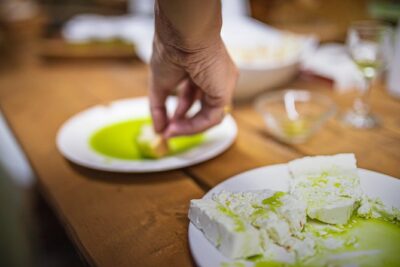
The final hour is built around food. You pair the olive oil with quality Corfiot products, including local meat cuts, seasonal vegetables, fruit, fresh bread, and olives. You can also have a glass of homemade wine or a soft drink.
This generous meze is one of the tour’s strongest features. It changes the visit from a short tasting into a relaxed meal, and it shows you how the oil works at the table. Fresh bread and olives are simple partners, but they make it easier to notice the oil itself. Vegetables and meat offer a wider range of textures and flavors.
The menu is described by category rather than by exact dishes, and seasonal vegetables suggest that the selection may vary. That is a positive sign if you want local food rather than a fixed tourist menu, but it means you should not book expecting a specific plate. If you have allergies or dietary restrictions, contact the operator before the tour.
The homemade wine is another local touch, though a soft drink is available. Since the activity begins at 10:00 a.m. and lasts around three and a half hours, the meal arrives closer to midday. Plan it as lunch, not as a small bite before lunch elsewhere.
How Jonathan shapes the experience
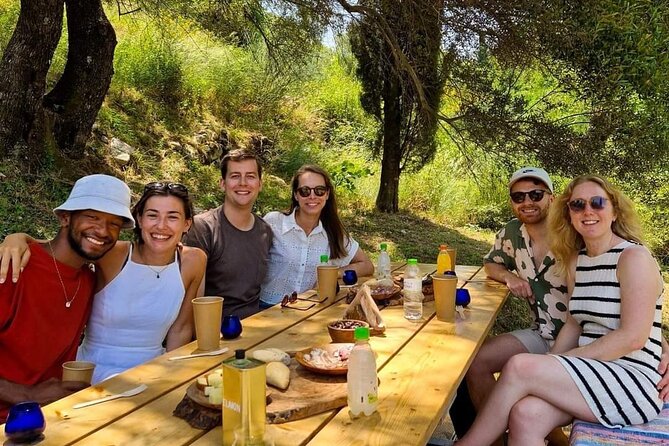
The guide’s name appears as Jonathan, with one reference spelling it Johnathon. More important than the spelling is his role in the visit. He is presented as someone closely connected with olive growing, family production, and the effort required to preserve the business.
That personal story is a major reason this tour has such strong appeal. You get the technical side of olive oil, but you also hear about the people behind it. Jonathan’s style is described as humorous and engaging, which should help keep the walking, machinery, and tasting connected rather than feeling like separate demonstrations.
I would expect a conversational tour rather than a scripted lecture. That works especially well for a group capped at 12. You can ask about varieties, production, family history, and the practical challenges of maintaining traditional methods.
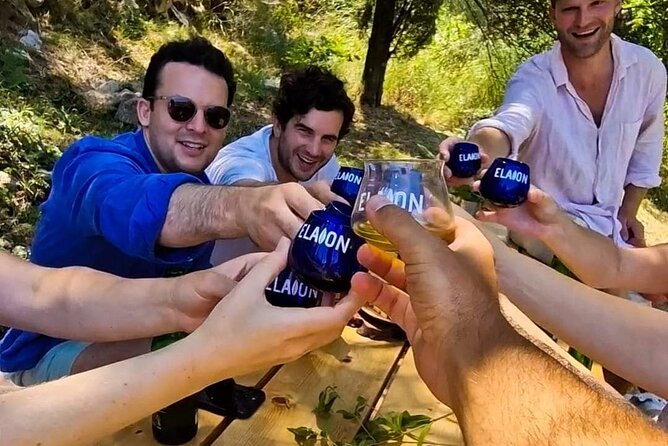
The group size also matters at the meal. Twelve is not private, but it is small enough to avoid the feel of a large bus outing. If you enjoy asking questions or prefer meeting a few people over a shared table, this format should suit you.
Price, timing, and the real value
At $74.98 per person, the tour is not the cheapest way to taste olive oil in Corfu. It lasts about three and a half hours and includes the grove walk, the mill visit, the private oil tasting, and a substantial food pairing with wine or a soft drink.
I think the value depends on what you want from a food tour. If you only want a spoonful of oil and a quick explanation, the price may feel high. If you want transport-free access to a traditional village setting, a guided walk, a historic mill, a producer-led lesson, and a meal of local foods, the cost is easier to justify.
The maximum group size of 12 improves the value because the experience is more personal than a large coach excursion. The meal also matters. You are not paying only for a tasting. You are setting aside half a day for a local food experience that includes several stages.
The timing needs careful planning. The meeting point is Loutses 1, Loutses 491 00, Greece, and the tour ends back there. No pickup is included with this booking. The activity is near public transportation, but the information does not specify the exact route or service frequency, so confirm your connection before making plans.
If you are arriving by cruise ship, the approximately 50-minute distance from Corfu Port is the key warning. Add time for the return trip and any port security or boarding requirements. This is not a sensible choice if you have a tight same-day departure and no margin for delays.
Who should book this Corfu olive tour
I would recommend it to anyone who enjoys food with a strong local connection. You get the plant, the press, the producer, and the table, all in one outing.
It should suit couples, families with older children, food-focused visitors, and anyone interested in traditional farming. Most people can participate, and service animals are allowed. The group limit also makes it a reasonable option for solo visitors who want a social setting without joining a large crowd.
It may be less suitable if you dislike walking, need a fully specified accessible route, or want a short activity close to the port. It is also not the best fit for a person who wants a formal wine-and-oil certification session. The information points to a relaxed, educational visit with a meal, not an advanced professional course.
The tour is offered in English. If you need another language, this activity may not meet your needs.
A useful extra stop near Loutses
One especially helpful suggestion is to drive up the road to Old Perithea after the tour. This is not listed as part of the olive experience, so you need to arrange it separately and allow extra time.
Still, it can make sense as a northern Corfu day plan. The olive tour ends where it began, giving you the option to continue exploring rather than returning immediately. Check your route and transport arrangements in advance, especially if you are using public transportation.
Booking and cancellation points to remember
You receive confirmation when you book, and the activity is normally reserved well ahead of time, with an average booking lead of about 24 days. That is useful evidence that you should not leave it until the last minute during busy periods.
The booking is non-refundable and cannot be changed for any reason. The exception is poor weather. If the operator cancels because conditions are unsuitable, you receive the option of another date or a full refund.
That policy makes flexible planning important. Choose the date carefully, confirm your route to Loutses, and avoid booking it immediately before a flight, ferry, or cruise departure.
Should you book the North Corfu Olive Tour?
Book it if you want to understand Corfu through food, farming, and family tradition rather than through a quick city stop. The combination of old olive trees, an early-19th-century mill, Jonathan’s personal explanations, and a generous Corfiot meze gives the tour a clear sense of purpose.
Skip it if you need port pickup, have very limited time, or want a fully formal tasting course. The $74.98 price is fair for a three-and-a-half-hour small-group outing with food, but only if you can manage the trip to Loutses.
For most food-minded visitors with a free morning, I would make the booking. Just plan the transport first. The olive oil is the headline, but the real reward is seeing how the trees, the mill, the producer, and the meal fit together.
FAQ
Where does the olive tour begin?
The tour begins at Loutses 1, Loutses 491 00, Greece.
What time does the tour start?
The scheduled start time is 10:00 a.m.
How long does the experience last?
The tour lasts approximately three hours and 30 minutes.
Is pickup from Corfu Port included?
No. This booking does not include pickup.
How far is Loutses from Corfu Port?
The meeting point is approximately 50 minutes from Corfu Port.
What language is the tour offered in?
The tour is offered in English.
How many people can join the tour?
The activity has a maximum of 12 participants.
What food is included?
The meze includes Corfiot meat cuts, seasonal vegetables, fruit, fresh bread, olives, and olive oil. You can also have homemade wine or a soft drink.
Is the tour suitable for most people?
The provided information says most people can participate. If you have specific mobility needs, ask about the walking route before booking.
What happens if bad weather cancels the tour?
If poor weather causes the cancellation, you are offered another date or a full refund.
Freshly pressed around Corfu
- Corfu Organic Olive Oil Tasting at Family Farm★ 5.0 · 5 reviews
- Bus Trip with Swim to Paleokastritsa and Olive Oil Museum★ 5.0 · 3 reviews
- Hiking in the Olive Groves,Villages,Sunset,with Swim Stop★ 5.0 · 8 reviews
- Corfu: Hiking in Olive Groves,Village,Sunset,with Swim Stop★ 5.0 · 13 reviews
- Wine Tour and Olive Tasting- Small Group Tour★ 3.5 · 14 reviews
- Exclusive Olive Oil Tasting in Corfu Old Town★ 5.0 · 15 reviews
- Symphony of Flavors – Corfu Old Town Food and Olive Oil Tasting★ 5.0 · 17 reviews
- Cooking Classes and olive oil tasting.The real taste of Greece!★ 5.0 · 56 reviews
Corfu Olive Oil Tours, compared.
The Governor’s Olive Mill Tour with Olive Oil Tasting
Read our review →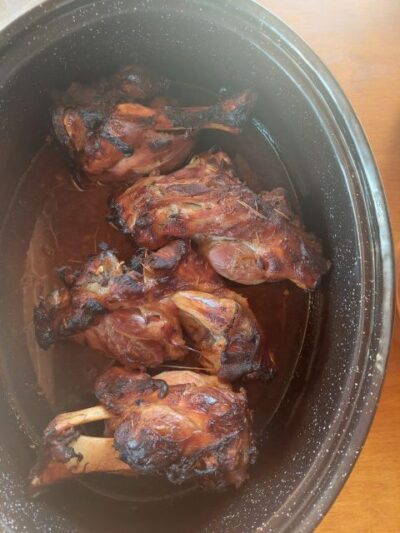
Corfu: Greek Cooking Class & Olive Oil Tasting
Read our review →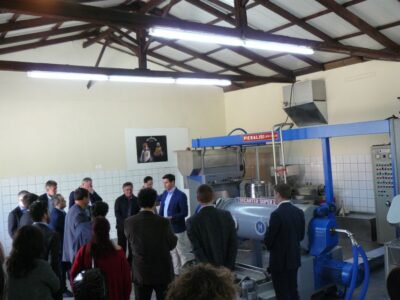
Corfu: Olive Oil Experience – The Governor’s Olive Mill
Read our review →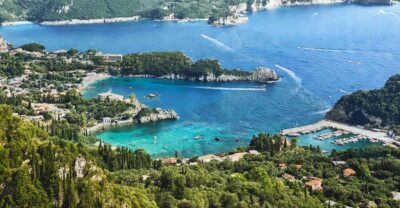
Corfu: Shore & Shared – Palaiokastritsa, Lakones, Kratsalo
Read our review →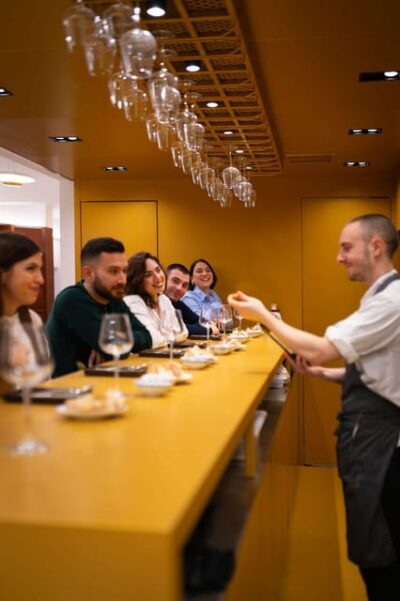
Symphony of Flavors – Olive Oil & Food Pairing at Corfu Town
Read our review →
Winery tour with Wine and Olive tasting in Corfu
Read our review →
Cooking Classes and olive oil tasting.The real taste of Greece!
Read our review →Other lists with this tasting on them