
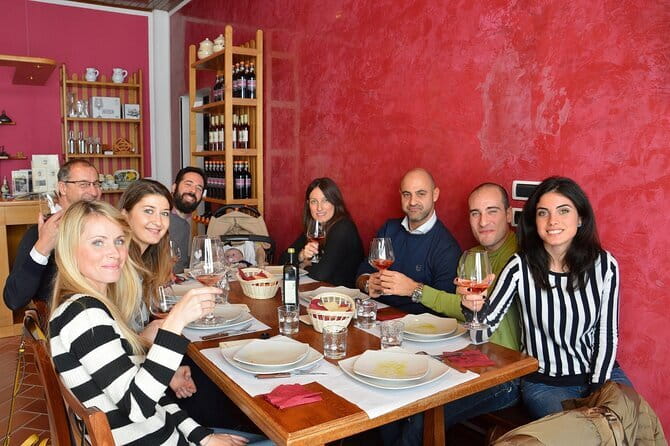
Review · FLORENCE
4 Wines & 2 Olive Oils Tasting in Chianti Winery with Tour
The most interesting part of this Chianti winery tour is its working character. Terre di Perseto is a family farm where wine is made on site, machinery is used, and harvest season can look more like a busy workshop than a polished museum. You’ll see barrels, production equipment, and the tools behind both wine and olive oil before sitting down to taste.
I like two things in particular: the tasting gives you four distinct wines, including a Chianti Classico Riserva, and the six bruschette let you compare two estate-made olive oils properly. The family welcome, with guides such as Benedicta, Mattias, Niccolò, and Daniel, adds a personal touch. The main consideration is that the cellar may look rustic or untidy, especially around harvest, so this suits you if you value real farm work over showroom polish.
Key points to know before booking
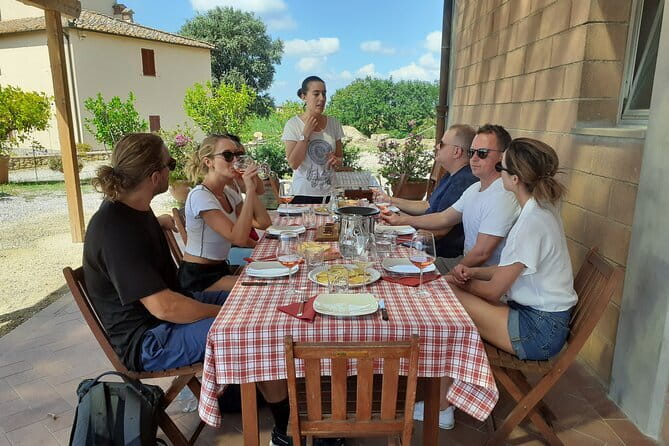
- Four wines in one sitting: Taste two IGT Toscana wines, one Chianti Classico, and one Chianti Classico Riserva.
- Two olive oils get their own tasting: Each oil is served on three pieces of toasted Tuscan bread per person.
- A real family winery: Terre di Perseto produces wine and oil on site, with family members involved in the farm.
- The cellar can be rough around the edges: Equipment, working tools, and even cobwebs may be part of the scene.
- Small and relaxed format: The maximum group size is 14 people, with tables in a dedicated tasting room.
- A vineyard walk may be available: Ask about the short walk if you want to see where the grapes are grown.
A working winery near Florence, not a film set
Terre di Perseto sits at Via di Perseto 4, near San Casciano in Val di Pesa, in the Chianti area outside Florence. The experience lasts about an hour and a half, making it a manageable half-day addition to a Tuscan drive or countryside outing.
The farm is family-run, and that matters here. The family has kept the operation going across generations, with Niccolò and Daniel Martelli among those carrying on the work after their grandfathers’ deaths in 2020. You may see family members tending the property, cutting brush, moving logs, or handling the ordinary jobs that keep a vineyard going.
That hands-on setting is part of the appeal. You are not simply walking through a decorated cellar with a few old barrels placed for effect. The wine is made on the property, and the machinery has a job to do. During harvest, the cellar can be especially active and cluttered, with presses, destemmers, tractors, and other tools positioned for use.
I would set your expectations clearly before you arrive. If you want spotless floors, manicured grounds, and a presentation designed mainly for photographs, this may not be your best choice. If you want to see how a small agricultural business actually operates, the rough edges help tell the story.
More Olive Oil and Wine Tastings in Florence
- Tuscany Bike Tour with Wine, Oil and Food in the Florentine Hills
★ 5.0 · 209 reviews - Florence: Tuscany Bike Tour with Wine & Olive Oil
★ 4.9 · 174 reviews - Florence: Great Chianti Wine and Olive Oil Trail with Lunch
★ 4.8 · 160 reviews
Starting with the winery tour
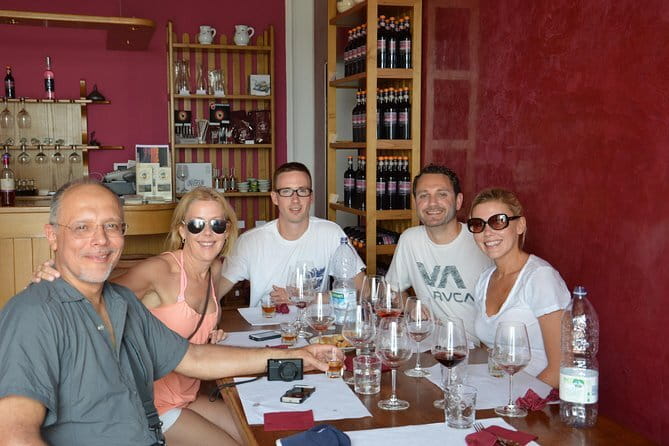
The experience begins when you arrive at the family property. You will be welcomed by a family member or one of the hosts, then taken through the winery and production areas.
The introduction covers the company’s background and what the farm produces today. You will also learn how grapes become wine and how olives become extra virgin olive oil. The tour includes the machinery and barrels used in production, so the explanations should feel tied to the objects in front of you rather than delivered as a general classroom talk.
Guides have included Benedicta, Mattias, Niccolò, and Daniel. The tone is casual and personal, and the family’s pride in the work is clear. Benedicta, in particular, has led relaxed explanations of both modern wine equipment and older tools from the past.
This part of the visit is valuable because it gives the tasting some context. A Chianti Classico is not just a red wine with a familiar name. It reflects the local growing area, the choices made in the cellar, and the time spent aging it. The same goes for olive oil. Learning about pressing and production helps you notice differences in freshness, pepperiness, and texture once the bread arrives.
One unusual detail is the winery’s traditional Vin Santo production. The barrels used for this dessert wine are kept sealed for at least 10 or 11 years. That explains why you might see cobwebs around some of the older equipment and barrels. To one person, this may look neglected. To another, it is evidence of a long-running traditional process. The farm makes no attempt to hide that working reality.
Four wines, from IGT Toscana to Chianti Classico Riserva
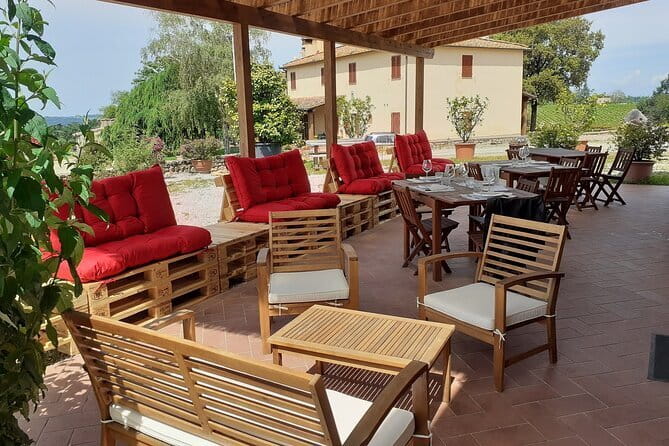
After the tour, you take a seat in the dedicated tasting room. Tables are provided, so this is not a stand-up sampling at a crowded counter. The smaller group size, capped at 14 people, should make it easier to ask questions and follow the explanations.
The tasting includes four wines:
- Two IGT Toscana wines
- One Chianti Classico
- One Chianti Classico Riserva
The two IGT Toscana wines give you a useful comparison with the Chianti Classico bottles. IGT Toscana is a broad regional designation, while Chianti Classico follows the rules of its defined production area and style. For you, the practical benefit is variety. You can compare the wines rather than spending the whole tasting on near-identical examples.
The Chianti Classico gives you the chance to taste a central Tuscan style, while the Riserva offers a version with additional aging requirements. The Riserva is a sensible highlight for anyone who already enjoys Italian reds, though you should not expect a formal wine course or a lengthy sommelier presentation. The focus is on accessible explanations, family production, and enjoying the bottles in front of you.
The tasting is paired with food, which is important. Wine on an empty stomach can make even a good experience feel hurried or uncomfortable. Here, each person receives six pieces of toasted Tuscan bread, called bruschette. The bread is divided equally between the two olive oils, with three pieces for each oil.
You may want to pace yourself. Four wines in 90 minutes is comfortable when you take small pours, eat the bread, and listen to the guide. Extra food, wine, liquor, and spirits may be available for an additional fee, but the included tasting already gives you a solid sample.
Comparing two estate-made olive oils
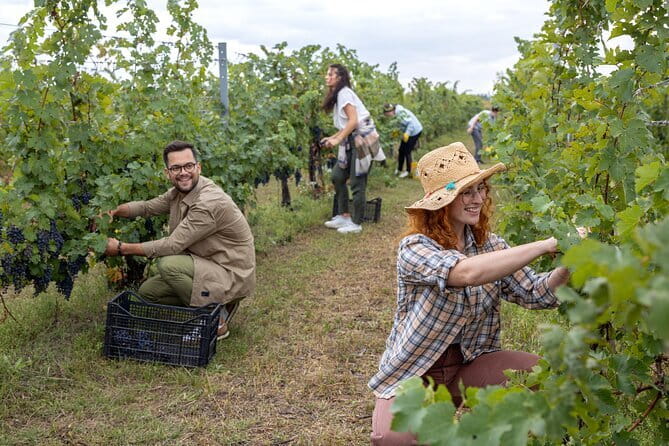
The olive oil tasting is more than a decorative extra. You receive bread seasoned with two different extra virgin olive oils produced by Terre di Perseto:
- Terre di Perseto Extra Virgin Olive Oil
- Terre di Perseto DOP Chianti Classico Extra Virgin Olive Oil
The DOP label identifies the protected Chianti Classico origin, while the other oil gives you a direct comparison from the same producer. Tasting both on plain toasted bread is a smart format because strong sauces or toppings would cover the differences.
You receive three bruschette with each oil. That is enough to taste slowly, compare the oils side by side, and return to one after trying the other. I like this structure because it gives the olive oil its proper place instead of treating it as a tiny sample beside the wine.
Do not expect tomato bruschetta or a large meal. The included food is toasted bread and oil. One person specifically wished for tomatoes, which is useful to keep in mind if you are arriving hungry. Think of the food as a generous tasting accompaniment, not lunch or dinner.
If you enjoy cooking, this part may be as useful as the wine. You can ask which oil works best for dipping, salads, or finishing a dish, then buy a bottle as a practical souvenir if sales are available. The supplied information confirms the oils are produced at the farm, but it does not specify purchase arrangements, so ask on the day.
More Olive Oil and Wine Tastings in Italy
- Florence: Private Vintage FIAT 500 with Wine & Olive Oil
★ 4.5 · 21 reviews - Florence: Vintage Fiat 500 Tour with Wine Tasting at Winery
★ 4.9 · 17 reviews - Florence: Great Chianti Wine and Olive Oil Trail with Lunch
★ 5.0 · 8 reviews - Amazing Lunch in organic Farm with Balsamic Vinegar Olive Oil truffle and Wine tasting Experience in Tuscany
★ 3.0 · 3 reviews
The possible vineyard walk
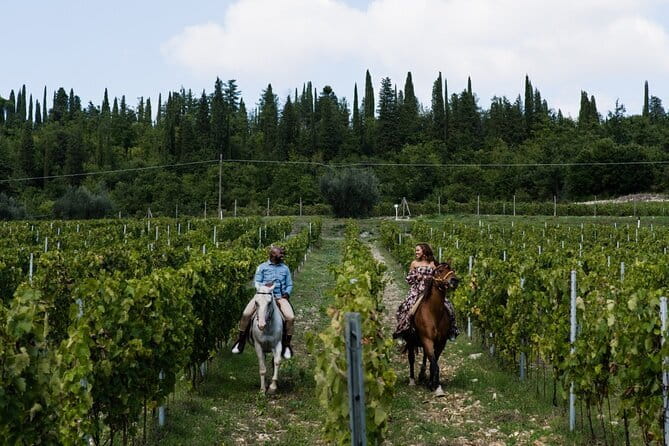
A short walk through the vineyards may be possible after or around the main experience. This is not presented as a guaranteed extended hike, so you should treat it as an optional addition rather than the main reason to book.
The walk helps connect the tasting room with the source of the wine. You can see the setting where the grapes are grown, rather than thinking of the bottles as products that begin only once they reach the cellar. It also gives you a chance to stretch your legs after sitting at the tasting table.
The property is part of a large family agricultural operation, described in one account as covering about 100 acres. That does not mean you will walk across the whole farm. The visit remains short, and the exact route can depend on timing, weather, and what is happening in the vineyard.
If you arrive during harvest, the working activity may take priority. That can mean less tidy paths or a shorter walk, but it also gives you a clearer view of the season’s work. Ask the host early if the vineyard walk is available and how long it will take.
What the rustic setting means for your visit
The biggest point to understand is the difference between a working farm and a tourist attraction built to look like one. Terre di Perseto presents itself as a place where production happens every day. Tractors, presses, destemmers, barrels, and other equipment may be visible.
Some people will find that authentic and interesting. Others may see dirt, cobwebs, clutter, or worn equipment and feel the setting is not maintained to the standard of a grand Tuscan estate. Both reactions are understandable.
The cellar may be especially chaotic in September, during harvest. That is when equipment is in use and grapes are moving through the production process. If you visit then, you may see the winery at its busiest rather than at its most orderly.
I would choose this experience for the explanation and the family connection, not for polished architecture. The hosts are warm and willing to explain their work, and the tone is informal. Late arrivals have been handled with understanding, though you should still aim to reach the meeting point on time.
Price, timing, and who gets good value
At $43.21 per person, the price is reasonable if you want a compact introduction to wine and olive oil near Florence. You receive a tour, four wines, two estate-made oils, six bruschette, and roughly 90 minutes with a small group.
The value is strongest for people who would otherwise pay separately for several tastings. You are not only sampling Chianti. You are also comparing IGT Toscana wines, Chianti Classico, a Riserva, and two oils from the same farm.
The value is weaker if your priority is a grand estate, a long vineyard stroll, or a full meal. The included food is toasted bread with oil, and the vineyard walk is optional rather than guaranteed. Extra food and drinks cost more.
The meeting point is outside Florence at Via di Perseto 4, 50026 San Casciano in Val di Pesa. No transport from Florence is included in the information provided, so plan your route carefully. San Casciano is about a 50-minute walk from the farm according to one practical account, which makes walking from town an inconvenient choice for most people. A car, taxi, or organized ride is likely more sensible, but arrange your own transport based on your plans.
The experience is offered in English. Mobile tickets are accepted, and confirmation is provided at booking. Service animals are allowed, and most people can take part.
Who should book this wine tasting
I would recommend it to you if you want:
- A small family winery rather than a large commercial operation
- A short activity that fits into a day around Florence
- A direct comparison of wine and olive oil
- A relaxed setting with time for questions
- A working cellar where production equipment remains visible
- A tasting that includes both Chianti Classico and non-Chianti IGT wines
It also suits families with older children. One family brought a 16-year-old, who tasted the olive oil and smelled the wine rather than drinking it. The experience is not only about alcohol. The production tour and olive oil tasting offer something useful for non-drinkers too.
I would be more cautious if you want a formal tasting lesson, a large meal, or perfectly maintained grounds. This is not a substitute for a full-day Chianti wine route with several estates. It is a focused visit to one family farm.
Should you book Terre di Perseto?
Book this experience if you want to meet the people behind the bottles and see a winery that still functions as a farm. The four-wine lineup is well chosen, the two olive oils add real value, and the six bruschette make the tasting feel generous rather than token.
Skip it if you are likely to be disappointed by working equipment, harvest clutter, or a rustic cellar. The setting is honest, but it is not polished for show.
For the right visitor, that is the point. You leave with a better sense of how Tuscan wine and olive oil are made, not just how they are presented. At $43.21 and about 90 minutes, it is a practical choice for a small taste of Chianti near Florence, especially if you arrange reliable transport and arrive expecting a family farm rather than a palace.
FAQ
Where does the wine and olive oil tasting take place?
The experience takes place at Terre di Perseto, Via di Perseto 4, 50026 San Casciano in Val di Pesa, near Florence.
How long does the experience last?
The activity lasts approximately one hour and 30 minutes.
How many wines are included?
You will taste four wines: two IGT Toscana wines, one Chianti Classico, and one Chianti Classico Riserva.
Which olive oils are included?
The tasting includes Terre di Perseto Extra Virgin Olive Oil and Terre di Perseto DOP Chianti Classico Extra Virgin Olive Oil.
How much food is provided?
Each person receives six pieces of toasted Tuscan bread, with three bruschette served with each olive oil.
Is a vineyard walk included?
A short walk through the vineyards may be possible, but it is an optional part of the visit rather than a guaranteed extended walk.
Is the tour offered in English?
Yes. The experience is offered in English.
How large is the group?
The maximum group size is 14 people.
Is the winery suitable for non-drinkers or older children?
Most people can participate. A 16-year-old previously joined a family group, tasted the olive oil, and smelled the wine without drinking it.
Can I order extra food or drinks?
Extra food, wine, liquor, and spirits may be added for an additional fee.
Freshly pressed around Florence
- Leonardo Da Vinci’s wind mill visit and Organic olive oil tasting★ 4.5 · 12 reviews
- Chianti from Florence:PRIVATE Wine, Olive Oil Tasting in the Tuscan countryside★ 5.0 · 2 reviews
- Florence: Great Chianti Wine and Olive Oil Trail with Lunch★ 5.0 · 8 reviews
- Amazing Lunch in organic Farm with Balsamic Vinegar Olive Oil truffle and Wine tasting Experience in Tuscany★ 3.0 · 3 reviews
- Seggiano: Typical Tuscan Farm Tour with Olive Oil Tasting★ 5.0 · 4 reviews
- From Florence: Horseback Ride and Olive Oil and food tasting★ 4.3 · 8 reviews
- From Florence: Olive Oil Mill Tour and Tasting in Fiesole★ 3.3 · 10 reviews
- Florence: Olive Oil Tasting Experience★ 5.0 · 2 reviews
Olive Oil and Wine Tastings, compared.
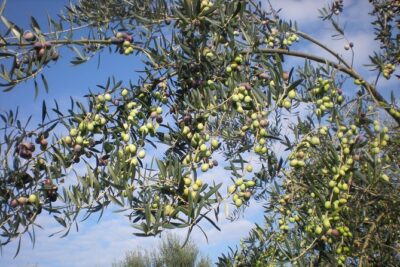
Sorrento Farm and Food Experience including Olive Oil, Limoncello, Wine tasting
Read our review →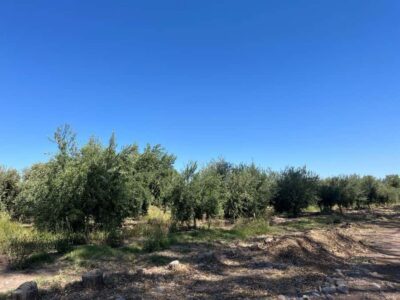
From Mendoza: 3 Wineries, Olive Oil Factory Tour & Tasting
Read our review →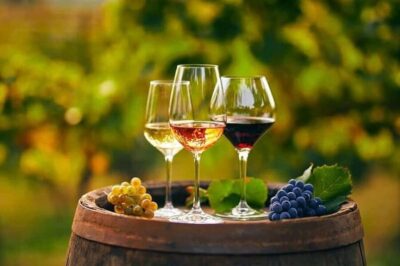
From Chania: Olive Oil, Wine, Cheese & Honey Tasting Tour
Read our review →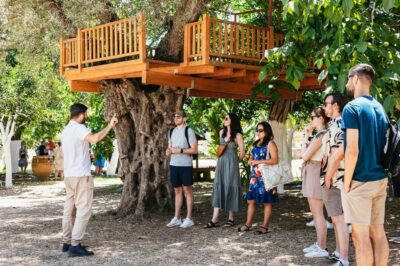
From Chania: Wine and Olive Oil Tasting Tour with Snacks
Read our review →
Athens: Acropolis Wine Tasting with Cheese and Olives
Read our review →
Sorrento: Lemon, Olive Oil and Wine Tasting Tour with Lunch
Read our review →
Alghero: Wine and Olive Oil Tasting at a Local Farm
Read our review →
Other lists with this tasting on them