Review · HERAKLION
Crete: Olive Oil, Soap, Wine, Raki – Flavorful Culinary Journey
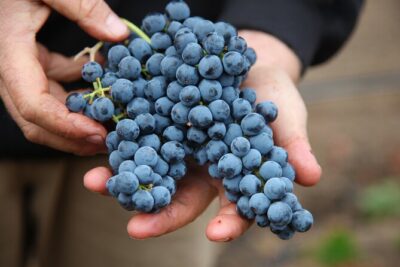
The best part of this Heraklion day tour is that it takes you inland, where Cretan food is still made by families and small producers. You will see olive oil production, taste local wine and raki, and watch a soap-making demonstration rather than simply sitting through another city tour. The day also brings you into contact with hosts such as olive producer Alex and raki maker Maria, whose businesses give the outing a personal feel.
I especially like the small-group format, which makes it easier to ask questions and chat with the people making the food and drink. I also like the traditional lunch, served at a local taverna and often described as one of the strongest parts of the day. The main drawback is the length and heat: lunch may not come until around 3 p.m., water is not always available at every stop, and some wine may be served warmer than wine lovers prefer.
What makes this Cretan food tour worth your day
- Fresh olive oil at a family-run mill: Taste several oils with bread and learn how olives become Crete’s everyday staple.
- Three indigenous wines: Sample local varieties and compare a small producer with a larger winery operation.
- Raki with a story behind it: Taste barrel-aged raki and learn why this spirit is tied to hospitality and friendship.
- Soap made from olive oil: Watch a family workshop turn a familiar Cretan ingredient into a useful household product.
- A local lunch in Peza Village: Expect shared plates, Greek salad, savory pies, potatoes, chicken or beans, and dessert.
- A social day without a giant bus: The maximum group size is 15, with some departures operating in smaller groups or two vans.
Heading inland from Heraklion
This is a six-hour countryside outing, not a quick tasting squeezed between major sights. Pickup is offered, and the exact time is sent by text message or email, so check your booking details carefully and watch for that message before the tour.
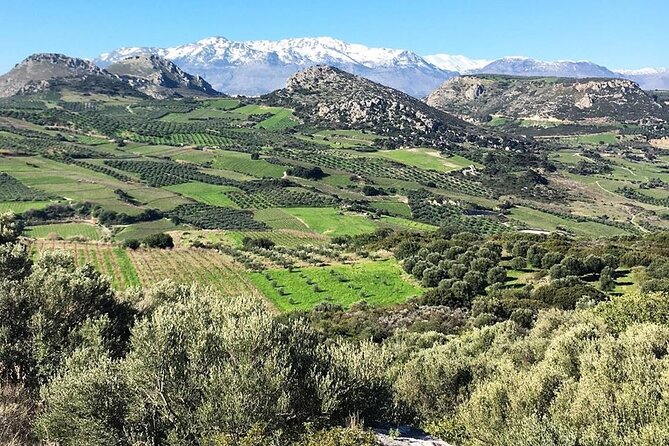
The drive leads away from Heraklion toward the wine country around Peza. The short transfers between stops help break up the day. Several people have described drives of roughly 10 to 15 minutes, with enough time to see the countryside without spending hours in a vehicle.
The social setup matters here. The maximum group size is 15, but some departures have been much smaller, including groups of five or eight. That can make a big difference at a family business. You are more likely to hear the owner, ask a follow-up question, or linger over a sample without being pushed to the back of a crowd.
Drivers and guides vary. Tony has been singled out for his island knowledge, friendly manner, and care with cruise-ship schedules. Eleni and Angelica have also led departures, sharing food suggestions and ideas for further exploring Crete. You cannot assume a specific guide will be assigned, but the operation clearly uses guides who do more than simply drive from stop to stop.
More Olive Oil and Wine Tastings in Greece
- Private Tour-Knossos Palace Zeus Cave Olive Oil Mill & Wine
★ 5.0 · 135 reviews - Crete: Olive, Wine, & Raki on a Flavorful Culinary Journey
★ 4.7 · 56 reviews - Semi Private Wine and Olive Oil tour (Transfer & Lunch Incl.)
★ 4.5 · 39 reviews
Olive oil, from tree to tasting glass
The olive mill is the heart of the day. Crete is covered with olive trees, but many visitors only see them from a bus window. Here, you get a closer look at the product that appears on nearly every Cretan table.
The visit explains how olives are processed into oil, with a tasting of several types served with bread. The tasting is simple, but it teaches you to notice the differences between oils. Look for the fresh, peppery quality of good olive oil, and pay attention to how the flavor changes when you taste it on its own instead of treating it as a background ingredient.
One olive producer also grows dragon fruit, an unexpected detail that adds a modern twist to a traditional farm visit. Samples may include olives, olive oil, dragon fruit, herbal tea, olive marmalade, and a yogurt dessert flavored with bergamot. These extras are not the core promise of the tour, but they show how small producers are finding new ways to use local land and products.
The setting can be intimate rather than polished. One account describes a small operation with no public bathroom, with use of the family home instead. That is worth knowing if you expect a sleek visitor center. The tradeoff is a more personal visit, but you should arrive ready for a working family business rather than a large commercial attraction.
The olive stop also offers a useful lesson in present-day Crete. Some producers are dealing with water shortages and the practical problems of farming in a hot climate. That context gives the tasting more meaning. You are not simply buying a bottle with a picturesque label. You are learning about a crop that shapes the island’s economy, diet, and daily life.
Wine country around Peza
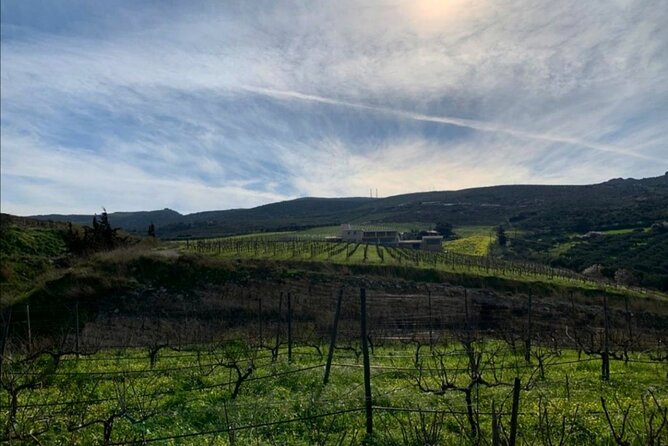
The wine portion can include a tiny family producer, a micro-winery, and a larger winery such as Titakis. That contrast is useful. At a small cellar, you may meet the owner, walk near the vines, and taste wine in an intimate setting. At a larger operation, you get a clearer sense of production on a broader scale.
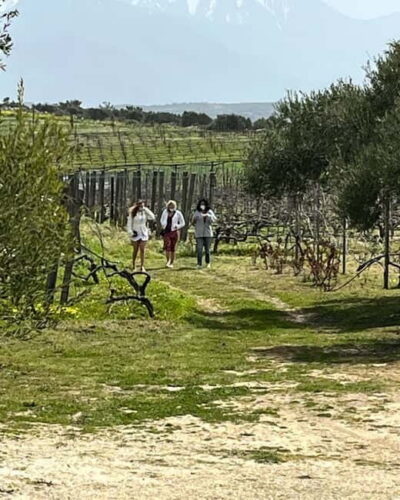
The tasting includes three indigenous Cretan varieties. Depending on the departure, the setting may include vines and a walk through the property. One account describes eating grapes straight from the vine, while another found the winery more factory-like, with only a small display of vines. Keep your expectations flexible. This is primarily a food-and-drink education day, not a scenic vineyard tour built around sweeping views.
Wine service has been uneven. Some people have found the tastings excellent, with cheese and crackers or other small pairings. One person found the wine too warm to enjoy, especially in hot weather. If you care deeply about wine temperature, this is a fair concern. Ask what is being served and drink plenty of water alongside the tasting.
The value here comes from variety. You may compare wine from a small family business with wine from a larger producer, then hear how local grapes are used in the region. That is more useful than tasting a single bottle with no explanation. The tour helps you understand that Cretan wine is not one fixed style, but a group of local traditions and producers.
Raki is more than a strong drink
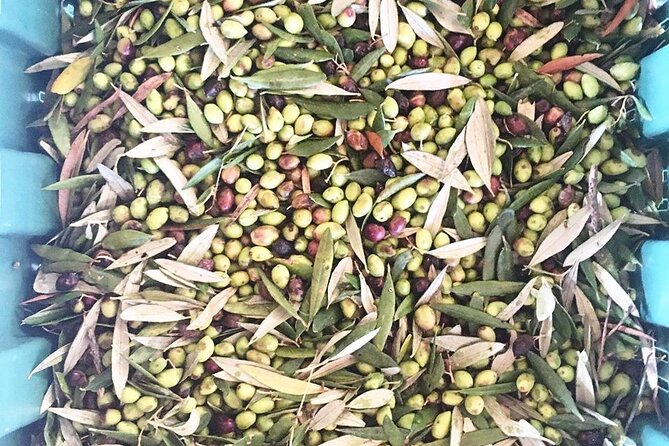
Raki, also called tsikoudia in parts of Crete, is made from grape pomace left after winemaking. The included tasting focuses on one barrel-aged raki, though some stops offer additional wines, liqueurs, or raki mixed with honey.
The raki distillery is usually a small family operation. The setting may be modest, but the host’s passion is part of the experience. You will learn how the spirit is produced and why it is offered so freely in Crete. Raki is not just a shot at the end of dinner. It is a way of welcoming people, marking a visit, and keeping conversation going.
The barrel-aged version should interest anyone who finds ordinary raki too sharp. It has more rounded notes from time in wood. Some departures also include a sweet raki and wine liqueur, which offer an easier introduction for people who are not used to high-proof spirits.
Pace yourself. This is a long day with several tastings, and the Cretan custom of offering one more sample can be generous. Eat the bread and small bites provided, and do not treat the tasting as a race.
More Olive Oil and Wine Tastings in Heraklion
- Semi Private Wine, Olive Oil, and Terroir Tour of Heraklion area with Tastings
★ 5.0 · 39 reviews - The valley of Zeus (Olive oil, wine tasting)-Knossos palace tour
★ 4.5 · 27 reviews - PRIVATE-Winery+Olive Oil Factory-Old Villages-Old Wind Mills
★ 5.0 · 26 reviews - PRIVATE-South Crete-Matala Beach-Olive oil- Wine-Old Villages
★ 5.0 · 19 reviews
The surprise of olive-oil soap
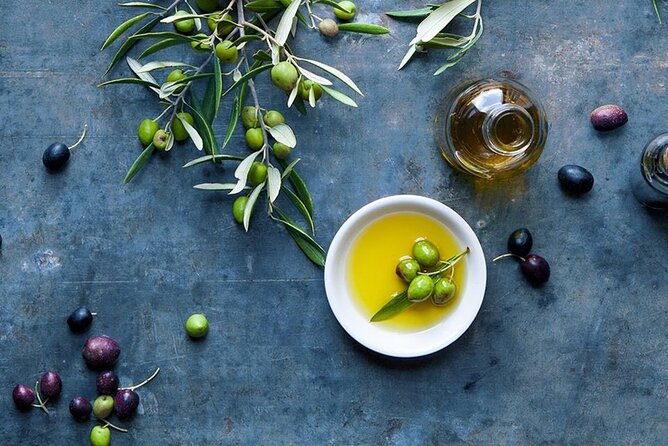
The soap workshop is easy to underestimate. It is not the famous stop in the title, yet it has surprised many people by being one of the most interesting parts of the day.
You will see how olive oil becomes handmade soap and watch a demonstration. The process connects a familiar product to an everyday craft. It also gives you a practical souvenir option. Bars of soap are light, inexpensive to pack, and easier to bring home than a large bottle of oil.
This stop is particularly good for anyone who enjoys making things, local crafts, or useful gifts. It also gives the day a break from drinking and tasting. If you have already visited several wineries in Crete, the soap workshop adds a different kind of activity.
Pottery has appeared on some departures, but it is not part of the listed core inclusions. Do not book this tour expecting a pottery visit. The dependable craft stop is the family-run soap workshop.
A late but generous Cretan lunch
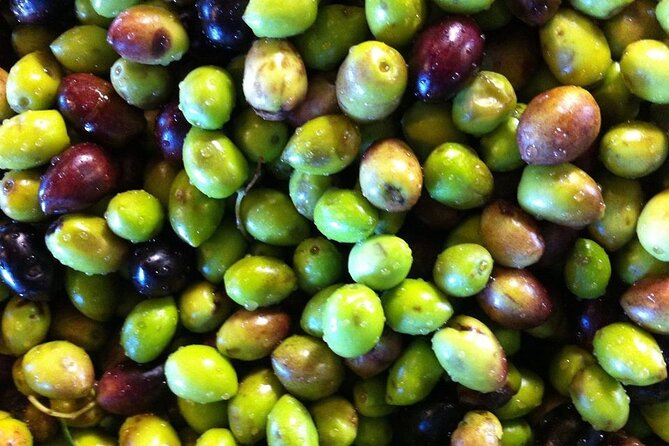
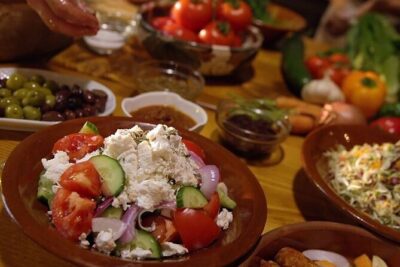
Lunch is served at a local taverna in Peza Village and is described as a traditional light lunch. In practice, the meal may include Greek salad, dips, bread, spanakopita, cheese pies, potatoes, chicken, stewed beans, and yogurt-based dessert. Vegetarian food has been available in the form of beans and potatoes.
The food is usually shared, which suits the social nature of the day. You sit with the group rather than receiving a formal restaurant meal designed around individual courses. One account compared the atmosphere to being welcomed into a grandmother’s kitchen. That is the right idea: simple local food, generous portions of shared dishes, and a family-style setting.
The meal is not a lavish feast, and the service can be a little loose. Dishes may arrive in an odd order, and the wine service may amount to one small glass rather than unlimited refills. The description of a light lunch is important. You should not skip breakfast.
Lunch may not arrive until about 3 p.m. Eat something before pickup, especially if you are joining during summer. Bring a refillable water bottle because water has not always been supplied at every stop. A fan, hat, and sun protection are sensible in hot weather.
The late lunch does have one advantage. By then, you have tasted the ingredients and drinks that make up the meal. The olive oil, wine, and raki stops give you a better sense of what is on the table, even if the meal itself is modest.
Group size, comfort, and mobility
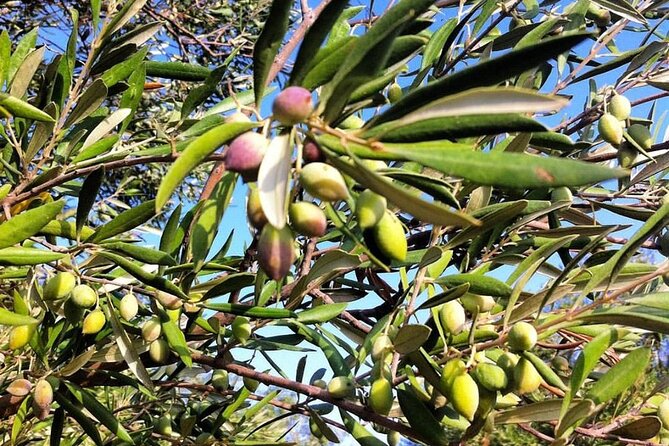
The maximum group size is 15. That is small enough for a more personal day, though the actual number can vary. Some groups have used two vans, which may improve comfort but can also mean that the quality of commentary differs between drivers.
Most people can participate, but this is not a wheelchair-accessible activity. The olive farm may require a walk of about 50 yards over uneven, sloping dirt. The winery can involve roughly 30 minutes of walking, stairs, and sloping surfaces. If you have mobility concerns, contact the operator before booking and ask about the exact stops for your date.
Getting into the van may require a high step, and interior handles or a step stool are not guaranteed. This is an important practical point for anyone with limited balance or knee trouble.
The walks are generally short enough that you will not be hiking all day. The bigger issue is the uneven ground, stairs, and summer heat. Wear stable shoes rather than sandals with poor grip.
Is the $111 price good value?
At $111.26 per person, the tour is not the cheapest way to taste Cretan food. But the price includes air-conditioned transport, pickup, the olive mill visit, oil tasting, three wine varieties, barrel-aged raki, the winery and distillery visits, soap demonstration, and lunch.
A private driver, separate winery visit, and meal would likely cost more, especially once you account for transport from Heraklion. The tour also saves you from navigating rural roads after drinking. That is a real benefit.
The value is strongest if you want several related experiences in one day. You see how olive oil is made, taste wine and raki, meet small producers, and eat a local meal without arranging each part yourself.
The value is weaker if you want a serious wine-focused tour, a grand vineyard setting, or a long stay in one village. The day is broad rather than specialized. You get an overview of Cretan food traditions, not an intensive course in winemaking.
Who should book this experience?
I would choose this tour if you want to get beyond Heraklion’s museums and beaches and spend a day meeting people who make local products. It is a good fit for couples, friends, solo participants, and anyone who enjoys food with a story attached.
It also works well for cruise passengers when pickup and return times are confirmed in advance. Tony, in particular, has been praised for watching the clock and getting people back to the ship on time. Still, enter your port and arrival details correctly. A booking with the wrong pickup area may be canceled if the operator cannot return you safely before departure.
You should think twice if you dislike group meals, strong spirits, uneven paths, or late lunches. Wine specialists may also want a more focused tasting with better temperature control. And if your idea of wine country means large estates and long vineyard walks, this experience may feel too practical and small-scale.
Booking details that matter
The tour is offered in English and confirms at booking. Pickup information is sent by text message or email, so check the phone number and email address you provide.
Free cancellation is available up to 24 hours before the start time. Changes or cancellations inside that window are not accepted for a refund. The tour needs a minimum number of participants, and if that minimum is not reached, you will be offered another date or experience, or receive a full refund.
Bring water, eat breakfast, wear comfortable shoes, and expect sun. If you want to buy olive oil or soap, carry a way to pay. One person found that the olive producer’s internet connection made card payment difficult, so cash may be useful for personal purchases.
Should you book the Olive Oil, Soap, Wine, Raki journey?
Book it if you want a broad, friendly introduction to Crete’s food culture and prefer meeting small producers over visiting major sights. The strongest parts are the personal hosts, fresh olive oil tasting, unusual soap workshop, and generous local lunch.
Skip it if you want a polished wine estate, a guaranteed specific guide, or a fully scheduled restaurant experience. The day can be hot, the lunch is late, and some details vary between departures.
For most people staying in Heraklion, this is a worthwhile use of one day. Bring water, eat breakfast, keep your expectations practical, and you will be ready for a tasty look at the Crete that exists beyond the coast.
FAQ
How long does the tour last?
The experience lasts approximately six hours.
Where does the tour take place?
It operates from Heraklion and visits countryside producers in the surrounding area, including Peza Village.
Is pickup available?
Yes. Pickup is offered, and the operator sends the exact pickup time by text message or email.
What is included in the price?
The price includes an air-conditioned vehicle, traditional light lunch, olive mill visit and olive oil tasting, one barrel-aged raki tasting, three indigenous wine tastings, a micro-winery and raki distillery visit, and a family soap-making demonstration.
How many people can join?
The maximum group size is 15 people. Some departures may be smaller.
Is the tour offered in English?
Yes. The experience is offered in English.
What food is served at lunch?
Lunch is a traditional light meal at a local taverna. Food may include Greek salad, shared dips, savory pies, potatoes, chicken or stewed beans for vegetarians, and a yogurt dessert.
Is the tour wheelchair accessible?
No. The activity is not wheelchair accessible and can include uneven sloping ground, stairs, and walking at the farm and winery.
Should I bring water and eat breakfast?
Yes. Lunch may not be served until around 3 p.m., and water is not always available at every stop. Bring your own bottle and eat before pickup.
What is the cancellation policy?
You can cancel up to 24 hours before the experience for a full refund. Cancellations or changes made less than 24 hours before the start time are not accepted for a refund.
More Olive Soap Workshops around Heraklion
- Afternoon Tour: Soap, Olive Oil & Wine Stories of Peza Village
★ 5.0 · 4 reviews - Afternoon: Tour Soap, Olive Oil, Wine Stories of Peza Valley
★ 5.0 · 2 reviews - Private Tour: Soap, Olive Oil & Lyrarakis Winery with Lunch
★ 4.5 · 15 reviews - Soap and Olive Oil Experience
★ 5.0 · 8 reviews
More Raki and Olive Oil Tastings around Heraklion
- Premium Cretan Olive Oil Tasting, Wine, Raki and Local Food Tour
★ 5.0 · 17 reviews - Wine Raki Olive Oil Tasting and Pottery – Private Tour
★ 5.0 · 13 reviews - Soap, Wine, Raki, Olive Oil, Meet the local Producers Tour
★ 5.0 · 4 reviews - Crete: Full-Day Cretan Wines, Olive Oil, Raki and Food Tour
★ 5.0 · 264 reviews
Freshly pressed around Heraklion
- Knossos Palace Lasithi Plateau Villages & Olive Oil Mill★ 5.0 · 9 reviews
- Spinalonga,Elounda,Ag.Nikolaos, Olive Factory Tour From Heraklion★ 4.0 · 2 reviews
- Cretan Flavors – Cooking Lessons and Wine Olive Oil Tasting★ 5.0 · 9 reviews
- Myths, Villages, & Olive Oil: Exploring Lassithi Plateau Secrets★ 5.0 · 2 reviews
- Heraklion:Olive & Dragon Fruit Farm Tour & Cretan Farmers Brunch★ 4.0 · 2 reviews
- Small Group Tour to Knossos Palace Lasithi Plateau & Olive Mill★ 5.0 · 3 reviews
- Afternoon Tour: Soap, Olive Oil & Wine Stories of Peza Village★ 5.0 · 4 reviews
- Olive Oil Festival in Cretan Farm with Traditional Dinner★ 4.5 · 11 reviews
Olive Soap Workshops, compared.
Private Tour: Soap, Olive Oil & Lyrarakis Winery with Lunch
Read our review →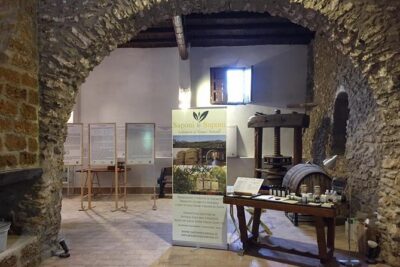
Soap Workshop, Olive Oil, Lyrarakis Winery and Lunch at Peza
Read our review →
Crete in a Day: Knossos, Soap Workshops, Olive Oil & Wine Tasting
Read our review →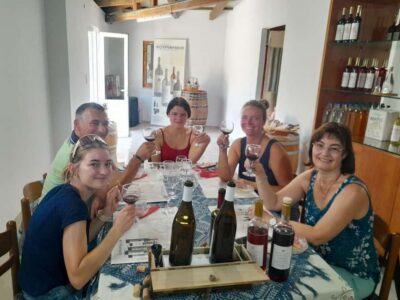
Soap, Wine, Raki, Olive Oil, Meet the local Producers Tour
Read our review →