
Review · GREECE
North Corfu: Olive Tour with Olive Oil Tasting and Mezze
Corfu’s olive groves are not just pretty scenery. They tell the story of the island, and this three-hour private tour gets you close to that story on foot. I like the visit to the early-1900s olive press, and I like that the tasting comes with a proper Corfiot mezze rather than a token sip and a sales pitch.
I also like the personal touch from Jonathan and Chrysa, who connect olive growing with family life, local customs, and the changing way oil is made. The main drawback is location: Loutses is about 45 minutes from Corfu Town and the port, and hotel pickup is not included.
Key points at a glance
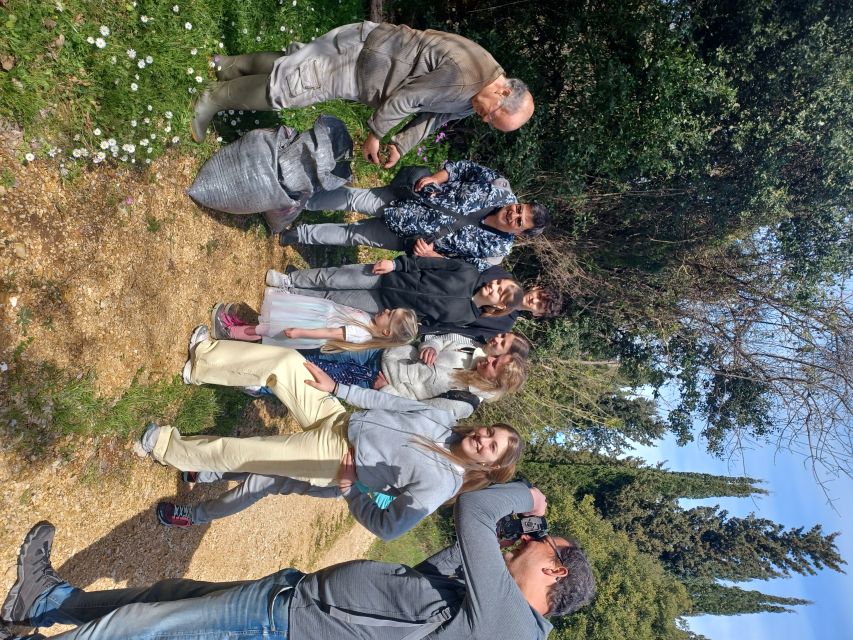
- Walk beneath generations-old olive trees: See the plants, wildlife, and farming setting that shaped northern Corfu.
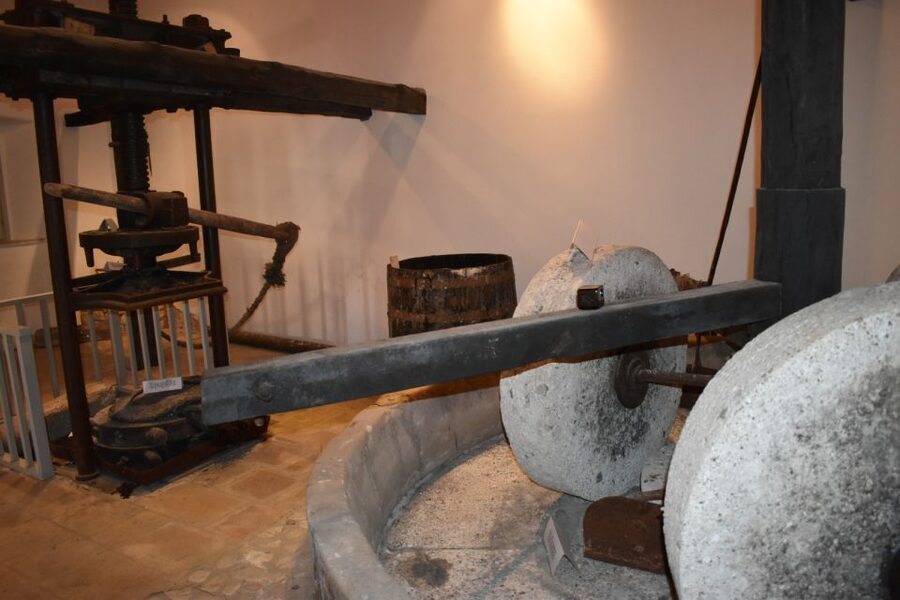
- Visit a traditional olive press: The small press dates from the early 1900s and shows how oil was made before modern equipment.
- Learn to judge olive oil: Jonathan explains quality, grades, and tasting in a practical way.
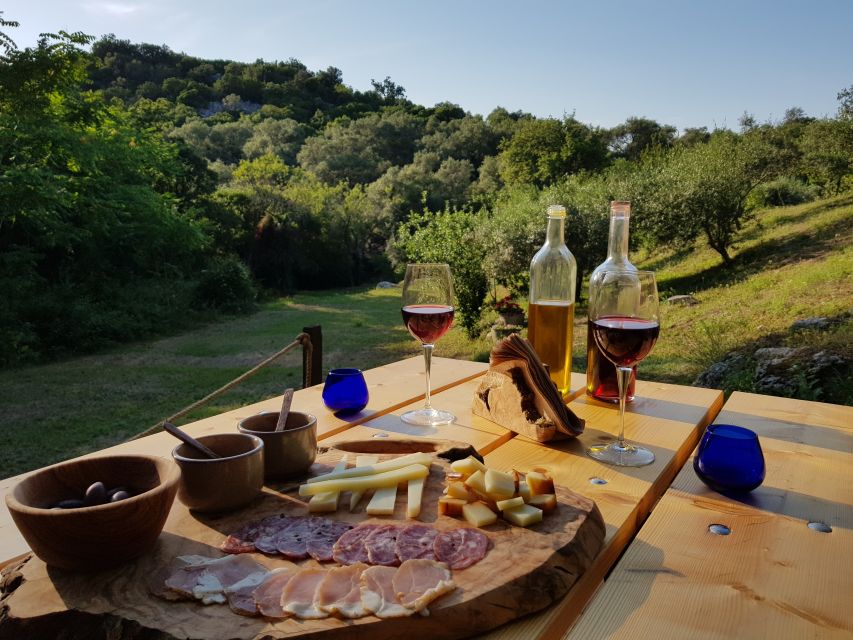
- Finish with a real mezze: Expect Corfiot olives, bread, cheese, and other local products.
- Plan for your own transport: Meet in Loutses, opposite the Xatzos taverna, with free private parking available.
- Allow three hours: Two hours are spent on the guided walk and olive press visit, followed by about an hour of food and oil tasting.
Why an olive tour makes sense in Corfu
Corfu is strongly tied to olive growing. You see the trees all over the island, but it is easy to pass them without understanding what they mean. This experience gives you a useful key to the countryside: the old trees, the harvest, the press, and the bottle of oil on your kitchen table all become part of one story.
The tour begins with the ecosystem of the Corfiot olive grove. That wording matters because the walk is not only about farming. You learn about the perennial olive trees, the varieties found in the area, and the plants and animals that share the grove.
I would choose this activity if you want something slower and more rooted in local life than another town walk or beach stop. It suits people who like food, farming, family traditions, and small-scale production. It is also a good break from sightseeing in Corfu Town, though you need to be willing to make the trip north.
The experience is described as private, and the information provided says group sizes are relatively small. That makes a difference here. An olive tasting works better when you can ask questions, smell and taste at your own pace, and hear the guide clearly while standing beside old equipment.
More Olive Oil Tours around Greece:
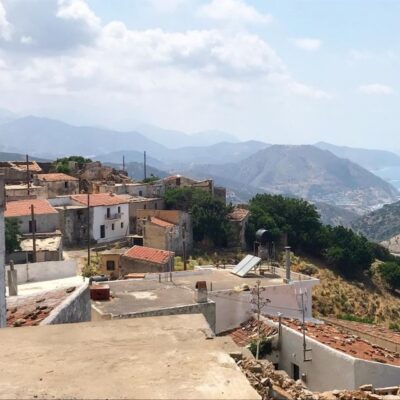
- Crete: Quad Safari, Olive Mill with Tasting & Ghost Village
★ 4.9 · 1,004 reviews - Knossos-Zeus Cave -Old Traditional Villages-Olive Oil Factory
★ 5.0 · 694 reviews - The Governor’s Olive Mill Tour with Olive Oil Tasting
★ 5.0 · 502 reviews
Finding the farm in Loutses
Your meeting point is in the village of Loutses, opposite the small taverna called Xatzos. The olive grove does not appear on maps, so use the supplied map link and look for the sign pointing toward the grove once you arrive.
This is one of those places where a few minutes of planning saves frustration. Do not rely on a map pin alone. The local sign is part of the final approach, and free private parking is available.
The farm is in northern Corfu, roughly 45 minutes from Corfu Town and the port. Hotel pickup and drop-off are not included, so you need to arrange your own way there. That makes this a better fit for people with a rental car or another planned means of reaching Loutses.
The distance is also part of the experience. You are leaving the main urban center and reaching a rural village where the olive grove is part of daily life. Still, check your timing carefully if you are trying to fit this between a cruise arrival, ferry connection, or another fixed appointment.
Walking through the Corfiot olive grove
The first two hours focus on the grove, its history, and the old press. You walk through a green setting with a guide who explains how olive cultivation developed from the distant past to the present.
Jonathan is the main guide named in the available details, and his role seems to be central to the experience. His explanations cover both the old methods and current oil production. He also connects the grove to the broader history of Corfu, which gives the walk more meaning than a simple introduction to farm plants.
One especially interesting point is the age of the trees. You can see an olive tree that has lived through several generations. That changes how you look at the grove. These are not quick-growing garden plants planted for a single season. They are long-term family assets, shaped by repeated harvests and local care.
You also learn about the different flora and fauna in the area. The information is not specific enough to promise a particular animal or plant sighting, so I would treat that part as an observation walk rather than a wildlife tour. Bring your curiosity, but do not expect a formal nature survey.
The setting may be the strongest part for people who want a sense of real Corfu. You are not only hearing about olive oil indoors. You are seeing the trees that produce it and walking through the place where the work begins.
The early twentieth-century olive press
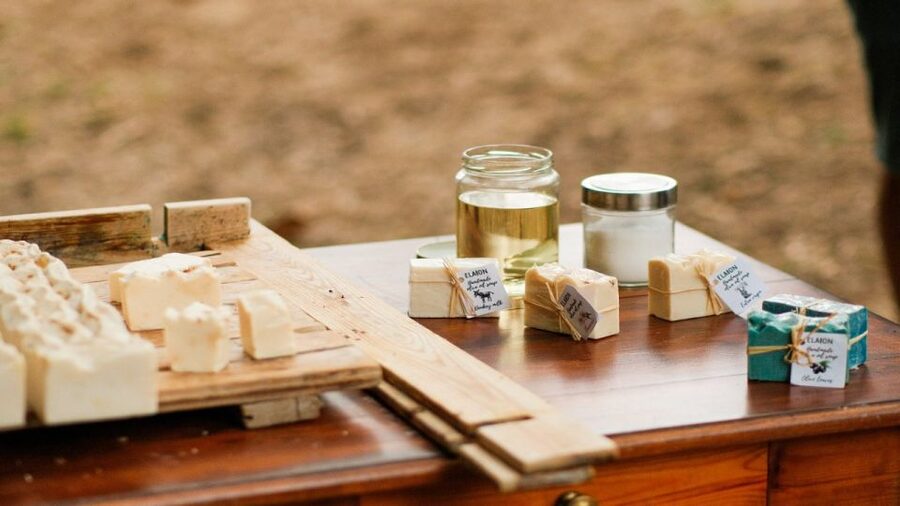
The walk leads to a small traditional village and the provider’s own olive mill and press. The press dates from the early 1900s, offering a clear link between present-day production and older Corfiot methods.
This stop gives the tour its strongest historical object. A bottle of oil can feel abstract in a shop, but a traditional press shows how much labor and equipment once stood behind it. You can better understand the shift from older production to modern methods because the guide explains the process in the same place where it happened.
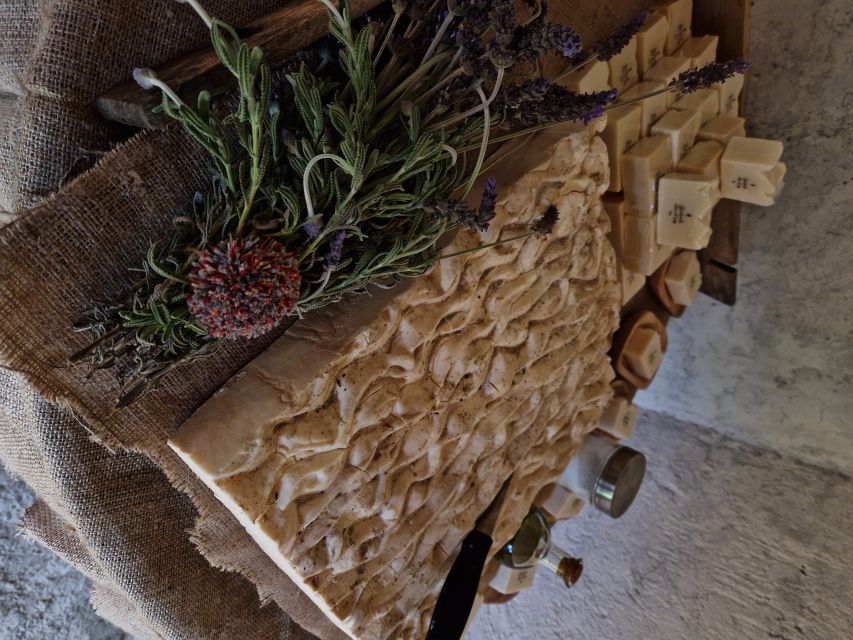
You also learn about olive oil soap. That detail is easy to overlook, but it shows how useful the olive harvest could be. Olive production was not limited to food. Oil and its byproducts could support household goods such as soap, too.
The press is not presented as a large industrial attraction. That is a plus if you prefer family-scale history to a commercial factory tour. It also means you should keep your expectations realistic. The value lies in the guide’s explanation, the age of the equipment, and the connection to local tradition, not in a long list of machines or a polished museum display.
Same olive country, a different way to taste it:
- From Chania: Olive Oil, Wine, Cheese & Honey Tasting Tour
★ 4.6 · 490 reviews - Crete: Road-trip to Lasithi, Zeus Cave & Olive Mill Farm
★ 4.4 · 451 reviews - Heraklion: Olive Farm Tour with Tasting of Local Delicacies
★ 4.9 · 411 reviews - Lassithi, Zeus Cave, Olive Mill Farm & Knossos Combo Tour
★ 4.6 · 404 reviews
Tasting olive oil the useful way
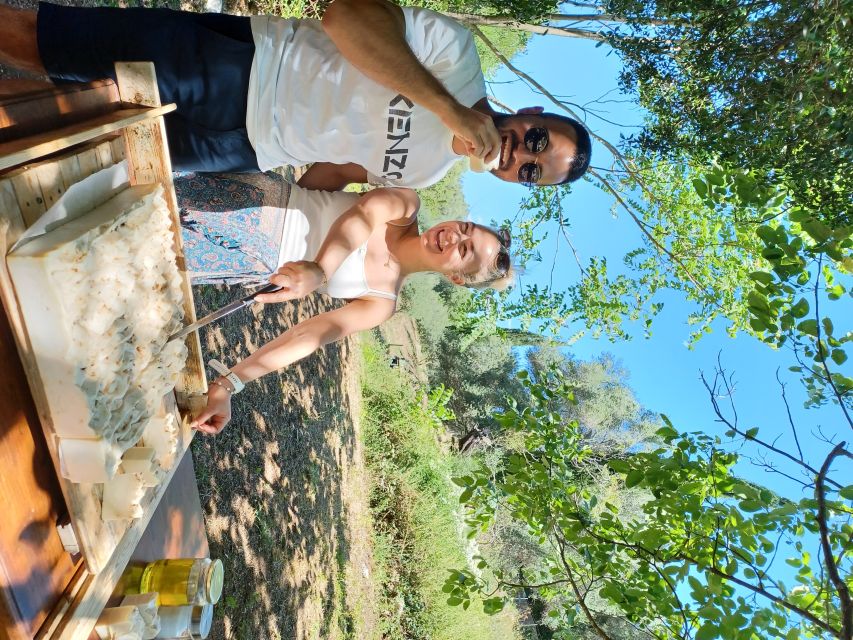
The olive oil tasting follows the walking portion. This is more than a chance to sample a local product. Jonathan explains the different grades of olive oil and how to recognize quality, giving you a way to make better choices after you return home.
I like this practical focus. Many people use olive oil every day but have never stopped to consider what they are tasting. The experience helps you compare aroma, flavor, and overall quality instead of treating every bottle as the same.
Several people who took the tour described the tasting as a turning point. They said the local oil tasted very different from the oil they had used at home and that they learned how to spot better quality. That is useful knowledge because it follows you beyond Corfu. You can apply it in a grocery store, at a restaurant, or when choosing an edible souvenir.
The tour also presents oil grades, so you get some basic vocabulary for understanding what you buy. The supplied details do not specify exactly how many oils are sampled or which varieties are poured, so I would not expect a formal professional tasting with a fixed lineup. Think of it as a guided introduction led by someone deeply involved in production.
Jonathan is also described as the owner of the farm and someone committed to preserving the traditions of olive producers. That personal connection is important. You are learning from someone tied to the work, not simply following a script about Greek food.
Mezze under the olive trees
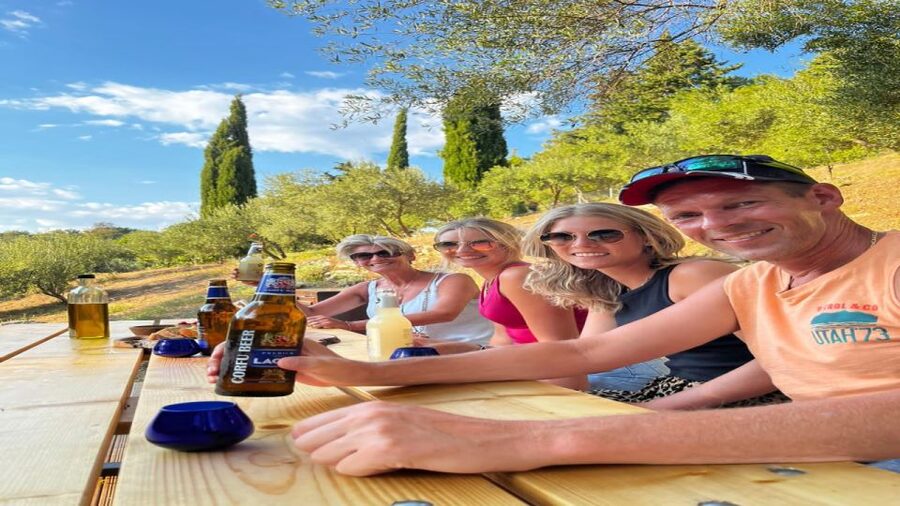
The final hour is given to food and wine tasting, with a Corfiot mezze made from local products. The stated foods include olives, bread, cheese, and more. Other details from the experience include local meats, dolmadakia, and local wine.
This is not an afterthought. The mezze gives you a chance to sit with the food culture you have just heard about. You have seen where olives grow, learned how oil is made, tasted the oil on its own, and then used it in the setting of a shared local meal.
The setting beneath the olive trees adds to the pleasure. It is a relaxed way to end the tour, and it gives you time to talk with the hosts and other people in the group. Several accounts singled out the food as delicious and noted that the products were sourced locally.
That local sourcing has real value. The meal supports nearby producers and gives you a clearer idea of what Corfiot food tastes like than a generic restaurant platter might. The available information does not promise a full lunch or cater to every dietary need, so you should ask the provider in advance if you have allergies or strict food requirements.
You can also buy olive oil and creamy olive-oil soaps in the small shop. That makes sense if you want a useful souvenir. One practical point: the details confirm that these products are available for purchase, but they do not state shipping options or online ordering, so plan to buy during your visit if you want to take them home.
Is $64 a fair price?
At $64 per person, this is not the cheapest way to spend three hours in Corfu. The value depends on what you want from the day.
The price includes a guide, access to the olive mill and press, the oil tasting, and the Corfiot mezze. It also covers a small-scale experience on a family farm rather than a quick commercial tasting. If you care about local food and want the story behind the product, the combination makes the price reasonable.
The strongest value comes from the personal instruction. You are not simply paying for a plate of olives and a taste of oil. You are paying for the walk, the explanation of older and newer production, access to the press, and a meal that puts the lesson into practice.
Still, the cost will feel high if you only want a short tasting or if you are already booking several food activities. The drive from Corfu Town adds time and possibly transport costs. I would book it for the complete experience, not just for the food at the end.
Who will enjoy this most?
I would recommend this tour to:
- People interested in Greek food and farming
- Couples looking for a calm, personal activity
- Families who can manage a three-hour walking and tasting experience
- Visitors staying in northern Corfu
- Anyone who wants to buy local oil or soap with a better understanding of how it is made
- Repeat visitors who want to see a quieter side of the island
It is less suitable if you have only a short stop in Corfu Town, do not have a practical way to reach Loutses, or want a large museum with extensive indoor exhibits. The walking portion also means you should be comfortable spending time outdoors in an olive grove.
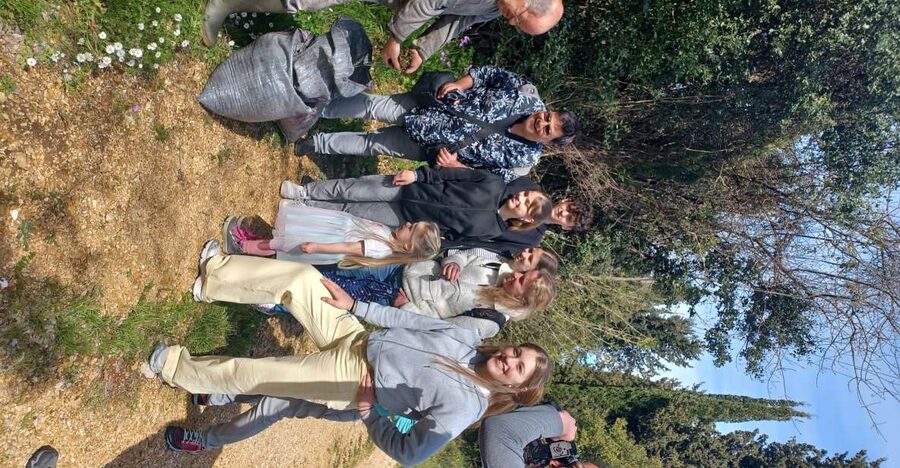
The tour is conducted in English. Jonathan and Chrysa are repeatedly described as warm, funny, attentive, and easy to follow, and Jonathan receives especially strong praise for explaining oil production with real enthusiasm. That matters because the subject can become technical. A good guide keeps the information lively and tied to things you can see and taste.
The experience also has a personal side. One couple chose the olive grove as the place to propose, which tells you something about the atmosphere, though you should not expect the activity to revolve around romantic staging. It is still an educational farm visit first.
Timing, booking, and practical details
The total duration is three hours. About two hours are devoted to the guided walk and olive press, followed by about one hour for the tasting and mezze.
Starting times depend on availability, so check before booking. You can cancel up to 24 hours in advance for a full refund, and you can reserve now and pay later, which is useful when your Corfu schedule is still shifting.
Use the provided map link to reach the meeting point in Loutses. Look for the Xatzos taverna and the sign toward the olive grove. Free private parking is available, but hotel transportation is not.
I would allow extra time for the drive, especially if you are coming from Corfu Town or the port. The provider says the journey is about 45 minutes from those areas, but road conditions and your starting point can affect the total time.
Should you book the Loutses olive tour?
Book it if you want to understand Corfu through one of its defining products. The old press, the generations-old trees, the hands-on tasting, and the locally sourced mezze create a clear three-hour story from grove to table.
I especially recommend it to people who normally buy olive oil without knowing how to judge it. You will leave with a better sense of quality, plus the chance to take home oil or soap from the farm.
Skip it if you are based in Corfu Town with no transport, have a packed schedule, or want a quick, low-cost food sample. For everyone else, the combination of local setting, small-scale hosting, practical food knowledge, and a satisfying mezze makes $64 a fair price for a distinctive northern Corfu experience.
FAQ
Where does the olive tour meet?
Meet in the village of Loutses, opposite the small Xatzos taverna. A sign points toward the olive grove because the grove does not appear on maps.
How far is Loutses from Corfu Town?
Loutses is approximately 45 minutes from Corfu Town and the port. Hotel pickup and drop-off are not included.
Is parking available?
Yes. Free private parking is available at the meeting area.
How long does the experience last?
The tour lasts three hours. The guided walk and olive press visit take about two hours, followed by one hour of olive oil tasting and Corfiot mezze.
What food is included?
The mezze includes Corfiot products such as olives, bread, cheese, and other local foods. The supplied details also mention local meats, dolmadakia, and local wine.
What language is the tour conducted in?
The live tour guide speaks English.
Freshly pressed around Greece
- Private Tour in Historic Estate in Monemvasia with wine-olive oil tasting & meal★ 5.0 · 4 reviews
- Olive Facility Visit with Olive Oil Tasting Session★ 5.0 · 2 reviews
- SYSTASIS Olive Oil Tasting Experience in Ermioni Greece★ 5.0 · 4 reviews
- Olive Oil Tasting at the Mykonian Farm★ 4.5 · 3 reviews
- Olive Oil Tour close to Nafplio★ 4.5 · 3 reviews
- Olympia Shore Ex: Premium Private Package -Tickets & Olive Market★ 4.5 · 5 reviews
- WIne & Olive Oil Tasting in an Organic Farm in Laconia, Greece!★ 5.0 · 2 reviews
- E-Bike Kalamata Olive Routes★ 5.0 · 10 reviews
Greece Olive Oil Tours, compared.
Crete: Quad Safari, Olive Mill with Tasting & Ghost Village
Read our review →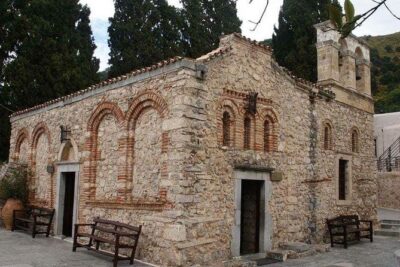
Knossos-Zeus Cave -Old Traditional Villages-Olive Oil Factory
Read our review →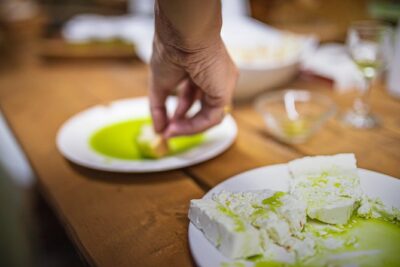
The Governor’s Olive Mill Tour with Olive Oil Tasting
Read our review →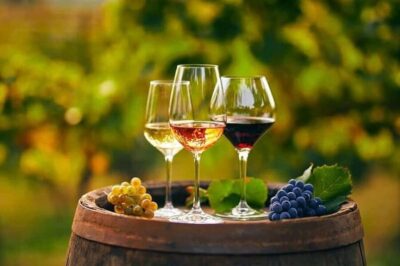
From Chania: Olive Oil, Wine, Cheese & Honey Tasting Tour
Read our review →
Crete: Road-trip to Lasithi, Zeus Cave & Olive Mill Farm
Read our review →
Heraklion: Olive Farm Tour with Tasting of Local Delicacies
Read our review →
Lassithi, Zeus Cave, Olive Mill Farm & Knossos Combo Tour
Read our review →
Zeus Cave, Lassithi Plateau, Olive Oil Factory, Kritza, Pottery
Read our review →Other lists with this tasting on them