
Review · ITALY
Chianti: Premium Wine, Olive Oil and Vinegar Tasting
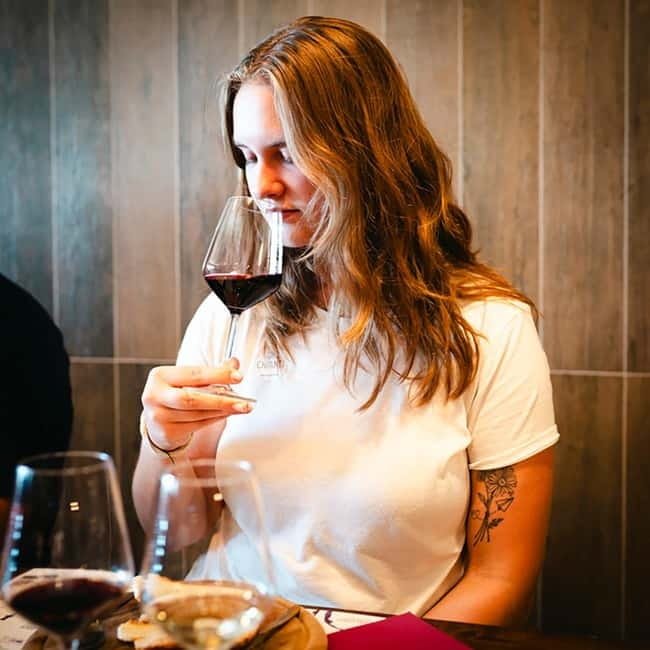
The best part of this Chianti tasting is its wide range. In 90 minutes, you move from sparkling wine to Chianti Classico, then to olive oils, balsamic vinegars, and a generous plate of Tuscan foods. It gives you a quick but flavorful introduction to the products of the region without taking up half a day.
I like the clear guidance from a wine expert and the private setting, where you can focus on the tasting rather than a busy cellar crowd. I also like the pairing of the wines with salame, pecorino, bruschetta, and prosciutto, since food shows you how these drinks work at the table.
The main thing to keep in mind is that this is a tasting, not a full winery visit. The estate, vineyard, and winery tour are not included, and there is no pickup or drop-off. If you want vineyard walks or a behind-the-scenes cellar tour, you will need another activity.
Key points to know before booking
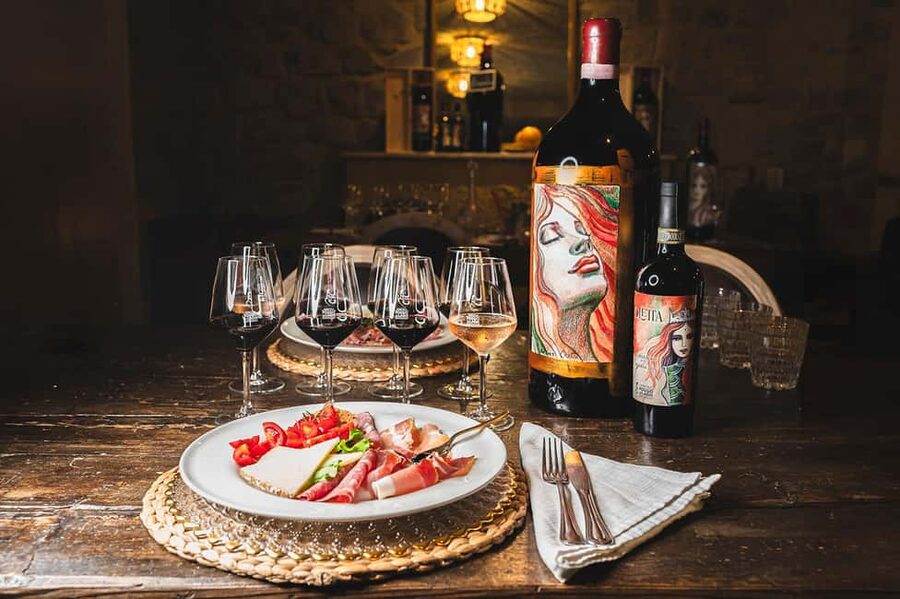
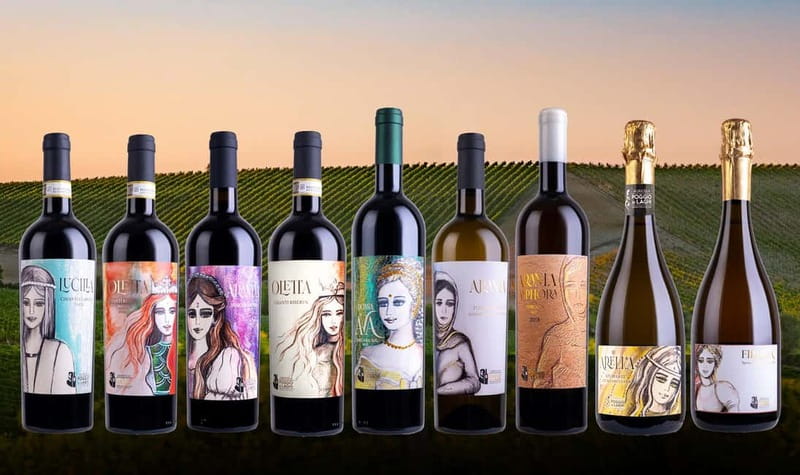
- Six wines in 90 minutes: Taste two sparkling wines and four red wines, including Chianti Riserva DOCG, Chianti Classico, and a Super Tuscan.
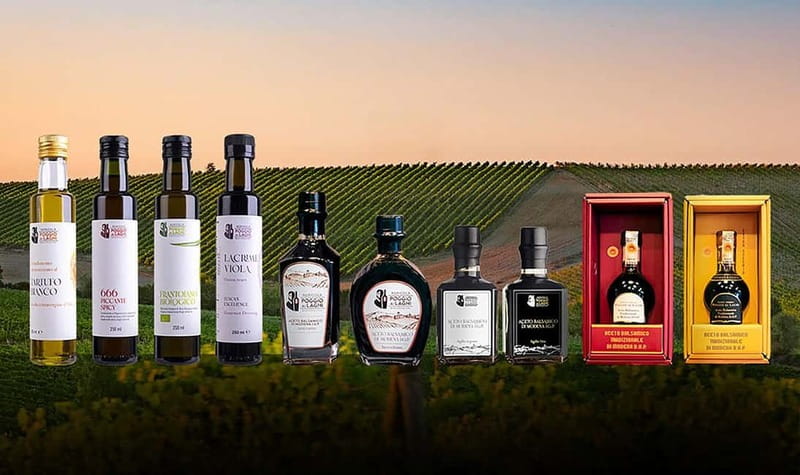
- More than a wine tasting: Sample extra virgin olive oil, white truffle oil, chili pepper oil, Modena balsamic, and Tuscan onion vinegar.
- A full Tuscan snack board: Salame, finocchiona, prosciutto, pecorino, tomato bruschetta, and toasted bread with olive oil are included.
- A lesson with the tasting: Your wine expert explains winemaking from grape to bottle, along with Tuscan art and history.
- Good for a short stop: The session lasts 1.5 hours and has separate entrance access, useful if your day in Chianti is tightly planned.
- Useful booking flexibility: You can cancel up to 24 hours ahead for a full refund and reserve now while paying later.
What the Poggio ai Laghi tasting actually offers
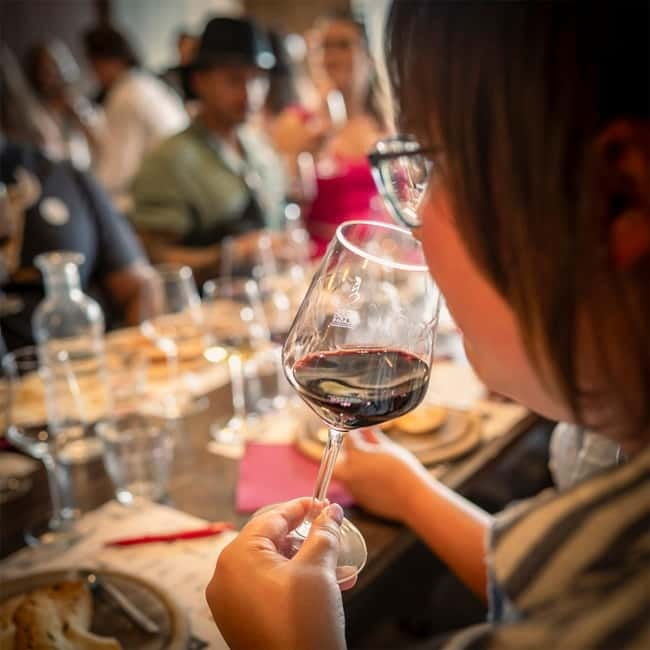
Poggio ai Laghi places the emphasis on tasting rather than touring. You arrive at the Chianti estate for a guided session built around the winery’s own wines, oils, and vinegars.
That distinction matters. Many winery visits spend a large part of the time walking through vineyards, production rooms, or cellars. Here, your time is concentrated around the table. You get more explanation of the products themselves, but you do not get a full look at the estate grounds or winemaking facilities.
The host guides you through the process from grape to bottle, explaining the decisions behind each wine. The exact depth of the discussion may depend on your group and host, but the structure gives beginners enough background to understand what they are tasting. If you already know wine, you can pay closer attention to the differences between Chianti, Chianti Classico, and the Super Tuscan.
The presentation also brings in Tuscan art and history. That helps connect the tasting to the region instead of treating each glass as an isolated sample. You are not simply handed a drink and told its name. The point is to understand how the wine fits into Tuscany’s food and cultural traditions.
The experience is offered in English, French, Spanish, and German. Individual guide names are not provided, so you should not expect a named specialist when booking. The important promise is a wine expert or host who leads the session and explains the products.
More Olive Oil and Wine Tastings in Italy
- Sorrento Farm and Food Experience including Olive Oil, Limoncello, Wine tasting
★ 5.0 · 2,524 reviews - Sorrento: Lemon, Olive Oil and Wine Tasting Tour with Lunch
★ 5.0 · 300 reviews - Alghero: Wine and Olive Oil Tasting at a Local Farm
★ 4.8 · 294 reviews
The six wines, from sparkling to Chianti reds
The tasting begins with two sparkling wines:
- Arella, Spumante Cuvèe Extra Dry
- Firmina, Spumante Rosé Extra Dry
These give you a lighter opening before the red wines arrive. The extra dry style means they are not presented as sweet dessert wines. The rosé adds a different color and fruit profile, while the white sparkling wine gives you a straightforward comparison.
The red wine portion is the heart of the session. You taste:
- Oletta, Chianti Riserva DOCG
- Aranda, Super Tuscan IGT
- Donna Ava, Toscana Rosso
- Lucilla, Chianti Classico
The Chianti Riserva and Chianti Classico are particularly useful for comparison. Both belong to the Chianti family, but the tasting lets you consider how their character differs. A Riserva designation points to a wine made for longer aging than a standard release, while Chianti Classico comes from the historic Chianti Classico zone. The host can explain the distinctions as you taste them.
The Aranda Super Tuscan gives you a different point of reference. Super Tuscan wines are generally made outside the strictest traditional Chianti classification rules, allowing winemakers more freedom with grape varieties and methods. Here, it gives you a chance to compare a modern Tuscan style with wines carrying DOCG or regional classifications.
Donna Ava, Toscana Rosso, rounds out the flight. The value of having four reds is not just quantity. You can compare how classification, aging, and winemaking choices affect the glass. I recommend taking small sips and allowing time between wines rather than trying to finish each pour quickly.
Because the whole session lasts only 90 minutes, the tasting moves at a steady pace. It is not designed for a long, leisurely bottle-by-bottle seminar. Still, six wines provide enough range to make the session feel substantial for the price.
Olive oils and vinegars bring Tuscany to the table
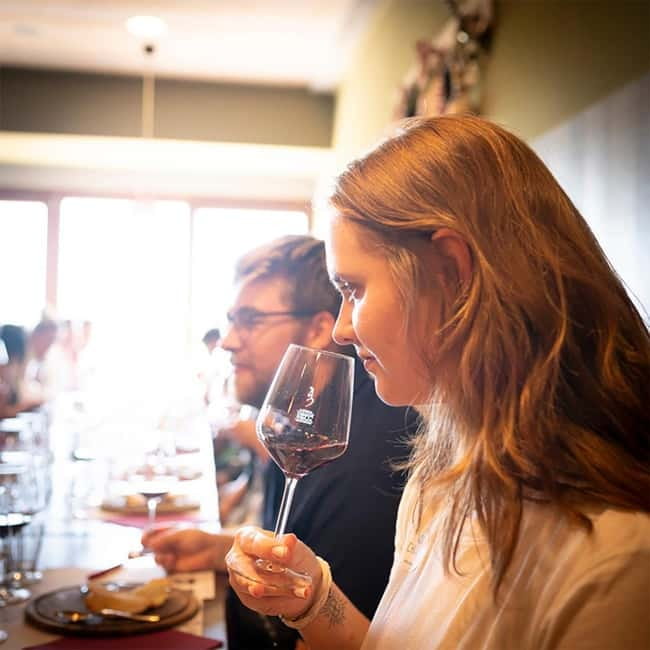
The oils and vinegars are not filler between wine pours. They add an important food element, especially if you are interested in how Tuscan meals are built.
You taste extra virgin olive oil in its plain form, then try versions flavored with white truffle and chili pepper. The plain oil gives you a base point. The truffle oil adds a more aromatic character, while the chili pepper version brings heat. Tasting them side by side helps you see how flavored oils can change a simple piece of bread or a plate of cheese.
The vinegar selection includes Aceto Balsamico di Modena IGP Gold and Lacrime Viola, a balsamic onion vinegar described as a Tuscan Excellence product. These are different from ordinary sharp cooking vinegar. Their purpose at the table is to add sweetness, acidity, and fragrance in small amounts.
I especially like this part for people who plan to buy food products in Tuscany. Wine is easy to taste and discuss, but oils and vinegars are often what you use every day after returning home. The tasting gives you a better sense of which flavors you actually enjoy before you spend money on a bottle.
Do not expect the oil and vinegar segment to replace a dedicated food tour. It is a compact tasting within the wine session. But it makes the experience more useful than a wine flight alone, and it gives you ideas for pairing Tuscan pantry staples with meals.
The Tuscan appetizers are part of the lesson
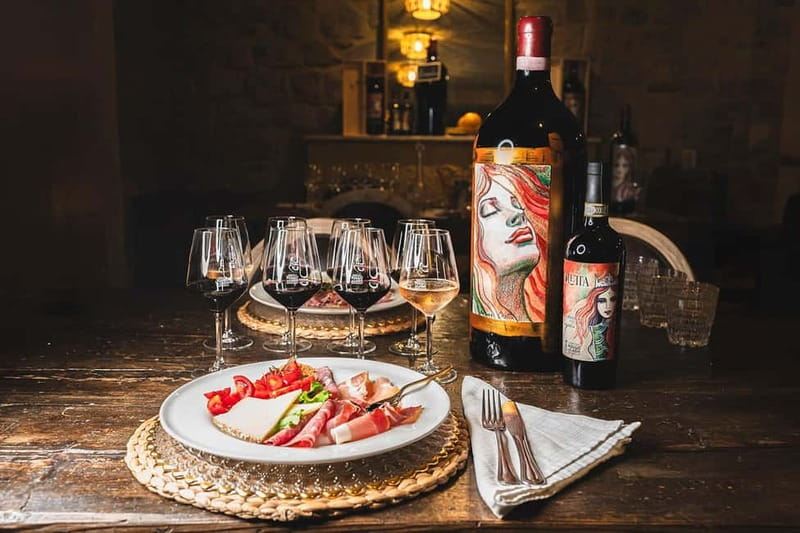
The food included here is simple, regional, and well chosen for tasting. You receive Tuscan salame, finocchiona, Tuscan prosciutto crudo, pecorino, bruschetta with fresh tomato and basil, and toasted bread with extra virgin olive oil.
Finocchiona is a Tuscan salami flavored with fennel. It gives you a different taste from the regular salame, and the comparison works well with red wine. The prosciutto adds salt and delicate richness, while pecorino provides a firmer, more savory partner for the wines.
The bruschetta brings freshness. Tomato and basil can make a wine feel different from the same wine tasted with cured meat or cheese. The toasted bread with olive oil is especially practical because it lets you taste the oil directly, without a strong topping getting in the way.
This food is not a full lunch. If you arrive hungry, you should think of it as a generous snack rather than a replacement for a meal. Still, it is enough to make the tasting more comfortable and to show how the wines function with familiar Tuscan foods.
The pairings also help beginners. You do not need a trained palate to notice that a wine changes when tasted with salty meat, creamy cheese, tomato, or olive oil. That makes the session friendly for people who know little about wine.
More Olive Oil and Balsamic Vinegar Tastings around Italy:
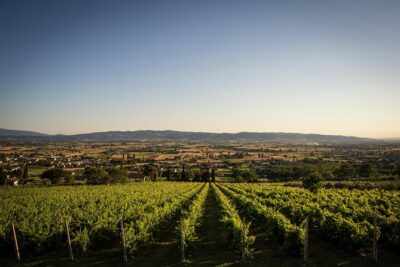
- Balsamic Vinegar, Olive oil and Organic Winery Tour in Assisi with tasting
★ 5.0 · 66 reviews - Assisi: Organic Balsamic Vinegar, Olive Oil & Wine Tour
★ 4.9 · 45 reviews - Amazing Lunch in organic Farm with Balsamic Vinegar Olive Oil truffle and Wine tasting Experience in Tuscany
★ 3.0 · 3 reviews - Texas Hill Country Olive Oil and Balsamic Vinegar Tasting
★ 5.0 · 21 reviews
Why the private setting matters
The experience is described as taking place in a private setting. That does not necessarily mean you will have the entire estate to yourself, but it does signal a more focused format than a quick retail counter tasting.
The greatest benefit is the opportunity to ask questions. You can ask about the difference between Chianti Classico and Chianti Riserva, how a Super Tuscan fits into the region, or how to use the flavored oils at home.
Facilities are described as very good, and the setting is intended to provide a comfortable place for the guided tasting. If you value a polished presentation and direct attention from the host, this format should suit you.
The tradeoff is that a private tasting can feel less spontaneous than a large communal wine event. There is no promise of a vineyard walk, a cellar visit, or extended free time on the property. You are paying for a structured tasting with food and explanation.
The current rating is 4.8 from 19 ratings, which points to a consistently strong experience, though the sample is still fairly small. One useful point is that visitors who did not have a French-speaking host still received help from the team, with staff making an effort to explain the products. That suggests some flexibility when language arrangements do not work exactly as expected.
Price and timing: is $36 a fair deal?
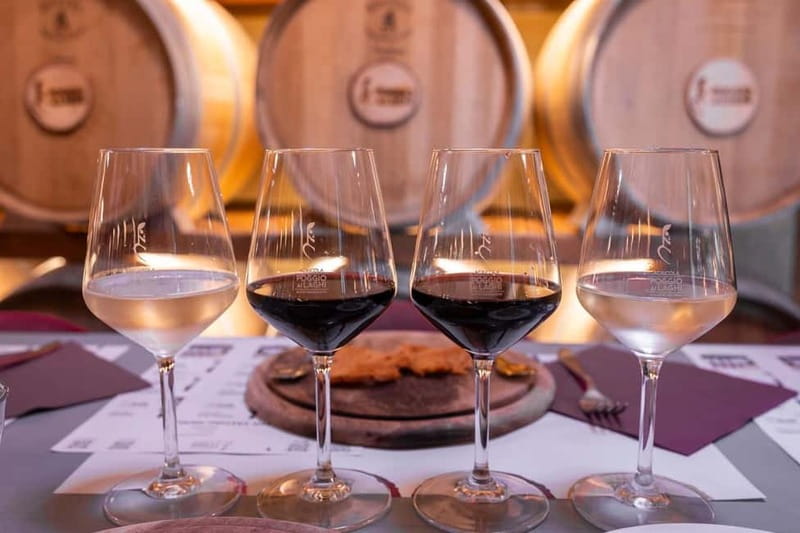
At $36 per person, this is a good-value tasting if you want variety and food in a short session. You receive six wines, three olive oils, two vinegars, Tuscan appetizers, and guided explanation. Buying comparable pours and snacks separately could easily cost more, especially at a winery estate.
The value is strongest for people already planning to visit Chianti and looking for a focused activity between other stops. Ninety minutes is long enough to provide real content but short enough to fit into a busy day.
The price is less attractive if your main goal is a full winery tour. Since the estate, vineyard, and winery are not included, you should not book this expecting a production visit. You are purchasing a tasting experience, not a complete introduction to the property.
There is also no transport included. You need to arrange your own way to the estate, so factor that into the total cost. The activity price only covers the tasting session itself.
You can reserve now and pay later, which helps if your route is still changing. Free cancellation is available up to 24 hours in advance for a full refund. These policies make the booking less risky, especially when you are coordinating several stops in Tuscany.
Who will get the most from this experience?
I would recommend this for a first-time wine taster who wants a friendly introduction without committing to a long course. The host explains the path from grape to bottle, and the food makes it easy to understand the wines in a practical way.
It also suits couples and small groups who enjoy trying several regional products in one sitting. The mix of wine, oil, vinegar, and cured meats gives everyone something to discuss, even if one person in the group is much more interested in food than wine.
Experienced wine drinkers may enjoy the comparison between Chianti Classico, Chianti Riserva, Toscana Rosso, and Super Tuscan styles. Just keep your expectations in check. This is a guided tasting, not an advanced technical workshop.
Families and mixed-age groups should note that the central activity is wine tasting. The food is included, but the experience is designed around adults sampling alcoholic drinks. The wheelchair-accessible format is useful for visitors who need step-free access, though the provided information does not specify details about every area of the estate.
This is a good fit if you want a polished stop with a separate entrance and no waiting in a standard line. It is a poorer fit if you want to hike through vineyards, tour production rooms, or arrange transportation from your hotel.
Practical advice for making the most of the 90 minutes
Check the available starting times before you plan the rest of your day. With only 1.5 hours, the tasting is easy to fit into a Chianti itinerary, but arriving late could cut into the explanation and food service.
Wear whatever is comfortable for a seated tasting, and avoid planning a large meal immediately before the appointment. The appetizers are enough to accompany the pours, but they are not advertised as lunch.
If you are especially interested in one product, ask about it early. You may want more information about the Super Tuscan, the Chianti Classico, the truffle oil, or the balsamic onion vinegar. The wine expert is there to guide the tasting, and direct questions should make the session more useful.
Take notes if you plan to buy wine or pantry products later. Six wines and several oils and vinegars can blur together by the end, especially when paired with salty foods. A quick note about your favorite bottle or flavor will help you remember what you liked.
Language support is available in English, French, Spanish, and German. If you need a specific language, check that it is available for your selected time rather than assuming the same host will lead every session.
Should you book the Poggio ai Laghi tasting?
Book it if you want a compact, well-rounded introduction to Chianti wine and Tuscan table products. The combination of six wines, three olive oils, two vinegars, local appetizers, and a wine expert gives you a lot for $36.
Skip it if your priority is a vineyard and cellar tour, since those are specifically excluded. You will also need to arrange your own transport to the estate.
For most people with an open 90-minute slot in Chianti, this is an easy recommendation. The strongest features are the attentive explanations, the polished facilities, the broad tasting list, and the chance to compare wine with real Tuscan food. It gives you a useful taste of the region without asking for an entire afternoon.
FAQ
How long does the Chianti tasting last?
The experience lasts 1.5 hours, or 90 minutes. Starting times vary, so you need to check availability when booking.
How much does the tasting cost?
The listed price is $36 per person.
Which wines are included?
You taste two sparkling wines, Arella Spumante Cuvèe Extra Dry and Firmina Spumante Rosé Extra Dry, plus four reds: Oletta Chianti Riserva DOCG, Aranda Super Tuscan IGT, Donna Ava Toscana Rosso, and Lucilla Chianti Classico.
Are olive oils and vinegars included?
Yes. The tasting includes extra virgin olive oil, white truffle extra virgin olive oil, chili pepper extra virgin olive oil, Aceto Balsamico di Modena IGP Gold, and Lacrime Viola balsamic onion vinegar.
What food is served?
The included Tuscan appetizers are salame toscano, finocchiona, Tuscan prosciutto crudo, pecorino, tomato and basil bruschetta, and toasted bread with extra virgin olive oil.
Is a winery or vineyard tour included?
No. The estate, vineyard, and winery tour are not included. This activity focuses on the guided tasting.
Is transportation provided?
No. Pickup and drop-off are not included, so you must arrange your own transportation to and from the estate.
Can I cancel or pay later?
You can cancel up to 24 hours in advance for a full refund. You can also reserve your place and pay later.
Freshly pressed around Italy
- E-bike tour in Ostuni, the olive trees and the rock village★ 5.0 · 4 reviews
- Tuscan ExtraVirgin Olive Oil Tour★ 5.0 · 4 reviews
- Wine and Extra virgin olive oil tasting in Lucca, Tuscany★ 5.0 · 3 reviews
- Lecce : Half day E-Bike tour to Old Olive Mill & Olive Oil Taste★ 5.0 · 3 reviews
- Bellagio/Lezzeno/Oliveto Lario to/from Milan Malpensa Apt (Private Transfer)★ 5.0 · 4 reviews
- Sunset Magic E-bike Tour at Sunset in Capoliveri★ 5.0 · 4 reviews
- Leonardo Da Vinci’s wind mill visit and Organic olive oil tasting★ 4.5 · 12 reviews
- Chianti from Florence:PRIVATE Wine, Olive Oil Tasting in the Tuscan countryside★ 5.0 · 2 reviews
Olive Oil and Balsamic Vinegar Tastings, compared.
Balsamic Vinegar, Olive oil and Organic Winery Tour in Assisi with tasting
Read our review →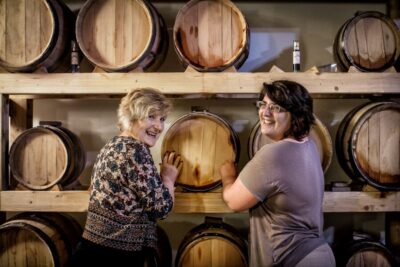
Assisi: Organic Balsamic Vinegar, Olive Oil & Wine Tour
Read our review →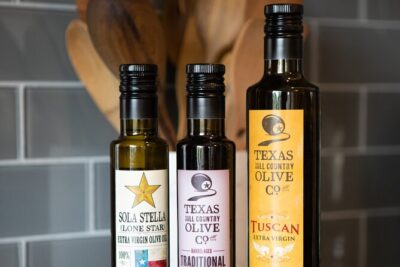
Dripping Springs: Olive Oil and Balsamic Vinegar Tasting
Read our review →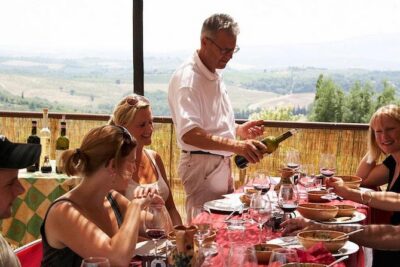
Other lists with this tasting on them