
Review · CRETE
Crete Wine & Olive Oil Tour
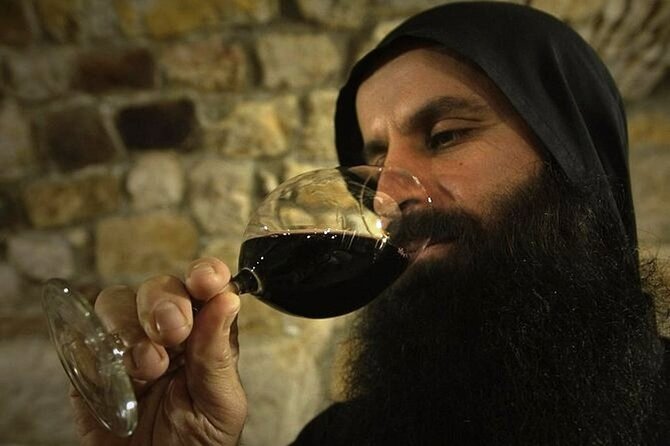
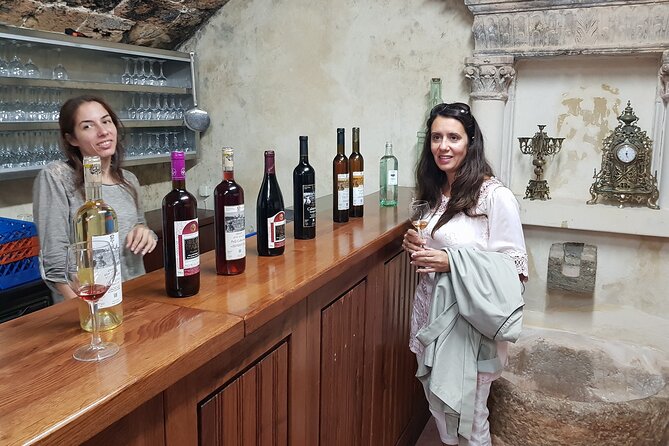
At Agia Triada Monastery, wine tasting comes with a sense of place. You sample five monastery wines beside vineyards and olive groves, then pair them with dakos, Cretan olive oil, tomato, feta, olives, and oregano. This is not just a tasting room stop. It connects what you eat with the land and the monks who still make and sell these products.
I like the private transport, which lets you start from a hotel, airport, or port and shape the day around your schedule. I also like the mix of food, wine, olive oil, monastery buildings, and Chania’s harbor. The main thing to consider is that the advertised duration ranges from one to five hours, so you should confirm the exact plan, especially if you are traveling from a cruise ship.
Key points
- Five monastery wines: Taste Romeiko, Trebbiano, Muscat of Alexandria, Cabernet Sauvignon, and Merlot expressions, served with traditional Cretan snacks.
- A working monastery: See how Agia Triada connects religious life with olive oil, wine, honey, vinegar, and olive-oil soap production.
- Private for up to four: The $544.07 price covers the group, not each person, making the value better when shared by three or four people.
- Useful port transfers: Pickup and return can be arranged from a hotel, airport, or port, a practical feature for a short visit to Crete.
- Chania added to the day: Allow time for the Old Town, Venetian harbor, narrow lanes, churches, mansions, and lighthouse views.
- Good for tight schedules: A private driver helped one cruise passenger group complete the outing in about five hours without returning late to the ship.
Agia Triada, where wine and monastery life meet
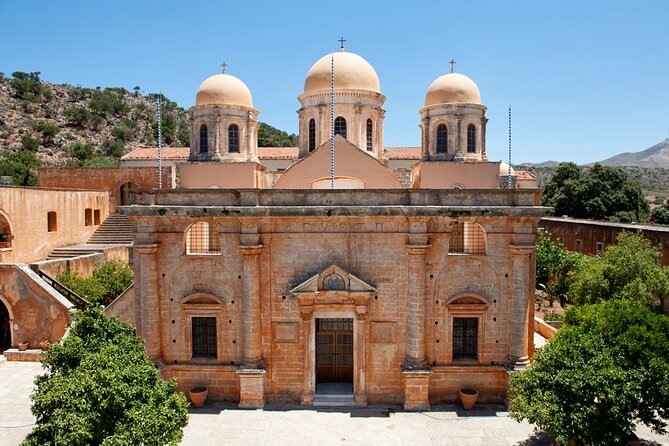
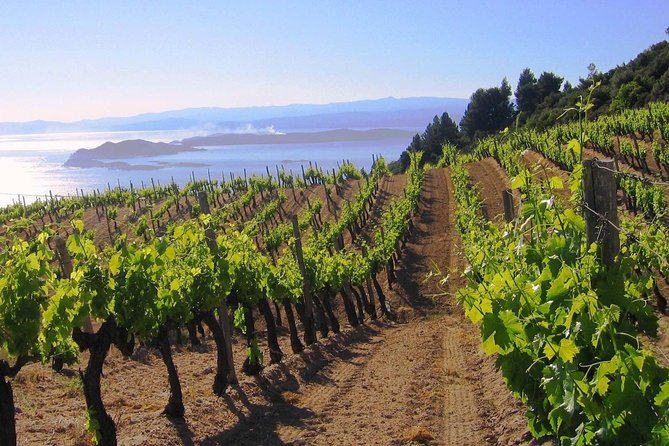
The heart of this outing is the Holy Trinity Monastery, also called Agia Triada or Tsagkarolon. It sits within a larger agricultural setting, with 17 hectares of vineyards and olive groves tied to the monastery’s work.
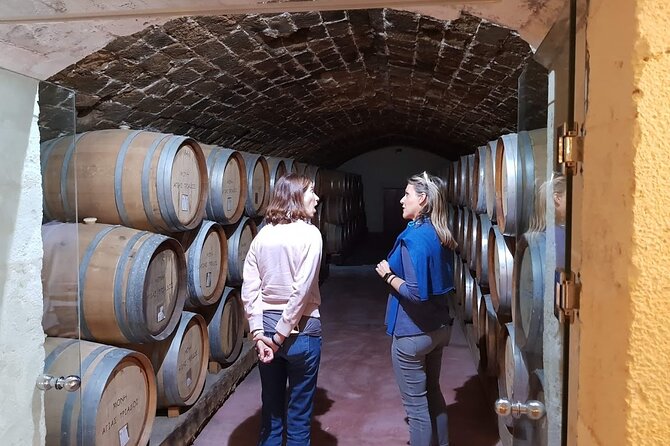
You begin with an olive oil and wine experience, then have time to see the monastery and its small folklore museum. The setting gives the tasting more meaning. Instead of treating Cretan wine as an isolated product, you can see it as part of a working religious and farming tradition.
I find that especially useful if you want more than a standard restaurant tasting. You are not only trying local flavors. You are also learning how a major Cretan monastery supports its religious and economic role through food production.
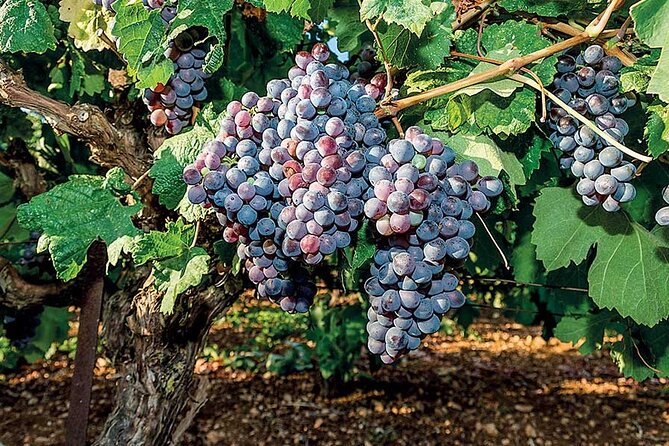
The experience includes five wines. One of the most distinctive is Romeiko, a local grape used for dry white, dry red, and sweet wines. Other grapes grown or adapted to the local microclimate include Trebbiano, Muscat of Alexandria, Cabernet Sauvignon, and Merlot.
The full collection contains 11 wines, but the tasting includes five. That is enough variety to compare styles without turning the stop into a long technical session. If you are curious about local wine, Romeiko is the one to pay attention to because it gives you a direct taste of Crete rather than only familiar international grapes.
More Olive Oil and Wine Tastings in Crete
- From Chania: Olive Oil, Wine, Cheese & Honey Tasting Tour
★ 4.6 · 490 reviews - From Chania: Wine and Olive Oil Tasting Tour with Snacks
★ 4.8 · 354 reviews - Crete: Full-Day Cretan Wines, Olive Oil, Raki and Food Tour
★ 5.0 · 264 reviews
Dakos, olive oil, and a proper Cretan tasting
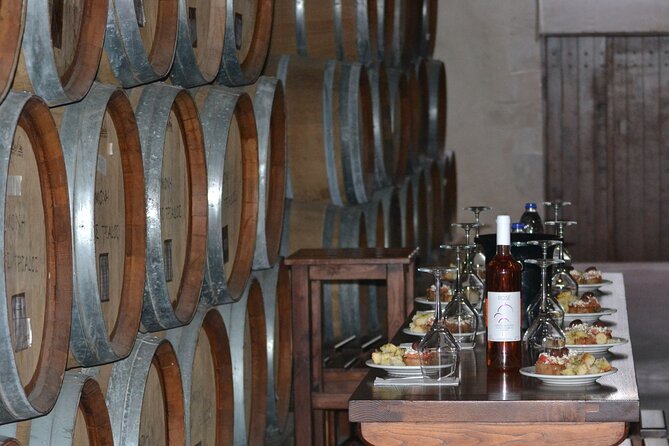
The food matters here. The wine is served with dakos, a classic Cretan preparation built around dry bread, tomato, feta, olives, and oregano. You also get bread with the monastery’s organic extra virgin olive oil.
The included food extends to a plate of Cretan delicacies. It may include two local cheeses, tomato, cucumber, olives, and smoked ham, along with olive oil seasoned with oregano, lemon, and salt. Bottled water is provided for each person in the vehicle.
This is a generous way to taste wine because the snacks show you how Cretans actually use olive oil, cheese, herbs, vegetables, and preserved foods together. You can pay attention to the difference between tasting oil on bread and tasting it with tomato, feta, and oregano.
I would not book this as a full lunch unless you have been told otherwise. The food is a tasting spread, not described as a complete meal. If you are hungry before the pickup, eat something first, especially if you plan to use the full five-hour version of the outing.
The olive oil side of the visit is just as important as the wine. The monastery produces organic extra virgin olive oil, and the wider visit explains how oil, wine, honey, vinegar, and olive-oil soap are made and exported by the monks. That makes the stop useful for anyone interested in traditional food production, not only wine drinkers.
What to see inside Tsagkarolon Monastery
The monastery tour gives you a break from the tasting table. Agia Triada is described as one of the most important and beautiful monasteries in Crete, and its religious role continues today.
You can visit the monastery grounds and the museum, where the focus is on local religious and folk traditions. The museum is small, so you should think of it as one part of a broader visit rather than a stand-alone museum trip.
The value is in the combination. You see the architecture, learn about the monastery’s continuing work, and connect the museum displays with the wine and olive oil made on the grounds. That makes the visit feel more grounded than a simple photo stop.
You should also allow time for quiet observation. A monastery is an active religious place, not only a tourist attraction. Modest clothing and respectful behavior are sensible, although the provided details do not specify a dress code.
One practical point is that the monastery entrance fee is not included. The tour itself lists the monastery admission separately, but no amount is provided, so check the current cost before you go. A tour guide is also optional. Your English-speaking driver handles transportation, but you should not assume a dedicated guide is included unless you arrange one.
A closer look at the wine-making setting
The vineyards cover 17 hectares, which gives the wine production a real agricultural base. You may be able to combine the monastery visit with a look at the vineyards and olive groves, depending on the final schedule and conditions.
The local microclimate supports both Cretan and international grape varieties. That mix gives you a useful comparison. Romeiko represents a local tradition, while Trebbiano, Muscat of Alexandria, Cabernet Sauvignon, and Merlot show how other grapes have adapted to the area.
I like this part of the experience because it avoids presenting Cretan wine as one single style. You can try dry and sweet expressions, white and red wines, and notice how grape type changes the tasting.
The supplied schedule gives two hours for the Agia Triada wine tasting and two hours for the Tsagkarolon monastery and museum visit. Since these names refer to the same monastery complex, you should confirm how the operator divides the time on your date. The total day is listed as approximately one to five hours, while the full outline adds up to about five hours with Chania included.
That flexibility is useful for cruise passengers or people arriving by air, but it also means the exact order and length of each stop may vary. Ask for a clear pickup time, return time, and breakdown of the monastery visit before setting other plans.
More Olive Oil and Wine Tastings in Greece
- Cretan Wines & Olive oil tour – The treasures of Crete
★ 5.0 · 147 reviews - Crete Private Tour: The Secrets of Wine, Olives & Honey
★ 4.5 · 59 reviews - Rethymno: Private Winery & Olive Oil Tasting Tour with Lunch
★ 5.0 · 56 reviews - Wine, Olive Oil, and Honey Tour with Winemaker
★ 5.0 · 55 reviews
Chania Old Town and the Venetian harbor
The final stop is Chania, with about one hour set aside for the Old Town and harbor. This is enough for a brisk introduction, not enough for a slow museum day or a full exploration of every alley.
Chania’s Venetian character comes from its narrow streets, old mansions, fountains, churches, and harbor buildings. The lighthouse at the entrance to the small harbor provides the classic focal point. You can walk through the lanes, take in the waterfront, and get a feel for the city’s layered past.
I like having Chania added because the monastery and city offer very different sides of Crete. One is rural, religious, and agricultural. The other is urban, maritime, and shaped by Venetian architecture. Together, they make a better half-day than a tasting alone.
Still, one hour goes quickly. If Chania is your main priority, you may prefer a separate city visit with more time. On this tour, the city stop works best as an introduction or a chance to get your bearings before another day of independent exploring.
The private format helps here. Your driver can organize the transfer around your pickup point and available time, rather than waiting for a large group. One cruise-ship outing was arranged within a five-hour window, with enough time to return to the ship before departure. That makes the itinerary especially practical when your schedule is fixed.
Private transport and group value
The price is $544.07 per group of up to four people. That works out to about $136 per person for four people, or about $181 per person for three. For two people, the effective cost is about $272 each, so the value improves noticeably when you fill the vehicle.
The price covers private transportation in an air-conditioned vehicle, an English-speaking driver, bottled water, Cretan snacks, and the olive oil and wine experience. It does not include the monastery entrance fee or a dedicated tour guide.
For me, the key value is control over the day. You are not joining a large bus group, and only your party takes part. Pickup can be arranged from a hotel, port, or airport, which can save time and avoid the hassle of finding a separate taxi to the monastery.
You should be clear about the role of the driver. An English-speaking driver can provide useful information and manage transport, but the service does not automatically include a professional guide. If you want detailed commentary inside the monastery, ask about adding the optional guide.
The private setup suits couples, families, and small groups of friends. It is also useful if one person wants more time at the tasting while another prefers the monastery or Chania. The price is harder to justify for one or two people unless the convenience of private pickup is important to you.
Timing, weather, and booking details
The listed operating period runs from May 1, 2025, through June 16, 2026, from 10:00 a.m. to 3:00 p.m., Monday through Sunday. That daytime schedule fits the tasting and Chania stop, but it gives you little room for a late start.
This experience requires good weather. If poor weather causes cancellation, you can choose another date or receive a full refund. You can also cancel for a full refund up to 24 hours before the start time. Changes or cancellations inside that 24-hour window are not accepted for a refund.
Confirmation is provided when you book. Most people can take part, and the activity is private for your group. The supplied information does not give specific details about wheelchair access, child equipment, or special dietary substitutions, so ask the operator directly if any of those matter to you.
The tour is often booked about 32 days ahead. That is a useful hint if you are visiting during a busy season or need a port pickup at a precise hour. I would book early for a cruise day, then reconfirm the pickup and return plan before arrival.
Who should book this Crete wine tour?
I would choose this outing if you want a compact introduction to Cretan food, wine, olive oil, and culture without arranging several separate transfers. It is a good fit for a small group that values privacy and wants a driver to manage the roads between the monastery and Chania.
It also suits people who prefer context with their tasting. You learn about Romeiko, see the vineyard and olive grove setting, visit the museum, and taste olive oil with traditional food instead of sampling wine in isolation.
The tour is less suitable if you want a long wine education session, a full meal, or several hours in Chania. The schedule is flexible, but the full version still has to fit into about five hours. You should also budget separately for the monastery entrance fee and optional guide.
Should you book the Agia Triada and Chania tour?
Book it if you have four or fewer people, especially if you are arriving at a port or airport and want a private day with simple transport. The strongest parts are the five-wine tasting, Romeiko, organic monastery olive oil, Cretan snacks, and the chance to see how food production fits into monastery life.
I would be more cautious if you are traveling alone or as a pair and are mainly interested in low-cost wine tasting. The group price is much better when shared. But for a small group with limited time, the combination of Agia Triada and Chania gives you a useful, flavorful slice of Crete in one outing.
FAQ
Where does the Crete Wine and Olive Oil Tour take place?
The experience is based in Adelianos Kampos, Greece, and includes visits to Holy Trinity Monastery, also called Agia Triada or Tsagkarolon, plus Chania’s Old Town and Venetian harbor.
How long does the tour last?
The advertised duration ranges from approximately one to five hours. The full schedule includes about two hours at the monastery wine tasting, two hours for the monastery and museum, and one hour in Chania.
How much does the tour cost?
The price is $544.07 per group of up to four people. The cost is not listed per person.
Is the tour private?
Yes. Only your group participates in the activity, with a maximum of four people.
Is pickup available?
Yes. Transfers can be arranged from a hotel, port, airport, or other meeting point as agreed when booking.
What food is included?
Included food may include dakos, bread with organic extra virgin olive oil, two local cheese varieties, tomato, cucumber, olives, smoked ham, and olive oil seasoned with oregano, lemon, and salt.
How many wines are included in the tasting?
You taste five monastery wines. The monastery makes 11 wines in total and grows or uses Romeiko, Trebbiano, Muscat of Alexandria, Cabernet Sauvignon, and Merlot.
Is a tour guide included?
No dedicated tour guide is included. An English-speaking driver is provided, and a tour guide is available as an optional extra.
Is the monastery entrance fee included?
No. The entrance fee to the monastery is not included, and the current amount is not provided.
Can I cancel for a full refund?
Yes. You can cancel at least 24 hours before the experience start time for a full refund. If poor weather causes cancellation, you can choose another date or receive a full refund.
Freshly pressed around Crete
- Crete in a Day: Knossos, Soap Workshops, Olive Oil & Wine Tasting★ 5.0 · 5 reviews
- Full Day Spinalonga Elouda Agios Nikolaos Olive factory Tour★ 4.5 · 5 reviews
- Traditional Olive Oil Making at Spiridi Olive Oil Farm – Crete★ 5.0 · 3 reviews
- 1 hour and 30 minutes wines and olive oil tasting in Greece★ 5.0 · 2 reviews
- Guided Tasting of 3 Extra Virgin Olive Oils at Douloufakis Winery★ 5.0 · 2 reviews
- PRIVATE Workshop ESSENTIAL OILS & OLIVE OIL Factory with TASTING★ 5.0 · 5 reviews
- Private Guided Tour to Lasithi Plateau Villages & Olive Oil Mill★ 5.0 · 5 reviews
- Wine olive and Food of Crete, Heraklion★ 5.0 · 11 reviews
Olive Oil and Wine Tastings, compared.
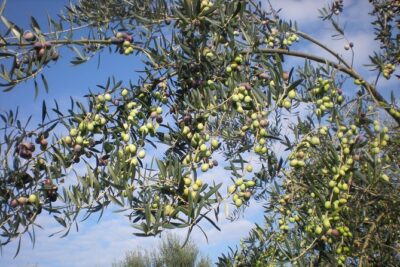
Sorrento Farm and Food Experience including Olive Oil, Limoncello, Wine tasting
Read our review →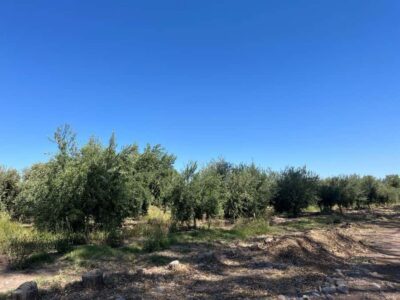
From Mendoza: 3 Wineries, Olive Oil Factory Tour & Tasting
Read our review →
From Chania: Olive Oil, Wine, Cheese & Honey Tasting Tour
Read our review →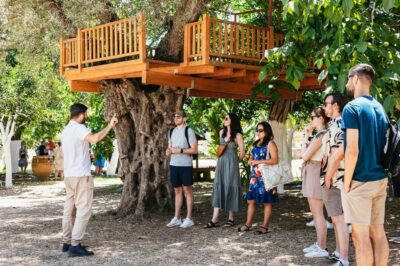
From Chania: Wine and Olive Oil Tasting Tour with Snacks
Read our review →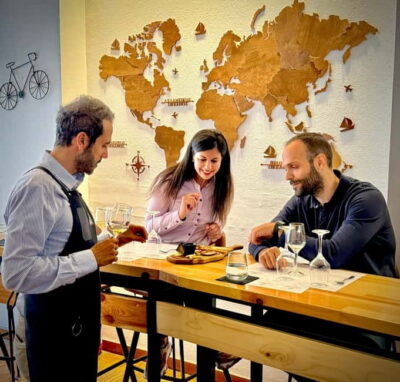
Athens: Acropolis Wine Tasting with Cheese and Olives
Read our review →
Sorrento: Lemon, Olive Oil and Wine Tasting Tour with Lunch
Read our review →
Alghero: Wine and Olive Oil Tasting at a Local Farm
Read our review →
Other lists with this tasting on them