
Review · CROATIA
Hvar: Island tour with Wine and Olive Oil Tasting
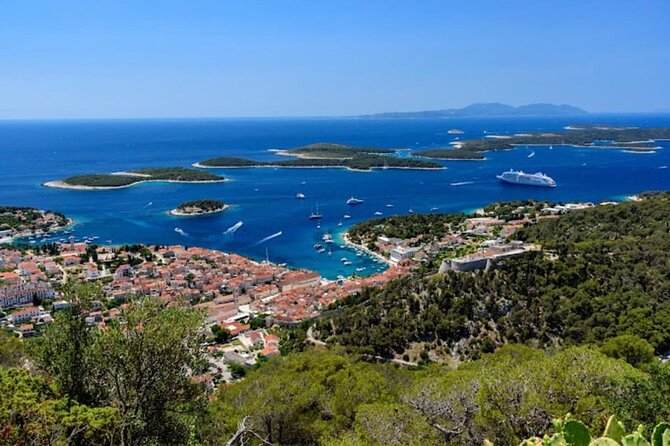
Hvar’s best views are not from the waterfront. They come from the old mountain road above town, where you can look down on red roofs, the harbor, nearby islands, and the broad Stari Grad Plain. This three-hour outing takes you there, then carries on through villages and lavender country to a traditional wine cellar in Jelsa.
I like two things especially: the chance to see how much of Hvar lies beyond its port, and the relaxed tasting of local wines with flavored olive oils. Guides such as Petar and Luka add useful local history without turning the drive into a lecture. The one drawback is the price, $141 per person, which is fair for a small group and private-style transport but high if your main goal is simply to sample wine.
Key points to know before booking
- Napoleon Fortress sits 250 meters above Hvar Town, giving you the tour’s finest early view.
- The route uses the old island road, with villages, lavender fields, terraces, and photo stops.
- St. Roko’s Chapel overlooks the UNESCO-listed Stari Grad Plain.
- Jelsa’s Duboković Winery is hosted by Ivo Duboković, maker of the sought-after Medvid wines.
- The tasting may include about 8 to 10 wines and several flavored olive oils, served with bread.
- The group is limited to eight people, with air-conditioned transport, bottled water, and return transfer included.
Seeing Hvar from the mountain road
Most people first meet Hvar at sea level. The old stone streets, waterfront cafés, and fortress above town get the attention, while the rest of the island remains a blur beyond the bus station. This tour fixes that imbalance quickly.
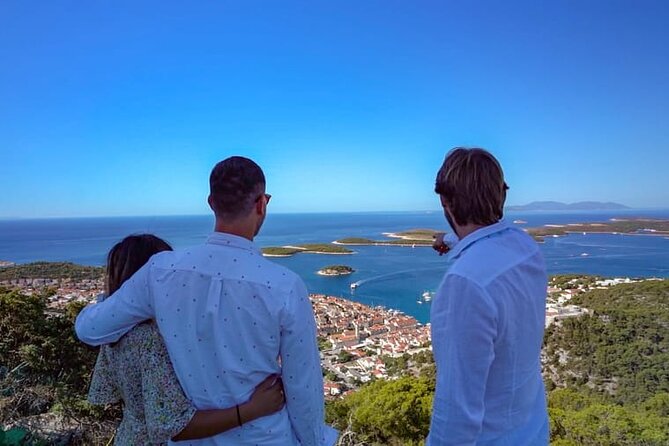
You leave Hvar Town in an air-conditioned vehicle and climb toward Napoleon Fortress, about 250 meters above the town. The drive takes roughly 20 minutes. At the top, you get a clean view over Hvar’s rooftops and the islands scattered offshore. It is the kind of stop that makes a map suddenly useful: you can see the harbor, the slopes, and the shape of the island you are about to cross.
I like that the tour does not treat the fortress only as a photo platform. The route gives your guide a natural place to explain Hvar’s position in the Adriatic and how the island’s settlements fit together. Petar, also referred to as Peter in some bookings, has been especially well liked for his history, humor, and personal stories. Luka has also guided the route, answering questions and explaining local culture as you travel.
The stop is short, so do not expect a long visit to a major monument. The attraction here is the view, not a detailed fortress tour. Bring a phone or camera, but also take a moment to look beyond the obvious picture of Hvar Town. The surrounding islands and steep hills are the real prize.
More Olive Oil and Wine Tastings in Croatia
- Split: Krka Waterfalls With Boat Cruise, Wine and Olive Oil
★ 4.3 · 1,507 reviews - Wine, food and olive oil by PhD student
★ 5.0 · 111 reviews - Krka Waterfalls Tour with Wine and Olive Oil Tasting
★ 4.5 · 48 reviews
Old villages, lavender fields, and a slower side of the island
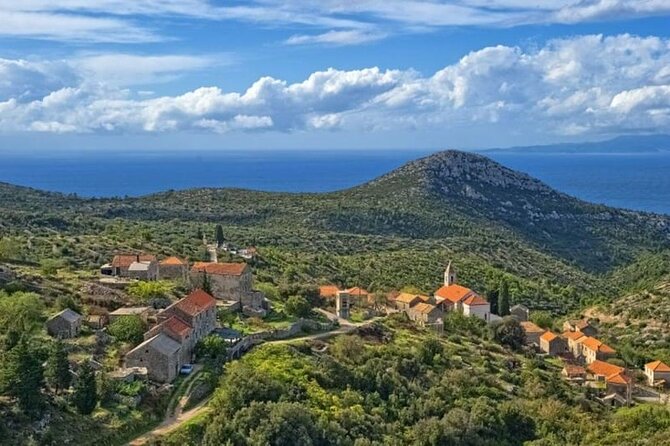
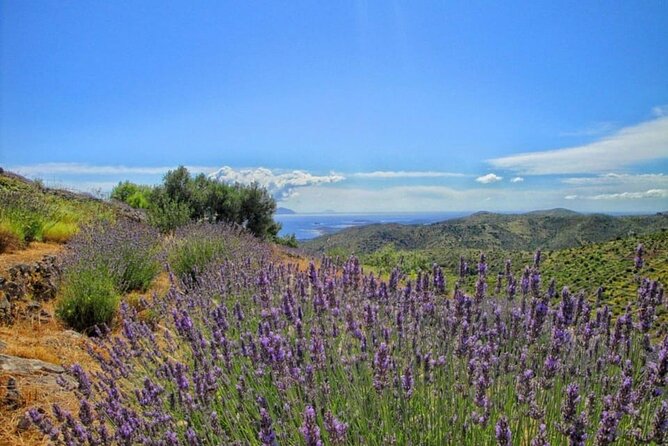
From the fortress, the vehicle follows the old road toward central Hvar. This is where the tour earns its keep for anyone who wants more than a quick tasting. The route passes through traditional villages and areas shaped by vineyards, stone terraces, and lavender fields.
You will not spend the whole 40-minute section walking. It is mainly a scenic drive with a photo stop and time to look at the countryside. That suits the short three-hour schedule, though anyone hoping for a long lavender-field visit should set expectations lower. The tour shows you the setting rather than offering a separate farm excursion.
I find this part valuable because it puts Hvar’s wine in context. Vineyards here are not an abstract topic discussed over a tasting table. You see dry hills, old roads, and cultivated patches that make it clear how much work goes into growing grapes on a Mediterranean island.
The villages also help you understand why Hvar feels different outside the main town. The port is polished and geared toward holiday visitors. Inland, the pace is quieter and the old road reveals a more workaday island. You may see terraces and fields that are easy to miss when traveling by ferry or staying close to the waterfront.
St. Roko’s Chapel and the Stari Grad Plain
The second named stop is St. Roko’s Chapel, set at a viewpoint above the Stari Grad Plain. The plain is a UNESCO World Heritage site, and this is one of the tour’s most useful stops because you see its full pattern from above.
From the chapel, the fields appear as an organized patchwork shaped by centuries of farming. The view explains why the plain matters better than a plaque or a short description in town. It also gives you another broad photo stop, this time looking inland rather than down at Hvar’s harbor.
The tour information includes sunset among the possible scenic moments, but the exact light will depend on your departure time. Starting times vary, so check availability before booking if sunset is important to you. Do not assume every departure will arrive at the chapel at golden hour.
This stop is also a good reminder that Hvar is not only a beach and nightlife island. Its appeal includes old agricultural systems, village roads, stonework, and a long connection between land and food. If you enjoy seeing how a place functions, rather than ticking off famous buildings, this portion may be more rewarding than another hour in the main square.
Inside Duboković’s traditional konoba in Jelsa
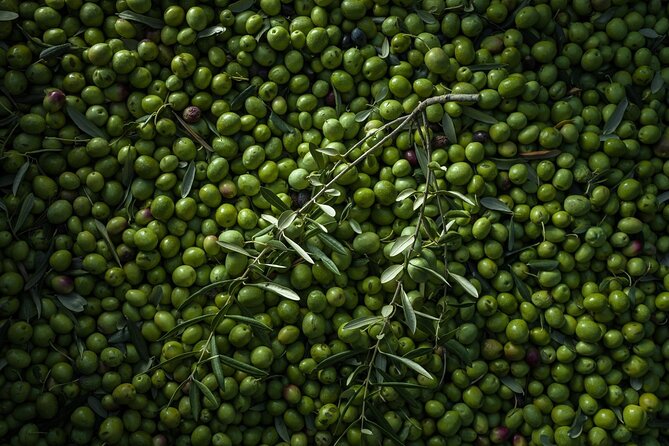
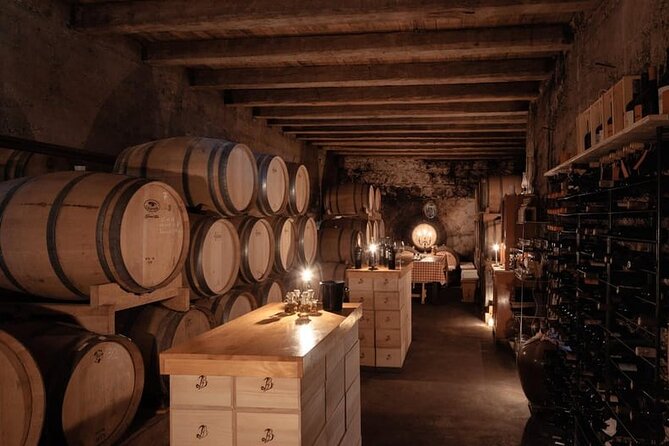
The final main stop is Jelsa, where the wine and olive oil tasting takes place in a traditional Dalmatian konoba. A konoba is a rustic cellar or tavern-like space, and the setting gives the tasting more character than a modern shop counter.
The host is Ivo Duboković, owner of the winery associated with Medvid, one of Croatia’s best-known local wines. The operation is deliberately small, producing about 15,000 to 20,000 bottles a year. That limited output helps explain why the wines are sought after in Croatia and in restaurants in Switzerland, Germany, and France.
You learn about the vineyard work and production methods while tasting. One of Duboković’s cooperative vineyards lies about 530 meters above sea level near Hvar’s St. Nicholas peak. It is more than 90 years old and grows Darnekuša, an indigenous Hvar grape variety. That detail gives the tasting a strong sense of place. You are not simply sampling generic Mediterranean wine and calling it local.
The tasting commonly runs through about eight to ten wines, though the exact number can vary. The selection may include unusual styles, such as orange wine, which several participants found memorable because it is less familiar than standard white or red wine. Some wines will suit you more than others. That is part of the point, and the host gives you room to compare rather than pushing one bottle as the answer.
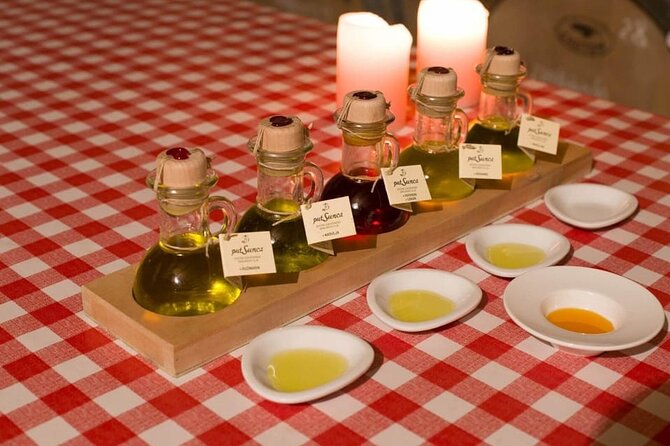
The atmosphere is relaxed. The tasting is described as cozy and conversational, more like a small shared meal than a sales pitch. There is no lunch included, but the wine is paired with flavored olive oils and bread. The oils are made by Duboković and may include flavors such as rosemary. You taste the oil by dipping bread, which turns a simple extra into a useful lesson in texture, aroma, and seasoning.
I especially like this pairing because it gives the tour two local products instead of treating olive oil as an afterthought. Hvar’s food culture is tied to both vineyards and olive groves, and tasting them together makes the island’s farming traditions easier to understand.
Same olive country, a different way to taste it:
- Private Krka Waterfalls tour with 30min Boat Cruse
★ 4.0 · 458 reviews - Split: Klis Fortress GOT and Olive Museum Entry Tickets
★ 4.6 · 283 reviews - Split: Blue Line Sightseeing to Trogir, Klis & Olive Museum
★ 4.3 · 197 reviews - Visit Klis fortress GOT & Olive museum Klis
★ 4.5 · 77 reviews
What the three-hour schedule feels like
The timing is compact but sensible. About 20 minutes are used for the drive to Napoleon, around 40 minutes for the traditional villages and scenic route, one hour for wine tasting in Jelsa, and about 30 minutes for the return drive. The remaining time covers short stops and transfers.
You should think of this as a scenic introduction, not a full-day island expedition. There is no separate lunch break, long hike, or extended village visit. The benefit is that you see several sides of Hvar without giving up an entire day.
The vehicle matters here. Hvar’s older roads and hill routes are easier to manage with a local driver, and you do not have to worry about navigating after a generous tasting. Pickup and drop-off are included, and bottled water is provided in the vehicle. Drivers wait no more than 15 minutes after the scheduled pickup time, so be ready at the agreed meeting point.
The small-group limit is eight people. That is large enough to meet others but small enough for questions and conversation. It also makes a difference at the winery, where a large coach group would change the feel of the cellar. One booking had a group of four sharing the van with another group of four, which is the practical meaning of the advertised limit.
Is $141 a fair price?

At $141, this is not a bargain sightseeing bus. You are paying for a small-group trip, a local English-speaking guide, fuel, an air-conditioned vehicle, bottled water, several scenic stops, and a substantial wine and olive oil tasting.
The price looks strongest if you are staying in Hvar Town without a car. Renting a vehicle for a short visit can be inconvenient, and driving after tasting eight or more wines is not a good plan. Here, transport and a designated driver are built in.
The value is also better for people who care about context. If you only want a glass of wine, you can spend much less in Hvar. If you want to understand where the wine comes from, see the island’s interior, visit a traditional cellar, and hear local history along the way, the cost is easier to justify.
The calculation is less favorable if you dislike wine, want a long hike, or prefer to explore each village at your own pace. The route is guided and timed. You get a broad introduction rather than a day of independent wandering.
The guide can shape the experience
The guide is an important part of this outing because the scenic drive needs explanation. Petar has been praised for his friendly manner, safe driving, humor, and clear stories about Hvar and Croatia. Luka has also been described as warm, communicative, and generous with information.
The best guides on this route do more than point out a view. They explain how the island’s villages developed, why vineyards grow where they do, and what you are seeing beyond the port. They also answer questions, so use the drive to ask about local food, wine styles, the plain, or everyday life on Hvar.
The tour is conducted in English. A guide’s style can vary from one departure to another, but the experience is built around conversation rather than a recorded commentary. That is a plus if you enjoy asking questions and a possible drawback if you prefer quiet sightseeing.
Who should book this Hvar tour?
I would choose this for a first or second visit to Hvar when you want to get beyond Hvar Town without committing to a full island day. It is also a strong fit if you are interested in wine, olive oil, local agriculture, and views from higher ground.
Couples may like the candlelit cellar atmosphere and the easy pace. Solo visitors can meet a few other people without joining a large coach group. Small groups of friends will appreciate being able to taste widely without worrying about the drive back.
Families can join if adults are comfortable with a wine-focused stop, but the tasting is clearly the centerpiece. Anyone looking for beaches, swimming, or strenuous walking should choose another outing.
Book with a little care around your schedule. Pickup details matter, and you need to be ready on time. Also check the departure hour if you want sunset light at the scenic stops. Free cancellation up to 24 hours ahead and reserve-now, pay-later booking make the plan easier to adjust, but those terms should still be checked when you reserve.
Should you book it?
Book this tour if you want Hvar’s interior, not just its harbor, and you enjoy a tasting with real local character. The strongest parts are the mountain views, the UNESCO plain from St. Roko’s Chapel, and the intimate cellar in Jelsa.
Skip it if $141 feels too high for a three-hour outing, or if you want a full meal, extensive walking, or complete freedom to set your own pace. For most visitors without a car, the combination of transport, island history, unusual wines, and flavored olive oils makes it a practical and memorable half-day choice.
FAQ
How long does the Hvar island tour last?
The tour lasts three hours, including the scenic drive, viewpoint and village stops, wine tasting in Jelsa, and the return transfer to Hvar.
Where does the tour start?
Pickup is in Hvar. Pickup and drop-off car transfers are included, and the experience ends back in Hvar.
How much does the tour cost?
The listed price is $141 per person.
How many people can join the tour?
The group is limited to eight participants.
What language is the tour conducted in?
The tour is conducted in English.
Who leads the tour?
Guides named in the tour information and booking experiences include Petar, also called Peter in some descriptions, and Luka.
What is included in the price?
The price includes transport in an air-conditioned vehicle, a driver, fuel, bottled water, wine tasting, and flavored olive oil tasting.
Is lunch included?
No. Lunch is not included, and the tour lasts three hours.
How many wines will I taste?
The tasting may include around eight to ten wines. The exact selection and number can vary.
What is special about the Duboković Winery?
The winery is located in a traditional Dalmatian konoba in Jelsa and is hosted by Ivo Duboković. It produces Medvid wines and also makes flavored olive oils. One cooperative vineyard is more than 90 years old and grows the local Darnekuša grape variety.
Can I cancel the booking?
You can cancel up to 24 hours in advance for a full refund. Reserve-now, pay-later booking is also available.
Freshly pressed around Croatia
- Makarska Tuk Tuk Tour Olive Grove, Scenic Views and Tastings★ 5.0 · 3 reviews
- Small-Group Olive Oil Tour in Cres with Tasting★ 5.0 · 2 reviews
- Private Hvar Island Tour and Olive Oil Tasting★ 4.5 · 10 reviews
- Poreč: Olive Grove Walk and Tasting with Local Products★ 5.0 · 5 reviews
- Kastela: Wine & Olive Tasting Tour w/Delicacies & Live Music★ 5.0 · 5 reviews
- From Biograd: Wine and Olive Oil Tasting in Ražnjevića Dvori★ 4.7 · 3 reviews
- Private Split & Klis Fortress Tour, Olive Museum & Port Pickup★ 4.5 · 13 reviews
- Istrian hill top cities tour with truffle and olive oil tasting★ 5.0 · 18 reviews
Olive Oil and Wine Tastings, compared.
Sorrento Farm and Food Experience including Olive Oil, Limoncello, Wine tasting
Read our review →
From Mendoza: 3 Wineries, Olive Oil Factory Tour & Tasting
Read our review →
From Chania: Olive Oil, Wine, Cheese & Honey Tasting Tour
Read our review →
From Chania: Wine and Olive Oil Tasting Tour with Snacks
Read our review →
Athens: Acropolis Wine Tasting with Cheese and Olives
Read our review →
Sorrento: Lemon, Olive Oil and Wine Tasting Tour with Lunch
Read our review →
Alghero: Wine and Olive Oil Tasting at a Local Farm
Read our review →
Other lists with this tasting on them