
Review · KNOSSOS PALACE AND
Knossos & lasithi plateau villages,Zeus’s cave,&olive oil Mill
Knossos is only part of this day. The real appeal is the way the route links Minoan archaeology with Cretan village life, olive farming, mountain roads, mythology, and a long lunch at a local restaurant. Guides such as Mike and Stavros add plenty of context, humor, and stories about plants, food, geography, and island history.
I like the small vehicle, with no more than 10 people, and the range of stops. You get an olive oil tasting, old windmills, stone lanes, mountain views, and the Palace of Knossos in one outing. The main caution is the pace: this is a full day, and cruise passengers must keep a close eye on the clock. Also, Zeus’s Cave is currently closed until further notice, so do not book this day solely for the cave.
Key points at a glance
- Knossos closes the day: You explore the archaeological site independently, or arrange an official guide for an extra fee.
- The mountain route is the heart of the tour: Lasithi Plateau, Krasi, Mochos, Aposelemis Canyon, and old villages give you a broader view of Crete.
- Olive oil is more than a tasting: At Omalia Olive Press, you learn how Cretans have made and used oil in both traditional and modern ways.
- Small groups matter: The maximum is 10 people, with hotel, port, or designated-area pickup depending on the booking type.
- Lunch is extra: A traditional Cretan meal is served at Restaurant Tzanakis Michael, but food and house wine are not included.
- The cave needs strong legs: When open, Psychro Cave involves a 10 to 15 minute uphill walk and 180 steps down.
Why this Crete day works so well
This tour gives you a useful first look at central Crete without confining the day to Heraklion. You move from the island’s olive-growing economy to the high plateau, then down toward ancient Knossos. That contrast matters. Crete is not just ruins and beaches. Its identity is also found in mountain villages, stone houses, church squares, food, farming, and local stories.
The strongest part of the experience is the guiding. Mike is praised for turning geography, botany, mythology, and history into an easy conversation. Stavros is described as energetic and funny, while other guides, including Manolis, Eddie, and Dimitri, have also handled the route. You are not simply driven from one photo stop to another. A good guide can explain why the plateau was farmed, how olive oil fits Cretan life, and what you are seeing beyond the obvious postcard view.
The tour also works well for families. The guides have kept children involved with questions and informal conversation, and the route includes enough variety to avoid making the whole day about ancient stones. Still, you should expect a long outing with several vehicle transfers and walking. If you want a slow morning at the beach, this is not the right choice.
More Olive Mill and Factory Tours in Crete
- Crete: Quad Safari, Olive Mill with Tasting & Ghost Village
★ 4.9 · 1,004 reviews - Crete: Road-trip to Lasithi, Zeus Cave & Olive Mill Farm
★ 4.4 · 451 reviews - Crete: Zeus Cave, Lassithi Plateau, and Olive Factory Tour
★ 4.7 · 310 reviews
Omalia Olive Press and the Cretan olive tradition
The first major stop is Omalia Olive Press, where you spend about an hour learning how olives become oil. The presentation covers both older methods and modern production, which gives the visit more value than a simple tasting. You get a practical look at one of the products most closely tied to daily life in Crete.
The tasting includes olive oil, bread, coffee, water, and raki. Raki is a strong local spirit, so take it slowly, especially if you have a full day of driving and walking ahead. You may also find small treats served with the tasting.
I like this stop because it puts later food experiences into context. When lunch arrives, you have a better sense of why olive oil is used so freely in Cretan cooking. The visit is also a good place to ask questions about olive trees, harvest methods, and the difference between old and current production.
This is not presented as a formal farm workshop, and the tour does not promise a hands-on harvesting activity. Think of it as an informative introduction, tasting, and look at local production.
Lasithi Plateau windmills and high mountain views
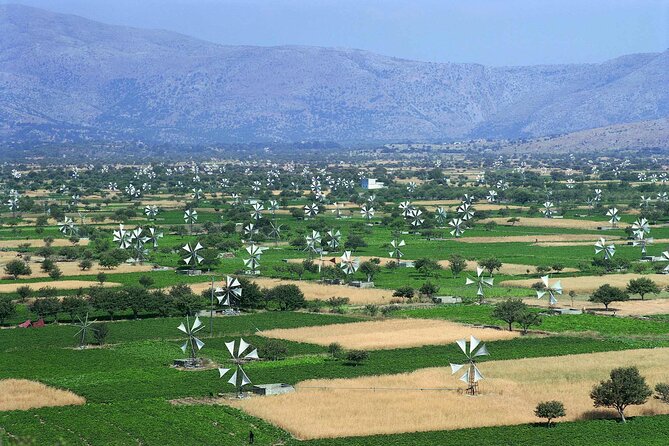
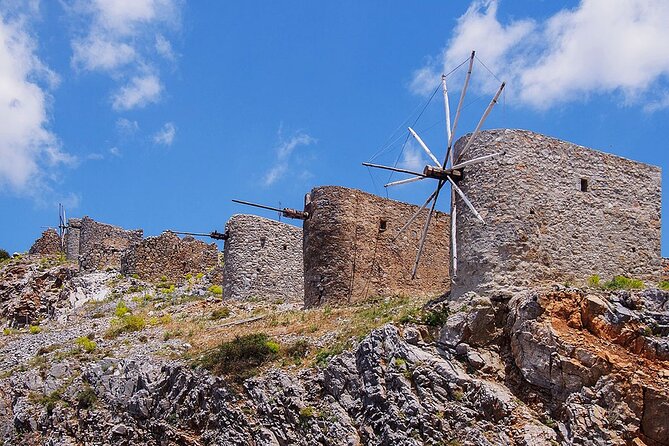
The road then climbs toward Lasithi Plateau, one of the most memorable settings on the route. The old windmills once pumped underground water for crops. Other mills were used to grind grain into flour. These machines tell you something useful about how people farmed in a high mountain area before modern systems did the work.
The stop lasts about an hour, giving you time to look across the plateau and photograph the windmills and surrounding peaks. The views are a major reason to take the mountain route, but the elevation brings cooler weather. One person specifically advised carrying a jacket and wearing long trousers outside the height of summer because the mountains can feel very cold.
That is an easy detail to overlook when you leave a warm coastal resort. Pack a layer even if the morning at the hotel feels mild. Comfortable shoes also matter, especially if the cave is open and you choose to walk to it.
Krasi, its plane tree, and the old aqueduct

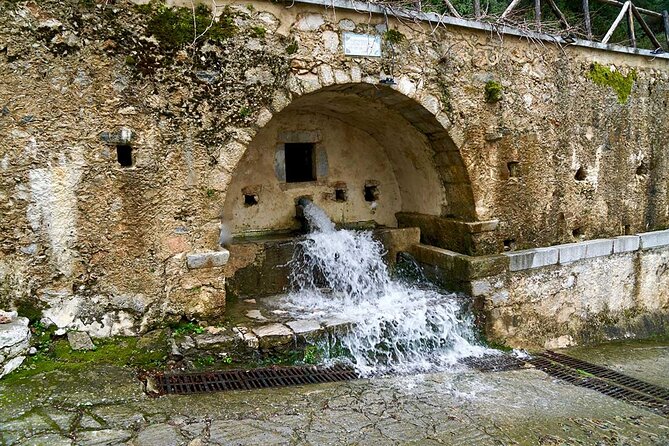
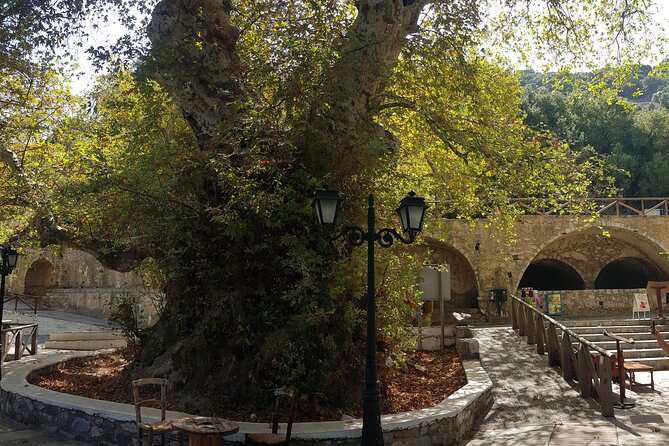
Krasi offers a short but worthwhile village stop. You walk through narrow, stone-paved lanes and see traditional Cretan house architecture. The main attraction is the old plane tree, described as the oldest and largest on the island, along with the village aqueduct.
You have about 30 minutes here, so this is a taste of the village rather than a long exploration. The short visit works because the route includes several other stops, but you should not expect time to wander every lane or settle in for a long coffee.
The village helps balance the ancient sites. Knossos tells you about the Minoan world, while Krasi shows how later Cretan communities built, lived, and moved through mountain settlements. The stone lanes and waterworks are simple details, but they make the day feel connected to ordinary island life.
The route also passes an old monastery after Krasi. The drive between stops takes only several minutes, and the monastery is mainly viewed in passing unless the guide adjusts the plan.
More Olive Mill and Factory Tours in Greece
- PRIVATE-Zeus Cave-Knossos-Olive oil Factory-Traditional Villages.
★ 5.0 · 69 reviews - Kournas Lake Argiroupolis and olive oil factory from Rethymno
★ 4.5 · 39 reviews - PRIVATE Spinalonga & Agios Nikolaos & Olive Oil Factory CRETE
★ 4.5 · 31 reviews - PRIVATE-Zeus Birthplace-Traditional Villages-Olive Oil Factory
★ 5.0 · 23 reviews
Aposelemis Dam and the short photo stop
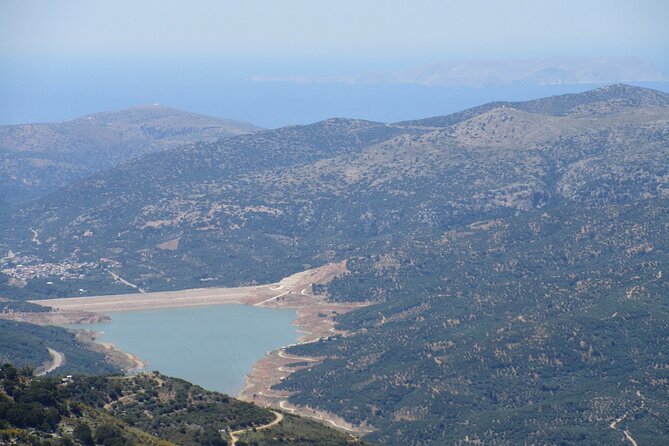
At Aposelemis Canyon, the vehicle stops near the dam for photos and wide views. This is only about five minutes, so treat it as a quick pause rather than a walk through the canyon.
The stop is useful because it breaks up the drive and gives you another look at Crete’s rugged interior. Do not expect a guided hike or an extended visit. If you are hoping for long photography sessions, you may find the time brief, especially on a cruise schedule.
Mochos village and the value of an unscripted hour
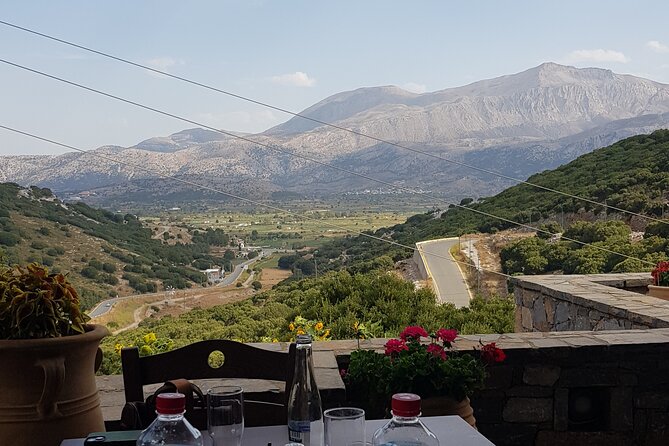
Mochos receives about an hour, making it one of the more relaxed village stops. You see its old church and square, then have time to absorb the setting rather than rush straight back to the vehicle.
This kind of stop is where a local guide can make a real difference. The formal sights are modest, but the guide can explain local customs, architecture, agriculture, and the way villages fit into the island’s wider story. Several guides on this tour are praised for adding side explanations about fruits, herbs, and plants growing along the route.
Mochos also gives you a break from major archaeological sites. If your ideal day includes only famous monuments, the village time may seem less essential. If you want a broader picture of Crete, it is one of the better parts of the itinerary.
Psychro Cave, the birthplace of Zeus
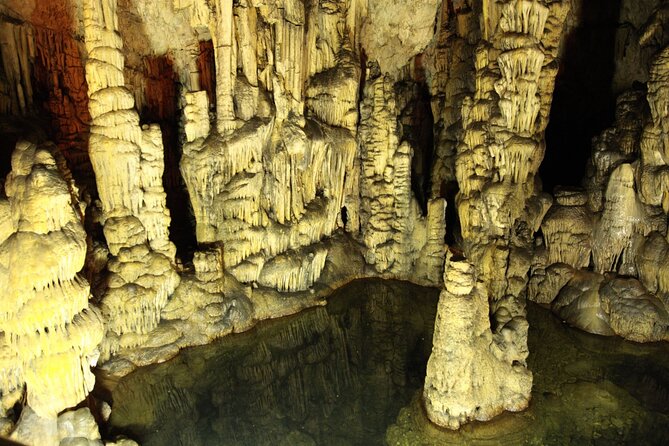
The Cave of Zeus, also called Psychro Cave or the Diktaean Cave, is the most demanding stop. Greek myth places Zeus’s birth here, and ancient Minoans once left offerings at the site. Inside, five illuminated chambers contain stalactites and stalagmites, including a large curtain-like formation known as the Mantle of Zeus above an underground lake.
The approach requires a 10 to 15 minute uphill walk of moderate difficulty. Once at the entrance, you descend 180 steps with handrails. You then climb those steps again, so this is not a casual cave visit. Good shoes and a steady pace are important.
A paved path and traditional donkey rides are described for the ascent. If you are considering a donkey, ask the guide about current arrangements and operating conditions before choosing that option. The information provided does not say that a donkey ride is included in the tour price.
Most important, the cave is currently closed until April and further notice. Some departures may replace it with another stop, but the exact substitute can vary. Confirm the cave’s status before you pay, particularly if this is the main reason you are interested in the tour.
Lunch at Restaurant Tzanakis Michael
Lunch lasts about 90 minutes at Restaurant Tzanakis Michael. The meal is not included, and house wine is also extra, so budget for both. The food is described as traditional Cretan and Greek, with vegetarian choices available.
The long lunch is a strength for people who want a proper local meal rather than a quick sandwich between sights. It also gives you time to sit down after the mountain stops and talk with the guide. One practical point: meal timing can affect the rest of the day, especially for cruise passengers. Keep an eye on the schedule and return to the vehicle promptly.
Because the price does not include lunch, the advertised fare is not the full cost of the day. That is normal for a tour with a restaurant stop, but you should include food, drinks, and entrance tickets when comparing it with other excursions.
Knossos as the final chapter
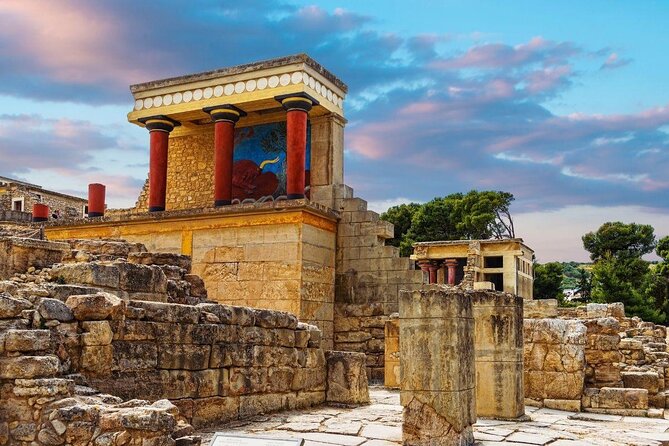
The Palace of Knossos is the final major stop, with about an hour at the archaeological site. You can explore independently, or arrange an official licensed guide for an extra charge. The entrance fee is 20 euros for adults and half price for children.
An hour is enough for a focused first visit, but it is not generous if you want to inspect every part of the site or linger over signs. The tour’s sequence can work well because the earlier stops have already shown you rural Crete. By the time you reach Knossos, you can place the palace within the island’s wider setting instead of treating it as an isolated ruin.
If Knossos is your top priority, tell the guide early. Cruise passengers may need to adjust or shorten earlier stops to protect their return time. Some departures begin at the palace to beat crowds, while others follow the listed route. The exact order can change with weather, opening conditions, and ship schedules.
The official guide is not included. That means you save money by exploring alone, but you also miss the full archaeological explanation that a licensed guide can provide. I would pay for the guide if Knossos is central to your interest in Crete. If you mainly want to see the site and photograph the setting, the self-guided option may be enough.
Price, vehicle, and pickup details
The price is listed at $109.42 per person. For a maximum of 10 people, hotel or port pickup, an English-speaking local driver-guide, water, coffee, and tastings, that can be fair value. The fare also includes liability insurance and transport, but not lunch, Knossos admission, or an official guide inside the palace.
The small group is important. You avoid the feel of a large coach and have more room to ask questions or adjust the day. Private bookings can pick up in Heraklion, Agios Nikolaos, Elounda, Plaka, and Rethymno, among other listed areas. Shared departures cover Heraklion and several northern resort areas, including Kokkini Hani, Gouves, Analipsi, Hersonissos, Anissaras, Stalida, and Malia. Agios Nikolaos and Elounda can be possible for shared groups of more than six, otherwise a meeting point may be arranged.
Cruise passengers meet the guide at Heraklion port near the shuttle drop-off point. The guide carries a sign with your name. A return to the ship is promised as part of the planning, but you still need to come off the ship promptly and follow the guide’s meeting instructions. One departure involved a late return to the port, though the group still arrived about two hours before sailing. That example shows why cruise passengers should speak up early if they are anxious about timing, and why everyone in the group needs to return to the vehicle on time.
Who should book this Crete tour?
I would choose this tour if you want a broad introduction to central Crete in one day. It suits first-time visitors, families who like variety, cruise passengers seeking more than a port-area stroll, and anyone interested in food, villages, mythology, and archaeology.
It is especially good for you if you enjoy a guide who talks throughout the day. Mike, Stavros, and the other guides are described as warm, funny, and highly informed about local history, geography, plants, and food. The tone is conversational rather than formal.
Think twice if you dislike winding mountain roads, short photo stops, or a full schedule. The cave requires a climb when open, lunch costs extra, and Knossos receives only about an hour. You should also confirm the cave closure and pickup area before booking.
Free cancellation is available up to 24 hours before the start time. Poor weather can lead to a new date or a full refund. Service animals are allowed, and most people can participate, but contact the operator about specific accessibility needs.
Should you book it?
Book this tour if you want to see how Cretan food, villages, mountain farming, mythology, and archaeology fit together. The small group and strong local guiding give it an advantage over a basic coach trip, and the olive press, Lasithi Plateau, Krasi, Mochos, and Knossos create a varied day.
Skip it if your only goal is an extended visit to Knossos, or if you need a slow, unhurried schedule. Before booking, confirm whether Psychro Cave is open, ask how much time will be allowed at Knossos, and set aside money for lunch, drinks, and the 20 euro adult entrance fee. With those points clear, this is a practical way to see much more of Crete than the usual city-and-ruins itinerary.
FAQ
How long does the tour last?
The experience lasts approximately 7 to 8 hours.
What is the maximum group size?
The tour has a maximum of 10 travelers.
Is hotel pickup available?
Yes. For hotels, pickup is arranged directly in front of the reception area within the listed pickup zones.
Can cruise passengers join the tour?
Yes. Cruise passengers are met at Heraklion port near the shuttle drop-off point. The guide holds a sign with the passenger’s name.
Is lunch included?
No. Lunch at Restaurant Tzanakis Michael is not included. House wine is also extra.
How much is entry to Knossos?
The adult entrance fee is 20 euros. Children pay half price.
Is a guide inside Knossos included?
No. You can explore independently, or arrange an official licensed tourist guide for an additional charge.
Is Zeus’s Cave open?
The provided information says Zeus’s Cave is closed until April and further notice. Confirm its status before booking because the route may be adjusted.
How difficult is the walk to Zeus’s Cave?
The walk uphill to the entrance takes about 10 to 15 minutes and is moderately difficult. Inside, there are 180 steps down with handrails, followed by the climb back up.
What is included in the tour?
The tour includes liability insurance, water, coffee, olive oil and raki tasting, an English-speaking local driver-guide, and pickup and drop-off from the stated areas.
More Knossos Palace Tours around Crete
- Crete: Knossos Palace, Winery & Olive Oil Tour with Lunch
★ 4.9 · 49 reviews - Knossos Cave of Zeus and Olive Oil Factory Full Day Private Tour
★ 5.0 · 19 reviews - Crete Discovery Palace of Knossos, Wine and Olive Oil Experience
★ 5.0 · 9 reviews - Crete in a Day: Knossos, Soap Workshops, Olive Oil & Wine Tasting
★ 5.0 · 5 reviews
More Olive Oil and Village Tours in Crete
- Heraklion: Zeus Cave & Knossos History, Villages & Olive Oil
★ 4.9 · 89 reviews - PRIVATE-Knossos Palace-Zeus Cave-Olive Oil Tasting-Old Villages
★ 5.0 · 81 reviews - Knossos & Lasithi Plateau: Villages, Olive Oil Tour From Elounda
★ 5.0 · 26 reviews - Makrigialos-Ierapetra: Hidden Villages & Olive Oil Farm Tour
★ 4.4 · 16 reviews
Freshly pressed around Crete
- Crete in a Day: Knossos, Soap Workshops, Olive Oil & Wine Tasting★ 5.0 · 5 reviews
- Full Day Spinalonga Elouda Agios Nikolaos Olive factory Tour★ 4.5 · 5 reviews
- Traditional Olive Oil Making at Spiridi Olive Oil Farm – Crete★ 5.0 · 3 reviews
- 1 hour and 30 minutes wines and olive oil tasting in Greece★ 5.0 · 2 reviews
- Guided Tasting of 3 Extra Virgin Olive Oils at Douloufakis Winery★ 5.0 · 2 reviews
- PRIVATE Workshop ESSENTIAL OILS & OLIVE OIL Factory with TASTING★ 5.0 · 5 reviews
- Private Guided Tour to Lasithi Plateau Villages & Olive Oil Mill★ 5.0 · 5 reviews
- Wine olive and Food of Crete, Heraklion★ 5.0 · 11 reviews
Olive Mill and Factory Tours, compared.
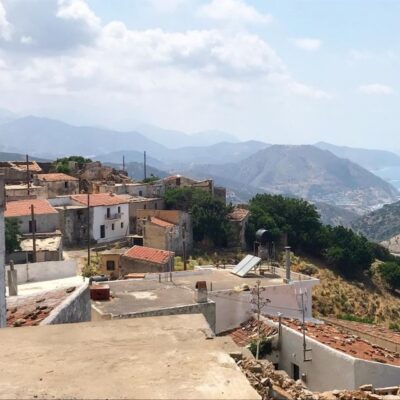
Crete: Quad Safari, Olive Mill with Tasting & Ghost Village
Read our review →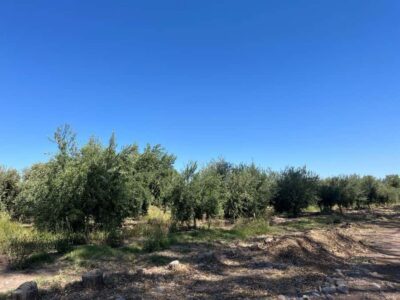
From Mendoza: 3 Wineries, Olive Oil Factory Tour & Tasting
Read our review →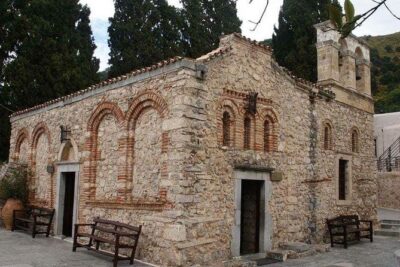
Knossos-Zeus Cave -Old Traditional Villages-Olive Oil Factory
Read our review →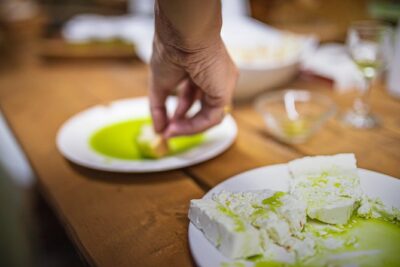
The Governor’s Olive Mill Tour with Olive Oil Tasting
Read our review →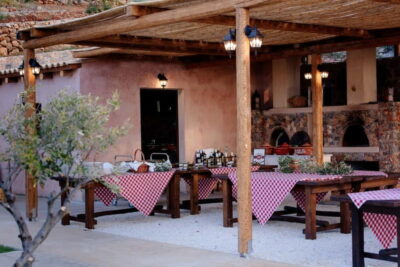
Crete: Road-trip to Lasithi, Zeus Cave & Olive Mill Farm
Read our review →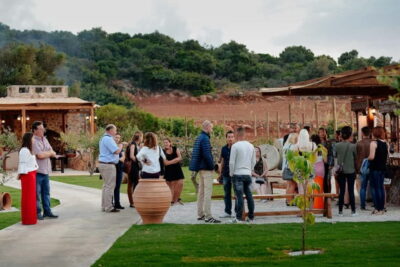
Lassithi, Zeus Cave, Olive Mill Farm & Knossos Combo Tour
Read our review →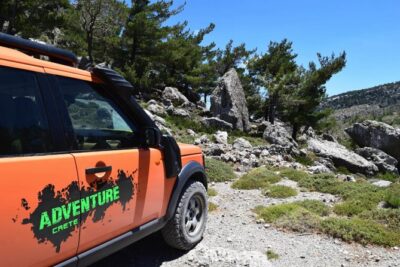
Zeus Cave, Lassithi Plateau, Olive Oil Factory, Kritza, Pottery
Read our review →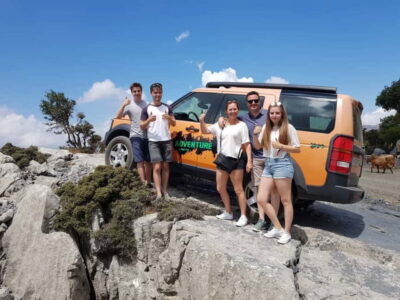
Crete: Zeus Cave, Lassithi Plateau, and Olive Factory Tour
Read our review →Other lists with this tasting on them