
Review · VERONA
Marano di Valpolicella: DOP Olive Oil Tasting Experience
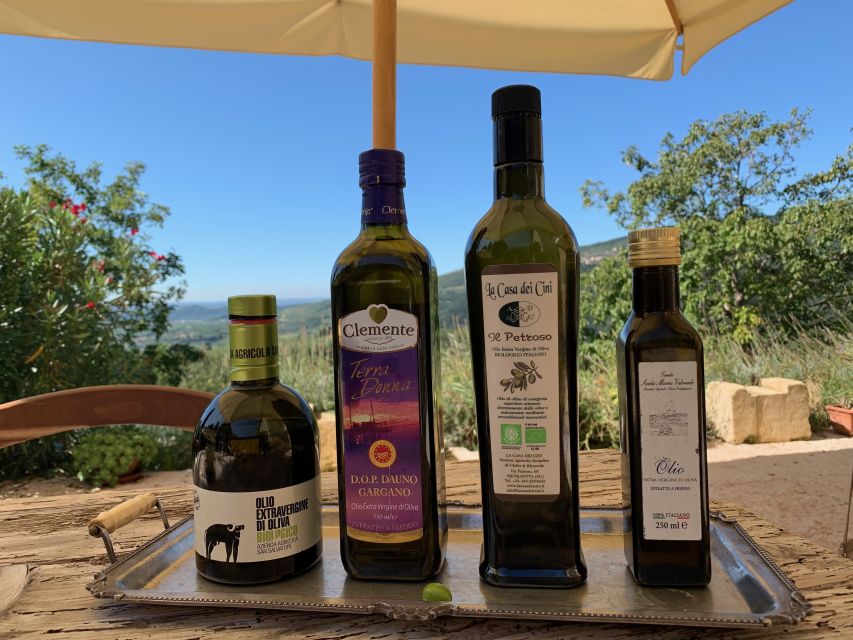
The best part of this two-hour tasting is that olive oil gets the same careful attention usually given to wine. You walk among the trees, see where the oil is collected, and compare four DOP oils by sight, smell, and taste. The lesson gives a useful answer to a common shopping problem: how to tell a genuine Italian oil from a pretty bottle with little substance behind it.
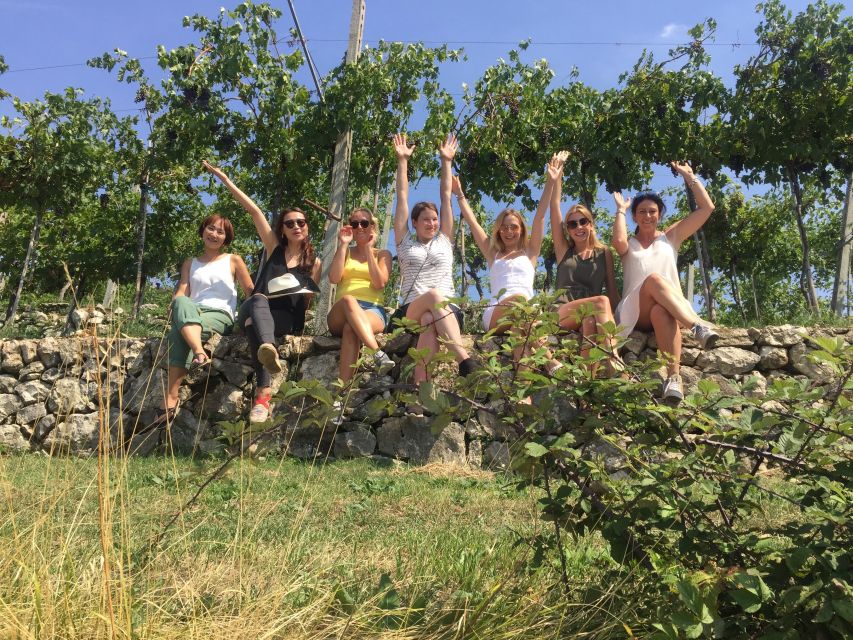
I like the family-run feel and the setting. You get a stroll through an olive grove and an old rural house, then sit above the Valpolicella hills with wine, fresh bread, cheese, salami, and chutney. The main consideration is transport, since the winery is outside Verona, though the local partner can help arrange public transport.
Key points to know before booking
- Four DOP oils are tasted side by side, making it easier to notice differences in color, aroma, and flavor.
- The tour includes working farm spaces, from the olive garden to an oil collection room and a 17th-century cellar.
- Ilaria and Nicola are associated with the experience, with English and Italian guiding available.
- Food is substantial for a tasting, with regional wine, fresh bread, local cheese, salami, and chutney.
- The terrace views are a major part of the appeal, especially if you want a calm break from Verona’s busy center.
- The $71 price is strongest for food and wine lovers, and less compelling if you only want a quick oil sample.
Why this olive oil visit is different from a standard tasting
Many Italian tastings treat olive oil as a small extra beside wine. This one puts the oil at the center. You are not simply handed a dish of oil and told that it is good. You learn how to compare four different DOP oils and what to notice with your eyes, nose, and palate.
That matters because olive oil can be hard to judge in a shop. Bottle design, regional names, and words such as extra virgin can make every product look equally convincing. Here, the label lesson gives you a practical starting point. You learn how to read and recognize an authentic Italian olive oil label, then test those ideas against the oils in front of you.
The DOP designation is also useful context. The four oils are presented as protected regional products, so the tasting is not just a random flight of bottles. You get a chance to notice how oils from different Italian areas can vary, even when they share the same broad category.
I would not book this expecting a technical certification course. The experience lasts two hours, and the tone is relaxed rather than academic. Its value is in making a subject that can seem fussy or confusing easy to understand, then pairing the lesson with good food and a fine view.
More Olive Oil Tours around Italy:
- Sorrento Farm and Food Experience including Olive Oil, Limoncello, Wine tasting
★ 5.0 · 2,524 reviews - Olive oil tasting in Sorrento
★ 5.0 · 434 reviews - Sorrento: Lemon, Olive Oil and Wine Tasting Tour with Lunch
★ 5.0 · 300 reviews
Starting at Tenuta Santa Maria Valverde
The meeting point is Tenuta Santa Maria Valverde, at Loc. Gazzo 4 in Marano di Valpolicella. This is a winery and farm rather than a city-center tasting room, so the setting feels tied to the land. You begin at the property and return there at the end.
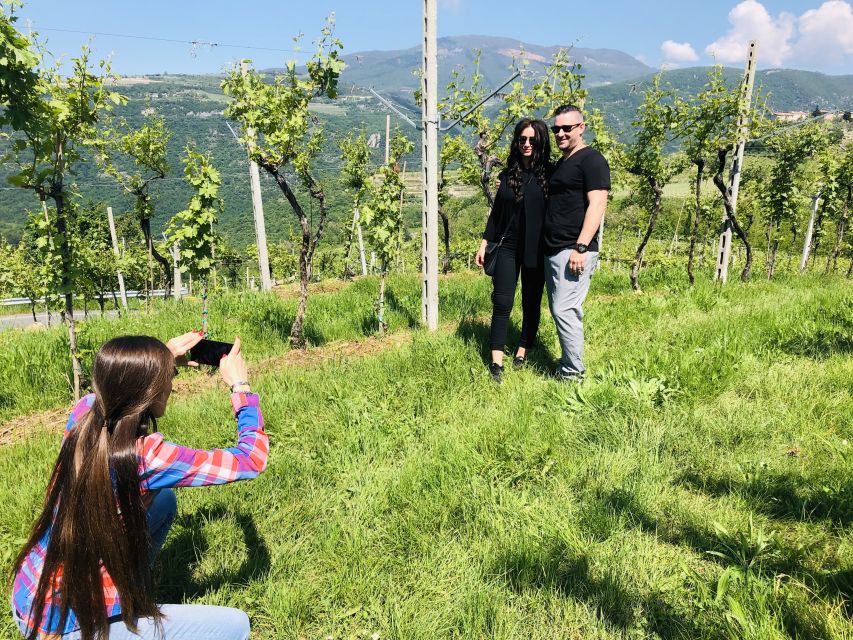
The first part takes you through an olive tree garden. You see both older and younger olive trees, along with grapevines around the property. That simple walk helps connect the tasting to the farm itself. Instead of discussing oil in the abstract, you get a sense of the trees and hillside where local agricultural work takes place.
The guide explains the family-run winery and farm as you go. Ilaria is named in several accounts of the experience, and Nicola is also associated with the welcome and tasting. Both Italian and English are offered. One past visit had a substitute guide whose English was less polished, although the technical information still came through, so English delivery may vary slightly from day to day.
The walk is not a strenuous hike. It is a short guided visit around the property, but sensible shoes are still a good idea for an outdoor farm setting. The experience is particularly pleasant for anyone who likes to see how a product begins, not just sample the finished item.
The secret oil room and 17th-century cellar
After the garden, you visit a room where the oil is collected. It is described as a secret room, which gives this small stop a little personality, but the useful point is practical: you see part of the production process rather than only hearing a general explanation.
You then enter an authentic cellar in a rural house dating to the 17th century. This is one of the strongest parts for visitors who enjoy old buildings and working spaces. The cellar adds a sense of place without turning the visit into a formal historic-house tour.
The production explanation follows the oil from start to finish. You learn about the path from olive tree to collected oil and how the finished product is identified. The tour does not promise a full industrial mill visit, so keep your expectations in check. Think of it as a compact look at the farm’s oil-making world, combined with a clear introduction to labels and tasting.
This section also breaks up the food portion nicely. You walk first, see the spaces where the work happens, and only then sit down to taste. That order makes the oil feel connected to the property instead of being a product brought in for a sales pitch.
How the four DOP oils are tasted
The tasting is the heart of the visit. Four DOP olive oils from different Italian regions are compared by sight, smell, and taste. You do not need previous experience. The guide gives you a way to slow down and notice what changes from one sample to the next.
Start with appearance, then smell, then taste. Looking at the oil gives you an initial impression, but the aroma and flavor are more useful for comparison. The point is not to pick a winner for everyone. It is to notice that oils have their own character and that your own preferences may change from one sample to another.
The side-by-side format is valuable. Tasting one oil alone can leave you with little to say beyond good or not good. Four samples create contrast. One may seem softer, another more pronounced, and another may show a different balance of fruitiness or bitterness. The guide helps put those impressions into words.
You also learn how to recognize an authentic Italian label. That is the sort of information you can use later at a market or grocery shop. If you plan to buy olive oil in Italy, this may be more useful than a long lecture about production methods.
The tasting is designed to be enjoyable, not intimidating. You are not expected to identify every note or use specialist language. Ask questions as you go, especially if you want help understanding DOP labeling or comparing oils from different Italian regions.
Same olive country, a different way to taste it:
- Alghero: Wine and Olive Oil Tasting at a Local Farm
★ 4.8 · 294 reviews - Ostuni: Masseria tour among thousand-year-old olive trees with oil tasting
★ 4.8 · 261 reviews - Balestrate: Olive Grove Tour with Wines & Olive Oil Tasting
★ 5.0 · 241 reviews - Bardolino: Vineyard Tour with Wine, Olive Oil & Food Tasting
★ 4.6 · 221 reviews
Cheese, salami, bread, chutney, and wine
The food pairing makes the tasting feel like a small regional meal. Fresh bread gives you a plain base for the oils, while local cheeses and salami bring salt, texture, and stronger flavors. Chutney adds a sweet contrast. Regional wine completes the table.
This is more than decoration around the oil samples. Food changes how you experience oil. Bread lets you focus on the oil itself, while cheese and salami show how it works with familiar Valpolicella-area products. The wine turns the lesson into a social tasting rather than a formal sensory exercise.
The portions are described as sufficient rather than enormous. You should arrive ready for a generous snack or light meal, but not assume this replaces lunch or dinner. For many people, that balance is right. You get enough food to make the $71 price feel less like a fee for a brief sample, while still leaving room for another meal later.
The pairing also suits mixed groups. One person may be excited about olive oil, another about wine, and another about local food. The experience gives each of you something to enjoy. If you dislike wine or cannot drink alcohol, the key attraction remains the oil and food, but the wine is part of the included presentation.
The terrace above the Valpolicella hills
The final setting is a terrace with wide views over the hills of Valpolicella. You eat and drink outdoors while looking across the surrounding countryside. That view is not a minor backdrop. It changes the pace of the visit and gives you a quiet place to sit after the walk and cellar tour.
The property includes vineyards and olive trees, so the scene matches the products on the table. You are not looking at a generic restaurant view. The grapevines and olive groves help explain why this region works so well for a combined wine and oil visit.
The terrace is also where the experience feels most personal. A tasting at a counter can be efficient, but sitting with bread, cheese, salami, and wine gives the visit a slower rhythm. I like that the food is served in the same setting as the views rather than rushed at the end.
Keep the weather in mind. The outdoor terrace is central to the appeal, and the experience will naturally feel different on a cool or wet day. No indoor alternative is specified, so check conditions before you go if the terrace matters to you.
Is $71 a fair price?
At $71 per person, this is not a bargain stop for a quick sample of oil. It becomes better value when you count the full package: a two-hour guided visit, the olive tree garden, the rural house and cellar, four DOP oils, regional wine, cheese, salami, fresh bread, and chutney.
I would compare it with the cost of a winery tasting plus a separate meal. You are getting both a guided agricultural visit and a food-and-drink experience in one appointment. The small-scale setting also offers a personal feel that is hard to reproduce at a large commercial attraction.
The price makes the most sense if you enjoy olive oil, regional food, or wine. It is also a good choice if you want time outside Verona and prefer a calm countryside visit to another museum or crowded city attraction.
It is less convincing for someone who only wants to taste one or two oils or who has no interest in how food is produced. The tour spends real time on the garden, cellar, and label lesson. That is its strength, but it also means you should not book it expecting a short tasting with no explanation.
Getting there from Verona
The winery is in Marano di Valpolicella, in the Veneto region, not in central Verona. You need to plan the journey to Tenuta Santa Maria Valverde rather than assuming you can walk up from a city hotel.
The local partner can assist with arranging public transport from Verona center to the winery. Ask about this before your appointment, since the provided information does not give a fixed route or travel time. If your schedule is tight, allow enough time for the trip in both directions.
The meeting point is specific: Tenuta Santa Maria Valverde, Loc. Gazzo 4, 37020 Marano di Valpolicella VR. Save the full address and confirm the starting time when booking. Availability changes by date, and the activity lasts two hours.
Once you arrive, the route is straightforward. You begin at the estate, walk through the olive garden, visit the oil collection room and cellar, taste the oils and food, then finish back at the property. There is no separate stop in Verona itself, despite Verona appearing in the wider route description. Treat Verona as the likely departure area, not as a sightseeing portion of the tasting.
Who will enjoy this most
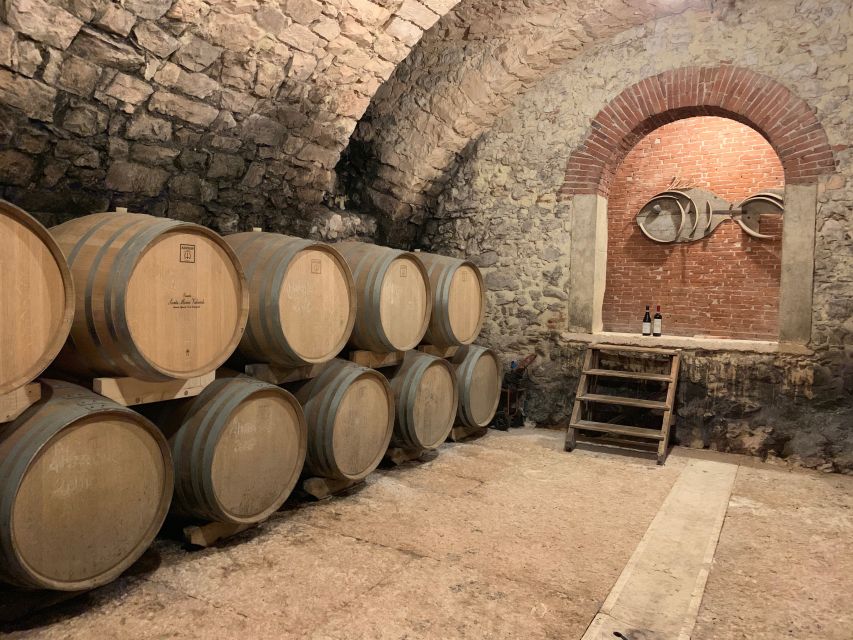
I would choose this for an olive oil fan who wants to understand what is in the bottle. You will get the most from the visit if you enjoy tasting slowly and comparing products rather than simply drinking wine in a pretty place.
It also suits couples, food-focused families, and small groups looking for a relaxed half-day plan. The farm setting, old cellar, and terrace provide variety, so the visit does not depend on your being a serious oil expert.
Wine lovers should also find enough here to enjoy, although olive oil remains the star. You taste regional wine with local food, but this is not presented as a dedicated wine education course.
This is less suitable if you want a large, highly structured production facility, a full meal, or a long tour. It is a boutique experience with a gentle pace. The occasional variation in English guiding is worth remembering, especially if detailed technical explanations matter to you.
The experience also works well for shoppers. After tasting, you can choose to buy wine or olive oil from the property. That purchase is optional, and the visit is not framed as a sales event. You can enjoy the tour without feeling pressured to take home a bottle.
Should you book the Marano di Valpolicella oil tasting?
I would book it if you have two hours to spare outside Verona and want a food experience with real connection to its setting. The combination of four DOP oils, an olive garden, an old cellar, local snacks, and terrace views gives you more than a standard tasting flight.
Choose another activity if your priority is a full winery tour, a large meal, or the easiest possible city-center location. For everyone else, the $71 price is reasonable when you value the food, wine, guided explanation, and peaceful hilltop setting together.
The best reason to go is simple: you leave with a better sense of how to taste and buy olive oil, not just a pleasant afternoon and an empty glass.
FAQ
How long does the olive oil tasting experience last?
The experience lasts two hours. Starting times vary, so check availability for your chosen date.
Where does the tour meet?
It meets at Tenuta Santa Maria Valverde, Loc. Gazzo 4, 37020 Marano di Valpolicella VR.
What languages are available?
The tour is offered in Italian and English. Ilaria and Nicola are associated with the experience.
What food and drinks are included?
The tasting includes four DOP olive oils, regional wine, fresh bread, local cheeses, salami, and chutney.
Can I reach the winery from Verona by public transport?
The local partner can assist with arranging public transport from Verona center to the winery.
Can I cancel for a refund?
You can cancel up to 24 hours in advance for a full refund. You can also reserve now and pay later.
Freshly pressed around Italy
- E-bike tour in Ostuni, the olive trees and the rock village★ 5.0 · 4 reviews
- Tuscan ExtraVirgin Olive Oil Tour★ 5.0 · 4 reviews
- Wine and Extra virgin olive oil tasting in Lucca, Tuscany★ 5.0 · 3 reviews
- Lecce : Half day E-Bike tour to Old Olive Mill & Olive Oil Taste★ 5.0 · 3 reviews
- Bellagio/Lezzeno/Oliveto Lario to/from Milan Malpensa Apt (Private Transfer)★ 5.0 · 4 reviews
- Sunset Magic E-bike Tour at Sunset in Capoliveri★ 5.0 · 4 reviews
- Chianti from Florence:PRIVATE Wine, Olive Oil Tasting in the Tuscan countryside★ 5.0 · 2 reviews
- Leonardo Da Vinci’s wind mill visit and Organic olive oil tasting★ 4.5 · 12 reviews
Italy Olive Oil Tours, compared.
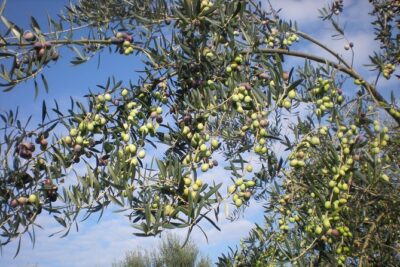
Sorrento Farm and Food Experience including Olive Oil, Limoncello, Wine tasting
Read our review →
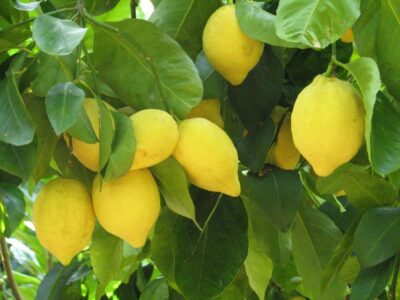
Sorrento: Lemon, Olive Oil and Wine Tasting Tour with Lunch
Read our review →
Alghero: Wine and Olive Oil Tasting at a Local Farm
Read our review →
Ostuni: Masseria tour among thousand-year-old olive trees with oil tasting
Read our review →
Balestrate: Olive Grove Tour with Wines & Olive Oil Tasting
Read our review →
Bardolino: Vineyard Tour with Wine, Olive Oil & Food Tasting
Read our review →
Tuscany Bike Tour with Wine, Oil and Food in the Florentine Hills
Read our review →Other lists with this tasting on them