Review · KALAMATA
Organic Olive Grove tour & Olive oil tasting & lunch in Kalamata!
Kalamata’s olive oil story begins outside the city, among old trees that have fed families for generations. This three-hour experience takes you from an organic olive grove to a certified mill and then into a historic-center olive oil shop, where four Greek extra virgin oils are tasted side by side.
I like the clear farm-to-bottle route, and I like that Maria explains both old and modern olive growing in plain language. The tasting is more useful than a quick sample at a shop because you learn how aroma, flavor, harvest timing, and food pairing affect your choices.
The main thing to plan for is transportation. The grove and mill are about 10 minutes from central Kalamata, and getting there is your responsibility unless you arrange a taxi through the provider for an extra charge. Lunch is also optional, not part of the base price.
Key points to know
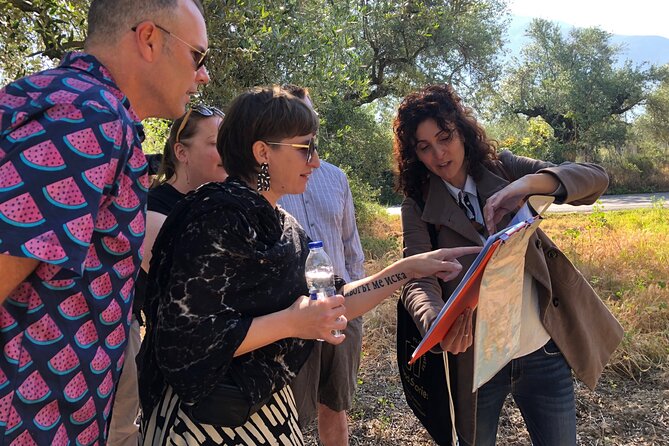
- Walk among ancient olive trees: The grove includes trees described as being up to 800 years old, along with younger trees and several varieties.
- See the oil-making process: A certified mill explains how olives move from harvest to extraction and bottling.
- Taste four Greek oils: A professional taster introduces varieties such as Koroneiki and explains aromas, flavors, quality, and food pairings.
- Maria leads the experience: Her warm, energetic style and strong command of olive farming are central to the tour.
- Lunch costs extra: You can add Greek pies, cheese, vegetarian dishes, split-pea balls, seasonal foods, local wine, or other drinks.
- Private for your group: Only your own party participates, but transportation still needs to be arranged.
From Kalamata port to the olive groves
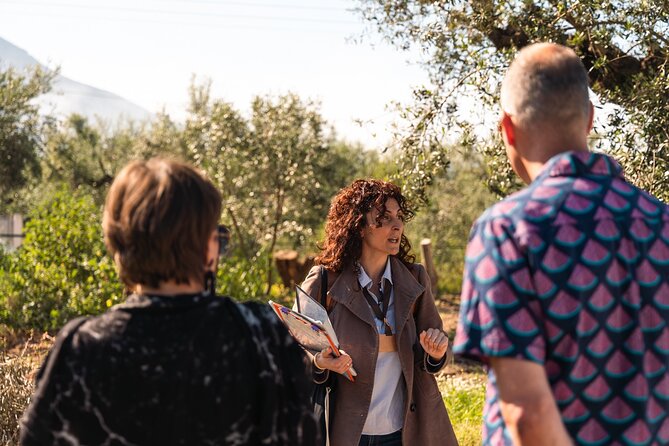
The stated meeting point is the Kalamata Port Authority at Mpoumpoulinas 4. From there, you travel roughly 10 minutes outside the city to a traditional organic olive grove.
That short transfer matters. Kalamata is closely tied to olive production, but the city itself cannot show you the full story. The grove gives you the setting where the work begins: soil, trunks, branches, fruit, weather, and the long wait between planting and harvest.
You will walk among olive trees of different ages and forms. Some are young and productive, while others are old enough to feel like part of the local record book. The oldest trees described during the experience are around 800 years old, a striking detail for anyone who assumes olive farming is simply a modern food business.
Maria uses the walk to explain the olive tree’s long role in Greek life. You also learn about different varieties and how farmers think about cultivation and harvest. This is not a strenuous hike, but you should wear comfortable shoes. Much of the visit takes place outdoors, so a hat is sensible, especially during a sunny afternoon departure.
The grove is also the most relaxed part of the experience. You have time to look closely at the trees rather than rushing from one display to another. Families can use this section to give children a simple picture of where olive oil begins. Several family groups found that Maria kept children and teenagers involved, which is useful because olive production can sound dry if it is explained only as machinery and percentages.
More Olive Grove Tours in Greece
- Traditional Olive Grove and Dragon Fruit Farm Tour
★ 4.8 · 118 reviews - Private Traditional Olive Grove and Dragon Fruit Farm Tour
★ 5.0 · 29 reviews - From Athens: Olive Oil Tasting, Olive Grove & Wine Experience
★ 5.0 · 13 reviews
What the olive grove teaches you
The grove helps you understand that olive oil is not just a product sitting on a supermarket shelf. The oil’s character begins with the variety of olive, the condition of the fruit, the point in the season when it is picked, and the way it is handled before pressing.
Koroneiki is one of the Greek varieties covered during the tasting and discussion. You learn to connect the name with sensory traits rather than treating it as a label to remember for a quiz.
Harvest season also changes what you see. From March through October, the mill visit is generally available every day, while the grove and tasting operate all year. From November through February, mill access depends on coordination and availability because this is the olive harvesting period. If you want to see the most active part of the process, ask about current conditions before booking.
The grove visit is offered in the morning or afternoon, including a 5:30 p.m. departure. An afternoon time may be convenient in summer, though the provider still recommends sun protection and comfortable clothing.
Inside the certified olive oil mill
The next stop is a certified olive oil mill close to the grove. Here you see how harvested olives are processed, from the arrival of the fruit through extraction and bottling.
The value of this stop is practical. You are not only told that olive oil is pressed. You learn about the equipment and the decisions that affect the final product. Family groups have been shown both modern machinery and the older method of making oil, along with the costs and timing local farmers consider when choosing when to harvest.
Availability needs attention. The mill visit is offered from March to October, Monday through Sunday, but winter visits require advance coordination. The olive grove and tasting can run all year, yet the complete farm-and-mill route may need a different date in the colder months.
This is one reason I would not book the experience at the last minute if seeing the mill is your main goal. Confirmation is sent at booking, but the provider notes that the full experience depends on availability. If the mill cannot receive you on your preferred day, another date or a similar experience may be offered after discussion.
The mill is not a museum piece. It is a working facility, and its appeal comes from seeing the real process. The trade-off is that a working site may feel more functional than polished. If you want theatrical demonstrations or a large visitor center, this is not that kind of stop. If you want to understand how olives become oil, it delivers the useful part.
Four oils, one better understanding of quality
After the grove and mill, you continue to the historic center and an old olive oil shop. The activity ends at the shop, despite the meeting point information also stating that it ends back at the starting point, so confirm the return arrangement before you book. The provider’s direct note says the experience ends at the olive oil shop.
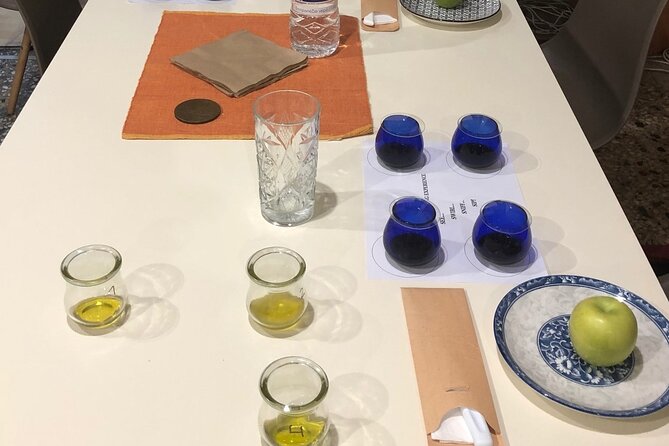
The tasting includes four Greek extra virgin olive oils with a professional olive oil taster. This is where the earlier stops begin to make sense. You can compare oils rather than tasting one sample in isolation.
The session covers Greek varieties, including Koroneiki, and focuses on key aromas, tastes, characteristics, health benefits, and food pairings. You are also shown how to choose an extra virgin olive oil for different foods.
Expect local snacks and a bottle of water as part of the experience. The tasting is intended to teach you how to notice differences by smell and flavor, not simply to hand you a favorite bottle and send you shopping. You might leave with a better sense of the qualities you want in oil for salads, bread, vegetables, or cooked dishes.
A small shop is a fitting place for this final stop. It keeps the focus on Greek oil and local products, and you can make personal purchases if you wish. Those purchases are not included, so allow for that if you are tempted by bottles, olives, or other local foods.
The tasting also works well for people who already use olive oil at home. You do not need to be a food expert. The point is to give you a vocabulary for what you are smelling and tasting, and to show why extra virgin oil is not one uniform category.
More Olive Oil Tastings with Lunch in Greece
- Wine & Olive Oil Tour with Lunch at Milia Mountain Retreat
★ 5.0 · 194 reviews - Wine & Olive Oil Tour with Lunch – Semi Private Safari Tour
★ 5.0 · 156 reviews - Kalamata- Olive oil & Wine Tour with traditional lunch
★ 5.0 · 117 reviews - Chania: Milia Mountain Tour w/Lunch Olive Oil/Wine Tastings
★ 4.9 · 97 reviews
Maria’s role makes the difference
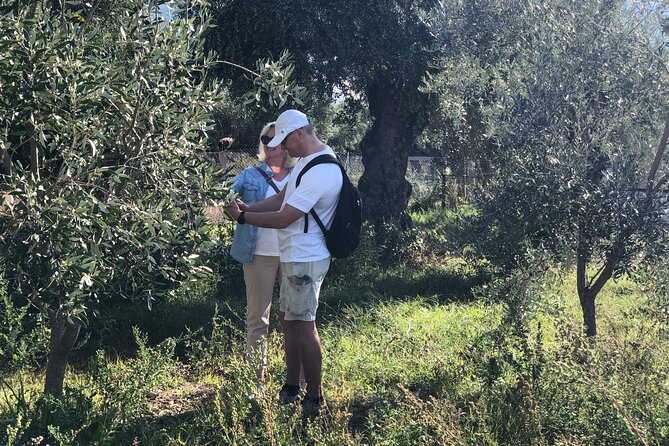
Maria is the main guide, and her strongest quality is her enthusiasm for the subject. She explains olive farming, the past and present of production, and the place of olives in Greek culture. Her style is personal rather than formal, with time for questions and conversation.
Her fellow host Kelly may join the experience, especially when lunch is added. The olive oil tasting itself is led with a professional olive oil taster, giving the final section a more focused sensory approach.
The experience is offered in English. A French-language visitor also received a warm and informative tour, but English is the stated language for booking.
This is a private activity, meaning only your group participates. That can make a real difference if you are booking with children, have specific questions, or prefer not to match the pace of strangers. It can also mean the price feels high for a solo visitor or a couple. At $144.82 per person, the value depends on how much you want the personal guide, mill access, and structured tasting.
For a larger family or group, the private format becomes easier to justify, especially if you split any transportation cost. Group discounts are available, though the exact amount is not stated.
Adding the Greek lunch
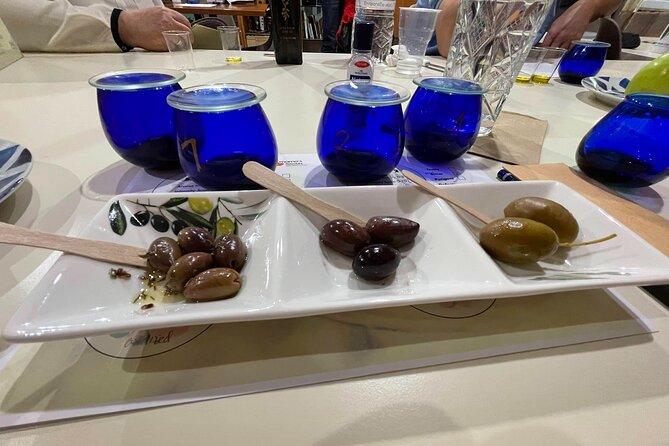
Lunch is available by request at an extra charge. You can choose a light or full lunch with local foods such as Greek pies, cheese, vegetarian dishes, split-pea balls, or other seasonal items. Local wine or other drinks can be added with the meal.
I would treat lunch as a useful extension, not a built-in part of the three-hour core experience. One light lunch option has been enough to leave people full, so ask what is included before choosing between light and full. If you have dietary restrictions, tell the provider in advance. Vegetarian, vegan, pescatarian, flexitarian, and allergy-related requests are specifically welcomed for planning purposes.
The meal gives the olive oil a second setting. At the shop, you learn to identify differences in oil. At the table, you can connect those differences to familiar Greek foods. For many people, that is the part they remember when they return home and reach for a bottle in their own kitchen.
Lunch may also make the day feel more social, especially for families or small private groups. The trade-off is time and cost. If you have a tight port schedule or want only the technical side of production, stick with the grove, mill, and tasting.
Timing, transport, and practical planning
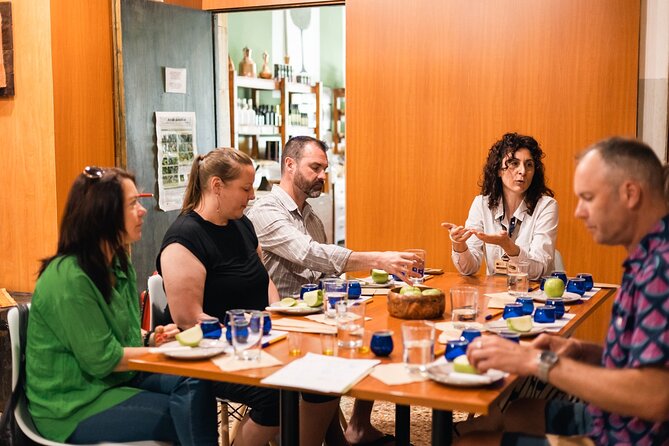
The advertised duration is about three hours, not including extra time that may be added for lunch or transport arrangements. The tour can operate in the morning or at 5:30 p.m., Monday through Sunday, except on Holy Friday, Easter Tuesday, and Greek official holidays.
You need transportation to the grove and mill. You may use your own vehicle, or the provider can arrange taxi service with local partners for an additional fee. Ask for the complete transportation cost before confirming, since the advertised per-person price does not include private transport.
This point is especially important if you are arriving by cruise ship or relying on public transit. The meeting point is near public transportation, but the rural stops still require a vehicle. Do not assume that meeting near the port means every part of the experience is walkable.
Wear comfortable shoes and a hat. You will spend a good portion of the tour outside, and the grove is not the place for dress shoes. Tell the provider about food allergies and bee allergies, as well as dietary needs.
The activity requires good weather. If poor weather forces cancellation, you are offered another date or a full refund. The usual cancellation rule is stricter: the booking is non-refundable and cannot be changed for personal cancellation or amendment requests.
Who will get the most from this experience
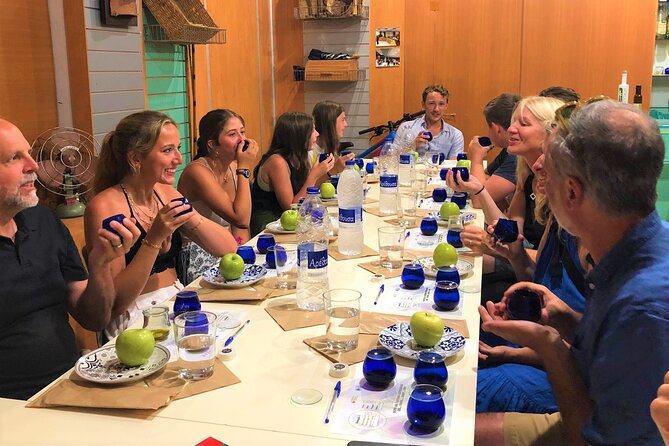
I would choose this for you if olive oil is part of your interest in Greece, not just a food you happen to use. It is also a good fit if you like meeting local hosts, seeing production up close, and learning through taste rather than a lecture alone.
Families should give it serious thought. Maria’s ability to keep children involved is a major advantage, and the ancient trees, machines, and tasting provide several different ways to hold their attention. Teenagers may especially like seeing the real equipment and learning how farmers make decisions about harvest timing and cost.
Food-focused visitors will find the optional lunch worthwhile. It adds regional dishes and gives you a chance to use the oil in a meal rather than only tasting it from a cup.
I would be more cautious if your schedule is very tight, if you do not want to arrange transport, or if you expect lunch to be included in the $144.82 price. The mill’s winter availability also makes the season important. Ask direct questions before payment.
Should you book it?
Book this experience if you want Kalamata explained through its defining crop, from old trees to modern extraction and a serious tasting. Maria’s personal approach, the possible sight of 800-year-old trees, and the four-oil comparison give the visit more substance than a quick stop at a shop.
Skip it if you want a fully walkable city activity, a guaranteed lunch in the base price, or a casual tasting with no planning. For everyone else, the price is reasonable when you value a private guide, a working mill, and local transportation arranged as needed. Just settle the transport, final stop, mill availability, and lunch cost before you commit.
FAQ
How long does the olive oil experience last?
The main experience lasts about three hours. Adding lunch or arranging transportation may require extra time.
Where does the experience begin?
It begins at the Kalamata Port Authority, Mpoumpoulinas 4, Kalamata 241 00, Greece.
Where does the experience end?
The provider states that the activity ends at the olive oil shop in Kalamata’s historic center. Confirm the return arrangement before booking, since the meeting information also refers to the starting point.
Is transportation included?
No. Transportation is needed to reach the grove and mill, located about 10 minutes from Kalamata city center. You may use your own vehicle, or the provider can arrange taxi service for an extra charge.
Is lunch included in the price?
No. A light or full Greek lunch is available by request at an additional cost. It may include Greek pies, cheese, vegetarian food, split-pea balls, seasonal dishes, local wine, or other drinks.
Is the olive oil mill open all year?
The mill visit is generally available from March through October, Monday through Sunday. From November through February, access depends on coordination and availability during the olive harvest season.
More Organic Olive Farms in Greece
- Kalamata, Greece: Organic Olive Grove Tour-Olive oil tasting
★ 5.0 · 10 reviews - Corfu: Organic Olive Oil Farm Tour with Transfer and Tasting
★ 5.0 · 8 reviews - Corfu Organic Olive Oil Tasting at Family Farm
★ 5.0 · 5 reviews - Chania Olive Tour: 3,000-Year-Old Tree, Museum &Organic Mill
★ 5.0 · 5 reviews
Freshly pressed around Greece
- Private Tour in Historic Estate in Monemvasia with wine-olive oil tasting & meal★ 5.0 · 4 reviews
- Olive Facility Visit with Olive Oil Tasting Session★ 5.0 · 2 reviews
- SYSTASIS Olive Oil Tasting Experience in Ermioni Greece★ 5.0 · 4 reviews
- Olive Oil Tasting at the Mykonian Farm★ 4.5 · 3 reviews
- Olive Oil Tour close to Nafplio★ 4.5 · 3 reviews
- Olympia Shore Ex: Premium Private Package -Tickets & Olive Market★ 4.5 · 5 reviews
- WIne & Olive Oil Tasting in an Organic Farm in Laconia, Greece!★ 5.0 · 2 reviews
- E-Bike Kalamata Olive Routes★ 5.0 · 10 reviews
Olive Grove Tours, compared.
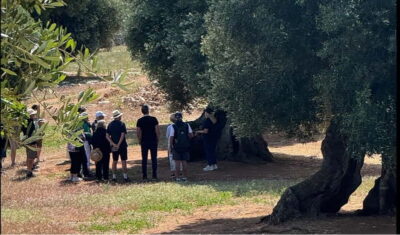
Ostuni: Masseria tour among thousand-year-old olive trees with oil tasting
Read our review →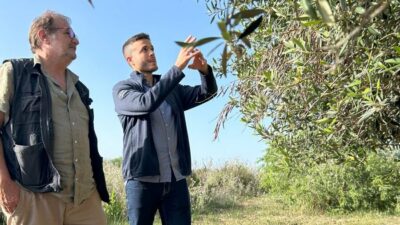
Balestrate: Olive Grove Tour with Wines & Olive Oil Tasting
Read our review →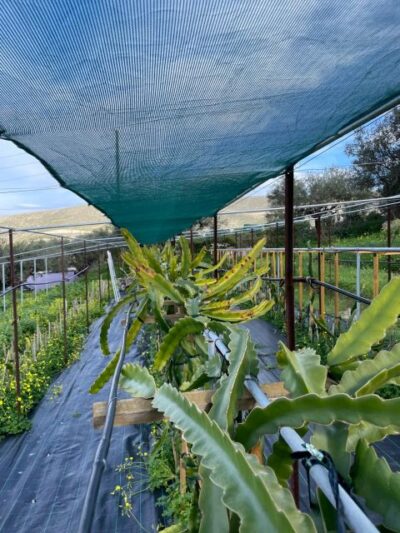
Traditional Olive Grove and Dragon Fruit Farm Tour
Read our review →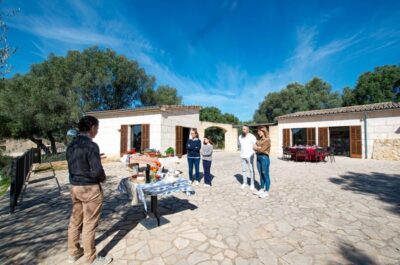
Visit of the olive grove, olive oil tasting and snack
Read our review →
Bologna: Olive Grove and Vineyard Tour with Product Tastings
Read our review →
Guided tours of the olive grove with oil tasting.
Read our review →
Jaen: Olive oil tour with the 5 senses, grove and tasing
Read our review →