
Review · GREECE
Private Olive Oil tasting & Liqueur experience
Santorini is famous for sunsets and cliffside views, but this private farm visit takes you into a quieter part of the island. At Sant Organics, Maria and Dimitri explain how local herbs, grapes, raisins, and olive oil fit into daily island life, then guide you through tastings in a traditional cave and across an organic vineyard.
I like the small private format, which gives you time to ask questions rather than move along with a large group. I also like the unusual tasting menu: thyme and caper infused olive oil, rare raisin liqueur, and organic snacks that are lactose-free, sugar-free, vegan, and certified organic. The main consideration is that you must arrange your own transportation to Koloumpos, and the walk calls for moderate fitness.
Key points to know before booking
- Meet Maria and Dimitri at Sant Organics: This private visit focuses on their farm, methods, and daily work.
- Taste local products with a purpose: You learn how to identify the traits, qualities, and flaws of different olive oils.
- Walk through a black-raisin vineyard: The farm explains how the grapes are grown, harvested, dried, and turned into liqueur.
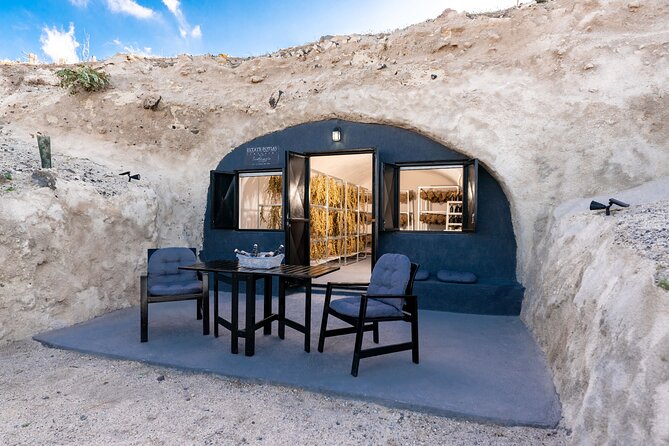
- Visit a traditional cave used for drying herbs: This gives the tour a strong connection to old Santorini farming methods.
- Take home extra virgin olive oil: Your tasting includes a bottle for your own kitchen.
- Plan around transport and weather: The farm does not provide private transportation, and poor weather can lead to a new date or refund.
A farm visit that gets beyond Santorini’s postcard views
Santorini’s famous scenery is only one part of the island. Away from the packed caldera towns, farming still shapes local food and family life. This visit at Sant Organics gives you a close look at that side of Santorini, with Maria and Dimitri explaining the work behind the bottles and jars you taste.
The setting is Koloumpos, in the northeastern part of the island. You meet at the farm and finish at the same place, so the outing is easy to understand once you have arranged your own ride. The whole visit lasts about two and a half hours, with roughly 150 minutes devoted to the farm, walking, instruction, and tasting.
I especially like that the tasting is not just a series of samples placed on a table. You learn how to taste olive oil properly and how to tell the difference between good qualities and flaws. That makes the experience useful after your holiday, since you can apply the lesson when buying olive oil at home.
The second strong point is the mix of products. Many food tours stop with olive oil, bread, and cheese. Here, you also taste oil infused with local thyme and caper, herbal products, and liqueurs made from the estate’s organic grapes and raisins. It feels closely tied to Santorini rather than copied from a standard food-tasting formula.
More Olive Oil Tours around Greece:
- Crete: Quad Safari, Olive Mill with Tasting & Ghost Village
★ 4.9 · 1,004 reviews - Knossos-Zeus Cave -Old Traditional Villages-Olive Oil Factory
★ 5.0 · 694 reviews - The Governor’s Olive Mill Tour with Olive Oil Tasting
★ 5.0 · 502 reviews
Walking through Santorini’s black-raisin vineyard
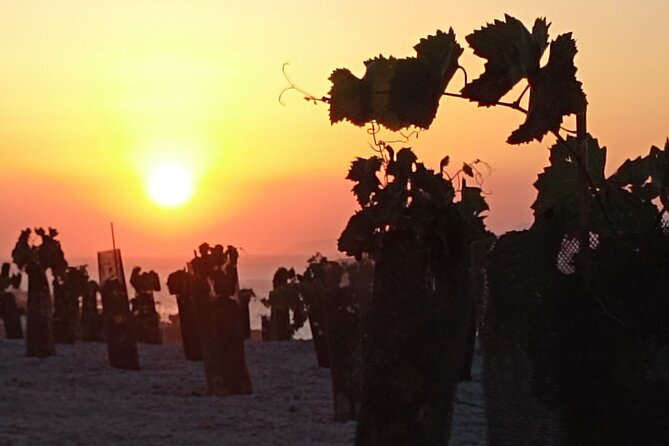
The farm visit includes a walk through what is described as Santorini’s first and only organic black-raisin vineyard. The wording also refers to a black currant vineyard, so you can expect a focus on the estate’s distinctive dark grape and raisin production rather than a conventional wine tour.
An agricultural engineer leads the educational part of the visit. You learn about how the crop is grown, harvested, dried, and infused. This is useful context because the final liqueur does not appear by magic in a decorative bottle. You see the chain of work that begins with the plant and ends with the drink in your glass.
Santorini’s dry conditions make farming a careful business. The tour does not promise a broad lesson in every crop on the island, but it does show how this particular estate uses organic methods and local ingredients. You can ask questions directly, which is one of the real benefits of booking a private activity.
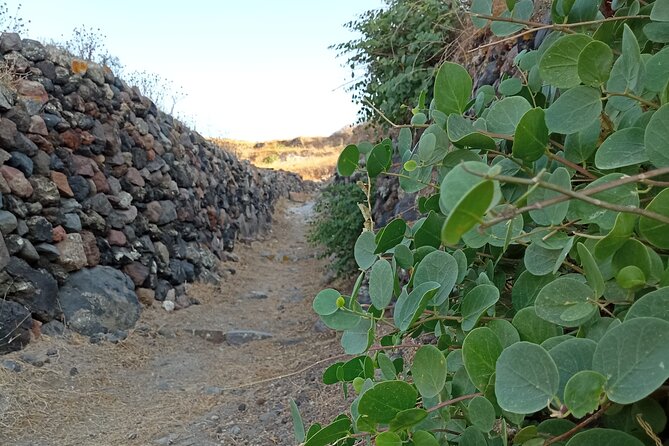
The walk also adds a little movement to the tasting. You are not sitting indoors for the entire 150 minutes. The physical demand is described as moderate, and a hiking baton is available if needed. That does not make this a strenuous hike, but I would wear shoes suited to walking around a farm and expect uneven ground.
Learning how olive oil really tastes
The olive oil portion is the heart of the visit. You taste several oils and learn to distinguish their characteristics, properties, and flaws. For anyone who buys olive oil often, this is more useful than simply hearing that one bottle is smooth and another is peppery.
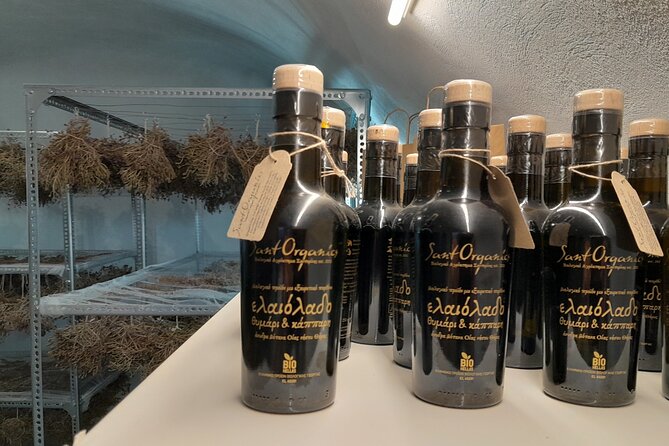
The tasting includes extra virgin organic olive oil infused with native herbs, especially thyme and caper. These flavors connect the product to Santorini’s dry, herb-filled countryside. You get to consider how the herbs change the oil rather than treating olive oil as a generic dip.
The lesson also helps you understand why tasting technique matters. Color can be misleading, so the taste and aroma tell you more about the oil’s condition and character. The supplied details do not list every tasting step, and I would not expect a formal certification course. Still, you receive a practical introduction to judging oil and recognizing faults.
A bottle of extra virgin olive oil is included to take home. That makes the visit more than a pleasant afternoon snack. You leave with a usable souvenir, one that fits easily into a suitcase and brings back a flavor connected to the farm.
Inside the cave where herbs dry naturally
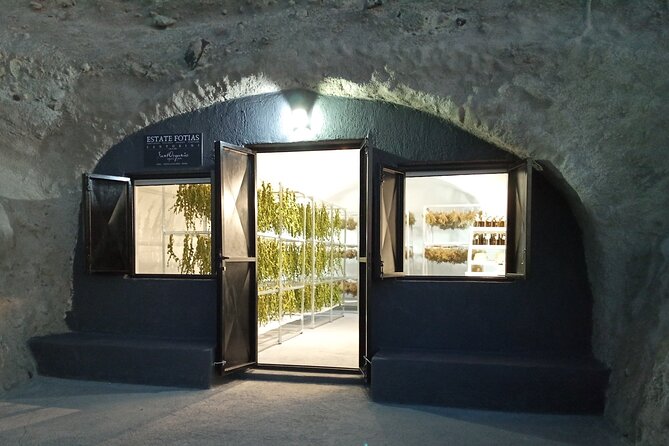
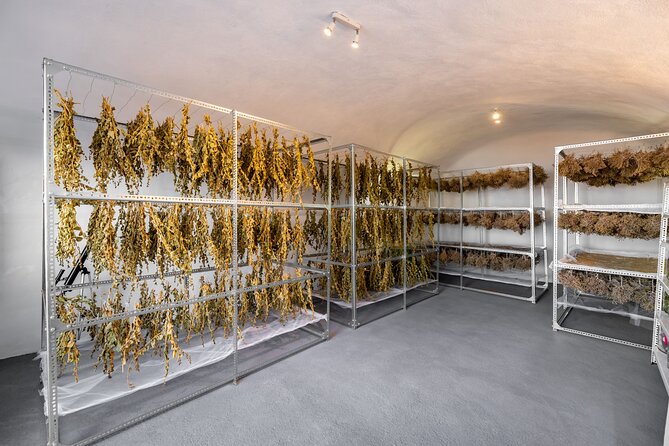
One of the most distinctive parts of the outing is a visit to an authentic traditional cave. The cave has traditionally been used for the natural drying of herbs, and the farm also shows you an artificial shade used for drying plants.
This detail gives the visit a strong sense of place. Santorini’s caves are often associated with homes, churches, and dramatic architecture, but here you see a practical agricultural use. The cave and shade help explain how local plants were handled before modern commercial processing became common.
You should expect an educational stop rather than a polished museum display. The value is in seeing the setting and hearing how the farm uses it. Maria and Dimitri’s work is presented as a living practice, not as a staged demonstration designed only for photographs.
The cave also helps connect the olive oil tasting to the broader farm. Thyme, caper, and other herbs are not simply labels on a bottle. They are part of a process involving cultivation, drying, and infusion. That makes the tasting easier to understand and remember.
Same olive country, a different way to taste it:
- From Chania: Olive Oil, Wine, Cheese & Honey Tasting Tour
★ 4.6 · 490 reviews - Crete: Road-trip to Lasithi, Zeus Cave & Olive Mill Farm
★ 4.4 · 451 reviews - Heraklion: Olive Farm Tour with Tasting of Local Delicacies
★ 4.9 · 411 reviews - Lassithi, Zeus Cave, Olive Mill Farm & Knossos Combo Tour
★ 4.6 · 404 reviews
Organic snacks and unusual liqueur tastings
Food is part of the visit, but it is handled in a way that suits a range of diets. The edible treats are certified organic, vegan, lactose-free, and sugar-free. That is a useful feature if you have dietary limits, although the supplied details do not list every individual snack or describe a formal meal.
The liqueur tasting brings a different flavor to the afternoon. You try rare organic grape liqueurs from the estate, including a raisin-based product connected to the vineyard walk. This is not a standard Santorini wine tasting, so it suits you if you want to explore something less familiar.
You should keep your expectations in the right place. The tour is not advertised as a full lunch, a winery tour, or a broad spirits program. It is a farm-based tasting with small edible treats, olive oil education, and liqueur samples. If you need a substantial meal, plan to eat separately.
The combination works well because each product tells part of the farm’s story. The oil shows how local herbs can flavor a staple. The raisins and liqueurs show how the estate uses its grape crop. The snacks give you something to eat while you learn, without turning the visit into a restaurant meal.
Why the private format matters
This is a private activity, so only your group takes part. That changes the pace in useful ways. You can spend more time on the oil tasting if you are curious, ask about organic farming, or request more explanation of the drying process without holding up a busload of people.
The personal element is especially important here because much of the appeal comes from Maria and Dimitri themselves. Their work and life on the farm are part of the conversation, and the experience gives you a chance to hear directly about running a sustainable organic operation.
I would choose this format over a large commercial tasting if you value conversation and local contact. You may not get the lowest possible price per minute, but you receive a more focused visit and a better chance to shape the discussion around your interests.
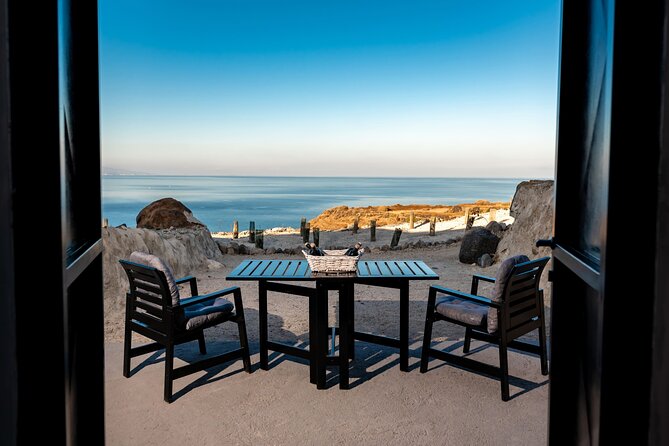
The private format also suits couples and small groups looking for a calm break from Santorini’s busiest places. One past couple described enjoying the farm, the healthy snacks, the oil and raisin liqueur tastings, and the chance to take in the view without crowds. Sunset timing may help with that feeling, since one available session runs from 6:00 to 8:30 p.m., but the time slot does not guarantee a sunset view.
Price, timing, and what the $60.08 covers
The price is $60.08 per person. For that amount, you receive about two and a half hours of private instruction and tasting, an olive oil lesson, organic snacks, bottled water, vineyard access, liqueur samples, the cave and drying-area visit, and a bottle of extra virgin olive oil to take home.
That is a fair value if you would normally pay for a food tasting plus a small farm visit. The private guide time is the biggest part of the value. You are not only buying samples, you are paying for a direct explanation of how the products are made and how to taste them.
The value is less clear if you mainly want a quick drink and a photo. This activity gives time to farming, processing, and education, so it may feel slow if your priority is a short stop between beaches or archaeological sites. The price also does not include private transportation.
Sessions are listed from May 1 through October 15, 2026, with three daily windows: 10:00 a.m. to 12:30 p.m., 1:00 to 3:30 p.m., and 6:00 to 8:30 p.m. The morning and afternoon slots may work best with a full day of sightseeing. The evening option may be attractive if you want cooler temperatures and a quieter end to the day.
The activity is popular enough that it is booked an average of 175 days ahead. That does not mean every date will sell out, but it is a useful warning for anyone planning a summer trip. If this type of farm visit is important to you, reserve it before your Santorini schedule fills up.
Getting to Koloumpos and preparing for the walk
You meet at Koloumpos 847 02, Greece, and return to the same meeting point. Private transportation is not included, although the area is near public transportation. You should sort out the route before the day of the visit rather than assume a driver or transfer will be waiting.
The farm asks for a moderate level of physical fitness. The walk around the vineyard and farm is not described as strenuous, but you should be comfortable standing and walking around an agricultural property. A hiking baton is available if you need one.
Wear practical shoes and bring water, even though bottled water is included. Santorini sun can be strong during the warmer months, and a hat or sun protection is sensible. These are general preparation tips based on the outdoor setting, not promises about the exact conditions on your date.
Weather matters. If poor weather forces cancellation, you are offered another date or a full refund. You can also cancel for a full refund if you do so at least 24 hours before the start time. Changes or cancellations inside that window are not accepted for a refund.
Who will enjoy this Santorini farm experience
I would recommend this visit to you if you like food with a story behind it. It is a good match for people interested in organic farming, local ingredients, traditional drying methods, and small producers.
It also suits couples and small private groups that prefer conversation over a set group script. Maria and Dimitri’s role is central, so you should enjoy asking questions and listening to how a working farm operates.
The activity is less suitable if you want a full meal, a conventional wine tasting, or a famous caldera viewpoint. It is also not the easiest choice if you do not want to arrange your own transport or if walking around a farm would be uncomfortable.
Families may find the vineyard, cave, and tasting format interesting, but the supplied information does not give an age policy or child-specific program. I would confirm those details before booking if you are traveling with children.
Should you book Sant Organics?
Book it if you want to see a quieter, working side of Santorini and taste products made from local crops. The private access, hands-on olive oil lesson, and unusual raisin liqueur tasting make this more distinctive than a quick sample at a shop.
Skip it if your schedule is already packed with beaches, ruins, and caldera viewpoints, or if you want a substantial meal. You must also be comfortable reaching Koloumpos on your own and walking around an outdoor farm.
For the right visitor, this is a thoughtful two-and-a-half-hour stop. You learn a skill, meet the people behind the products, visit a traditional herb-drying cave, and bring home olive oil that has a clear connection to the place where you found it.
FAQ
Where does the olive oil and liqueur experience take place?
The activity takes place at Sant Organics in Koloumpos, Santorini, Greece. It begins and ends at Koloumpos 847 02.
How long does the activity last?
The visit lasts approximately two hours and 30 minutes, or 150 minutes.
Is transportation included?
No. Private transportation is not included. The meeting area is near public transportation, and you must arrange your own way to Koloumpos.
What will I taste?
You taste different olive oils, including extra virgin organic olive oil infused with thyme and caper. The experience also includes organic grape and raisin liqueurs, plus edible treats that are vegan, lactose-free, sugar-free, and certified organic.
Is the activity private?
Yes. Only your group participates in the activity.
What happens if the weather is poor?
The activity requires good weather. If it is canceled because of poor weather, you can choose another date or receive a full refund. For other cancellations, you must cancel at least 24 hours before the start time to receive a full refund.
Freshly pressed around Greece
- Private Tour in Historic Estate in Monemvasia with wine-olive oil tasting & meal★ 5.0 · 4 reviews
- Olive Facility Visit with Olive Oil Tasting Session★ 5.0 · 2 reviews
- SYSTASIS Olive Oil Tasting Experience in Ermioni Greece★ 5.0 · 4 reviews
- Olive Oil Tasting at the Mykonian Farm★ 4.5 · 3 reviews
- Olive Oil Tour close to Nafplio★ 4.5 · 3 reviews
- Olympia Shore Ex: Premium Private Package -Tickets & Olive Market★ 4.5 · 5 reviews
- WIne & Olive Oil Tasting in an Organic Farm in Laconia, Greece!★ 5.0 · 2 reviews
- E-Bike Kalamata Olive Routes★ 5.0 · 10 reviews
Greece Olive Oil Tours, compared.
Crete: Quad Safari, Olive Mill with Tasting & Ghost Village
Read our review →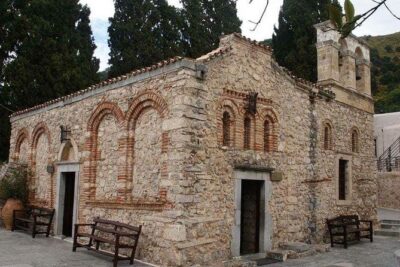
Knossos-Zeus Cave -Old Traditional Villages-Olive Oil Factory
Read our review →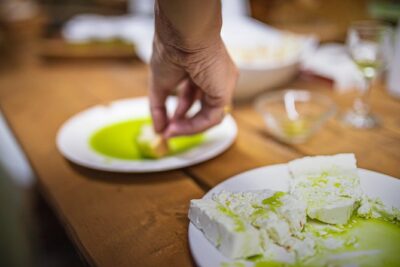
The Governor’s Olive Mill Tour with Olive Oil Tasting
Read our review →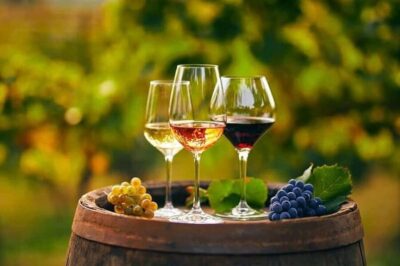
From Chania: Olive Oil, Wine, Cheese & Honey Tasting Tour
Read our review →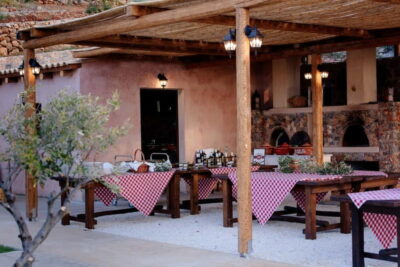
Crete: Road-trip to Lasithi, Zeus Cave & Olive Mill Farm
Read our review →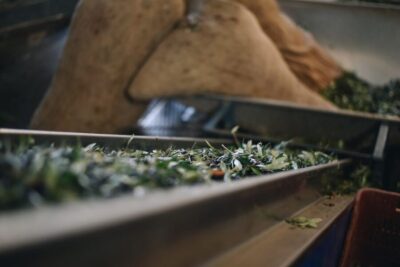
Heraklion: Olive Farm Tour with Tasting of Local Delicacies
Read our review →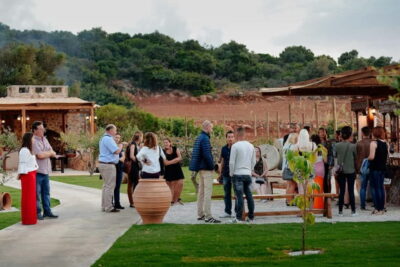
Lassithi, Zeus Cave, Olive Mill Farm & Knossos Combo Tour
Read our review →
Zeus Cave, Lassithi Plateau, Olive Oil Factory, Kritza, Pottery
Read our review →Other lists with this tasting on them