
Review · ITALY
Rome: Masterclass Extra Virgin Olive Oil & Table Olives
Rome’s food culture is not only about pasta and gelato. This two-hour olive oil masterclass takes you into the world of Italy’s liquid gold, with a certified professional taster guiding both the classroom lesson and the sensory work. You’ll sample five Extra Virgin Olive Oils and two types of table olives, then learn what separates a good bottle from a disappointing one.
I like the clear mix of theory and practice, and I like that the tasting covers several oils rather than stopping at one familiar flavor. The instructor’s command of the subject earned strong praise, and the tasting itself is designed to be fun as well as useful. The main drawback is that the class costs $94 and does not include a printed booklet, so you may want to take your own notes.
Key points to know before booking
- Five EVOOs and two table olives: The tasting gives you a useful range for comparison instead of a single sample.
- A certified professional taster leads the class: You learn formal tasting methods, not just casual food pairing tips.
- Italy’s olive diversity is part of the lesson: The class explains a country with more than 500 cultivated olive varieties.
- Theory meets sensory testing: You learn how oil is made, classified, and judged by smell and taste.
- A small Italian gift bottle is included: You can continue tasting after the class.
- Plan for a seated learning experience: Children under 16 and wheelchair users cannot take part.
What happens during the two-hour Rome masterclass
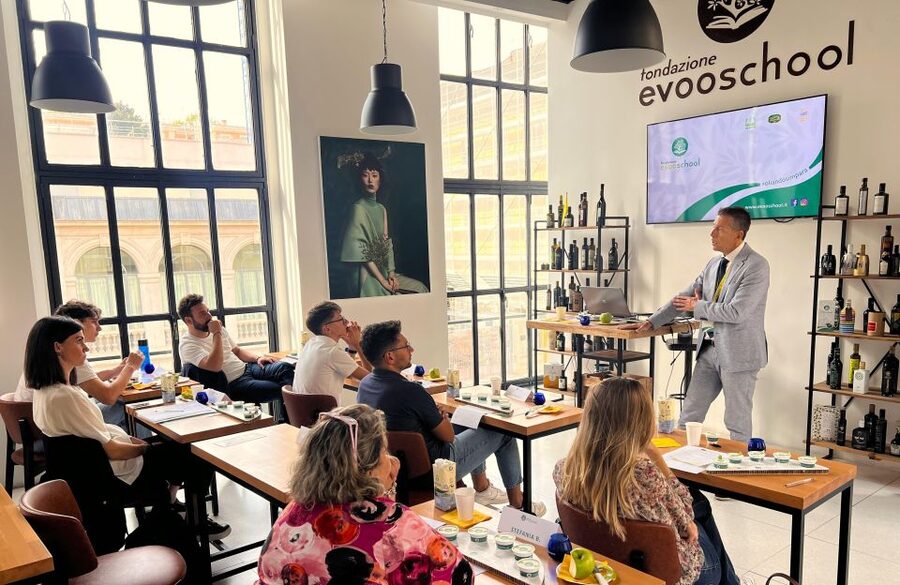
You begin at the school in central Rome, entering the building and going up to the first floor. The exact starting time depends on availability, so check the schedule carefully when you book. Transfers are not included, but this is a short, focused activity that can fit neatly between sightseeing stops.
The session is divided between explanation and sensory analysis. That balance matters. A tasting without context can become a parade of small glasses, while a lecture without samples can feel too abstract. Here, you first learn the basic story of olive oil, then put the ideas to work with your own senses.
The professional taster explains the origin of olive oil, its classifications, and the steps involved in producing quality oil. You will also learn why production methods matter for flavor and for the oil’s place in a healthy Mediterranean diet.
The class is presented in Italian and English. If you are not already familiar with food tasting terms, the practical format should help. You are not expected to arrive as an expert. The point is to learn a method you can use later in a shop, restaurant, or your own kitchen.
More Olive Oil Tours around Italy:
- Sorrento Farm and Food Experience including Olive Oil, Limoncello, Wine tasting
★ 5.0 · 2,524 reviews - Olive oil tasting in Sorrento
★ 5.0 · 434 reviews - Sorrento: Lemon, Olive Oil and Wine Tasting Tour with Lunch
★ 5.0 · 300 reviews
Learning why Italian olive oil is so varied
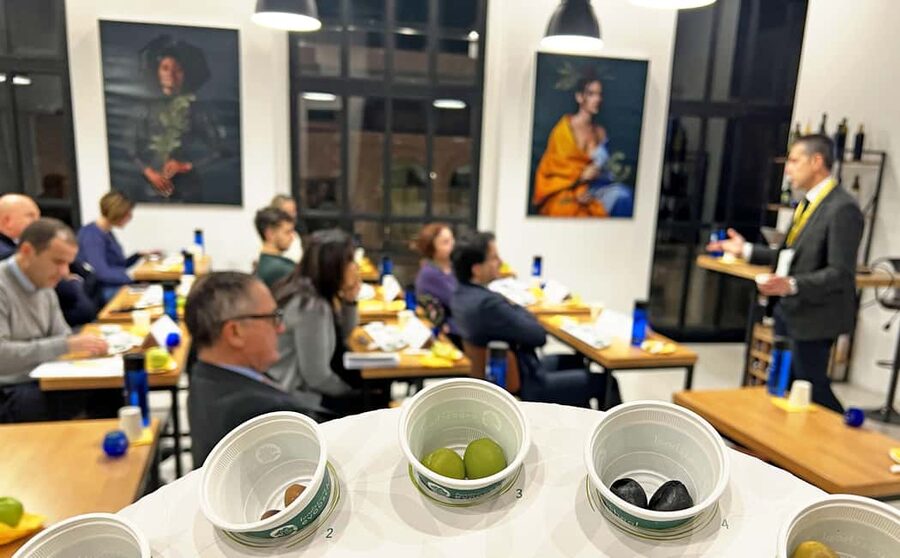
Italy is often treated as one olive oil region, but that misses the point. The country has more than 500 cultivated olive varieties, known as cultivars. That helps explain why Italian oils can differ so much in aroma, bitterness, peppery heat, and finish.
The class gives you an overview of this broad olive-growing heritage without asking you to travel outside Rome. You are not visiting an olive farm or pressing facility, so this is not a field trip. Instead, you get a compact introduction to the country’s many expressions through the oils in front of you.
That makes the activity especially useful early in an Italy trip. Afterward, you may pay closer attention to labels, regions, and the character of oils served with bread or used in local dishes. The lesson also gives you a better basis for choosing a bottle to take home.
I appreciate that the class focuses on quality recognition, not simply on celebrating Italian food. It teaches you to ask why one oil is better made than another. That is a practical skill, especially if you regularly buy extra virgin olive oil at home.
The five-oil tasting and how to use your senses
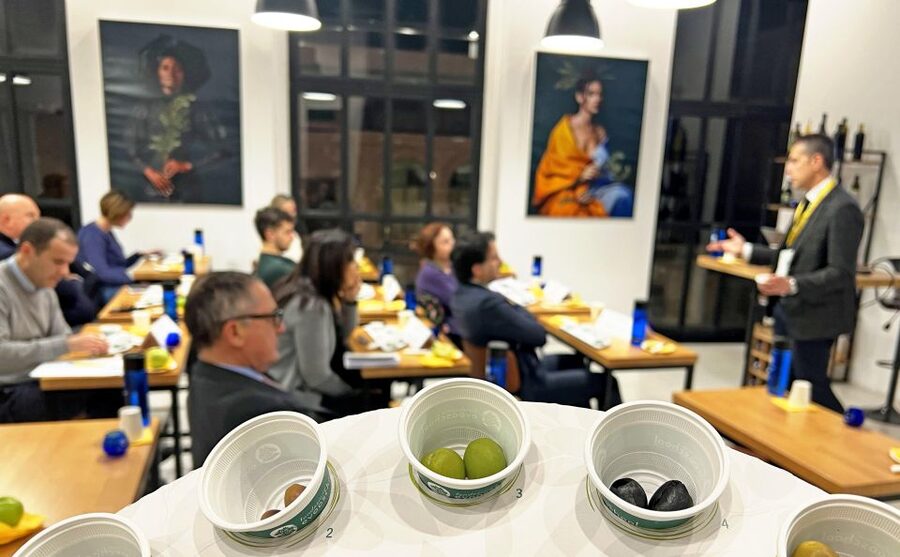
The guided tasting includes five different Extra Virgin Olive Oils. The number is large enough to show differences while still fitting into a two-hour class. You can compare one sample with the next instead of trying to remember a single flavor in isolation.
The professional taster introduces a tasting method based on organoleptic analysis. In plain language, you use sight, smell, and taste to assess the oil. The focus is not on guessing a region or trying to sound sophisticated. It is on noticing what is actually in the glass.
You learn to identify the merits and flaws of EVOO. This is one of the most useful parts of the course because a pleasing oil and a technically sound oil are not always the same thing. The training helps you recognize fresh, well-produced oil and detect problems that may signal poor handling or storage.
Do not expect the lesson to turn you into a certified taster in two hours. It is an introduction, not professional training. But you should leave with a clearer vocabulary and a repeatable way to compare oils.
The format also makes the tasting more approachable. One person described the tasting portion as fun, which fits the structure: you learn by doing, not by sitting through a long talk about production. If you enjoy food classes but prefer practical exercises to cooking, this should suit you well.
Why table olives are part of the lesson

The class includes two different types of table olives, giving the fruit itself a place beside the oil. This is important because olive oil is not the only way olives reach the table. The fruit can be prepared and enjoyed in several forms, and the class helps you consider its flavor and quality directly.
You compare the olives as part of the sensory work, just as you compare the oils. The goal is to recognize quality in both products. That gives the class a wider scope than a standard olive oil tasting.
The olive samples also connect the product back to its origin. Oil can seem removed from the fruit that produced it, especially when it is sold in a polished bottle. Tasting table olives brings that connection back into focus.
The available information does not specify the olive varieties or preparation styles, so you should not book expecting a particular regional pairing. The value is in the comparison and the method rather than in a promised menu.
Same olive country, a different way to taste it:
- Alghero: Wine and Olive Oil Tasting at a Local Farm
★ 4.8 · 294 reviews - Ostuni: Masseria tour among thousand-year-old olive trees with oil tasting
★ 4.8 · 261 reviews - Balestrate: Olive Grove Tour with Wines & Olive Oil Tasting
★ 5.0 · 241 reviews - Bardolino: Vineyard Tour with Wine, Olive Oil & Food Tasting
★ 4.6 · 221 reviews
What the professional taster adds
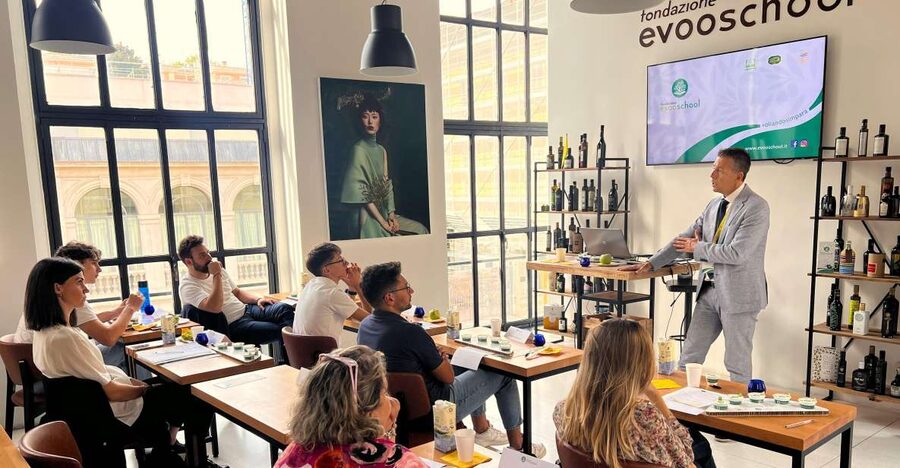
The instructor is a professional taster certified by the Italian Olive Oil Consortium. That certification matters because the class is built around recognized tasting practice rather than personal preference alone.
You are not simply told that one oil is peppery or another is fruity. The instructor explains how to assess those qualities and how to tell positive traits from defects. The teaching is available in Italian and English, which makes the course accessible to visitors who do not speak Italian well enough for a technical lesson.
The instructor received especially strong praise for subject knowledge and teaching ability. One five-star assessment called the instructor highly informed and described the experience as excellent overall. Another praised the informative class and enjoyable tasting, while noting that a printed summary would have been useful.
That last point is worth taking seriously. The course does not include a booklet or presentation slides for later reference. I would bring a small notebook or use your phone for brief notes, as long as the school permits it. Write down the characteristics you notice and any terms that help you remember the differences.
Is $94 a fair price for two hours?
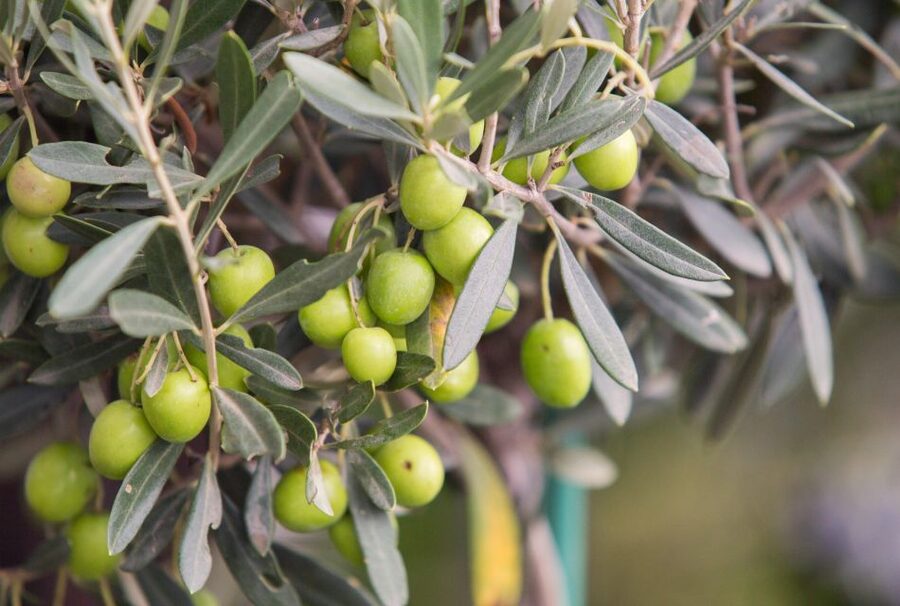
At $94 per person, this is not a budget tasting. You are paying for a structured lesson, a professional instructor, seven tasting samples, and the setting of a specialist school. The small bottle of 100% Italian Extra Virgin Olive Oil adds a modest take-home benefit.
The price makes more sense if you value instruction. If you only want a few tastes before dinner, Rome offers less formal food experiences that may cost less. Here, the point is to build a skill and understand what you are tasting.
I see the value in the number of samples. Five oils give you enough material to make real comparisons, and the two table olives broaden the lesson. A single premium tasting can be enjoyable, but it teaches less because you have no range for contrast.
The gift bottle is a nice extra, though it should not decide the booking. A small bottle is not the same as a full gourmet food purchase. Think of it as a reminder of the class and a chance to keep practicing at home.
The class is a sensible buy for food-minded visitors who want something more educational than a meal. It is less convincing for someone who is mainly looking for a quick snack or a relaxed aperitivo.
The practical details that affect your choice
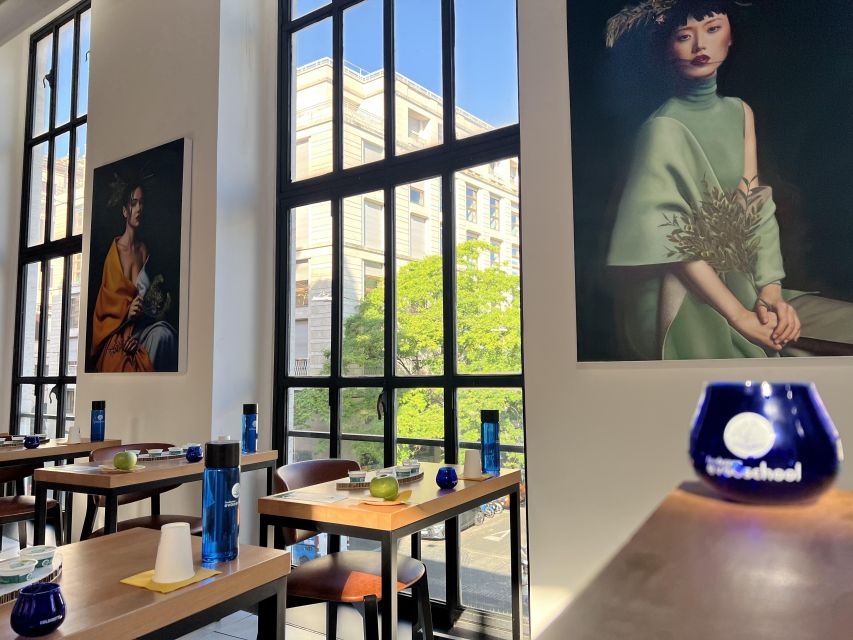
The session lasts about two hours, so it is easy to fit into a Rome itinerary without giving up half a day. Still, the starting times vary, and you should allow enough time to reach the meeting point without rushing. You enter the building and go to the first floor.
The meeting point information does not include transfers, so getting there is your responsibility. Check the full address and route details at booking. The class is in the heart of Rome, but the supplied details do not identify a nearby landmark or transit stop.
The activity is offered in Italian and English. If you need a gluten-free option, tell the school in advance. The tasting includes food, so this is a useful request to make before the day of the class rather than at the door.
Children under 16 cannot take part. The activity is also not suitable for wheelchair users. Those restrictions may narrow its appeal for families, but they are important to know before paying.
Free cancellation is available up to 24 hours in advance for a full refund. You can also reserve and pay later, which helps if your Rome schedule is still shifting.
Who will get the most from this class?
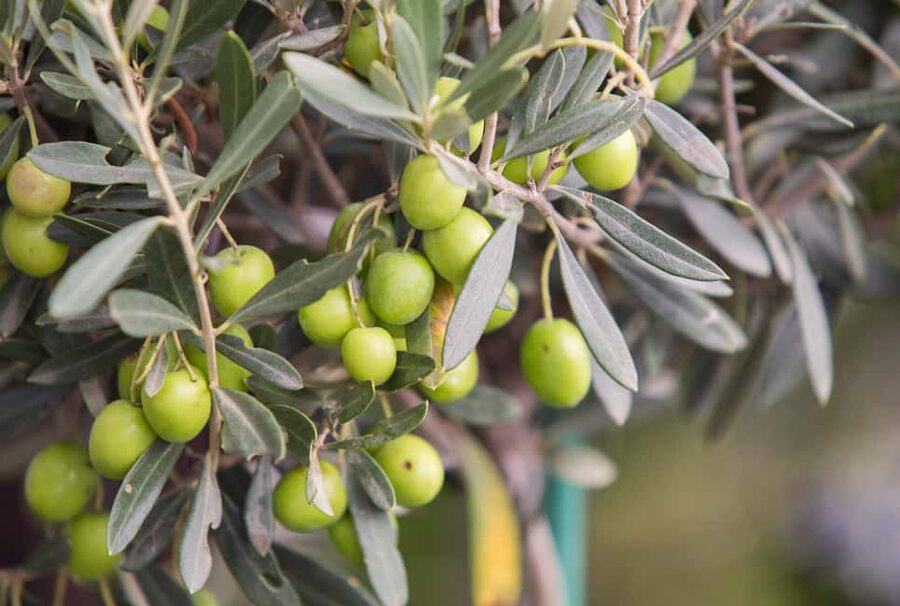
I would recommend it to you if you enjoy learning how everyday food is made and judged. It suits visitors who want a better understanding of Italian ingredients, serious home cooks, food writers, and anyone planning to buy olive oil in Italy.
It also works well for repeat visitors to Rome. If you have already seen the major monuments, a focused food lesson gives you a different way to spend two hours. You leave with information that can shape later meals, market visits, and shopping choices.
The class is less suited to young families because of the age limit. It may also disappoint you if you expect a farm visit, a full meal, or a broad tasting of Italian foods. This is a classroom-based olive oil and table olive session, not a general food tour.
You should also consider how you learn best. The activity includes theory, so you need to be comfortable listening and taking part in a structured lesson. The practical tasting keeps it active, but it is still a course rather than a casual social event.
Should you book the Rome EVOO masterclass?
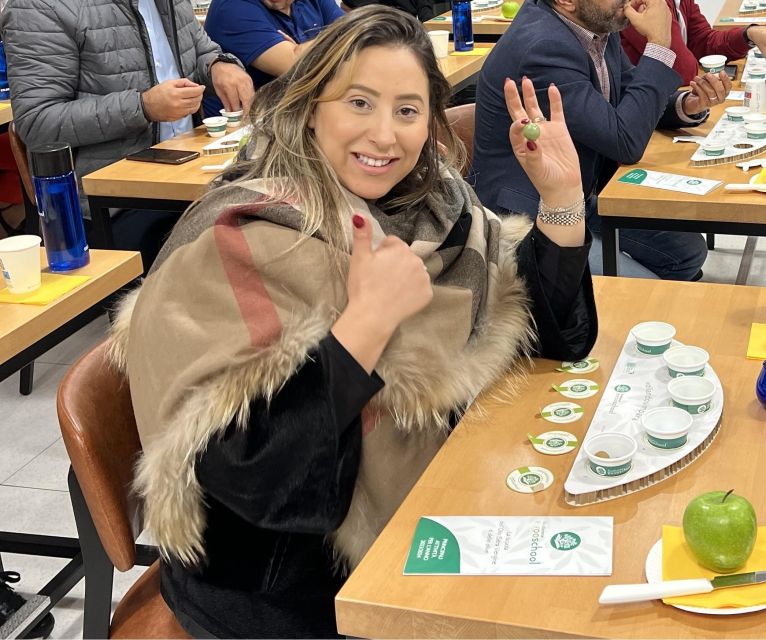
Book it if you want to understand what you are tasting, not just sample another Italian specialty. The combination of five EVOOs, two table olives, and a certified professional taster gives the $94 price a reasonable foundation for food-focused visitors.
I would be cautious if you want printed teaching materials, since none are provided, or if you are looking for a low-cost food stop. Bring your own notes and treat the gift bottle as a bonus.
For the right person, this is a useful Rome break: short, specific, and practical. You learn how to judge a product you will encounter throughout Italy, and you may return home less likely to grab the first bottle labeled extra virgin.
FAQ

How long does the olive oil masterclass last?
The class lasts about two hours and combines theory with practical sensory analysis.
How many olive oils and table olives are included?
The guided tasting includes five different Extra Virgin Olive Oils and two different types of table olives.
Is the class offered in English?
Yes. The activity is offered in Italian and English, with a professional taster leading the session.
What is included in the price?
The price includes the two-hour theory and practical course, the guided tasting, and a small bottle of 100% Italian Extra Virgin Olive Oil.
Can children attend the class?
No. The activity is not suitable for children under 16.
Is the experience accessible to wheelchair users?
No. The activity is listed as not suitable for wheelchair users. You enter the building and go up to the first floor.
Freshly pressed around Italy
- E-bike tour in Ostuni, the olive trees and the rock village★ 5.0 · 4 reviews
- Tuscan ExtraVirgin Olive Oil Tour★ 5.0 · 4 reviews
- Wine and Extra virgin olive oil tasting in Lucca, Tuscany★ 5.0 · 3 reviews
- Lecce : Half day E-Bike tour to Old Olive Mill & Olive Oil Taste★ 5.0 · 3 reviews
- Bellagio/Lezzeno/Oliveto Lario to/from Milan Malpensa Apt (Private Transfer)★ 5.0 · 4 reviews
- Sunset Magic E-bike Tour at Sunset in Capoliveri★ 5.0 · 4 reviews
- Chianti from Florence:PRIVATE Wine, Olive Oil Tasting in the Tuscan countryside★ 5.0 · 2 reviews
- Leonardo Da Vinci’s wind mill visit and Organic olive oil tasting★ 4.5 · 12 reviews
Italy Olive Oil Tours, compared.
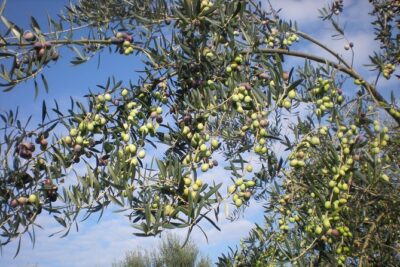
Sorrento Farm and Food Experience including Olive Oil, Limoncello, Wine tasting
Read our review →
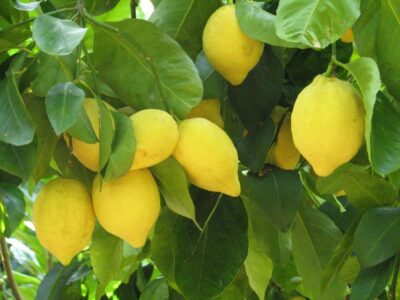
Sorrento: Lemon, Olive Oil and Wine Tasting Tour with Lunch
Read our review →
Alghero: Wine and Olive Oil Tasting at a Local Farm
Read our review →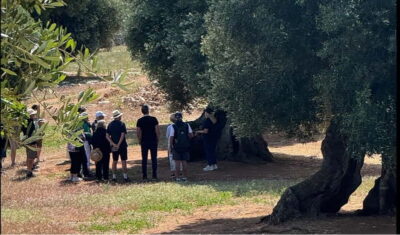
Ostuni: Masseria tour among thousand-year-old olive trees with oil tasting
Read our review →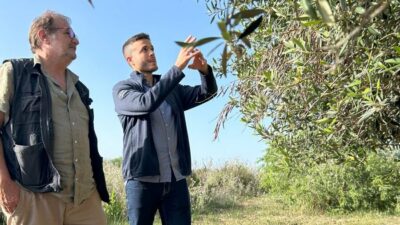
Balestrate: Olive Grove Tour with Wines & Olive Oil Tasting
Read our review →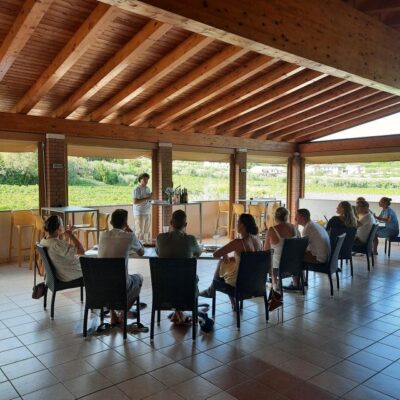
Bardolino: Vineyard Tour with Wine, Olive Oil & Food Tasting
Read our review →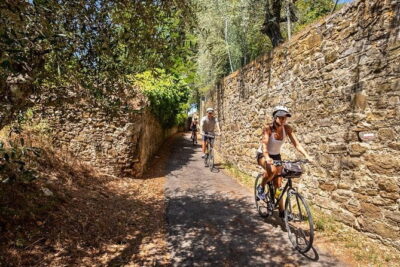
Tuscany Bike Tour with Wine, Oil and Food in the Florentine Hills
Read our review →Other lists with this tasting on them