
Review · CRETE
Small-Group Honey & Extra Virgin Olive Oil Tasting Tour in Crete
The best part of this one-hour visit is the tasting. You try eight kinds of honey alongside cold-pressed Cretan olive oil, then pair them with bread, cheese, tomatoes, olives, and yogurt. This is not just a quick spoonful at a shop counter. It is a compact look at how two of Crete’s most important foods reach your table.
I like the small group limit of 10 people, which gives the guide room to answer questions. I also like the price: at $18.10 per person, you get a short farm visit, a production explanation, and enough food to serve as a generous snack or light meal.
The main thing to consider is the one-hour format. It is ideal for a busy day, but the tasting can feel less personal if a larger group arrives at the same time. One visitor described being left to taste alone when another group appeared, so the quality of the final explanation may depend on how busy the day is.
Key points before you book
- Eight honey varieties: You can compare several flavors instead of tasting only one standard honey.
- A working family business: Idiosmos connects its products with family production traditions dating from 1920.
- Two foods, one visit: The tour covers both beekeeping in Greece and the extraction of extra virgin olive oil.
- Local pairings included: Bread, cheese, tomatoes, olives, and yogurt help you understand how to use the products.
- Small and short: The group limit is 10, and the visit lasts about one hour.
- Good value for food lovers: At $18.10, the tasting alone makes this an inexpensive way to add local flavor to your Crete plans.
Arriving at Idiosmos in Pervolakia
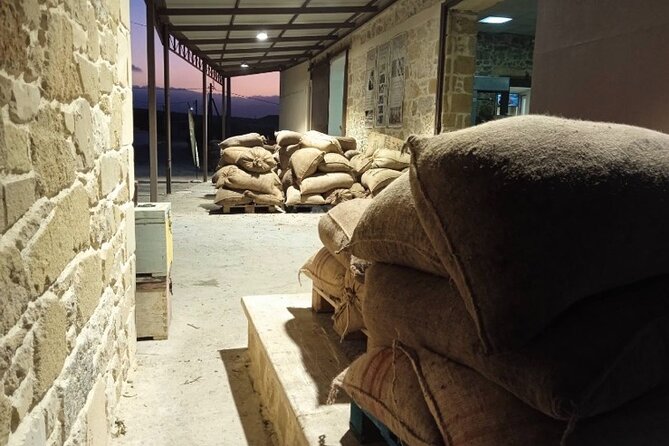
The tour begins at Idiosmos Extra Virgin Olive Oil and Honey Tour and Taste in Pervolakia, Crete. You finish at the same place, so this is a simple stop to add to a driving day or a visit through the countryside.
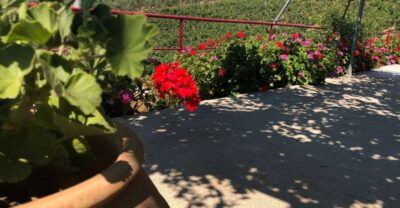
The approach is part of the appeal. Several people describe the road and surrounding views as especially attractive, with olive groves and rural scenery adding something to the visit before the tasting even starts. The setting helps you connect the food with its source. Honey and olive oil can seem like ordinary pantry items in a supermarket, but here you see them in the setting where the work begins.
The location also means you should plan your own way there. The tour information gives the meeting point, but it does not include a transfer from a port, hotel, or town. One couple hired a taxi for the journey from the port, which took almost an hour. That taxi ride became part of their day, with the driver pointing out local fruit, nuts, and produce along the route, but you should still allow time and budget for transport.
More Olive Oil and Honey Tastings in Crete:
- From Chania: Olive Oil, Wine, Cheese & Honey Tasting Tour
★ 4.6 · 490 reviews - Crete Private Tour: The Secrets of Wine, Olives & Honey
★ 4.5 · 59 reviews - Wine, Olive Oil, and Honey Tour with Winemaker
★ 5.0 · 55 reviews
A family story dating back to 1920
The introduction is built around the family’s history and working methods. You hear how the business developed from 1920 to the present, with the guide explaining the family connection to olive trees, honey, and local production.
This historical thread matters because it gives the tasting a clear human setting. You are not only sampling packaged food. You are hearing how a family continues methods and products tied to its own olive trees and production site.
Guides named Mariana, Marianna, and Nancy receive repeated praise for their warmth, humor, and ability to explain complicated steps in clear English. Mariana in particular is described as enthusiastic and engaging. The tone seems relaxed rather than formal, which suits a hands-on food visit. You can ask questions about bees, honey, olive harvesting, and oil production without needing specialist knowledge.
English is the offered language, and you should have a workable level of English to follow the explanations. One account specifically advises English-language ability. The guides are praised for making the information easy to understand, but this is still an English-language activity.
Seeing how Cretan olive oil is made
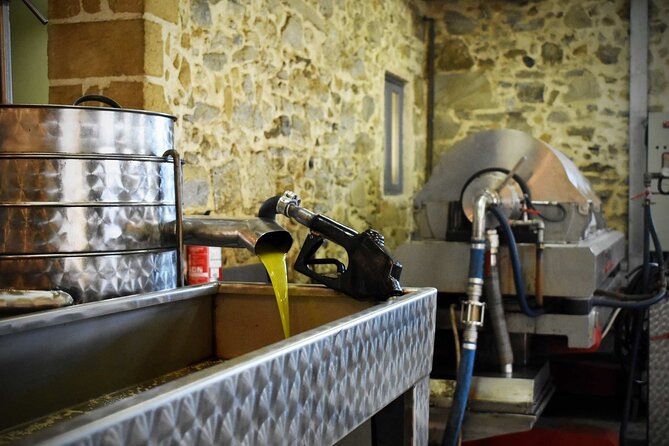
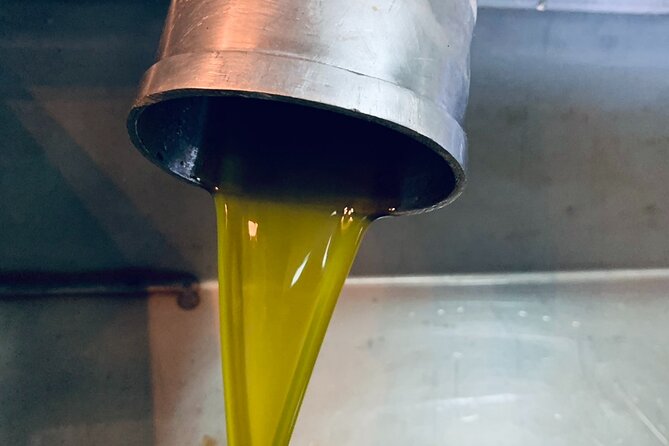
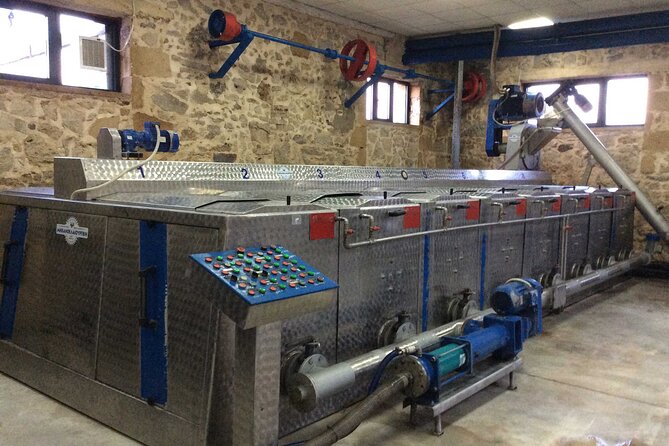
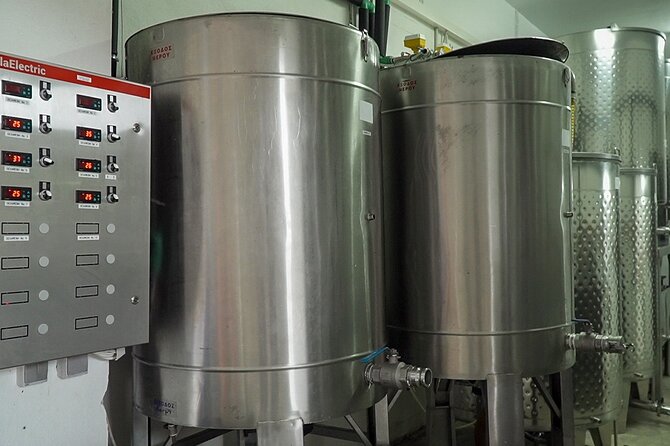
The olive oil portion introduces the core production process. You learn how the olives are harvested and processed, then how the oil is extracted. The product is extra virgin olive oil, cold pressed and made from the family’s own olive trees.
The distinction matters. Extra virgin olive oil is not simply a generic cooking oil with a Greek label. It is the first quality category of olive oil, and the visit gives you a chance to think about flavor, freshness, and how the oil is made before you taste it.
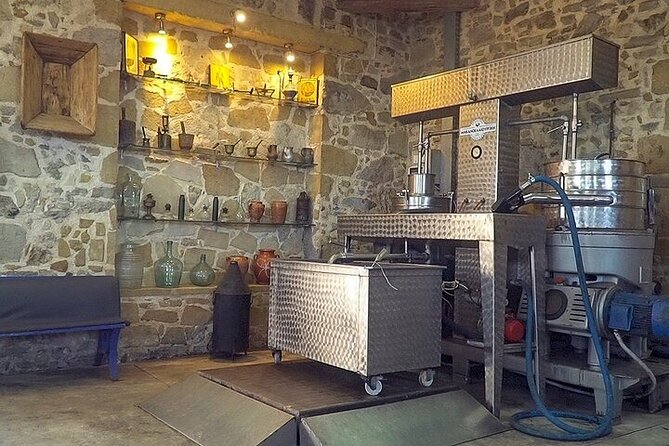
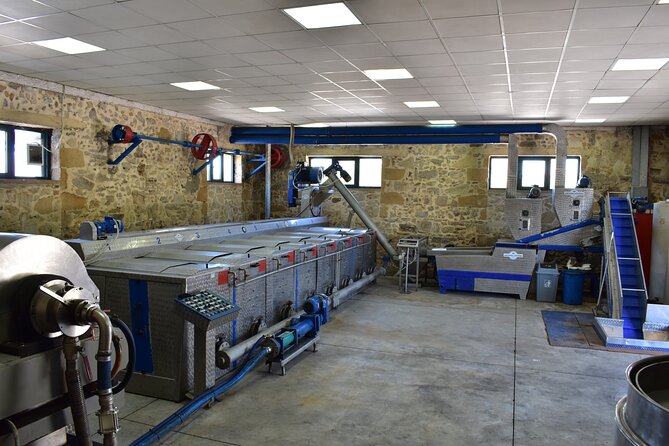
The experience includes seeing the production process on site and watching a film about the work outside. The film is useful because olive growing and oil making involve more than the final machinery or bottle. The outdoor work, the trees, the harvest, and the handling of the fruit all affect the finished product.
You do not need to expect a long technical lesson. This is a short introduction, not an agricultural course. The advantage is that the guide keeps the information at a manageable level, leaving enough time for the food. The limitation is that anyone hoping to inspect every stage in great detail may find the one-hour schedule too brief.
Learning about Greek beekeeping
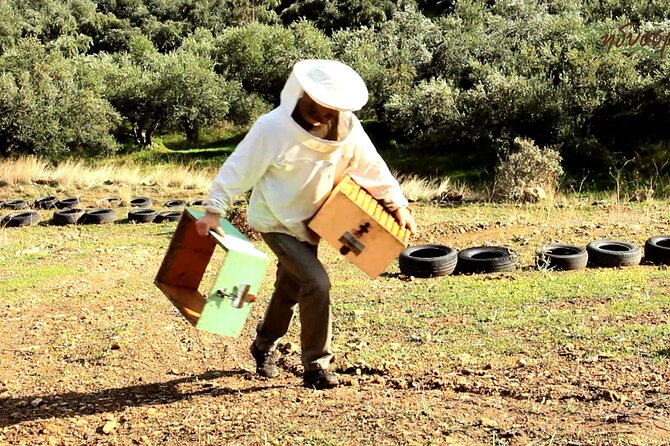
The honey section explains bee hives and beekeeping in Greece. You learn about the work involved in maintaining hives and producing honey, with the guide linking the process to the plants and herbs of the Cretan countryside.
The visit is especially useful if you normally think of honey as one single flavor. The tasting shows how different types can vary. You may notice changes in sweetness, aroma, thickness, and aftertaste as you move from one sample to the next.
The presentation also has a practical side. It explains the work behind the jar without turning the visit into a lecture. Guides answer questions, use humor, and bring the subject back to food. Families with older children can get a lot from this section. Two children aged 12 and 13 were reported to enjoy the experience, and the small setting helps keep the subject close and understandable.
You should not expect to handle bees or inspect every hive directly. The available details focus on learning about beekeeping, seeing production, and tasting the products. The hands-on element refers mainly to the tasting and the way you interact with the products, rather than a guaranteed hive demonstration.
More Olive Oil Tours around Crete:
- Crete: Quad Safari, Olive Mill with Tasting & Ghost Village
★ 4.9 · 1,004 reviews - Crete: Road-trip to Lasithi, Zeus Cave & Olive Mill Farm
★ 4.4 · 451 reviews - Heraklion: Olive Farm Tour with Tasting of Local Delicacies
★ 4.9 · 411 reviews - From Chania: Wine and Olive Oil Tasting Tour with Snacks
★ 4.8 · 354 reviews
The tasting: eight honeys and Cretan olive oil
The tasting is the heart of the visit. You sample eight different types of honey, then try the extra virgin olive oil with foods chosen to show how each product works at the table.
The pairings can include local bread, cheese, tomatoes, olives, and yogurt. Some descriptions also refer to a generous spread or charcuterie-style board. The exact selection may vary, but the basic idea is consistent: you do not taste the honey and oil in isolation.
Bread gives you a plain base for the olive oil. Cheese and yogurt show how honey can balance salt and tang. Tomatoes and olives bring the oil into familiar Cretan combinations. These pairings are more useful than a row of tiny samples because they show how you might use the products after returning home.
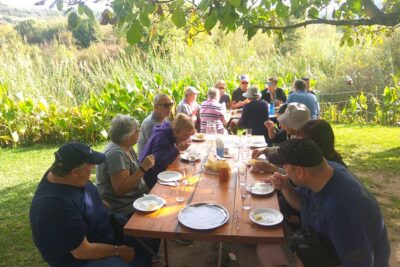
You are encouraged to taste at your own pace, and the staff explain the products and suggested pairings. One account describes a quieter tasting where the host explained each item before allowing time to sample everything. Another describes a busier visit in which the group was left alone after being seated. That difference is worth keeping in mind. The food is generous, but the amount of personal guidance may depend on the group schedule.
For many people, this tasting can replace a light lunch or serve as a substantial afternoon snack. It is not advertised as a full meal, so you should not book it as your only food plan for the day. Still, for the price, the quantity appears unusually good.
The shop and taking Crete home
Idiosmos sells the honey and olive oil presented during the visit. This is convenient if you find a favorite and want to take it home, and several people bought products after tasting them.
The shop also makes the visit useful for gifts. Honey and olive oil travel better as souvenirs than many fresh foods, although you should still consider your luggage space and any airline or customs rules that apply to your journey.
The buying part is described as relaxed and without pressure. Prices are considered reasonable in the available feedback, but the tour price does not state the cost of individual jars or bottles. You can sample first and decide later, which is better than buying an unfamiliar product on appearance alone.
Look for the flavors that suit your own table rather than trying to purchase everything. If you enjoy mild olive oil for dipping, a stronger honey for yogurt, or small gifts for family, the tasting gives you a sensible way to compare before spending more.
Why $18.10 is good value
At $18.10 per person, this is one of the easier Crete activities to justify. The cost covers about an hour of instruction, a visit to a family-run producer, a honey and olive oil tasting, and food pairings.
The value is strongest if you already plan to be in the area. You get a local food experience without committing half a day or paying for a large excursion. The small group also makes the price feel fair, since the guide can usually respond to questions and keep the visit personal.
Transport is the variable. If you need a long taxi ride from a port or distant resort, the fare may cost much more than the tour itself. Treat this as an affordable activity once you are nearby, not necessarily as a cheap standalone trip from anywhere on Crete.
The tour is booked, on average, 18 days in advance. That suggests you should reserve before your holiday if your schedule is fixed, especially if you want a particular date. Confirmation arrives when you book, and a mobile ticket is accepted.
Timing, weather, and group size
The one-hour length is a real strength. You can fit it between sightseeing stops, use it as a morning activity, or add it to a countryside drive without giving up an entire day.
The group can include no more than 10 people. That is small enough for questions and conversation, but it does not guarantee a private tour. If several groups arrive close together, the tasting may move faster or involve less explanation.
This experience depends on good weather. If poor weather causes cancellation, you are offered another date or a full refund. The activity also requires a minimum number of participants. If that minimum is not reached, you are offered another date or experience, or a full refund.
You can cancel for a full refund up to 24 hours before the start time. Changes or cancellations inside that 24-hour window are not accepted for a refund. The cut-off uses local Crete time, so check the clock carefully if you are arranging plans from another time zone.
Service animals are allowed, and the information says most people can participate. The experience is offered in English.
Who will enjoy this visit most
I would choose this tour if you care about food, want a short activity, or prefer meeting a small family producer instead of visiting a large commercial attraction. It works especially well for couples, families with older children, and anyone who wants a useful introduction to Cretan ingredients.
It is also a good choice for people who enjoy tasting with guidance. The eight honeys make the visit more interesting than a standard olive oil sample, and the bread, cheese, vegetables, olives, and yogurt turn the final portion into a proper food experience.
You may want to skip it if you dislike tasting sessions, have very limited English, or expect a long farm tour with extensive access to working hives and machinery. The visit is concise. Its strength is the mix of clear explanation and generous sampling, not a full-day agricultural program.
Should you book the Idiosmos tour?
Book it if you are near Pervolakia, have your own transport arranged, and want an inexpensive taste of Crete that connects food with family work. The combination of eight honeys, cold-pressed olive oil, and local pairings is the main reason to go.
I would allow a little flexibility around the final tasting, since the amount of personal attention can change when other groups arrive. Even with that qualification, $18.10 buys a lot: a family story reaching back to 1920, an introduction to Greek beekeeping and olive oil production, good countryside views, and food you can actually use to compare flavors.
For food lovers, this is an easy addition to a Crete itinerary. Just arrange the transport, arrive ready to ask questions, and leave room in your luggage for a jar or bottle you cannot resist.
FAQ
How long does the honey and olive oil tour last?
The activity lasts approximately one hour.
Where does the tour begin and end?
It begins and ends at Idiosmos Extra Virgin Olive Oil and Honey Tour and Taste, Pervolakia 734 00, Greece.
How many people can join the tour?
The group has a maximum of 10 people.
What will I taste?
You will taste eight different types of honey and extra virgin olive oil. The tasting may include bread, cheese, tomatoes, olives, and yogurt.
Is the tour offered in English?
Yes. English is the offered language, and you should have enough English to follow the explanations and ask questions.
Is transport included?
The provided tour details list a meeting point but do not include transport from a port, hotel, or other location. You need to arrange your own way to Idiosmos.
What happens if the weather is poor or the tour is canceled?
If poor weather causes cancellation, you can choose another date or receive a full refund. If the minimum number of participants is not reached, you are offered another date or experience, or a full refund.
Freshly pressed around Crete
- Crete in a Day: Knossos, Soap Workshops, Olive Oil & Wine Tasting★ 5.0 · 5 reviews
- Full Day Spinalonga Elouda Agios Nikolaos Olive factory Tour★ 4.5 · 5 reviews
- Traditional Olive Oil Making at Spiridi Olive Oil Farm – Crete★ 5.0 · 3 reviews
- 1 hour and 30 minutes wines and olive oil tasting in Greece★ 5.0 · 2 reviews
- Guided Tasting of 3 Extra Virgin Olive Oils at Douloufakis Winery★ 5.0 · 2 reviews
- PRIVATE Workshop ESSENTIAL OILS & OLIVE OIL Factory with TASTING★ 5.0 · 5 reviews
- Private Guided Tour to Lasithi Plateau Villages & Olive Oil Mill★ 5.0 · 5 reviews
- Wine olive and Food of Crete, Heraklion★ 5.0 · 11 reviews
Olive Oil and Honey Tastings, compared.

From Chania: Olive Oil, Wine, Cheese & Honey Tasting Tour
Read our review →
Butterfly Valley & Wine, Olive Oil, Honey Tasting Tour (Small Group)
Read our review →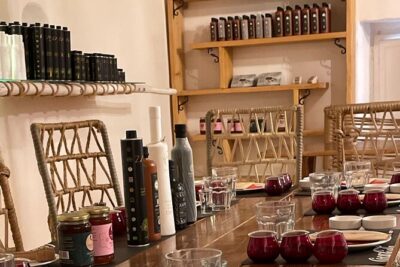
Katakolon Small Group Tour: Olympic site, Honey/Olive Oil Tasting
Read our review →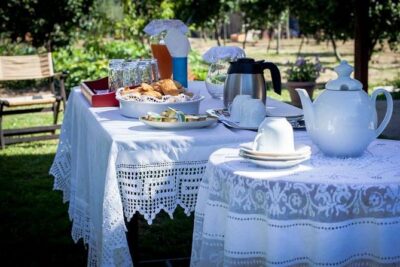
Olympia Shore Ex: Olympic site, Honey Farm & Olive Oil Tasting
Read our review →

Kefalonia: Private Olive Oil, Honey & Wine Tasting Experience
Read our review →Other lists with this tasting on them