
Review · GREECE
Extra virgin olive oil And Honey Tasting
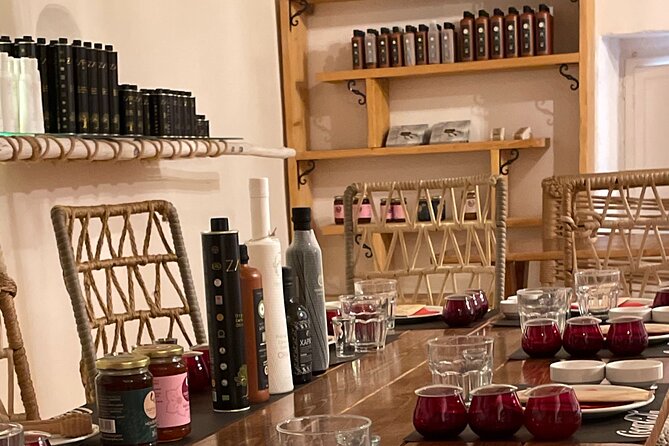
Santorini is famous for sunsets and cliff views, but this tasting turns your attention to the Greek table. At STOA Bar in Fira, Stathis explains how olive oil and honey are harvested, produced, stored, and tasted, then lets you compare several oils and two distinct honeys with simple local foods. I like the small-group format and the fact that you learn skills you can use when buying olive oil at home.
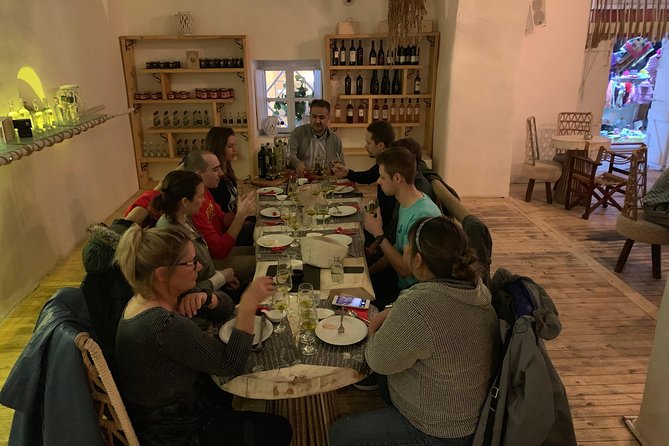
I also like the warm, relaxed setting. You sit at tables below Fira’s main square, with food arriving as you taste: tomatoes, feta, olives, bread, cold cuts, and raki. The main consideration is location: STOA is underground and can be easy to miss, so follow the directions carefully, especially in the busy center.
Key points to know before booking
- Taste more than olive oil: The session includes organic extra virgin olive oils, flower honey, pine honey, and Greek foods for pairing.
- Stathis leads the workshop: He is praised for clear explanations, humor, warmth, and practical advice.
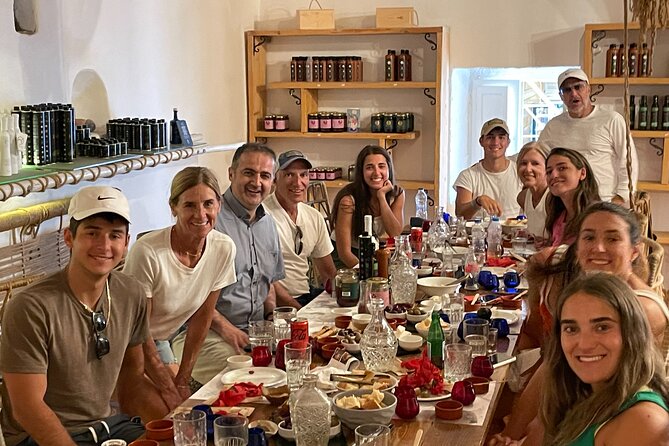
- The group is capped at 10: The format is designed to feel personal rather than like a large demonstration.
- It takes place in central Fira: Meet at STOA Bar, underground from the main square and beside the fish spa.
- The tasting is filling: Bread, crackers or bread sticks, tomatoes, feta, olives, local cold cuts, snacks, and raki are included.
- The price is $70.14 per person: For about 90 minutes, the value rests on the amount of tasting food and the hands-on guidance.
Why this Fira tasting is more useful than a quick sample
A standard food sample gives you a flavor. This workshop gives you a way to think about that flavor. You compare oils side by side, taste honey from different sources, and hear how harvesting and production can change the result.
That matters because extra virgin olive oil is not one single taste. The oils may differ in strength, freshness, and character, and Stathis explains what to notice instead of asking you to simply pick a favorite. You also learn how to choose and store olive oil, points that are useful long after your holiday ends.
The same applies to honey. Flower honey and pine honey offer a clear contrast, and the session explains what to look for when buying honey. I like this practical focus. You are not just told that Greek products are good; you are shown how to judge them.
The format is relaxed enough for questions. The host is described as remembering names, drawing everyone into the conversation, and allowing time for translation when needed. That makes this a good choice if you prefer a friendly lesson to a formal tasting lecture.
More Olive Oil and Honey Tastings in Greece:
- From Chania: Olive Oil, Wine, Cheese & Honey Tasting Tour
★ 4.6 · 490 reviews - Butterfly Valley & Wine, Olive Oil, Honey Tasting Tour (Small Group)
★ 4.5 · 114 reviews - Small-Group Honey & Extra Virgin Olive Oil Tasting Tour in Crete
★ 5.0 · 85 reviews
Finding STOA Bar under Fira’s main square
The meeting point is STOA Bar Santorini Fira, at Danezi, Stoa Pelekanou, Fira, Santorini 847 00, Greece. The venue is underground from the main square, next to the fish spa. Watch for the bar-restaurant signs rather than expecting a large street-facing tasting room.
This is a useful detail because Fira’s center can be confusing. Arrive with enough time to find the entrance, and keep the fish spa as your landmark. The activity begins and ends at STOA, so there is no separate transport or transfer to arrange.
The bar setting is part of the appeal. You are seated at tables rather than standing around a shop counter, and the room has fans for a cooler break from the heat. You may also order drinks, including alcoholic drinks, for an additional charge. A pitcher of water is provided during the tasting, while raki is included among the local foods and drinks.
The setting is not an olive farm or a working honey operation. If you want machinery, groves, or a countryside visit, this is not that kind of outing. It is an indoor tasting lesson in Fira, which makes it especially practical during a hot afternoon or between sightseeing stops.
The opening plate: raki, feta, tomatoes, and local cold cuts
The tasting begins with a spread of local foods. The listed starter includes local delicacies with pastourma and raki, plus tomatoes, feta, olives, and bread. Depending on the presentation, you may also receive crisps or bread sticks and other snacks.
These foods are not just decoration. Bread and bread sticks give you a plain base for comparing oils. Tomatoes bring sweetness and acidity, while feta and olives show how the oils work with salty foods. Local cold cuts add another strong flavor, and raki gives the start of the session a distinctly Greek feel.
The cherry tomatoes receive special attention for good reason. The tasting includes small tomatoes, and the produce served has been singled out as unusually sweet. Pairing a fresh tomato with olive oil is one of the simplest ways to understand why the oil’s balance matters.
The amount of food also affects the price. This is not a tiny spoonful followed by a quick explanation. With bread, cheese, olives, cold cuts, tomatoes, and snacks, you may feel well fed by the end. One practical point: the exact drink choices beyond the included raki are not covered in the base price.
Comparing organic extra virgin olive oils
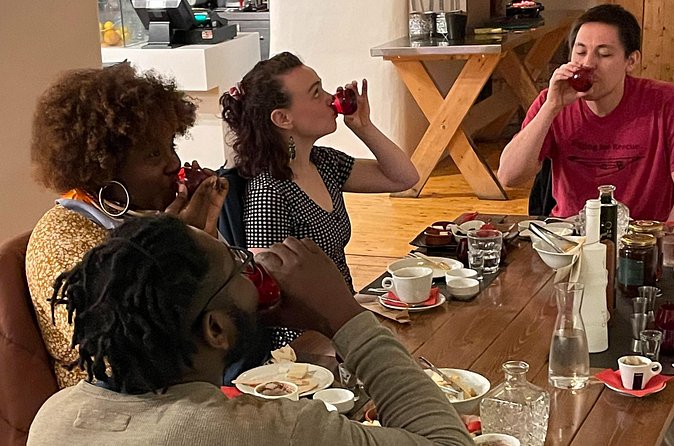
The central part of the session is a comparison of several organic, extra virgin olive oils. Stathis explains harvesting, production, and tasting before you sample each oil.
You are given different oils rather than one bottle presented as the answer. That comparison helps you identify the qualities you prefer. It also gives you a better basis for shopping at home, since the workshop covers how to select olive oil and how to store it.
Pay attention to the relationship between harvest timing and flavor. The session explains that producers may harvest olives at different points in the season, which changes the taste of the finished oil. That is a small but important lesson: the label and the price do not tell the whole story.
The workshop also encourages you to taste oil with food, not only by itself. Bread is the obvious carrier, but tomatoes and feta let you see how the oil behaves in a fuller bite. You may find that an oil you like alone works differently with salty cheese or sweet produce.
I would take notes mentally rather than expect a technical class. The appeal is the clear, friendly explanation and repeated tasting, not a professional certification. If you already have a strong background in olive oil, some of the basics may feel familiar. For most people, though, the session offers useful information without making the subject feel stiff.
More Olive Oil Tours around Greece:
- Crete: Quad Safari, Olive Mill with Tasting & Ghost Village
★ 4.9 · 1,004 reviews - Knossos-Zeus Cave -Old Traditional Villages-Olive Oil Factory
★ 5.0 · 694 reviews - The Governor’s Olive Mill Tour with Olive Oil Tasting
★ 5.0 · 502 reviews - Crete: Road-trip to Lasithi, Zeus Cave & Olive Mill Farm
★ 4.4 · 451 reviews
Flower honey and pine honey side by side
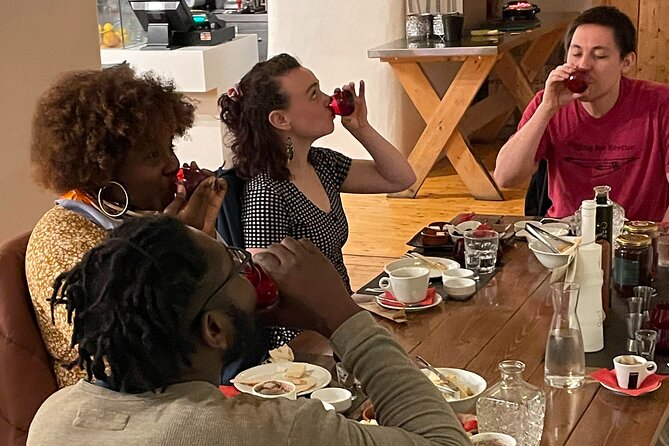
Honey gets equal billing, with two types served: flower honey and pine honey. The contrast gives the tasting a simple structure and helps you notice that honey can vary in flavor just as olive oil does.
The session explains how to choose honey and how to store it. That advice is valuable because honey is often bought by appearance alone. Here, you can taste first and then connect the flavor to the product type.
Use the bread, crackers, or bread sticks to sample the honey. You can also compare it with feta or other savory foods. The pairing is a pleasant change from the usual sweet-only approach and shows how Greek honey fits into a wider meal.
This part is also a reason to book the experience if you are looking for something more specific to Greece than a general food walk. Olive oil and honey are everyday staples, not just souvenirs. The tasting gives you an introduction to both without requiring a full day outside Fira.
Stathis brings the personal touch
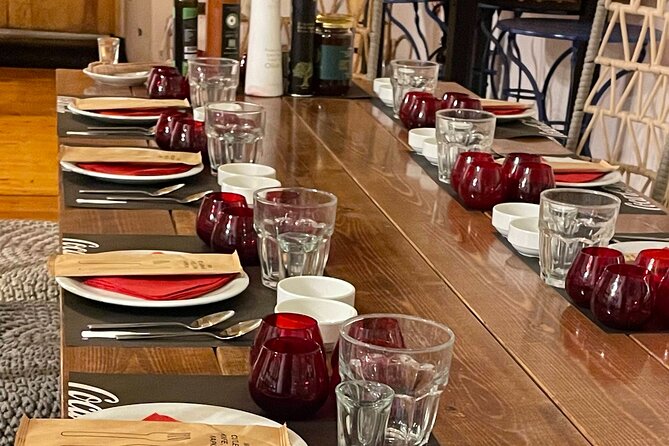
The host is one of the strongest reasons to choose this activity. Stathis is described as warm, funny, candid, and highly informed about olive oil and honey. His approach feels more like an invitation to talk over food than a scripted presentation.
That tone matters in a small tasting. With a maximum of 10 people, questions do not disappear into a crowd. A smaller booking may feel especially personal, and the format has also worked well for couples and groups of four or six.
Stathis offers practical detail rather than only broad praise. You learn about harvesting, production, storage, buying, and tasting. He also keeps the mood light, which helps when the subject could otherwise become overly technical.
The experience can work across language needs too. One participant needed to translate for a parent and found there was enough time to do so. English is the offered language, so you should not expect a formal multilingual session, but the relaxed pace may help mixed-language groups.
Small extras add to the welcome. Some bookings have included postcards and honey stirrers at the end, and a souvenir has been mentioned as part of the warm send-off. These details may vary, so I would treat them as pleasant possibilities rather than guaranteed inclusions.
Is $70.14 a fair price?
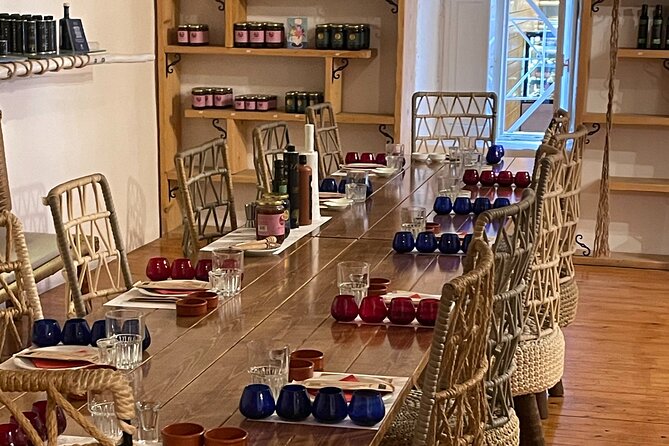
At $70.14 per person, this is not a bargain snack stop. It is fair value if you want a guided tasting with a full plate of Greek foods, several olive oils, two honeys, a local drink, and a host who explains what you are tasting.
The 90-minute length gives the price some weight. You are not paying for a five-minute sample before moving on. You have time to compare products, eat a substantial selection of food, ask questions, and learn buying and storage tips.
The value is strongest for first-time tasters. If you have never compared extra virgin olive oils or different types of honey, the workshop gives you a useful foundation. It may also pay off later if you buy olive oil during the rest of your trip or take a bottle home.
It is less compelling if you want a full meal, a farm visit, or a broad tour of Santorini. The activity stays at one central venue and focuses tightly on two products. Additional drinks are available to purchase, but drinks beyond the included items are not part of the listed price.
Who will enjoy this 90-minute activity?
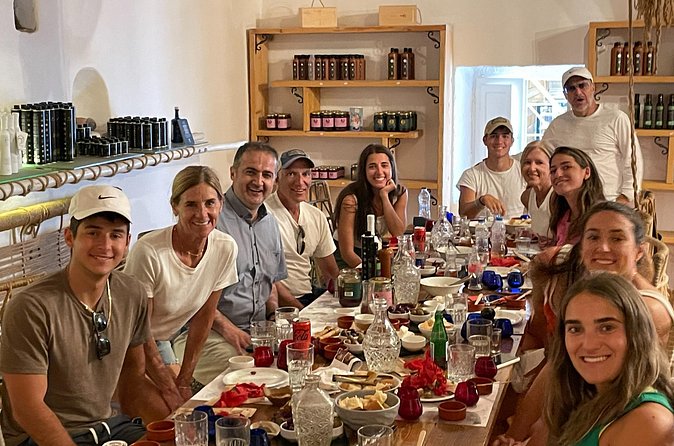
I would recommend it to couples, food-focused visitors, curious first-time tasters, and anyone who wants a break from Santorini’s famous viewpoints. It suits people who enjoy learning through eating and want a souvenir that is more useful than another generic gift.
It is also a good option for a small private group. The published details describe a private activity with only your group participating, while the group size is capped at 10. Confirm the exact group arrangement when booking if that distinction matters to you.
Families can attend, but children must be accompanied by an adult. The minimum drinking age is 18, which matters because raki is part of the presentation. Most people can take part, service animals are allowed, and the meeting point is near public transportation.
I would hesitate only if you dislike olive oil, honey, or shared tasting plates. The session is built around sampling these foods repeatedly. It also lacks the outdoor scenery that many people expect from a Santorini excursion.
Timing, cancellation, and practical details
The activity lasts approximately 1 hour and 30 minutes. It is offered in English, and mobile tickets are accepted. Confirmation is provided when you book.
Free cancellation is available if you cancel at least 24 hours before the start time. Changes or cancellations made less than 24 hours before the start time are not accepted for a refund, and the cut-off follows local time.
Because the tasting is booked, on average, 11 days ahead, reserve early if your dates are fixed. That is especially sensible during busy periods, when a 10-person limit can make availability tighter.
Plan to remain at STOA for the whole activity. The session ends back at the meeting point, and there is no separate drop-off. Bring an appetite, arrive ready to look for the signs, and allow a few extra minutes to locate the underground entrance.
Should you book the STOA olive oil and honey tasting?
Book it if you want a focused, friendly introduction to Greek food with enough samples to make the lesson memorable. The best features are the small group, Stathis’s personal teaching style, the side-by-side oil comparison, and the generous selection of foods.
Skip it if your priority is a vineyard, olive grove, scenic drive, or full restaurant meal. This is a seated tasting in central Fira, not a countryside tour.
For most food-curious visitors, I think the experience earns its place in a Santorini plan. It gives you a cooler break, a useful lesson in buying and storing olive oil, two distinct honeys to compare, and a taste of everyday Greek hospitality. The only real work is finding STOA beneath the square. Once there, the format is simple: sit down, taste carefully, and leave knowing more about what you are putting on your plate.
FAQ
Where does the olive oil and honey tasting take place?
It takes place at STOA Bar Santorini Fira, at Danezi, Stoa Pelekanou, Fira, Santorini 847 00, Greece. The venue is underground from Fira’s main square, next to the fish spa.
How long does the tasting last?
The activity lasts approximately 1 hour and 30 minutes.
What is included in the tasting?
The included items are organic extra virgin olive oils, flower honey, pine honey, cherry tomatoes, crisps or bread sticks, raki, and snacks. The food selection also includes items such as bread, feta, olives, and local cold cuts.
Is the tasting offered in English?
Yes. English is the offered language.
How many people can join?
The group size is capped at 10 people. The activity is also described as private, with only your group participating.
Are drinks included?
Raki is listed as included. Other drinks are not included, and alcoholic drinks are available to purchase.
Can children join the activity?
Yes, but children must be accompanied by an adult. The minimum drinking age is 18.
Does the activity start and end at the same place?
Yes. The activity begins at STOA Bar and ends back at the meeting point.
What is the cancellation policy?
You can cancel at least 24 hours before the start time for a full refund. Cancellations or changes made less than 24 hours before the start time are not accepted for a refund.
Freshly pressed around Greece
- Private Tour in Historic Estate in Monemvasia with wine-olive oil tasting & meal★ 5.0 · 4 reviews
- Olive Facility Visit with Olive Oil Tasting Session★ 5.0 · 2 reviews
- SYSTASIS Olive Oil Tasting Experience in Ermioni Greece★ 5.0 · 4 reviews
- Olive Oil Tasting at the Mykonian Farm★ 4.5 · 3 reviews
- Olive Oil Tour close to Nafplio★ 4.5 · 3 reviews
- Olympia Shore Ex: Premium Private Package -Tickets & Olive Market★ 4.5 · 5 reviews
- WIne & Olive Oil Tasting in an Organic Farm in Laconia, Greece!★ 5.0 · 2 reviews
- E-Bike Kalamata Olive Routes★ 5.0 · 10 reviews
Olive Oil and Honey Tastings, compared.

From Chania: Olive Oil, Wine, Cheese & Honey Tasting Tour
Read our review →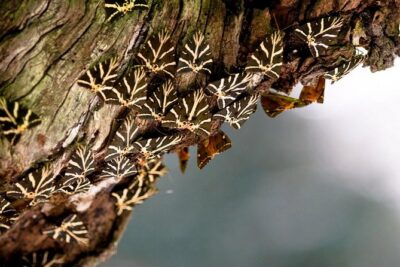
Butterfly Valley & Wine, Olive Oil, Honey Tasting Tour (Small Group)
Read our review →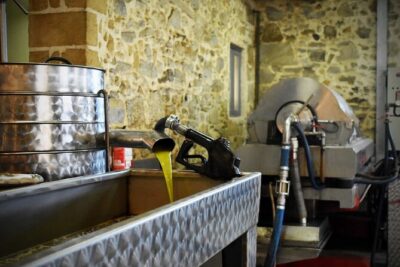
Small-Group Honey & Extra Virgin Olive Oil Tasting Tour in Crete
Read our review →
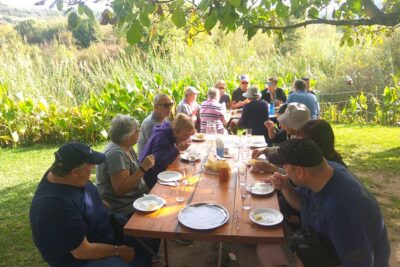
Katakolon Small Group Tour: Olympic site, Honey/Olive Oil Tasting
Read our review →
Olympia Shore Ex: Olympic site, Honey Farm & Olive Oil Tasting
Read our review →
Kefalonia: Private Olive Oil, Honey & Wine Tasting Experience
Read our review →Other lists with this tasting on them