
Review · GREECE
The Olive Oil Experience @ Lefkada Micro Farm
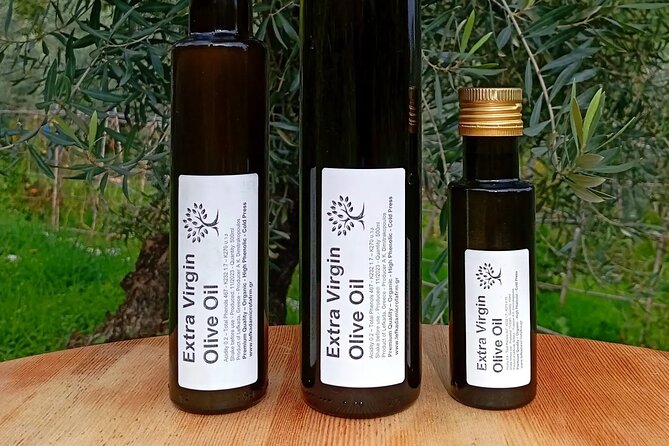
The most useful part of this Lefkada olive oil experience is learning to tell good oil from the ordinary bottle on a supermarket shelf. You taste the difference, feel the peppery kick of high polyphenols, and leave with practical rules for buying, storing, and cooking with extra virgin olive oil.
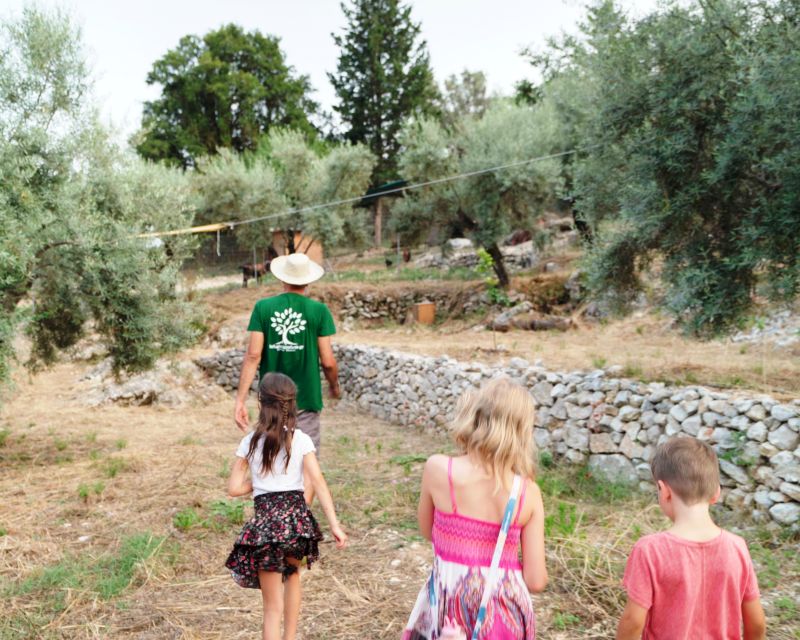
I like the peaceful walk among the White Lefkadian trees and the open-air setting, where you may also meet farm animals, smell herbs, and eat fruit from the branch. I also like that a certified olive oil taster explains the process instead of simply pouring samples. The main consideration is that the experience costs $54 for only 1.5 hours, and one serious complaint raises a concern about political material or discussion connected with the guide. If that could affect your comfort, ask about the current format before booking.
Key points at a glance
- Taste the peppery difference: Learn why a sharp finish can signal high polyphenol content rather than a flaw.
- Walk among rare trees: See the White Lefkadian olive trees and hear how the farm uses regenerative organic methods.
- Learn useful kitchen skills: Get clear advice on bottle selection, storage, and cooking with olive oil.
- Meet the people behind the oil: The farm is presented through the owner’s personal work and passion, not a factory-style presentation.
- Allow 1.5 hours: This is a compact lesson and tasting, not a full-day farm visit.
- Check the tone before booking: A verified complaint describes antisemitic political material connected with the guide, so this is worth clarifying if it matters to you.
Why this small farm visit is more useful than a basic tasting
Many olive oil tastings stop at three small glasses and a few broad claims about quality. This one aims to give you a working set of skills. You learn how to smell and taste oil, how to spot poor quality, and how to choose a bottle with more care once you return home.
That makes the experience useful even if you are not a food expert. You do not need to know the difference between cultivars or production methods before arriving. The session is designed as an introduction, with the guide explaining the story of the olive tree, the work of growing it, and the choices that affect the final oil.
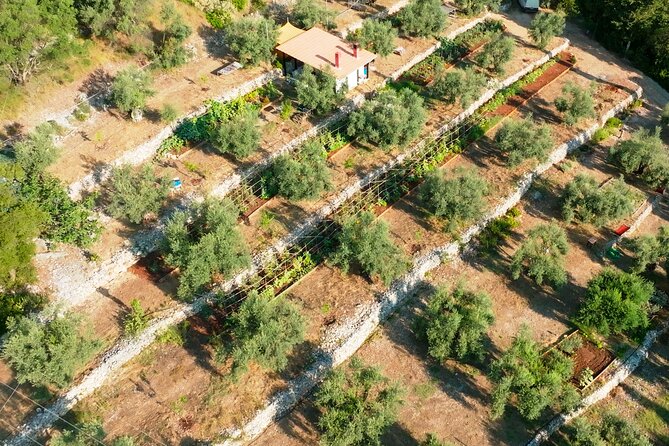
The setting adds something that a shop tasting cannot. Instead of hearing about olive trees in a room, you walk around the Lefkada Micro Farm and see the trees themselves. The farm’s White Lefkadian trees are a specific local feature, and the visit connects the plant, the soil, the harvest, and the bottle in a simple way.
I also appreciate the scale. A micro farm can make the work feel personal. The owner is closely tied to the product, and the experience focuses on what the farm loves making rather than on a large commercial operation. That does not mean every part will suit every visitor, but it does give the hour and a half a clear point of view.
More Olive Farm Visits in Greece
- Crete: Road-trip to Lasithi, Zeus Cave & Olive Mill Farm
★ 4.4 · 451 reviews - Heraklion: Olive Farm Tour with Tasting of Local Delicacies
★ 4.9 · 411 reviews - Lassithi, Zeus Cave, Olive Mill Farm & Knossos Combo Tour
★ 4.6 · 404 reviews
Walking through the White Lefkadian groves
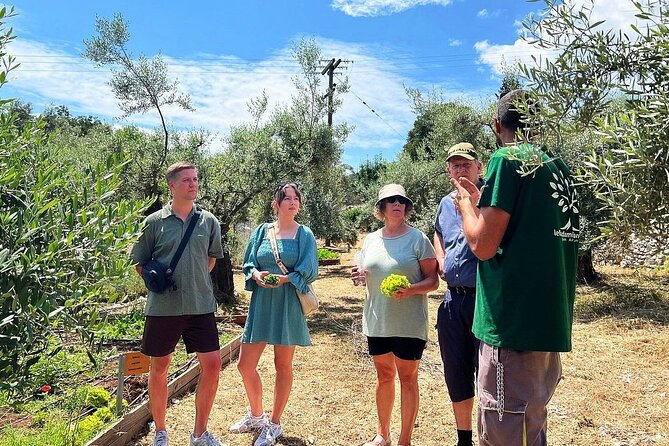
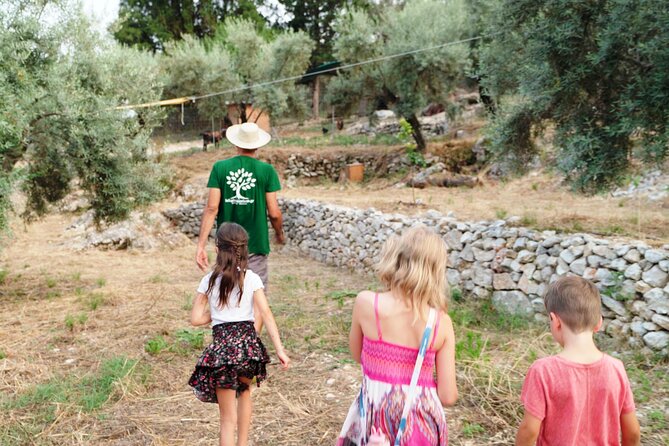
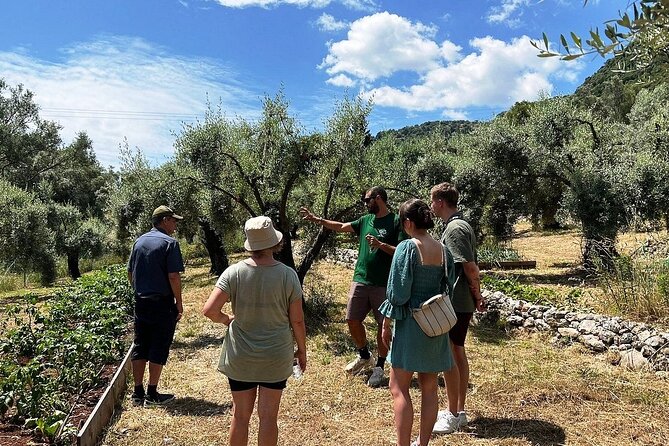
The tour begins with a guided walk around the farm. You learn about the olive tree’s place in Greek life and about the cultivation methods used here. The farm describes its work as regenerative and organic, so the discussion is not only about producing oil, but also about how the grove is cared for.
The White Lefkadian trees are the visual detail to watch for. They give the visit a sense of place and make the farm different from a generic olive oil classroom. The experience does not promise a long hike or a broad agricultural tour. Think of it as a short, focused walk that gives context before the tasting.
The open-air setting is one of the strongest parts for me. You may encounter animals, herbs, and fruit trees as you move around the farm. One particularly pleasant detail is the chance to smell plants and eat fruit directly from the branch. These small moments help you notice the farm as a living place, not just a backdrop for product sales.
Wear sensible shoes and bring the attitude of someone visiting a working farm rather than a polished museum. The supplied details do not specify terrain, shade, or weather arrangements, so you should check conditions if you have mobility or heat concerns. The activity is wheelchair accessible, but asking the farm about the exact route remains sensible.
The olive oil lesson, from tree to bottle
The guide explains how the farm produces its oil and why handling matters. In only five years since its first harvest, the farm says it has grown into an award-winning producer. It received Silver Awards in New York in both 2025 and 2026, which gives the tasting a clear benchmark, though awards alone should not replace your own judgment.
The useful point is learning what quality means in practice. You are shown how authentic extra virgin olive oil should taste and how industrial or poor-quality oil can differ. The session presents this as a contrast between supermarket oil and the original product, but you should still remember that supermarket bottles vary widely. Not every store-bought oil is poor, and not every expensive bottle will suit your taste.
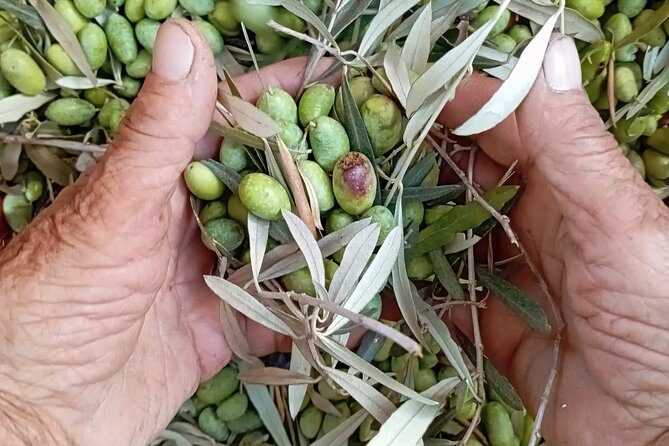
The guide focuses on high polyphenols, the antioxidants linked with many of olive oil’s health claims. You may notice a peppery or slightly burning sensation at the back of your throat. That kick can be a positive sign of freshness and polyphenol content, though it is not the only measure of quality.
This is where the tour gives you something you can use. You learn that bitterness and pepperiness are not automatically defects. They can be part of a fresh, powerful oil. At the same time, the guide should help you separate a clean, lively finish from rancid or stale flavors. The tasting is interactive, so pay attention to your own reactions rather than trying to copy someone else’s opinion.
What happens during the tasting
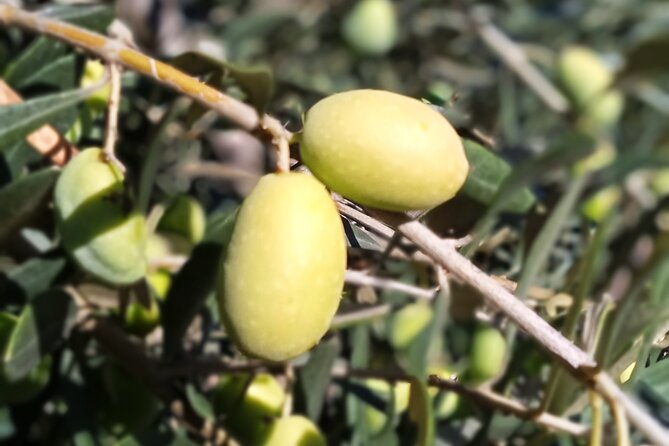
The tasting is included in the $54 price. The exact number of oils is not specified, so do not book expecting a particular flight or a long series of samples. The point is the comparison between good and bad oil and the chance to understand what you are sensing.
Expect the certified trainer to guide you through the basics of tasting. Smell comes first, followed by small sips and attention to fruitiness, bitterness, and the peppery finish. The guide’s role matters here because olive oil can look similar in every glass. Your nose and palate do the real work.
This format suits curious beginners. You can ask why one oil tastes fresh and another seems flat, and you can connect the answer to harvesting, production, storage, or age. If you already know a lot about olive oil, the attraction will be less about basic technique and more about tasting a local product at its source.
Tell the farm about food allergies or dietary restrictions before the visit. The activity is centered on oil, fruit, and farm surroundings, but the provider specifically asks for this information. Clear communication is the easiest way to avoid a problem.
Same olive country, a different way to taste it:
- Crete: Quad Safari, Olive Mill with Tasting & Ghost Village
★ 4.9 · 1,004 reviews - Knossos-Zeus Cave -Old Traditional Villages-Olive Oil Factory
★ 5.0 · 694 reviews - The Governor’s Olive Mill Tour with Olive Oil Tasting
★ 5.0 · 502 reviews - From Chania: Olive Oil, Wine, Cheese & Honey Tasting Tour
★ 4.6 · 490 reviews
The Olive Oil ABC you can take home
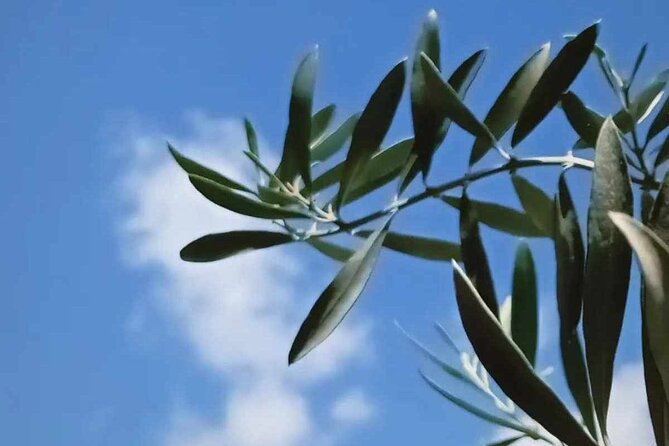
The most practical part comes after the tasting. You learn how to select the right bottle, how to store it, and how to use olive oil in cooking without treating it as a decorative finishing ingredient only.
For shopping, the lesson helps you read a bottle with a more critical eye. You can ask about freshness, the type of oil, and how the packaging protects the contents. The experience promises advice on choosing the correct bottle, but it does not provide a detailed shopping checklist in advance, so take notes during the session.
Storage is just as important as buying. The guide explains how to keep oil fresh once you get home. This matters because a good oil can lose character if it is handled poorly. The tour’s advice is especially useful for people who buy a large bottle and keep it beside a stove or in a bright kitchen, though the precise storage instructions are best confirmed during the visit.
Cooking is covered too. You learn how to use olive oil in a healthy way while preserving as much of its benefit as possible. The lesson does not promise a cooking demonstration, so think of this as practical instruction rather than a meal or class with recipes.
Awards, organic methods, and realistic expectations
The farm’s award claims are a meaningful part of the experience. Silver Awards in New York in 2025 and 2026 suggest that trained judges recognized the oil’s quality. The farm also presents its work as regenerative organic agriculture, which will interest you if farming methods matter as much as flavor.
Still, an award is not a guarantee that you will love the oil. Taste is personal. A forceful, peppery oil may thrill one person and seem too strong to another. If you usually buy mild oil, give yourself time to adjust to the character of a high-polyphenol sample.
The five-year story also sets expectations. This is a young producer with an ambitious claim to make some of the best oil in the world. That confidence can make the tour lively and focused, but you should treat the marketing language as the farm’s position, not as an objective fact you must accept.
I find the combination of ambition and small-scale production appealing. You are not only tasting a finished product. You are hearing how a relatively new farm built its identity around local trees, organic care, and quality control. That story gives the oil a stronger sense of origin.
Price, timing, and who gets good value
At $54 per person, this is not the cheapest way to sample Greek olive oil. The 1.5-hour length means you are paying for a guided lesson, a farm walk, tasting, and advice you can use later. There is no meal or lengthy harvest activity listed, so compare it with those limits in mind.
I think the price works best for three kinds of visitors. First, it suits food-focused travelers who want to understand one of Greece’s main ingredients. Second, it suits couples or small groups looking for a calm morning or evening activity away from the usual sightseeing stops. Third, it works for anyone who buys olive oil regularly and wants to make better choices at home.
The value is weaker if you only want a quick sample or a pretty farm photograph. You could taste olive oil elsewhere for less money. This experience earns its price through instruction, personal contact, and the setting among the trees.
The schedule lasts 1.5 hours, with starting times based on availability. That makes it easy to fit around other plans, though the short format also means the presentation may move at a steady pace. English is the tour language, and the live guide leads the session.
You can cancel up to 24 hours before the activity for a full refund, and you can reserve now and pay later. Those terms are useful if your Lefkada plans are still shifting.
The one serious point to clarify before booking
Most of the available feedback is strongly positive about the farm setting, the teaching, and the personal approach. The praise centers on the peaceful grove, the hands-on tasting, and the clear advice about choosing oil. The owner is described as humble and hard working, and the farm visit can include animals, plants, and fruit as well as olive trees.
There is also one serious complaint. A verified German-language booking reports antisemitic propaganda and says a sign connected to the events of October 7 presented a reversal of victim and perpetrator. The report says the matter was confirmed by the person asking about it. This is a serious allegation about political material and the guide’s position, and it should not be brushed aside.
The available information does not establish how often this material appears, who displayed it, or whether the tour format has changed. If you want a strictly neutral food and agriculture experience, contact Lefkada Micro Farm Experiences before booking and ask directly whether political signs or political discussion are part of the current visit.
That check is particularly important for visitors who may feel targeted or uncomfortable by such content. A farm tasting should be enjoyable and respectful for everyone. You deserve a clear answer before paying.
Is the Lefkada olive oil experience right for you?
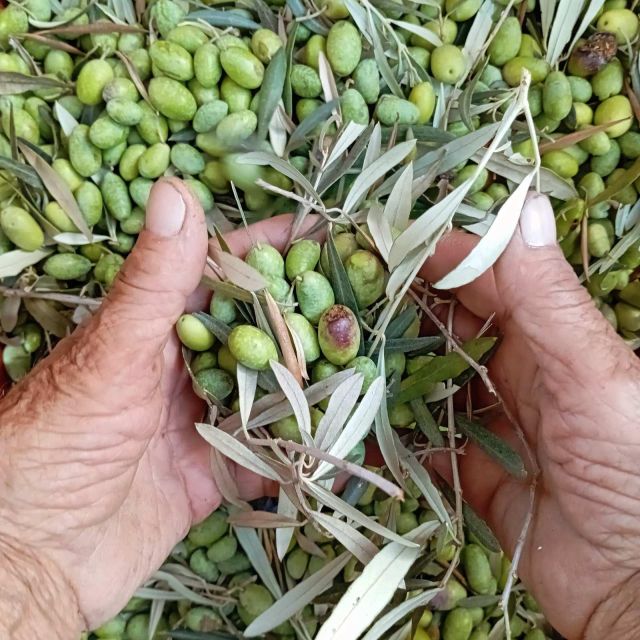
Book it if you want more than a sample. You will get a short guided walk, a lesson in olive oil tasting, local farm context, and useful advice on shopping, storage, and cooking. The peaceful outdoor setting and rare White Lefkadian trees add a genuine local touch.
Skip it if you are looking for a full meal, a long farm day, or a large-scale production tour. The $54 price is easier to justify when you care about food education and will use the advice at home.
I would also contact the provider first if the reported political material concerns you. For everyone else, this is a focused and potentially rewarding way to understand why good Greek olive oil tastes different, and how to recognize it after you leave Lefkada.
FAQ
How long does the Olive Oil Experience at Lefkada Micro Farm last?
The experience lasts 1.5 hours.
How much does the experience cost?
The price is $54 per person.
What language is the tour conducted in?
The live guided tour is conducted in English.
Is olive oil tasting included?
Yes. Olive oil tasting is included in the activity.
Does the experience include a farm tour?
Yes. A guided tour around Lefkada Micro Farm is included.
Is the activity wheelchair accessible?
Yes. The activity is listed as wheelchair accessible.
Can I cancel for a full refund?
Yes. You can cancel up to 24 hours in advance for a full refund.
Freshly pressed around Greece
- Private Tour in Historic Estate in Monemvasia with wine-olive oil tasting & meal★ 5.0 · 4 reviews
- Olive Facility Visit with Olive Oil Tasting Session★ 5.0 · 2 reviews
- SYSTASIS Olive Oil Tasting Experience in Ermioni Greece★ 5.0 · 4 reviews
- Olive Oil Tour close to Nafplio★ 4.5 · 3 reviews
- Olive Oil Tasting at the Mykonian Farm★ 4.5 · 3 reviews
- Olympia Shore Ex: Premium Private Package -Tickets & Olive Market★ 4.5 · 5 reviews
- WIne & Olive Oil Tasting in an Organic Farm in Laconia, Greece!★ 5.0 · 2 reviews
- E-Bike Kalamata Olive Routes★ 5.0 · 10 reviews
Olive Farm Visits, compared.
Sorrento Farm and Food Experience including Olive Oil, Limoncello, Wine tasting
Read our review →
Crete: Road-trip to Lasithi, Zeus Cave & Olive Mill Farm
Read our review →
Heraklion: Olive Farm Tour with Tasting of Local Delicacies
Read our review →
Lassithi, Zeus Cave, Olive Mill Farm & Knossos Combo Tour
Read our review →
Alghero: Wine and Olive Oil Tasting at a Local Farm
Read our review →
Traditional Olive Grove and Dragon Fruit Farm Tour
Read our review →
Moires: Cooking Class and Olive Oil Tasting at a Family Farm
Read our review →
Sóller: Olive Oil Guided Tour and Tasting at Can Det Estate
Read our review →Other lists with this tasting on them