
Review · VERONA
Verona centro: Olive Oil Tasting Experience
The best part of this Verona experience is that it turns a familiar kitchen staple into something you can actually judge. At La Bottega di Verona, Filippo explains how olive oil is made, then guides you through different oils chosen from hundreds of possibilities. The tasting is practical, not just a lecture.
I like the chance to pair each oil with bread, cheese, salami, and local vegetables, since food shows differences better than a tiny spoon alone. I also like the family-run setting and Filippo’s patient style. The main drawback is time: one hour passes quickly, so this suits curious beginners more than serious oil experts seeking a full farm visit.
Key points to know before booking
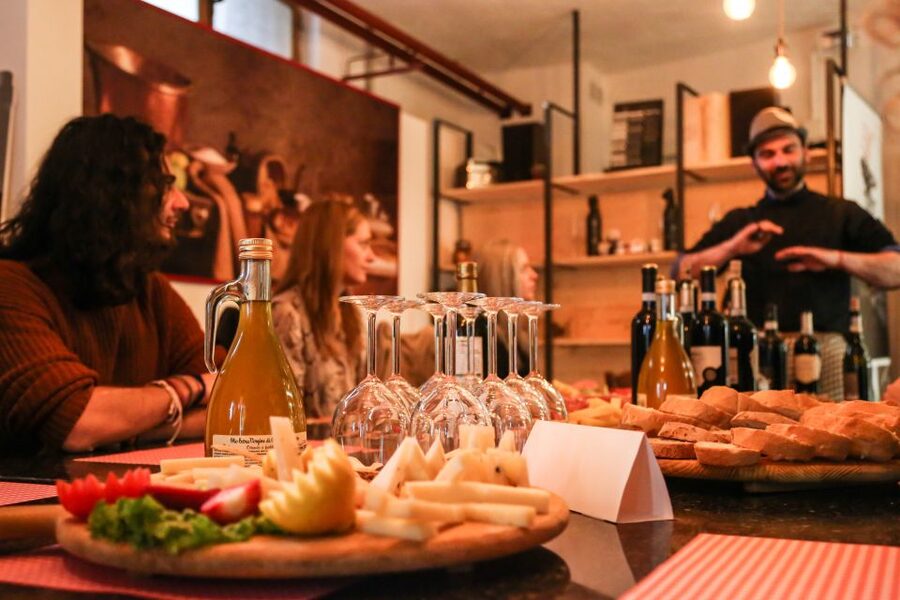
- Taste three extra virgin olive oils: Compare oils side by side instead of judging one in isolation.
- Meet at La Bottega di Verona: The tasting begins at a historic shop in central Verona.
- Learn how to taste properly: Filippo explains what to look for in aroma, flavor, and finish.
- Food is part of the lesson: Bread, cheese, salami, tomatoes, aubergines, and zucchini may accompany the oils.
- Expect a compact experience: The session lasts one hour and costs $53 per person.
- Ask about your needs in advance: Food intolerances should be reported before the tasting.
Why this one-hour tasting is worth your time
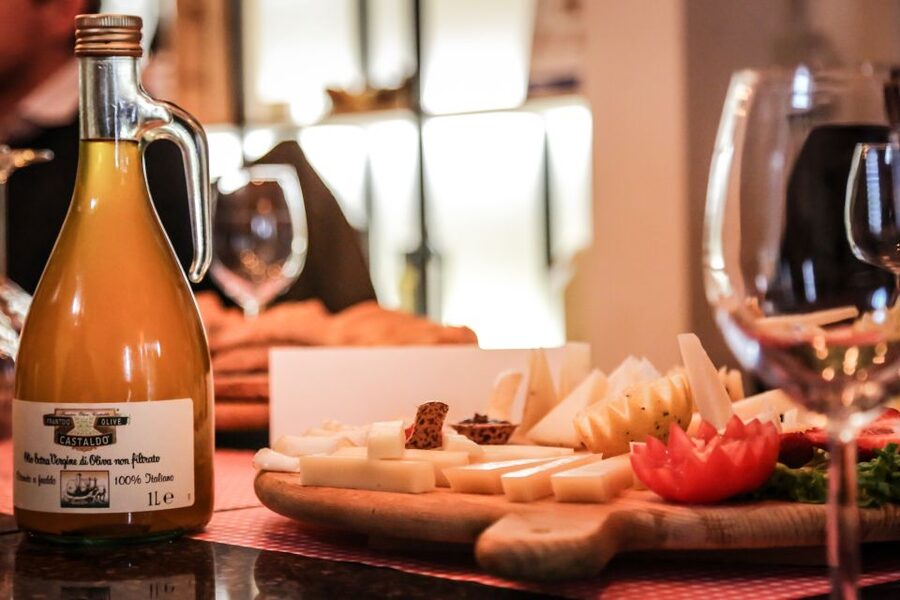
Olive oil is on nearly every Italian table, but most of us use it without thinking much about it. We pour it over salad, dip bread into it, or cook with it. This tasting gives you a better sense of what separates a fresh, well-made extra virgin oil from an ordinary bottle.
I like experiences that teach a skill you can use after the trip. This is one of them. You will not leave as an olive oil judge, but you should have a clearer idea of what good oil smells and tastes like, how it behaves with food, and why bottles from different areas can taste so different.
The price is $53 per person, which is not pocket change for an hour. Still, the cost includes three oils, food pairings, water, and a glass of wine on request. Compared with a simple snack stop, you are paying for guidance and tasting instruction. For two people who enjoy Italian food, it can be a useful and social break between Verona’s churches, piazzas, and museums.
I would not book this as a major food tour. It is too short for that. Think of it as a focused tasting with enough food to make the lesson satisfying.
More Olive Oil Tours around Italy:
- Sorrento Farm and Food Experience including Olive Oil, Limoncello, Wine tasting
★ 5.0 · 2,524 reviews - Olive oil tasting in Sorrento
★ 5.0 · 434 reviews - Sorrento: Lemon, Olive Oil and Wine Tasting Tour with Lunch
★ 5.0 · 300 reviews
Meeting Filippo at La Bottega di Verona
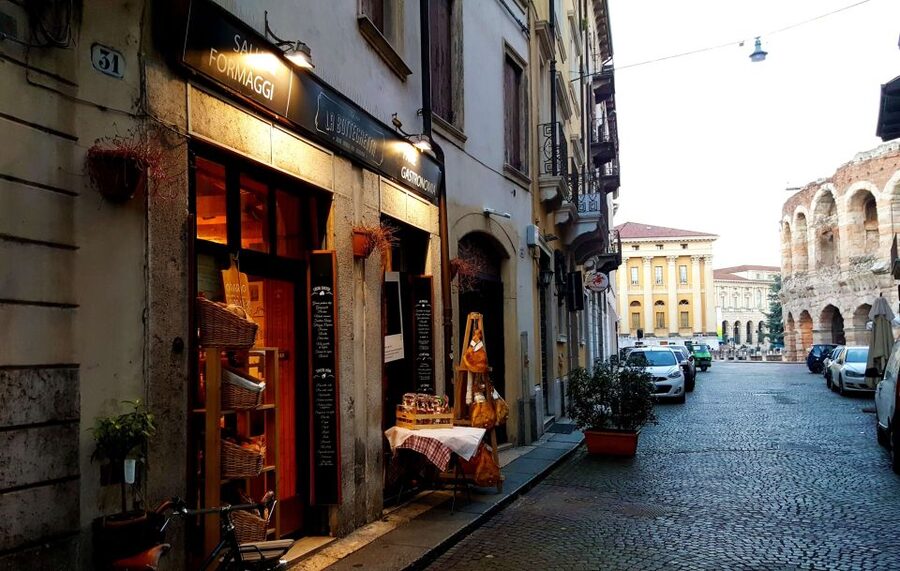
Your guide meets you at La Bottega di Verona, a historic shop in central Verona. That location matters. You do not need to arrange transport outside the city or spend part of your day reaching an olive farm. The experience fits easily into a city sightseeing plan.
The shop is family-run, and Filippo brings a personal interest in the products he presents. Several details in the experience point to a host who enjoys questions: he explains production, talks through regional differences, and takes time with the tasting rather than rushing from one sample to the next.
The guide service is available in English and Italian, with Russian also listed for the experience. The practical point is simple: confirm your preferred language when you book. The host or greeter information specifically lists English and Italian, while the experience description also includes Russian.
You should arrive ready to pay attention to smell and texture, not just flavor. Olive oil tasting is more revealing when you slow down. A quick splash on bread can be pleasant, but it may not tell you much about the oil itself.
Tasting three oils side by side
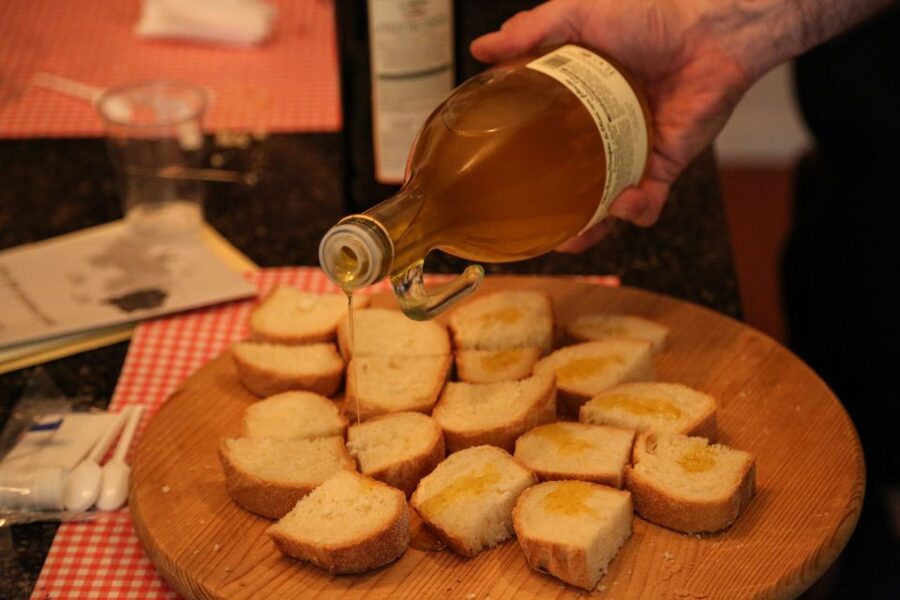
The central part of the session is a comparison of three different oils. The oils have been selected from a much larger range, with the goal of showing clear differences in style and quality.
This side-by-side format is useful. If you taste one oil on its own, you may think it is simply good or bad. When you try another immediately after it, you can notice changes in fruitiness, bitterness, peppery heat, and finish. Those contrasts make the lesson easier to remember.
The stated tasting includes three oils. One detailed account of the experience describes tasting four varieties, so the exact number may sometimes vary. I would treat three as the promised amount and regard any extra sample as a possible bonus, not something to count on.
Filippo explains how to taste the oil and points out regional traits. The details matter because extra virgin olive oil is not one single flavor. Some oils can seem soft and grassy, while others have a stronger peppery note or a more pronounced bitterness. Those qualities are not automatically faults. They can be part of the oil’s character.
The useful lesson is to notice balance. A good oil should not simply taste heavy or hot. You are looking for freshness, a clear olive character, and a clean finish. The tasting helps you connect those ideas to actual samples instead of memorizing food terms from a label.
Bread, cheese, salami, and the real food test
Oil can taste different when you try it with food, so the pairings are more than a snack. Bread gives you a plain base. Cheese adds salt and richness. Salami brings stronger seasoning. Tomatoes, aubergines, and zucchini were also included in one tasting, giving the oil more familiar Italian combinations to work with.
I like this part because it answers a question that many tastings ignore: what will this oil actually do at the table? An oil that seems sharp on its own may be excellent with vegetables. Another may feel better suited to bread or a milder dish. You are learning how to use the product, not just how to describe it.
The food also makes the one-hour format feel generous. You are not left with three small tastes and a long explanation. You get enough bread, cheese, salami, and other accompaniments to make the session feel like a light bite.
Still, this is not a full meal. If you are hungry after a morning of sightseeing, plan another lunch or dinner. The included food supports the tasting, but it should not replace a proper restaurant meal.
A glass of wine is available upon request, along with still or sparkling water. Since the wine is optional, ask for it if you want the tasting to feel more relaxed. If your main goal is to compare the oils carefully, water may be the better companion.
Same olive country, a different way to taste it:
- Alghero: Wine and Olive Oil Tasting at a Local Farm
★ 4.8 · 294 reviews - Ostuni: Masseria tour among thousand-year-old olive trees with oil tasting
★ 4.8 · 261 reviews - Balestrate: Olive Grove Tour with Wines & Olive Oil Tasting
★ 5.0 · 241 reviews - Bardolino: Vineyard Tour with Wine, Olive Oil & Food Tasting
★ 4.6 · 221 reviews
Production methods and olive oil history
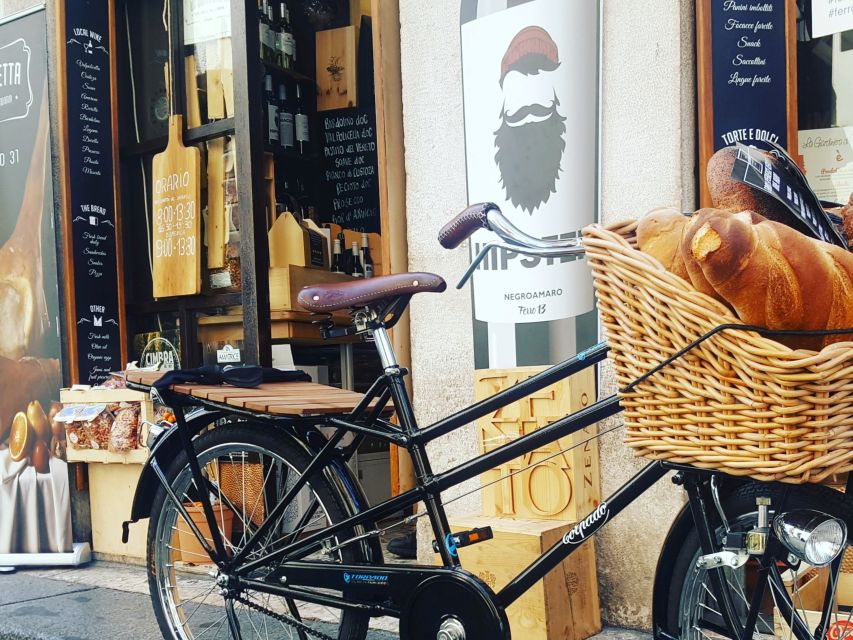
The talk covers the history of olive oil and the methods used to produce it. The value here is context. You will hear more than a simple claim that one bottle is better than another.
Production choices affect what ends up in the bottle. The type of olives, where they grow, how quickly they are processed, and how the finished oil is handled all influence flavor and freshness. The session is designed to explain these differences in plain terms.
The experience also covers common and less common uses. That is helpful if you tend to use olive oil only for salad dressing. You may come away thinking about it as a finishing ingredient, a dip, or a way to change the taste of a simple plate of vegetables.
Do not expect a technical course in milling or agricultural science. The tasting lasts one hour, and the emphasis is on useful understanding. You will get an introduction to production and origin, then immediately taste examples connected to the discussion.
For me, that balance is right for a city break. You get enough background to make the flavors make sense, but you are not trapped in a long classroom session.
What the experience teaches you to notice
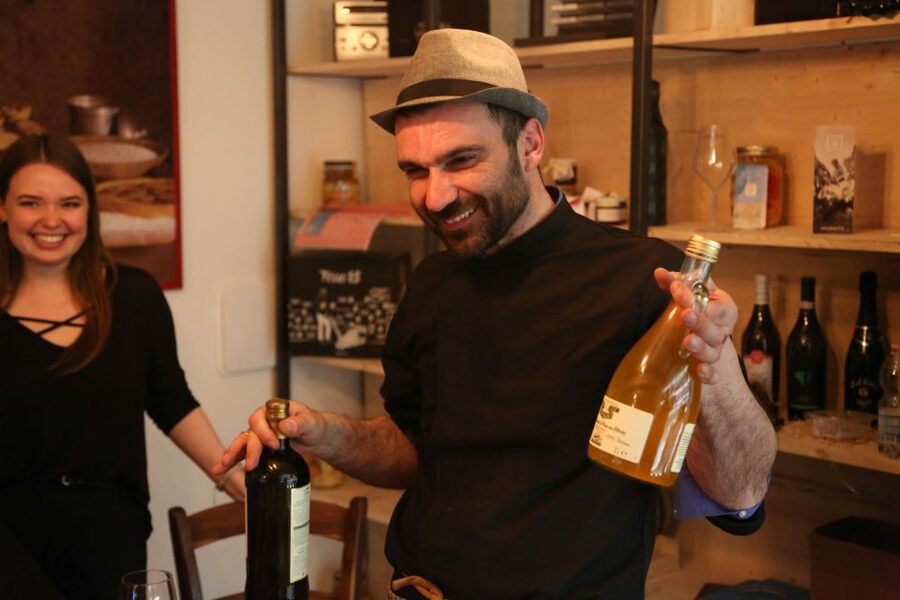
The stated aim is to help you recognize the best extra virgin oils. That promise needs a little context. You will learn the basic signs of quality, but no one-hour tasting can turn you into a professional tester.
What you can reasonably expect to gain is a better set of questions:
- Does the oil smell fresh and lively?
- Can you identify an olive character rather than just oiliness?
- Is the bitterness balanced?
- Does the peppery sensation feel clean rather than harsh?
- Does the finish fade pleasantly or leave an unpleasant aftertaste?
- Does the oil work with the food you plan to serve?
These questions are more useful than choosing a bottle because its label looks expensive. I especially like that the lesson includes production methods and food pairing. It connects the oil’s origin and making process to the way you experience it at the table.
You may also find that your personal favorite is not the oil with the mildest taste. Some people prefer a gentler oil, while others like a strong, peppery finish. The point is not to accept one official favorite. It is to understand what you are tasting and choose with more confidence.
How this fits into a day in Verona
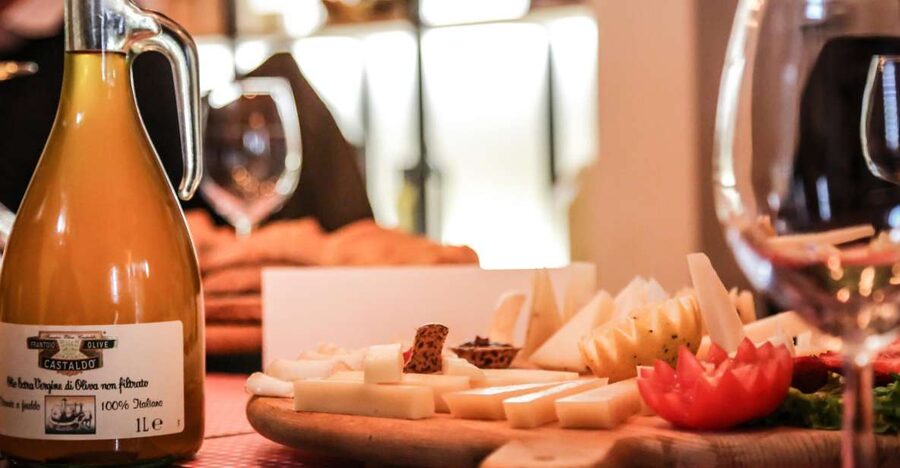
The one-hour length makes this easy to place between larger sights. You can schedule it during a pause in your central Verona sightseeing, then continue on foot to another part of the old city.
Because the meeting point is at La Bottega di Verona, there is no separate countryside transfer. That saves time, but it also defines the experience. You will learn about olive oil in a shop setting, not among groves or at a working mill.
That difference is important when you decide what you want. If you are looking for rural scenery, harvesting, or a look at milling equipment, this is not that kind of outing. If you want a compact lesson with food and a local host, the central location is a strong advantage.
The timing also works well for couples and small groups who want something calmer than another church or museum. It gives you a seat, a conversation, and a taste of regional food without taking half a day.
Who will enjoy it most
I would recommend this tasting to anyone who buys olive oil at home and wants to make better choices. It is also a good fit for people who enjoy food but do not want a long formal class.
Couples should find the format especially pleasant. The food pairings make it social, and the host’s patient approach leaves room for questions. One session even included only two people, which allowed plenty of time for explanation. You should not assume every booking will be private, but the format can work well for a small group.
Families may need to judge the activity by age and interest. The tasting is built around flavor, production, and conversation. Children who enjoy trying new foods may like it, but there is no special children’s program listed.
Food lovers with allergies or intolerances should provide that information before booking. The tasting includes bread, cheese, salami, and possibly several vegetables, so advance notice is important.
I would skip it if your schedule is already packed and you dislike guided tastings. The session asks you to slow down and focus. That is its strength, but it will not suit someone who wants to keep moving.
Price, booking flexibility, and practical details
At $53 per person, this is a midrange food experience for a one-hour session. The value depends on how much you care about instruction. If you only want a quick taste of local oil, the price may feel high. If you want three oils explained by a host, with food pairings and a chance to ask questions, it is easier to justify.
The package includes the guide, three oil tastings, bread, cheese, salami, water, and combinations of the oils with food. A glass of wine can be requested. Those inclusions mean you are not paying only for three spoonfuls of oil.
You can cancel up to 24 hours ahead for a full refund, and you can reserve now and pay later. Those policies are useful in Verona, where museum times, weather, and restaurant plans can shift. Check the available starting times before you commit, since the session lasts one hour but the exact schedule is not fixed here.
Tell the provider about food intolerances in advance. That is the one practical point I would not leave until arrival.
My call: book it for a focused taste of Italy
I would book this experience if you want to understand one of Italy’s basic ingredients in a relaxed central-Verona setting. The strongest reasons are Filippo’s patient explanations, the side-by-side tasting, and the chance to test the oils with real foods instead of judging them alone.
I would not book it expecting a farm tour, a full meal, or a detailed professional certification course. It is a short, focused introduction. For the right visitor, that is enough: you leave with better tasting habits and a clearer idea of what to buy at home.
If you enjoy Italian food and have an open hour in Verona, this is a sensible choice. Ask about the wine, mention any dietary needs, and arrive ready to taste slowly.
FAQ
Where does the olive oil tasting take place?
The guide meets you at the historic shop La Bottega di Verona in central Verona.
How long does the experience last?
The tasting lasts one hour. Starting times vary, so check availability when booking.
How many olive oils will I taste?
The experience includes a tasting of three different oils. One detailed session included four varieties, but three is the stated amount.
What food is included?
The tasting includes different combinations with bread and cheese, plus a plate of salami, cheese, and bread. Tomatoes, aubergines, and zucchini were also included in one session.
Which languages are available?
Guidance is available in English and Italian. Russian is also listed in the experience details.
Can I cancel or pay later?
You can cancel up to 24 hours in advance for a full refund. You can also reserve now and pay later.
Freshly pressed around Italy
- E-bike tour in Ostuni, the olive trees and the rock village★ 5.0 · 4 reviews
- Tuscan ExtraVirgin Olive Oil Tour★ 5.0 · 4 reviews
- Wine and Extra virgin olive oil tasting in Lucca, Tuscany★ 5.0 · 3 reviews
- Lecce : Half day E-Bike tour to Old Olive Mill & Olive Oil Taste★ 5.0 · 3 reviews
- Bellagio/Lezzeno/Oliveto Lario to/from Milan Malpensa Apt (Private Transfer)★ 5.0 · 4 reviews
- Sunset Magic E-bike Tour at Sunset in Capoliveri★ 5.0 · 4 reviews
- Chianti from Florence:PRIVATE Wine, Olive Oil Tasting in the Tuscan countryside★ 5.0 · 2 reviews
- Leonardo Da Vinci’s wind mill visit and Organic olive oil tasting★ 4.5 · 12 reviews
Italy Olive Oil Tours, compared.
Sorrento Farm and Food Experience including Olive Oil, Limoncello, Wine tasting
Read our review →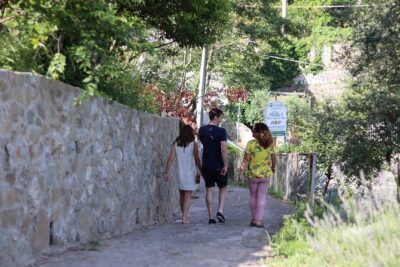
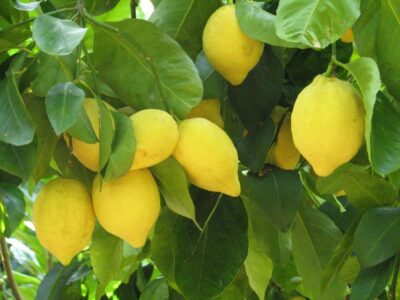
Sorrento: Lemon, Olive Oil and Wine Tasting Tour with Lunch
Read our review →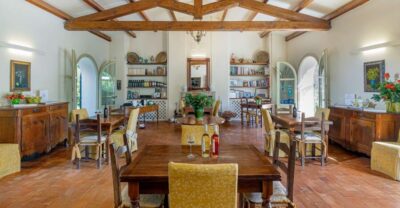
Alghero: Wine and Olive Oil Tasting at a Local Farm
Read our review →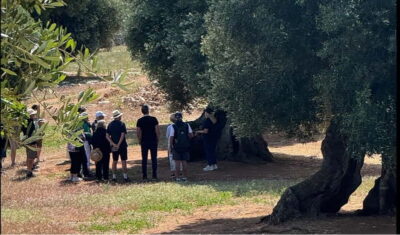
Ostuni: Masseria tour among thousand-year-old olive trees with oil tasting
Read our review →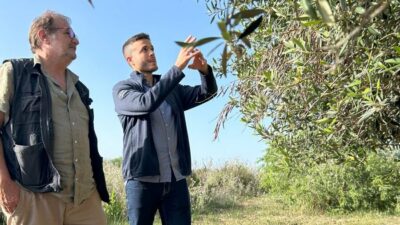
Balestrate: Olive Grove Tour with Wines & Olive Oil Tasting
Read our review →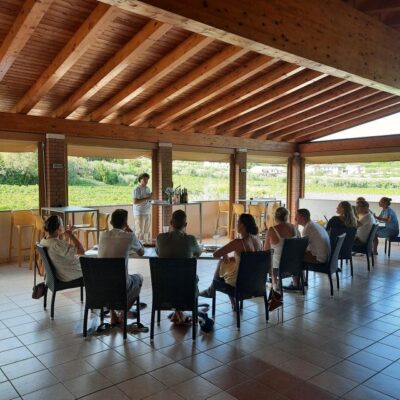
Bardolino: Vineyard Tour with Wine, Olive Oil & Food Tasting
Read our review →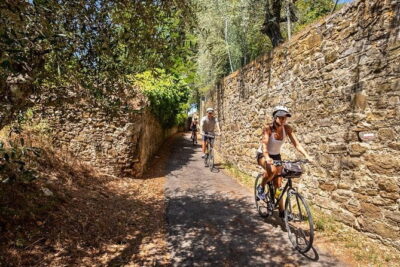
Tuscany Bike Tour with Wine, Oil and Food in the Florentine Hills
Read our review →Other lists with this tasting on them