
Review · DOURO VALLEY
Douro Valley: A Sensory Experience in the Douro: Wines, Olive Oil, and History
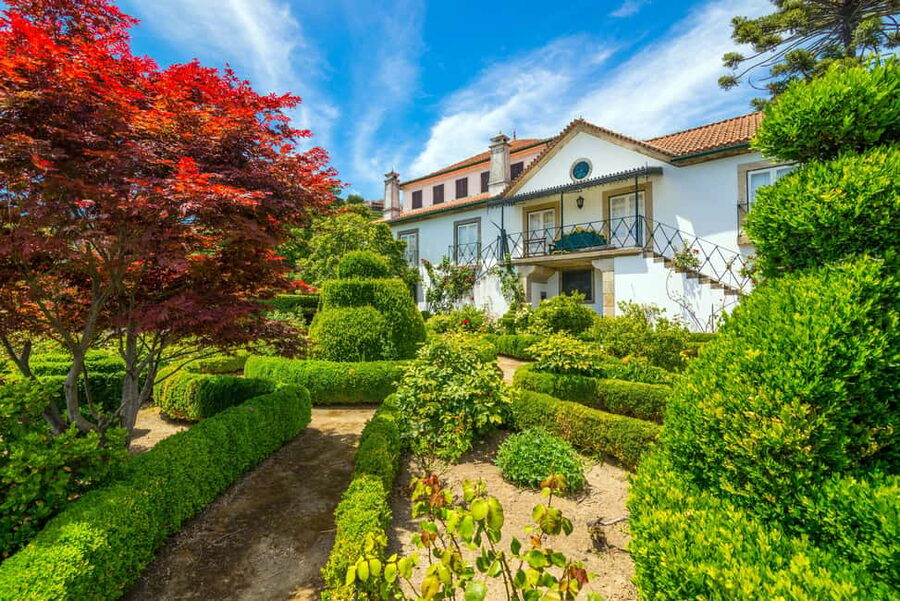
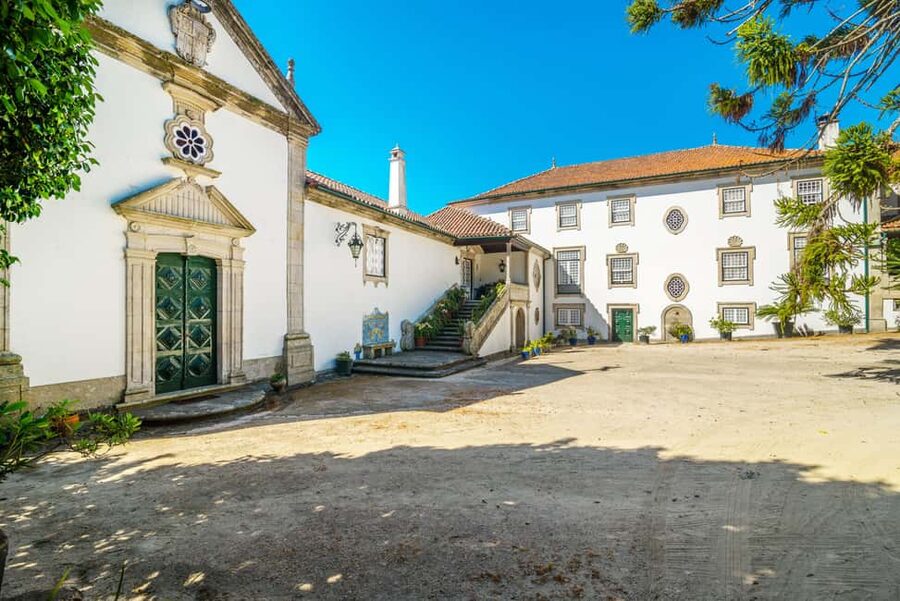
Quinta de Santa Júlia gives you something many Douro tastings miss: a close look at a working family estate, not just a glass and a sales pitch. The property dates to 1596, and the visit moves through private gardens inspired by Versailles before settling into more than 200-year-old Port wine warehouses for tastings.
I like the French-style gardens and the chance to stay after the one-hour visit for a walk, photos, or a swim. I also like the tasting’s wider scope: you try DOC Douro wines, Port, and the estate’s own extra virgin olive oil with bread. The main drawback is practical: transportation is not included, and the scheduled visit itself is short, so you need to arrange your own way there.
Key points to know before booking
- A 1596 family estate: Quinta de Santa Júlia connects its wines and olive oil to generations of local work.
- Versailles-inspired gardens: The French-style gardens add a surprising touch of formal design to the Douro setting.
- Three-part tasting: You sample estate DOC Douro wine, Port wine, and extra virgin olive oil with traditional bread.
- A personal guiding style: Rafaela and Paolo have led warm, conversational visits, with explanations shaped around visitors’ questions.
- Stay after the tour: Once the guided hour ends, you can stroll through the grounds or relax by the pool at no extra cost.
- Direct-from-the-estate purchases: You can buy wine and olive oil on site or arrange shipment to your home country.
A family estate with a story to tell
The appeal of Quinta de Santa Júlia begins before the tasting. This is a family property with roots going back to 1596, so the visit has a clear sense of place. You are not simply sampling products from the Douro. You are hearing how one estate fits into the story of the valley, its vineyards, and Port wine.
That background matters because Douro wine can seem confusing at first. The region produces both still wines classified as DOC Douro and fortified Port wines, and each has a different role in local wine culture. A good guide helps you understand that difference without turning the visit into a lecture.
The experience is conducted in English, though some content may be presented in its original language. Rafaela has been praised for adapting the visit to the group and answering questions in detail. Paolo has also led an engaging walk filled with stories about local culture and the area’s past. French-speaking visitors may find that a French-speaking guide is available on some occasions, but you should confirm this when booking rather than count on it.
The tone is informal and welcoming. One unusual benefit is that the visit can work well even if you are not a serious wine drinker. The olive oil, gardens, family history, and views give you plenty to enjoy between tastings.
More Olive Oil and Wine Tastings in Portugal:
- Arrábida, Setúbal, Sesimbra, Olive with wine tasting
★ 5.0 · 75 reviews - Tour with Wine and Olive Oil Tasting
★ 4.6 · 8 reviews - Premium gastronomic mountain tour: Wine, olive oil, spirits, food
★ 5.0 · 8 reviews
Walking through the Versailles-inspired gardens
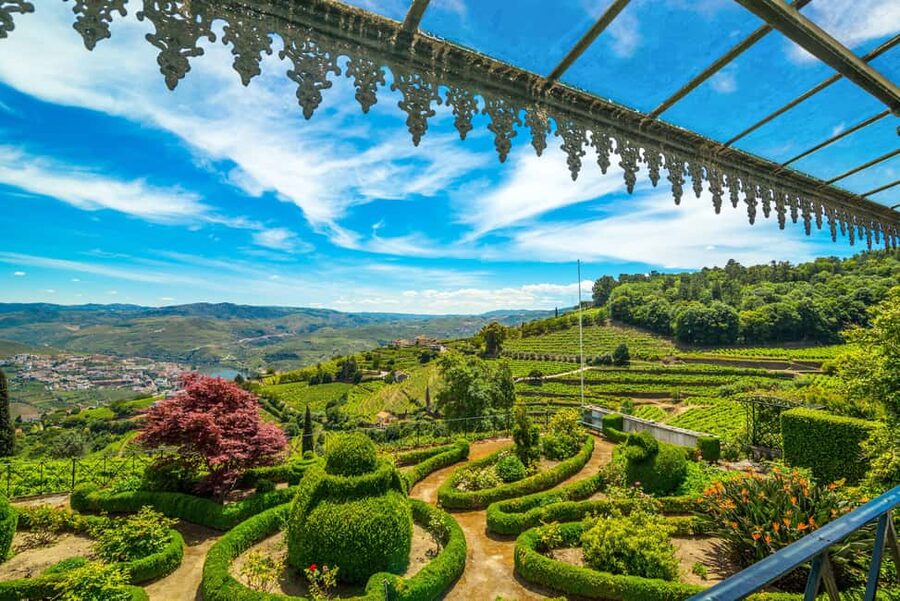
Your visit starts outdoors, with a walk through the family’s private gardens. Their French design, inspired by classic Versailles features, is one of the estate’s most distinctive touches. In a region better known for steep vineyard terraces and river views, formal gardens offer a pleasant surprise.
The garden walk gives you time to settle into the place before sitting down to taste. You also hear about the family, the estate, the Douro, and Port wine as you pass through the property. The route includes old country lanes and outdoor spaces, so this first part feels more like a visit to a historic home than a standard winery stop.
Bring a camera. The visit includes panoramic areas with views toward the Douro, along with free time for photos. You are not rushed from one photo stop to the next, which helps the setting feel personal rather than staged.
The estate also offers a quick look at its vineyards and olive grove. This is not described as a long agricultural tour, so set your expectations correctly. You will see how grapes and olives fit into the property, but the main focus is the estate’s story and tasting rather than a detailed lesson in farming.
Tasting in 200-year-old Port warehouses
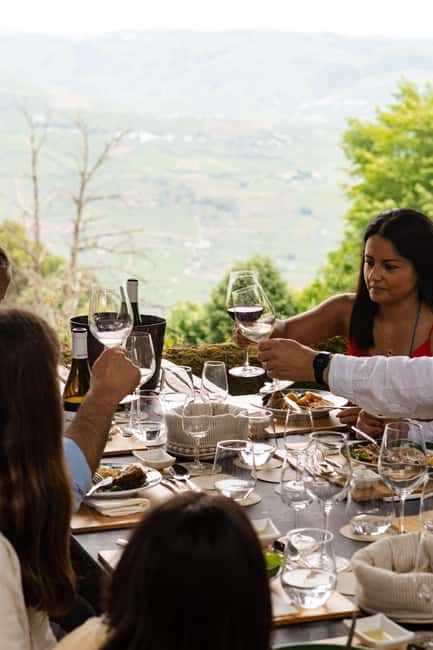
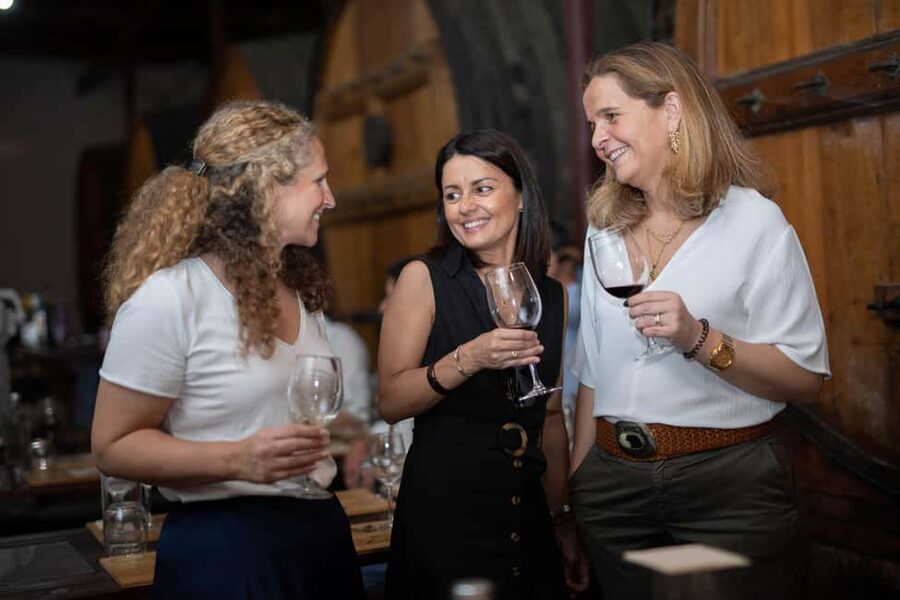
The tasting takes place in the estate’s old Port wine warehouses, which are more than 200 years old. The setting gives the wines a strong sense of connection to the property. Instead of tasting in a generic modern room, you sit in a place built around the storage and production traditions of Port.
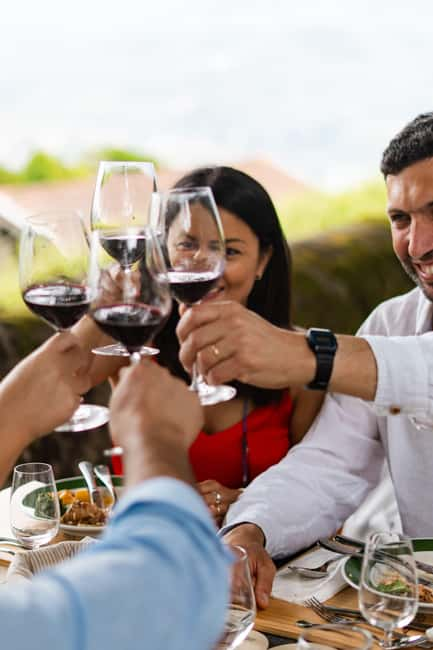
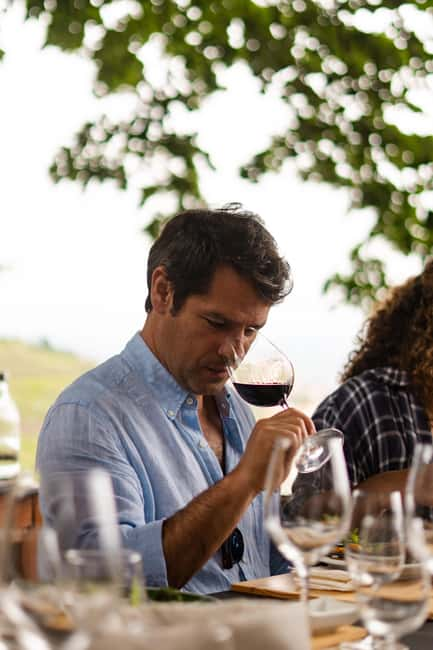
The tasting includes the estate’s own DOC Douro wines. These are still wines, meaning they are not fortified like Port. You also taste the estate’s Port wine, then compare the wine experience with extra virgin olive oil produced on the property.
Traditional bread is served with the olive oil. That small detail is useful because olive oil is easier to judge with food than by tasting it alone. You can pay attention to its aroma, texture, and flavor, then see how it works with a simple local staple.
I like this combination because it gives you three ways to think about the Douro: wine for the table, Port for the region’s famous fortified tradition, and olive oil for the estate’s broader agricultural work. It also makes the experience suitable for a mixed group. A wine enthusiast can focus on the bottles, while someone less interested in wine can spend more time with the olive oil, gardens, and history.
The tasting is guided rather than self-service. That makes the quality of the explanation important. Rafaela has a lively, friendly style and adjusts the visit to the people in front of her. Paolo has also been praised for combining local history, culture, and anecdotes. The experience is at its best when you ask questions, especially if you want help understanding the differences between Port and DOC Douro wine.
Why the one-hour format works, and where it falls short
The scheduled experience lasts one hour. That is enough time for the guided outdoor visit, cellar stop, and tasting, but it is not a full-day winery program. If you want extensive vineyard walking, a long food pairing, or a detailed production tour, this may feel brief.
The short format can also be a strength. You can fit it into a day of exploring the Douro without giving up several hours. It works well as a focused stop between other plans, especially if you want a family estate rather than a large commercial operation.
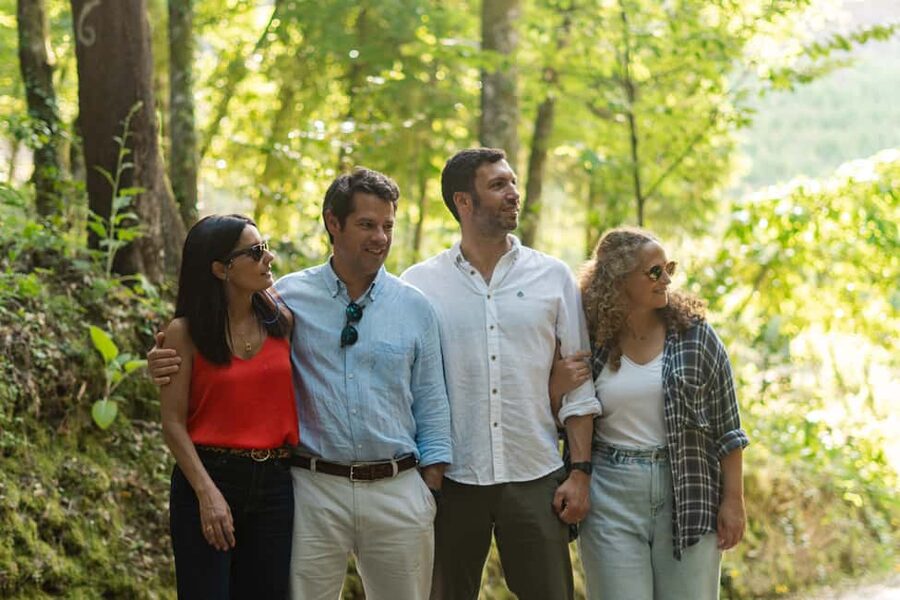
The useful difference is that your time on the property does not have to end when the guided hour ends. You are invited to stay as long as you like, walk through the vineyards, woods, and gardens, take photos, or relax by the pool. This extra time is included, so the one-hour figure does not tell the whole story.
You should still allow enough time for the visit to feel unhurried. Arrive 15 minutes early, park beside the winery on the estate’s main road, and walk about one minute to the main house. The parking area is described as easy to use, with enough room to maneuver.
More History and Heritage Tours around Portugal:
- Historical Évora – PRIVATE Full Day Tour – Cork, Wine and Olive Oil Haven
★ 5.0 · 3 reviews - Heraklion: Zeus Cave & Knossos History, Villages & Olive Oil
★ 4.9 · 89 reviews - Richtis Waterfall, History, Azoria, OliveTasting, NorthCoast
★ 5.0 · 83 reviews - Olive Oil Guided Tasting and History in Pula
★ 4.5 · 34 reviews
The value of staying after the tasting
Many winery visits finish the moment the final glass is cleared. Quinta de Santa Júlia gives you a reason to slow down. The grounds, views, and pool are available after the guided portion without an extra charge.
This is especially useful if you are driving through the Douro and want a quiet pause. You can take a stroll instead of rushing back to the car, or use the pool area to make the visit feel more like a small countryside escape. The freedom to linger also helps justify the $34 price for a one-hour experience.
Do not treat the post-tour time as a guaranteed private pool session, though. The information says you can relax by the pool, but it does not give details about pool rules, changing facilities, or whether the area is reserved only for your group. If swimming is important to your plans, check the practical arrangements directly.
The same applies to the outdoor walking routes. You have access to the vineyards, woods, gardens, and panoramic areas, but the visit does not promise a marked hike or a long guided trek. Think of the extra time as relaxed estate access, not a separate walking tour.
Buying wine and olive oil from the producer
You can buy the wines and olive oil directly at the estate after tasting them. This is one of the clearest advantages of visiting a small producer. You can ask about the bottle you liked, buy it on the spot, and connect the purchase to the property where it was made.
The farm shop is not included in the $34 cost, so purchases are an additional expense. You can also request shipment to your home country, which is helpful if you do not want to carry bottles through the rest of your trip.
Shipping arrangements can vary, so ask about delivery costs, timing, and destination restrictions before paying. The supplied information confirms that home shipment is available, but it does not provide a price list or specific delivery schedule.
I would avoid buying simply because the setting feels special. Taste first, ask which wines suit your preferences, and choose only what you genuinely want. The visit gives you that chance without requiring a purchase.
Price, transport, and practical planning
At $34 per person, the price covers the guided tour, garden walk, historical explanation, vineyard and olive grove look, three-part tasting, bread, panoramic areas, and time to remain on the property afterward. For a large commercial winery, that might seem high for one hour. Here, the family setting and continued access to the grounds make the value stronger.
Transportation is not included. You need to reach Quinta de Santa Júlia yourself, and the meeting instructions are written for visitors arriving by car. Park next to the winery on the main road within the property, then walk to the main house.
Arriving 15 minutes early is sensible. It gives you time to park, walk over, and begin without cutting into the guided portion. If you have mobility concerns, contact the team in advance. They ask visitors to do so so they can offer help where possible.
Pets are not allowed, though assistance dogs are permitted. The activity offers free cancellation up to 24 hours in advance, and you can reserve now and pay later. Starting times vary, so check availability for your chosen date.
Who will enjoy this Douro tasting most
I would choose this for you if you want a personal estate visit with more than wine. The gardens, family story, olive grove, and pool make it a good fit for couples, small groups, and mixed-interest parties.
It also suits people who are new to wine. You do not need a strong background in Port or Douro varieties to follow the visit. The tasting gives you several points of comparison, and the guide can shape the conversation around your questions.
Non-drinkers may still find enough here to justify the stop, especially if they enjoy historic properties, gardens, olive oil, photography, or quiet outdoor time. The visit does not appear to center on a large meal, so anyone seeking a full food experience should plan that separately.
Wine specialists may want more technical detail than a one-hour visit provides. You can ask questions, but the focus is on a welcoming introduction to the estate rather than a lengthy production seminar.
Should you book Quinta de Santa Júlia?
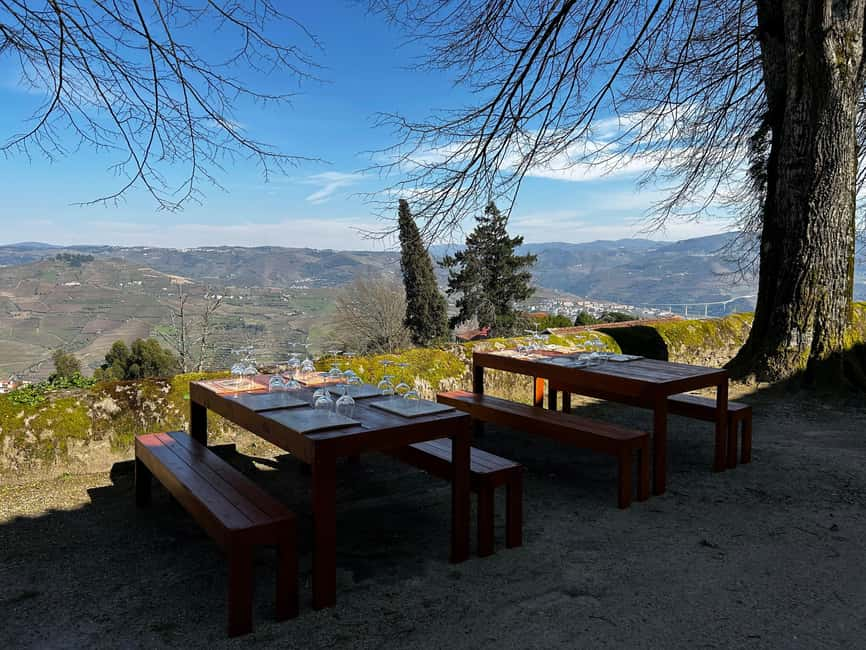
Book it if you want a small-scale Douro experience with a memorable setting, a family story, and a tasting that includes both wine and olive oil. The Versailles-inspired gardens and old Port warehouses give the visit character, while the option to stay afterward makes the short guided session feel more generous.
Think twice if you need transport included, want a long vineyard hike, or expect a full meal and an all-day winery program. Those are not part of the experience described here.
For most visitors, the strongest reason to book is the balance: one focused hour of guiding, followed by as much quiet time on the estate as you wish. At $34, that is a fair deal for a Douro stop that connects history, local production, gardens, and open countryside without forcing you to hurry away.
FAQ
How long does the guided experience last?
The guided experience lasts one hour. Afterward, you can stay as long as you like to walk through the vineyards, woods, and gardens or relax by the pool at no extra cost.
What will I taste?
You will taste the estate’s DOC Douro wines, Port wine, and extra virgin olive oil. Traditional bread is served with the tasting.
Is transportation included?
No. You are responsible for getting to and from Quinta de Santa Júlia.
Where do I park?
Park next to the winery on the main road inside the property. From there, the walk to the main house takes about one minute.
What language is the tour conducted in?
The tour is conducted in English. Some content may be shown or presented in its original language.
Can I buy wine and olive oil at the estate?
Yes. You can buy wine and olive oil on site, or request shipment to your home country. Purchases are not included in the activity price.
Are pets allowed?
Pets are not allowed. Assistance dogs are permitted.
Freshly pressed around Portugal
- Historical Évora – PRIVATE Full Day Tour – Cork, Wine and Olive Oil Haven★ 5.0 · 3 reviews
- Tour with Wine and Olive Oil Tasting★ 4.6 · 8 reviews
- Tavira City & Olive Factory★ 5.0 · 4 reviews
- Porto: Tuk Tuk Tour with Olive Oil Tasting★ 4.4 · 5 reviews
- Douro Valley: Olive Oil & Wine Tour with Boat & Lunch★ 5.0 · 6 reviews
- Douro Valley: Private Tour & Guided Wine & Olive Oil Tasting★ 5.0 · 3 reviews
- Douro Valley: Private Lunch with Wine & Olive Oil Tasting★ 4.8 · 5 reviews
- Olive Oil Private Tour in Portugal★ 5.0 · 6 reviews
Olive Oil and Wine Tastings, compared.
Sorrento Farm and Food Experience including Olive Oil, Limoncello, Wine tasting
Read our review →
From Mendoza: 3 Wineries, Olive Oil Factory Tour & Tasting
Read our review →
From Chania: Olive Oil, Wine, Cheese & Honey Tasting Tour
Read our review →
From Chania: Wine and Olive Oil Tasting Tour with Snacks
Read our review →
Athens: Acropolis Wine Tasting with Cheese and Olives
Read our review →
Sorrento: Lemon, Olive Oil and Wine Tasting Tour with Lunch
Read our review →
Alghero: Wine and Olive Oil Tasting at a Local Farm
Read our review →
Other lists with this tasting on them