
Review · GREECE
Extra Virgin Olive Oil Experience with Wine & Herbs
Greek olive oil is more than a bottle on the restaurant table. At this 40-minute tasting, Anton introduces you to four extra virgin oils, explains how to judge them, and pairs them with bread, herbs, spices, cheese, and wine. You leave with a sharper palate and a better idea of what you are buying.
I like the small group of up to 10 and the relaxed studio setting at CRU BEE-HAVING Wine & Olive Oil Tastings. I also like that the session moves beyond tasting: you learn about Greek olive-growing regions, oil styles, cooking uses, health, and even cosmetic uses.
The main thing to consider is the short running time. This is a focused introduction, not a full farm visit or a long food tour. The description refers to three oils in one section and four in the inclusions, so if the exact number matters to you, confirm it when booking. The experience is also limited to people aged 16 to 95.
Key points at a glance
- Four Greek extra virgin olive oils: Compare oils by flavor, character, and quality.
- Anton leads the tasting: He explains production, olive regions, history, and practical tasting methods in English.
- Food and drink pairings: Try oil with bread, herbs, spices, cheese, and a glass of wine.
- A compact 40-minute format: Easy to fit before dinner, between sightseeing stops, or at the end of a city break.
- An intimate studio setting: The group is capped at 10, allowing time for questions and conversation.
- A useful buying lesson: Learn how to assess olive oil instead of relying only on labels or price.
Why a short olive oil class is worth your time
I find tastings like this useful because olive oil is one of those products most people use every day but rarely examine. A supermarket bottle can carry several terms, grades, and origin claims, yet the label alone does not tell you how the oil will taste with food.
This class gives you a simple way to think about oil. You smell it, taste it, compare it, and consider how it behaves alongside bread, cheese, herbs, spices, and wine. That practical approach matters. You are not just hearing that one oil is better than another. You are being shown what to notice.
The session also gives Greek olive oil a proper setting. You learn about olive-growing regions in Greece, different categories, and the path from fruit to finished oil. That context helps explain why two extra virgin oils can taste very different even when both meet the same basic category.
I like the fact that the lesson includes uses beyond cooking. The discussion covers food, health, and cosmetic benefits, so the class presents olive oil as a wider part of daily life rather than just a dip for bread.
More Olive Oil and Wine Tastings in Greece
- From Chania: Olive Oil, Wine, Cheese & Honey Tasting Tour
★ 4.6 · 490 reviews - From Chania: Wine and Olive Oil Tasting Tour with Snacks
★ 4.8 · 354 reviews - Athens: Acropolis Wine Tasting with Cheese and Olives
★ 4.9 · 337 reviews
Meeting Anton at the black cat poster
The meeting point is easy to describe: find the Wine & Olive Oil Bar with the black cat poster and go inside. This is not a coach excursion or a countryside outing. It is a local tasting held in a small studio-style space.
Anton is the host named throughout the experience. His role is central to the appeal. He presents the oil, answers questions, and adds personal stories and practical recommendations. The tone is intended to be friendly and conversational rather than formal.
A small room can work especially well for a tasting. With no more than 10 people, you should have a better chance to see what is being poured and ask about anything that puzzles you. It also keeps the pace personal. You are not lost in a large group while a guide races through a prepared speech.
The compact space has one limitation. If you want an outdoor setting, an olive grove, or a production facility, this is not that kind of activity. You get a close-up look at the product, not a visit to the fields.
The first pours: learning how extra virgin oil tastes
The tasting begins with the oils themselves. The supplied details describe four extra virgin olive oils as included, while the class outline also refers to tasting three. That small inconsistency is worth checking before you go, but the clear purpose is comparison.
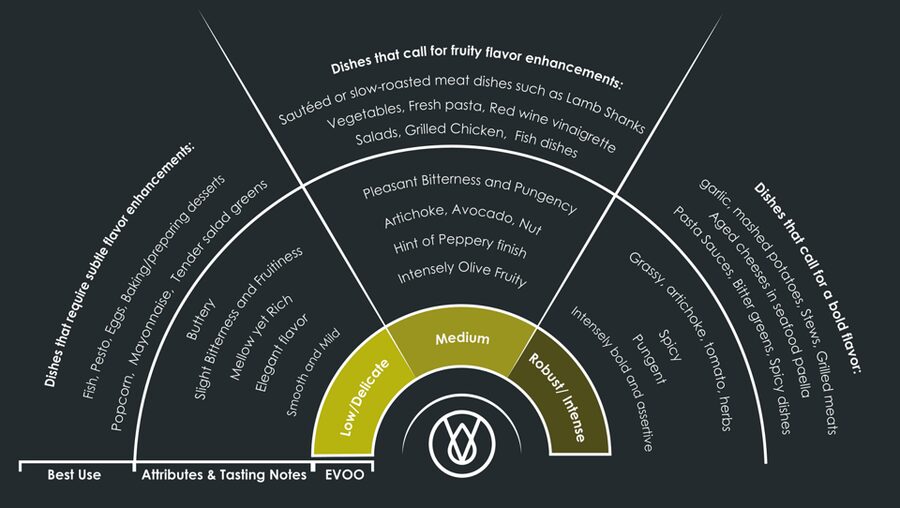
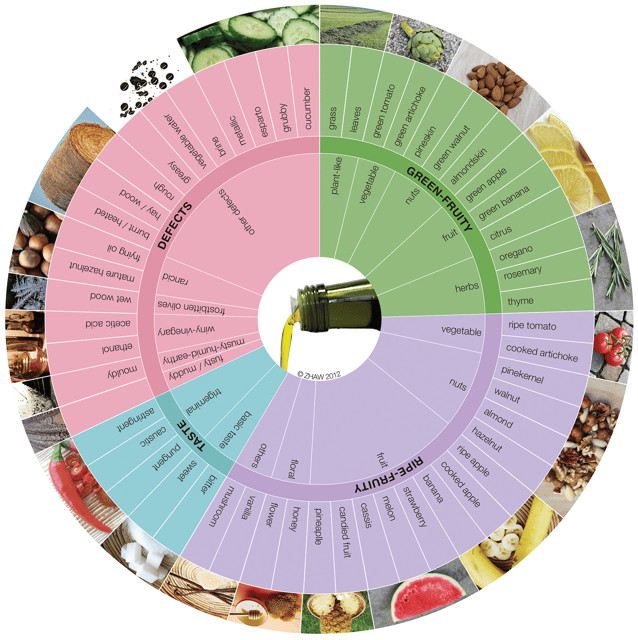
You can expect to taste the oils side by side rather than treating one bottle as the entire lesson. This gives you a chance to notice differences in aroma, texture, bitterness, and the peppery feeling that can appear at the back of the throat.
Those sensations are not flaws by themselves. Part of the class is learning how to separate a lively, fresh oil from one that is flat or unpleasant. You are introduced to quality criteria and shown how to evaluate extra virgin olive oil and olive oil in general.
I would pay close attention to the tasting method. The point is not simply to swallow a spoonful and declare it good. You use your senses with more care, then connect what you notice to freshness and production quality.
This is useful knowledge for the rest of your trip. Greek restaurants often serve bread with oil, and food shops sell bottles in many sizes and price ranges. After this session, you can make a more informed choice instead of grabbing the prettiest label.
Greek regions, oil categories, and production
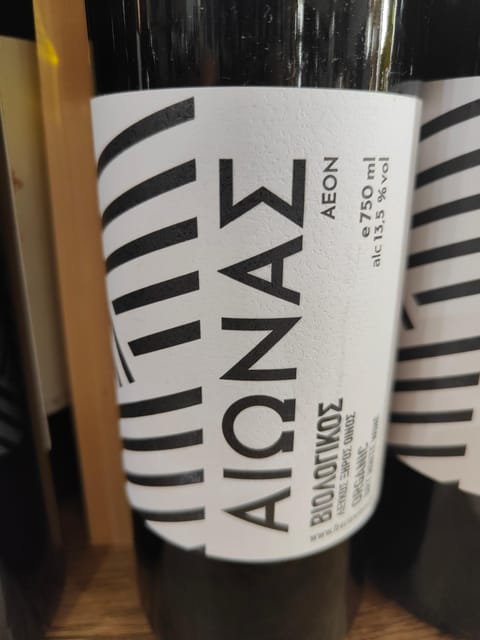
The tasting includes an explanation of Greek olive regions and the main categories of olive oil. That is important because the words on a bottle can be confusing, especially if you are buying gifts to take home.
Anton also discusses the production process and the history connected with the oils. The focus is not only on flavor. You get a basic picture of how the fruit becomes oil and why handling and quality control matter.
I like this part because it connects a familiar pantry item to place. Olive oil is not a generic ingredient in Greece. It reflects local agriculture, regional habits, and a long food tradition. The session helps you understand that background without requiring a full-day excursion.
The class is still brief, so you should expect an introduction rather than a technical certification course. If you already work in food or have taken formal oil-tasting lessons, you may want something more advanced. For most people, though, the level should be practical and accessible.
Same olive country, a different way to taste it:
- Crete: Quad Safari, Olive Mill with Tasting & Ghost Village
★ 4.9 · 1,004 reviews - Knossos-Zeus Cave -Old Traditional Villages-Olive Oil Factory
★ 5.0 · 694 reviews - The Governor’s Olive Mill Tour with Olive Oil Tasting
★ 5.0 · 502 reviews - Crete: Road-trip to Lasithi, Zeus Cave & Olive Mill Farm
★ 4.4 · 451 reviews
Bread, cheese, herbs, and spices change the lesson
The oil is served with bread, and the experience also includes mountain organic herbs and common spices. Cheese is part of the food pairing, too. These additions make the tasting more useful because few people drink olive oil on its own at home.
Try to notice how the same oil changes with each pairing. Bread gives you a plain base. Cheese adds salt and richness. Herbs and spices can bring out different notes or create a stronger contrast.
The inclusion of mountain organic herbs gives the session a clear Greek food connection, though the supplied information does not name the specific herbs. You should not expect a fixed list until you arrive. The same applies to the spices.
The pairing section is one of the best reasons to choose this activity over a basic oil sample. You learn how to use the product, not simply how to describe it. That can help when dressing salad, finishing a cooked dish, serving bread, or choosing a bottle for a particular meal.
A glass of wine completes the tasting
A glass of wine is included, along with bread. Wine adds another layer to the session and helps make the 40 minutes feel like a social food experience rather than a classroom.
The wine is not presented as a separate winery visit. It supports the tasting and gives you another pairing to consider. You might find the combination useful if you enjoy planning meals around local products.
The activity provider is CRU BEE-HAVING Wine & Olive Oil Tastings, so the venue has a clear food-and-drink focus. You may also be able to shop for oil and wine after the tasting. That is a useful option if you would rather buy from a small local business than choose a bottle quickly at a market.
I would avoid planning a rushed dinner immediately afterward if you want time to browse or ask final questions. The class itself lasts 40 minutes, but the conversation and shopping option may make the stop feel slightly longer.
What the 40-minute schedule feels like
Forty minutes is short, but it suits this subject. You get a clear introduction without committing half a day to a tasting. I would schedule it before a meal, after a museum visit, or as a calm break from sightseeing.
The likely rhythm is straightforward:
- You meet Anton at the black cat poster and settle into the studio.
- You receive an introduction to extra virgin olive oil, Greek regions, and oil categories.
- You taste the oils and learn the basics of evaluation.
- You compare them with bread, cheese, herbs, spices, and wine.
- You discuss food uses, health, cosmetic uses, and suitable pairings.
The supplied material does not give an exact minute-by-minute order, so I would not expect a rigid timetable. That is probably helpful. The small group allows the discussion to follow your questions, though the short duration means the guide must keep things moving.
Several people who attended singled out Anton’s explanations and his ability to answer questions. That makes this a good choice if you enjoy a guided tasting rather than a self-serve sample counter.
Price and value at $23
At $23 per person, the experience offers solid value if you want instruction along with food and drink. You receive several oil samples, bread, herbs, spices, cheese, and wine, plus a guided lesson on quality and pairing.
The strongest value is not the amount of food. This is not a meal, and you should not book it expecting one. The value is in learning how to taste and judge olive oil, then using that knowledge when you shop or eat elsewhere.
I would also compare the price with the cost of making a poor purchase. A bottle bought as a souvenir can be expensive and disappointing if you do not know what you like. A short class gives you a better basis for choosing.
The price may feel less worthwhile if you already have extensive olive oil experience or only want a quick free sample. It is better suited to someone who likes local food, asks questions, and wants context along with the tasting.
Who should book this experience
I would recommend it to adults and older teenagers who enjoy food culture but have limited time. The English-language format makes it practical for international visitors, and the group size should keep the discussion easy to follow.
It suits you especially well if you want:
- A short activity that fits into an Athens schedule
- A local food experience without a long transfer
- A practical lesson on tasting and quality
- Greek products served with bread, cheese, herbs, spices, and wine
- A chance to ask a host direct questions
- An opportunity to shop for oil or wine afterward
It is less suitable if you want an olive farm visit, a cooking class, a substantial meal, or a long countryside tour. It is also not for children under 16, and the stated age limit excludes people over 95.
The cancellation policy is flexible: you can cancel up to 24 hours ahead for a full refund. You can also reserve and pay later, which helps if you are still arranging your schedule.
Should you book it?
I would book this if you want a focused, affordable food experience that teaches you something you can use after the trip. Anton’s warm presentation, the small studio, the regional context, and the practical tasting lesson are the main reasons to choose it.
Go in expecting a 40-minute introduction, not a grand tour of olive country. If you want a relaxed local stop with four listed oils, wine, bread, and useful guidance on quality, this is a smart addition to an Athens itinerary. If your main goal is seeing orchards or learning industrial production in detail, choose a longer farm or mill visit instead.
FAQ
How long does the olive oil experience last?
The activity lasts 40 minutes.
How much does the experience cost?
The listed price is $23 per person.
Where do I meet for the tasting?
Find the Wine & Olive Oil Bar with the black cat poster and enter.
Who leads the experience?
Anton is the host named for the tasting.
What language is the experience in?
The experience is conducted in English.
How many people can join the group?
The small group is limited to 10 participants.
What is included in the tasting?
The inclusions are four extra virgin olive oils, mountain organic herbs, common spices, a glass of wine, and bread. Cheese is also included in the tasting description.
Can children join the experience?
Children under 16 are not permitted. The stated age limit also excludes people over 95.
Freshly pressed around Greece
- Private Tour in Historic Estate in Monemvasia with wine-olive oil tasting & meal★ 5.0 · 4 reviews
- Olive Facility Visit with Olive Oil Tasting Session★ 5.0 · 2 reviews
- SYSTASIS Olive Oil Tasting Experience in Ermioni Greece★ 5.0 · 4 reviews
- Olive Oil Tasting at the Mykonian Farm★ 4.5 · 3 reviews
- Olive Oil Tour close to Nafplio★ 4.5 · 3 reviews
- Olympia Shore Ex: Premium Private Package -Tickets & Olive Market★ 4.5 · 5 reviews
- WIne & Olive Oil Tasting in an Organic Farm in Laconia, Greece!★ 5.0 · 2 reviews
- Olympia shore Excursion – 4 hour tour (Olympia, Olive press, Beach)★ 4.5 · 12 reviews
Olive Oil and Wine Tastings, compared.
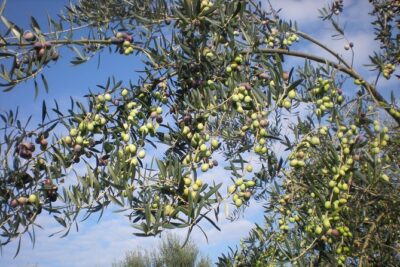
Sorrento Farm and Food Experience including Olive Oil, Limoncello, Wine tasting
Read our review →
From Mendoza: 3 Wineries, Olive Oil Factory Tour & Tasting
Read our review →
From Chania: Olive Oil, Wine, Cheese & Honey Tasting Tour
Read our review →
From Chania: Wine and Olive Oil Tasting Tour with Snacks
Read our review →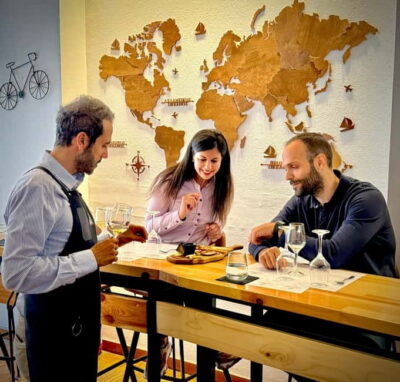
Athens: Acropolis Wine Tasting with Cheese and Olives
Read our review →
Sorrento: Lemon, Olive Oil and Wine Tasting Tour with Lunch
Read our review →
Alghero: Wine and Olive Oil Tasting at a Local Farm
Read our review →
Other lists with this tasting on them