
Review · ITALY
Guided Olive Oil & Wine Tour From Padua
The best part of this four-hour outing is the chance to see two working food producers rather than simply admire the hills from a road. I like the olive mill visit, where you learn how extra virgin olive oil is made and taste different oils, and I like the winery stop, with a vineyard walk, barrel room, five wines, and local cheese or cured meats. The main drawback is that the ride between stops can feel quiet if your guide is mainly translating instead of explaining the Euganean Hills.
- Taste five wines from volcanic hill country, including local Serprino and familiar white and red grapes.
- See olive oil production up close, then compare extra virgin oils during a guided tasting.
- Travel in a group of no more than eight, a useful size for questions and conversation.
- Get pickup and return in central Padua, with a nearby meeting point arranged for restricted streets.
- Meet family-run producers, including the hosts at the winery and the young owners of the oil mill.
- Expect a food-focused afternoon, not a broad sightseeing tour with many monuments or photo stops.
From Padua to the Euganean Hills
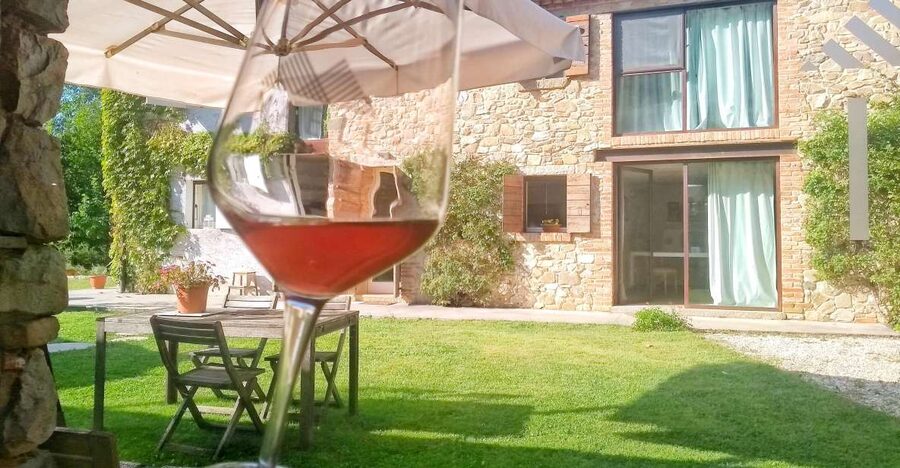
The Euganean Hills make a pleasant change from Padua’s arcaded streets and grand squares. The hills rise from the flat Veneto plain, with olive groves and vineyards spread across their slopes. Their volcanic soil and favorable climate help support a mix of local and international grape varieties.
This tour gives you a short, practical introduction to that farming country. You are not simply driven to a tasting room, handed a glass, and sent home. The plan includes walks through the olive groves and vineyard, visits to production areas, and explanations from the people who make the products.
That distinction matters. You can taste olive oil at a shop in Padua, but seeing the mill helps you understand the steps behind the bottle. At the winery, a look at the barrel room and vines gives the wine more context than a tasting counter alone.
Still, keep your expectations in the right place. This is a food and countryside excursion, not a full historical tour of the Euganean Hills. The guide may provide useful local help and translation, but the depth of the regional commentary can vary. If you want stories about the hills, their formation, and their place in Italian culture, ask questions early.
Pickup from Padua and a Small Group of Eight
Pickup from your accommodation in Padua is included. You need to give the operator the precise address when booking. If your accommodation sits inside a pedestrian area or restricted traffic zone, the minivan cannot reach the door, so you’ll receive a nearby meeting point.
Wait in your hotel lobby if you are leaving from a hotel. Keep your phone charged and switched on. The operator needs an active phone number, ideally with WhatsApp or email access, because the final pickup time and meeting details are confirmed a few days before departure.
The stated duration is four hours, though departure times are approximate and may shift slightly. That flexibility is common with a small countryside outing, where roads, producers, and pickup points can affect the schedule. It is wise not to place a tight train departure immediately afterward.
A maximum of eight participants is a real advantage here. You get a better chance to ask about grape varieties, oil production, and Italian farm life than you would in a large coach group. The host may also be the driver, and the transfer is provided as a courtesy service connected with the tour.
The company, LoVivo, offers the experience in English, Spanish, Portuguese, Italian, and German. Tours can be held in more than one language, so check the language arrangement when you book if detailed explanations are important to you.
More Olive Oil and Wine Tastings in Italy
- Sorrento Farm and Food Experience including Olive Oil, Limoncello, Wine tasting
★ 5.0 · 2,524 reviews - Sorrento: Lemon, Olive Oil and Wine Tasting Tour with Lunch
★ 5.0 · 300 reviews - Alghero: Wine and Olive Oil Tasting at a Local Farm
★ 4.8 · 294 reviews
Inside the Olive Mill
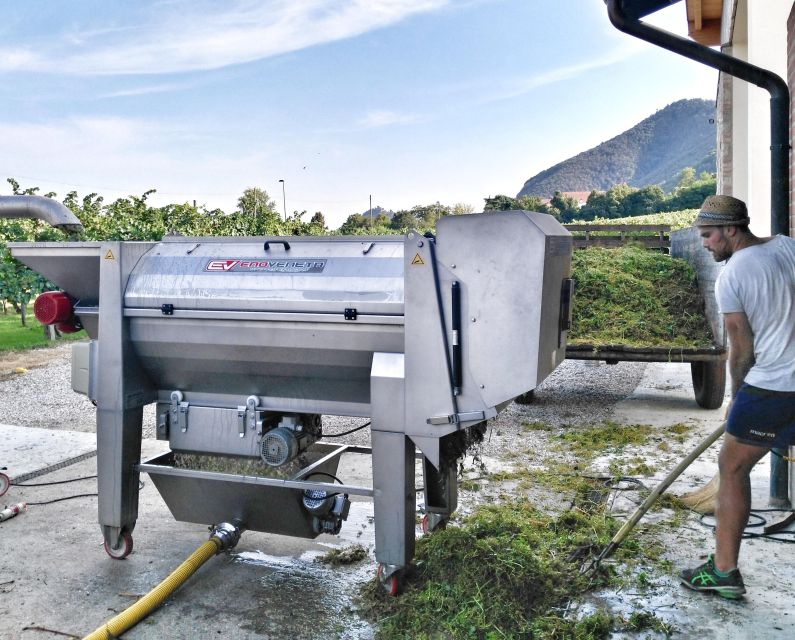
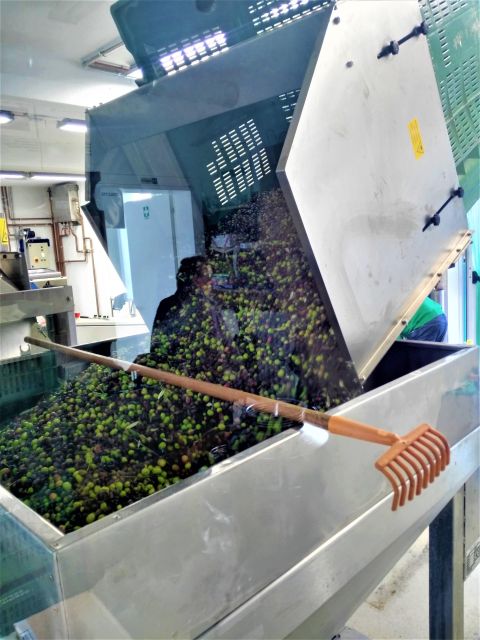
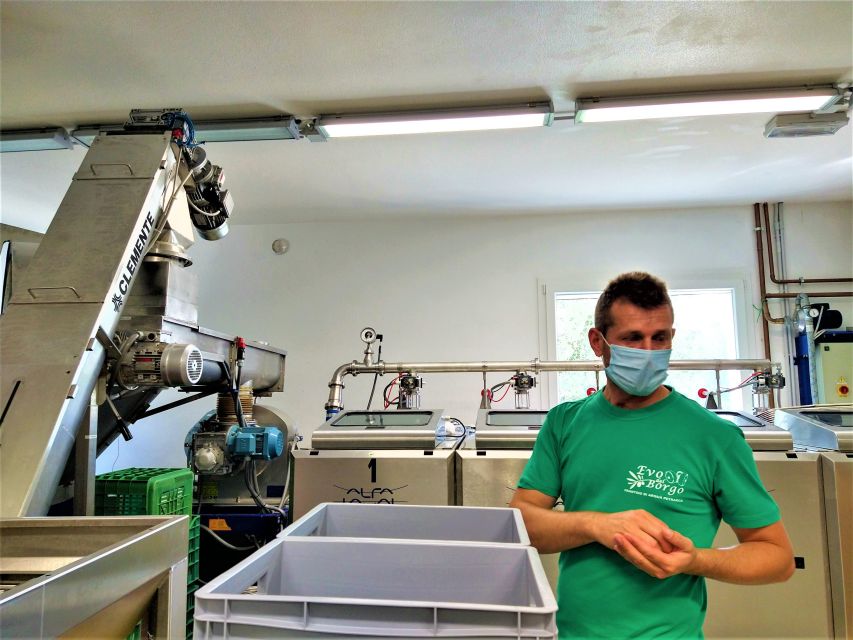
The olive mill is the first major food stop. The young owners explain how olives become oil and show you the production process. You also walk in the nearby olive groves, which helps connect the finished bottle with the trees and the work behind it.
The tasting is built around extra virgin olive oil, usually called EVO oil. You can expect to compare different oils rather than treat olive oil as one uniform ingredient. That is valuable for anyone who cooks at home, since the tasting can help you notice differences in aroma, freshness, and flavor.
The stop also gives you a look at traditional Italian life in a working setting. The owners are not presenting a museum display. They are explaining a product tied to the local countryside and family businesses. That personal contact is one of the strongest parts of the outing.
Do not expect a long technical seminar unless the group asks for one. The supplied details promise a visit and tasting, not a full class in olive cultivation or oil chemistry. If you are curious, ask how the olives are processed, how the oils differ, and how locals use each type.
Wear shoes and clothing suited to a short walk outdoors. The tour runs in bad weather unless the operator cancels for safety, so a light rain layer is sensible. Bring water, and do not rely on the tasting stops to cover every refreshment need.
Walking the Vineyard and Entering the Barrel Room
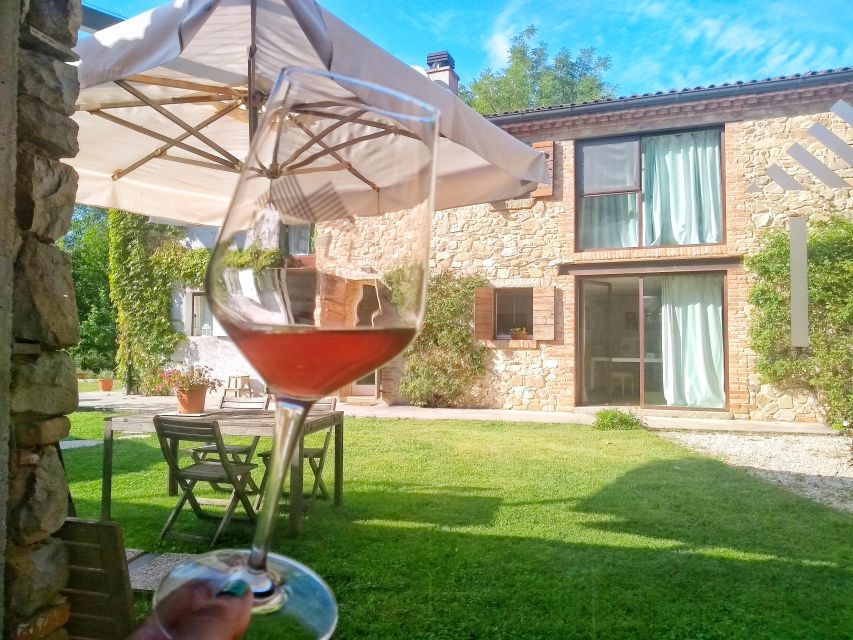
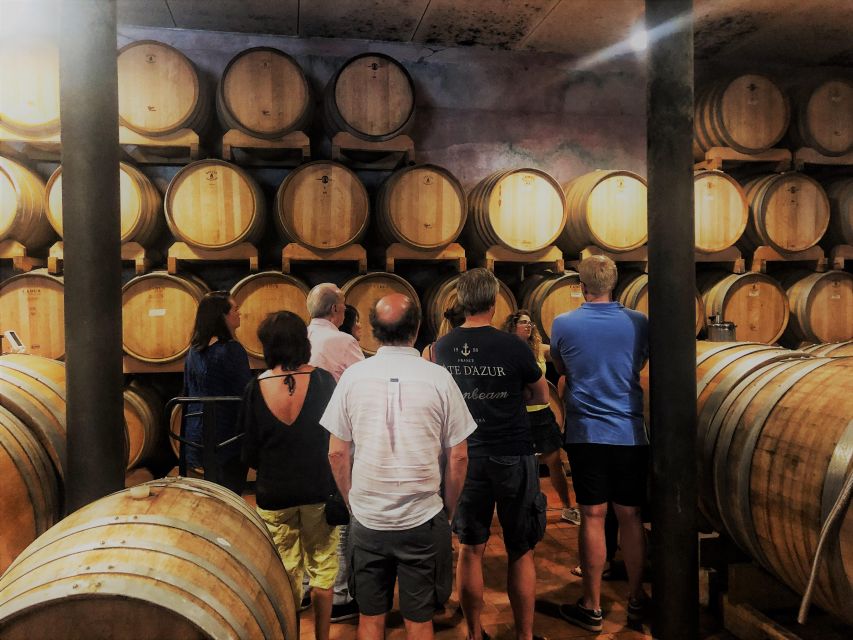
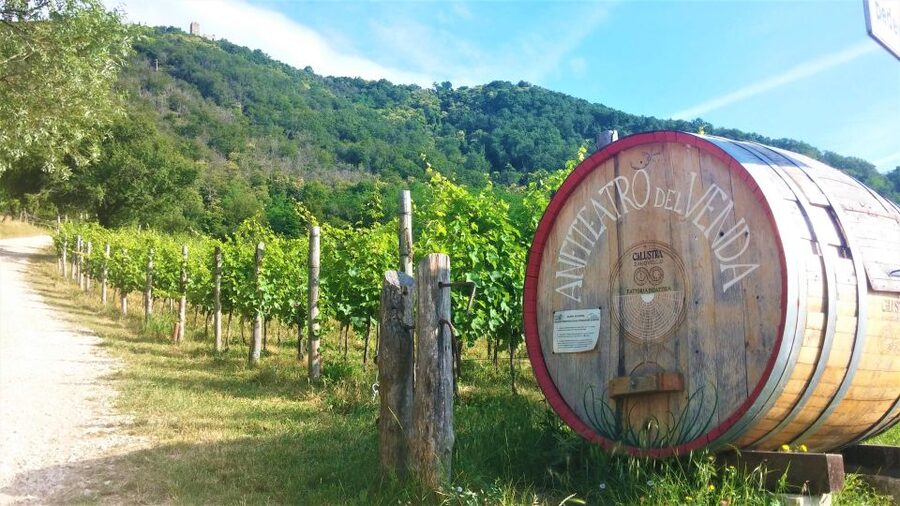
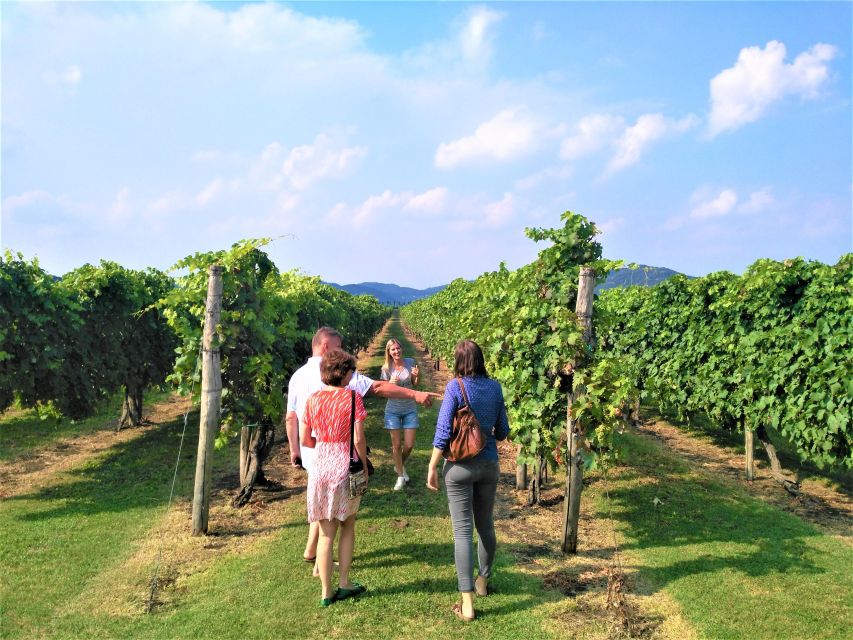
The second stop is a winery in the Euganean Hills. You walk through the vineyard, visit the cellar and barrel room, and then sit down for a guided tasting of five wines. The tasting is paired with local snacks such as cheeses or cured meats.
This is where the region’s volcanic soil becomes part of the conversation. The Euganean Hills support both local grapes and varieties familiar from other parts of Italy and France. Serprino is a local biotype of the Glera grape, the family that includes Prosecco. Here it is presented as a local, hill-grown expression with its own identity.
The white wines may include Pinot Blanc, Garganega, Chardonnay, and Manzoni Bianco. Red plantings include Cabernet Franc, Cabernet Sauvignon, Merlot, and Carménère. You may not taste every grape listed, but the range explains why a small hill area can offer more than one house style.
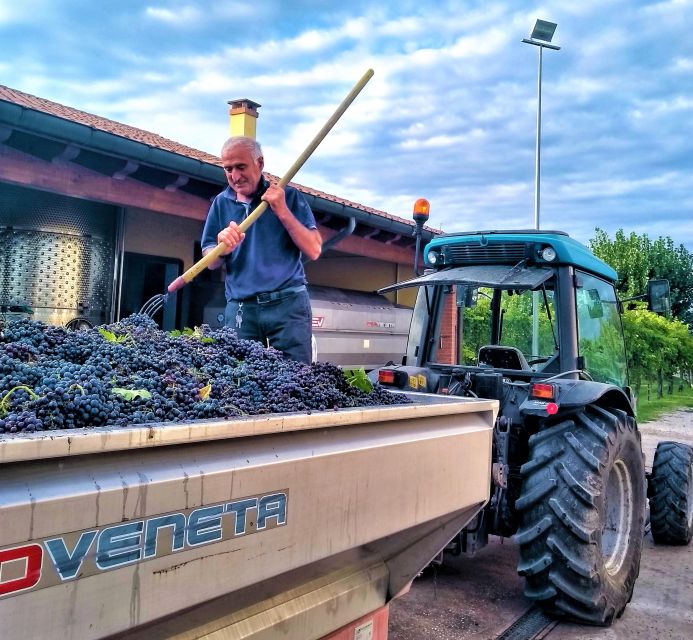
The winery worker or winemaker guides the tasting. That can make a difference. A producer can explain why a wine was made a certain way, how the vineyard affects the result, and which local foods suit it. At Cantina Salvan, the hosts and wines have received particularly strong praise, so this may be the most memorable stop on your afternoon.
The food pairings are modest, not a full lunch. That is an important point for planning. Eat beforehand if you need a proper meal, especially since the tour lasts four hours and the wine is served across several tastings.
How Much Explanation Will You Get?
The tour includes a local guide, but the guide’s role may vary. Some departures offer a warm, informative experience. Chiara, for example, has been praised for being friendly and informative while explaining the olive oil process and helping the group enjoy the winery visit.
At other times, the accompanying guide may focus on driving, coordination, and translation. That means you could move from the oil mill to the winery without much commentary about what makes the Euganean Hills special. The result can still be an enjoyable afternoon, but you should not assume a continuous history lesson.
I would ask at the beginning for a short explanation of the hills, their volcanic origin, and the local farming economy. Those questions give the guide a clear opening and may turn a quiet transfer into a useful part of the tour.
You should also ask about photo stops if scenery matters to you. The route includes olive groves and vineyards, but the schedule does not promise dedicated stops for panoramic pictures. You may get attractive views during the walks, yet the tour’s main purpose is production visits and tastings.
This is a practical lesson in choosing the experience. If you want to meet producers and taste local food, the format works well. If you want a narrated tour of villages, churches, viewpoints, and regional history, choose something built around sightseeing instead.
Same olive country, a different way to taste it:
- Olive oil tasting in Sorrento
★ 5.0 · 434 reviews - Ostuni: Masseria tour among thousand-year-old olive trees with oil tasting
★ 4.8 · 261 reviews - Balestrate: Olive Grove Tour with Wines & Olive Oil Tasting
★ 5.0 · 241 reviews - Bardolino: Vineyard Tour with Wine, Olive Oil & Food Tasting
★ 4.6 · 221 reviews
What the $192.58 Price Covers
At $192.58 per person, this is not a bargain transfer to a single tasting room. The price includes pickup and return from Padua, a small group of up to eight, the olive mill visit, olive oil tasting, winery visit, vineyard walk, barrel room visit, and five wines with local snacks.
It also includes a guide or accompanying host, insurance, and the technical organization supplied by a certified travel agency. Transfers from other locations are possible on request for an extra charge, so the advertised price is best understood as a Padua-based rate.
I think the value depends on how easily you could reach these producers on your own. If you have a rental car, know which wineries accept visitors, and can arrange tastings, you may spend less independently. You would also need to manage driving after wine, which is a serious consideration in Italy.
For visitors without a car, the price buys convenience and a sensible half-day route. You do not need to plan the countryside connections, find an oil mill, reserve a winery appointment, or decide who will drive back. The small group makes the cost easier to justify than a private car for one or two people.
The tour is also useful for a short Padua stay. Four hours leaves much of the day for Padua’s historic center, a meal, or another activity. The tradeoff is that you get a focused taste of the hills rather than an unhurried day among several villages and estates.
Weather, Clothing, and Everyday Practicalities
The tour operates in bad weather unless conditions make it unsafe. Bring comfortable clothes, water, and a charged smartphone. A rain jacket is a sensible addition because both the olive groves and vineyard involve time outdoors.
You do not need special equipment. Comfortable shoes are enough for the walks, though the ground may be less polished than a city pavement. Since the exact meeting time can shift slightly, keep your phone available and avoid leaving it buried in your luggage.
The emergency contact supplied for the tour is +39 333 994 52 88. The operator asks for a valid phone number because the guide or driver may need to reach you about pickup.
Cancellation is free up to 24 hours before departure, and you can reserve now and pay later. Those terms help if your Padua plans are still changing. Remember that the booking covers only what is expressly listed, so extra transfers and other personal costs are not included.
Who Will Enjoy This Half-Day Tour?
I would recommend it to you if you enjoy food made by small producers, prefer a compact group, and want an easy way to reach the countryside from Padua. It suits couples, friends, and solo visitors who like tastings but also want to see where the products come from.
It is particularly good for anyone interested in Italian olive oil. Many wine tours give oil only a passing mention. Here, the mill and tasting receive their own place in the itinerary.
Wine drinkers will appreciate the broad list of local and international grapes. You get more than a single sparkling wine, and the pairing with cheese or cured meat keeps the tasting connected to local eating habits.
Families with children can attend only if the adults are comfortable with a wine-centered outing. The tour is not presented as a children’s activity, and the core experience is tasting wine and olive oil.
I would be more cautious if your priority is detailed regional history, extensive sightseeing, or a scenic drive with frequent stops. The route connects the producers, but it does not promise many monuments, villages, or formal viewpoints.
Should You Book the Olive Oil and Wine Tour?
Book it if you want a well-organized food outing from Padua and value access to working producers more than a packed sightseeing schedule. The olive mill, five-wine tasting, local snacks, and small group offer a good mix, especially when the guide adds useful context.
Before booking, confirm the tour language and ask how much regional commentary will be provided. If Chiara is leading, you can expect a friendly and informative presence based on her previous handling of the experience, but guides and hosts can vary.
My final call: this is a strong choice for food lovers without a car, and a reasonable splurge for a short stay in Padua. It is less suitable if you want the Euganean Hills explained in depth or need guaranteed photo stops. Go for the producers, the tastings, and the ease of transport, not for a full regional tour.
FAQ
How long does the olive oil and wine tour last?
The tour lasts four hours. Starting times vary, so you need to check availability for the date you want.
Where does the tour depart from?
Pickup is included from your accommodation in Padua. If your address is inside a pedestrian area or restricted traffic zone, the operator will arrange a nearby meeting point accessible by vehicle.
Is transportation from Padua included?
Yes. Transfer to and from central Padua is included. Transfers from other locations can be arranged for an additional charge.
How many people can join the tour?
The tour is limited to eight participants, making it a small-group experience.
Which languages are available?
The tour is offered in English, Spanish, Portuguese, Italian, and German. A tour can use more than one language, so confirm the language arrangement when booking.
What happens at the olive mill?
You visit an olive oil mill, walk through the olive groves, learn about olive oil production, and taste Euganean Hills extra virgin olive oil.
How many wines are included?
Five wines are included in the winery tasting. They are paired with local snacks such as cheeses or cured meats.
Does the tour operate in bad weather?
The tour normally operates in bad weather. It may be cancelled if conditions make it unsafe.
What should I bring?
Bring a charged smartphone, water, and comfortable clothing. Keep your phone active because the guide or driver may need to contact you about the pickup.
Freshly pressed around Italy
- E-bike tour in Ostuni, the olive trees and the rock village★ 5.0 · 4 reviews
- Tuscan ExtraVirgin Olive Oil Tour★ 5.0 · 4 reviews
- Wine and Extra virgin olive oil tasting in Lucca, Tuscany★ 5.0 · 3 reviews
- Lecce : Half day E-Bike tour to Old Olive Mill & Olive Oil Taste★ 5.0 · 3 reviews
- Bellagio/Lezzeno/Oliveto Lario to/from Milan Malpensa Apt (Private Transfer)★ 5.0 · 4 reviews
- Sunset Magic E-bike Tour at Sunset in Capoliveri★ 5.0 · 4 reviews
- Chianti from Florence:PRIVATE Wine, Olive Oil Tasting in the Tuscan countryside★ 5.0 · 2 reviews
- Leonardo Da Vinci’s wind mill visit and Organic olive oil tasting★ 4.5 · 12 reviews
Olive Oil and Wine Tastings, compared.
Sorrento Farm and Food Experience including Olive Oil, Limoncello, Wine tasting
Read our review →
From Mendoza: 3 Wineries, Olive Oil Factory Tour & Tasting
Read our review →
From Chania: Olive Oil, Wine, Cheese & Honey Tasting Tour
Read our review →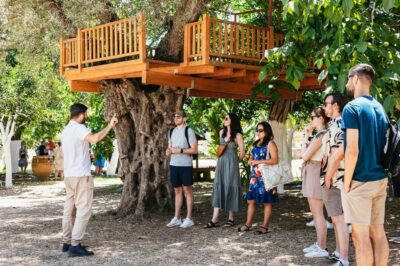
From Chania: Wine and Olive Oil Tasting Tour with Snacks
Read our review →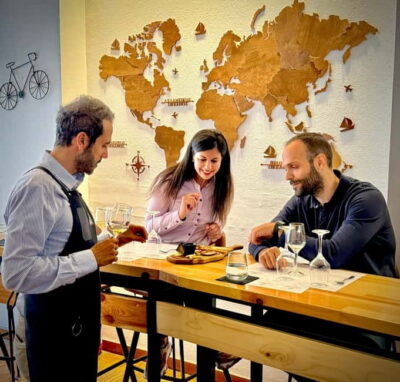
Athens: Acropolis Wine Tasting with Cheese and Olives
Read our review →
Sorrento: Lemon, Olive Oil and Wine Tasting Tour with Lunch
Read our review →
Alghero: Wine and Olive Oil Tasting at a Local Farm
Read our review →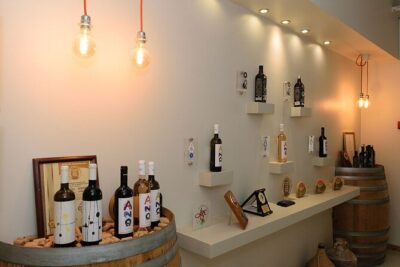
Other lists with this tasting on them