
Review · ITALY
Olive Oil Mill Tour & EVO Oils Tasting – Sarteano, Tuscany
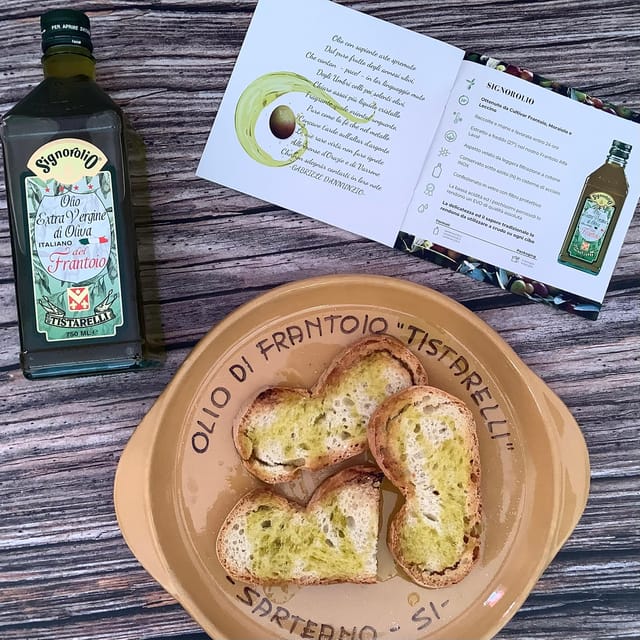
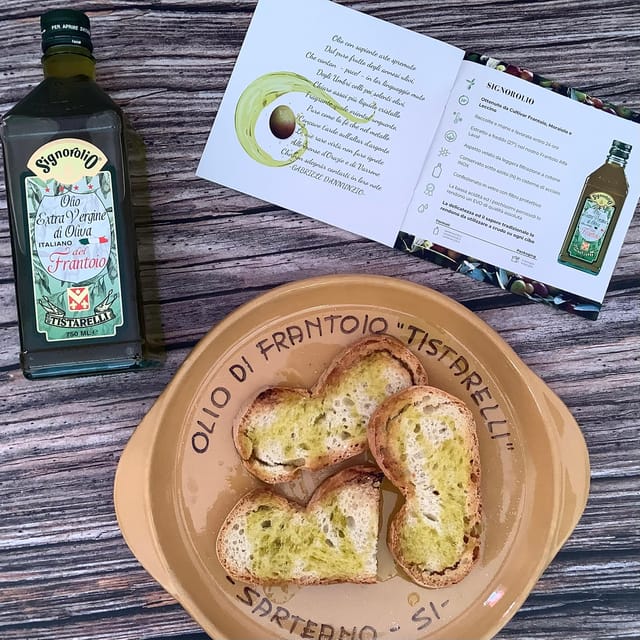
The best part of this Sarteano experience is that it takes you behind the label. At Frantoio Tistarelli, you learn how olives move through the milling process, see the mill’s traditional equipment, and then test the finished oil with your own senses. I especially like the family story dating to the 1960s and the chance to compare three different oils rather than simply sampling one.
I also like the relaxed add-on of water and Montepulciano red wine, which makes the tasting feel more like a small Tuscan food experience than a factory visit. The main consideration is language: the English explanation may be difficult to follow at times, so the display plaques and end-of-tour video can be useful support.
Key points to know before booking
- A family mill since the 1960s: Fausta Tistarelli and her family continue the work while bringing newer methods into the business.
- A short, focused visit: The tour lasts about 45 minutes, making it easy to fit into a day around Sarteano, Montepulciano, or the Val di Chiana.
- Three oils may be compared: The tasting gives you a practical way to notice differences in fragrance and flavor.
- Harvest season changes the mood: From mid-October to mid-December, new oil and the activity of the olive growers add extra atmosphere.
- Small groups are possible: One visit had only four people, and another was private, though group size is not guaranteed.
- The shop follows the tasting: The oils and other products sampled are available for purchase at the mill shop.
A family olive mill with roots in Sarteano
Frantoio Tistarelli tells the story of a family business rather than a large commercial producer. The Tistarelli family began making extra virgin olive oil in the 1960s, and the work is now carried on by Fausta Tistarelli and her family.
That background matters because the tour connects the machinery to a living business. You are not simply shown an old mill as a museum object. You are introduced to a working tradition that has been adjusted over time with modern ideas and methods.
The family’s goal is to make oil that reflects Tuscany. The visit gives you a chance to consider what that means in practical terms: the smell of fresh oil, the color and texture, the sharpness or fruitiness on your palate, and the care needed to turn olives into a high-quality product.
You meet at the olive oil mill shop, which is also where the tasting concludes and where you can buy the products you have sampled. That setup is convenient, but it also means the experience has a clear commercial side. You are welcome to purchase oil, yet the visit still works if you only want to learn and taste.
More Olive Mill and Factory Tours in Italy
- Bardolino: Lake Garda Oil Mill Tour with Olive Oil Tasting
★ 4.9 · 205 reviews - Lecce to Galatina E-Bike: Olive Mill & Wine Tasting + Taxi back
★ 5.0 · 54 reviews - Olive Oil Tour Visit to the oil mill and olive oil tasting
★ 5.0 · 53 reviews
What happens during the 45-minute visit
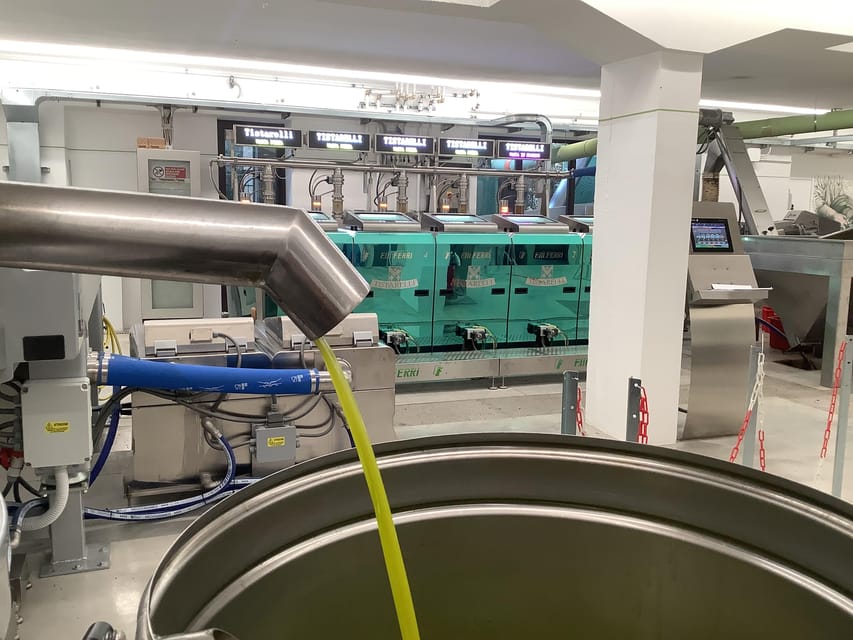
The tour begins with the history of the mill and its traditional machines. Your guide explains how the business developed and how olive oil production fits into the family’s work.
You then learn about the milling process. The exact pace can depend on the guide and the language used, but the purpose is clear: to show how olives are processed and how the finished oil reaches the bottle. If you already know little about olive oil, this section gives useful context before you taste anything.
The equipment is an important part of the visit. Seeing traditional machines helps you understand that extra virgin olive oil is not just a finished food on a shop shelf. It comes from a chain of steps in which timing, handling, and processing all affect the final taste.
The tour is compact, so do not expect a long industrial visit with every part of production demonstrated in detail. One practical issue is that the machines may not be operating during your visit. A visit in mid-September, for example, took place before the harvest period, so the equipment was not in use.
If you visit after harvest begins, you might find the setting more active. The stated harvest period runs from mid-October to mid-December, when the fragrance of newly made oil fills the air and the olive growers create a more festive atmosphere. Even then, the exact working conditions can vary by day.
Why harvest timing can make a difference
The mill can be visited all year, and the guided tour and tasting remain available outside the harvest. That makes this a useful stop for a flexible Tuscany itinerary.
Still, timing changes what you see and smell. During harvest, the mill is connected directly to the season’s work. Freshly produced oil has a stronger presence, and the atmosphere is likely to feel less like a quiet explanation and more like an active family business.
From mid-October to mid-December, you have the best chance of seeing the mill during its most evocative period. The information provided does not promise that all equipment will be running during every visit, so you should not book solely on the assumption that you will watch the full process in operation.
Outside harvest, the advantage is a calmer, more predictable visit. You can concentrate on the machines, the explanation, and the tasting without expecting a working production floor. If your main interest is olive oil flavor, the season may matter less than the quality of the guide’s explanation.
Learning to taste extra virgin olive oil
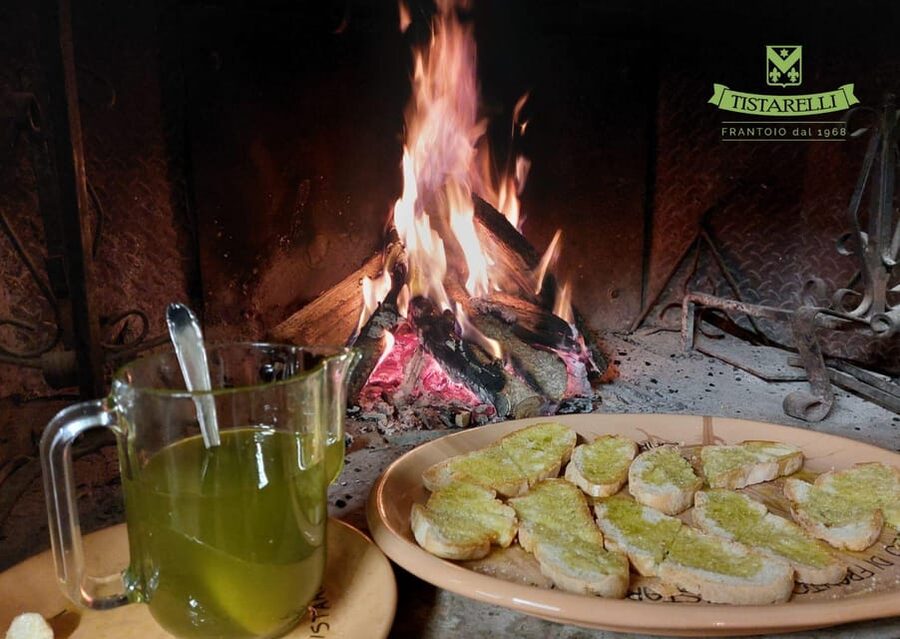
The tasting is where the tour becomes hands-on. You are guided through the fragrances and flavors of the EVO oils made at the mill. EVO means extra virgin olive oil, the category the mill produces and presents during the experience.
The useful lesson is comparison. One oil can seem fruitier, another sharper, and another more balanced or gentle. Tasting several oils side by side helps you notice differences that are easy to miss when you use only one bottle at home.
At least one tasting included three different oils. That is a good number for a short visit because it gives you contrast without turning the session into a long technical class. You can pay attention to smell first, then taste, and then think about which traits you prefer.
The tasting is accompanied by water and Montepulciano red wine. Water helps clear your palate between samples, while the wine adds a pleasant Tuscan touch. The supplied details do not list food pairings, so you should not expect a full meal or a broad tasting menu.
I like this part because it gives you something practical to take home beyond a bottle. After the visit, you should have a better idea of how to smell and taste olive oil, and you can use that skill when choosing oil in Italy or at home.
Same olive country, a different way to taste it:
- Sorrento Farm and Food Experience including Olive Oil, Limoncello, Wine tasting
★ 5.0 · 2,524 reviews - Olive oil tasting in Sorrento
★ 5.0 · 434 reviews - Sorrento: Lemon, Olive Oil and Wine Tasting Tour with Lunch
★ 5.0 · 300 reviews - Alghero: Wine and Olive Oil Tasting at a Local Farm
★ 4.8 · 294 reviews
The guide and language question
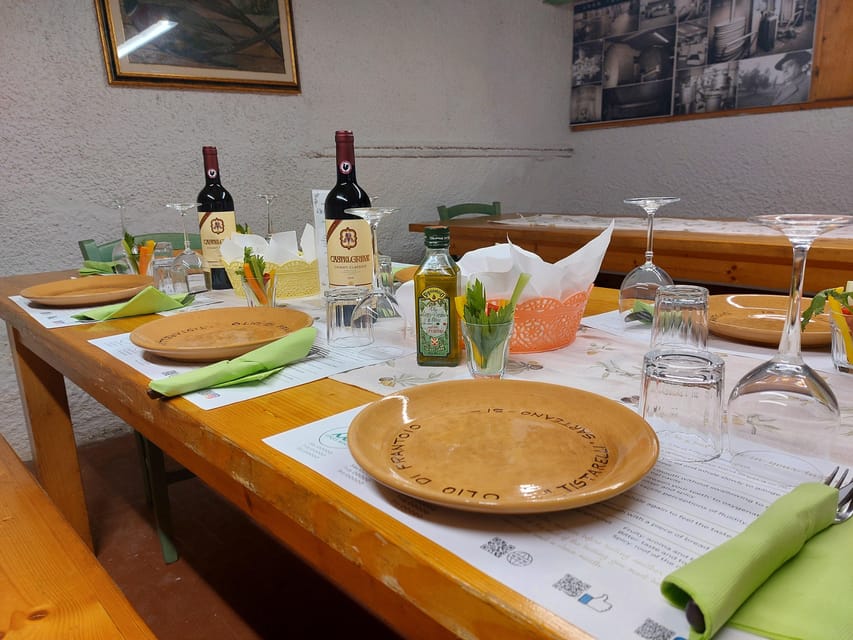
Tours are offered in Italian and English. The guide may be Fausta Tistarelli, a family member, or another person connected with the mill. One visit was led by the owner’s husband, who was praised for being well prepared and welcoming, but his name is not provided.
The personal scale of the business is one of its strengths. A small group can make it easier to ask questions and get a direct explanation. One visit had only four people, and another was described as a private tour. That said, you should treat those as examples rather than a promise that every departure will be private or limited to four.
English communication can be uneven. One English-language visit found the guide friendly and willing to answer questions, but the explanation was difficult to understand and felt rushed. The plaques placed around the mill helped, and the slideshow video at the end filled in some missing context.
My practical advice is to listen for the main stages of production and use the written displays to fill in details. If the guide speaks quickly, ask for a slower explanation. Since the visit lasts only 45 minutes, a few clear questions are more useful than trying to cover every technical point.
The shop and buying olive oil
The tour ends where it began, at the mill shop. The oils and other products tasted during the visit are available there, so you can buy the bottle you preferred while the flavor is still fresh in your mind.
This is a sensible arrangement. You can compare first, then buy with some understanding of what you like. You are not choosing blindly from a shelf based only on a label or a pretty Tuscan picture.
The tasting is also a gentle introduction to the products rather than a hard sales pitch in the information supplied. Still, remember that the shop is part of the experience. If you are traveling with limited luggage space, check what you can comfortably carry before purchasing several bottles.
For food-focused visitors, this is the most tangible part of the visit. Olive oil is easy to take home as a reminder of Tuscany, and the tasting gives your purchase a personal connection to the place where it was made.
Is $14 a fair price?
At $14 per person, the experience offers a solid value for a short specialty visit. You receive a guided mill tour, an explanation of the production process, a guided tasting of the mill’s EVO oils, water, and Montepulciano red wine.
The price is especially reasonable if you are already near Sarteano and want a compact activity between other sights. You do not need to devote half a day to it, and the 45-minute duration leaves room for a meal, a hill-town visit, or a drive through the surrounding Tuscan area.
The value depends partly on your expectations. If you want a long technical lesson, a full working demonstration, or a meal built around olive oil, this is too short. If you want a family-run setting, a clear introduction to milling, and a tasting that helps you compare oils, the price makes sense.
A small group can improve the value because you may have more room to ask questions. But group size varies, and the tour should be judged as a concise introduction rather than a private master class.
Who will enjoy this experience most?
I would recommend the mill visit to anyone interested in Tuscan food, local family businesses, or the difference between ordinary cooking oil and high-quality extra virgin olive oil.
It suits couples, small groups, and families who want an activity that does not require a full day. The short format also works well for people who prefer a focused stop rather than a long guided program.
Food lovers will get the most from the tasting. You do not need previous knowledge, since the guide introduces the basic fragrances and flavors during the session. It is also useful for shoppers who want to taste before buying.
The experience may be less satisfying if you need a fully fluent English lecture or want to watch every machine operating. In that case, harvest timing and guide availability become important. The tour is accessible for wheelchair users, which makes it a practical choice for many visitors who need step-free access.
Free cancellation is available up to 24 hours before the activity for a full refund, and you can reserve while paying later. Those policies help if your Tuscany schedule is still shifting, though they do not change the short length of the visit.
Planning around Sarteano and the harvest
The meeting point is the olive mill shop in Sarteano, Tuscany. You should allow enough time to locate the shop and arrive ready for the scheduled starting time, since the activity itself lasts only 45 minutes.
The best seasonal choice depends on what you want. Visit during the harvest period, from mid-October to mid-December, if you hope to experience the smell of new oil and a more active mill atmosphere.
Choose another time of year if your itinerary brings you to Sarteano in spring, summer, or early autumn. The tour and tasting operate all year, and the history, machinery, process explanation, and oil comparison remain available.
The information does not include transport from other Tuscan towns, so you should plan your own way to the mill. This is best treated as a local stop rather than a full transportation package.
Should you book the Frantoio Tistarelli tour?
Book it if you want a short, affordable introduction to Tuscan olive oil with a family connection and a tasting at the end. The chance to compare several oils, buy the one you prefer, and learn how to identify basic aromas and flavors gives the visit real value.
I would aim for the harvest season if seeing the mill in a more active setting matters to you. If you visit outside that period, go for the history, traditional machinery, and tasting rather than expecting a live production demonstration.
The only serious caution is the English explanation, which may be rushed or hard to follow. The plaques and video help, and the small-group setting may give you room to ask questions. For $14 and 45 minutes, this is an easy recommendation for food-minded visitors who are already exploring the Sarteano area.
FAQ
Where does the olive oil mill tour begin?
The meeting point is the olive oil mill shop at Frantoio Tistarelli in Sarteano, Tuscany.
How long does the experience last?
The guided tour and tasting last approximately 45 minutes.
How much does the tour cost?
The price is $14 per person.
What languages are available?
The live guide is available in Italian and English.
What is included in the activity?
The experience includes a guided tour of the olive oil mill, a guided tasting of its EVO oils, water, and Montepulciano red wine.
Are the oils available to buy after the tasting?
Yes. The oils and other products tasted during the experience are available in the mill shop.
Can I visit during the olive harvest?
Yes. The harvest season runs from mid-October to mid-December, and the visit is available all year.
Will the machines be operating during the tour?
The information does not guarantee that the machines will be running. During harvest, you might experience a more active mill and the fragrance of newly made oil.
Is the activity wheelchair accessible?
Yes, the activity is listed as wheelchair accessible.
Can I cancel the booking?
You can cancel up to 24 hours in advance for a full refund. You can also reserve now and pay later.
Freshly pressed around Italy
- E-bike tour in Ostuni, the olive trees and the rock village★ 5.0 · 4 reviews
- Tuscan ExtraVirgin Olive Oil Tour★ 5.0 · 4 reviews
- Wine and Extra virgin olive oil tasting in Lucca, Tuscany★ 5.0 · 3 reviews
- Lecce : Half day E-Bike tour to Old Olive Mill & Olive Oil Taste★ 5.0 · 3 reviews
- Bellagio/Lezzeno/Oliveto Lario to/from Milan Malpensa Apt (Private Transfer)★ 5.0 · 4 reviews
- Sunset Magic E-bike Tour at Sunset in Capoliveri★ 5.0 · 4 reviews
- Chianti from Florence:PRIVATE Wine, Olive Oil Tasting in the Tuscan countryside★ 5.0 · 2 reviews
- Leonardo Da Vinci’s wind mill visit and Organic olive oil tasting★ 4.5 · 12 reviews
Olive Mill and Factory Tours, compared.
Crete: Quad Safari, Olive Mill with Tasting & Ghost Village
Read our review →
From Mendoza: 3 Wineries, Olive Oil Factory Tour & Tasting
Read our review →
Knossos-Zeus Cave -Old Traditional Villages-Olive Oil Factory
Read our review →
The Governor’s Olive Mill Tour with Olive Oil Tasting
Read our review →
Crete: Road-trip to Lasithi, Zeus Cave & Olive Mill Farm
Read our review →
Lassithi, Zeus Cave, Olive Mill Farm & Knossos Combo Tour
Read our review →
Zeus Cave, Lassithi Plateau, Olive Oil Factory, Kritza, Pottery
Read our review →
Crete: Zeus Cave, Lassithi Plateau, and Olive Factory Tour
Read our review →Other lists with this tasting on them