
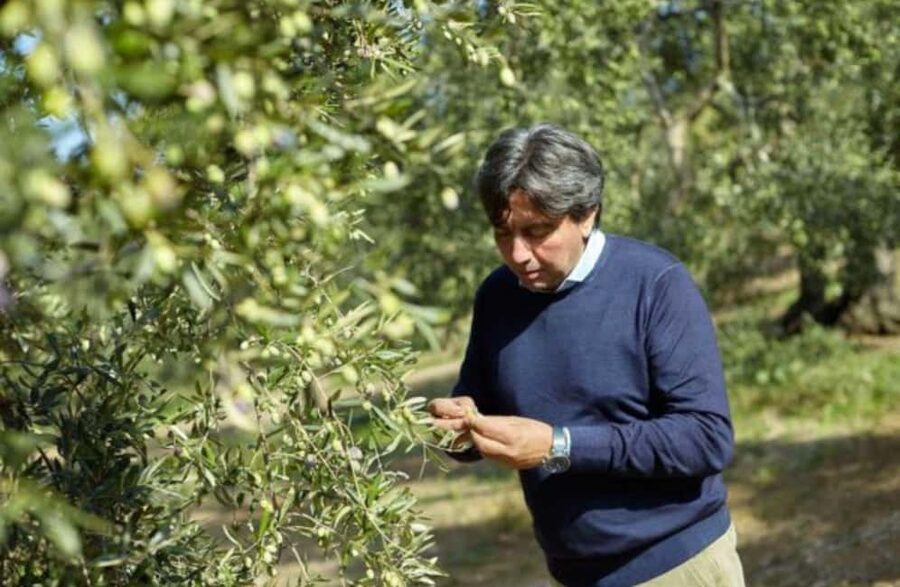
Review · BARI
Olive Oil Mill Tour with Tasting near Molfetta & Bari
The most interesting part of this family-run olive mill tour is the chance to follow the oil from freshly harvested olives to storage and bottling. You’ll hear how careful handling, clean equipment, and controlled storage affect the final taste, then put those lessons to work during a guided tasting.
I like the personal side of the visit, especially the chance to meet the mill master and hear the family’s story. I also like the spotless, highly controlled production area and the espresso served at the welcome. The main catch is timing: outside the active harvest and production period, you may see empty equipment rather than working machinery or olive trees.
Key points
- A 75-minute visit at Ciccolella: The tour combines a production walk-through, family story, storage-area visit, tasting, and espresso.
- Professional EVO tasting: You learn how to notice aromas, flavors, and signs of quality instead of simply sampling oil with bread.
- A very clean production setting: The mill is maintained with the kind of strict order one guest compared to an aerospace or pharmaceutical facility.
- Season matters: September may be too early for active production, so ask what will be operating when you book.
- English and Italian guides: Carla has been praised for taking time to explain each step clearly.
- Good for curious food lovers: The tour suits anyone who wants more than a shop visit, but it may feel brief if you expect orchards, machinery in motion, and a large tasting spread.
What the olive mill reveals about Apulian food
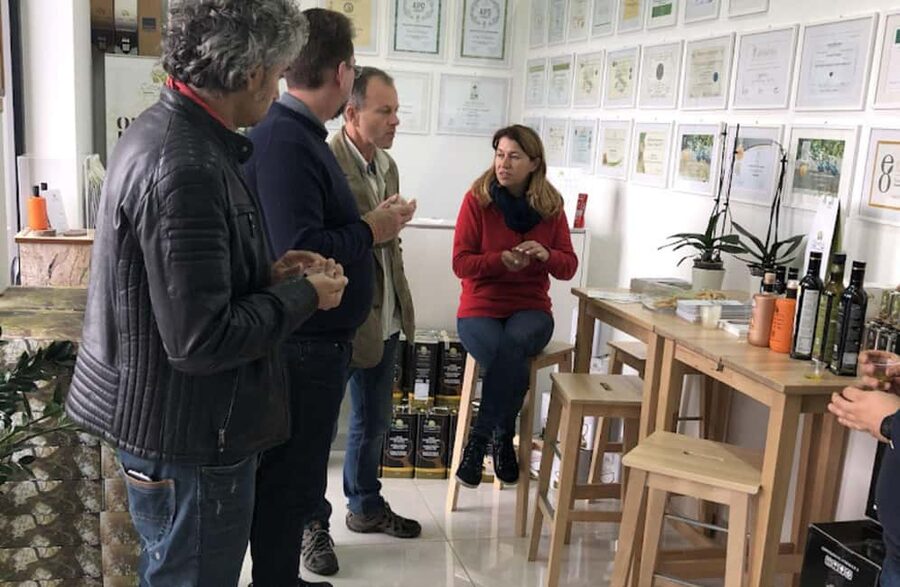
In Apulia, olive oil is not just a bottle on the kitchen table. It is part of farming, family work, local identity, and daily cooking. This visit gives you a practical look at that chain without requiring a full day in the countryside.
You begin at Ciccolella, the starting point and return point for the tour. The setting is described as cozy, with a welcome built around conversation and the smell of espresso. That matters because the first few minutes set the tone. This is not presented as a museum with glass cases and formal speeches. It is a working family business explaining what it makes and why the process matters.
The tour focuses on extra virgin olive oil, often shortened to EVO. That label is not simply a marketing phrase. It refers to oil made by mechanical means and meeting standards for acidity and sensory quality. You will not need a technical background to follow the visit, but the guide explains why harvest timing, cleanliness, storage, and tasting all affect the result.
I like this approach because it connects the bottle to decisions made at every stage. You see why an oil can smell fresh and grassy, taste bitter or peppery, or seem flat and stale. The lesson is useful long after you leave the mill, especially when you shop for oil in Italy or back home.
More Olive Mill and Factory Tours in Italy
- Bardolino: Lake Garda Oil Mill Tour with Olive Oil Tasting
★ 4.9 · 205 reviews - Lecce to Galatina E-Bike: Olive Mill & Wine Tasting + Taxi back
★ 5.0 · 54 reviews - Olive Oil Tour Visit to the oil mill and olive oil tasting
★ 5.0 · 53 reviews
Starting with the family and the mill master

The tour’s first substantial section takes place at the visitor center and lasts about 35 minutes. This is where you meet the guide and mill master, hear about the family’s origins, and learn how the business combines tradition with sustainability.
The family story gives the machinery and storage rooms a human context. Instead of hearing only about machines, you learn who is responsible for the oil and what standards guide the work. The family’s stated values center on quality and respect for the environment, so the introduction helps explain why the mill pays attention to production conditions rather than treating oil as a simple commodity.
If Carla is leading your visit, expect a patient explanation of the steps involved. She has been praised for taking time with questions and for explaining how the final product develops from the first arrival of the olives to bottling. The available guides speak English or Italian, which makes this a practical choice for international visitors who want more than a quick translation of labels.
The setting is warm rather than grand. You may begin with espresso, a small but fitting touch in a region where a coffee break is part of the rhythm of the day. I would treat this opening as an orientation, not as a separate attraction. It prepares you to notice details during the production walk-through.
Following olives from harvest to bottled oil
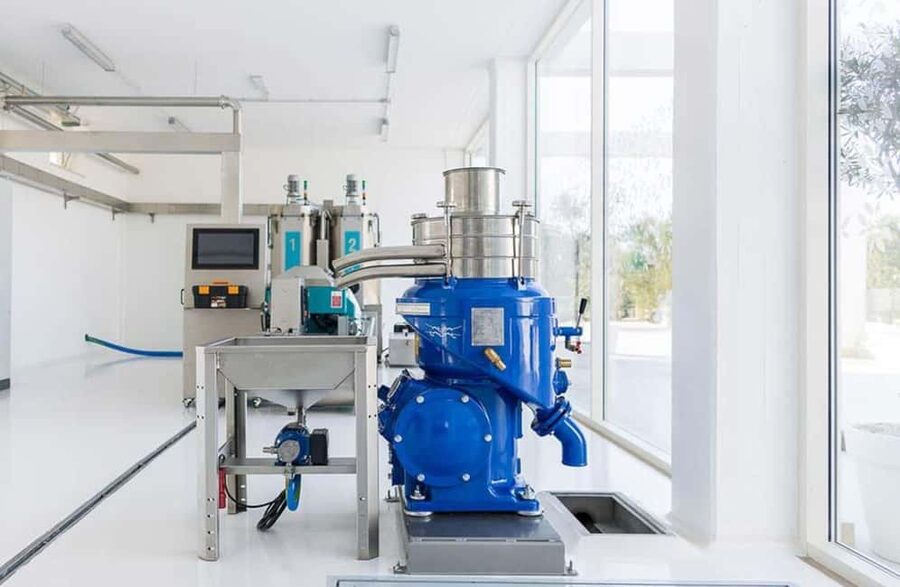
The next part takes you through the production process. The guide explains what happens when harvested olives arrive, how they move through processing, and how the oil is prepared for storage and bottling.
The exact machinery in operation depends on the season. During active production, a mill tour can be especially vivid because you may see the process happening rather than only hearing about it. The supplied information does not promise that every machine will be running, and that distinction is important.
One disappointing visit took place before production had begun. The visitor saw empty tanks and inactive equipment, with no olives or trees in sight. That is a serious limitation if you are booking because you want a working harvest scene. The problem was not the cleanliness or effort of the host. It was the timing and the gap between the expected orchard-and-production picture and what was actually available.
So ask before you reserve: Is the mill processing olives on the date I want to visit? Will the tour include olive trees or only the indoor areas? Those two questions can change the value of the visit.
When the mill is active, the explanation of the process should be the heart of the tour. You learn why the time between harvest and processing matters, how cleanliness protects flavor, and why the finished oil needs proper storage. Even when the machinery is quiet, the production route can still make the bottle on a shop shelf easier to understand.
Inside the controlled storage cellar
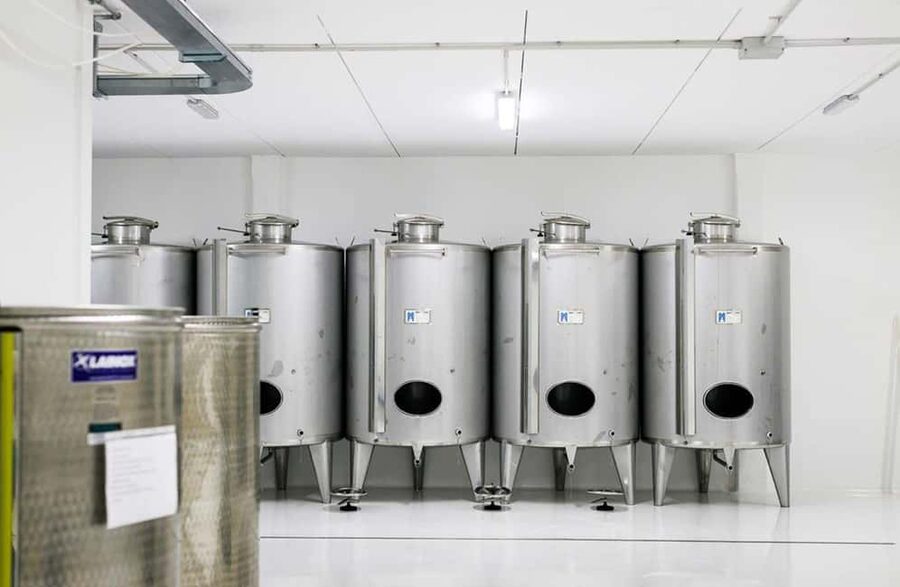
The storage areas are one of the more useful parts of the visit because oil quality does not end when processing stops. The tour includes a controlled-atmosphere cellar where extra virgin olive oil is kept in stable conditions.
The point is simple: light, heat, air, and time can damage oil. A controlled storage room helps protect the qualities created during production. You may not find this as visually exciting as a room full of moving machinery, but it explains why serious producers treat storage as part of the craft.
The guide also uses this section to discuss the family’s standards and environmental concerns. That gives sustainability a practical meaning. You are not simply hearing a broad claim about tradition. You are seeing how a producer links care for the product with care for resources and long-term production.
One useful lesson is that fresh oil is not automatically good oil forever. Even a high-quality EVO should be stored properly after you take it home. Keep it away from heat and strong light, and use it while it is still fresh. The tour makes that advice easier to remember because you have just seen the controlled conditions used at the mill.
The storage rooms may also be the strongest part of the visit outside harvest season. They remain relevant when the production line is quiet, and they show a working part of the business rather than a staged display.
Same olive country, a different way to taste it:
- Sorrento Farm and Food Experience including Olive Oil, Limoncello, Wine tasting
★ 5.0 · 2,524 reviews - Olive oil tasting in Sorrento
★ 5.0 · 434 reviews - Sorrento: Lemon, Olive Oil and Wine Tasting Tour with Lunch
★ 5.0 · 300 reviews - Alghero: Wine and Olive Oil Tasting at a Local Farm
★ 4.8 · 294 reviews
Learning to taste extra virgin olive oil
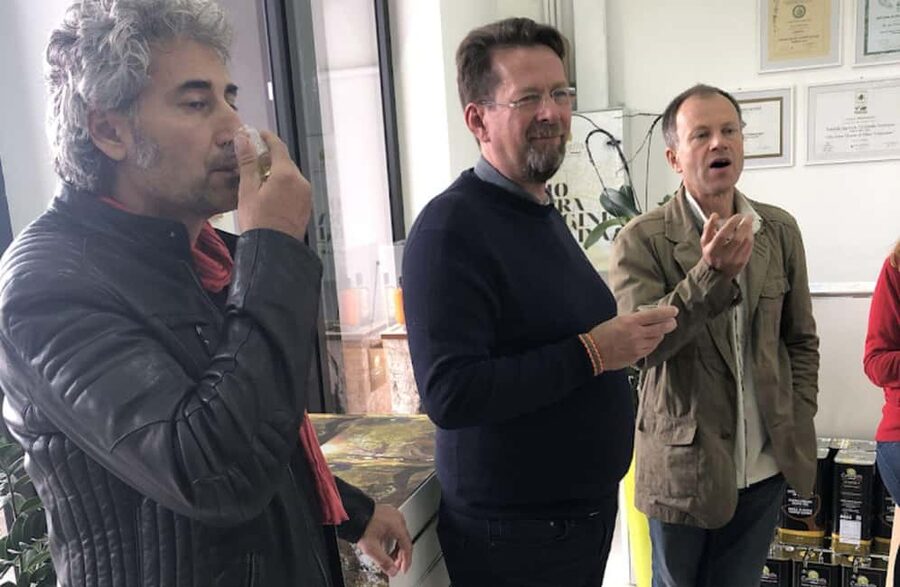
The visit ends with a professional olive oil tasting, followed by espresso if it has not already been served. This is where the tour moves from machinery and storage to your own senses.
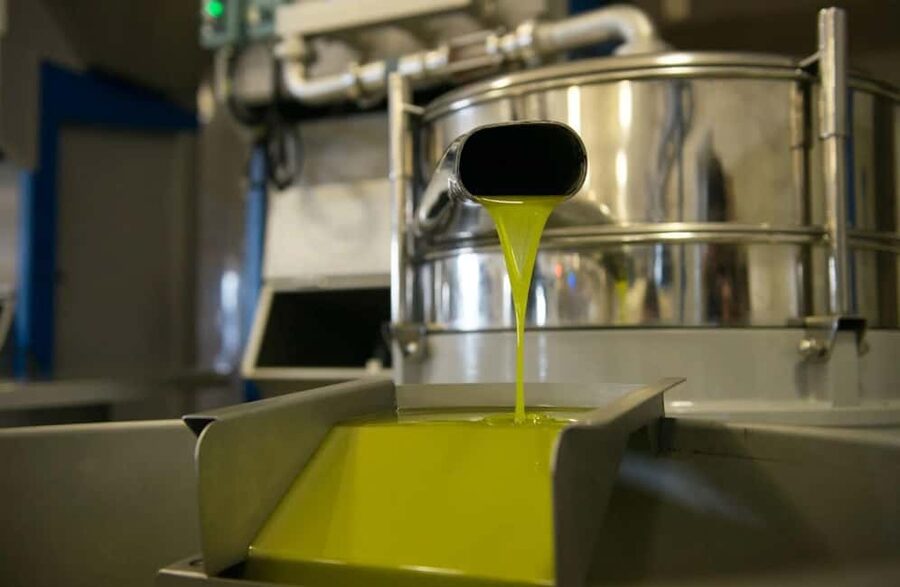
A proper tasting asks you to pay attention to aroma, flavor, bitterness, and the peppery sensation that can appear in the throat. Those qualities may surprise you if you are used to mild supermarket oil. Bitterness and a slight burn are not automatically defects. In a fresh EVO, they can signal the presence of desirable compounds and a lively flavor.
You learn to distinguish among olive varieties and to notice how oils differ. One particularly strong part of the tasting is the chance to compare oils made from different olives. That turns an abstract lesson into something you can recognize immediately.
The tasting has also received a fair criticism. It may be fairly limited, with fewer oil types than some food-focused visitors expect. Bread is not guaranteed as part of the tasting, and one visitor hoped for more varieties and something to eat alongside them.
That is worth keeping in mind. If you want a broad food pairing session, this may feel modest. If your goal is to understand how to judge oil, the professional guidance is more important than a large number of samples. I would bring your attention, not an appetite for a full meal.
The best way to taste is to slow down. Smell first. Notice fresh green or herbal notes if they appear. Take a small sip and let the oil move across your mouth. Pay attention to bitterness and the peppery finish. The guide can then help you connect those sensations to quality and olive variety.
How much value do you get for $42?
At $42 per person, this is priced as an educational tasting visit rather than a simple stop at a farm shop. The 75-minute duration is long enough to cover the process, storage, and tasting, but short enough to fit into a day based in Bari or near Molfetta.
I think the price is fair when the mill is operating and the tour includes a careful explanation, a meaningful tasting, and time with the producer. The clean production area, controlled cellar, and family story add more value than a quick sample at a retail counter.
The calculation changes outside the production season. If you spend much of the visit looking at empty tanks and inactive equipment, $42 can feel high. One account put the value at roughly the cost of paying for empty barrels, which points to the central issue: the calendar matters more than the listed duration.
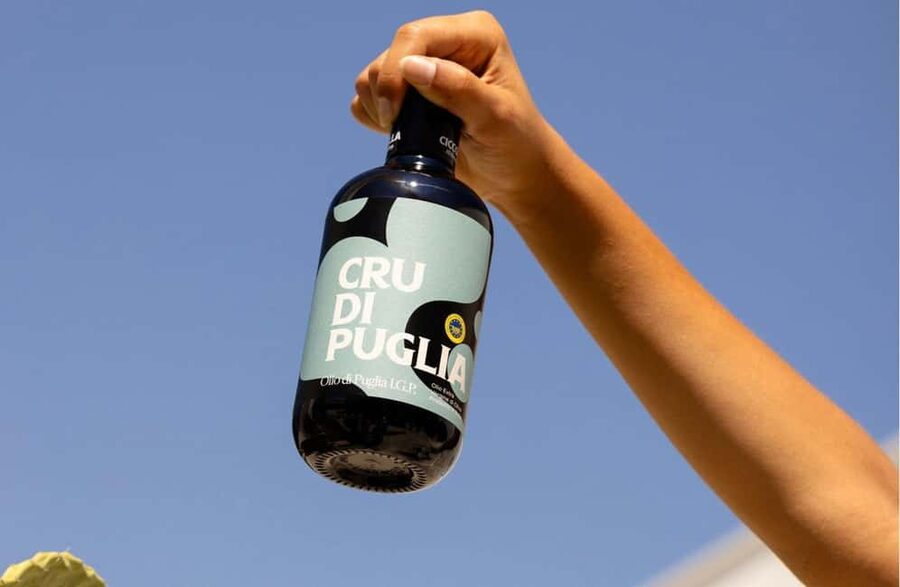
You can also buy the mill’s products on site. That is convenient if you find an oil you like, though the tour should not be judged only by the chance to shop. The strongest reason to go is learning how to taste and understand the product. Buying a bottle afterward is an optional bonus.
I would compare this visit with the cost of other food activities in the area, but I would not expect a full meal or a broad cooking class for this price. Think of it as a compact producer visit with a tasting, not a half-day farm excursion.
Timing your visit near Molfetta and Bari
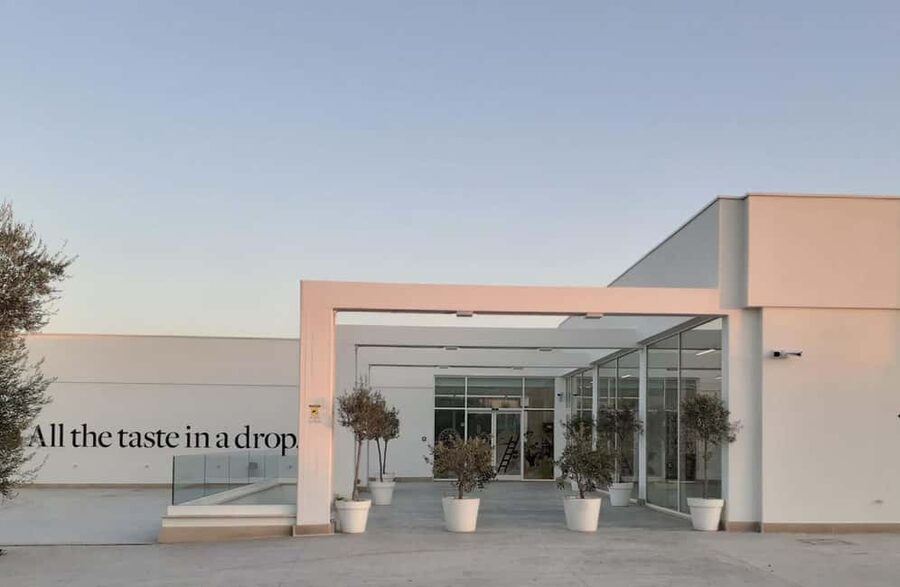
The tour operates in Apulia and is reached on your own. Transportation to Ciccolella is not included, so you need to plan the journey before booking. The supplied details do not specify a transfer service, pickup point, or public transport connection.
The most important planning question is the harvest calendar. The disappointing September visit shows that a date that sounds close to harvest may still be too early for the mill to be working. Weather can also affect what you see. Rain prevented one visit from reaching the olive trees, showing that even a visit scheduled during a suitable period may shift toward indoor activities.
I would contact the provider before paying if seeing trees or active machinery is important to you. Ask what the mill looks like on your exact date, not what it looks like in the middle of the harvest. This simple check can prevent the biggest mismatch.
Wear comfortable shoes and comfortable clothes. The tour is wheelchair accessible, which is useful for many visitors, though you should still confirm any personal access needs directly when arranging transportation to the venue.
Free cancellation is available up to 24 hours before the visit, and you can reserve now and pay later. Those terms give you some flexibility while you sort out your Apulia schedule, but they do not solve the seasonal question. The better booking decision comes from confirming what will actually be running.
Who will enjoy this mill visit most?
I would recommend this tour to food lovers, home cooks, and anyone curious about how a regional product is made. It is also a good choice if you want a short cultural activity near Molfetta or Bari rather than a long excursion.
You will get the most from it if you enjoy asking questions and tasting carefully. The tour rewards curiosity. It explains why one oil tastes fresh and lively while another seems dull, and it shows how storage protects the work done at the mill.
Families may appreciate the manageable 75-minute length, especially if children are old enough to follow a food-production explanation. The experience does not promise a hands-on activity, a large meal, or an orchard walk, so very young children may find the quieter parts less exciting.
I would be more cautious if your main goal is to walk among olive trees, watch a full harvest, or see every machine running. You may get those things in the right season, but they are not guaranteed. The tour is strongest as a producer explanation and tasting.
It is also a good match for visitors who care about buying quality food in Italy. After the tasting, you will have a better basis for choosing an oil. You can recognize that a strong peppery finish is not necessarily a flaw, and you can think more carefully about freshness, storage, and olive variety.
My call: book it with one seasonal check
I would book this olive mill tour if I were staying near Molfetta or Bari and wanted a concise, local food experience. The family setting, patient guiding, careful storage, and tasting give it real substance, and the chance to compare olive varieties is the best reason to go.
I would not book blindly in September or outside the active production period. First ask if the mill will be processing olives and if the tour will include the trees. If the answer is no, decide if a storage-and-tasting visit still fits your plans.
For the best value, expect a clean and educational 75-minute visit, not a full farm day. Bring comfortable clothes, arrange your own transportation, and arrive ready to taste slowly. If those conditions suit you, the tour can turn a familiar bottle of olive oil into a much more interesting part of your Apulian meal.
FAQ
Where does the olive oil tour begin?
The tour begins and ends at Ciccolella in Apulia, near Molfetta and Bari.
How long does the experience last?
The complete visit lasts 75 minutes. It includes a guided visitor-center tour, an explanation of production and storage, an olive oil tasting, and espresso.
What languages are available?
Live guiding is available in English and Italian.
Is transportation to the mill included?
No. You must arrange your own transportation to the venue.
Will I see olive trees and active production?
That depends on the season and conditions. Production may not have started outside the harvest period, and rain can prevent access to the trees. Ask what will be operating on your chosen date.
What does the tasting include?
You receive a professional olive oil tasting focused on recognizing quality, flavors, aromas, and differences among olive varieties. Espresso is included. Bread and a large selection of additional tasting foods are not specified as included.
Is the tour wheelchair accessible?
Yes, the activity is listed as wheelchair accessible.
Freshly pressed around Italy
- E-bike tour in Ostuni, the olive trees and the rock village★ 5.0 · 4 reviews
- Tuscan ExtraVirgin Olive Oil Tour★ 5.0 · 4 reviews
- Wine and Extra virgin olive oil tasting in Lucca, Tuscany★ 5.0 · 3 reviews
- Lecce : Half day E-Bike tour to Old Olive Mill & Olive Oil Taste★ 5.0 · 3 reviews
- Bellagio/Lezzeno/Oliveto Lario to/from Milan Malpensa Apt (Private Transfer)★ 5.0 · 4 reviews
- Sunset Magic E-bike Tour at Sunset in Capoliveri★ 5.0 · 4 reviews
- Chianti from Florence:PRIVATE Wine, Olive Oil Tasting in the Tuscan countryside★ 5.0 · 2 reviews
- Leonardo Da Vinci’s wind mill visit and Organic olive oil tasting★ 4.5 · 12 reviews
Olive Mill and Factory Tours, compared.
Crete: Quad Safari, Olive Mill with Tasting & Ghost Village
Read our review →
From Mendoza: 3 Wineries, Olive Oil Factory Tour & Tasting
Read our review →
Knossos-Zeus Cave -Old Traditional Villages-Olive Oil Factory
Read our review →
The Governor’s Olive Mill Tour with Olive Oil Tasting
Read our review →
Crete: Road-trip to Lasithi, Zeus Cave & Olive Mill Farm
Read our review →
Lassithi, Zeus Cave, Olive Mill Farm & Knossos Combo Tour
Read our review →
Zeus Cave, Lassithi Plateau, Olive Oil Factory, Kritza, Pottery
Read our review →
Crete: Zeus Cave, Lassithi Plateau, and Olive Factory Tour
Read our review →Other lists with this tasting on them