
Review · PERUGIA
Olive Oil Tasting & Mill Guided Visit in Perugia
A 14th-century olive mill, ancient stone presses, terracotta jars, and a table covered with bruschetta and local food make this one of Perugia’s more distinctive food experiences. You are not simply sampling oil in a shop. You are seeing the tools and traditions behind Umbrian olive oil, then tasting the finished product with foods chosen to show how each oil works.
I like the small group limit of 10, which gives you room to ask questions. I also like the range of tasting samples, from single-cultivar oils such as Moraiolo and Dolce Agogia to flavored and spiced oils. The main drawback is practical: parking at the mill can feel tight, especially close to the autumn harvest, so a campervan or large car may need to use the larger parking area farther down the hill.
Key points at a glance
- A mill with centuries of working history: See a 13th-century Assisi stone mill, early 20th-century separators, and 17th- and 19th-century terracotta jars.
- A serious oil tasting: Sample single-origin oils, family blends, organic selections, and 10 flavored or spiced varieties.
- A generous food pairing: Bruschetta, olive pâtés, preserves, truffle sauces, cured meats, and cheeses turn the tasting into a light meal.
- A personal guide: Alessandro explains production, flavor, and family traditions in a clear and friendly way.
- Convenient from central Perugia: The mill is about four minutes by car from the city center and within walking distance, though the route and return walk are worth considering.
- Good for curious eaters: The visit suits food lovers, history fans, vegetarians with advance notice, and anyone wanting a useful souvenir to take home.
Entering the Trampolini family mill
Antico Frantoio Trampolini sits near the historic Templar Abbey of San Bevignate, just outside the center of Perugia. You enter through an arch to reach the shop and mill, then show your ticket for the visit and tasting.
The site has produced olive oil since the 1300s, while the Trampolini family has carried on the business since 1785. That family connection gives the visit a personal feel. You are not looking at a polished food attraction built only for sightseeing. You are visiting a place still connected to olive oil production and family work.
The setting is also useful for understanding Umbria. Olive oil here is not just a bottle on a restaurant table. It is tied to farming, harvest dates, local varieties, storage, machinery, and the daily food of the region. The tour makes those links easier to see.
The activity lasts about 90 minutes. The planned structure is simple: roughly 30 minutes for the guided mill tour, 45 minutes for the tasting, and about 15 minutes for walking back through the property and taking in the surroundings. That timing gives the experience enough substance without taking half a day from your Perugia sightseeing.
More Olive Mill and Factory Tours in Italy
- Bardolino: Lake Garda Oil Mill Tour with Olive Oil Tasting
★ 4.9 · 205 reviews - Lecce to Galatina E-Bike: Olive Mill & Wine Tasting + Taxi back
★ 5.0 · 54 reviews - Olive Oil Tour Visit to the oil mill and olive oil tasting
★ 5.0 · 53 reviews
Ancient presses and the changing work of olive oil
The first part of the visit focuses on the mill and its museum exhibits. The most memorable object is the 13th-century Assisi stone mill, which shows how olives were crushed before modern machinery changed the process.
You will also see early 20th-century centrifugal separators. These machines mark a shift from older pressing methods toward mechanical separation. For a visitor, the contrast is useful: the stone mill shows the weight and patience of traditional production, while the separators show how producers began making the process faster and more consistent.
The terracotta jars add another practical detail. The collection includes jars from the 17th and 19th centuries, giving you a sense of how olive oil was stored before modern bottles and commercial packaging. These are not random old objects. Together, the tools and containers explain a chain of work: olives were crushed, oil was separated, and the finished product had to be protected and stored.
Alessandro is the guide associated with the tour, and his explanations cover both the production process and the history of the mill. He also uses videos to show the full production cycle. That is helpful because an old stone press can explain only so much by itself. The combination of physical artifacts and visual explanation makes the process easier to follow.
I especially like this part if you enjoy understanding how food is made. If you only want a quick tasting, the museum section may feel longer than necessary. But for most visitors, the old equipment gives meaning to the oils waiting on the tasting table.
Learning to taste more than just olive oil
The tasting includes at least five premium oils, but the exact range is much broader. You may sample single-origin cultivars including Leccino, Frantoio, Dolce Agogia, Moraiolo, Peranzana, and Nocellara.
This matters because the word olive oil covers a wide range of flavors. A single-cultivar tasting lets you compare oils made from different olives rather than treating every bottle as interchangeable. You can notice how one oil may seem softer, sharper, fruitier, or more peppery than another.
You will also taste blends such as Generoso and Armonioso, along with a Family Reserve and organic selections. The blends show how a producer combines varieties to create a particular balance. The single-origin oils are useful for comparison, while the blends may be easier to use at home across a wider range of dishes.
The flavored side of the tasting adds a playful change of pace. There are 10 spiced and flavored olive oils, giving you a chance to try combinations beyond plain extra virgin oil. These samples are especially useful if you are looking for a gift or a bottle for cooking, though you should ask which options are available to buy on the day.
A good tasting is not about swallowing oil quickly and naming flavors you do not recognize. Alessandro explains how the oils are made and why different samples work with particular foods. That makes the experience accessible even if you have never attended an oil tasting before.
The tasting also includes balsamic vinegar, according to the experience details shared during the visit. It is a useful extra comparison, since acidity and sweetness change the way bruschetta and cheese taste.
Bruschetta, truffle sauces, and a proper Umbrian snack
The food served here makes the price easier to judge. You get crostini and bruschetta with black and green olive pâtés, olive preserves, and truffle-infused sauces. A board of local cured meats and cheeses rounds out the table.
This is more than a small piece of bread dipped into oil. The food gives each sample a practical purpose. You can taste a milder oil with bread, compare a stronger oil with cheese, or see how a flavored oil works with a spread. The guide explains why particular pairings make sense, so you leave with more than a list of bottles you liked.
The charcuterie and cheese also make the 45-minute tasting feel like a light meal. You should not book it expecting a full lunch or dinner, but it is substantial enough to fit comfortably into a morning or afternoon of sightseeing.
Vegetarians can be accommodated if you provide notice in advance. That is worth doing before you arrive, since cured meats are part of the standard tasting. The olive spreads, crostini, cheeses, and truffle sauces still provide plenty of variety without meat.
The food is also a strong reason to avoid scheduling the visit immediately after a large meal. You will get more from the tasting if you have some appetite. On the other hand, the experience is not a formal restaurant meal, so do not rely on it as your only substantial food for the day.
Same olive country, a different way to taste it:
- Sorrento Farm and Food Experience including Olive Oil, Limoncello, Wine tasting
★ 5.0 · 2,524 reviews - Olive oil tasting in Sorrento
★ 5.0 · 434 reviews - Sorrento: Lemon, Olive Oil and Wine Tasting Tour with Lunch
★ 5.0 · 300 reviews - Alghero: Wine and Olive Oil Tasting at a Local Farm
★ 4.8 · 294 reviews
What the 90-minute schedule feels like
The tour begins at the mill and stays centered on the property. The 30-minute guided visit gives you an overview of the site, the family connection, the production process, and the old tools.
The next 45 minutes are devoted to the food and oil tasting. This is the main event for most people, and it is where the small group size matters. With no more than 10 participants, there should be time to ask about flavor, storage, cooking, and the differences between cultivars.
The final 15 minutes include walking and scenic views on the way back to the starting point. The walk is not a separate excursion through the Umbrian countryside, so keep your expectations modest. It is part of the visit around the mill, not a long rural hike.
The compact schedule works well for a day in Perugia. You can fit the experience between visits to churches, museums, or other sights. It is also a good choice on a day when you want something more local than another historic building.
Getting there from Perugia
The mill is about four minutes by car from central Perugia. It is also described as within walking distance from the city center, though you should check the route and your own comfort with the walk before booking.
Parking needs a little thought. The yard at the mill can look crowded during the period before harvest, when equipment and vehicles are being prepared. A larger parking area farther down the hill is available, but you may need to walk back up to the mill.
That advice matters most if you are driving a campervan or a large vehicle. A normal car should be easier to manage, but the property is still a working mill rather than a large commercial parking facility. Arrive with enough time to find the entrance and avoid rushing into the yard.
At the entrance, look for the arch leading to the shop and mill. Have your ticket ready for the guided visit and tasting. The meeting point is Antico Frantoio Trampolini itself, not a separate office in central Perugia.
The activity is wheelchair accessible. Still, because the experience takes place in a historic mill with a walk around the site, it is sensible to confirm any specific mobility needs before booking.
Is $53 good value?
At $53 per person, this is not the cheapest food sampling in Umbria. You are paying for more than the food, though. The price includes the guided museum and mill visit, instruction from a live guide, a broad oil tasting, bruschetta, spreads, truffle sauces, cured meats, and cheeses.
The value is strongest if you are interested in how olive oil is produced. The ancient presses and storage jars give the visit a cultural purpose, while the tasting makes the information easy to remember. A simple shop tasting may cost less, but it will not give you the same look at the production history.
The price also makes sense for a small group. A guide working with 10 or fewer people can answer questions and adjust the explanation to the group. Some visits may be even more personal. When only a few people book, Alessandro may be able to give you a nearly private experience.
You should also factor in what is not included. Transportation to the mill, extra food or drinks, souvenir bottles, and personal purchases cost more. Since the mill is close to Perugia, transportation should not add much if you are already staying in the city, but large-vehicle parking may require extra planning.
The real value depends on your interests. If you mainly want a full meal, spend the $53 at a restaurant instead. If you want a guided look at Umbrian food traditions and enough samples to compare products, the price is fair.
Who will enjoy this most
I would recommend this experience to anyone who likes knowing where food comes from. It works particularly well for couples, small groups, and families with older children who can follow a short museum tour and enjoy tasting new foods.
It is also a strong choice for people who have already seen Perugia’s major churches and palaces. Olive oil connects you to the region in a different way, through agriculture, family work, and everyday cooking.
Food-focused visitors will get the most from the cultivar comparison and pairing advice. History fans will appreciate the old mill equipment and terracotta jars. Shoppers can use the tasting to decide which oils or flavored products are worth taking home.
Vegetarians should notify the provider in advance. The standard board includes cured meats, but the tasting includes enough bread, spreads, cheese, and oil to offer a good alternative.
This may be less suitable if you dislike oily foods, have a very limited diet, or want a long countryside outing. It is a compact indoor and property-based visit, not a full-day farm tour.
Useful booking details
The guide speaks English and Italian. The group is limited to 10 people, and the activity lasts 1.5 hours. Starting times vary, so check availability for your date.
You can cancel up to 24 hours in advance for a full refund, and the booking option allows you to reserve now and pay later. These policies are useful if your Perugia plans are still shifting.
The best practical plan is to arrive early enough to find the entrance and deal with parking. If you are coming by campervan, allow extra time and expect that the farther parking area may be the better choice.
Should you book the olive oil mill visit?
Book it if you want a personal, food-centered experience that combines Umbrian olive oil with real historical objects. Alessandro’s clear explanations, the wide choice of oils, and the generous tasting make this more useful than a quick sample at a shop.
I would be especially happy to fit it into a Perugia itinerary for a half morning or afternoon. The strongest reasons to go are the 13th-century mill, the chance to compare several cultivars, and the pairing of oils with bruschetta, truffle sauces, cheese, and charcuterie.
Skip it if your priority is a full meal, a long countryside walk, or a tour that includes transportation from your hotel. For everyone else, the combination of taste, family tradition, and old milling equipment makes the $53 a reasonable spend.
FAQ
Where does the olive oil tasting take place?
It takes place at Antico Frantoio Trampolini in Perugia, near the historic Templar Abbey of San Bevignate. The mill is about four minutes by car from the city center and is also within walking distance.
How long does the experience last?
The activity lasts 1.5 hours. About 30 minutes are set aside for the guided mill tour, 45 minutes for the food and oil tasting, and 15 minutes for walking back through the property.
Which languages are available?
The live guide speaks English and Italian.
What food is included?
You receive bruschetta or crostini with black and green olive pâtés, olive preserves, and truffle sauces. The tasting also includes a charcuterie board with cured meats and cheeses.
How many olive oils will I taste?
You will taste at least five olive oils, including single-origin cultivars, blends, family reserve and organic selections, plus a range of 10 spiced and flavored oils.
Is the mill wheelchair accessible?
Yes, the activity is listed as wheelchair accessible. The experience takes place in a historic mill and includes walking around the property, so you may want to confirm any specific access needs before booking.
Freshly pressed around Italy
- E-bike tour in Ostuni, the olive trees and the rock village★ 5.0 · 4 reviews
- Tuscan ExtraVirgin Olive Oil Tour★ 5.0 · 4 reviews
- Wine and Extra virgin olive oil tasting in Lucca, Tuscany★ 5.0 · 3 reviews
- Lecce : Half day E-Bike tour to Old Olive Mill & Olive Oil Taste★ 5.0 · 3 reviews
- Bellagio/Lezzeno/Oliveto Lario to/from Milan Malpensa Apt (Private Transfer)★ 5.0 · 4 reviews
- Sunset Magic E-bike Tour at Sunset in Capoliveri★ 5.0 · 4 reviews
- Chianti from Florence:PRIVATE Wine, Olive Oil Tasting in the Tuscan countryside★ 5.0 · 2 reviews
- Leonardo Da Vinci’s wind mill visit and Organic olive oil tasting★ 4.5 · 12 reviews
Olive Mill and Factory Tours, compared.
Crete: Quad Safari, Olive Mill with Tasting & Ghost Village
Read our review →
From Mendoza: 3 Wineries, Olive Oil Factory Tour & Tasting
Read our review →
Knossos-Zeus Cave -Old Traditional Villages-Olive Oil Factory
Read our review →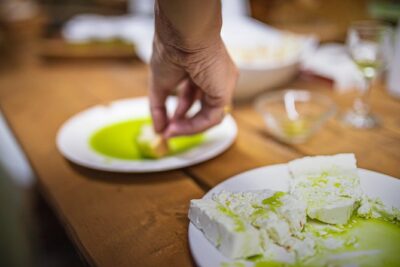
The Governor’s Olive Mill Tour with Olive Oil Tasting
Read our review →
Crete: Road-trip to Lasithi, Zeus Cave & Olive Mill Farm
Read our review →
Lassithi, Zeus Cave, Olive Mill Farm & Knossos Combo Tour
Read our review →
Zeus Cave, Lassithi Plateau, Olive Oil Factory, Kritza, Pottery
Read our review →
Crete: Zeus Cave, Lassithi Plateau, and Olive Factory Tour
Read our review →Other lists with this tasting on them