
Review · SORRENTO
Sorrento: Guided Olive Mill Visit with Tastings
The most interesting part of this Sorrento outing is the chance to taste olive oil as a food, not just a dip for bread. Among ancient olive trees, you’ll sample 15 extra virgin oils and roughly 20 blends, including lemon, orange, truffle, and chili. The range of flavors turns a familiar kitchen staple into the main event.
I like the hotel pickup and drop-off, which makes this easy to fit into a busy Sorrento day. I also like the broad tasting menu: honey, marmalade, balsamic glaze, limoncello, and cream liqueurs give you plenty to try beyond oil. The main drawback is that the guided visit can feel short, especially if you want a detailed lesson about olive varieties, harvesting, or milling.
Key points to know
- Taste 15 extra virgin olive oils plus around 20 flavored versions made with local and specialty ingredients.
- Walk among ancient olive trees and visit a working olive mill on the Sorrentine Peninsula.
- Expect more than an oil tasting, with honey, marmalades, balsamic glaze, limoncello, and cream liqueurs.
- Pickup is included from accommodations in the Sorrentine Peninsula, a useful perk if you are not renting a car.
- Production may be seasonal, so you might see active milling, or a video may explain the process instead.
- Save time for shopping, since olive oil cosmetics and food products are available to buy and ship home.
Start with a ride from Sorrento
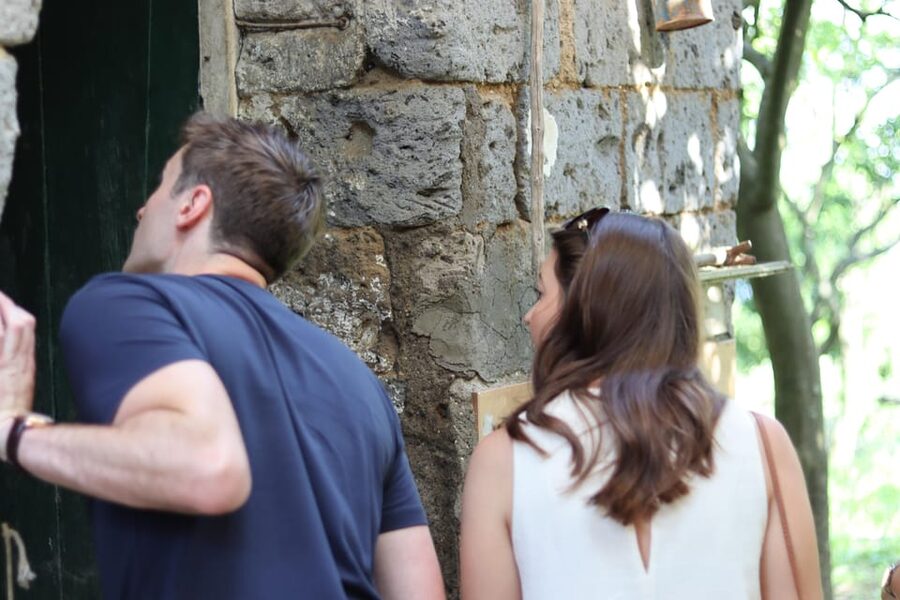
The experience begins with pickup in Sorrento or elsewhere on the Sorrentine Peninsula. That simple detail matters. Olive mills are generally easier to reach by car than by public transport, and a tasting is more pleasant when you do not need to worry about finding your way back after sampling liqueurs.
The total activity lasts about 1.5 hours, with roughly one hour set aside for the guided visit. That makes this a manageable half-day addition rather than a full food tour. You can fit it around a morning walk through Sorrento, a restaurant reservation, or an afternoon trip along the coast.
The exact vehicle and group size are not specified, so I would not book this expecting a private transfer unless that is confirmed for your date. One booking had only two participants, which allowed plenty of questions, but that does not guarantee every departure will be equally small.
More Olive Mill and Factory Tours in Italy
- Bardolino: Lake Garda Oil Mill Tour with Olive Oil Tasting
★ 4.9 · 205 reviews - Lecce to Galatina E-Bike: Olive Mill & Wine Tasting + Taxi back
★ 5.0 · 54 reviews - Olive Oil Tour Visit to the oil mill and olive oil tasting
★ 5.0 · 53 reviews
Among the olive trees on the Sorrentine Peninsula
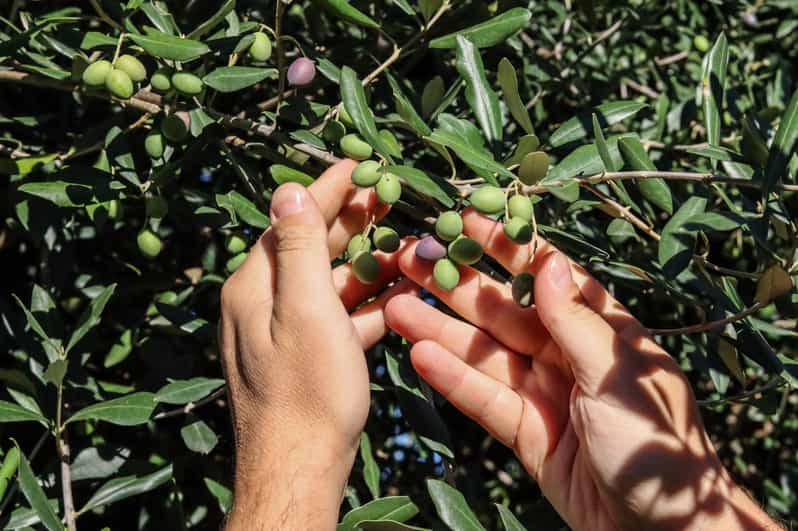
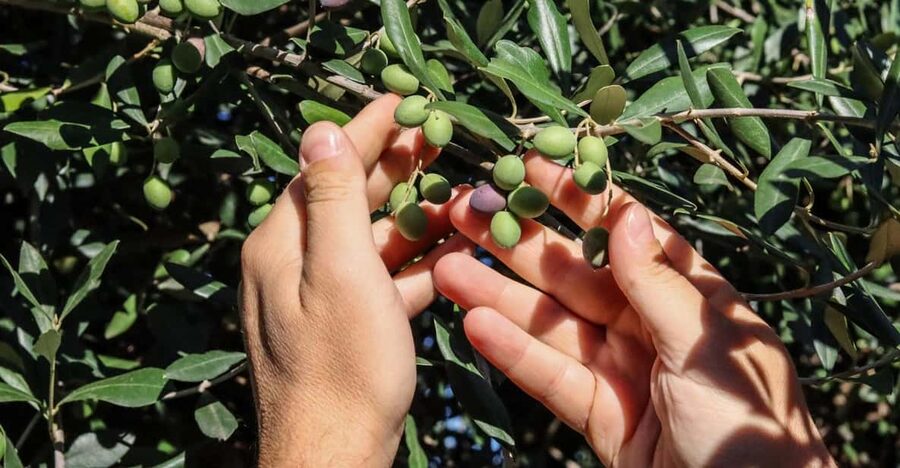
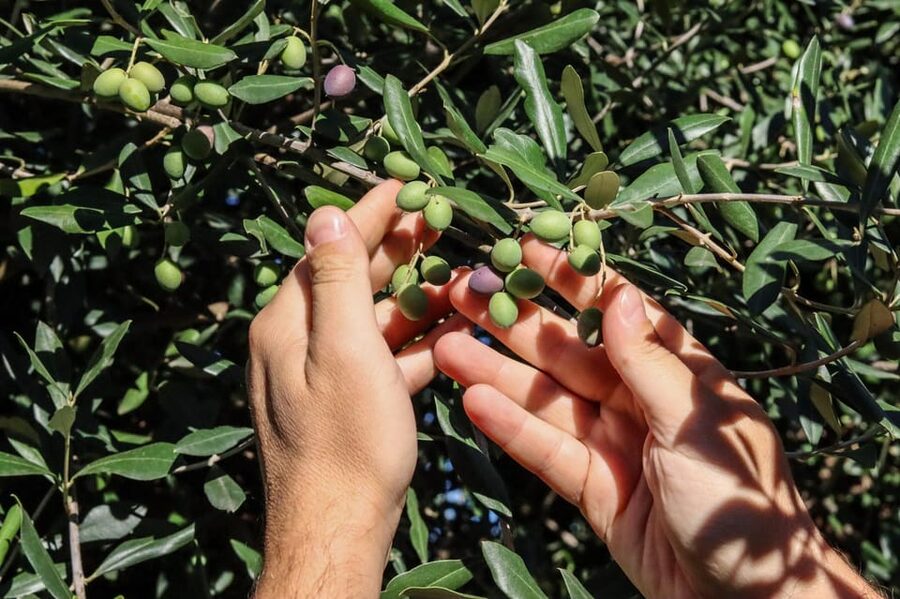
The mill visit begins with the setting: olive groves and old trees that connect the tasting to the place where the oil is made. You are not simply sitting at a shop counter in central Sorrento. You get a look at the agricultural side of the product first.
The grove visit is likely to appeal most if you want context for Sorrento’s food culture. The area is known for citrus, olives, and simple ingredients used with care. Seeing the trees before tasting helps you understand that extra virgin olive oil is not one uniform product. Its taste depends on the olives, harvest, production method, and anything added afterward.
Still, keep your expectations measured. The experience does not promise a full technical lesson in olive botany or farming. If you want detailed information about different olive varieties, pruning, or the harvest calendar, you may need to ask direct questions.
That point matters because one visit felt too brief for a guest hoping to see more of the groves and learn about the harvest while olives were being picked. If agricultural detail is your main reason for booking, this may not go far enough on its own.
Inside the mill during or outside harvest season
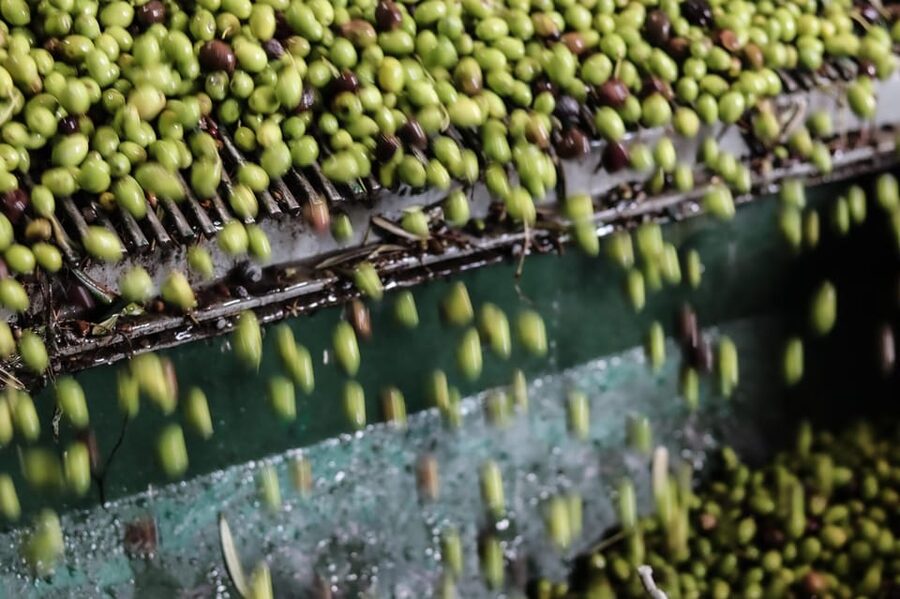
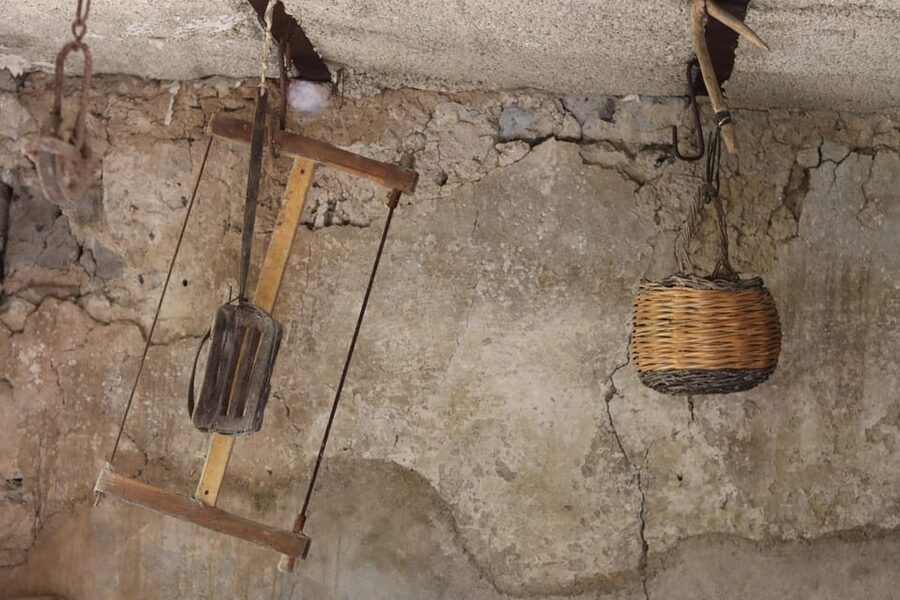
The guided mill visit gives you a look at how the oil is produced. The most interesting time to go is during active milling, when you can see the machinery in use and connect the finished bottle with the work behind it.
Production is not guaranteed. One visit took place when the mill was not operating, so a video explained the process instead. That is a reasonable substitute, but it is less satisfying than watching the machinery run. If seeing production is important to you, ask about the current milling schedule before booking.
The tour is best understood as a short introduction rather than a full mill-school lesson. You will hear about organic production methods and can ask questions, but the amount of detail may depend on the guide and the time available. Viola, one guide who hosted a visit, was praised for answering many questions and making the experience feel personal.
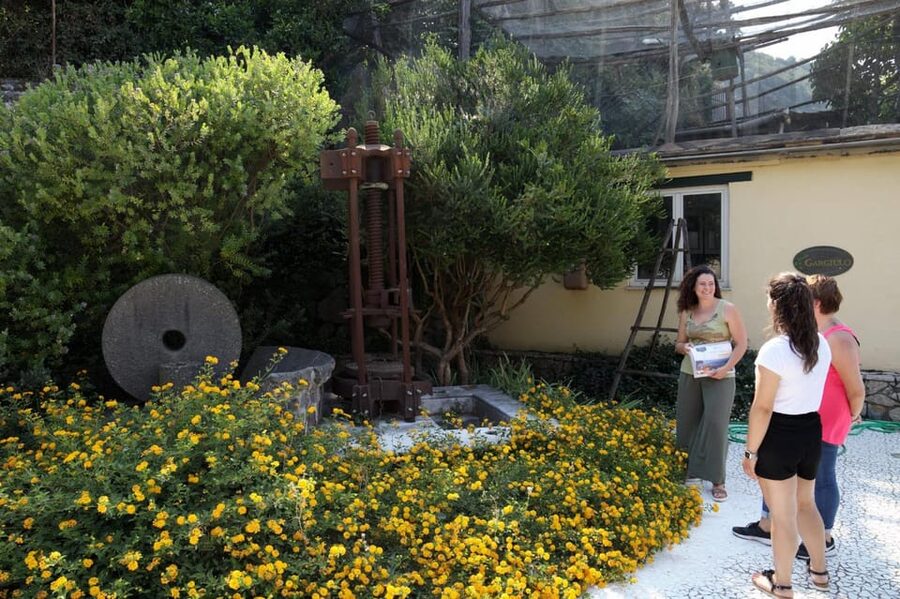
The presentation area upstairs adds a pleasant change of pace. It is used for eating and tasting, and it gives the activity a more relaxed setting after the walk through the mill and orchard.
Fifteen oils, followed by a parade of flavors
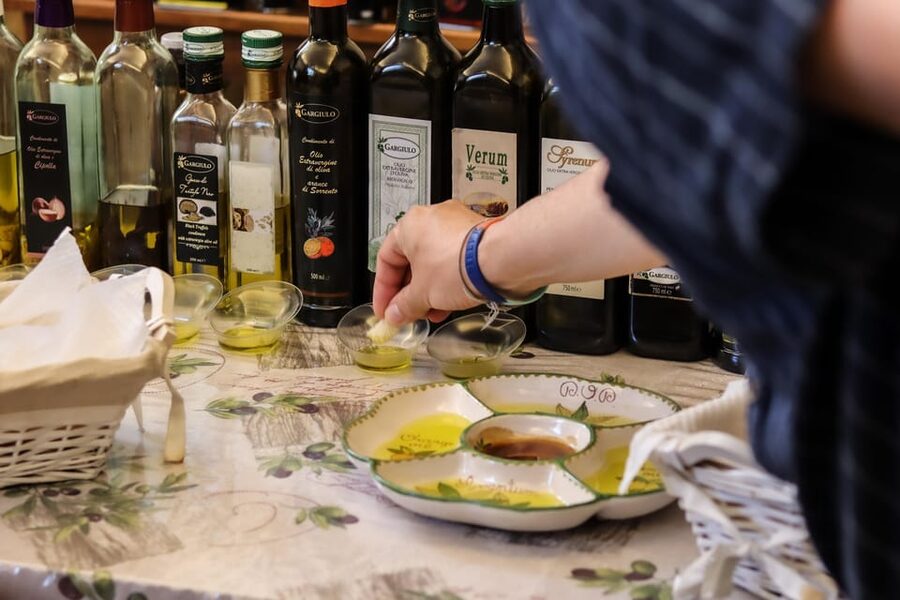
The central tasting includes 15 different extra virgin olive oils. That is enough to make you slow down and compare rather than simply declare that everything tastes like olive oil.
You may sample traditional oil alongside flavored versions made with:
- Lemon
- Orange
- Truffle
- Chili
- Other local or specialty ingredients
The full range includes about 20 blends. The tasting is designed to show how oil can change a dish, not just add moisture. The guide explains ways to use each flavor, which is useful because some blends suit very different foods.
I would pay close attention to the culinary suggestions. A citrus oil may work well with fish, vegetables, or salads, while chili oil can bring heat to pasta or grilled food. Truffle oil has a stronger identity and should be used with restraint. The point is not to buy every bottle. It is to learn which flavors you would actually use at home.
You should also expect some sales pressure in the gentle, practical sense that the products are available to buy. That is normal for a mill visit built around tasting. The advantage is that you can taste before spending money. You are not guessing from a pretty label.
Same olive country, a different way to taste it:
- Sorrento Farm and Food Experience including Olive Oil, Limoncello, Wine tasting
★ 5.0 · 2,524 reviews - Olive oil tasting in Sorrento
★ 5.0 · 434 reviews - Sorrento: Lemon, Olive Oil and Wine Tasting Tour with Lunch
★ 5.0 · 300 reviews - Alghero: Wine and Olive Oil Tasting at a Local Farm
★ 4.8 · 294 reviews
Honey, balsamic glaze, and citrus marmalade
The tasting continues with products from Sorrento and the Amalfi Coast. This section helps break up the oil comparisons and gives you a fuller picture of regional pantry foods.
The balsamic glaze is made from grape must and has an intense sweetness. It is suggested with cheese or over salads. Because it is a glaze rather than a thin vinegar, you can think of it as a finishing ingredient. A little can change a plain plate of cheese or greens.
Honey is another highlight. The selection includes millefiori honey, sometimes combined with lemon. Try it with cheese or on homemade bread from a wood-fired oven, if that pairing is being served during your visit. The lemon version fits naturally with the citrus flavors found throughout the area.
The citrus marmalades finish this portion of the tasting. Sorrento is strongly associated with lemons, so this is more than a random spread on a table. It shows how the same local flavor appears in oils, preserves, sweets, and drinks.
I like this part because it gives you useful souvenirs beyond the famous yellow bottles of limoncello. Marmalade and honey are easier to use at breakfast, and balsamic glaze can become a quick addition to salads or cheese plates.
Limoncello and cream liqueurs to finish
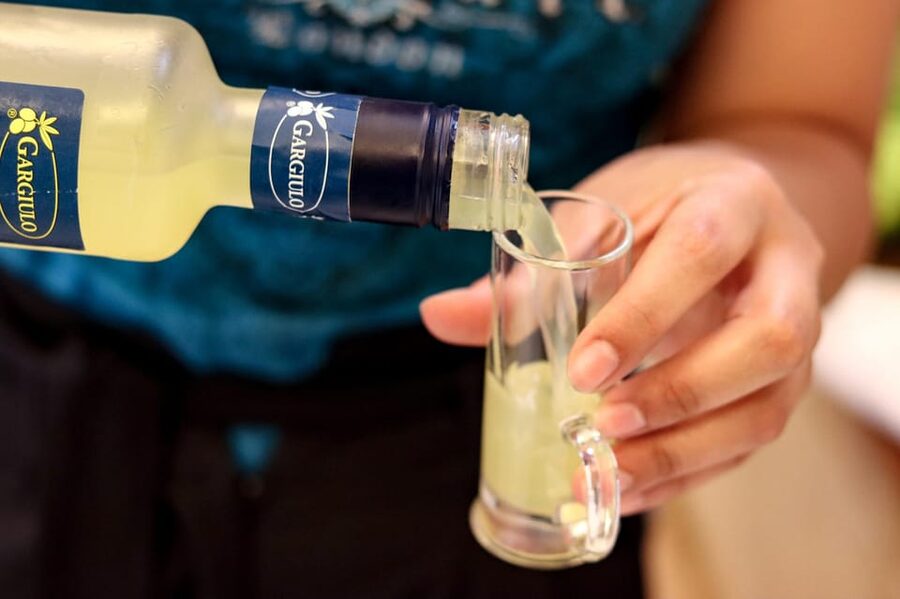
The final tasting focuses on local liqueurs, led by Sorrento’s famous limoncello. You will hear how it is made with local lemons and taste the classic version before trying cream-based variations.
Possible samples include:
- Lemon cream liqueur
- Pistachio cream liqueur
- Chocolate cream liqueur
- Limoncello
These are paired with local sweets such as babà and delizia limone. The combination makes sense: the liqueurs are sweet and concentrated, while the pastries provide something to eat alongside them.
If you are sensitive to alcohol or simply prefer a slower tasting, remember that the activity includes several alcoholic samples after the oils, vinegar, honey, and marmalades. You do not need to treat every sample as a full drink. Ask questions, take small tastes, and focus on the differences.
Campanian wine tasting is available for an extra fee. It is not part of the standard price, so you should ask about the add-on before assuming wine will be included.
What the $50 price really gets you
At $50 per person, this is not the cheapest way to taste one bottle of olive oil. The value comes from the combination of transport, a guided mill visit, and a long sequence of samples.
Your included package covers:
- Pickup and drop-off
- A guide in English or Italian
- The olive mill visit
- Extra virgin olive oil tasting
- Balsamic glaze, honey, and marmalade tasting
- Liqueur and cream liqueur tasting
If you were already planning to visit a mill independently, you might spend less on products alone. But reaching a rural site without a car can be awkward, and buying a bottle without tasting it first is a gamble. The included ride is especially useful for visitors based in Sorrento who want a short, organized outing.
The value is strongest for food-focused visitors and weaker for anyone seeking a long agricultural tour. You are paying for variety and convenience more than for a detailed technical seminar.
One practical tip: bring room in your luggage, or be prepared to ship products home. Several participants bought enough items to arrange shipping. The mill also sells cosmetics made with olive oil, but those cost extra and are not part of the tasting price.
The guide can shape the whole visit
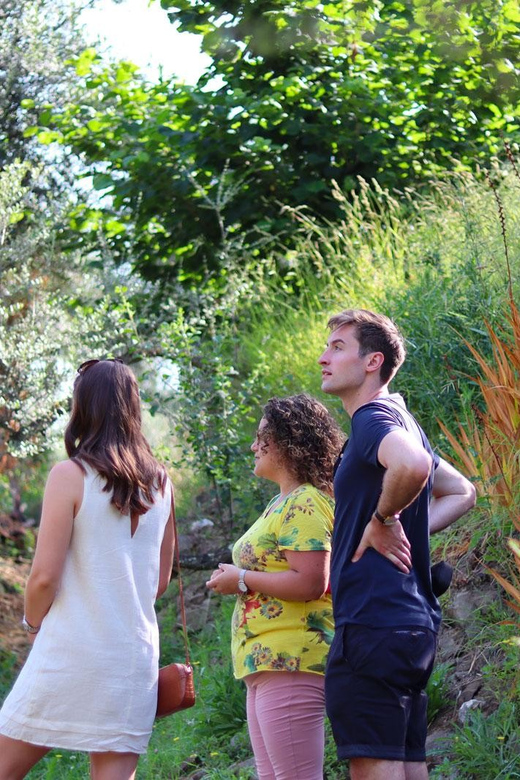
The staff’s ability to explain the products matters here. Tasting 15 oils without guidance can quickly become a blur. A good host will help you notice texture, bitterness, fruitiness, heat, and the way flavor changes in the flavored blends.
Viola has hosted at least some visits and was especially effective at answering questions. If she is your guide, ask about the production methods, the differences between plain and flavored oils, and the best uses for each bottle.
The official guide languages are English and Italian. If you have a food allergy or dietary concern, ask before tasting rather than relying on assumptions. The exact ingredients in every blend or sweet may vary, and the provided information does not list allergen procedures.
The activity seems to work well with an informal question-and-answer style. That is good news if you like to learn by asking rather than listening to a long lecture. It can also mean that the amount of detail varies with the group.
Who should book this olive mill visit?
I would recommend it to you if you:
- Want a short food experience close to Sorrento
- Enjoy tasting several products before buying
- Need pickup because you are not driving
- Like edible souvenirs and regional pantry goods
- Want to learn how to use flavored olive oils at home
- Are curious about limoncello and cream liqueurs
- Prefer a relaxed tasting to a formal cooking class
Families may also find the variety appealing, though the liqueur portion is aimed at adults. The 1.5-hour length works well when you have limited time or need to keep a young group moving.
I would hesitate if your main goal is a detailed study of olive farming. The orchard and mill are included, but the visit can be short, and production may not be running. You might see a video instead of active machinery.
The same goes for serious wine fans. Campanian wine tasting is optional and costs extra, so this is primarily an olive oil and local-products experience.
Practical details before you reserve
The tour runs in English and Italian. Starting times vary, so check availability for your date. Pickup and drop-off are included from accommodations in the Sorrentine Peninsula, but confirm that your exact lodging is covered if you are staying outside the main Sorrento area.
You can cancel up to 24 hours in advance for a full refund, and you can reserve now while paying later. Those terms are useful if your coastal itinerary may change because of transport or weather.
Plan for about 1.5 hours in total. The guided portion is listed as one hour, so some of the remaining time is likely connected with pickup, drop-off, and movement between sections of the visit.
Should you book it?
Book this olive mill visit if you want a convenient, tasty introduction to Sorrento’s food culture, especially if you enjoy comparing flavors and buying products you have already sampled. The 15 oils, citrus blends, honey, marmalade, glaze, and liqueurs give you much more variety than a simple oil-and-bread stop.
Skip it if you want a long harvest lesson, a guaranteed working mill, or a full wine tour. For most visitors, the best reason to go is the mix of easy transport and generous tasting time. Ask about active production before you reserve, and treat the guide as your key to getting the most from each sample.
FAQ
Where does the olive mill experience take place?
The visit takes place on the Sorrentine Peninsula in the Campania region near Sorrento.
Is hotel pickup included?
Yes. Pickup and drop-off are included from accommodations in the Sorrentine Peninsula.
How long does the activity last?
The full experience lasts about 1.5 hours. The guided visit itself is listed as approximately one hour.
What languages are available?
The live guide service is available in English and Italian.
How many olive oils will I taste?
You will taste 15 different types of extra virgin olive oil. The full selection includes around 20 blends, with flavors such as lemon, orange, truffle, and chili.
Is wine tasting included?
No. Campanian wine tasting is available for an additional fee.
Can I buy olive oil cosmetics at the mill?
Yes. Cosmetics made with olive oil are available for purchase, but they are not included in the tour price.
Freshly pressed around Italy
- E-bike tour in Ostuni, the olive trees and the rock village★ 5.0 · 4 reviews
- Tuscan ExtraVirgin Olive Oil Tour★ 5.0 · 4 reviews
- Wine and Extra virgin olive oil tasting in Lucca, Tuscany★ 5.0 · 3 reviews
- Lecce : Half day E-Bike tour to Old Olive Mill & Olive Oil Taste★ 5.0 · 3 reviews
- Bellagio/Lezzeno/Oliveto Lario to/from Milan Malpensa Apt (Private Transfer)★ 5.0 · 4 reviews
- Sunset Magic E-bike Tour at Sunset in Capoliveri★ 5.0 · 4 reviews
- Chianti from Florence:PRIVATE Wine, Olive Oil Tasting in the Tuscan countryside★ 5.0 · 2 reviews
- Leonardo Da Vinci’s wind mill visit and Organic olive oil tasting★ 4.5 · 12 reviews
Olive Mill and Factory Tours, compared.
Crete: Quad Safari, Olive Mill with Tasting & Ghost Village
Read our review →
From Mendoza: 3 Wineries, Olive Oil Factory Tour & Tasting
Read our review →
Knossos-Zeus Cave -Old Traditional Villages-Olive Oil Factory
Read our review →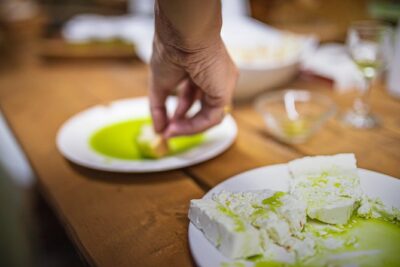
The Governor’s Olive Mill Tour with Olive Oil Tasting
Read our review →
Crete: Road-trip to Lasithi, Zeus Cave & Olive Mill Farm
Read our review →
Lassithi, Zeus Cave, Olive Mill Farm & Knossos Combo Tour
Read our review →
Zeus Cave, Lassithi Plateau, Olive Oil Factory, Kritza, Pottery
Read our review →
Crete: Zeus Cave, Lassithi Plateau, and Olive Factory Tour
Read our review →Other lists with this tasting on them