
Review · CROATIA
Šibenik: Croatia in a Day, Vistas, History, Olive Oil, Wine
The star of this Šibenik outing is not a famous monument. It is the family-run olive mill at Uljara Lepur, where you taste five award-winning oils, meet the people behind them, and see how olives become oil. The route also brings broad views from Okit Hill and Kamenjak, plus a useful account of Croatia’s wars and political changes.
I like the mix of food and history, and I like the small group of no more than eight people. Guide Neil, also described as Dr. Neil, is praised for making difficult history easy to follow, while Fiona handles the organization and Brane Lepur welcomes you at the mill. The main consideration is timing: the experience is advertised as six hours, but the practical information also refers to five hours, so confirm the schedule before booking.
Key points at a glance

- Five olive oils, not just one quick taste: Learn to compare aroma, balance, flavor, and different grades of extra virgin oil.
- A real family olive mill: Brane Lepur leads you through the grove and production site, with local food and wine served afterward.
- History beyond Šibenik’s old town: Okit Hill, Kaštel Benković, and other stops explain the region’s long record of conflict and change.
- Two excellent viewpoints: Look across the Dalmatian countryside and toward the Kornati Archipelago from Okit Hill and Kamenjak.
- A small, sociable group: The air-conditioned minibus carries a maximum of eight people, with optional pickup from your accommodation.
- Good value at $64: Tastings, guiding, transport, and food bites are included. A fuller buffet lunch costs an additional €20.
Why this half-day trip works
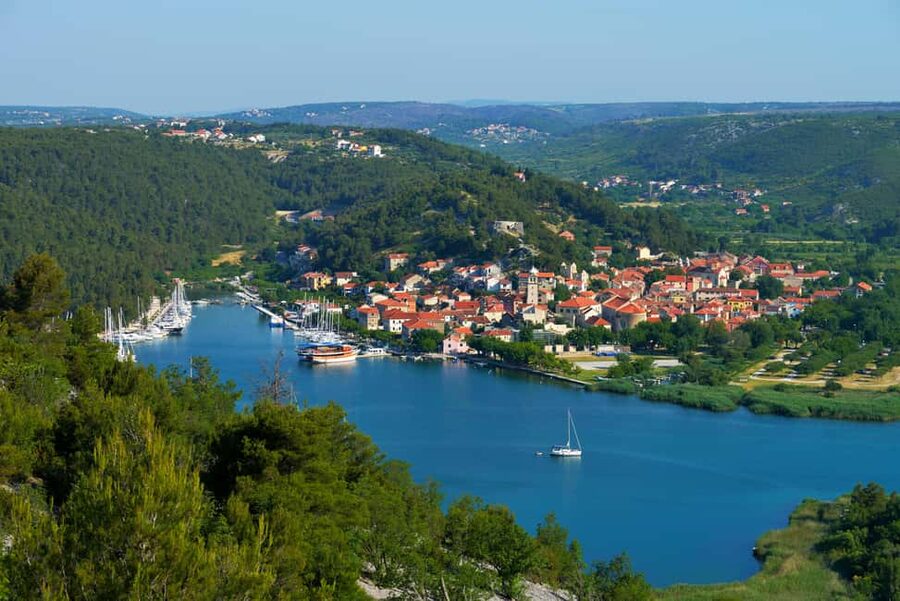
Many excursions from Šibenik stay near the coast. This one turns inland, where olive groves, vineyards, old villages, and hilltop viewpoints tell a different story about Dalmatia. I like that the day is not built around one blockbuster sight. Instead, it links several modest but meaningful places.
You get history, scenery, and food in a single outing. That makes the tour useful if you have already seen Šibenik’s cathedral and medieval lanes and want a better sense of the surrounding region. It also suits anyone who enjoys learning through local produce rather than simply passing through a village for a photo.
The group size matters. With eight people or fewer, Neil can answer questions during the drives and keep the history conversational. The minibus is air-conditioned, an important detail in summer, when temperatures can reach the mid-30s Celsius. Pickup is optional, and the central meeting point is Šibenik bus station.
The trip begins around 11:30 and returns around 17:30 according to the main schedule. One practical note says five hours rather than six, so I would check the exact departure and return time when reserving. You should also watch for a message or WhatsApp contact before the tour and reply to confirm.
More Olive Oil and Wine Tastings in Croatia
- Split: Krka Waterfalls With Boat Cruise, Wine and Olive Oil
★ 4.3 · 1,507 reviews - Wine, food and olive oil by PhD student
★ 5.0 · 111 reviews - Hvar: Island tour with Wine and Olive Oil Tasting
★ 4.9 · 77 reviews
Okit Hill and the view toward the Kornati Islands
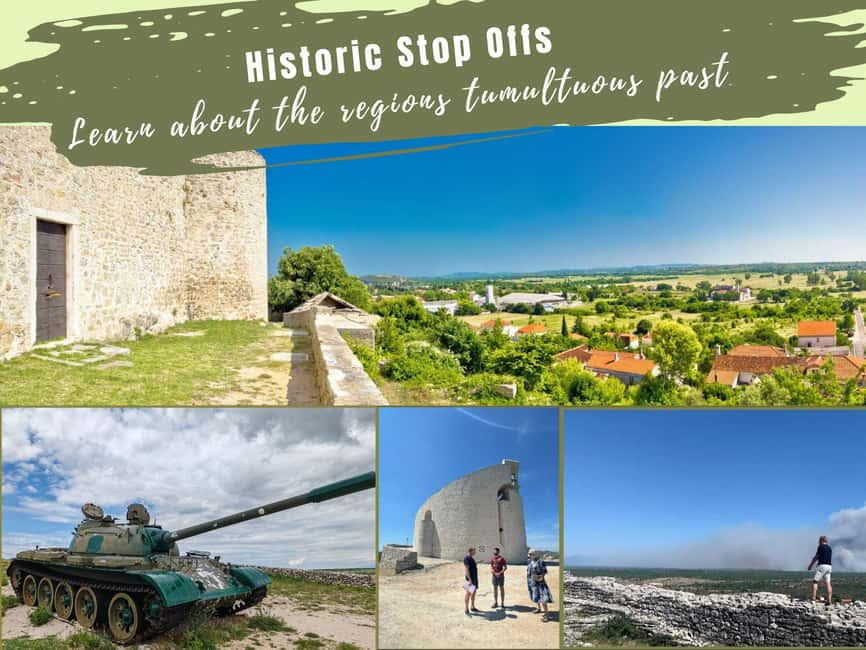
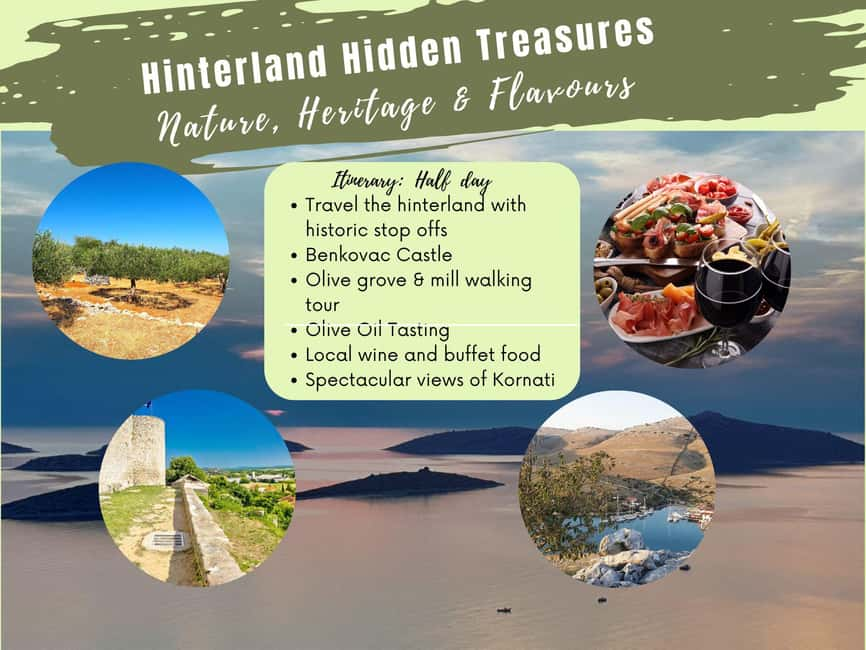
After a short safety briefing and an inland drive, the first proper stop is the Sanctuary of Our Lady of Carmel at Okit. The stop is brief, around 15 minutes, but the view gives you an immediate sense of Dalmatia’s geography.
From Okit Hill, you can look across olive groves and vineyards toward the coast and the Kornati Archipelago. This is the kind of stop that helps you understand the area before the storytelling begins. The coast is not an isolated strip of beaches. It connects to a broad hinterland shaped by farming, trade, military routes, and shifting borders.
Neil uses the viewpoint to explain more than 2,000 years of local history. Expect discussion of the region’s wars, political changes, communism, and the more recent fight for Croatian independence. The subject is serious, but the guiding style is meant to be clear and approachable rather than academic.
The drawback is simple: 15 minutes is enough for views and an introduction, not a long visit. If you want a lengthy religious or architectural tour, this will feel short. The value lies in the setting and the context it provides for the rest of the day.
Kaštel Benković and Dalmatia’s difficult past
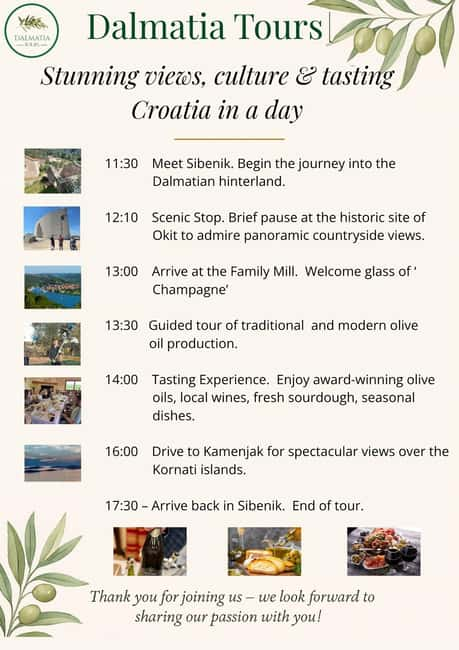
The next stop is Kaštel Benković, reached after another drive through the countryside. The guided visit lasts about 35 minutes. This adds a historic site to the day and keeps the experience from becoming only an olive oil excursion.
The region around Šibenik and the inland routes has long been a strategic meeting point between the coast and the interior. That position brought trade and contact, but it also brought conflict. At Kaštel Benković, Neil places the local site within that wider story.
I find this part especially useful for visitors who know little about Croatian history. The country’s past can be hard to follow because different empires, political systems, and national movements overlap. A guide who can connect the local site to those larger changes saves you from trying to piece everything together from isolated plaques.
The stop is not presented as a grand palace visit. It is part of a wider route, and the guided explanation is the main reason to go. You will spend more time listening and looking than wandering through a large complex, so set your expectations accordingly.
Uljara Lepur, where the day becomes personal
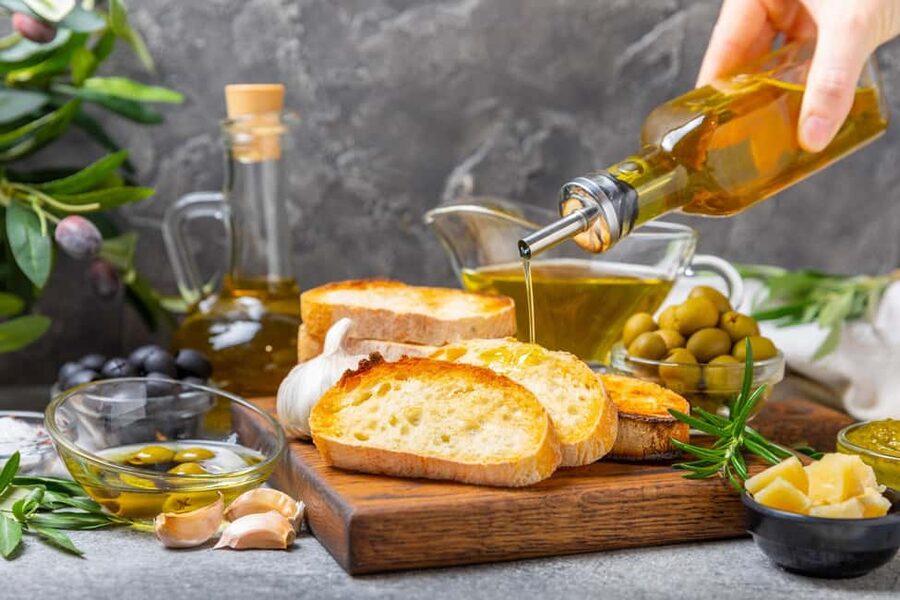
The heart of the experience is Uljara Lepur, a family-owned olive grove and mill in a historic village. The arrival begins with a welcome glass of local sparkling wine, sometimes described as Dalmatia’s answer to champagne. This gives the tasting a relaxed start without making it feel like a formal wine seminar.
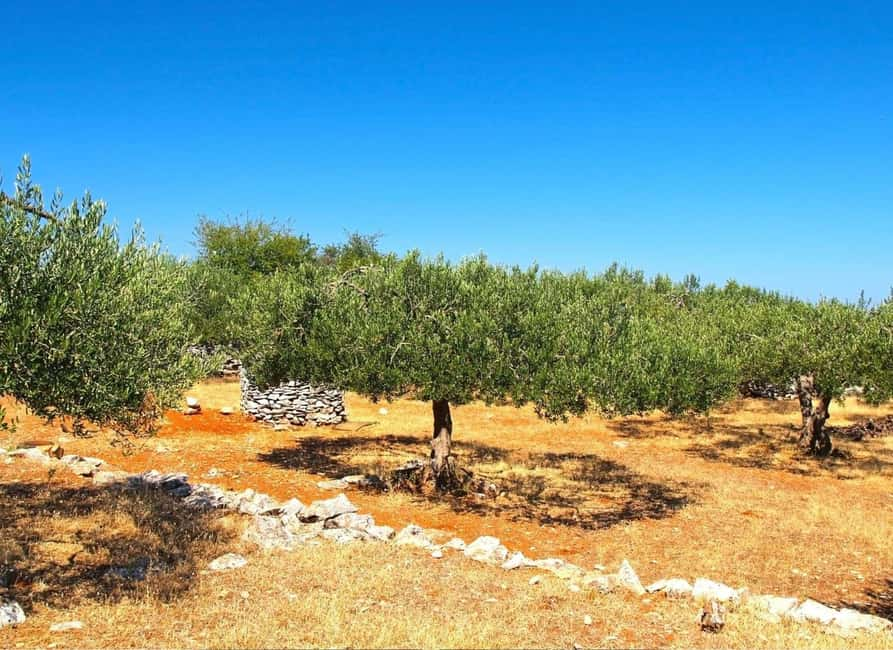
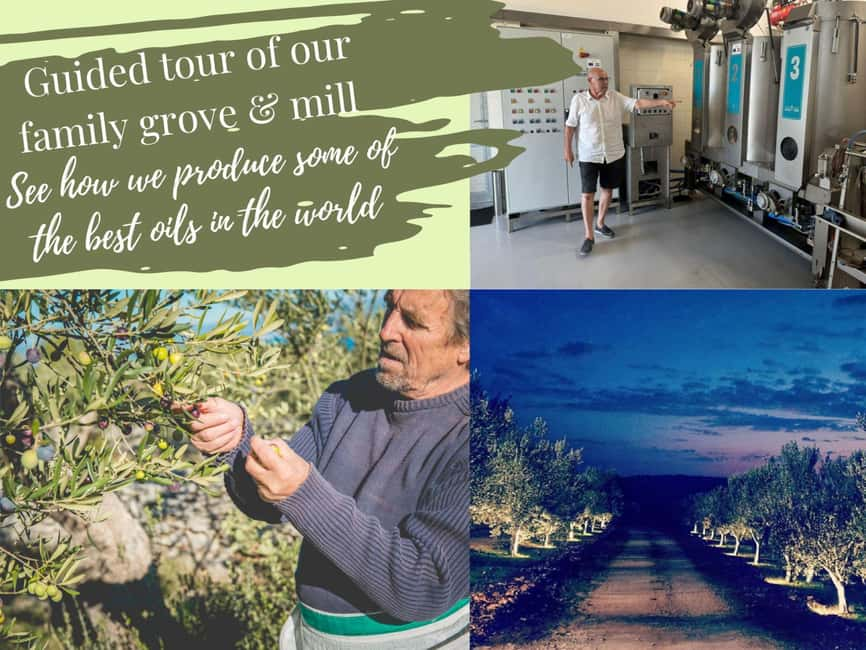
Brane Lepur and his family are central to the visit. You walk through the olive trees, either on foot or as part of a driving tour, and learn how soil, climate, local practice, and timing affect the oil. One particularly memorable detail from the experience is the possibility of seeing the grove from a 40-year-old British fire engine. That unusual vehicle is part of the charm of the visit and helps keep the farm tour from feeling staged.
The family story adds weight to the food on the table. You hear about survival through communism and the recent war for independence, not as a detached lecture but as part of the history of a working Croatian family. You may also meet Brane’s wife and daughter during the visit, and coffee with the family has been part of the welcome.
This is where the tour feels most different from a standard tasting. You are not simply handed a bottle and told it is excellent. You see the trees, visit the mill, hear about production, and then taste the result.
Same olive country, a different way to taste it:
- Private Krka Waterfalls tour with 30min Boat Cruse
★ 4.0 · 458 reviews - Split: Klis Fortress GOT and Olive Museum Entry Tickets
★ 4.6 · 283 reviews - Split: Blue Line Sightseeing to Trogir, Klis & Olive Museum
★ 4.3 · 197 reviews - Visit Klis fortress GOT & Olive museum Klis
★ 4.5 · 77 reviews
Learning to taste five olive oils
The oil session includes five oils, with a mix of award-winning products. Neil explains how to pay attention to aroma, balance, and flavor, along with the health benefits associated with good olive oil.
If you normally use olive oil only as a cooking ingredient, this tasting can change how you think about it. Oils can vary in freshness, strength, and character. The point is not to identify a single winner, but to notice how different oils behave and which styles you prefer.
The mill uses modern cold-press methods backed by generations of experience. The tour explains how olives are turned into oil and why production methods affect the final bottle. You also learn about different grades of oil sold by the family.
I like that there is no need to pretend you are an expert. The instruction is practical. You taste, compare, ask questions, and then decide what suits you. Oil is available to buy at the end, and the tour makes that purchase more useful because you know what you are taking home.
The health information is also part of the talk. It includes possible benefits linked to heart health, stroke prevention, and dementia risk. Treat those points as general food education rather than personal medical advice, but they add another reason to pay attention to quality and freshness.
Croatian wine and Dalmatian food at the mill
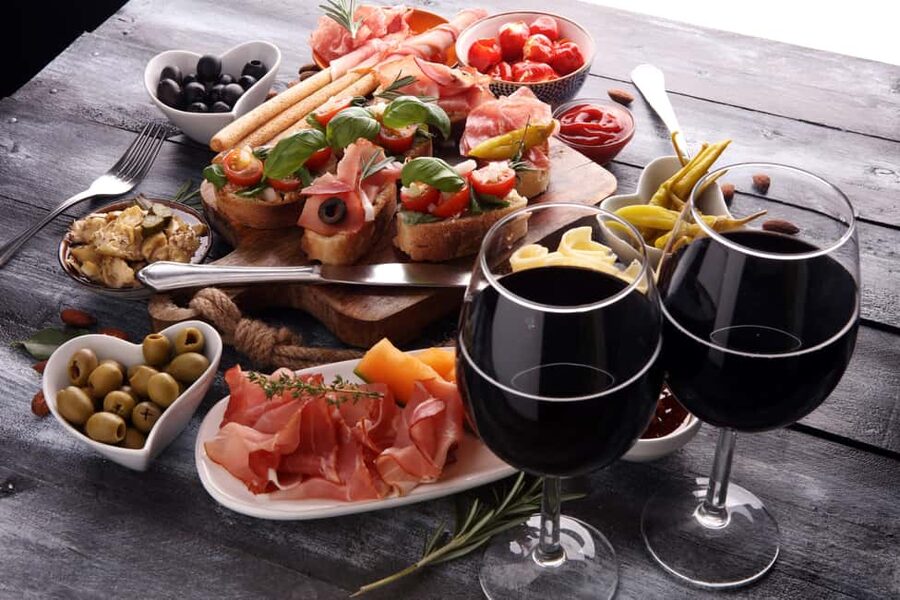
The wine tasting includes local sparkling wine, one red, and two white wines made from native Croatian grape varieties. This is a helpful introduction if you are familiar with French, Italian, or Spanish wine but less familiar with Croatia.
The wines are served with local food bites, so you are not tasting on an empty stomach. The food can include Dalmatian products, and the fuller lunch option includes cold buffet-style meats, seafood, cheeses, fruit, and vegetable dishes. The meal is served with Croatian wine chosen to suit the food and your preferences.
The optional lunch costs €20. I would consider adding it if you want the visit to feel like a complete food experience rather than a tasting stop. It is not a hot restaurant meal, but the cold buffet format fits the relaxed setting and gives you more time with the family and the group.
Several details make this part memorable: locally produced ingredients, generous use of the olive oil, wine made in the area, and the chance to eat in the same place where you have just seen the grove and mill. You are not merely sampling products in a shop.
If you have dietary restrictions, ask before booking. The supplied details describe the foods served, but they do not promise specific substitutions.
Kamenjak and Lake Vrana
The final major viewpoint is Kamenjak Nature Park above Lake Vrana. The stop includes a photo break and sightseeing, with about 10 minutes listed for the view. From this high point, you can look across Lake Vrana and toward the Kornati Archipelago.
This is a strong ending because it returns the day to the wider setting. At Okit Hill, the view introduces the relationship between coast and countryside. At Kamenjak, you can look back over the area after learning about its farming, history, and food.
Again, keep the timing in mind. Ten minutes is enough to take photos and absorb the panorama, but it is not a long nature walk. The experience is built around several short stops linked by driving, not a full day of hiking.
After Kamenjak, the minibus heads toward the listed drop-off points, which include Šibenik and Biograd na Moru, with additional locations shown in the booking information. If you are staying outside central Šibenik, confirm that your address is covered before paying.
What the $64 price really includes
At $64 per person, this is good value if you use the full package. The price includes transport, an English-speaking guide, the hilltop and historic stops, the olive grove and mill visit, five oil tastings, sparkling wine, three additional wine tastings, and food bites.
You are also paying for access to a family business that would be difficult to visit in this organized way on your own. The guide connects the farm to the region’s past, while the family gives you a direct look at production and rural life.
The optional €20 lunch changes the final cost, so budget for it if you want the buffet. You can also buy oil separately. I would not treat the purchase as required, but the tasting gives you a sound basis for choosing a bottle.
The value is strongest for people who want variety. If your only goal is an olive mill visit, you may prefer a shorter food tour. If you want a simple countryside drive with no history, the amount of explanation may feel like too much. For a half-day introduction to rural Dalmatia, the price is fair.
Who should book this experience
I would choose this trip if you want to get outside Šibenik without giving up comfort. The air-conditioned minibus, small group, and short walking sections make it approachable for many adults, though the tour is not designed for children under 12.
It is especially suited to:
- People interested in olive oil, wine, and regional cooking
- First-time visitors who want historical context beyond the coast
- Couples, families with older children, and small friend groups
- Visitors who prefer family businesses over large commercial tastings
- Anyone who enjoys scenic viewpoints but does not want a full hiking day
The tour is offered in English, and the hosts are described as natural storytellers with extensive local knowledge. If you prefer a quiet sightseeing trip with little talking, this may not be your best choice.
The stated age guidance also says the experience is not suitable for people over 95. The supplied information does not provide detailed accessibility notes, so ask about walking needs before booking.
Should you book the Šibenik countryside tour?
I would book it if you want a taste of Dalmatia beyond the postcard coast. The olive grove and mill are the strongest part, but the day works because Neil’s history talks and the two viewpoints give the food a clear sense of place.
Book the €20 lunch if you want a fuller meal and more time with the local family. Confirm the exact duration, pickup point, and return arrangement because the information gives both five-hour and six-hour timings. Also reply to the pre-tour WhatsApp message so the operator knows you are coming.
Skip it if you want a fast checklist of major monuments or a long nature walk. Choose it if you value personal stories, local produce, wide views, and a small group. At $64, it offers a generous amount of food, guiding, transport, and regional context in one well-filled afternoon.
FAQ
Where does the tour start?
The standard meeting point is the central bus station in Šibenik. Look for the silver Opel minibus.
Is pickup from my accommodation available?
Yes. Optional pickup is available for your group from your place of stay in an air-conditioned bus. Confirm your address in advance.
How long does the experience last?
The main schedule lists six hours, from approximately 11:30 to 17:30. Another instruction describes it as five hours, so confirm the exact timing when booking.
What language is the tour in?
The tour is conducted in English with a live guide.
How many people are in the group?
The group is limited to eight participants.
What olive oil tasting is included?
You taste five olive oils, including award-winning oils, and receive guidance on aroma, balance, flavor, and production.
What wines are included?
The tasting includes local sparkling wine, one red wine, and two white wines made from Croatian grape varieties.
Is lunch included in the price?
Food bites are included, but the fuller cold buffet lunch costs an additional €20. The lunch includes local meats, seafood, cheeses, fruit, vegetable dishes, and Croatian wine.
Can I buy olive oil after the tasting?
Yes. Oil is available to purchase and take home after the mill visit.
More History and Heritage Tours around Croatia
- Olive Oil Guided Tasting and History in Pula
★ 4.5 · 34 reviews - Zadar Olive Oil & Wine with Dalmatian Views & History
★ 5.0 · 34 reviews - Heraklion: Zeus Cave & Knossos History, Villages & Olive Oil
★ 4.9 · 89 reviews - Richtis Waterfall, History, Azoria, OliveTasting, NorthCoast
★ 5.0 · 83 reviews
Freshly pressed around Croatia
- Makarska Tuk Tuk Tour Olive Grove, Scenic Views and Tastings★ 5.0 · 3 reviews
- Small-Group Olive Oil Tour in Cres with Tasting★ 5.0 · 2 reviews
- Private Hvar Island Tour and Olive Oil Tasting★ 4.5 · 10 reviews
- Poreč: Olive Grove Walk and Tasting with Local Products★ 5.0 · 5 reviews
- Kastela: Wine & Olive Tasting Tour w/Delicacies & Live Music★ 5.0 · 5 reviews
- From Biograd: Wine and Olive Oil Tasting in Ražnjevića Dvori★ 4.7 · 3 reviews
- Private Split & Klis Fortress Tour, Olive Museum & Port Pickup★ 4.5 · 13 reviews
- Istrian hill top cities tour with truffle and olive oil tasting★ 5.0 · 18 reviews
Olive Oil and Wine Tastings, compared.
Sorrento Farm and Food Experience including Olive Oil, Limoncello, Wine tasting
Read our review →
From Mendoza: 3 Wineries, Olive Oil Factory Tour & Tasting
Read our review →
From Chania: Olive Oil, Wine, Cheese & Honey Tasting Tour
Read our review →
From Chania: Wine and Olive Oil Tasting Tour with Snacks
Read our review →
Athens: Acropolis Wine Tasting with Cheese and Olives
Read our review →
Sorrento: Lemon, Olive Oil and Wine Tasting Tour with Lunch
Read our review →
Alghero: Wine and Olive Oil Tasting at a Local Farm
Read our review →
Other lists with this tasting on them