Review · CHANIA
Chania Old Town – Millennial Olive Tree – Olive Oil Mill
Chania’s past and Crete’s olive-oil culture come together neatly on this private half-day outing. You’ll move from Minoan and Venetian Chania to a roughly 3,000-year-old olive tree, then see how oil is made at Biolea.
I like the private vehicle, hotel pickup, and small-group format, which leave room for questions and a pace that suits your group. I also like that the tour does more than offer a tasting: you visit a museum and an operating olive mill, then finish with snacks and wine at Biolea.
The main drawback is the price: $752.43 for up to six people is a serious outlay for a five-to-six-hour tour. It makes far better sense for a full group than for one or two people, and the outdoor stops require decent weather.
Key points to know before booking
- Chania Old Town comes first: Spend about two hours tracing Minoan, Hellenistic, Ottoman, Venetian, and modern layers of the city.
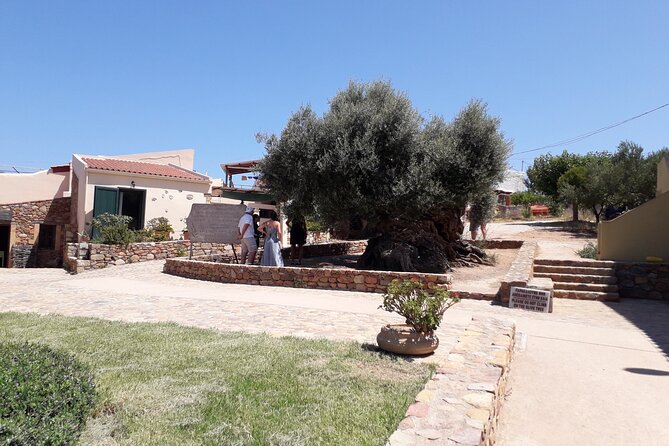
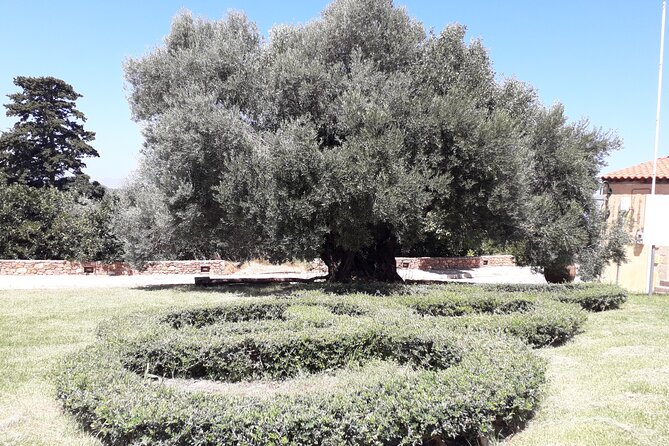
- The Vouves olive tree is the visual centerpiece: See a huge trunk believed to be about 3,000 years old and visit the museum beside it.
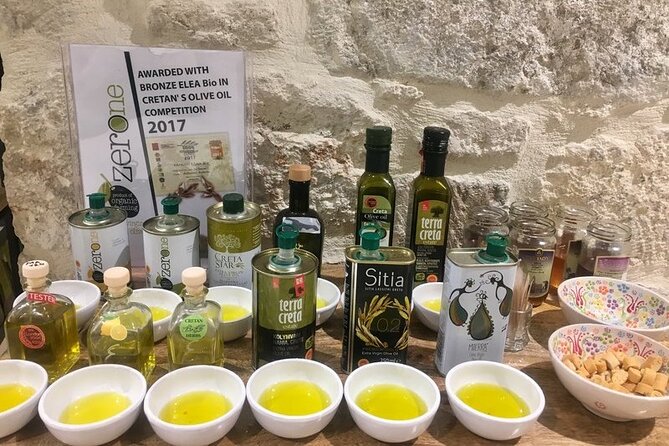
- Biolea shows the process: Watch traditional stone milling and pressing alongside modern equipment, followed by an olive oil tasting.
- Tatiana has earned especially warm praise: Her guiding covers ancient history, recent events, and present-day Cretan culture.
- Your group stays private: Pickup and drop-off at your Chania hotel, Wi-Fi, bottled water, and museum admission are included.
- Plan for an open-air day: Wear comfortable shoes and clothes, and bring sunglasses, a hat, and money for extra drinks, meals, or souvenirs.
Chania Old Town, from Minoan streets to Venetian stone
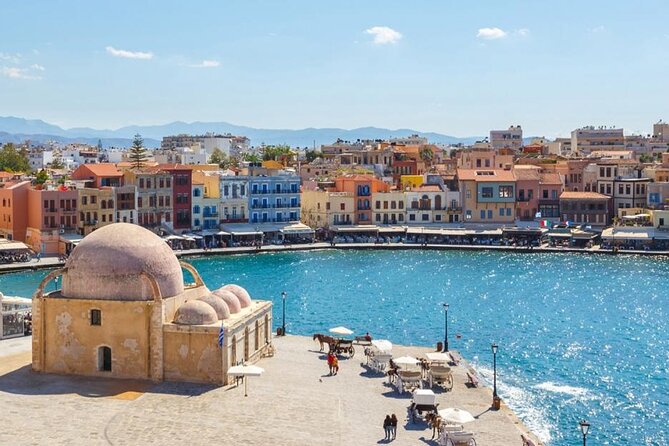
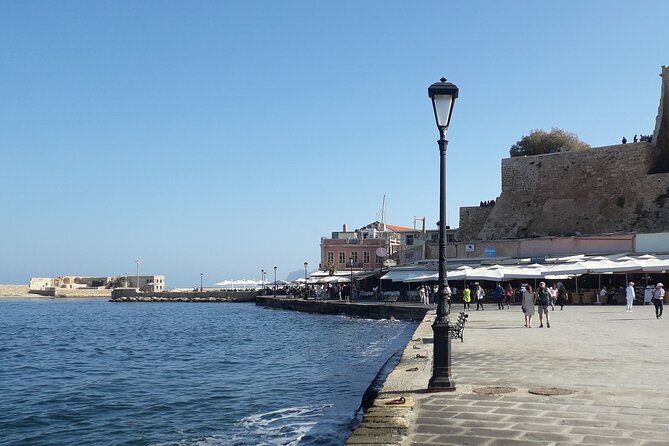
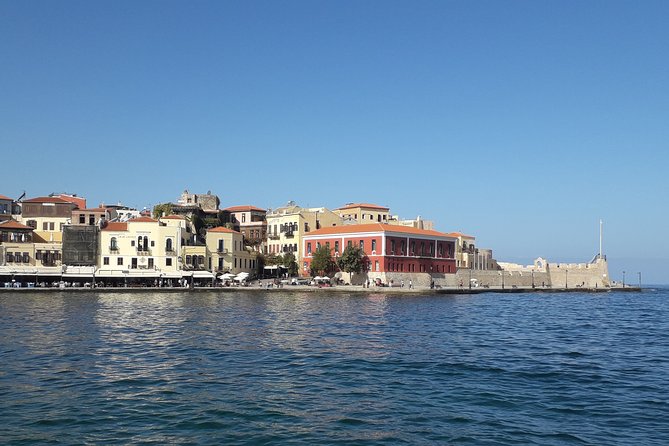
The tour begins in Chania, where the old center works like a history book with its pages shuffled. In a single walk, you may encounter traces of Minoan neighborhoods, Hellenistic walls, Ottoman bathhouses, Latin inscriptions, Venetian bastions, and an old harbor shaped by several cultures.
That range is the point. This is not simply a pleasant stroll beside the water. The route connects the city’s architecture with the people and powers that shaped it. You’ll hear about the Ottoman period, see signs of Venetian rule, and notice how religious and commercial buildings reflect Chania’s mixed past.
Some details sound small but make the walk more memorable. The route includes old boot-makers’ shops, knife-makers’ shops, underground cisterns, and a church carrying symbols from two religions. These details give the city a human scale. You are not just looking at grand façades. You are seeing where trades happened, how water was stored, and how different traditions left marks on the same streets.
The reference to an African village adds another unusual thread to Chania’s story. The tour presents the town as a multicultural place rather than a single-period monument. That approach is useful if you want more than a quick introduction to the Venetian harbor.
You get about two hours here, with no separate admission charge for the walk. That is enough time for a focused introduction, though it is not a full-day exploration of every lane, museum, and waterfront building. If you already know Chania well, tell your guide what you have seen so the walking portion can focus on the layers you have missed.
Tatiana received especially strong praise for this part of the experience. She is described as articulate, earnest, and excited to discuss not only ancient history but also recent events and present-day culture. That matters in Chania, where a guide who can connect old stonework with modern life adds much more than a list of dates.
More Olive Grove Tours in Greece
- Rethymnon Olive Tree Sponsorship Protect and Plant Tour
★ 5.0 · 5 reviews - Monastery – Ancient Olive tree & Museum-Cretan Brewery Private Tour from Chania
★ 5.0 · 5 reviews - Crete: Local Wine Tasting & Visit to the Ancient Olive Tree
★ 5.0 · 2 reviews
The giant olive tree at Vouves
After a break, the vehicle heads into the Chania hinterland toward Vouves. The change of setting is one of the pleasures of the tour. You leave the urban lanes behind and reach an area shaped by olive growing, one of the defining features of Crete.
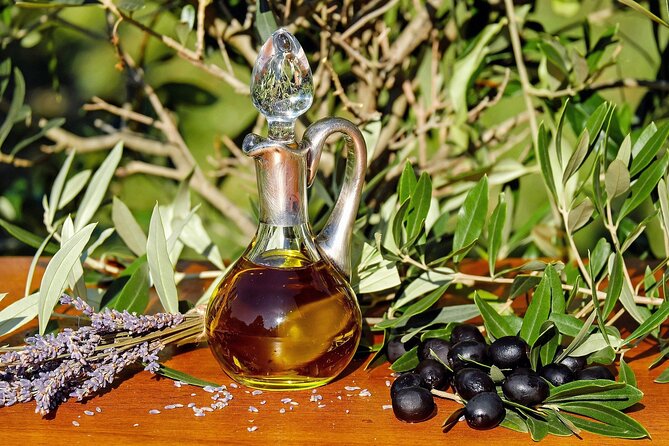
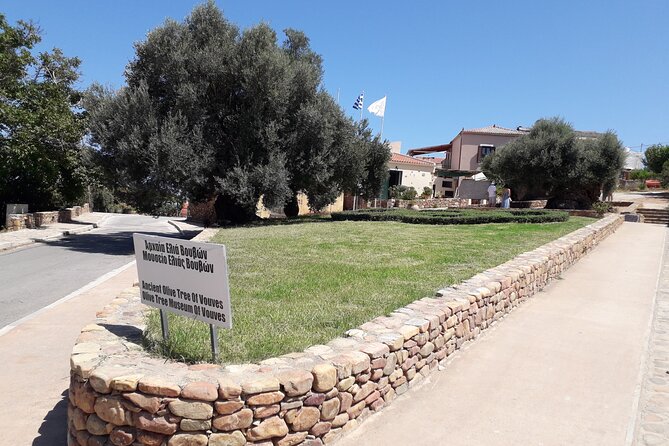
The Olive Tree Museum of Vouves sits beside the celebrated old tree. The trunk is the star. It is commonly described here as about 3,000 years old, though the supplied tour details use an approximate age. Its scale and twisted form give you a direct sense of time that a museum display cannot quite match.
You should expect an outdoor visit around the tree, followed by about an hour at the small museum. Comfortable shoes are sensible, as are sunglasses and a hat. The tour requires good weather, so this stop is not treated as an afterthought. Rain or poor conditions can lead to a new date or a full refund.
The museum explains the development of olive-oil production on Crete. It also adds smaller facts and stories about the island’s olive culture. That context makes the tree more than a photo stop. You learn why olives matter so much here and how a familiar crop became part of daily life, food, trade, and local identity.
Admission to the museum is included. This saves a small bit of planning and keeps the group moving, though you should still allow time for personal photos and questions. The stop lasts about an hour, so the museum visit is focused rather than exhaustive.
This portion is especially useful for anyone who wants a clear introduction to Cretan olive oil before tasting it. You first see the age and cultural weight of the olive tree, then move on to the practical work of turning fruit into oil.
Biolea olive mill, where stone and steel meet
The final major stop is Astrikas Estate Biolea, a nearby olive oil mill. Here, the tour shifts from history and symbolism to production. You get a firsthand look at how olive oil is made using a traditional stone mill and press, together with modern equipment.
That combination is worth noting. You are not seeing a purely old-fashioned workshop preserved for display, nor only a modern industrial operation. The visit shows how traditional methods can continue alongside updated machinery.
The mill visit lasts about an hour and a half, including the tasting. This is the part to pay attention to if you buy olive oil at home but have never understood how the product reaches the bottle. The guide can connect what you saw at Vouves with the steps at the mill, giving the half-day a logical shape.
The tasting is included, and it is more useful when you approach it slowly. Pay attention to the oil’s smell, texture, and flavor, then ask questions about what you are tasting. The tour is designed to give you an understanding of local olive oil rather than simply hand you a sample and send you on.
Afterward, you finish in Biolea’s backyard café and bar. The setting is described as peaceful and scenic, with Cretan snacks and wine available. These food and drink items are included in the guided tasting experience as listed, but personal beverages at lunch or dinner are not included. If you want a full meal, bring money for it rather than assuming the snack stop replaces lunch.
The mill is also the clearest reason to choose this tour instead of a standard Chania city walk. One of the strongest comments about the experience specifically singles out the olive mill as a stop not to miss. Tatiana’s own response also shows a personal touch: she thanked the group for trusting her with its free time and said she enjoyed the visit too.
What the private vehicle adds
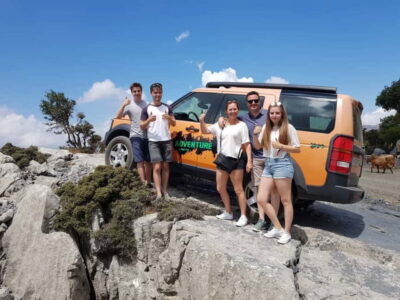
The tour includes pickup and drop-off at your hotel in Chania, a professional driver, and a comfortable private vehicle. Wi-Fi is available onboard, as is bottled water from the springs of the White Mountains called Samaria.
The practical benefit is simple. You do not need to arrange separate transport to Vouves or Biolea, and you avoid trying to combine rural stops with local buses. Since the activity lasts five to six hours, hotel pickup also keeps the morning or afternoon easy to manage.
A private group of up to six people can ask questions without competing with a large crowd. You can also discuss the balance between city history, the tree, and the mill. This matters most if members of your party have different interests. Someone fascinated by ancient Chania can use the walk well, while an olive-oil enthusiast can focus on the mill.
The private format does not mean every part is fully customizable. The experience still follows the three main stops and has a set length. But it should feel more personal than a large bus excursion, particularly during the Old Town walk and the tasting.
Morning and afternoon departures add useful flexibility. You can choose based on your hotel plans, heat, or other sightseeing. The exact comfort of each time depends on the day’s conditions, but having both options makes the tour easier to fit into a Chania stay.
More Olive Mill and Factory Tours in Greece
- From Chania Private half day Winery-Olive factory-Kournas lake
★ 5.0 · 50 reviews - Crete: Quad Safari, Olive Mill with Tasting & Ghost Village
★ 4.9 · 1,004 reviews - Knossos-Zeus Cave -Old Traditional Villages-Olive Oil Factory
★ 5.0 · 694 reviews - The Governor’s Olive Mill Tour with Olive Oil Tasting
★ 5.0 · 502 reviews
Price, group size, and what you receive
At $752.43 per group for as many as six people, the cost looks high at first glance. For a solo participant or couple, it is expensive. For six people sharing the vehicle and guide, the cost works out to roughly $125 per person before any additional personal spending.
The value comes from the bundle. You receive private transport, hotel pickup and return, a professional driver, a guide, Wi-Fi, bottled water, museum admission, the guided visit, and tasting. You also avoid paying separately for transport to the countryside.
The price is easier to justify if you want a private day with a guide who can explain both Chania and olive oil. It is less attractive if your main goal is only a quick look at the old town or a basic olive-oil purchase. You could spend less by exploring Chania on foot and arranging rural transport separately, though you would lose the single narrative linking the city, Vouves, and Biolea.
Because the tour is often booked well ahead, planning around 45 days before your desired date is sensible. That does not guarantee availability, but it is a useful signal for busy periods. Confirmation is provided at booking.
Who should book this Chania experience?
I would recommend this tour to a group of friends or family members who want a private guide and are happy to pay for convenience. It is also a good match for first-time visitors who want Chania’s major historical layers explained instead of simply photographed.
Food-focused visitors will get the most from the olive-tree museum, mill demonstration, tasting, and Cretan snacks. The experience also suits people who prefer a clear half-day plan with hotel pickup rather than a loose list of places to visit.
You may want another option if your party dislikes structured touring, wants a long lunch, or prefers to spend the whole day in Chania. The Old Town portion is substantial but not all-day, and the rural stops require travel away from the center.
Most people can take part, but you should give the operator advance notice about serious allergies, food intolerances, bee-sting allergies, or other health concerns. The operator carries professional liability insurance, but personal health or travel insurance is advised. Bring comfortable footwear, light comfortable clothes, a hat, sunglasses, and money for souvenirs or extra food and drinks.
Cancellation is flexible up to 24 hours before the start time, with a full refund. Changes or cancellations inside that window are not accepted for a refund, and poor weather may lead to a different date or a full refund.
My call: a strong choice for a private olive-oil day
Book this tour if you want three different views of Crete in one outing: a layered port city, an ancient olive tree, and working oil production. The private format, hotel transport, and strong guiding make the high group price easier to accept, especially when six people share it.
The best reason to choose it is the combination. Chania gives you the cultural setting, Vouves gives you a memorable link to the past, and Biolea shows how that old olive tradition continues in practice.
Skip it if you are traveling alone on a tight budget or want an unplanned day. For everyone else, especially a small group with an interest in history, food, and local production, this is a well-shaped way to spend five to six hours around Chania.
FAQ
How long does the Chania olive oil tour last?
The experience lasts approximately five to six hours.
Is hotel pickup included?
Yes. Pickup and drop-off at your hotel in Chania are included.
How many people can join the private tour?
The price covers a private group of up to six people.
Are morning and afternoon departures available?
Yes. The tour offers both morning and afternoon options.
Is admission to the Olive Tree Museum of Vouves included?
Yes. Entrance to the Olive Tree Museum of Vouves is included in the tour price.
Does the tour include an olive oil tasting?
Yes. The Biolea Olive Oil Mill visit includes a guided tasting.
Are food and drinks included?
Cretan snacks and wine are available at the Biolea café and bar as part of the final stop. Personal expenses, extra beverages, and lunch or dinner are not included.
What should I bring?
Bring comfortable shoes, comfortable clothes, sunglasses, and a hat. You should also bring money for souvenirs, drinks, lunch, or dinner.
Can I cancel for a full refund?
You can cancel at least 24 hours before the experience start time for a full refund. Poor weather may also result in a different date or a full refund.
More Olive Grove Tours in Chania
- Ostuni: Masseria tour among thousand-year-old olive trees with oil tasting
★ 4.8 · 261 reviews - Balestrate: Olive Grove Tour with Wines & Olive Oil Tasting
★ 5.0 · 241 reviews - Traditional Olive Grove and Dragon Fruit Farm Tour
★ 4.8 · 118 reviews - Visit of the olive grove, olive oil tasting and snack
★ 4.9 · 111 reviews
More Olive Mill and Factory Tours in Chania
- From Mendoza: 3 Wineries, Olive Oil Factory Tour & Tasting
★ 4.6 · 901 reviews - Crete: Road-trip to Lasithi, Zeus Cave & Olive Mill Farm
★ 4.4 · 451 reviews - Lassithi, Zeus Cave, Olive Mill Farm & Knossos Combo Tour
★ 4.6 · 404 reviews - Zeus Cave, Lassithi Plateau, Olive Oil Factory, Kritza, Pottery
★ 5.0 · 362 reviews
Freshly pressed around Chania
- Wine, Beer, Olive Oil Tasting Private Tour (price per group of 6)★ 5.0 · 4 reviews
- Wine & Olive Oil tasting one day private tour in Crete★ 5.0 · 2 reviews
- Discover Rethymno, Lake Kournas & the Secrets of Cretan Olive Oil★ 5.0 · 10 reviews
- Crete Off-Road & Flavors Safari: Wine, Olive Oil & Mountain Life★ 5.0 · 9 reviews
- Rethymnon Olive Tree Sponsorship Protect and Plant Tour★ 5.0 · 5 reviews
- Monastery – Ancient Olive tree & Museum-Cretan Brewery Private Tour from Chania★ 5.0 · 5 reviews
- In Crete Discover the miracle of Olive Oil and Organic Fruits★ 5.0 · 4 reviews
- Pottery – Honey & Olive Oil experience★ 4.5 · 9 reviews
Olive Mill and Factory Tours, compared.
Crete: Quad Safari, Olive Mill with Tasting & Ghost Village
Read our review →
From Mendoza: 3 Wineries, Olive Oil Factory Tour & Tasting
Read our review →
Knossos-Zeus Cave -Old Traditional Villages-Olive Oil Factory
Read our review →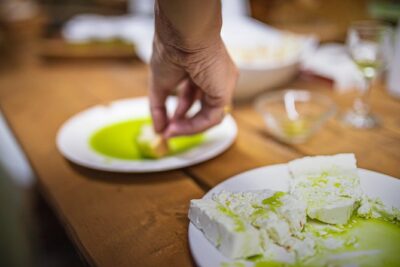
The Governor’s Olive Mill Tour with Olive Oil Tasting
Read our review →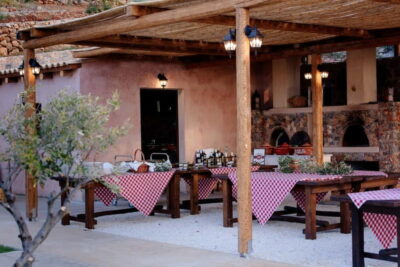
Crete: Road-trip to Lasithi, Zeus Cave & Olive Mill Farm
Read our review →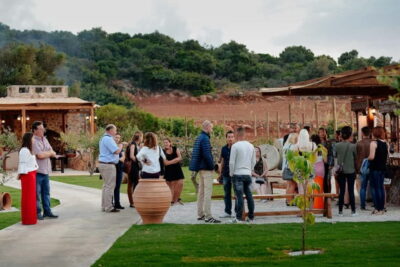
Lassithi, Zeus Cave, Olive Mill Farm & Knossos Combo Tour
Read our review →
Zeus Cave, Lassithi Plateau, Olive Oil Factory, Kritza, Pottery
Read our review →