
Review · CROATIA
Wine, food and olive oil by PhD student
Dubrovnik’s Old Town is much more than stone walls and postcard views. This three-hour walk uses its streets as a dining room, with award-winning Croatian olive oil, four wines, seafood, meat, and dessert spread across four family-run places. The food is not an afterthought. It is the main way you get to know the region.
I especially like the small group of no more than 12 people and the guide’s unusual background as a winemaker, master’s graduate, and PhD student in wine. Guide Dom is praised for knowing both local wine and Dubrovnik’s past, and for making the experience personal. The main consideration is the price: at $205.59 per person, this is a serious splurge for a three-hour walk, even with lunch and drinks included.
Key points to know before booking
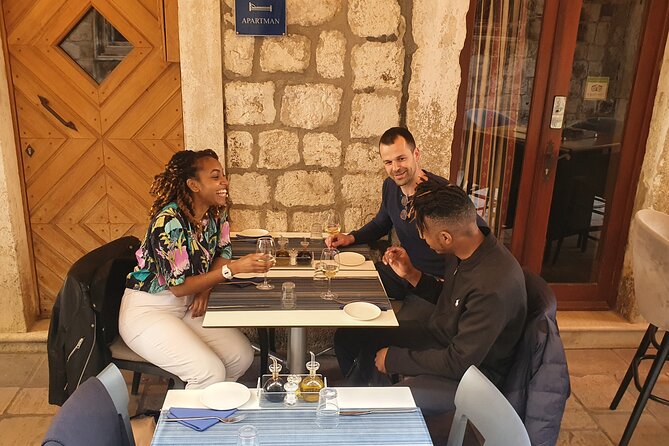
- Four family-run stops: Taste olive oil at one place, four wine-and-food pairings at two restaurants, and dessert at the final stop.
- A proper Old Town route: The walk passes the Ploče Gate, Revelin Fortress, Lazareti, Franciscan Monastery, Onofrio’s Fountain, Rupe Museum, Farmers Market, Jesuits’ Stairs, and Rector’s Palace.
- A rare specialist guide: Your guide is an enologist with a master’s degree and is also pursuing a PhD in wine.
- Award-winning local products: The olive oil tasting includes two Croatian extra virgin oils that won awards at the New York International Olive Oil Competition.
- A substantial food lineup: Expect fish, seafood, two meat dishes, four wines, and dessert, with locally produced ingredients.
- Easy afternoon timing: The experience starts at 4:00 pm at Large Onofrio’s Fountain and ends at Rector’s Palace.
Why this Dubrovnik food walk feels different
Many Old Town food walks simply move from one snack to another. This one has a clearer point: it explains how Dubrovnik’s food and wine fit into the city’s past. You are not only tasting what is on the plate. You are also hearing about the Republic of Dubrovnik, its trade, political system, engineering work, and farming traditions.
That mix works well in Dubrovnik because the Old Town is compact. The route connects famous sights with food stops, so you get some orientation while you eat. I like this setup for a first afternoon in the city. You see the main lanes, learn the names of key monuments, and pick up a sense of what local dishes and drinks to look for during the rest of your stay.
The guide’s training is a major part of the value. An enologist can explain why a wine tastes the way it does, while a licensed olive oil sommelier can show you how to judge extra virgin olive oil. This is more useful than a simple list of grape varieties or a quick swirl of the glass. You learn what to notice, and you can use that skill later in Croatia.
Guide Dom receives especially warm praise for his command of local wine and olive oil, along with his knowledge of Dubrovnik, where he grew up. If he is leading your departure, you can expect a strong personal connection to the city. The experience can also work well for anyone who wants to ask detailed wine questions rather than just drink without context.
More Olive Oil and Wine Tastings in Croatia
- Split: Krka Waterfalls With Boat Cruise, Wine and Olive Oil
★ 4.3 · 1,507 reviews - Hvar: Island tour with Wine and Olive Oil Tasting
★ 4.9 · 77 reviews - Krka Waterfalls Tour with Wine and Olive Oil Tasting
★ 4.5 · 48 reviews
Starting at Large Onofrio’s Fountain
Meet at Large Onofrio’s Fountain at 4:00 pm. This is a practical meeting point near the Pile side of the Old Town, and it puts you in the middle of Dubrovnik’s main pedestrian area from the first minute.
The fountain also gives the guide a useful opening subject. You will hear about the peak period of the Dubrovnik Republic and the major engineering projects that helped supply water to the city. That matters because Dubrovnik can look like a set of beautiful old buildings without much explanation. The fountain helps connect the city’s architecture to the practical problems of living behind medieval walls.
From here, the route passes several major sights. You may see Revelin Fortress, Ploče Gate, Lazareti, the Franciscan Monastery, Rupe Museum, the Farmers Market, Jesuits’ Stairs, and Rector’s Palace. The walking portion is not a separate sightseeing tour with long lectures at every stop. Instead, the history comes in between tastings, which keeps the pace social and manageable.
Wear comfortable shoes. The Old Town has stone paving and stairs, and the route includes the Jesuits’ Stairs and other uneven sections. The supplied information says most people can participate, but the walk is still best suited to anyone comfortable moving around an old hill town for several hours.
Learning to judge Croatian extra virgin olive oil
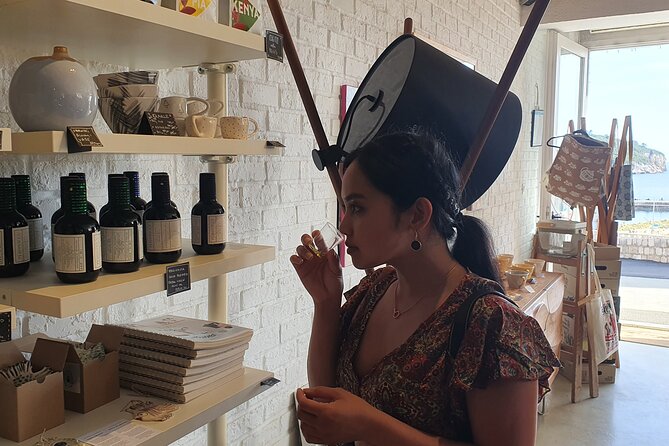
The first food stop focuses on olive oil. You receive two samples of Croatian extra virgin olive oil, both recognized at the New York International Olive Oil Competition. A licensed Olive Oil Sommelier leads the evaluation and explains how to recognize the main features of good extra virgin oil.
This is one of the most distinctive parts of the experience. Wine tastings are common in Dubrovnik, but a guided olive oil evaluation gives you a second way to understand Croatian agriculture. You learn to pay attention to the oil’s aroma, flavor, and overall character rather than treating all olive oil as the same.
The tasting lasts about 15 minutes, so it is focused rather than drawn out. That short format is a good fit if you want practical advice you can remember. It also gives the tour a clear beginning: first understand one of the region’s basic ingredients, then see how local cooks use it with food.
Four wines with fish, seafood, and meat

The central part of the tour takes place at two restaurants, where four dishes are paired with four Croatian wines. The food is made with locally produced ingredients, and the menu covers both the Adriatic and inland sides of the region.
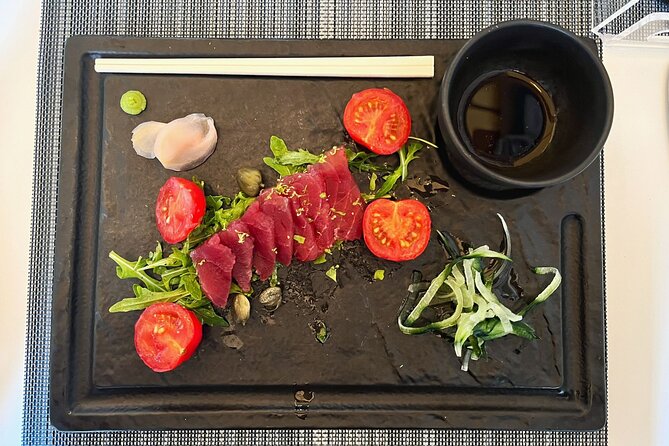
The first pairing is fish with a Croatian white wine. The grape is described as a Croatian variety recognized by Decanter in 2021. You then have a seafood dish with another Croatian white wine from the same general category of locally recognized varieties. This gives you a chance to compare how white wine works with two different types of seafood rather than pairing one bottle with everything.
The third course is a meat dish based on a recipe from the 16th century, paired with a locally produced white wine recognized by Decanter in 2017. That pairing may be the most surprising part of the meal. It also shows why the tour is not limited to a simple seafood story. Dubrovnik’s food traditions include older recipes and meat dishes that sit alongside the coastal cooking.
The fourth course is another meat dish, this time with Croatia’s most important red grape variety. The wine comes from the oldest protected winegrowing zone in Croatia, located near Dubrovnik. This final savory pairing gives the meal a stronger finish and introduces the area’s best-known red wine tradition.
The supplied menu calls this lunch, but the start time is 4:00 pm, so you may find it works more like a late meal or early dinner. The portions are described as generous by one participant, but exact serving sizes can vary. I would not plan another full dinner immediately afterward.
Same olive country, a different way to taste it:
- Private Krka Waterfalls tour with 30min Boat Cruse
★ 4.0 · 458 reviews - Split: Klis Fortress GOT and Olive Museum Entry Tickets
★ 4.6 · 283 reviews - Split: Blue Line Sightseeing to Trogir, Klis & Olive Museum
★ 4.3 · 197 reviews - Visit Klis fortress GOT & Olive museum Klis
★ 4.5 · 77 reviews
A dessert stop to finish the meal
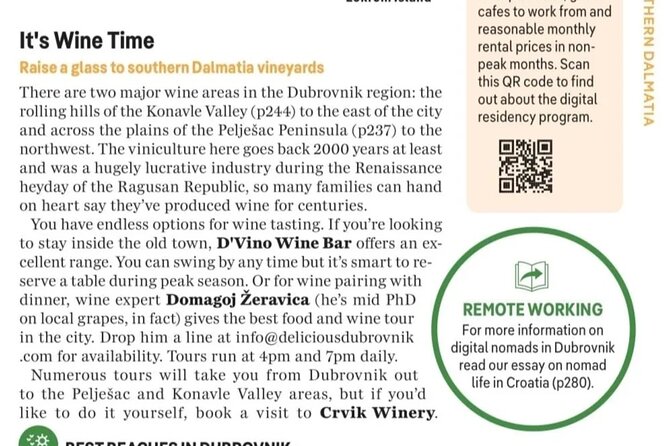
The final food stop is dessert. No specific dessert is named, so you should not book this expecting one particular pastry or sweet. The value here is the structure: the tour finishes with a separate family-run stop rather than ending abruptly after the wine pairings.
That last pause also gives you room to talk with the guide and ask questions about restaurants, local products, or wines for the rest of your visit. If Dom is leading, his background makes this a good time to ask about Croatian bottles or olive oil labels. One unusual detail from the feedback is that he continued answering wine questions for a participant after the tour, even at the airport duty-free shop. That suggests a guide who takes the teaching side seriously, though the level of personal attention can depend on the group and the guide on the day.
The history between the bites
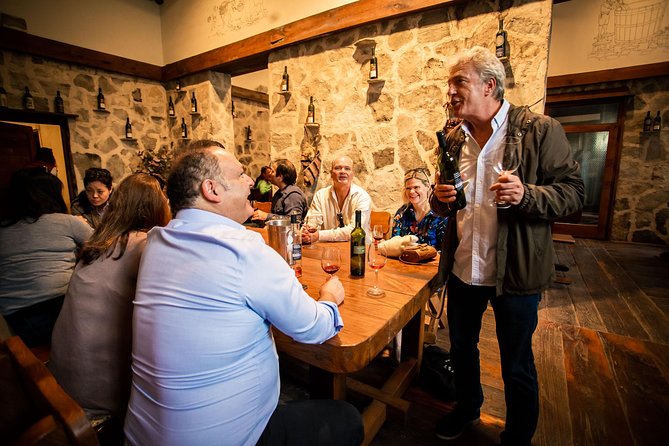
The sightseeing is not filler between restaurants. The route includes several places that help explain how Dubrovnik survived as a small maritime republic.
At Large Onofrio’s Fountain, the conversation turns to water supply and engineering. Near the off-the-main-route parts of the Old Town, you pass the 16th-century granary that now houses the Rupe Museum. This is a useful reminder that Dubrovnik’s prosperity depended on storing food as well as trading it.
The walk also reaches a spot where the guide explains the political system of the Republic. You hear how the aristocracy dealt with threats from stronger powers and how its political methods helped the city remain successful. That subject adds context to the grand buildings and formal spaces around Rector’s Palace.
I like that the historical stops are tied to food, trade, storage, water, and power. You get a more practical picture of Dubrovnik than you would from simply memorizing dates. The only drawback is that the history is woven into a food tour, not delivered as a full historical lecture. If your main goal is military history or architecture, a dedicated city tour would give you more depth.
Is $205.59 a fair price?
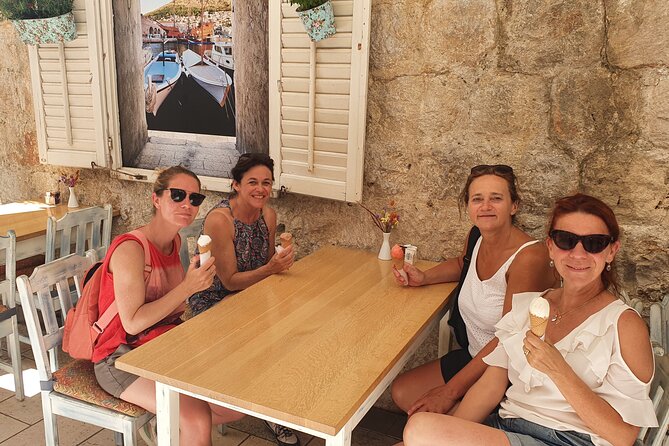
At $205.59 per person, this is expensive for three hours. You are paying for a small group, a specialist guide, four alcoholic drinks, four food courses, olive oil instruction, dessert, and visits to four family-run places. The price also includes the convenience of having everything arranged in the Old Town, with no need to select restaurants or decide which wines to order.
The value is strongest if you would otherwise book a separate food tour and wine tasting. It is also better for people who care about the quality and origin of ingredients, not just the amount of food. Award-winning olive oil and recognized Croatian wines give the experience a more specialist focus than a basic Old Town tasting.
The value is weaker if you want a quick, inexpensive introduction to Croatian cuisine. One mixed assessment describes the experience as simple and basic and felt that the guide’s interests took more space than the group’s preferences. That is worth considering. This is a guided tasting built around wine, olive oil, and local history. It is not a flexible restaurant crawl where you choose every dish.
The rating is 4.9 from 111 reviews, with 98 percent recommending it. Those figures support the idea that the format works very well for many people, but they do not remove the price concern. I would book it for a special afternoon, a first day in Dubrovnik, or a food-focused holiday. I would skip it if your budget is tight or if you do not drink wine.
Who should book this experience?
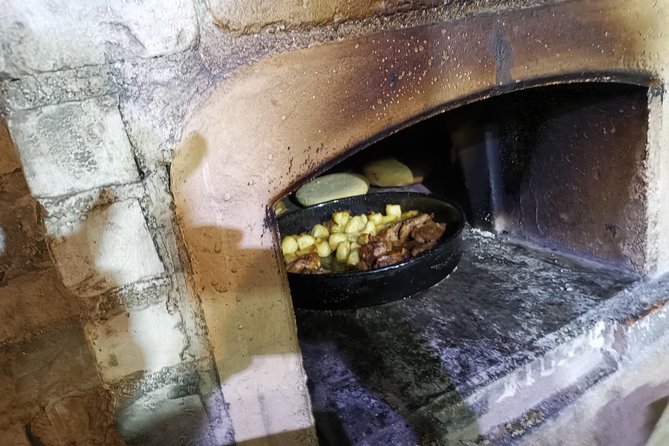
I would choose this tour if you want all of the following:
- A small group rather than a large walking party
- Food and wine in one arranged experience
- Local Croatian varieties instead of only international labels
- A guide who can explain production, tasting, and history
- A proper meal with seafood, fish, meat, and dessert
- A gentle introduction to Dubrovnik’s main Old Town sights
It suits couples, friends, and solo visitors who enjoy conversation around a table. It also makes sense for someone who wants to learn enough about olive oil and Croatian wine to shop with more confidence afterward.
I would think twice if you dislike group tours, need a completely customized menu, or prefer to spend three hours on formal sightseeing. The experience is offered in English, and wine tasting is limited to people aged 18 and over. Alcoholic drinks are central to the tour, so anyone avoiding alcohol will miss an important part of what they are paying for.
The tour requires good weather. If poor weather forces a cancellation, you can take another date or receive a full refund. You can cancel for a full refund up to 24 hours before the 4:00 pm start, but changes or cancellations inside that window are not accepted.
Final verdict: book it for food, wine, and context
I recommend this experience if you want Dubrovnik’s Old Town to make sense through its food. The strongest features are the specialist wine and olive oil guidance, the range of four savory dishes, and the way the walking route links food with water systems, storage, politics, and trade.
The price is high, and the format may feel too guide-led for someone wanting a loose, unusual food crawl. But for a carefully planned afternoon with a maximum of 12 people, four family-run stops, award-winning olive oils, four wines, and a full meal, it offers a lot in a short time. Book it early if you want this particular afternoon slot, since it is commonly reserved well ahead of the date.
FAQ
How long does the Dubrovnik food and wine tour last?
The experience lasts approximately three hours.
What time does the tour begin?
It begins at 4:00 pm.
Where does the tour start?
The meeting point is Large Onofrio’s Fountain, at Poljana Paska Miličevića in Dubrovnik’s Old Town.
Where does the tour end?
The tour ends at Rector’s Palace, at Ul. Pred Dvorom 3.
How many people can join the tour?
The maximum group size is 12 people.
What food is included?
The menu includes two extra virgin olive oil samples, fish, seafood, two meat dishes, and dessert. The four main dishes are paired with four wines.
Is wine tasting available to everyone?
Wine tasting is available only to customers aged 18 and over.
What happens if the weather is poor?
The experience requires good weather. If it is canceled because of poor weather, you can choose another date or receive a full refund.
Freshly pressed around Croatia
- Makarska Tuk Tuk Tour Olive Grove, Scenic Views and Tastings★ 5.0 · 3 reviews
- Small-Group Olive Oil Tour in Cres with Tasting★ 5.0 · 2 reviews
- Private Hvar Island Tour and Olive Oil Tasting★ 4.5 · 10 reviews
- Poreč: Olive Grove Walk and Tasting with Local Products★ 5.0 · 5 reviews
- Kastela: Wine & Olive Tasting Tour w/Delicacies & Live Music★ 5.0 · 5 reviews
- From Biograd: Wine and Olive Oil Tasting in Ražnjevića Dvori★ 4.7 · 3 reviews
- Private Split & Klis Fortress Tour, Olive Museum & Port Pickup★ 4.5 · 13 reviews
- Istrian hill top cities tour with truffle and olive oil tasting★ 5.0 · 18 reviews
Olive Oil and Wine Tastings, compared.
Sorrento Farm and Food Experience including Olive Oil, Limoncello, Wine tasting
Read our review →
From Mendoza: 3 Wineries, Olive Oil Factory Tour & Tasting
Read our review →
From Chania: Olive Oil, Wine, Cheese & Honey Tasting Tour
Read our review →
From Chania: Wine and Olive Oil Tasting Tour with Snacks
Read our review →
Athens: Acropolis Wine Tasting with Cheese and Olives
Read our review →
Sorrento: Lemon, Olive Oil and Wine Tasting Tour with Lunch
Read our review →
Alghero: Wine and Olive Oil Tasting at a Local Farm
Read our review →
Other lists with this tasting on them