
Review · ALGARVE
Tavira Olive Experience Factory Tour and Tasting
The best part of this Tavira visit is that it takes you behind the scenes of a small table-olive factory, not into a polished museum. Andreia and her family team explain how olives are prepared, why salt matters, and how texture, pits, and preservation affect what reaches your plate. I like the personal scale, and I like the generous tasting that follows, with bread, cheese, meats, sauces, honey, marmalade, and wine.
The main point to understand before booking is simple: this is not primarily an olive-oil mill tour. It focuses on olives prepared for eating. Production is seasonal and does not run every day, so you may see quiet machines rather than a full working line. That is a fair trade for a relaxed visit with a small local business, but set your expectations correctly.
Key points at a glance
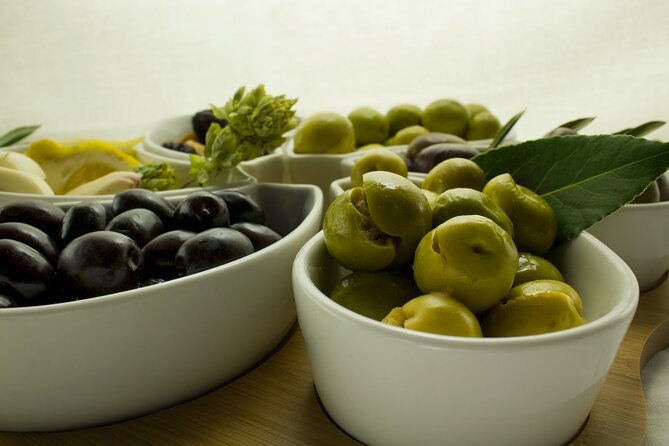
- Table olives take center stage: Learn how olives are sorted, preserved, salted, and prepared for eating.
- Andreia leads an engaging visit: Her clear explanations and humor help make machinery and processing easy to follow.
- Production is seasonal: Olive processing generally takes place in September and October, and not every day.
- The tasting is generous: Expect olives, olive oil, special bread, cheese, honey, orange marmalade, and wine, with other local foods served at times.
- It supports a small family business: The factory is managed by three women and offers a more personal setting than a large commercial attraction.
- Allow extra time to find the site: Mapping apps have been troublesome for some visitors, so plan to arrive early.
What this Tavira factory tour actually covers
The Olive Factory Tavira visit lasts about 90 minutes and begins at 4:00 p.m. You meet at the factory on Estrada do Arraial Ferreira Neto, on the outskirts of Tavira, then finish at the same place.
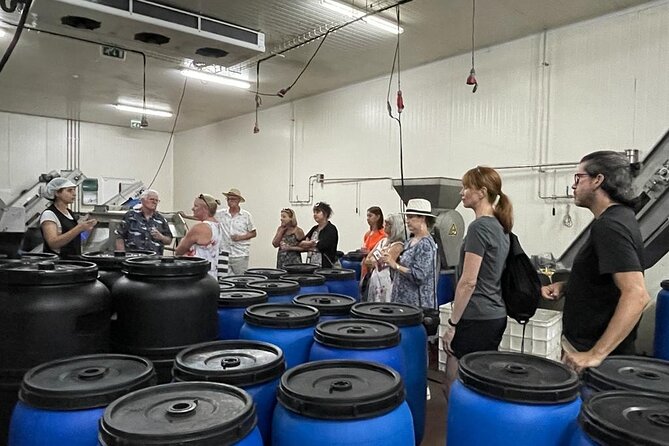
The tour begins with an explanation of olives and the equipment used to handle them. You will learn about the steps involved in preparing olives for consumption, including preservation, texture, pits, and the role of salt. The presentation also touches on olive oil and how it fits into the wider process, but the factory’s main focus is table olives.
That distinction matters. If you picture a traditional olive grove, a long walk among trees, or a full olive-oil pressing demonstration, this is not that kind of outing. You tour a working processing facility and learn how olives move from harvest toward the table.
The small scale is part of the appeal. Instead of watching a large industrial operation from behind glass, you are close to the machines and the people who use them. The setting gives the guide room to explain practical details, including why different olives have different textures and how preservation changes their flavor.
More Olive Mill and Factory Tours in Portugal:
- Tavira: Olive Factory Tour and Tasting
★ 4.8 · 272 reviews - Tavira City & Olive Factory
★ 5.0 · 4 reviews - Crete: Quad Safari, Olive Mill with Tasting & Ghost Village
★ 4.9 · 1,004 reviews
Meeting the machinery when production is running
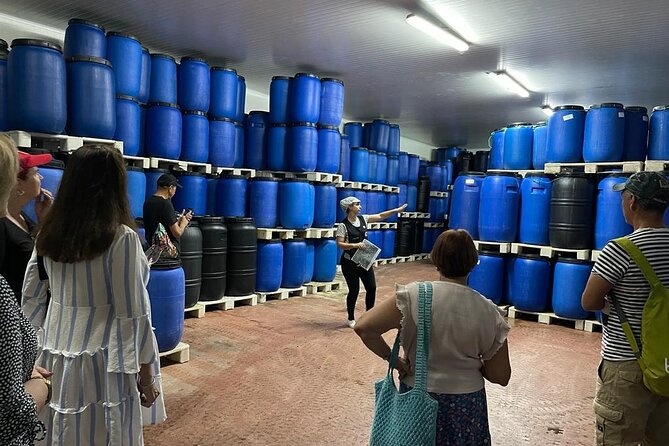
The machinery is central to the visit, but it may not be operating. Olive picking and processing generally happen in September and October, and the factory does not produce every day. Outside that window, or on a non-production day, you will see the equipment while Andreia explains its purpose.
I would not treat an idle factory as a deal breaker. The tour is built around explanation as much as machinery, and Andreia’s lively style helps keep the visit moving even when nothing is running. Still, if seeing active production is your main reason for booking, contact the provider before you go and ask if processing is scheduled for your date.
The seasonal limitation is useful context rather than a flaw. Small producers cannot run a full line year-round simply for visitors. You are seeing a real business with a real production calendar, not a staged show created for sightseeing.
Andreia’s presentation makes the technical side approachable
The guide named most often in the tour details is Andreia. She explains the process in English and brings warmth and humor to what could otherwise become a dry lesson about equipment and brine.
I especially like that the talk deals with small details that change how you understand the food. You hear why an olive may keep its pit, how the preserving method affects texture, and why salt is important. The result is practical knowledge you can use the next time you face a plate of mixed olives at a Portuguese restaurant.
The factory team also includes Andreia’s sister and other members of the small family operation. The business is managed by three women, and that personal connection comes through in the way the visit is run. It feels like an introduction to the people behind a local product, not a scripted stop on a large coach itinerary.
The tour is offered in English, and the small setting allows for a more direct exchange with the guide. A French-language explanation has also been arranged for at least one visit, but English is the stated language for this booking.
The tasting is the real payoff
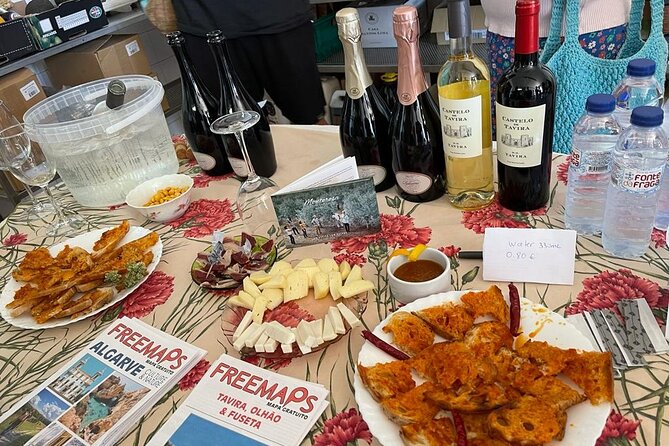
After the factory explanation, you sit down for a tasting of local products. The supplied tasting includes olives, olive oil, special bread, cheese, honey, orange marmalade, and wine. In practice, the spread can also include meat, sauces, lupini beans, peas, non-alcoholic drinks, and other Portuguese products.
Calling it a small tasting may undersell it. The food is described as generous, and the tasting functions almost like a light shared meal. Fresh sourdough or homemade bread paired with oil and olives gives you a clear sense of how the products work together, while cheese, meat, jams, and honey add contrast.
This part is social. You sit with other people, sample several flavors, and talk while the factory team brings out the food. It is a good way to wind down after the machinery explanation, especially if you enjoy local products more than formal sightseeing.
Wine is included with the tasting. If you arrive early and order drinks at the bar, those drinks cost extra, including alcoholic beverages. You can arrive up to one hour before the 4:00 p.m. start if you want time to settle in, but the bar is not part of the included tour price.
More Olive Oil Tours around Portugal:
- Arrábida, Setúbal, Sesimbra, Olive with wine tasting
★ 5.0 · 75 reviews - Douro Valley: A Sensory Experience in the Douro: Wines, Olive Oil, and History
★ 4.9 · 15 reviews - Tour with Wine and Olive Oil Tasting
★ 4.6 · 8 reviews - Premium gastronomic mountain tour: Wine, olive oil, spirits, food
★ 5.0 · 8 reviews
Table olives versus olive oil
This is the most important booking distinction. The tour can help you understand olive oil, and olive oil is part of the tasting, but the factory visit is chiefly about processing olives for eating.
One past description of the experience praised the explanations of olive production but clarified that the focus was not olive-oil making. Another described it directly as an olive factory rather than an olive-oil experience. Take that advice seriously.
You will likely leave with a much better sense of how table olives are preserved and served. You will not necessarily watch olives being pressed into oil. If your goal is an olive-oil mill, an orchard visit, or a detailed lesson on extraction methods, this is not the strongest match.
That said, the tasting gives olive oil a useful role. You can try it with bread and other local food rather than only hearing about it. The visit also includes discussion of salt and preservation, two subjects that are easy to overlook when olive oil receives all the attention.
A real local business, not a large attraction
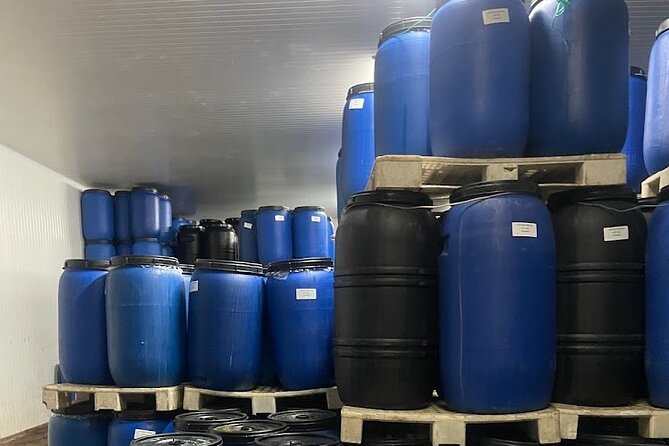
The factory is a small family operation, and that gives the visit its character. The team has been praised for being welcoming, flexible, and willing to help when visitors had trouble locating the building.
The human side matters here. You are supporting a local producer, and the experience gives you direct contact with the people handling the products. The shop also lets you buy items you taste, with souvenirs and products generally costing up to about 15 or 20 euros.
I would keep room in your bag. The tasting is designed to show you products you can purchase afterward, and the combination of olives, sauces, bread, oil, honey, and preserves makes it easy to find something useful rather than a generic souvenir.
The setting is also a good rainy-day option. Much of the visit takes place indoors, and the educational talk does not depend entirely on outdoor conditions. You still need to reach the factory, but once there, the experience offers a welcome change from beaches, viewpoints, and historic streets.
Finding the factory and planning the visit
The meeting point is Olive Factory Tavira, Hélder Madeira, Estrada do Arraial Ferreira Neto S/N, 8800-228 Tavira, Portugal. The activity returns to this same point, so you do not need to arrange a separate end location.
Give yourself extra time to get there. Google Maps and Apple Maps have reportedly been unable to locate the facility accurately for some people. Andreia has helped by calling visitors and guiding them in, but it is wiser not to rely on last-minute rescue. Save the address, confirm the meeting point when you book, and arrive early.
The tour is capped at 30 people. That is not an intimate private tour, but it is still a manageable group size for a small factory. The experience works best when you arrive ready to listen, ask questions, and share the tasting rather than expecting a fast walk-through.
Most people can take part, and confirmation is received when you book. The mobile ticket is useful for a flexible Portugal itinerary. The listed price is about $35.09 per person, and the tour is commonly booked around 11 days ahead, so I would reserve before your visit rather than assume a same-day place.
Is $35.09 good value?
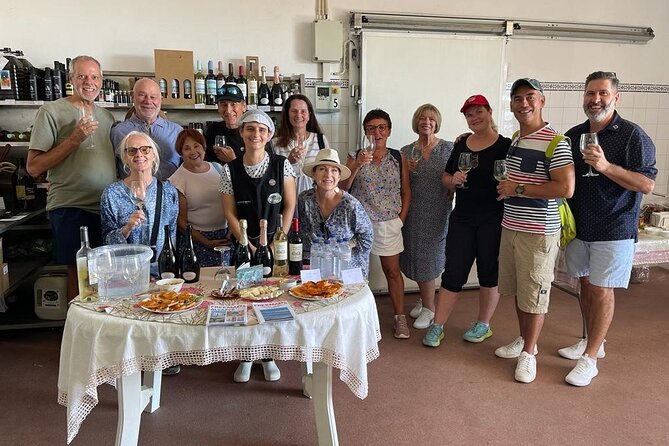
The price makes sense if you value food, local contact, and a guided explanation. You receive roughly 90 minutes of instruction, access to a working facility, and a substantial tasting that includes wine and several products. You also get the chance to buy directly from the producer.
The value is weaker if you only want to watch machines running. Production may be paused, especially outside the September and October harvest period, and there is no promise that the equipment will be active on your date.
It is also not the best value for someone seeking a dedicated olive-oil lesson. The tour explains olive processing and includes oil in the tasting, but table olives are the main subject. For the right person, the cost covers more than a snack stop. It combines a short food-focused tour, a generous tasting, and a look at a small Portuguese business.
Who should book this experience?
I would recommend it to you if you enjoy local food, small producers, and practical explanations. It suits couples, independent visitors, families, and anyone looking for something different from Tavira’s usual sightseeing. The tasting also makes it appealing to people who like to build a meal from small samples.
It is a particularly good choice for a rainy afternoon or for a gap in your itinerary. The start time leaves the morning and early afternoon free, and the activity ends back at the factory rather than taking up a full day.
You should think twice if your priority is an olive grove, an oil mill, or guaranteed live production. You may see working equipment, but the schedule depends on the harvest and the factory’s own production days. Also consider your food needs in advance. One visit included special attention to allergies after the guide was contacted beforehand, so share important dietary information before arrival rather than waiting until the tasting begins.
Should you book the Tavira Olive Experience?
Book it if you want a friendly, food-centered look at how Portuguese table olives are processed, followed by a generous tasting of local products. Andreia’s engaging presentation, the small family setting, and the chance to support a local producer give the visit real character.
Skip it if you want a full olive-oil production tour or a guaranteed working factory floor. For everyone else, the combination of useful information, wine, bread, cheese, preserves, and olives makes this a strong 90-minute addition to a Tavira itinerary. Just arrive early, check the route carefully, and remember that the machines may be quiet.
FAQ
Where does the Tavira olive factory tour begin?
It begins at Olive Factory Tavira, Hélder Madeira, Estrada do Arraial Ferreira Neto S/N, 8800-228 Tavira, Portugal.
What time does the tour start?
The scheduled start time is 4:00 p.m.
How long does the experience last?
The tour lasts approximately 1 hour and 30 minutes.
Does the tour end at the factory?
Yes. The activity ends back at the meeting point.
Is the tour conducted in English?
Yes. English is the stated language for the experience.
Will the olive-processing machines be operating?
Not necessarily. Production generally takes place in September and October and does not run every day, so the machines may not be active during your visit.
Is this an olive-oil tour?
The main focus is table-olive processing. The tour includes explanations about olive oil and an olive-oil tasting, but it is not primarily an olive-oil mill tour.
What food and drink are included?
The tasting includes olives, olive oil, special bread, cheese, honey, orange marmalade, and wine. Additional drinks ordered at the bar are charged separately.
Can I cancel the booking?
You can cancel for a full refund up to 24 hours before the scheduled start time. Cancellations or changes made less than 24 hours before the start are not accepted for a refund.
Freshly pressed around Portugal
- Historical Évora – PRIVATE Full Day Tour – Cork, Wine and Olive Oil Haven★ 5.0 · 3 reviews
- Tour with Wine and Olive Oil Tasting★ 4.6 · 8 reviews
- Tavira City & Olive Factory★ 5.0 · 4 reviews
- Porto: Tuk Tuk Tour with Olive Oil Tasting★ 4.4 · 5 reviews
- Douro Valley: Olive Oil & Wine Tour with Boat & Lunch★ 5.0 · 6 reviews
- Douro Valley: Private Tour & Guided Wine & Olive Oil Tasting★ 5.0 · 3 reviews
- Douro Valley: Private Lunch with Wine & Olive Oil Tasting★ 4.8 · 5 reviews
- Olive Oil Private Tour in Portugal★ 5.0 · 6 reviews
Olive Mill and Factory Tours, compared.
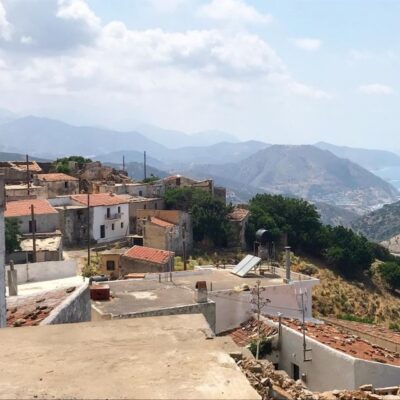
Crete: Quad Safari, Olive Mill with Tasting & Ghost Village
Read our review →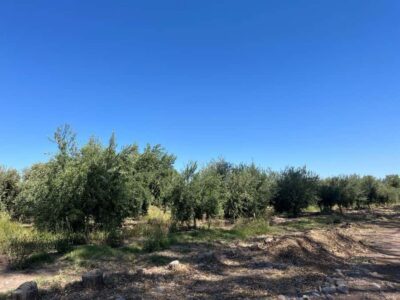
From Mendoza: 3 Wineries, Olive Oil Factory Tour & Tasting
Read our review →
Knossos-Zeus Cave -Old Traditional Villages-Olive Oil Factory
Read our review →
The Governor’s Olive Mill Tour with Olive Oil Tasting
Read our review →
Crete: Road-trip to Lasithi, Zeus Cave & Olive Mill Farm
Read our review →
Lassithi, Zeus Cave, Olive Mill Farm & Knossos Combo Tour
Read our review →
Zeus Cave, Lassithi Plateau, Olive Oil Factory, Kritza, Pottery
Read our review →
Crete: Zeus Cave, Lassithi Plateau, and Olive Factory Tour
Read our review →Other lists with this tasting on them