
Review · CROATIA
Hvar: Island tour with Wine and Olive Oil Tasting
Hvar’s best views are not all in Hvar Town. This small-group drive climbs to Napoleon’s fortress, crosses old roads lined with dry-stone walls, and ends in Jelsa with wines from the respected Duboković cellar and several flavored olive oils.
I like the mix of scenery and food. You get broad views of Hvar Town and the Paklinski Islands, then a taste of the island’s farming traditions. I also like the small group, capped at eight, and the personal guiding from Petar or Luka. The main drawback is time: at about three hours, the tour gives you a fine introduction rather than a slow, thorough look at every stop.
Key points at a glance
- Napoleon’s fortress at 250 meters: The highest viewpoint on the route gives you striking views over Hvar Town and the Paklinski Islands.
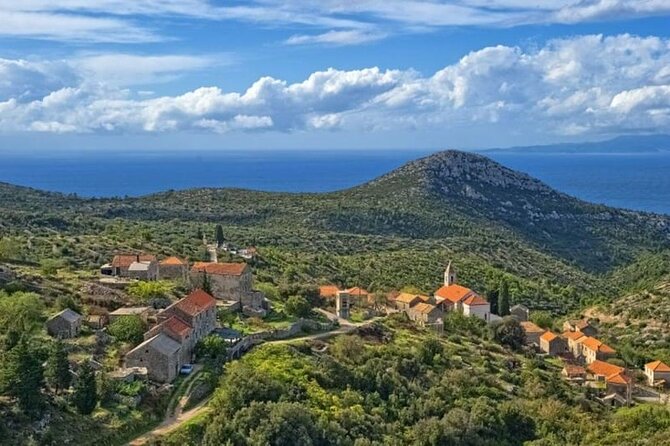
- A scenic route through rural Hvar: Old roads, dry-stone walls, lavender fields, and small villages show you the island beyond the waterfront.
- St. Roko’s Chapel near Velo Grablje: Look toward Stari Grad and the UNESCO-listed Stari Grad Plain from this quiet hillside stop.
- Duboković tasting in Jelsa: Expect several wines, including bottles made from old local grape varieties, plus flavored olive oils.
- Guides with local roots: Petar and Luka are praised for clear explanations, safe driving, and an easygoing manner.
- Bring cash for olive oil: Purchases at the winery may require cash, while wine may be available for shipping.
Why this short Hvar tour works so well
Hvar Town is lovely, but it can give you a narrow view of the island. The harbor, stone lanes, restaurants, and fortifications take up most of your time. This tour gets you into the interior, where the pace is quieter and the old agricultural character is easier to see.
You ride in a small van, usually with no more than eight people. That matters on Hvar, where some of the roads are narrow and winding. The small group also makes it easier to hear the guide and ask questions without feeling lost in a large bus tour.
Petar is often the guide, while Luka also leads the route. Both are praised for their local knowledge and friendly style. Petar has lived on Hvar for most of his life, and he shares details about island life, local customs, history, and farming. Several descriptions also point out his safe driving, which is reassuring on the island’s curving roads.
The advertised duration is about three hours. That is enough time for the main viewpoints and the Jelsa tasting, but not enough for a long stop in each village or a full visit to Stari Grad. Think of this as a compact island sampler, not a full-day expedition.
More Olive Oil and Wine Tastings in Croatia
- Split: Krka Waterfalls With Boat Cruise, Wine and Olive Oil
★ 4.3 · 1,507 reviews - Wine, food and olive oil by PhD student
★ 5.0 · 111 reviews - Hvar: Island tour with Wine and Olive Oil Tasting
★ 4.9 · 77 reviews
Napoleon’s fortress and the view over Hvar Town
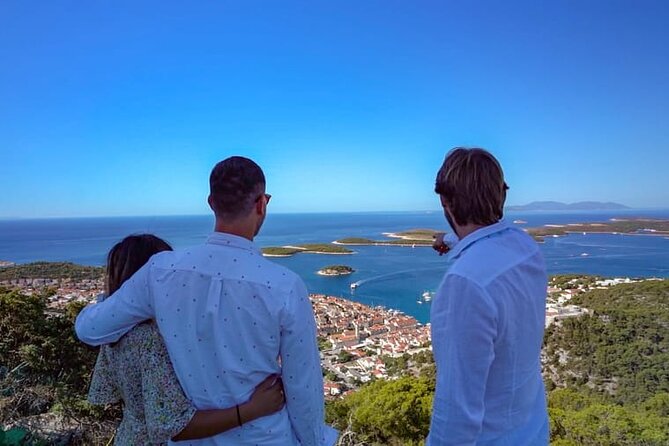
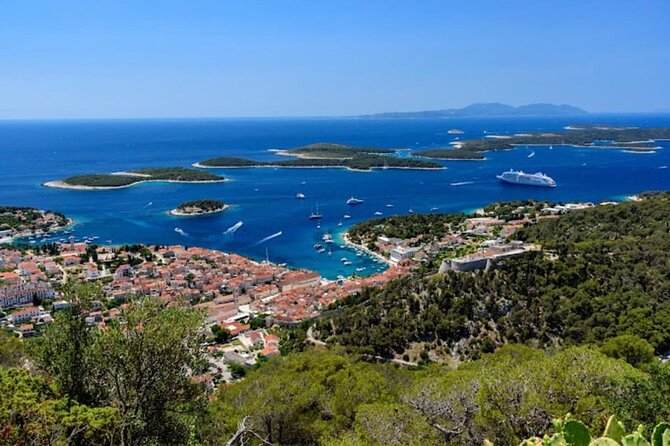
The first stop takes you uphill from Hvar Town to Napoleon’s fortress, at roughly 250 meters above sea level. The fortress itself is less important here than the position. From this height, you can look down over Hvar Town, the harbor, and the scattered Paklinski Islands.
This is the tour’s strongest photo stop. From street level, Hvar’s setting can be hard to grasp. Up here, the relationship between the town, the sea, and the island chain becomes clear. You also get a good sense of why Hvar Town has long been valued as a harbor.
The stop lasts about 15 minutes. That is enough for photos and a quick look around, but you will not have time for a long wander. Wear shoes that feel secure, especially if the ground is uneven. The fortress is reached by vehicle, so you avoid a long uphill walk, but the stop still involves standing and moving around outdoors.
If you have already visited Napoleon’s fortress on another Hvar wine tour, this may feel familiar. One person specifically booked this tour after doing another wine experience and found that the fortress and Duboković Winery were repeated. That is useful when planning: check your other excursions before booking if you want a completely different route.
Old roads, dry-stone walls, and lavender country
After the fortress, the van follows the old road toward the central part of the island. This is where the tour earns its island-tour label. You pass through a patchwork of dry-stone walls, small villages, and lavender fields.
The walls are more than decoration. They reflect the work needed to clear and use Hvar’s rocky ground for farming. The route gives you a glimpse of how people shaped the island over generations, even when there is no formal museum or long walking tour to explain it.
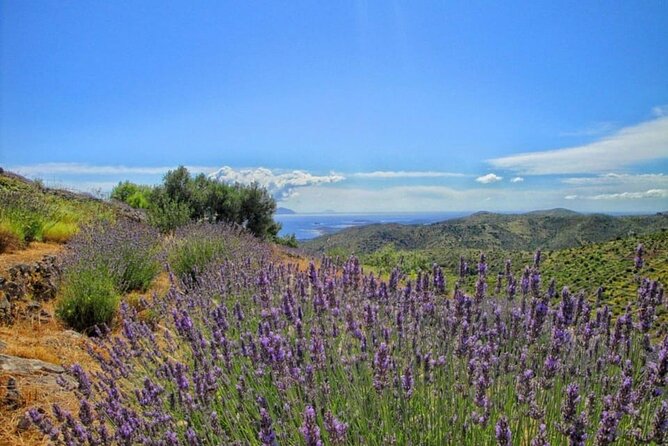
Lavender is another familiar part of Hvar’s identity. The fields may not be in full bloom during every visit, so do not book this expecting a guaranteed sea of purple. Still, the plants, stone walls, and hillsides make the drive feel very different from the polished waterfront of Hvar Town.
This portion is mainly viewed from the van, with the guide providing commentary along the way. If you want a tour built around long walks through fields, this is not it. If you want to see more of the countryside without arranging a rental car, it is a practical choice.
Velo Grablje and the view from St. Roko’s Chapel
The next stop is near Velo Grablje, at St. Roko’s Chapel. The chapel provides another short viewpoint, this time looking toward Stari Grad and the Stari Grad Plain.
The plain is a UNESCO World Heritage site, and this view helps you understand its scale. From the chapel, you see an agricultural area that feels separate from the resort side of Hvar. The stop lasts about 15 minutes, so again, the value is the setting and the explanation rather than a long visit inside a major monument.
I like the change of viewpoint here. Napoleon’s fortress looks back toward Hvar Town and the Paklinski Islands. St. Roko’s Chapel shifts your attention toward Stari Grad and the island’s cultivated interior. Together, the two stops give the tour a useful visual structure.
The stop is also a reminder that Hvar is not only about beaches and nightlife. The island’s older identity is tied to stonework, vineyards, olive trees, lavender, and small settlements. Your guide can connect those sights to the island’s past, including farming practices that reach back to Greek times.
Same olive country, a different way to taste it:
- Private Krka Waterfalls tour with 30min Boat Cruse
★ 4.0 · 458 reviews - Split: Klis Fortress GOT and Olive Museum Entry Tickets
★ 4.6 · 283 reviews - Split: Blue Line Sightseeing to Trogir, Klis & Olive Museum
★ 4.3 · 197 reviews - Visit Klis fortress GOT & Olive museum Klis
★ 4.5 · 77 reviews
Duboković Winery in Jelsa
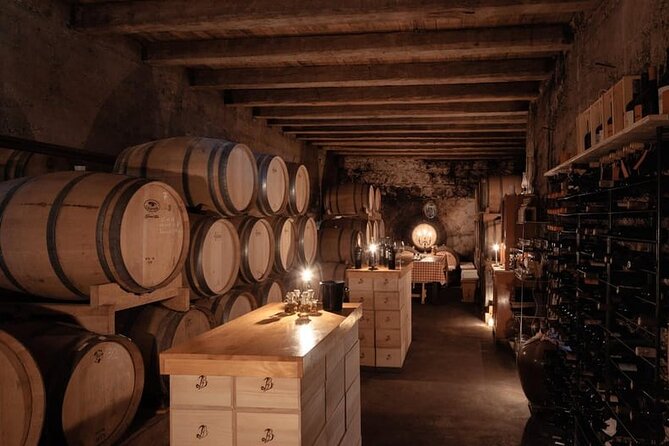
The tasting takes place in Jelsa at Duboković Winery, housed in a traditional Dalmatian konoba, or cellar-style gathering place. The host is Ivo Duboković, the owner and winemaker behind the Medvid label.
Duboković produces roughly 15,000 to 20,000 bottles a year. That is small enough to give the tasting a personal feel, while the wines have also reached leading restaurants in Croatia and several European countries. The cellar is not presented as a grand commercial winery. Its appeal is the hands-on character and the chance to meet the person behind the bottles.
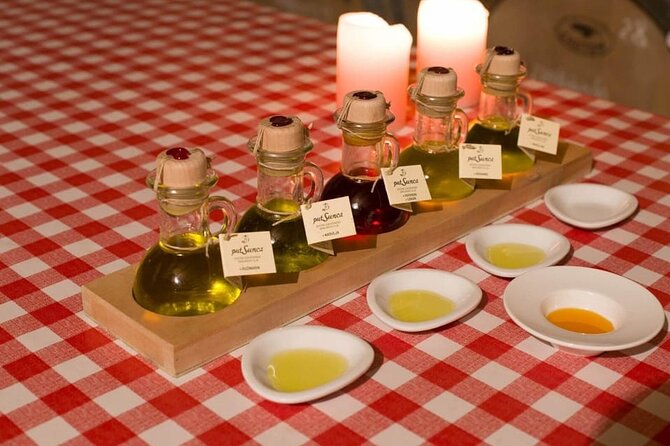
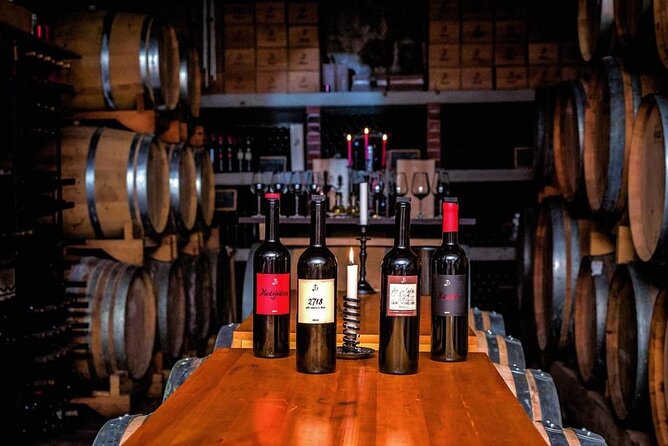
The tasting usually includes several wines. Different visits have included around seven wines, while another account recalls closer to ten, so the exact selection can vary. You may taste different styles and grape varieties, with bread and olive oils served alongside the wine.
A particularly interesting bottle may come from the autochthonous Darnekuša grape. One cooperative vineyard connected with the winery sits at about 530 meters near Hvar’s St. Nicholas peak, and its vines are more than 90 years old. That detail gives the tasting real local character. You are not simply sampling generic Croatian wine. You are tasting products tied to Hvar’s soil, elevation, and older agricultural traditions.
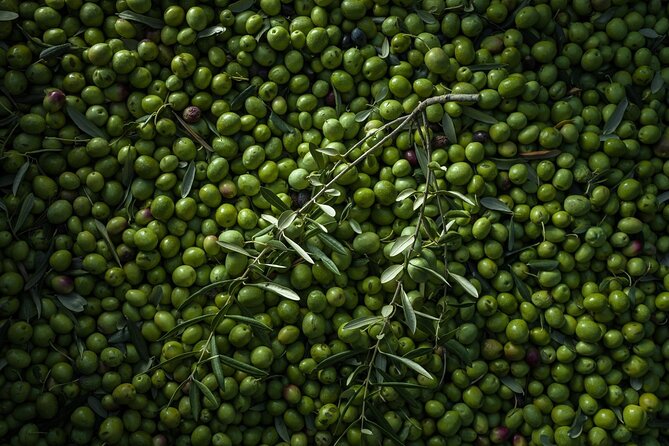
The olive oil portion is just as distinctive. Duboković produces a range of flavored oils, and the tasting may include four different varieties. The flavors can follow you through the rest of your holiday, particularly if you enjoy using olive oil with bread, salads, or simple meals.
I would set aside room in your luggage for a purchase, but plan carefully. Olive oil purchases have been reported as cash only. Wine may be shipped, but you should confirm the current arrangements directly at the cellar. The tasting itself is included, yet bottles and oils for home are extra.
What the guides add to the drive
The scenery would be worth seeing on its own, but the guide makes the route easier to understand. Petar is repeatedly praised for explaining Hvar’s history, local families, island life, and farming practices in a relaxed way. He also takes care with group photos at the viewpoints, which is handy for solo visitors and couples.
Luka receives similar praise for being personable and well informed. His return route on the newer road can make the trip feel different from the outward journey, even if you have already visited one of the stops on another tour. A more scenic drive back to Hvar Town was a highlight for one repeat wine-tour participant.
The van is another practical strength. One account describes a clean, comfortable Mercedes van, while other descriptions emphasize prompt pickup and safe driving. Those details matter on Hvar. You get countryside access without worrying about parking, navigation, or who will drive after the tasting.
The tour can also work well for solo visitors. With a small group, you are not stranded in a crowd, and the tasting provides a natural setting for conversation. At the same time, the experience is not private by default. If other people book, you share the van and the winery visit with them. On quiet dates, the group may be very small, and one booking even became a private tour.
Is $143.79 a fair price?

At $143.79 per person, this is not the cheapest way to see Hvar. You are paying for a guide, transportation, several scenic stops, and an included winery tasting rather than simply paying for a transfer from Hvar Town to Jelsa.
The value improves if you are staying in Hvar without a car. Renting a vehicle adds driving duties, route planning, parking concerns, and the question of who can taste wine. Here, you get a local driver and commentary, along with a compact view of the island’s interior.
The price also makes more sense for people who want context with the tasting. If all you want is a glass of wine, you can find less expensive options in Hvar Town. If you want to understand where the grapes and olives come from, see the old roads and villages, and visit a small producer, the package is stronger.
Still, three hours is a short window for this price. You do not get a long stay in Jelsa, a full tour of Stari Grad, or an extended walk through the lavender country. I would book it for the combination of views and tasting, not for the amount of free time at each location.
The tour is offered in English and usually sells well in advance, with bookings averaging about 44 days ahead. That suggests you should reserve early during busy months, especially if you have only one open morning or afternoon on Hvar.
Who should book this experience?
I would recommend it to you if you are visiting Hvar for the first time and want to see more than the old town. It is especially useful when you have limited time, do not want to drive, or want a gentle introduction to Croatian wine and olive oil.
It also suits people who enjoy local producers more than large commercial attractions. Duboković’s modest cellar, old Darnekuša vines, and flavored oils give the tasting a strong sense of place.
This is a good match for solo visitors, couples, and small groups of friends. The compact group size keeps the ride personal, and the guide can answer questions along the way.
You may want another option if you have already done the Wine Lovers Tour from Hvar or already visited Napoleon’s fortress and Duboković Winery. The overlap could make this feel repetitive. You may also prefer a longer excursion if you want substantial time in Stari Grad or Jelsa itself.
Pickup is offered, but hotels such as Adriana, Riva, Beach Bay, and Palace Elisabeth, along with accommodations in Hvar’s pedestrian zone, use Hvar Bus Station as the meeting point. Confirm that location before you set out. Free cancellation is available up to 24 hours before the start time. Bad weather or failure to reach the minimum group size can lead to a new date or a full refund.
Should you book the Hvar island and wine tour?
Book it if you want a compact, well-organized look at Hvar’s countryside, with excellent viewpoints and a serious local tasting at the end. The combination of Napoleon’s fortress, St. Roko’s Chapel, old stone walls, lavender country, and Duboković wines gives you more range than a simple winery visit.
I would be most likely to book this early in a Hvar stay. It helps you understand the island before you spend the rest of your time in town, and the guide can point out details you might otherwise miss. Bring cash for olive oil, allow room for bottles, and check for overlap with any other wine tour you have booked.
At $143.79, it is best for you if the guide, transport, views, and tasting all matter. If you only want a cheap wine sample, skip it. If you want to see the island beyond Hvar Town without renting a car, this is a strong choice.
FAQ
How long does the Hvar island tour last?
The experience lasts approximately three hours, including the scenic stops, drive to Jelsa, wine and olive oil tasting, and return transfer to Hvar.
Where is the meeting point in Hvar?
For hotels and Airbnbs in Hvar’s pedestrian zone, including Adriana, Riva, Beach Bay, and Palace Elisabeth, pickup is at Hvar Bus Station. Pickup is offered.
How many people can join the tour?
The tour has a maximum of eight travelers, making it a small-group experience. Depending on the date, the group may be smaller.
What will I see during the drive?
The route includes Napoleon’s fortress, views of Hvar Town and the Paklinski Islands, old roads, dry-stone walls, villages, lavender fields, Velo Grablje, and St. Roko’s Chapel overlooking Stari Grad and the Stari Grad Plain.
What is included in the tasting?
The tasting includes Duboković wines and a selection of flavored olive oils. The exact number of wines can vary, with some tastings including about seven and others closer to ten.
Can I cancel for a full refund?
You can cancel at least 24 hours before the experience starts for a full refund. Changes or cancellations made less than 24 hours before the start time are not accepted, and poor weather or insufficient bookings may result in a new date or full refund.
Freshly pressed around Croatia
- Makarska Tuk Tuk Tour Olive Grove, Scenic Views and Tastings★ 5.0 · 3 reviews
- Small-Group Olive Oil Tour in Cres with Tasting★ 5.0 · 2 reviews
- Private Hvar Island Tour and Olive Oil Tasting★ 4.5 · 10 reviews
- Poreč: Olive Grove Walk and Tasting with Local Products★ 5.0 · 5 reviews
- Kastela: Wine & Olive Tasting Tour w/Delicacies & Live Music★ 5.0 · 5 reviews
- From Biograd: Wine and Olive Oil Tasting in Ražnjevića Dvori★ 4.7 · 3 reviews
- Private Split & Klis Fortress Tour, Olive Museum & Port Pickup★ 4.5 · 13 reviews
- Istrian hill top cities tour with truffle and olive oil tasting★ 5.0 · 18 reviews
Olive Oil and Wine Tastings, compared.
Sorrento Farm and Food Experience including Olive Oil, Limoncello, Wine tasting
Read our review →
From Mendoza: 3 Wineries, Olive Oil Factory Tour & Tasting
Read our review →
From Chania: Olive Oil, Wine, Cheese & Honey Tasting Tour
Read our review →
From Chania: Wine and Olive Oil Tasting Tour with Snacks
Read our review →
Athens: Acropolis Wine Tasting with Cheese and Olives
Read our review →
Sorrento: Lemon, Olive Oil and Wine Tasting Tour with Lunch
Read our review →
Alghero: Wine and Olive Oil Tasting at a Local Farm
Read our review →
Other lists with this tasting on them