
Review · BAEZA
Baeza: Olive Oil Tasting Experience
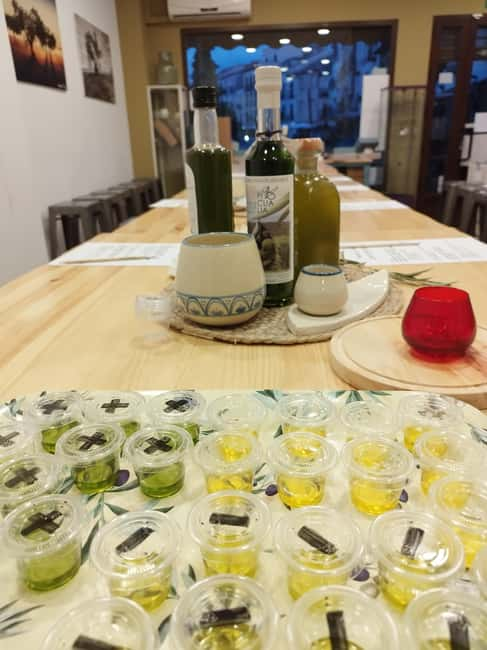
The most useful part of this Baeza experience is the tasting itself. You receive an official blue or red tasting glass and a note card, then compare three olive oils by smell, flavor, and finish. That turns a familiar pantry staple into something you can actually assess. The tasting glass matters, since its shape helps focus the aromas.
I like the clear connection to Jaén, one of Spain’s major olive oil regions, and I like the modest price: $17 for 90 minutes is a fair deal for a guided food experience. English and Spanish are available, and guides such as Maria and Anna can explain the subject without making it feel stiff or academic.
The main consideration is that this is an indoor presentation and tasting, not a visit to an olive grove or working mill. You see images of harvesting and production rather than taking part in those activities, and one guest wished the presentation had included a short film about the process.
Key points to know
- Three oils, one guided comparison: Taste different varieties side by side and learn how to notice their individual qualities.
- A local food lesson: The presentation covers Jaén’s olive-growing culture, olive varieties, plantations, harvesting, and oil quality.
- Official tasting equipment: Use a blue or red tasting glass and a card for recording your impressions.
- More than oil on a spoon: Apples and bread refresh your palate, followed by EVOO products such as specialty chocolate.
- Central Baeza setting: Meet at La Casa del Aceite in Plaza de la Constitución, a handy stop while exploring the town.
- Good value for food lovers: At $17, the short session adds a focused taste of local culture without taking half a day.
Why olive oil makes sense in Baeza
Baeza is in Andalusia’s province of Jaén, an area where olive oil is central to both farming and everyday food. This tasting gives you a way to understand that importance through flavor instead of only through a museum label or a quick meal.
The session begins with the culture of olive oil in Jaén. You learn about the first crops, the varieties of olive trees, and the plantations around Baeza. You also get an explanation of how oil quality differs, a useful lesson if you plan to buy a bottle during your time in Spain.
I like this local focus. The experience is not a general Spanish food talk with a few olives added. It is tied to the place you are visiting, and that gives the tasting more purpose. You start to connect the oil on the table with the fields, harvest, and regional economy behind it.
The material is presented through images showing how olives are picked and how oil is produced. That gives you a visual outline of the work involved, though you should not expect a full farm visit or a working press demonstration.
More Olive Oil Tours around Spain:
- Ronda: LA Almazara LA Organic, Olive Oil Museum and Tasting
★ 4.6 · 435 reviews - Guided tour and olive oil tasting in Alhaurin el Grande (Málaga)
★ 5.0 · 200 reviews - Guided Tasting Tour in 16th century House and Olive Oil Factory
★ 5.0 · 169 reviews
Meeting at La Casa del Aceite in Plaza de la Constitución
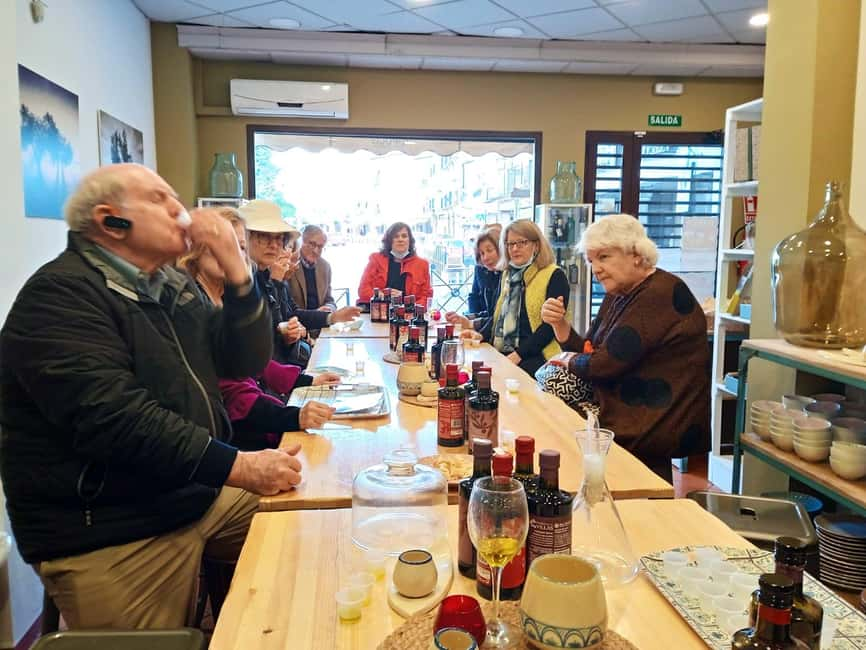
The meeting point is the entrance of La Casa del Aceite, located in Plaza de la Constitución. This central location makes the experience easy to fit into a day of exploring Baeza, especially if you are already walking around the old town.
You do not need to arrange transport to an olive farm or find a rural property outside town. Simply go to the entrance and meet the guide there. The activity is also wheelchair accessible, which is helpful for visitors who need a more manageable city-based food experience.
The stated duration is 1.5 hours. That is long enough for a proper introduction and tasting, but short enough to leave room for Baeza’s other sights, lunch, or a second town in the area. Check the available starting times when booking, since the exact schedule is not fixed in the information provided.
The opening lesson on Jaén olive oil
Once inside, the guide introduces the basics of olive oil and its place in Jaén. Expect an explanation of how olive cultivation developed, the kinds of olive trees found around Baeza, and the way plantations are managed.
This first section is valuable because it gives you a vocabulary for the tasting that follows. Instead of simply hearing that one oil is stronger or smoother, you learn to think about varieties, production, and quality. The talk also helps explain why two extra-virgin olive oils can taste quite different even when they come from the same broad region.
The presentation uses images to show olive picking and oil production. You should pay attention here, since the visual material fills in parts of the process that you will not see in person. You get a sense of how olives move from the tree toward the finished bottle.
The guides have received strong praise for making this section clear and engaging. Maria led one English-language presentation that covered many parts of production and left plenty of room for questions. Anna has also been described as both well informed and enthusiastic. English and Spanish are the available languages, so choose the language that lets you ask detailed questions comfortably.
One small limitation is worth keeping in mind. The presentation is not described as including a film, and one participant specifically hoped for a short video showing the production method. If you learn best through moving images, the still pictures and spoken explanation may feel a little basic.
Using the tasting glass for three varieties
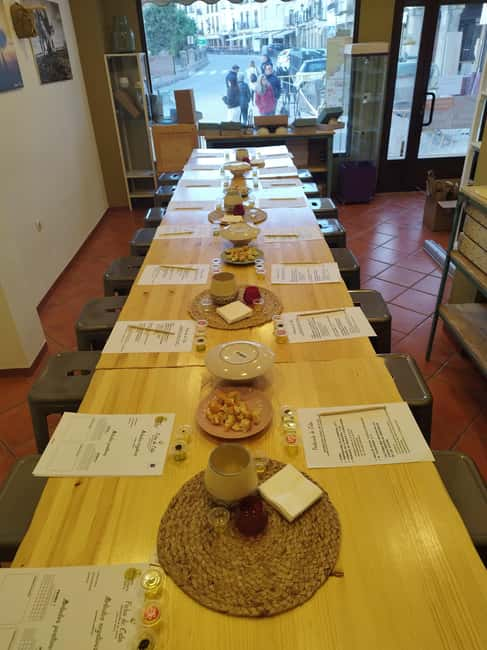
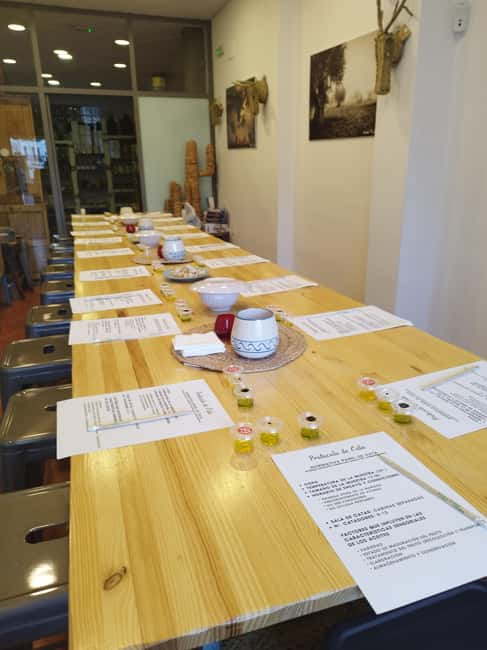
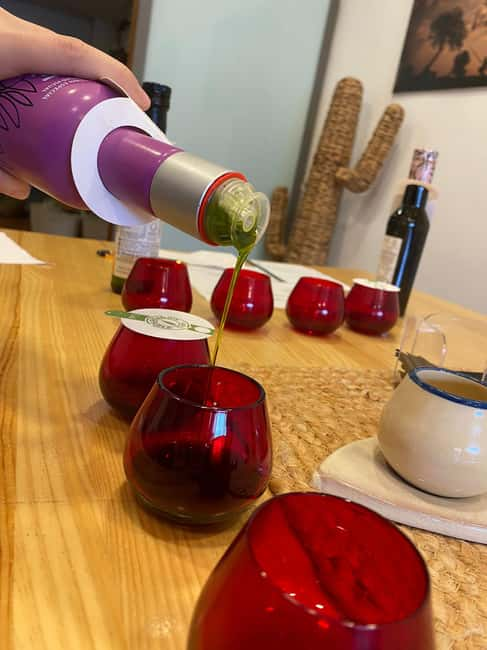
The tasting is the heart of the experience. You sit at the table with an official blue or red tasting glass and a card for noting what you detect. Three olive oils are served, giving you a direct comparison rather than a single sample with no point of reference.
A proper tasting glass helps you focus on aroma and keeps the process from turning into a simple bread dipping session. You can pay attention to the oil’s smell, first taste, texture, strength, and finish. The note card gives you a place to record those impressions, which is useful if the oils begin to blend together in your memory.
The guide explains how to distinguish the oils and how to notice their sensory qualities. You do not need prior experience. The point is not to produce a perfect technical description, but to become more alert to what is in your glass.
I recommend taking the tasting slowly. Smell each sample before tasting it, then compare how the flavor develops. Think about which oil feels mild, which has more force, and which one you would prefer on bread, salad, or another dish. The guide can help you put those impressions into words.
The three samples are a sensible number for a 90-minute session. One or two would not offer much comparison, while a long flight could leave your palate tired. Three gives you enough range to learn without making the activity feel like a formal certification course.
Same olive country, a different way to taste it:
- Visit of the olive grove, olive oil tasting and snack
★ 4.9 · 111 reviews - Visit Oil Mill Museum and Olive Oil Tasting in Ronda
★ 4.5 · 105 reviews - Private Tasting of Olive Oil in Córdoba
★ 5.0 · 93 reviews - Olive Oil tasting breakfast & Tour in Cordoba
★ 4.5 · 84 reviews
Apples, bread, and EVOO-made treats
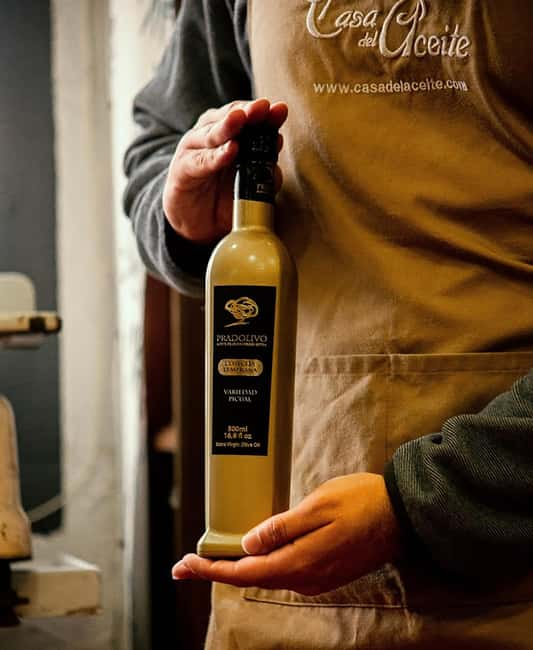
Apples and bread accompany the tasting. They help refresh your palate between oils and make the session more comfortable than tasting oil by itself.
The apple is especially useful between samples because its crisp, clean flavor helps reset your mouth. Bread gives you a familiar way to judge how the oil behaves with food. You can think about texture and balance in a more practical way than you can from a tasting glass alone.
At the end, you sample a selection of gastronomic products made with extra-virgin olive oil, or EVOO. One example is specialty chocolate. This is a nice closing touch because it shows how olive oil can move beyond savory dishes and into sweets or prepared foods.
Do not expect a full meal. The food is a small tasting, designed to support the lesson rather than replace lunch. Plan to eat separately if you need something substantial afterward.
What the guides add to the experience
The guide makes a big difference here because olive oil can be difficult to understand from written descriptions alone. You need someone to explain what to notice, answer questions, and connect the tasting to local production.
The supplied details identify Maria and Anna as guides who have led these sessions. Maria’s English was described as excellent, and her presentation included explanations of many parts of olive oil production. Anna was also praised for her skill and enthusiasm. The available guide languages are English and Spanish.
Group size can affect the feel of the session. One English-language booking had only two participants, which made it possible to ask many questions and receive a more personal presentation. You should not assume every departure will be that small, but the format allows for direct interaction with the guide.
This is a good activity for curious eaters who like to ask why one product costs more than another or how to choose a bottle in a shop. It is less suited to someone who wants a quick photo opportunity, a full countryside outing, or a hands-on harvest activity.
The $17 price and what you receive
At $17 per person, this is one of the easier food experiences to fit into an Andalusian trip. The price covers the guide, the talk, three oils, the tasting glass, the note card, apples, bread, and samples of EVOO products.
I see the value in the structure. You are not paying only for three small pours. You are paying for the explanation that lets you understand the differences among them and for a local context that you would miss by buying a bottle at a shop without guidance.
The price is also reasonable for the time commitment. Ninety minutes gives you a real introduction without taking up an entire morning or afternoon. If you are already planning to visit Baeza, the central meeting point keeps the extra cost and effort low.
The value is less clear if you are already an olive oil expert or have booked a longer olive farm and mill tour elsewhere. In that case, this may repeat some basic material. For most visitors, though, it works well as a focused introduction, especially if you want a short cultural activity between sightseeing stops.
Who should book this Baeza tasting
I would recommend it to several types of visitors:
- Food-focused visitors: You get to taste local products and learn how to judge olive oil rather than simply consume it.
- First-time olive oil tasters: The guide and tasting card make the process approachable.
- Slow-paced sightseers: The 90-minute schedule fits neatly into a day in Baeza.
- Couples and small groups: The table format encourages conversation and comparison.
- Visitors without a car: The meeting point is in central Baeza, so no rural transport is required.
- English or Spanish speakers: The activity is offered in both languages.
Families may also find the session useful, though the information supplied does not specify a minimum age. Children who enjoy food and short educational activities may like the tasting, while younger children may find the talk less engaging.
You should choose something else if your main goal is to walk through olive groves, watch machinery operate, or see the harvest firsthand. This experience explains the process through a presentation and images, then focuses on tasting.
Practical details before you go
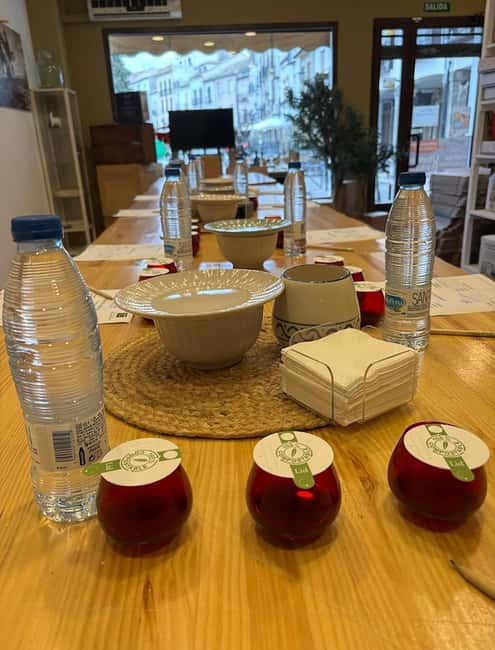
Wear comfortable clothes. There is no special equipment or clothing requirement, and the activity takes place at La Casa del Aceite rather than on a farm.
The meeting point is the entrance at Plaza de la Constitución. Give yourself enough time to reach the square, since arriving at the correct central location is the main practical task.
The activity is wheelchair accessible. English and Spanish are available, and you can cancel up to 24 hours before the start for a full refund. You can also reserve now and pay later, which helps if your Baeza schedule is still shifting.
The experience has a listed rating of 4.7 from seven reviews. The strongest praise centers on the clear explanation of olive oil production, the quality of the tasting, and the guides’ ability to answer questions in English. The only clear criticism is the wish for a short production film, so set your expectations for a spoken and image-based presentation rather than a multimedia show.
Should you book the La Casa del Aceite experience?
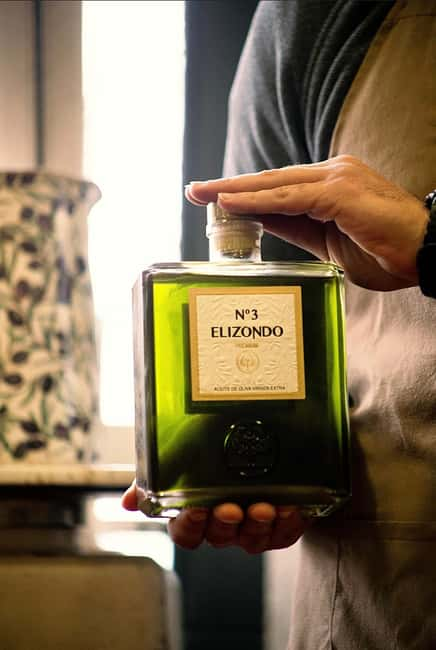
Book it if you want a compact, well-priced introduction to the product that shapes much of Jaén’s food culture. The three oils, official tasting glass, palate cleansers, and EVOO-made treats give you more than a casual sample, while the central location makes the session easy to add to a day in Baeza.
Skip it if you want a farm visit, a working mill, or a full meal. For everyone else, especially first-time tasters and food-minded visitors, $17 buys a useful lesson you can carry into the rest of your trip. You may even leave knowing which bottle to choose when olive oil appears on your table or in a local shop.
FAQ
Where does the olive oil tasting take place?
Meet at the entrance of La Casa del Aceite in Plaza de la Constitución in Baeza, Andalusia.
How long does the experience last?
The tasting experience lasts 1.5 hours.
How much does it cost?
The listed price is $17 per person.
How many olive oils do you taste?
You taste three different olive oils and learn how to compare their sensory qualities.
What food is included?
The tasting includes apples and bread to refresh your palate, plus a small selection of products made with extra-virgin olive oil, such as specialty chocolate.
Is the experience offered in English?
Yes. The live guide languages are English and Spanish.
Is the activity wheelchair accessible?
Yes, the experience is described as wheelchair accessible.
Can I cancel my booking?
Yes. You can cancel up to 24 hours in advance for a full refund.
Freshly pressed around Spain
- Paella, Olive Oil, Wine & Relax in Rural Estate outside Madrid★ 5.0 · 2 reviews
- Olive Oil Tour and Tasting in Málaga★ 5.0 · 2 reviews
- Discover the varieties of wines, olive oil and food on Mallorca★ 5.0 · 8 reviews
- Olive Oil Excursion to an olive mill in the Lecrín Valley★ 3.5 · 3 reviews
- Authentic Olive Oil Tasting in Cordoba, Spain★ 4.0 · 2 reviews
- Cordoba Olive Oil mill, Wine, Passion★ 4.5 · 8 reviews
- Full day in Cordoba between Vineyards and Olive Trees with a Convertible Car★ 5.0 · 2 reviews
- Visit olive grove centenary with oil tasting course★ 5.0 · 11 reviews
Baeza Olive Oil Tours, compared.
Visit an almazara + extra virgin olive oil tasting: Baeza
Read our review →
Guided tour of the Museum of Olive Culture Oil Tasting
Read our review →
Baeza: Visit to an Organic Olive Grove + Oil Tasting
Read our review →Other lists with this tasting on them