
Review · SPAIN
Olive Oil Excursion to an olive mill in the Lecrín Valley
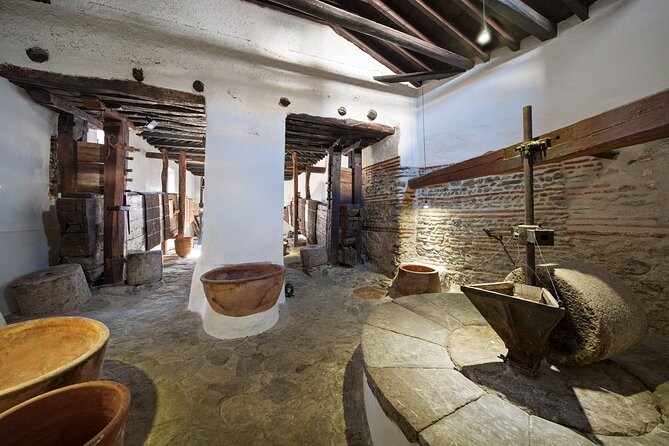
The most unusual part of this short Granada outing is the visit to an old Arab olive mill in Nigüelas, a village in the Lecrín Valley. Instead of spending another morning among city monuments, you get a close look at how olives were pressed in earlier times and how extra virgin olive oil is judged today.
I like the small group limit of eight people, which should make it easier to hear the guide and ask questions. I also like the simple two-hour format: transport, a local guide, and an olive oil tasting are bundled together, so you can fit it neatly into a Granada morning.
The main drawback is the narrow focus. Lunch and any extra features cost more, and the experience is brief, so you should book it for the mill visit and tasting rather than expect a full-day food tour or a broad trip around the valley.
Key points at a glance
- An old Arab mill in Nigüelas: The central stop gives you a look at traditional olive pressing methods.
- A small group of eight or fewer: The size should allow for a more personal explanation and easier questions.
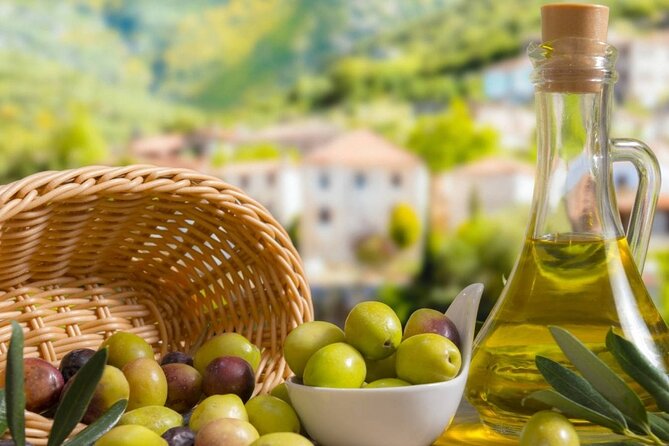
- Extra virgin olive oil tasting: Tasting is included, not treated as an optional add-on.
- A two-hour escape from Granada: You get a change of setting without giving up most of your day.
- Hotel-style transport convenience: Pick-up and drop-off are included, with the tour beginning and ending at Plaza de Mariana Pineda.
- A firm cancellation deadline: Cancel at least 24 hours before the 9:30 am start for a full refund.
From Plaza de Mariana Pineda to the Lecrín Valley
Your morning begins at 9:30 am at Plaza de Mariana Pineda in central Granada. Pick-up and drop-off are included, and the activity ends back at the same meeting point, which keeps the plan tidy if you have other sightseeing scheduled later.
The drive takes you away from Granada toward Nigüelas and the Lecrín Valley. The supplied details do not give an exact driving time, so I would not plan a tightly timed museum visit immediately afterward. Allow a little breathing room, especially if you are arranging lunch or another booking.
This transfer matters because the experience is not simply an olive oil talk in the city. You are going to the place where the mill is located. That change of setting gives the visit a more grounded feel, even though the tour itself lasts only about two hours.
The meeting point is near public transportation, but the tour includes transport as part of the service. You therefore avoid having to work out a separate route to Nigüelas. For anyone staying in central Granada, that is a useful part of the price.
More Olive Mill and Factory Tours in Spain
- Guided Tasting Tour in 16th century House and Olive Oil Factory
★ 5.0 · 169 reviews - Visit Oil Mill Museum and Olive Oil Tasting in Ronda
★ 4.5 · 105 reviews - Jaén: Guided Olive Mill Tour with Olive Oil Tasting
★ 4.9 · 74 reviews
Nigüelas and the old Arab olive mill
The sole stated stop is Nigüelas, where you visit an Arab mill. The appeal here is the method, not a long list of sights. You learn how olives were handled and pressed in earlier times, with attention to the practical process that turned a local crop into oil.
An old mill can make olive oil feel less like a supermarket bottle and more like a product shaped by place, tools, labor, and timing. The experience is especially useful if you have wondered what the words extra virgin really mean or how olive pressing worked before modern equipment.
The available details do not promise a working modern mill, an olive grove walk, or a demonstration using freshly picked olives. Keep your expectations measured. You are visiting a historic mill and learning about an older Arabic pressing process, not signing up for an agricultural workday.
The compact format may suit you if you prefer one clear subject. A guide can spend the limited time on the mill and the oil rather than rushing through several unrelated attractions. The tradeoff is that the visit may feel short if traditional food production is a major interest of yours.
What you learn about traditional pressing
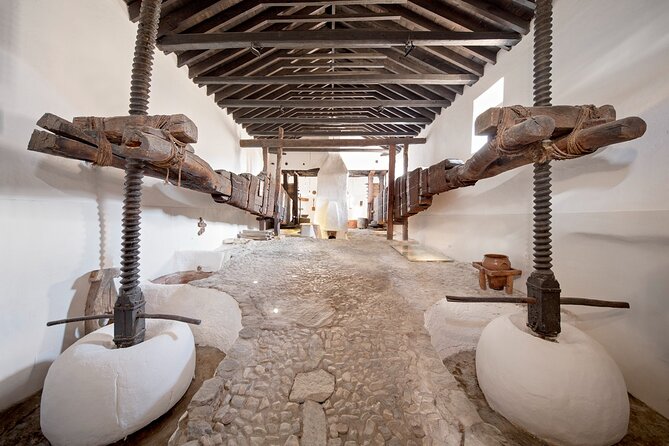
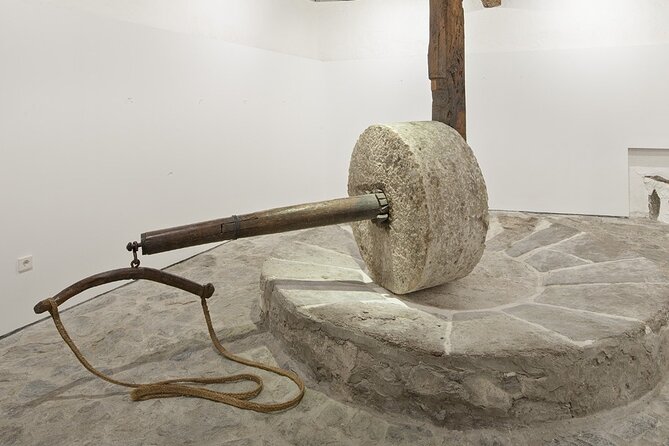
The strongest part of the experience is the chance to connect an everyday food with the tools and methods behind it. The old Arabic olive pressing process is presented as something to see and understand, not just a backdrop for a tasting.
A local guide leads the visit in English. No guide name is provided, so you should not book expecting a particular named host. The useful question to ask on the day is how the older method worked, how it differs from modern production, and what affects the quality of the finished oil.
I would pay attention to the relationship between the mill and the tasting. The mill explains the process in physical terms, while the tasting lets you use your senses to compare the result. That pairing makes the short visit more useful than either a history talk or a stand-alone sample session.
The guide’s role matters here. A good explanation should help you notice color, aroma, bitterness, and peppery sensations in the oil, though the supplied information confirms only that extra virgin olive oils are tasted. Specific tasting varieties are not given, so you should not expect a set number of oils or a formal tasting course.
Tasting extra virgin olive oils
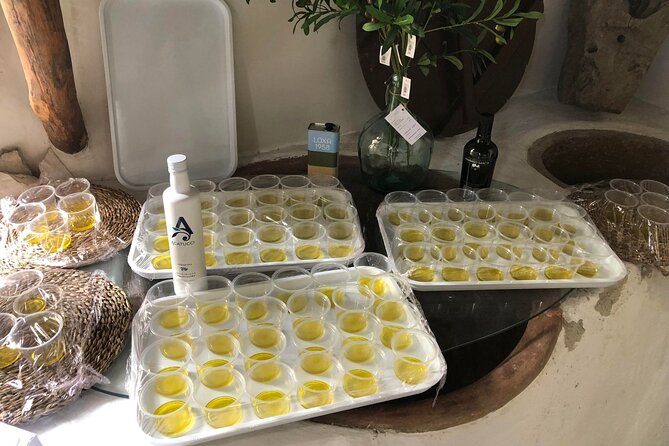
The tasting is included in the advertised price. That is important because olive oil experiences can sometimes charge separately for the part most people care about. Here, your visit to the mill and the opportunity to taste extra virgin oils form one package.
Extra virgin oil can have a range of flavors, from mild and grassy to bitter or peppery. The tasting gives you a practical way to think about those differences. You may find that a stronger oil works well on bread or salads, while a milder style suits other dishes, but the tour information does not specify what foods, if any, accompany the samples.
Do not expect lunch. It is specifically excluded, so plan to eat before or after the outing. Since the tour returns to Granada, you can keep your meal plans in the city, but leave enough time after the stated end point for the return transfer.
I like that the tasting gives the experience a sensory finish. You do not just hear about pressing methods and then walk away. You get to connect the old equipment and process with the flavor of the finished product.
Same olive country, a different way to taste it:
- Ronda: LA Almazara LA Organic, Olive Oil Museum and Tasting
★ 4.6 · 435 reviews - Guided tour and olive oil tasting in Alhaurin el Grande (Málaga)
★ 5.0 · 200 reviews - Visit of the olive grove, olive oil tasting and snack
★ 4.9 · 111 reviews - Private Tasting of Olive Oil in Córdoba
★ 5.0 · 93 reviews
Why the small group matters
The maximum group size is eight people. That is one of the strongest practical features because a mill visit can lose its value if you are standing at the back of a large crowd. In a group this size, you should have a better chance to hear the guide and ask a question without holding up dozens of people.
A small group also suits the subject. Olive oil production has plenty of details that are easy to skip in a large tour: how the press worked, what changed over time, and why one oil tastes different from another. The group limit does not guarantee a private tour, but it keeps the scale personal.
The activity is offered in English. Most people can participate, and the experience is near public transportation. No special accessibility details are supplied, so if you have specific mobility needs, contact the provider before booking rather than relying on general participation guidance.
The provider is Andalucia Travel Experience. Confirmation is received at booking, which gives you a clear record of the meeting time and location. Keep the confirmation handy for the 9:30 am start at Plaza de Mariana Pineda.
Is $71.38 a fair price?

At $71.38 per person, this is not the cheapest way to spend two hours in Granada. The value depends on how much you want the transport and access to the mill. The price includes pick-up and drop-off, a local guide, and extra virgin olive oil tasting, so you are paying for a compact guided outing rather than only admission.
The small group helps the value calculation. A group of eight or fewer can offer more direct attention than a large coach visit, and transport saves you the time and trouble of arranging your own trip to Nigüelas. If you would otherwise need a taxi or private transfer, that convenience becomes more meaningful.
The price is harder to justify if your main goal is a long food-focused day. Lunch is not included, additional features are not included, and the entire experience lasts about two hours. You are not getting a full valley tour, a cooking class, or a series of farm visits based on the information available.
I would see it as a focused cultural excursion. It works best for someone who values an unusual local subject, a small group, and a simple morning away from central Granada. It is less suitable if you measure value by the number of sights or hours included.
A pleasant break from Granada’s city center
The experience offers a useful change of pace. Granada is packed with major sights, and a short trip into the Lecrín Valley gives your morning a different rhythm. You trade city streets for an old mill and a lesson in local food production.
That contrast is one of the tour’s best qualities. You do not need to commit a full day to the countryside, yet you still leave the urban center and visit a place tied to regional agriculture. For a short stay in Granada, this can be a smart way to add variety.
The tour is also a reasonable choice for repeat visitors who have already seen the central monuments. Instead of adding another standard city walk, you can spend two hours on a subject that connects history, food, and local craft.
Still, keep the scope in mind. The supplied plan names Nigüelas as the stop and the Arab mill as the main attraction. If you want a broad introduction to the whole Lecrín Valley, you may find this outing too limited.
Timing, transport, and planning your day
The 9:30 am departure makes this a morning activity. Because the tour returns to Plaza de Mariana Pineda, you can plan the rest of your day from a familiar central point. The exact finish time is not given, only an approximate duration of two hours, so avoid booking a second activity with a very tight start.
Wear something comfortable for a short outing, but the supplied information does not describe walking distances or the mill’s surfaces. If you need detailed information about steps, seating, or access, ask Andalucia Travel Experience before you pay.
The mobile ticket is convenient. You can keep the booking on your phone rather than arranging a printed voucher. Confirmation arrives at the time of booking, and the meeting point is clearly stated as Plaza de Mariana Pineda in central Granada.
Free cancellation is available if you cancel at least 24 hours before the start time. A cancellation made less than 24 hours before 9:30 am is not refundable, and changes inside that window are not accepted. The activity also requires a minimum number of participants, so if the provider cancels for that reason, you are offered another date or experience, or a full refund.
Who will enjoy this olive oil outing?
I would recommend it most strongly to you if you enjoy food traditions, small museums, historic tools, and short regional excursions. It is also a good fit if you want a break from Granada without sacrificing an entire day.
You may especially like it if you have always been curious about how olives become oil. The combination of an old mill and a tasting gives you both the practical story and the finished product.
Families and mixed-age groups may appreciate the short duration, though the supplied information does not give a child price or a child-specific program. Most people can participate, but ask about access if anyone in your party has particular needs.
I would hesitate if you want a large selection of local foods, a full meal, or a long visit through several villages. Lunch is not included, and the plan centers on one stop. The experience earns its place through focus, not volume.
Should you book the Nigüelas olive mill visit?
Book it if you want a small-group morning outside Granada with transport handled for you, a local guide, an old Arab mill, and an extra virgin olive oil tasting. The format is tidy, the subject is distinctive, and the two-hour length leaves most of your day free.
Skip it if you are looking for a full-day food tour or a detailed survey of the Lecrín Valley. At $71.38, the experience makes the most sense when the mill and traditional pressing methods genuinely interest you. For the right visitor, it is a thoughtful change from Granada’s better-known sights, with just enough tasting to make the history memorable.
FAQ
Where does the olive oil experience begin?
It begins at Plaza de Mariana Pineda, Pl. de Mariana Pineda, Centro, 18009 Granada, Spain.
What time does the tour start?
The tour starts at 9:30 am.
Where does the activity end?
The activity ends back at the meeting point, Plaza de Mariana Pineda.
How long does the experience last?
It lasts approximately two hours.
What is included in the price?
The price includes pick-up and drop-off, a local guide, and a tasting of extra virgin olive oils.
Is lunch included?
No. Lunch is not included.
How large is the group?
The activity has a maximum of eight participants.
Can I cancel for a full refund?
Yes, if you cancel at least 24 hours before the experience start time. Cancellations made less than 24 hours in advance are not refunded.
Freshly pressed around Spain
- Paella, Olive Oil, Wine & Relax in Rural Estate outside Madrid★ 5.0 · 2 reviews
- Olive Oil Tour and Tasting in Málaga★ 5.0 · 2 reviews
- Discover the varieties of wines, olive oil and food on Mallorca★ 5.0 · 8 reviews
- Authentic Olive Oil Tasting in Cordoba, Spain★ 4.0 · 2 reviews
- Cordoba Olive Oil mill, Wine, Passion★ 4.5 · 8 reviews
- Full day in Cordoba between Vineyards and Olive Trees with a Convertible Car★ 5.0 · 2 reviews
- Visit olive grove centenary with oil tasting course★ 5.0 · 11 reviews
- Tarragona Culinary Experience: Olive Oil & Iberian Ham Delight★ 5.0 · 8 reviews
Olive Mill and Factory Tours, compared.
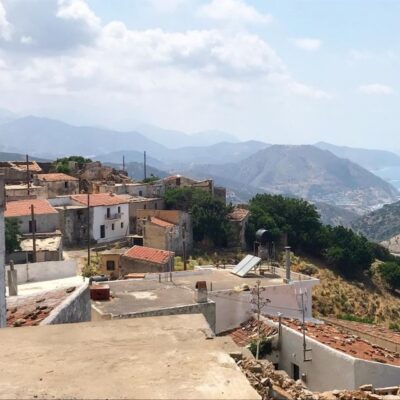
Crete: Quad Safari, Olive Mill with Tasting & Ghost Village
Read our review →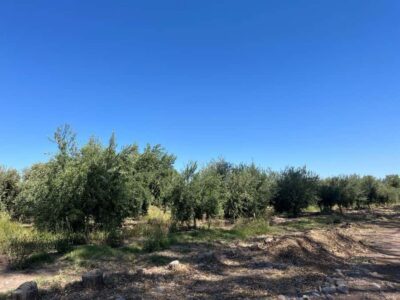
From Mendoza: 3 Wineries, Olive Oil Factory Tour & Tasting
Read our review →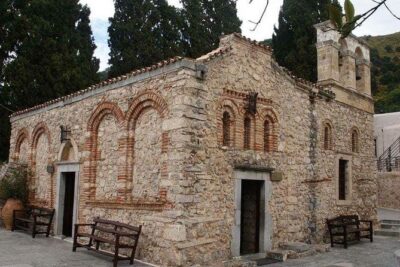
Knossos-Zeus Cave -Old Traditional Villages-Olive Oil Factory
Read our review →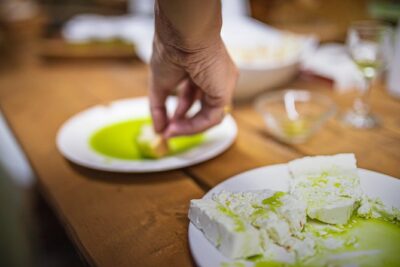
The Governor’s Olive Mill Tour with Olive Oil Tasting
Read our review →
Crete: Road-trip to Lasithi, Zeus Cave & Olive Mill Farm
Read our review →
Lassithi, Zeus Cave, Olive Mill Farm & Knossos Combo Tour
Read our review →
Zeus Cave, Lassithi Plateau, Olive Oil Factory, Kritza, Pottery
Read our review →
Crete: Zeus Cave, Lassithi Plateau, and Olive Factory Tour
Read our review →Other lists with this tasting on them