
Review · JAEN
Jaén: Guided Olive Mill Tour with Olive Oil Tasting
Jaén’s olive oil story makes sense only when you see the machinery, storage rooms, and old tools up close. At Oleícola San Francisco, you follow the fruit from delivery to extraction, then sit down to taste three extra virgin oils. I especially like the family-run setting and the chance to compare old and modern production methods. Guides such as Ana, Manolo, and Luis bring practical knowledge from the mill itself, not just a prepared script.
I also like the price: $21 for 1.5 hours is a good deal for a hands-on food experience near Baeza and Úbeda. The main drawback is getting there. The mill is in Begíjar, about 6 kilometers from Baeza, and you need a car or bicycle. Production is most visible from mid-October through December, so the visit can feel less active outside harvest season.
Key Points Before You Book
- See olive oil made at a real family mill: The tour covers olive reception, milling, extraction, storage, and bottling.
- Compare old and modern methods: Antique equipment helps explain how today’s process has changed.
- Taste three extra virgin oils: The Gourmet Trio from the Esencial Olive range gives you a clear way to compare aroma and flavor.
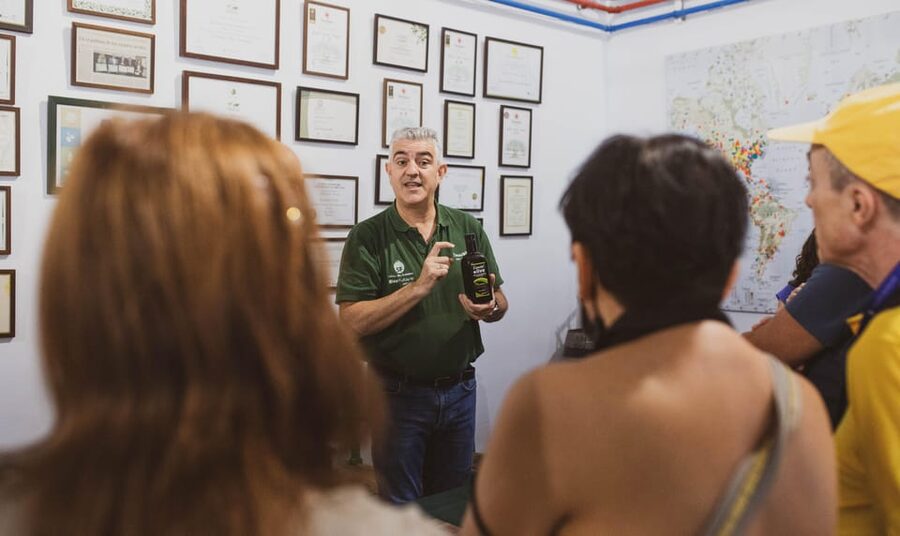
- Meet guides from the business: Ana, Manolo, and Luis have led tours, with owners sometimes taking small groups themselves.
- Plan for a rural location: The mill is reachable only by car or bike, near Baeza, Úbeda, and Jaén.
- Best timing for active production: Mid-October through late December is the strongest period if you want to see the mill during olive harvest.
Why This Mill Visit Belongs on a Jaén Itinerary
Jaén is one of Spain’s great olive-growing areas, and the groves around Baeza and Úbeda make that clear. You see rows of olive trees covering the hills and plains, but a drive past the trees tells you only part of the story. This visit shows how the fruit becomes the oil poured over bread, tomatoes, fish, and nearly everything else in Andalusia.
Oleícola San Francisco began as a small artisanal producer serving local needs. It now sells premium extra virgin olive oil internationally and has received awards in major competitions. That change gives the tour a useful balance: you learn about a family business with local roots while also seeing how a serious modern producer works.
The visit is not built around a grand estate or a long countryside walk. It is a compact, practical look at production inside and outside the mill. If you are curious about Spanish food, enjoy cooking, or simply use olive oil every day, you will leave with a better idea of what you are buying.
More Olive Mill and Factory Tours in Spain
- Guided Tasting Tour in 16th century House and Olive Oil Factory
★ 5.0 · 169 reviews - Visit Oil Mill Museum and Olive Oil Tasting in Ronda
★ 4.5 · 105 reviews - Picualia, olive oil mill tour & EVOO tasting
★ 5.0 · 49 reviews
Arriving in Begíjar From Baeza and Úbeda
The practical catch is location. The mill is in Begíjar, roughly 6 kilometers from Baeza, 18 kilometers from Úbeda, and 30 kilometers from Jaén. You cannot count on reaching it by public transport, so plan to drive or cycle.
That rural setting is part of the appeal, but it affects your schedule. This is easiest to add to a day based in Baeza or Úbeda, especially if you already have a rental car. It can also work as a stop while driving between towns, though you should allow time for the tour and tasting rather than treating it as a five-minute roadside visit.
The booking options list a meeting point that can vary, so check your confirmation carefully. The mill is open for guided visits daily, including Saturdays, Sundays, and holidays. English, French, and Spanish are available, but you should request English or French about a week ahead. Those tours begin at 12:30.
Following the Olive From Truck to Mill
The tour starts with the outdoor and indoor parts of the facility. You learn about the arrival of the olives, including the early handling that affects the final oil. Seeing this stage matters because good olive oil is not simply a matter of pressing fruit whenever convenient. Timing, cleanliness, and processing all shape the result.
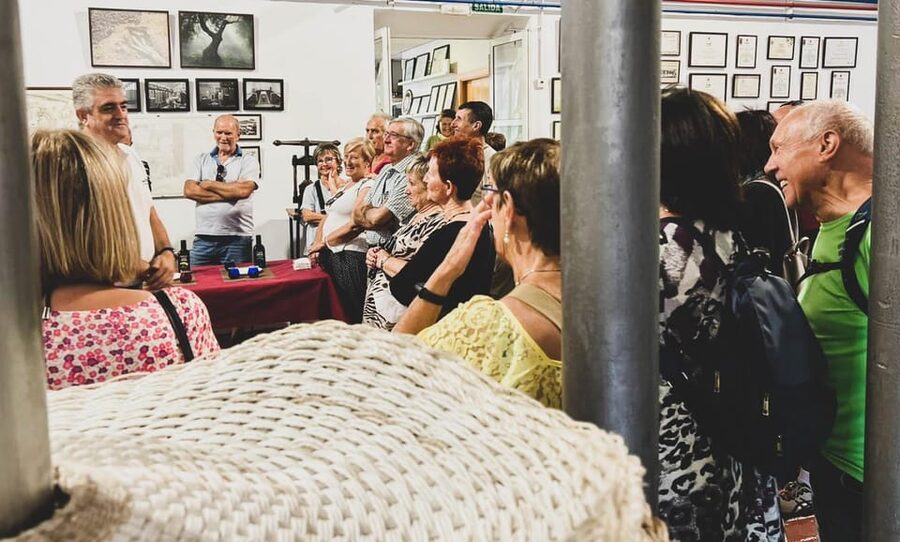
Inside, the guide explains the main steps of extraction and points out the machinery used at the mill. The explanations are aimed at ordinary food lovers, not only agriculture experts. You do not need to know technical terms before arriving. The tour builds the process in a sensible order, from olives coming in to oil being prepared for storage.
If your visit falls during the working season, you have a better chance of seeing active production. A review from a December visit described seeing the process from trucks unloading olives through bottling, while another visitor noted that mid-October to the end of December is the best period for production activity. Outside that window, the equipment and explanations still provide context, but you should not assume every machine will be running.
Old Equipment, New Methods, and the Parts You Usually Miss
One of the strongest parts of the visit is the comparison between traditional and current methods. The mill shows antiquated equipment alongside modern machinery, helping you see how the basic idea has stayed familiar while the tools have changed.
That comparison gives the tour more substance than a simple tasting. You learn how olive oil was made before modern systems improved speed, cleanliness, and control. You also see that production is not just an old rural craft frozen in time. It combines long-used principles with present-day technology.
The guide also covers considerations that affect milling and oil quality. The exact level of technical detail can depend on the questions you ask and the guide leading your group. Guides such as Manolo and Luis have been praised for spending extra time with small groups, while Ana has been described as bringing the tour to life. If you are interested in cultivation, harvesting, or the difference between oil categories, ask questions as you go.
This is a particularly good stop for cooks. You begin to understand why two bottles labeled extra virgin can still smell and taste different. The visit does not leave you with a vague impression that olive oil is healthy and traditional. It gives you a clearer sense of how production choices affect the bottle in your kitchen.
Same olive country, a different way to taste it:
- Ronda: LA Almazara LA Organic, Olive Oil Museum and Tasting
★ 4.6 · 435 reviews - Guided tour and olive oil tasting in Alhaurin el Grande (Málaga)
★ 5.0 · 200 reviews - Visit of the olive grove, olive oil tasting and snack
★ 4.9 · 111 reviews - Private Tasting of Olive Oil in Córdoba
★ 5.0 · 93 reviews
Inside the Cellar and the Short Film
After the processing areas, the tour includes a look at the cellar where the oil is stored. This is a useful bridge between production and sale. You have seen the fruit and machinery, and now you see where the finished oil waits before it reaches the bottle.
A film about the world of olive oil follows as part of the visit. It adds broader context to the mill’s own operation and helps fill in the picture of olive cultivation, production, and use. Because the tour lasts about 90 minutes, the film is a compact part of the visit rather than a long presentation.
Spanish, English, and French versions of the guided tour and film are available. If you need English or French, make the request well before your visit. The stated lead time is one week, which is worth noting if you are booking close to your arrival date.
The Three-Oil Tasting, Explained Simply
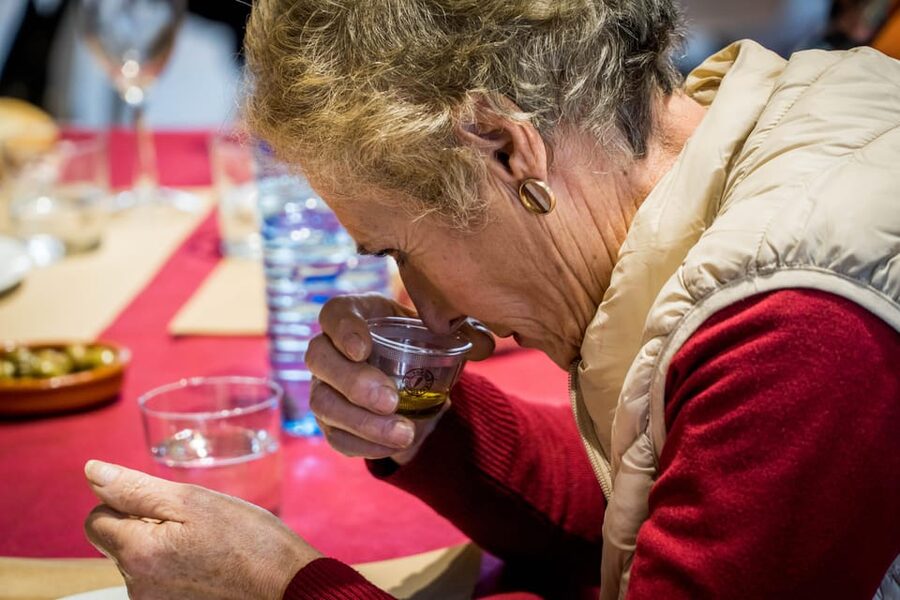
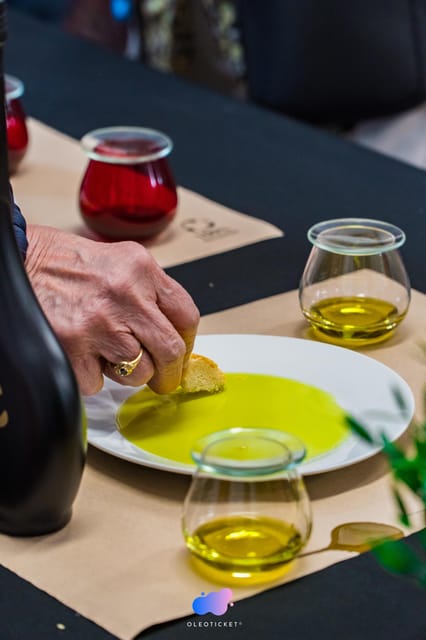
The tasting is the payoff, but it works best because it comes after the tour. You enter the tasting room and sample three extra virgin olive oils from the Gourmet Trio in the Esencial Olive range. Instead of tasting oil as an isolated condiment, you can connect its flavor to the production steps you have just seen.
The guide helps you notice aroma and sensory differences. You may pick up variations in fruitiness, bitterness, or peppery character, though the exact tasting notes will depend on the oils being served. The useful point is learning to compare oils side by side. Many people know they prefer one olive oil to another but have never stopped to work out why.
The tasting also helps explain the difference between everyday cooking oil and a premium extra virgin product. You are not simply told that one bottle is better. You get a chance to assess the oils yourself, which makes the lesson more memorable.
The experience description also includes two samples of award-winning extra virgin olive oils as a gift. The listed inclusion specifically names the tasting of three oils, so check the exact current package if the extra samples matter to you. Either way, the tasting is a meaningful part of the $21 cost, especially for anyone who plans to buy olive oil at home.
The Shop: Olive Oil Beyond the Bottle
After tasting, you can visit the themed shop attached to the mill. It carries olive oil, olives, tapenades, and other products linked to the local food culture. You may also find beauty products and chocolates made with olive oil, along with regional items such as wine.
This shop is useful if you want to bring home something more personal than a standard souvenir. Olive oil can be awkward to pack, but the business has shipped bottles to customers abroad, including the United States, according to past visitor experiences. Ask about current shipping options before you buy, since arrangements can change.
You do not need to purchase anything to enjoy the tour. The shop is an optional final stop, and the guide may explain the products if you are curious. It is a good place to turn the tasting lesson into a practical choice, since you can compare bottles after learning what the labels and flavors mean.
How the Guides Shape the Experience
The guide makes a large difference here because the facility itself is compact. The strongest visits seem to come when the guide treats the group as a conversation rather than rushing through the rooms.
Ana has been singled out for making the tour engaging. Manolo has led visits in English and has been praised for his friendly manner and broad understanding of the local industry. Luis has also guided tours, often giving small groups extra attention and helping with questions beyond the production process.
Small groups can be especially pleasant. One past visit ended up with only two people, allowing the guide to adjust the pace and explain the history and methods in detail. You should not assume every booking will be private, but the family business setting gives the tour a more personal feel than a large factory visit.
The available languages are Spanish, English, and French. If you are not booking Spanish, request your preferred language one week ahead. English and French departures begin at 12:30, so build the rest of your day around that fixed start.
Who Will Get the Most From This Experience
I would choose this tour if you are staying in Baeza or Úbeda and have access to a car. It is also a worthwhile stop for a food-focused trip from Granada, though the drive needs to fit your larger plan.
You will get the most from it if you:
- Cook often and want to understand olive oil quality
- Enjoy visits led by working producers
- Like seeing old tools beside modern equipment
- Want an activity that suits adults and older children
- Are curious about Andalusian farming and food traditions
- Plan to buy Spanish olive oil with more confidence
The visit also works well for families. A past family group found that both a teenager and a seven-year-old enjoyed it, and another family said children stayed entertained during the tour and tasting. Still, the experience is educational rather than a play activity, so very young children may not follow every explanation.
People with reduced mobility can use adapted facilities and access. The mill is wheelchair accessible. Pets and smoking are not allowed, and children under 8 enter free.
Is $21 a Fair Price?
Yes, if you are already in the Baeza, Úbeda, or Jaén area. For $21, you get a guided look at a working olive mill, explanations of old and modern methods, a cellar visit, a film, and three extra virgin olive oil samples. The tasting alone would be easy to rush through elsewhere, but here it has a proper context.
The value is strongest for people who want substance rather than a quick photo stop. You spend about 90 minutes learning how the oil is made, then taste the result. The price is also lower than many more polished olive oil outings marketed near Granada, though the tradeoff is that you must make your own way to Begíjar.
Free cancellation is available up to 24 hours before the visit, and you can reserve now and pay later. Those terms are useful if your Andalusia route is still changing, but the bigger planning issue remains transportation and language.
Best Timing and What to Expect Seasonally
The mill accepts visitors every day, including weekends and holidays. If you want the best chance of seeing active production, aim for mid-October through December. That is the olive harvest and milling period, when the machinery and delivery process are most likely to feel connected to current work.
Outside harvest, you still see the installations and equipment, and the guide can explain the full process. Just keep your expectations realistic: an operating mill may be quieter at other times of year.
A 12:30 start for English and French tours makes this easy to pair with lunch afterward or with sightseeing later in the day. You may want to avoid scheduling a major timed attraction immediately afterward, since enthusiastic guides have sometimes let tours run beyond the planned 90 minutes to answer questions.
Should You Book the Oleícola San Francisco Tour?
Book it if you have a car, enjoy food culture, and want to understand what makes Andalusian olive oil different. The mix of family history, working machinery, old methods, cellar storage, and guided tasting gives you far more than a shop visit.
Skip it if you are relying on public transportation, dislike production-focused tours, or cannot arrange your language request in advance. The location takes planning, and the visit is more valuable when the mill is active during harvest.
For most people touring Jaén, Baeza, or Úbeda, I think it is a smart $21 stop. You leave with a better palate, a clearer idea of how olive oil is made, and the chance to bring home a bottle or two that you chose with some understanding.
FAQ
How long does the olive mill tour last?
The guided experience lasts about 1.5 hours.
How much does the tour cost?
The listed price is $21 per person.
What is included in the visit?
The experience includes a tasting of three extra virgin olive oils from the Gourmet Esencial Olive range.
Where is Oleícola San Francisco located?
The mill is in Begíjar, about 6 kilometers from Baeza, 18 kilometers from Úbeda, and 30 kilometers from Jaén.
How can I reach the olive mill?
The mill is reachable by car or bicycle. It is not described as being accessible by public transportation.
What languages are available?
Guided tours and the film are available in Spanish, English, and French. English or French should be requested one week before the visit, and those tours begin at 12:30.
Is the tour accessible to people with reduced mobility?
Yes. The facilities and access are adapted for groups and people with reduced mobility, and the mill is wheelchair accessible.
Freshly pressed around Spain
- Paella, Olive Oil, Wine & Relax in Rural Estate outside Madrid★ 5.0 · 2 reviews
- Olive Oil Tour and Tasting in Málaga★ 5.0 · 2 reviews
- Discover the varieties of wines, olive oil and food on Mallorca★ 5.0 · 8 reviews
- Olive Oil Excursion to an olive mill in the Lecrín Valley★ 3.5 · 3 reviews
- Authentic Olive Oil Tasting in Cordoba, Spain★ 4.0 · 2 reviews
- Cordoba Olive Oil mill, Wine, Passion★ 4.5 · 8 reviews
- Full day in Cordoba between Vineyards and Olive Trees with a Convertible Car★ 5.0 · 2 reviews
- Visit olive grove centenary with oil tasting course★ 5.0 · 11 reviews
Olive Mill and Factory Tours, compared.
Crete: Quad Safari, Olive Mill with Tasting & Ghost Village
Read our review →
From Mendoza: 3 Wineries, Olive Oil Factory Tour & Tasting
Read our review →
Knossos-Zeus Cave -Old Traditional Villages-Olive Oil Factory
Read our review →
The Governor’s Olive Mill Tour with Olive Oil Tasting
Read our review →
Crete: Road-trip to Lasithi, Zeus Cave & Olive Mill Farm
Read our review →
Lassithi, Zeus Cave, Olive Mill Farm & Knossos Combo Tour
Read our review →
Zeus Cave, Lassithi Plateau, Olive Oil Factory, Kritza, Pottery
Read our review →
Crete: Zeus Cave, Lassithi Plateau, and Olive Factory Tour
Read our review →Other lists with this tasting on them