
Review · MALLORCA
Guided Tasting Tour in 16th century House and Olive Oil Factory
The heart of this Sóller experience is an old family olive mill inside Can Det, a 400-year-old house where traditional production methods are still preserved. You’ll tour the historic home and garden, learn how Mallorcan olive oil was made, then sit down for a generous tasting that feels closer to brunch than a quick sample.
I like the personal family welcome, especially when guides such as Ann and Tomeo explain the business and local traditions. I also like the setting: the house looks toward the Sóller valley, and the tasting includes fresh orange juice made from the family’s own oranges. The main catch is timing. Outside the October to January olive season, you may see the equipment but not live pressing, and this is a mill visit, not a walk through the olive groves.
Key points at a glance
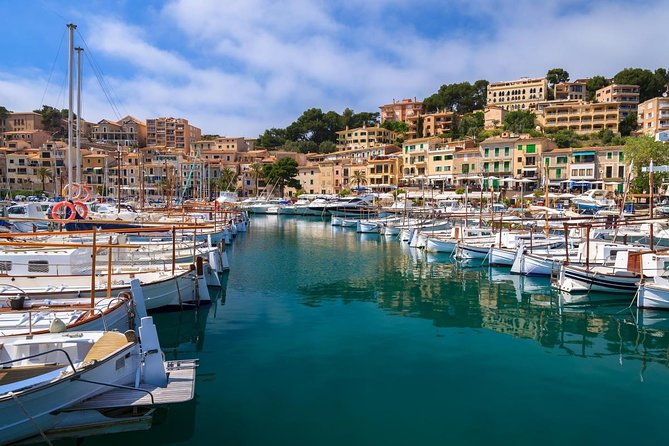
- A 16th-century family home: Can Det combines a historic house, an imposing garden, and a traditional olive oil mill.
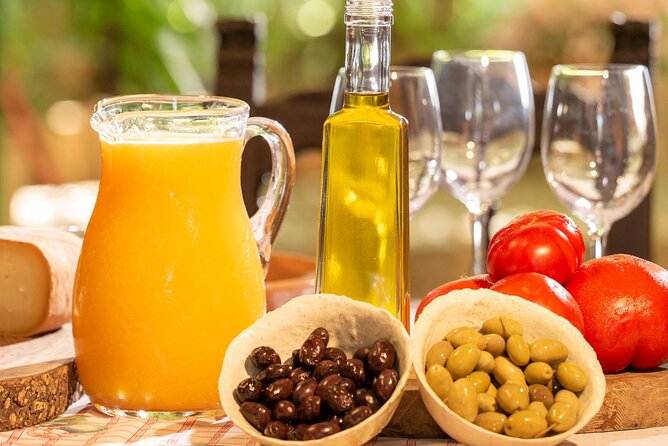
- A generous Mallorcan tasting: Expect bread, ramallet tomatoes, olives, cheese, almonds, marmalade, orange juice, water, and local wine.
- A short, useful visit: The tour lasts about one hour and begins at noon, making it easy to fit around other plans in Sóller.
- Best production window: Visits from October through January may include live oil making, depending on the olive supply and mill schedule.
- A Sóller setting: You’ll see the old mill while taking in views over the valley, but plantation visits require separate arrangements.
- A practical price: At $31.46 per person, the tour is good value if you want local food, family history, and a focused cultural visit in one sitting.
Entering Can Det, Sóller’s old olive oil house
The meeting point is Carrer d’Ozones, 8, in Sóller. The visit starts at noon and ends back at the same address. That timing works well if you are already spending the day in Sóller, but allow extra time to find the house and sort out parking. Several visitors found driving and parking awkward, so I would not arrive at the last minute.
If you are coming from Palma, allow about 45 minutes by car, depending on traffic. The approach through the Tramuntana area is scenic, and the road gives you a pleasant look at the older side of Mallorca before the tour even begins. Public transportation is nearby, but the supplied details do not specify a particular bus or train connection, so check the route from your base before setting out.
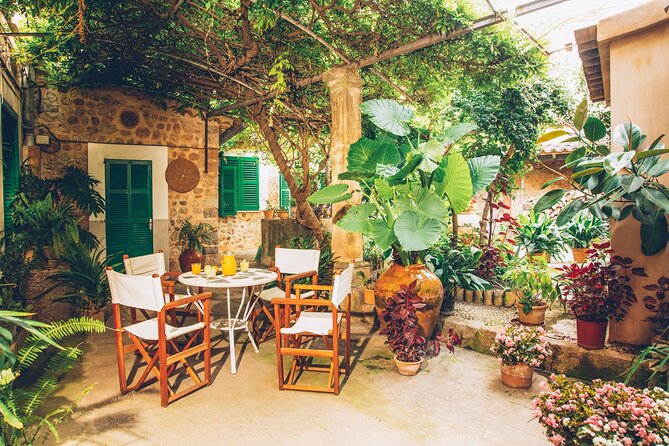
Can Det is not a modern visitor center built around polished displays. It is a working family property with a long connection to olive trees, citrus, and oil production. That gives the visit its character. You are seeing the mill in the place where the family has carried on its work, rather than viewing equipment in a museum with no connection to the people who used it.
The house dates back roughly 400 years, and its garden adds to the sense of place. The tour focuses on the house and mill, not on every part of the estate. That distinction matters because the description can sound like a broader farm visit. The orange and olive plantations are not included in the standard tour. If you want to see them, contact Can Det before booking and ask about the extra visit and cost.
More Olive Mill and Factory Tours in Spain
- Visit Oil Mill Museum and Olive Oil Tasting in Ronda
★ 4.5 · 105 reviews - Jaén: Guided Olive Mill Tour with Olive Oil Tasting
★ 4.9 · 74 reviews - Picualia, olive oil mill tour & EVOO tasting
★ 5.0 · 49 reviews
Seeing the traditional olive press
The main tour explains how olive oil was made using the old system preserved at Can Det. You’ll learn about the family’s traditional cultivation of ancient olive trees and the steps involved in turning olives into oil. An audiovisual presentation adds context, particularly if you visit at a time when the mill is quiet.
This is a good stop for anyone who has used olive oil for years but has never thought much about how it reaches the table. The old equipment gives the process a physical sense. You can connect the local trees, the harvest, the pressing system, and the final bottle instead of treating olive oil as just another item on a grocery shelf.
The family connection also makes the explanation more personal. Tomeo has led visits with a warm and generous style, while Ann has been praised for explaining both the mill and the wider story of Mallorca and Sóller. The exact guide can vary, but the format is built around a family member or host explaining the property and its traditions.
Timing affects what you see. From October through January, the mill may be operating and you may be able to watch production as it happens. This depends on the availability of olives and the day’s schedule, so live pressing is possible, not guaranteed. Outside that period, you still receive an explanation of the process and see the traditional system, but you should not book this expecting a full working demonstration.
One useful point is that the tour does not focus on modern industrial production alone. It explains the old Mallorcan methods and how the family maintains them. One visit may also touch on the balance between historic methods and newer technology, giving you a clearer idea of how an old family business continues to function.
The Mallorcan brunch that follows
After the house and mill, you sit in the dining room for a tasting of local products. This is the part that makes the $31.46 price feel reasonable. It is not just a teaspoon of oil and a polite goodbye. The food is described as a tasting, but the amount can be enough to replace a light lunch.
The usual spread includes:
- Mallorcan bread with olive oil
- Ramallet tomatoes
- Olives
- Cheese
- Toasted almonds
- Marmalade, including homemade orange marmalade
- Local meats such as ham or salami
- Fresh orange juice
- Water and local wine
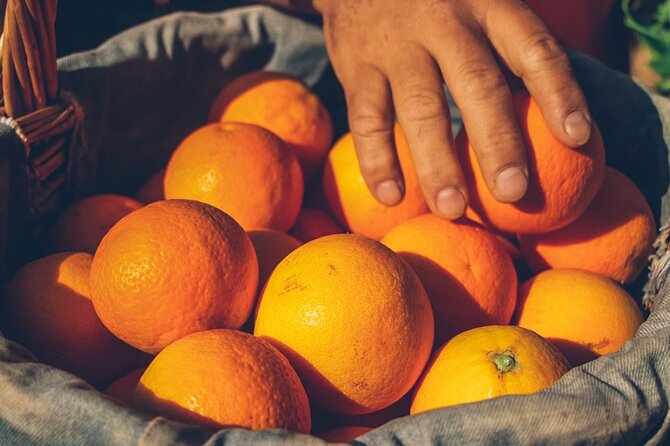
The exact selection can vary, but the meal is built around familiar Mallorcan ingredients. Ramallet tomatoes are especially suited to the local bread and oil, and the tasting lets you try the ingredients together in the way they are commonly enjoyed. The orange juice adds another link to the family’s agricultural work.
You may also receive almond cake or another sweet item. The tasting has been described as generous enough to feel like brunch, which is helpful to know when planning your day. If you schedule a large lunch immediately afterward, you may find yourself eating twice.
The dining room setting is part of the appeal. You are not standing at a retail counter while someone pours oil into tiny cups. You sit at the family home and share a table with the food laid out in front of you. The atmosphere can feel social, and one account described sitting with other international visitors. The advertised format says the activity is private for your group, but another visit was combined with other people, so I would confirm the group arrangement if that point matters to you.
Why the Sóller location adds value
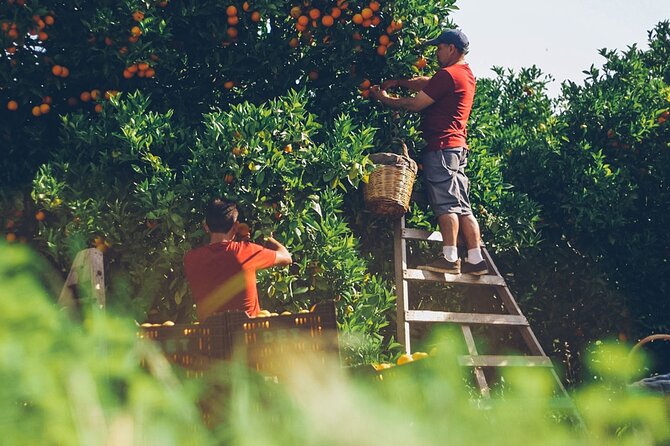
Sóller is more than a convenient address. The town and valley give the visit its sense of place. You are learning about oil production in one of Mallorca’s traditional agricultural areas, with citrus and olive cultivation tied to the local economy.
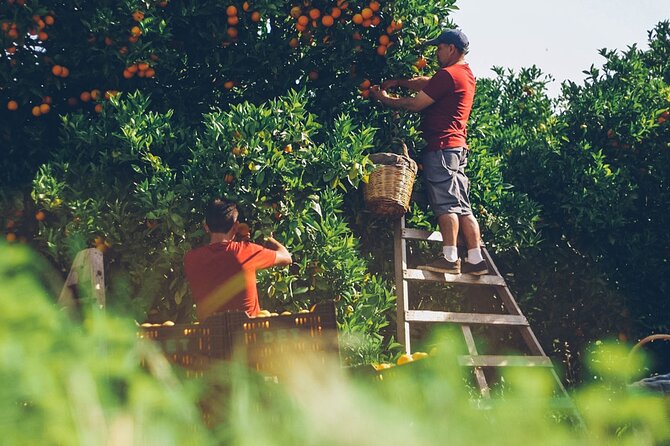
The views over the Sóller valley help put the food in context. You see the kind of terrain that shaped the family’s work, even though the standard visit does not take you into the plantations. If you want a broader farming experience, ask Can Det in advance about adding the orange and olive tree visit.
I like that this tour can be paired with a wider day in Sóller. The one-hour length leaves time for the town, nearby sights, or a scenic journey through the valley. It also avoids the common problem of food tours that run half a day and take over your schedule.
The short format has a limit, too. You should not expect an extended agricultural lesson, a long walk, or a full olive harvest program. The value comes from the combination of the old house, the mill explanation, the family story, and the tasting, all delivered in a compact visit.
Same olive country, a different way to taste it:
- Ronda: LA Almazara LA Organic, Olive Oil Museum and Tasting
★ 4.6 · 435 reviews - Guided tour and olive oil tasting in Alhaurin el Grande (Málaga)
★ 5.0 · 200 reviews - Visit of the olive grove, olive oil tasting and snack
★ 4.9 · 111 reviews - Private Tasting of Olive Oil in Córdoba
★ 5.0 · 93 reviews
How the season changes the visit
If you care most about seeing olive oil being made, aim for October through January. That is the period when live production may be possible, provided olives are available. Harvest timing and mill activity are natural parts of the uncertainty, so even in those months, ask what will be operating on your date.
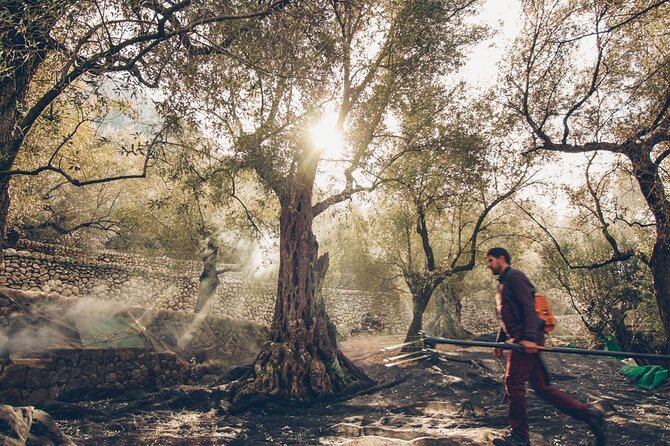
A visit at another time of year still has plenty to offer. You’ll see the traditional equipment, hear about the last old harvesting methods, and watch an audiovisual presentation of the process. One host also explained how olives were gathered in earlier times, which can be valuable if you want the cultural background rather than a working demonstration.
The warmer months may suit people planning a general Sóller outing, particularly from June to October when the area’s growing season is part of the story. Just keep your expectations clear: this is not a plantation tour, and the basic ticket does not include the olive or orange groves.
Price, timing, and practical value
The listed price is $31.46 per person. For a one-hour activity, that may seem higher than a simple tasting, but the price includes far more than food. You are paying for access to a historic family property, a guided explanation of olive oil production, the house and mill visit, an audiovisual presentation, and a substantial spread of local food and drink.
I would judge the value by your interests. If you only want to sample several oils, a shop tasting may cost less and give you more varieties. If you want the story behind Mallorcan olive oil and a meal in an old family home, this visit offers a stronger package.
Book early if your dates are fixed. The experience is often booked about 26 days ahead, which suggests that popular times can fill before your holiday. Confirmation is received at booking, and free cancellation is available up to 24 hours before the start time. Changes or cancellations inside that 24-hour window are not accepted for a refund.
The activity is listed as suitable for most people, and service animals are allowed. It is offered in English. The private activity description says only your group will participate, but because one account found a combined group, I would contact the provider if a private visit is essential.
Who will enjoy Can Det most
I would recommend this for people who want a local food experience with a clear cultural reason behind it. It suits couples, families, and anyone who enjoys seeing how a traditional product is made without giving up half a day.
It is also a good choice for a parent or older relative who prefers a shorter outing with seating and food at the end. A birthday booking received particularly warm feedback, and the one-hour schedule is easy to manage.
Food lovers will appreciate the olive oil, bread, tomatoes, cheese, almonds, marmalade, orange juice, and wine. History-minded visitors will get more from the 400-year-old house and the family story than from the tasting alone.
I would be more cautious about recommending it to someone expecting a full farm tour. You will not automatically walk through the orange and olive groves. I would also steer you elsewhere if your main goal is guaranteed live pressing, since production depends on the season and the availability of olives.
Small details that can improve your visit
Arrive early, especially if you are driving. Parking around the meeting point can be tricky, and a late arrival may shorten the house and mill portion of the visit.
If traffic delays you, still try to reach Can Det rather than giving up. One late group arrived about 30 minutes behind schedule and was still welcomed and included in the remaining tour, though you should not count on that every time.
Ask about production before you reserve if the working mill is your priority. Also ask about the plantation visit if you want to see the trees that supply the family’s oil and citrus products.
If you plan to bring bottles home, ask what is available for purchase at the house. The oil is sold directly by the family and is not generally found in stores, which makes it a practical souvenir as well as a tasty reminder of Sóller.
Should you book this olive oil tour?
Book it if you want authentic food, family hospitality, and a compact look at Mallorca’s olive oil traditions. The tasting is generous, the house is unusual, and the location gives the visit a strong connection to Sóller.
Skip it if you want a long plantation walk or a guaranteed working harvest demonstration. For the best chance of seeing live production, choose a date from October through January and confirm the schedule first.
At $31.46, Can Det offers solid value for a one-hour visit that includes a historic house, traditional mill, local food, orange juice, wine, and a personal introduction to Mallorcan life. I would pair it with a day in Sóller and arrive with enough time to park, find the address, and enjoy the tasting without rushing.
FAQ
Where does the olive oil tour take place?
The tour takes place at Can Det, Carrer d’Ozones, 8, 07100 Sóller, Mallorca, Spain.
What time does the tour begin?
The tour begins at 12:00 pm.
How long does the visit last?
The visit lasts approximately one hour.
What food is included in the tasting?
The tasting includes olive oil, Mallorcan bread, ramallet tomatoes, olives, cheese, toasted almonds, marmalade, and other typical Mallorcan products. Orange juice, water, and local wine are also included.
Can I see olive oil being produced?
You might see live production between October and January, depending on the availability of olives and the mill schedule. Live production is not guaranteed.
Does the tour include the olive and orange plantations?
No. The standard visit does not include the olive or orange plantations. An extra visit may be arranged by contacting Can Det in advance, with an additional cost.
Is the tour offered in English?
Yes. The activity is offered in English.
Is the tour private?
The activity is described as private, with only your group participating. One account reported being placed in a combined group, so contact Can Det if a fully private visit is important to you.
Is parking available?
Parking can be difficult near the meeting point. If you drive, allow extra time to find a space and reach Can Det.
What is the cancellation policy?
You can cancel up to 24 hours before the start time for a full refund. Cancellations or changes made less than 24 hours before the visit are not accepted for a refund.
Freshly pressed around Spain
- Paella, Olive Oil, Wine & Relax in Rural Estate outside Madrid★ 5.0 · 2 reviews
- Olive Oil Tour and Tasting in Málaga★ 5.0 · 2 reviews
- Discover the varieties of wines, olive oil and food on Mallorca★ 5.0 · 8 reviews
- Olive Oil Excursion to an olive mill in the Lecrín Valley★ 3.5 · 3 reviews
- Authentic Olive Oil Tasting in Cordoba, Spain★ 4.0 · 2 reviews
- Cordoba Olive Oil mill, Wine, Passion★ 4.5 · 8 reviews
- Full day in Cordoba between Vineyards and Olive Trees with a Convertible Car★ 5.0 · 2 reviews
- Visit olive grove centenary with oil tasting course★ 5.0 · 11 reviews
Olive Mill and Factory Tours, compared.
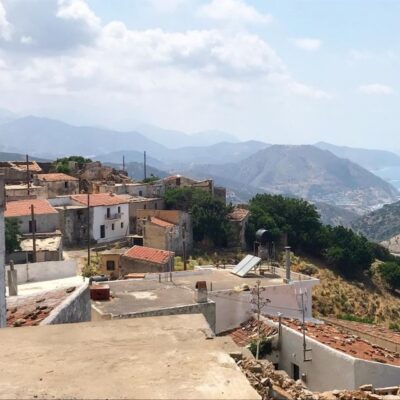
Crete: Quad Safari, Olive Mill with Tasting & Ghost Village
Read our review →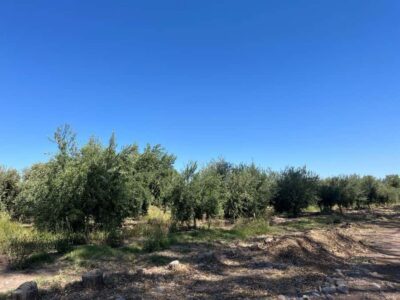
From Mendoza: 3 Wineries, Olive Oil Factory Tour & Tasting
Read our review →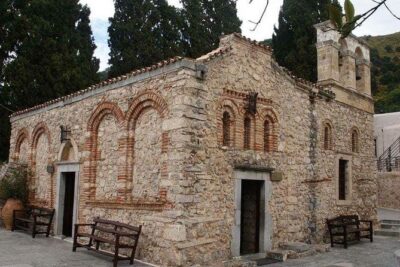
Knossos-Zeus Cave -Old Traditional Villages-Olive Oil Factory
Read our review →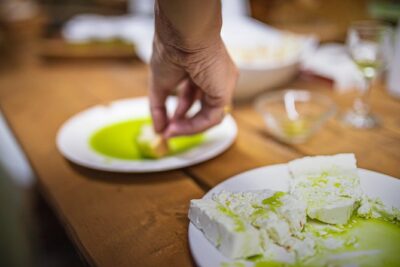
The Governor’s Olive Mill Tour with Olive Oil Tasting
Read our review →
Crete: Road-trip to Lasithi, Zeus Cave & Olive Mill Farm
Read our review →
Lassithi, Zeus Cave, Olive Mill Farm & Knossos Combo Tour
Read our review →
Zeus Cave, Lassithi Plateau, Olive Oil Factory, Kritza, Pottery
Read our review →
Crete: Zeus Cave, Lassithi Plateau, and Olive Factory Tour
Read our review →Other lists with this tasting on them