
Review · CORDOBA
Extra Virgin Olive oil tasting
Cordoba’s olive oil is not a side note to the city’s food culture. It is the star. This 75-minute tasting takes you from the Corredera market to a tasting room for six oils, local bread, coffee, and a useful lesson in how to tell good oil from ordinary oil. I like the focus on specific Andalusian varieties, rather than a vague tasting of products from all over Spain.
I also like the traditional desayuno molinero, a simple miller’s breakfast of bread and olive oil, plus the chance to try Arabic coffee from a local producer. Guides including Barbara, Gloria, Adrian, and Mara are praised for making the session lively and personal. The one thing to keep in mind is that this is a tasting and lesson, not a visit to an olive farm or working mill.
Key points
- Six Cordoba olive oils: Taste oils linked to local varieties such as picual, arbequina, picudo, and hojiblanca.
- A market start: Meet beneath the large clock at the Corredera market and learn about local foods before the tasting.
- Traditional breakfast: Use bread from the area for a desayuno molinero, an old-fashioned way to enjoy fresh oil.
- Practical instruction: Learn about harvesting, pressing, storage, flavor, and what makes an oil extra virgin.
- Small-group feel: The session is presented as personal and discussion-friendly, with guides who explain rather than lecture.
- Shopping afterward: Buy the oil you prefer directly at the tasting room, often at a better price than elsewhere in the city.
Why Cordoba is the right place for an olive oil tasting
Andalusia is one of the world’s great olive-growing regions, and Cordoba is a major center of production. That matters because the oil here is part of daily life, not just a souvenir in a pretty bottle.
A tasting gives you a better way to understand this than simply ordering olive oil with bread at a restaurant. You compare oils side by side, notice how one can be grassy and sharp while another is softer and fruitier, and hear how the olive type and production method affect the final taste.
The session covers four important local varieties: picual, arbequina, picudo, and hojiblanca. You do not need to know anything about olives before arriving. The guide explains what to look for and gives you a chance to decide which flavors you prefer.
That last part is useful. Olive oil is often sold with grand labels and impressive packaging, but your own palate is a better guide. By the end, you should have a clearer idea of what you like and what is worth taking home.
More Olive Oil Tours around Spain:
- Ronda: LA Almazara LA Organic, Olive Oil Museum and Tasting
★ 4.6 · 435 reviews - Guided tour and olive oil tasting in Alhaurin el Grande (Málaga)
★ 5.0 · 200 reviews - Guided Tasting Tour in 16th century House and Olive Oil Factory
★ 5.0 · 169 reviews
Meeting beneath the Corredera clock
The meeting point is beneath the large clock at the main entrance to the Corredera market. This is a practical location in central Cordoba, but give yourself a few minutes to find the exact clock and entryway.
The market stop adds a local-food angle before the formal tasting begins. Guides have explained the produce and foodstuffs on display, pointed out the difference between ordinary and premium products, and shared simple recipe ideas. One guide also took the group to choose bread at a nearby bakery before heading to the tasting room.
That short walk through the market makes the experience feel connected to Cordoba rather than sealed off in a classroom. You see the foods that pair with olive oil and get a sense of how the product fits into local meals.
Do not expect a full market tour. The main purpose is the oil tasting, and the market portion helps set the scene. If you are especially interested in food, arrive with time to look around the Corredera area before or after the session.
The desayuno molinero begins with bread and oil
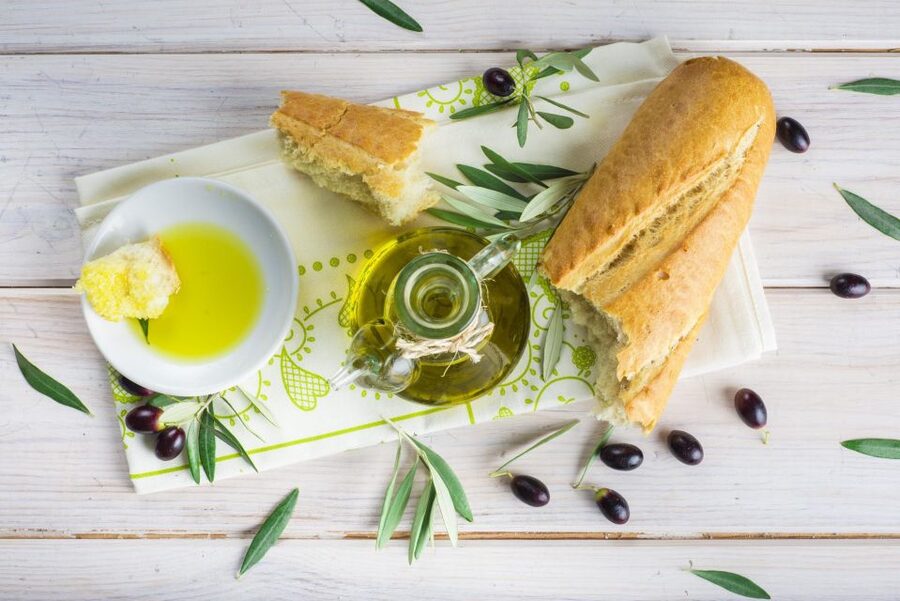
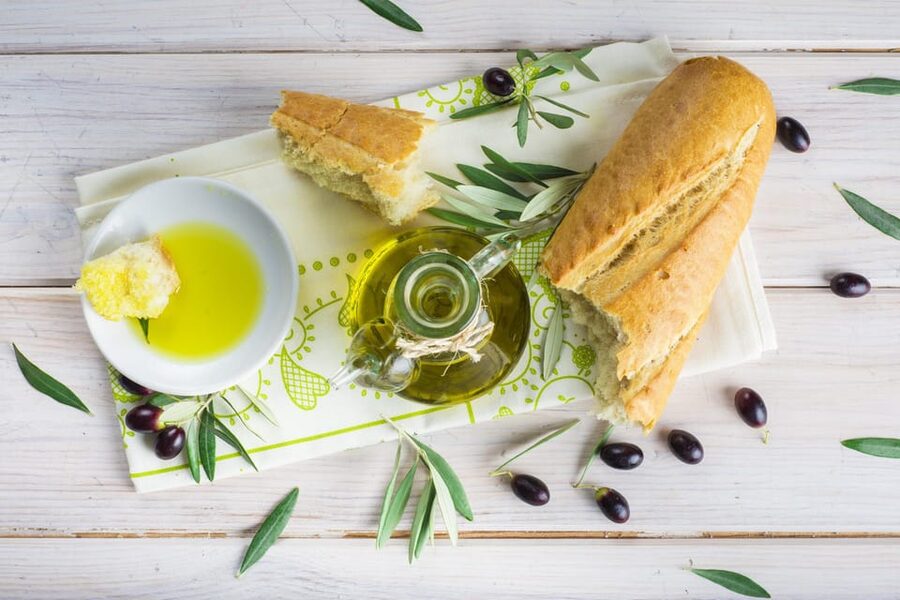
The tasting includes bread for a desayuno molinero, traditionally a miller’s breakfast. The idea is wonderfully plain: good bread, fresh olive oil, and a few simple additions if desired.
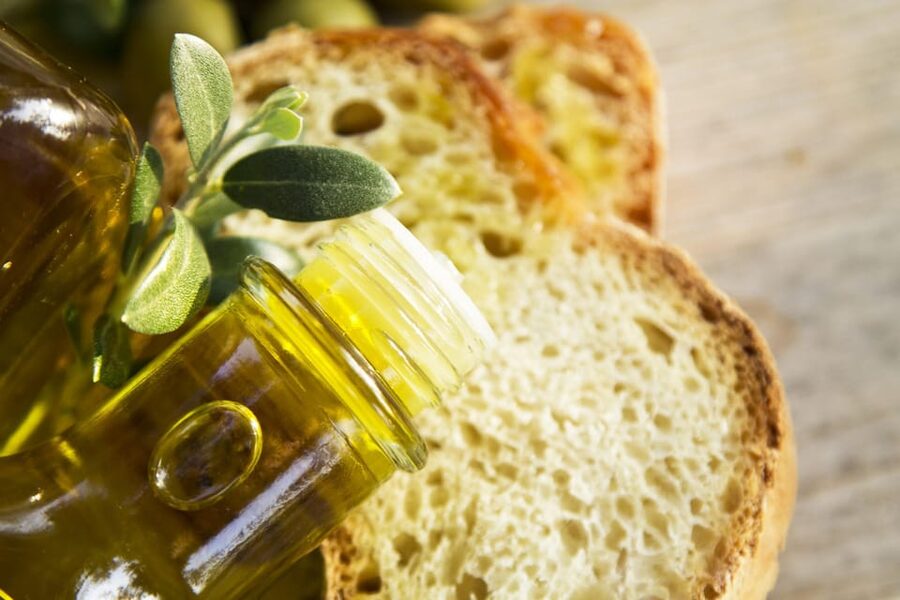
Here, the bread may be pan del vacar, a local style mentioned as part of the traditional breakfast. You use the bread to sample the oils, which makes the tasting more satisfying than sipping oil alone. It also shows how the product is commonly enjoyed at home.
Some food tastings pile on snacks until the central ingredient gets lost. This one keeps the setup simple. Bread lets you taste the oil clearly while giving your palate a familiar reference point.
You may also hear about the old habits connected with olive oil in Andalusia and the properties traditionally associated with it. Treat the health discussion as cultural context, not as medical advice. The strongest part of the lesson is the sensory and production information.
Six oils, four varieties, and plenty of comparison
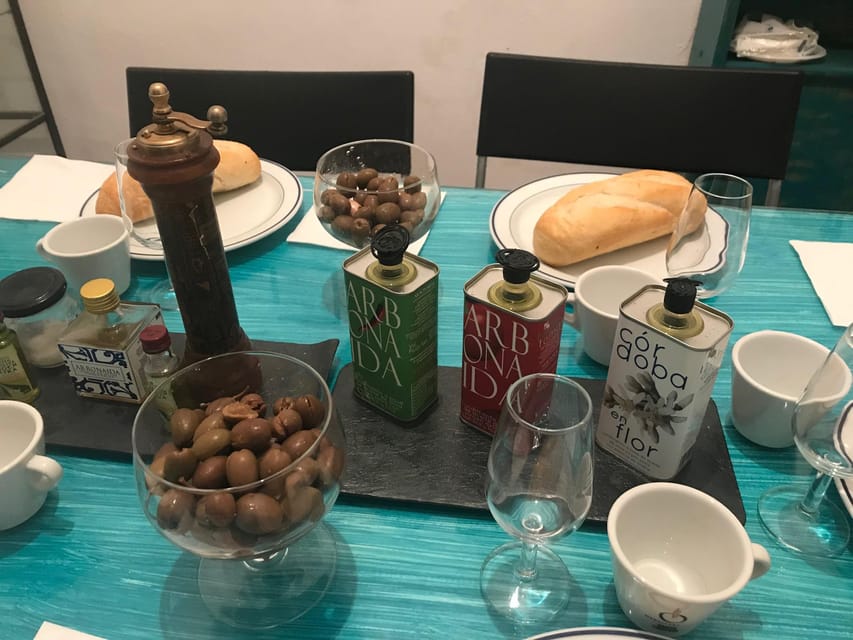
The experience includes six olive oils from Cordoba. The varieties discussed include picual, arbequina, picudo, and hojiblanca. The exact lineup may vary, since one account described seven oils rather than six, so you should think of the number as a guide rather than a strict promise.
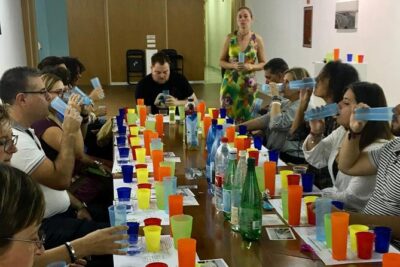
The value comes from tasting them one at a time. A guide may place oil on a plate and have you use bread to sample it, with water or coffee helping clear your palate between tastings. That simple order makes the differences easier to notice.
Picual is one of the best-known Spanish olive varieties and can have a firm, peppery character. Arbequina is often associated with a gentler, fruitier profile. Picudo and hojiblanca add more points of comparison. The guide explains the traits of each oil rather than asking you to guess without help.
You will learn that color alone does not tell you whether an olive oil is good. Smell, flavor, bitterness, and a peppery finish all matter. A fresh extra virgin oil can have a sharp edge, and that sensation is not automatically a flaw.
This is where the tasting earns its price. You are not just sampling six products. You are learning a method you can use later in a shop, restaurant, or your own kitchen.
Same olive country, a different way to taste it:
- Visit of the olive grove, olive oil tasting and snack
★ 4.9 · 111 reviews - Visit Oil Mill Museum and Olive Oil Tasting in Ronda
★ 4.5 · 105 reviews - Private Tasting of Olive Oil in Córdoba
★ 5.0 · 93 reviews - Olive Oil tasting breakfast & Tour in Cordoba
★ 4.5 · 84 reviews
From olive tree to bottle
The lesson follows the oil from the tree to the bottle. You hear about olive varieties, harvesting, processing, and the standards connected with extra virgin olive oil.
The production explanation is especially helpful if you have only ever seen olive oil as a finished bottle on a grocery shelf. The guide connects the flavor in your glass to the olive variety and the way the fruit was handled.
The tasting also covers how oils are made and where the olives are grown. Specific family experience can make this more memorable. Barbara, for example, has shared stories about growing up in a family that had produced olive oil since the 1700s.
That kind of personal link adds warmth, but the session still works if your guide is Adrian, Gloria, Mara, or another member of the team. The strongest praise has centered on guides who explain clearly, answer questions, and bring in local knowledge about Cordoba and its food.
You should expect conversation rather than a formal technical course. The tone is friendly and occasionally humorous, which suits a short tasting. You get enough detail to understand the subject without spending half a day on agricultural terminology.
The guides shape the experience
The guide matters here because olive oil can become dull if presented as a list of chemical terms. The most effective guides make you smell, taste, compare, and ask questions.
Barbara has been singled out for making the session personal and for adding information about the city, the market, and local food. Adrian has been praised for his passion for Cordoba’s gastronomy and olive oil production. Gloria has been described as bringing the olive-growing region to life through her explanations.
Mara has also been praised for encouraging discussion and explaining the differences between oils well. These details suggest that the experience is not a scripted sample tray with a quick sales pitch.
The humor is part of the design. The hosts aim to keep things light, and the activity description promises that you will leave with a smile. That may sound minor, but it helps when you are learning a new tasting vocabulary.
English and Spanish are offered. If you want a highly technical class taught with formal terminology, this may feel relaxed. If you want a clear introduction that connects food, place, and local tradition, the approach is a good fit.
The tasting room and the role of coffee
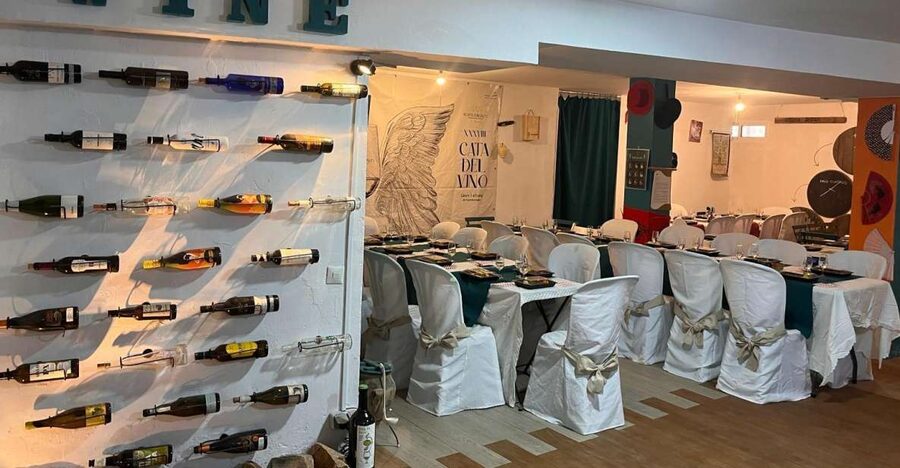
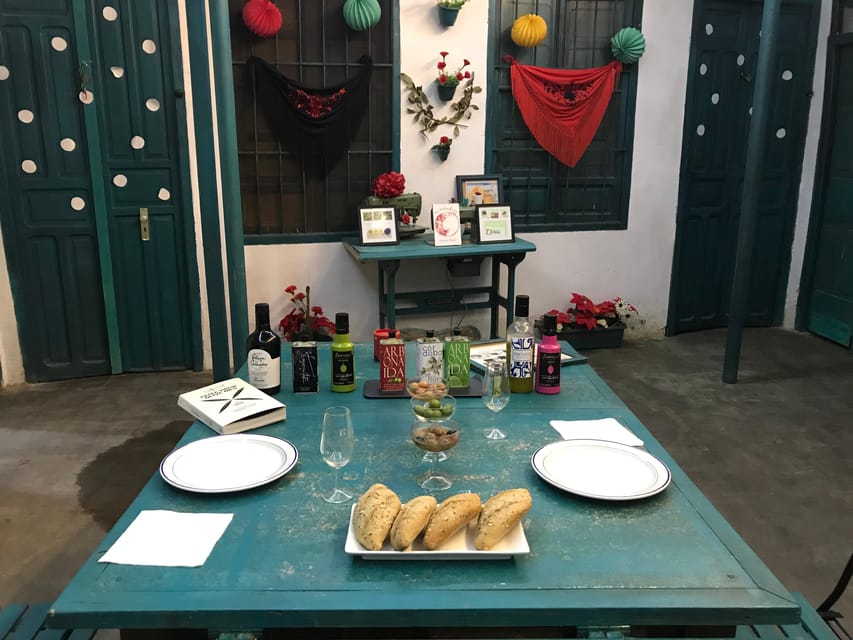
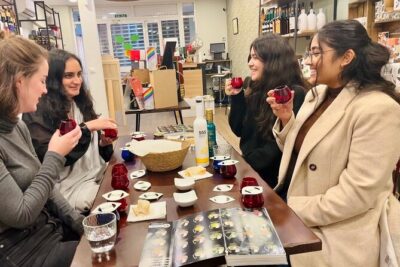
After the market, you move to the tasting room. The space has been described as a cool, comfortable basement studio and, in one case, a welcoming little wine shop. The exact setting may differ, but it is an indoor tasting space rather than an outdoor farm visit.
Coffee and tea are included. The coffee may be Arabic coffee from a local top-quality producer, and it gives the experience a pleasant regional touch. Water may also be available to clear your palate between oils.
The coffee is not the main reason to book, but it makes the breakfast format feel complete. It also gives you a break from comparing oils and lets the guide talk about local products beyond the main subject.
If you dislike coffee, tea is included too. The activity is still centered on oil and bread, so you will not be missing the main content.
Is $15 good value?
At $15 per person, this is a strong-value food activity in Cordoba. You receive six local oils, bread, coffee or tea, a guided explanation of production and varieties, and access to an in-house shop.
The price is especially fair if you are likely to buy a bottle afterward. You can taste before purchasing, which is better than choosing based only on a label or attractive packaging. The shop offers the oils you sample, and the hosts aim to sell them at a good price.
Of course, this is not a full meal. The bread and oil make a substantial snack or light breakfast, but you should not book it expecting a large spread of Andalusian dishes.
It also does not include transport into the countryside or a mill tour. If you want rows of olive trees, machinery, and a longer farm visit, look for a separate rural excursion. For a short city-based introduction, the price makes sense.
What makes this different from a standard food tour
A regular Cordoba food tour may take you through several stops and cover many dishes. This experience keeps one ingredient in the center and gives it proper attention.
That focus lets you notice things you would probably miss at a restaurant. You compare the same basic food, bread, with different oils. You learn why two bottles both labeled extra virgin can taste very different. You also hear about the local varieties that shape Cordoba’s food culture.
The market walk adds breadth without taking over. You get a glimpse of local products, perhaps stop for bread, and then settle into the tasting. It is a useful middle ground between a quick shop sample and a full-day agricultural tour.
I would pair this with a visit to Cordoba’s major sights rather than use it as the day’s only activity. The session lasts about 75 minutes, though one account put the total closer to an hour and a half. Allow a little flexibility if the market stop or discussion runs long.
Who should book this experience?
I would recommend it to anyone who enjoys food, cooking, or small cultural activities. It is also a good choice if you want something different from churches, palaces, and historic streets for one morning.
You do not need to be an olive oil expert. In fact, beginners may get the most from it because the guide supplies the basic vocabulary and structure.
It suits couples, families with older children, and small groups who enjoy asking questions. The personal format is also useful for solo visitors who prefer a guided activity with a clear meeting point.
It may be less suitable if you need step-free access. The activity is listed as unsuitable for wheelchair users, and the tasting room may involve access that is difficult for some visitors.
You should also skip it if you are looking for a large meal, a countryside outing, or a long historical tour of Cordoba. The city’s history comes into the conversation, but olive oil remains the subject.
Useful details before you reserve
The experience is available in English and Spanish. Meet beneath the large clock at the main entrance to the Corredera market.
The advertised duration is 75 minutes. Since the market visit, bread stop, questions, and tasting can take time, do not schedule a tight appointment immediately afterward.
You can cancel up to 24 hours before the start for a full refund, and you can reserve without paying immediately. That is helpful if your Cordoba schedule is still shifting.
The overall rating is 4.9 from 79 ratings, with the strongest praise focused on the guides, the clear explanations, the variety of oils, and the fun small-group feel. That matches what the activity promises: a short, friendly introduction with a strong local connection.
Should you book the Cordoba olive oil tasting?
Book it if you want to understand why olive oil matters in Andalusia and prefer a focused activity over a broad food crawl. The combination of the Corredera market, local bread, six oils, and direct guidance gives you useful context for a modest price.
I especially like it for visitors who plan to cook at home or take edible souvenirs back to friends and family. You taste first, learn what you prefer, and then buy with more confidence.
Skip it if your priority is an olive grove, a working mill, or a full meal. For everyone else, this is a smart 75-minute break from sightseeing, with enough flavor and local detail to stay with you after you leave Cordoba.
FAQ
How long does the olive oil tasting last?
The advertised duration is 75 minutes. The tasting can sometimes run closer to an hour and a half, depending on the market visit and discussion.
What is included in the price?
The experience includes six olive oils from Cordoba, bread for the desayuno molinero, and coffee and tea.
Where is the meeting point?
Meet beneath the large clock at the main entrance to the Corredera market in Cordoba.
Which olive oil varieties will I learn about?
The session discusses picual, arbequina, picudo, and hojiblanca varieties.
Is the experience offered in English?
Yes. The instructor can lead the activity in English or Spanish.
Can I buy olive oil after the tasting?
Yes. An in-house shop offers the oils you taste, so you can buy bottles for yourself, friends, or family.
Is the activity suitable for wheelchair users?
No. The activity is listed as unsuitable for wheelchair users.
Freshly pressed around Spain
- Paella, Olive Oil, Wine & Relax in Rural Estate outside Madrid★ 5.0 · 2 reviews
- Olive Oil Tour and Tasting in Málaga★ 5.0 · 2 reviews
- Discover the varieties of wines, olive oil and food on Mallorca★ 5.0 · 8 reviews
- Olive Oil Excursion to an olive mill in the Lecrín Valley★ 3.5 · 3 reviews
- Authentic Olive Oil Tasting in Cordoba, Spain★ 4.0 · 2 reviews
- Cordoba Olive Oil mill, Wine, Passion★ 4.5 · 8 reviews
- Full day in Cordoba between Vineyards and Olive Trees with a Convertible Car★ 5.0 · 2 reviews
- Visit olive grove centenary with oil tasting course★ 5.0 · 11 reviews
Cordoba Olive Oil Tours, compared.
Córdoba: Visit a family organic olive grove with tasting
Read our review →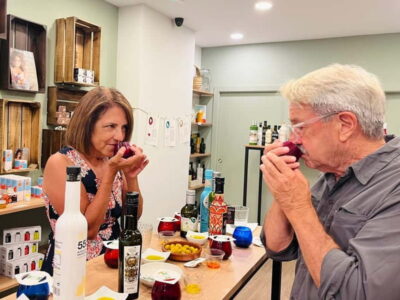
Full day in Cordoba between Vineyards and Olive Trees with a Convertible Car
Read our review →
Other lists with this tasting on them