
Review · ITALY
Food and Wine Tour between the Patriarchs Olives and the Oil Temples
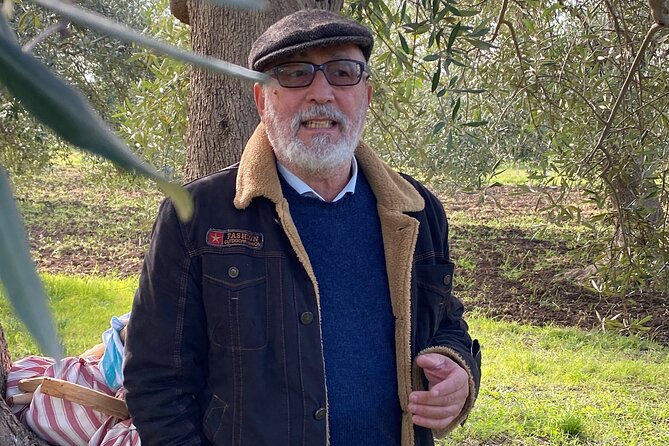
Matera’s old olive trees are the real stars here. You walk through the Parco della Murgia Materana, visit caverns connected with an ancient farmhouse, and eat beneath trees that may have been producing olives for centuries. The hands-on cialledda workshop gives the outing a welcome link to everyday Lucanian cooking, not just sightseeing.
I like two things in particular: you taste bread from a wood-burning oven with oil made from the same local olives, and you sample several Slow Food products, including Caciocavallo Podolico, Ferrandina baked olives, and Pezzente salami. The main caution is that the experience may feel less polished than its description suggests, with one sharply negative account citing unsafe paths, abandoned buildings, and much smaller food portions than expected.
Key points at a glance
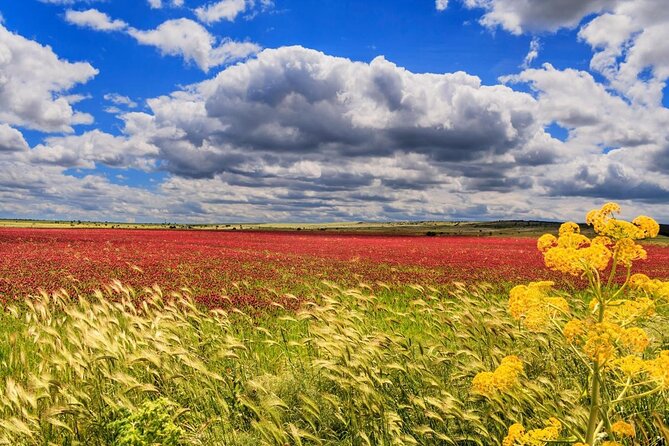
- Ancient olive trees and farmhouse caverns: The walk reaches old agricultural spaces in the Murgia countryside and connects the food to the land around Matera.
- Hands-on cialledda preparation: You help make a traditional dish from stale Matera bread, vegetables, and mixed local salads.
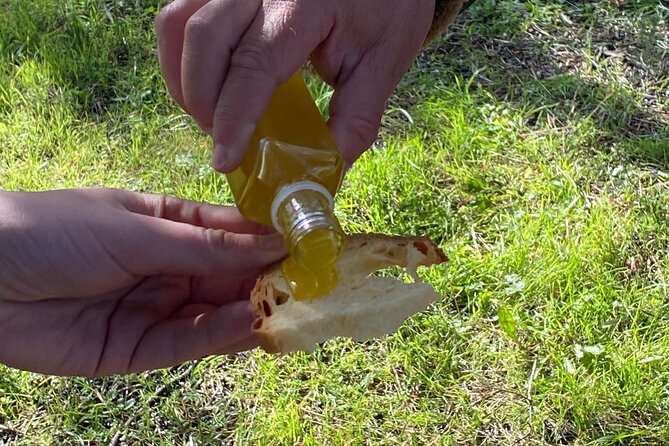
- Wood-oven bread and olive oil: The tasting pairs Matera bread with extra virgin olive oil produced from the surrounding age-old olive trees.
- Lucanian tasting plate: Caciocavallo Podolico, Ferrandina baked olives, and Pezzente salami add local character to the meal.
- Small private setting: Only your group takes part, which should make conversation and questions easier.
- Rural walking conditions: Paths near gorges and old buildings may be uneven or steep, so sensible shoes and care underfoot matter.
Matera’s olive country, not another city snack stop
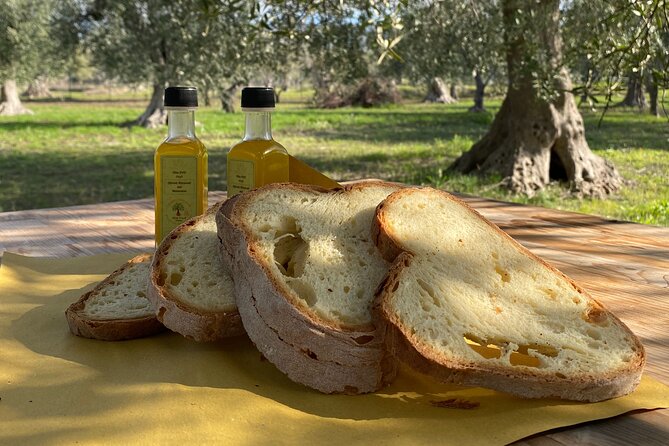
This outing takes you beyond the famous stone districts and into the countryside of the Materan Murgia. That change matters. Matera is often approached through its cave homes, churches, and viewpoints, but food here makes more sense when you see the dry fields, old farm structures, and olive trees that supplied local households for generations.
The planned visit includes MOOM, reached while passing through an important heritage area. The main stop is the Parco della Murgia Materana, where the walking route follows the presence of the patriarch olive tree. The wording suggests a rural outing rather than a formal museum tour, so you should expect open countryside, old agricultural spaces, and a guide-led route rather than polished exhibits.
The tour lasts about two to three hours, with the main activity described as a two-hour visit. It begins at 10:00 am and returns to Viale Aldo Moro, 6. Since the exact amount of walking can vary with the route and conditions, you should be comfortable on uneven ground before booking.
More Olive Oil and Wine Tastings in Italy
- Sorrento Farm and Food Experience including Olive Oil, Limoncello, Wine tasting
★ 5.0 · 2,524 reviews - Sorrento: Lemon, Olive Oil and Wine Tasting Tour with Lunch
★ 5.0 · 300 reviews - Alghero: Wine and Olive Oil Tasting at a Local Farm
★ 4.8 · 294 reviews
Following the old olive trees through the Murgia
The first important part is the walk through the countryside. Under the centuries-old olive trees, you taste Matera bread seasoned with extra virgin olive oil made from olives from those same trees. That pairing is simple, but it gives you a useful sense of how local food works: good bread, good oil, and very little fuss.
The route also leads into caverns linked to an old farmhouse. These spaces help explain the working side of the region. They are not simply scenic holes in the rock. They belong to the rural setting that once supported farming, storage, shelter, and food production.
The experience may also include a stop at a church and old farm buildings, depending on how the guide operates the route. One account describes boarded-up structures, scaffolding poles, and a privately owned house reached near a gorge. That raises two practical points. First, the surroundings may feel raw and unfinished rather than preserved for tourism. Second, you should ask the guide at the start which sections are included and how difficult the walk will be.
A gorge section has been described as steep and unsafe by one participant, with several people choosing not to continue. The official details do not give a difficulty rating, so do not treat this as a completely flat tasting walk. If you have balance concerns, limited mobility, or dislike loose ground, tell the guide before setting out.
Making cialledda the Lucanian way
The cooking activity centers on cialledda, a traditional dish that gives stale bread a useful second life. Matera bread meets vegetables and mixed salads from the Lucanian countryside. The result is a practical country dish, built around ingredients that were available at home rather than expensive products brought in for tourists.
I like this part because it turns the meal into an activity. You are not simply handed a plate and told what it is. You prepare a dish connected to local habits, then eat it in the same spirit as olive pickers taking a break during the harvest.
The workshop takes place in or around an old farmhouse setting, and the meal is shared afterward. Popular instruments and songs from Matera accompany the gathering. That musical element can make the stop feel more social and rooted in place, though you should expect an informal performance rather than a full concert.
The description promises a substantial tasting, but expectations deserve care. One negative account reported only small portions of pepperoni, olives, and cheese, followed by a modest amount of wine, bread with tomatoes and raw red onion, and an apricot. The operator disputed that account and said the group ate the prepared food together. The safest approach is to see this as a tasting and shared rural meal, not a guaranteed full lunch.
What goes into the tasting
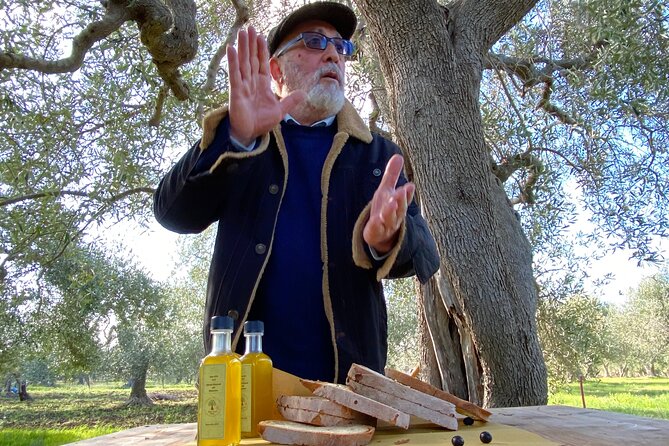
The food has a strong local focus. Along with cialledda, the meal includes Matera bread, extra virgin olive oil, Primitivo wine, and a selection of Lucanian products associated with Slow Food traditions.
Caciocavallo Podolico is a firm cheese made from the milk of Podolica cattle. Ferrandina baked olives bring a more concentrated, savory taste, while Pezzente salami comes from the mountains around Matera. Together, these foods offer more variety than a generic cheese board and give you several flavors to remember when you eat in Basilicata later.
The bread is especially important. Matera is known for its large, durable loaves, and cialledda makes sense because stale bread is softened and combined with fresh ingredients. The meal shows how local cooking can be economical without being dull.
Primitivo is served with the food. The information does not specify the producer, vintage, or quantity. One account describes receiving only about an inch of wine in a serving, so wine lovers should not book this as a wine tasting with multiple pours. The focus is food, place, and tradition, with wine as an accompaniment.
If you have dietary restrictions, ask before booking. The supplied details do not confirm vegetarian, vegan, gluten-free, or allergy accommodations. Bread, cheese, salami, and vegetables all appear in the meal, and the exact preparation may vary.
Same olive country, a different way to taste it:
- Olive oil tasting in Sorrento
★ 5.0 · 434 reviews - Ostuni: Masseria tour among thousand-year-old olive trees with oil tasting
★ 4.8 · 261 reviews - Balestrate: Olive Grove Tour with Wines & Olive Oil Tasting
★ 5.0 · 241 reviews - Bardolino: Vineyard Tour with Wine, Olive Oil & Food Tasting
★ 4.6 · 221 reviews
A private tour, with some practical tradeoffs
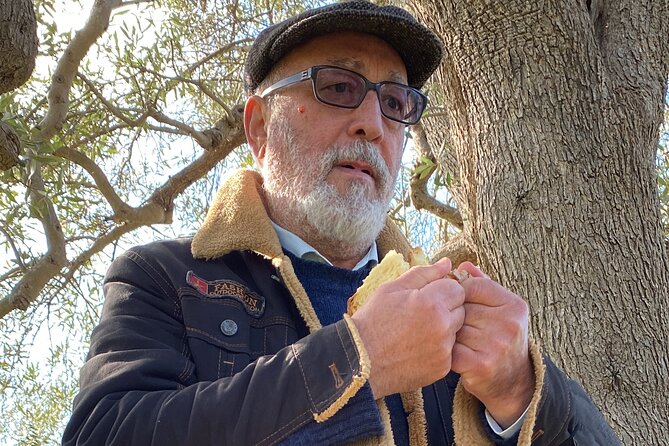
Only your group participates, which is one of the better features of the format. A private outing lets you ask questions without competing with a large crowd, and the guide can pay closer attention to your pace. It also suits friends or family who want a shared meal instead of a public food crawl.
The tradeoff is that the quality depends heavily on the guide and the day’s organization. A private tour has no larger group to create energy if the route feels unclear. One highly critical account described the walk as rambling and said the purpose of several stops was not explained. That is not a minor complaint. On a rural outing, clear guidance about where you are going and why you are there makes a big difference.
The operator’s response strongly rejected that account and said the food and tour had been prepared specifically for the group. The overall published score is 4.7 from 23 ratings, with 91 percent of participants recommending the experience. Those figures suggest that many people find the format worthwhile, but they do not remove the need to confirm the route and meal details before you set off.
There is no guide name provided in the available information. You should not expect to choose a particular host. At the beginning, ask about the day’s order, the walking distance, the gorge section, and what food will be served. A two-minute briefing could prevent a lot of confusion.
Is $50.41 a fair price?
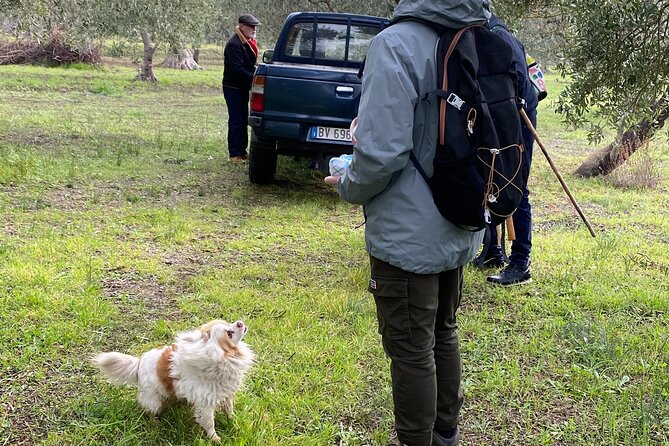
At $50.41 per person, the price is reasonable if you value a private countryside outing, a food workshop, and a local tasting in one package. You are paying for more than individual bites. The cost includes the guide’s time, the rural route, the preparation of cialledda, the shared meal, music, bread, oil, wine, cheese, olives, and salami.
The value is weaker if you want a polished archaeological tour, generous portions, or a serious wine education. Admission to the main park stop is listed as free, so the price is not driven by a costly entry ticket. The real value lies in access to the private setting and the meal activity.
For a couple or small family, the private format may justify the cost. For a solo visitor comparing it with a larger public food tour, the price may feel higher unless you particularly want the countryside and personal format.
The tour is booked an average of 28 days ahead, so advance planning may help, especially if your Matera schedule is tight. Confirmation is normally immediate, but bookings made within two days of the date may take up to 48 hours and remain subject to availability.
Timing, meeting point, and the return to town
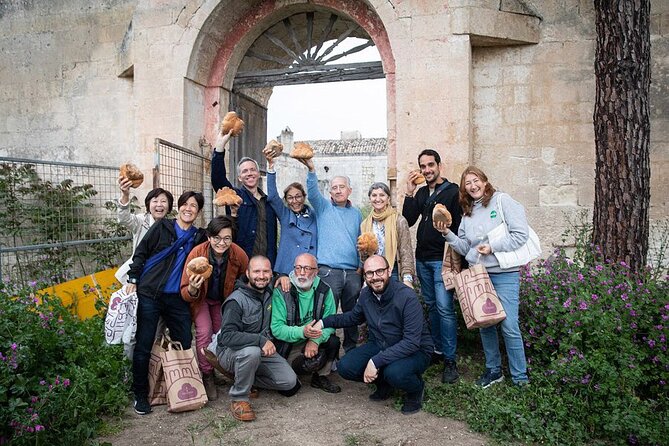
You meet at Viale Aldo Moro, 6, in Matera, at 10:00 am. The activity ends at the same point. It is near public transportation, which helps if you are staying outside the old center, though the supplied information does not specify the exact bus line or walking time from your hotel.
The morning start makes sense in warm weather and leaves the afternoon open for Matera’s historic districts. It also places the food activity before the strongest midday heat. Bring water, sun protection, and shoes with a firm grip, since the exact rural conditions may be uneven.
The service is offered in English and comes with a mobile ticket. Service animals are allowed, and most people can participate. Those details are useful, but they do not mean every part of the route is easy. The gorge account makes it clear that you should speak up if a section feels beyond your ability.
The experience requires good weather. If poor weather cancels it, you are offered another date or a full refund. You can cancel for a full refund up to 24 hours before the start time. Cancellations or changes inside that window are not accepted, and the tour can also be canceled if the minimum number of participants is not reached.
Who will enjoy this food walk most?
I would choose this outing if you like food with a story, old rural buildings, olive growing, and informal meals. It suits visitors who have already seen some of Matera’s main sights and want a few hours in the countryside.
It also works well for people who enjoy participation. Making cialledda, tasting the oil under the trees, and sharing a meal with music creates more connection than a guide simply pointing out ingredients from behind a counter.
I would be cautious if you need a fully accessible route, expect a generous lunch, or want every stop explained as part of a clearly timed program. The available information does not promise step-free access or a specific walking distance. One account also raises genuine concerns about steep ground and the condition of some buildings.
Families and older visitors should ask directly about the gorge and abandoned structures before committing. Most people can take part, but most is not the same as everyone, especially on rough rural ground.
Should you book it?
Book this tour if you want an intimate, food-centered look at Matera’s countryside and you are happy with a rustic, flexible format. The best parts are the old olive trees, the bread and oil pairing, the cialledda workshop, and the chance to taste foods strongly tied to Basilicata.
Before paying, send a message asking for the expected walking route, the condition of the gorge section, and the planned amount of food and wine. If the guide gives clear answers, the experience can offer a memorable break from Matera’s stone streets.
Skip it if you want a precise museum-style tour, a large meal, or guaranteed easy footing. The strong overall score and private format are encouraging, but the conflicting account shows that organization and expectations matter here.
FAQ
How long does the food and wine tour last?
The experience lasts about two to three hours. The main stop is described as lasting two hours.
Where does the tour begin and end?
You meet at Viale Aldo Moro, 6, 75100 Matera MT, Italy, at 10:00 am. The activity ends back at the same meeting point.
Is the tour offered in English?
Yes. English is the listed language, and the tour uses a mobile ticket.
What food and drink are included?
The experience includes Matera bread, extra virgin olive oil, cialledda, Primitivo wine, Caciocavallo Podolico, Ferrandina baked olives, and Pezzente salami from the Matera mountains.
Is this a private tour?
Yes. Only your group participates in the activity.
Can I cancel for a full refund?
Yes, provided you cancel at least 24 hours before the local start time. Cancellations or changes made less than 24 hours ahead are not accepted.
What happens if the weather is poor?
The experience requires good weather. If it is canceled because of poor weather, you are offered another date or a full refund.
Freshly pressed around Italy
- E-bike tour in Ostuni, the olive trees and the rock village★ 5.0 · 4 reviews
- Tuscan ExtraVirgin Olive Oil Tour★ 5.0 · 4 reviews
- Wine and Extra virgin olive oil tasting in Lucca, Tuscany★ 5.0 · 3 reviews
- Lecce : Half day E-Bike tour to Old Olive Mill & Olive Oil Taste★ 5.0 · 3 reviews
- Bellagio/Lezzeno/Oliveto Lario to/from Milan Malpensa Apt (Private Transfer)★ 5.0 · 4 reviews
- Sunset Magic E-bike Tour at Sunset in Capoliveri★ 5.0 · 4 reviews
- Leonardo Da Vinci’s wind mill visit and Organic olive oil tasting★ 4.5 · 12 reviews
- Chianti from Florence:PRIVATE Wine, Olive Oil Tasting in the Tuscan countryside★ 5.0 · 2 reviews
Olive Oil and Wine Tastings, compared.
Sorrento Farm and Food Experience including Olive Oil, Limoncello, Wine tasting
Read our review →
From Mendoza: 3 Wineries, Olive Oil Factory Tour & Tasting
Read our review →
From Chania: Olive Oil, Wine, Cheese & Honey Tasting Tour
Read our review →
From Chania: Wine and Olive Oil Tasting Tour with Snacks
Read our review →
Athens: Acropolis Wine Tasting with Cheese and Olives
Read our review →
Sorrento: Lemon, Olive Oil and Wine Tasting Tour with Lunch
Read our review →
Alghero: Wine and Olive Oil Tasting at a Local Farm
Read our review →
Other lists with this tasting on them